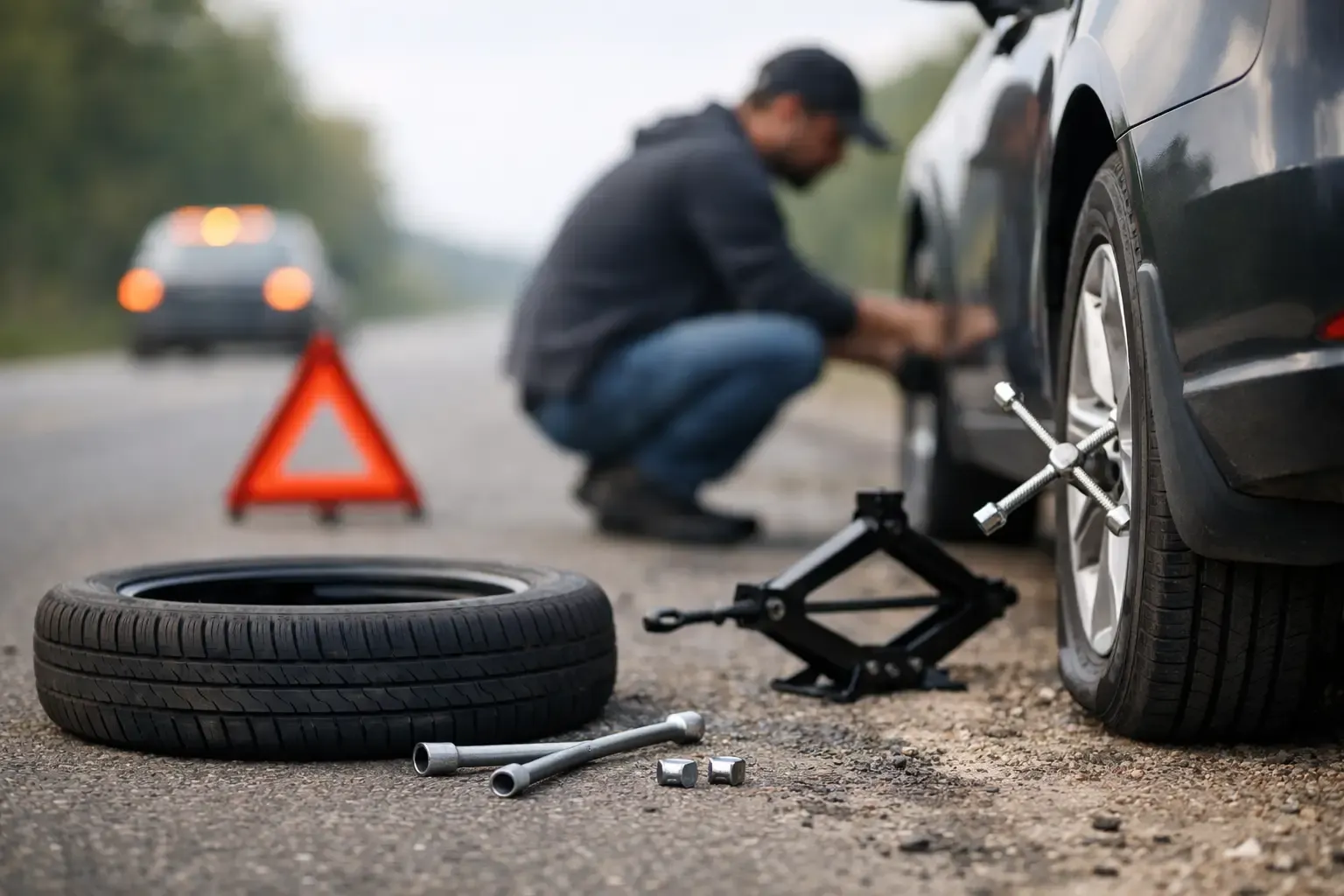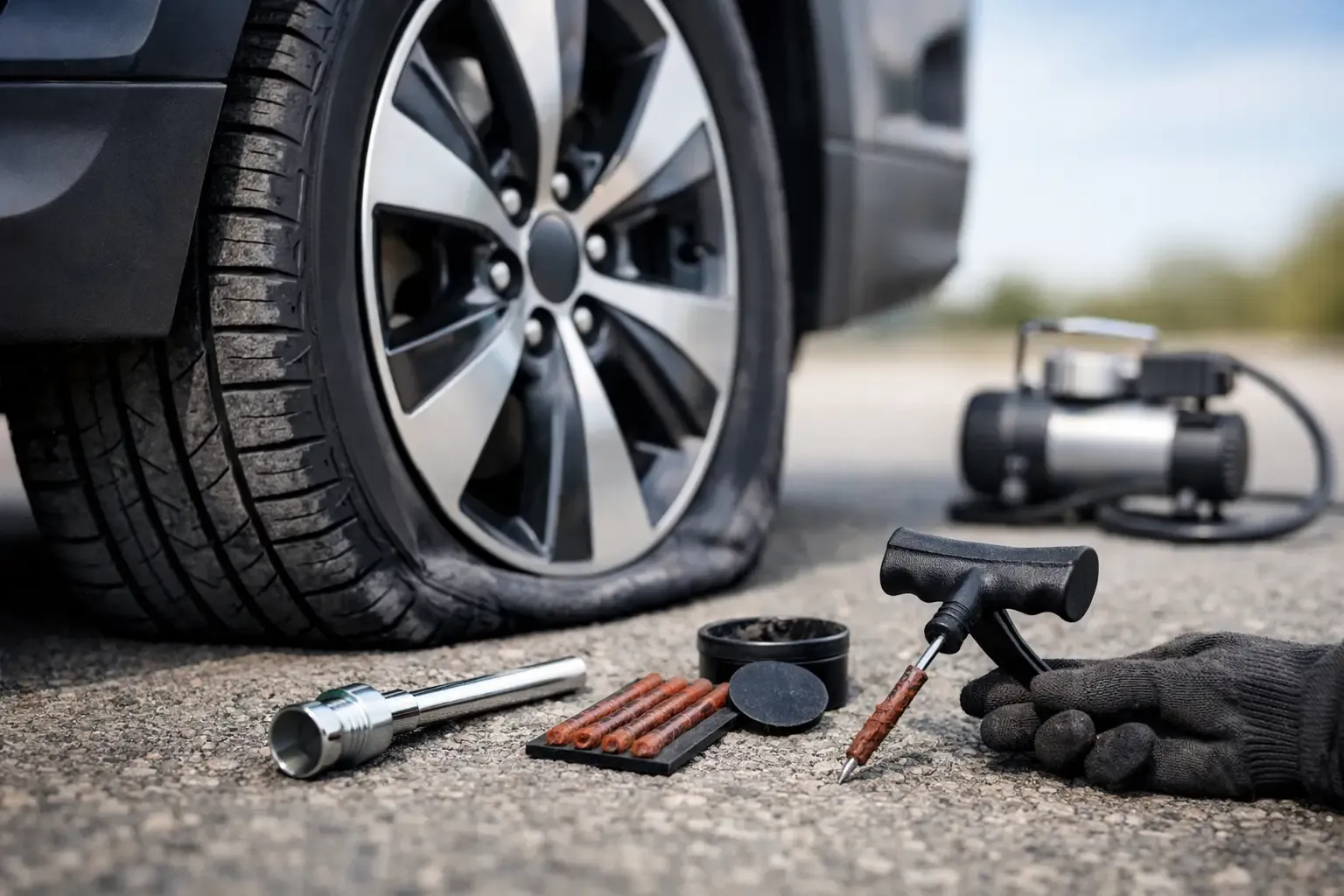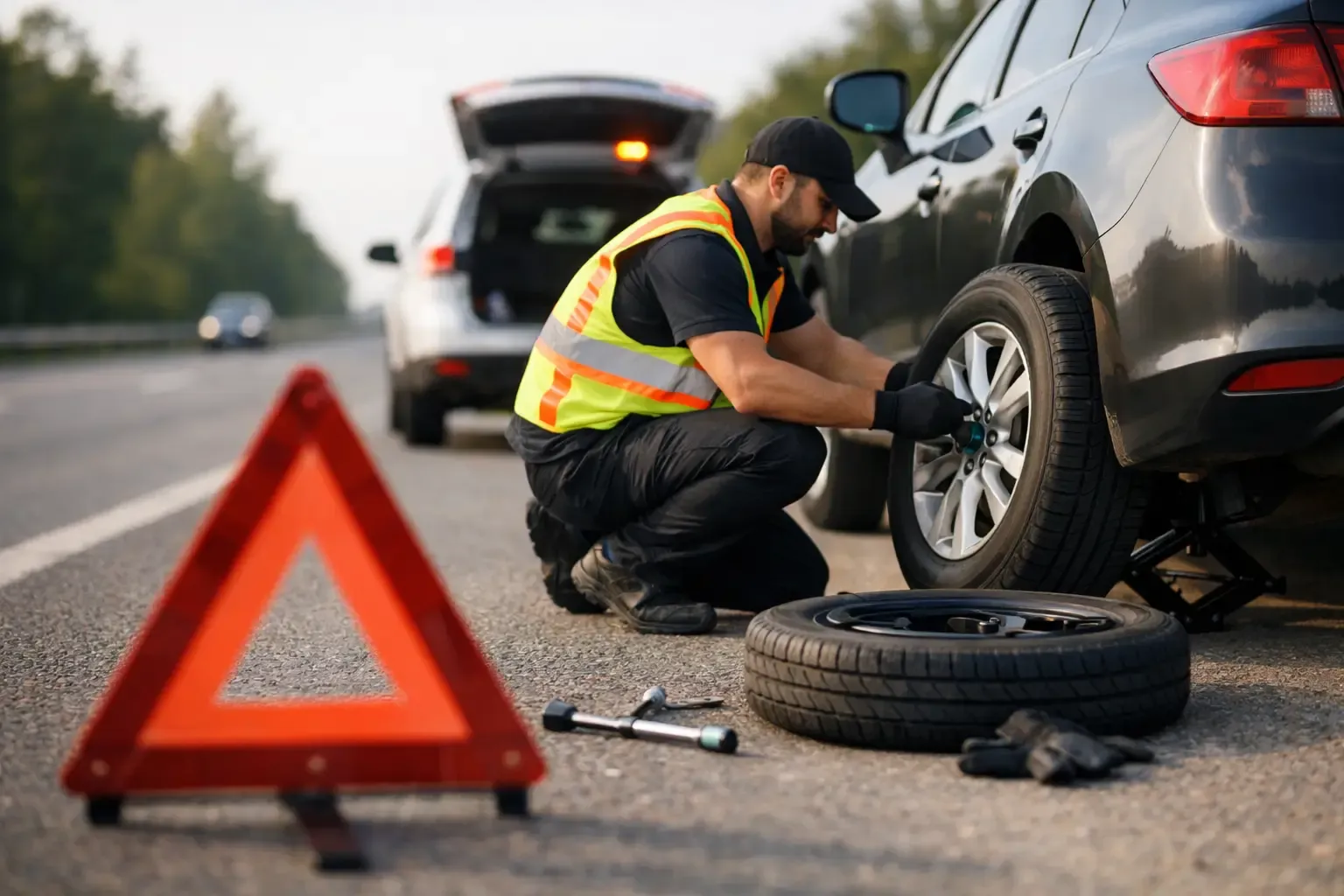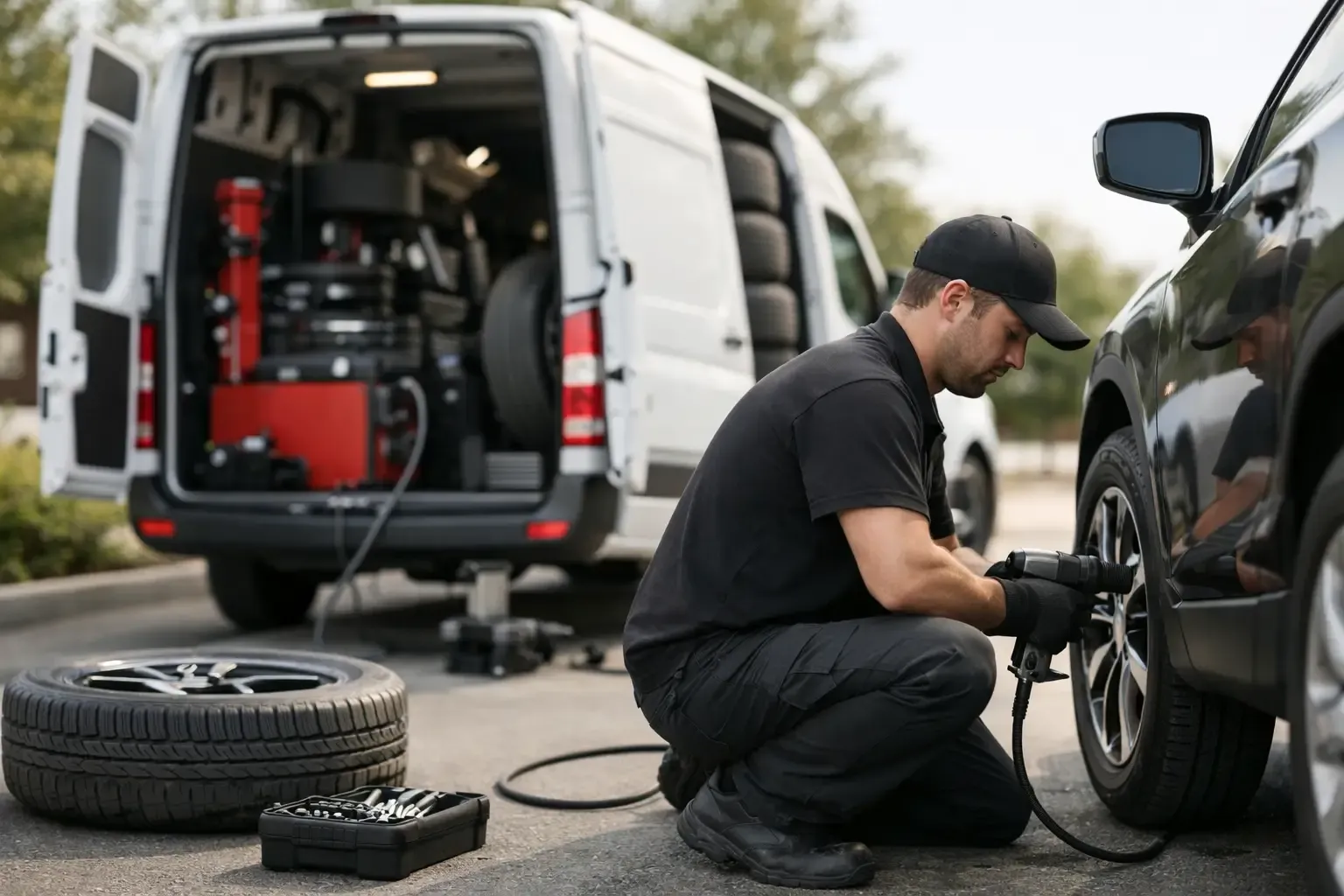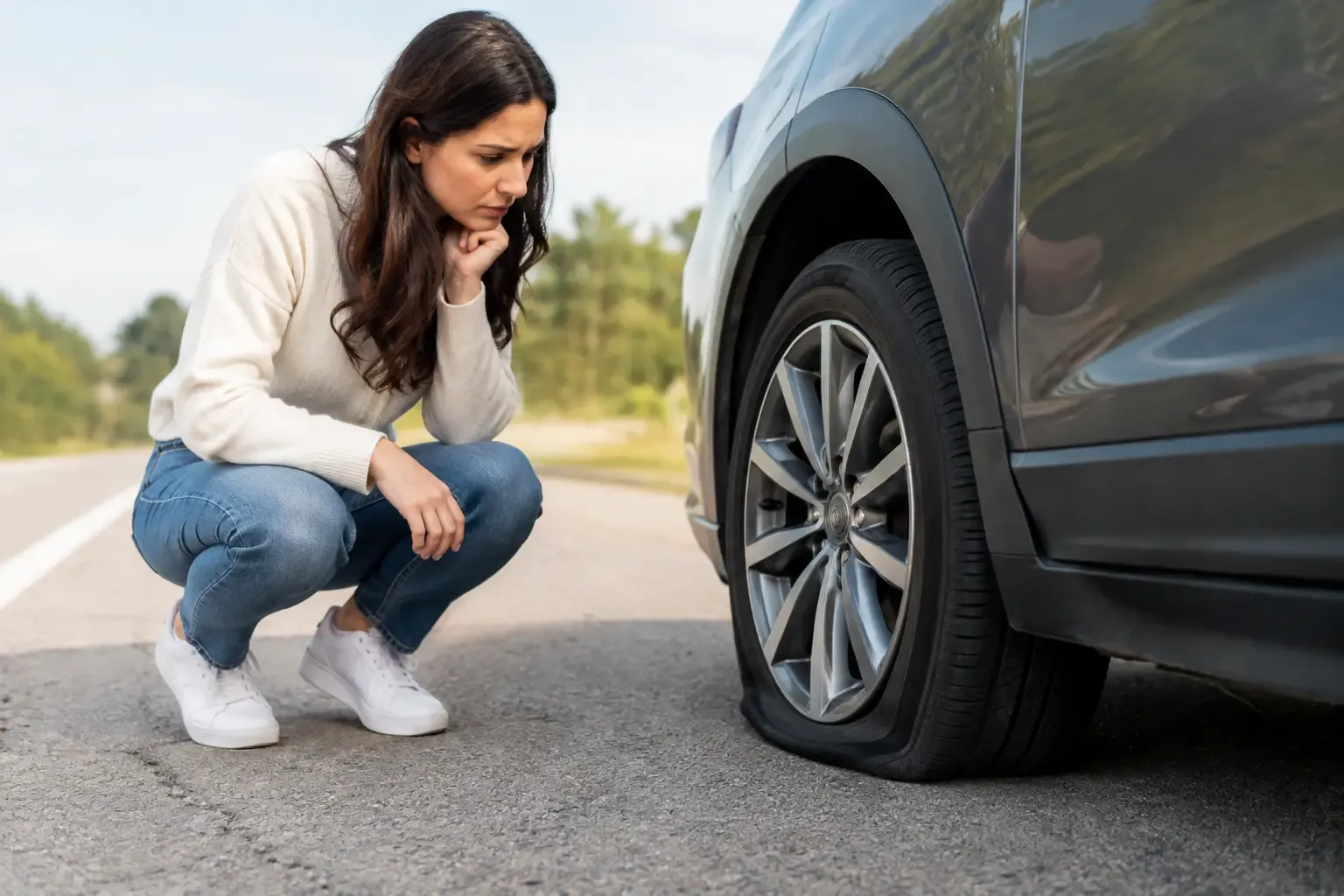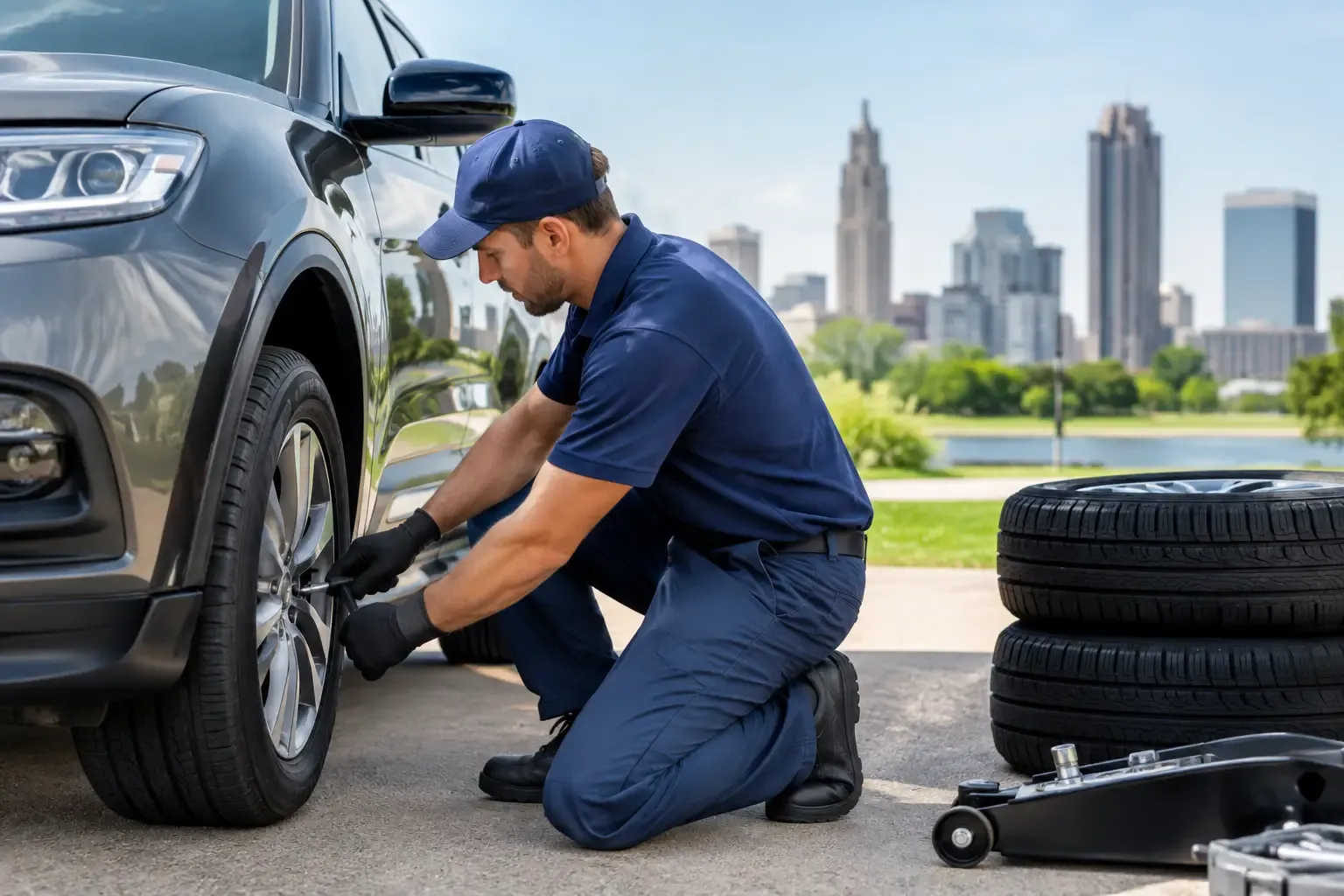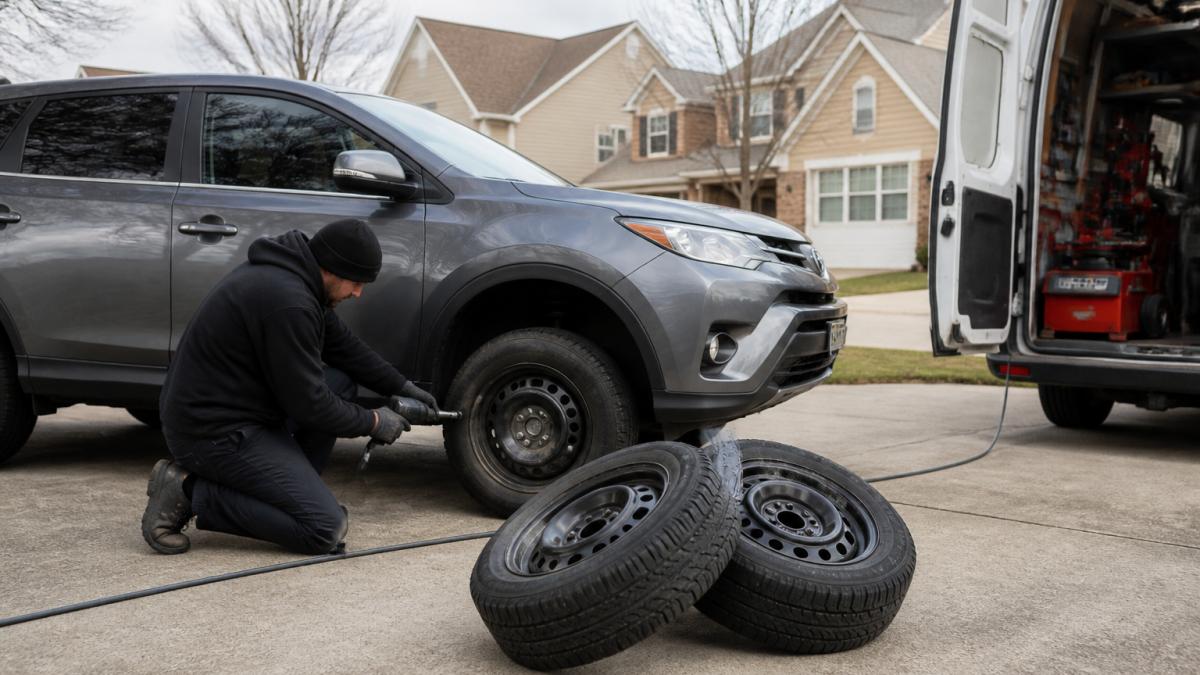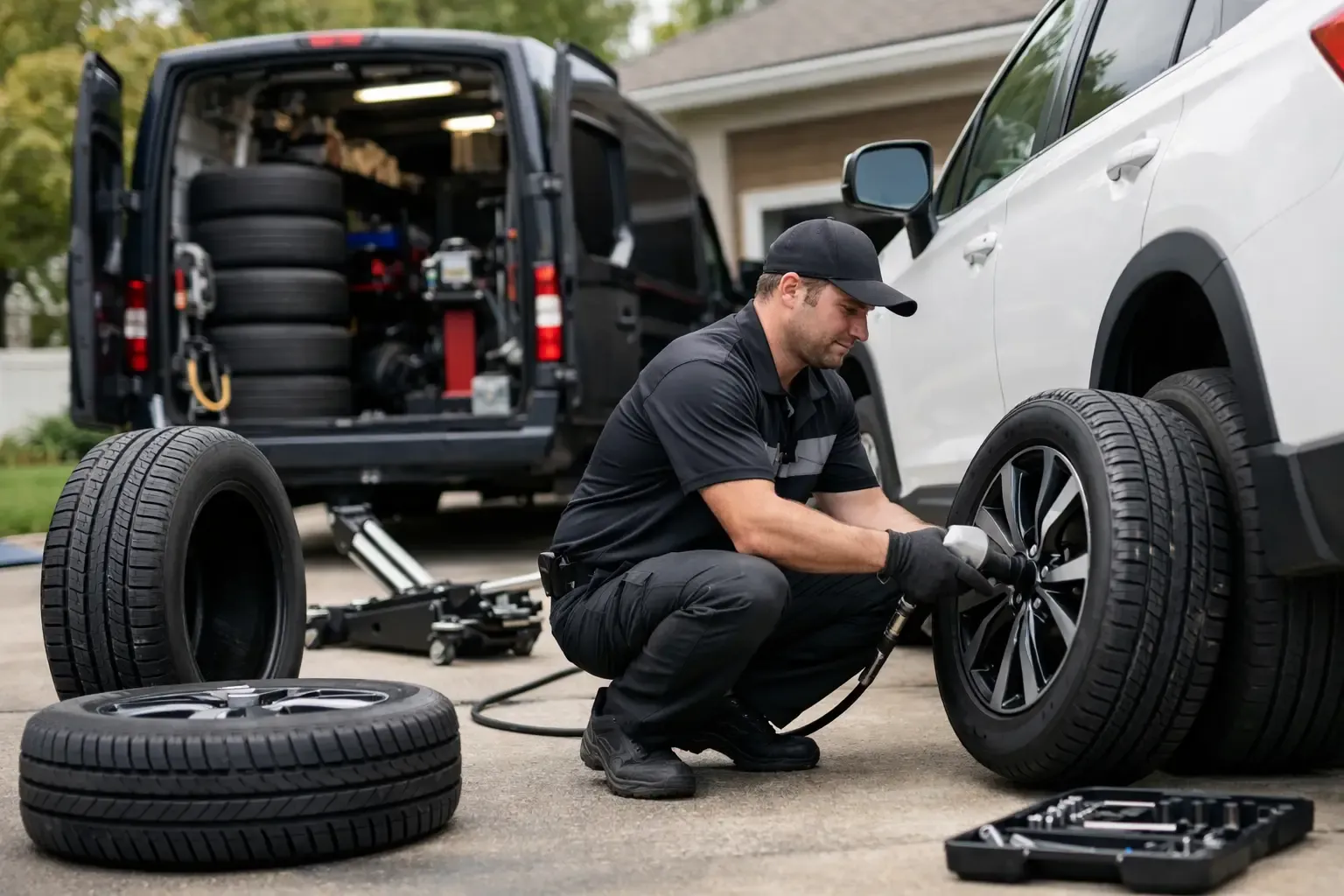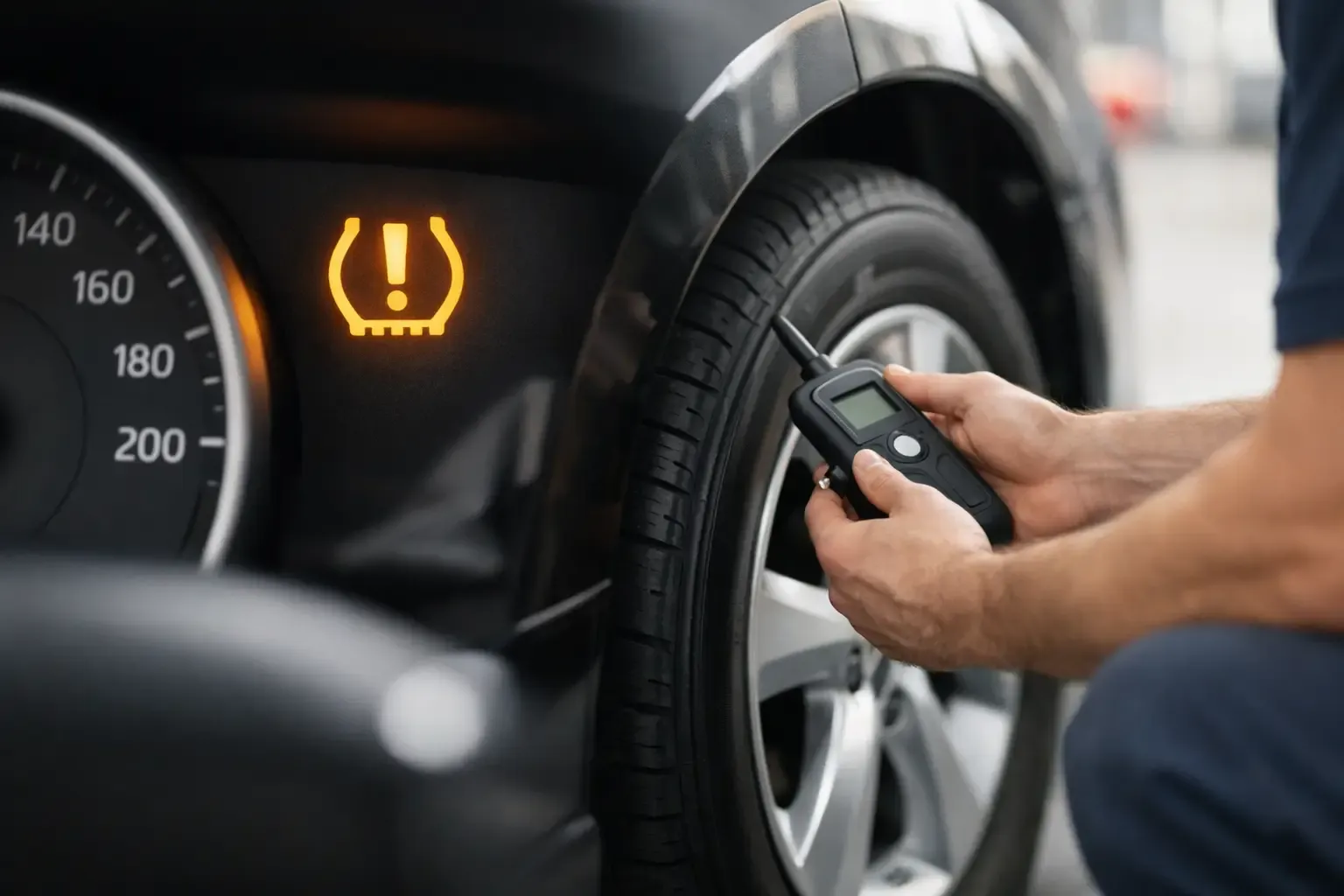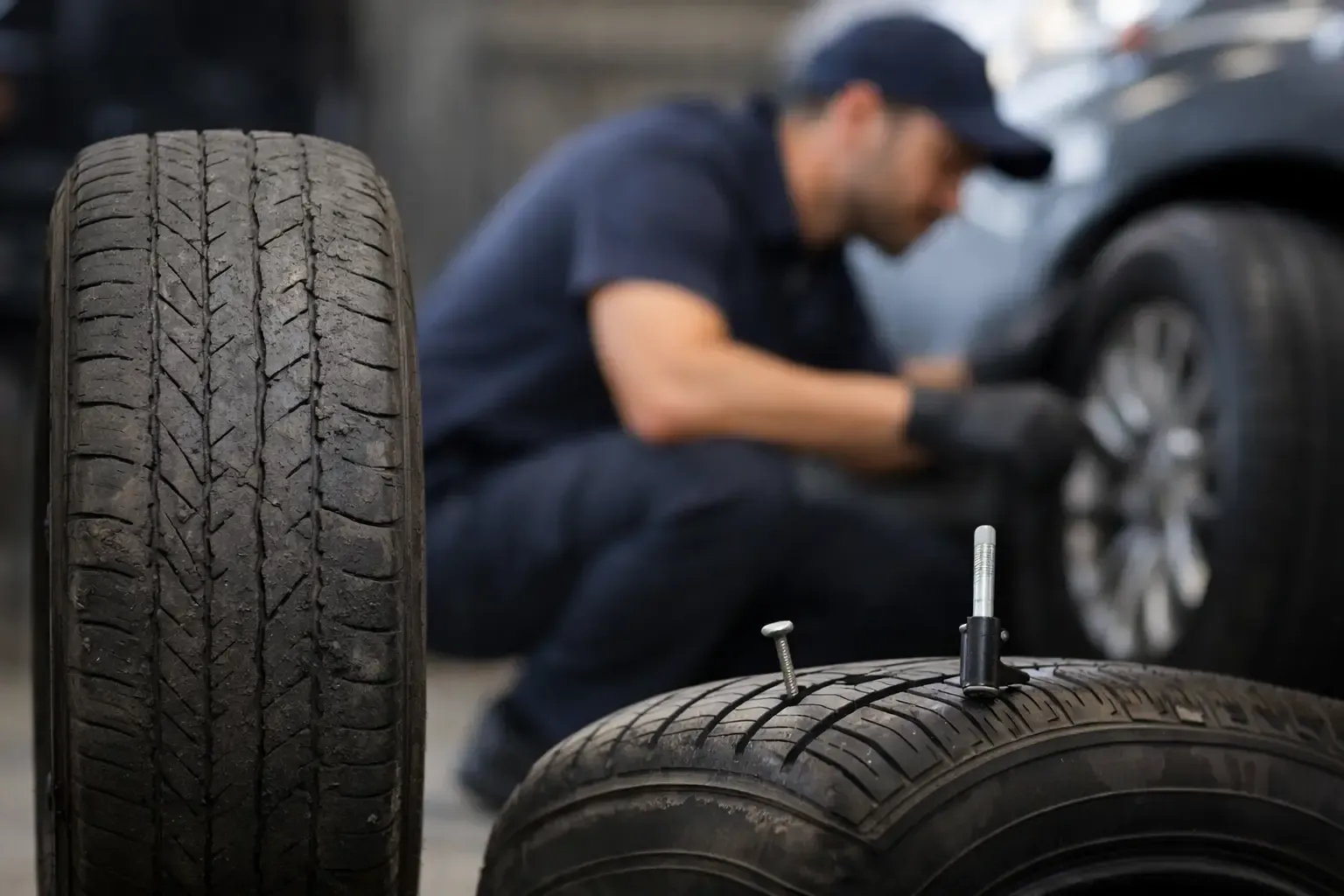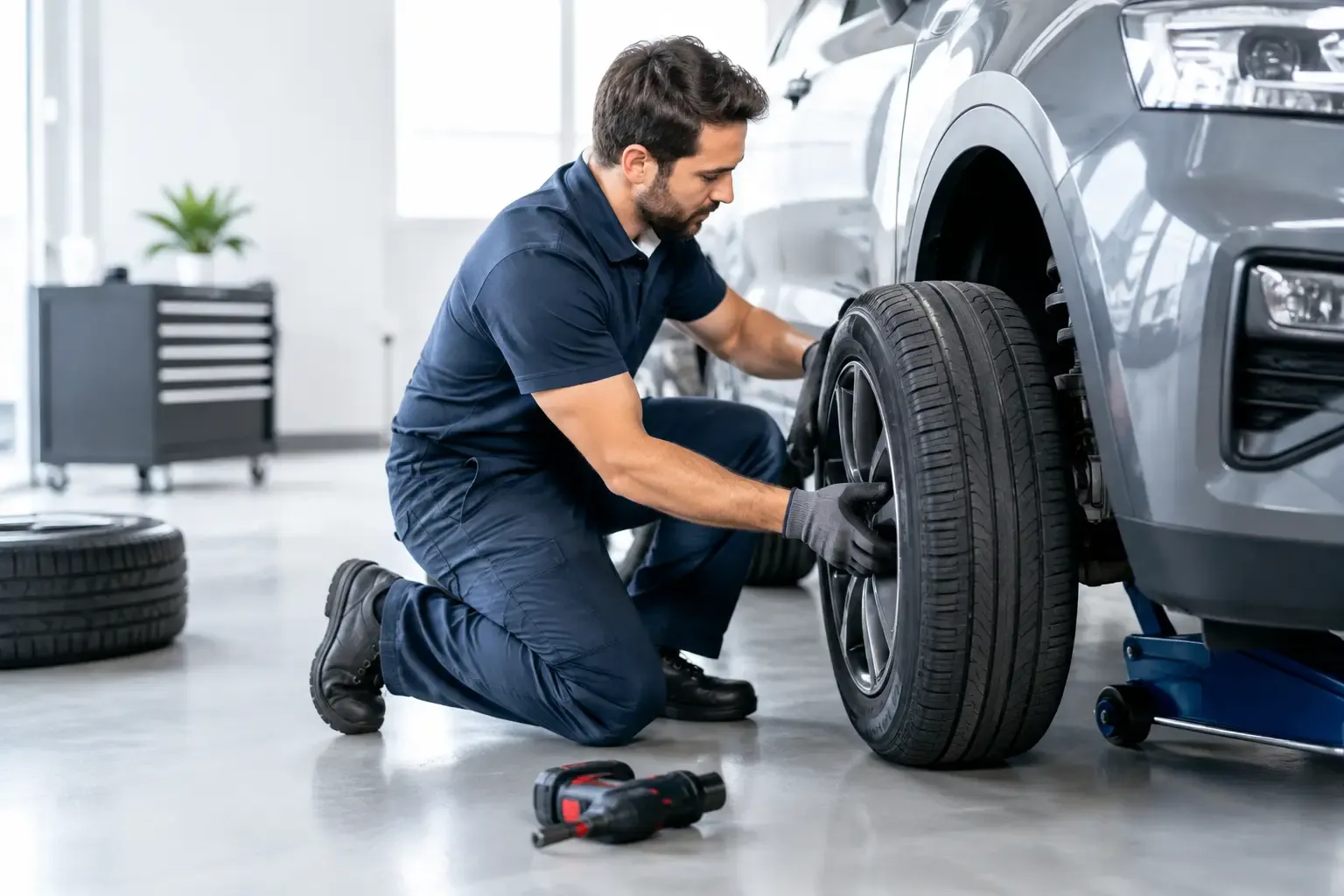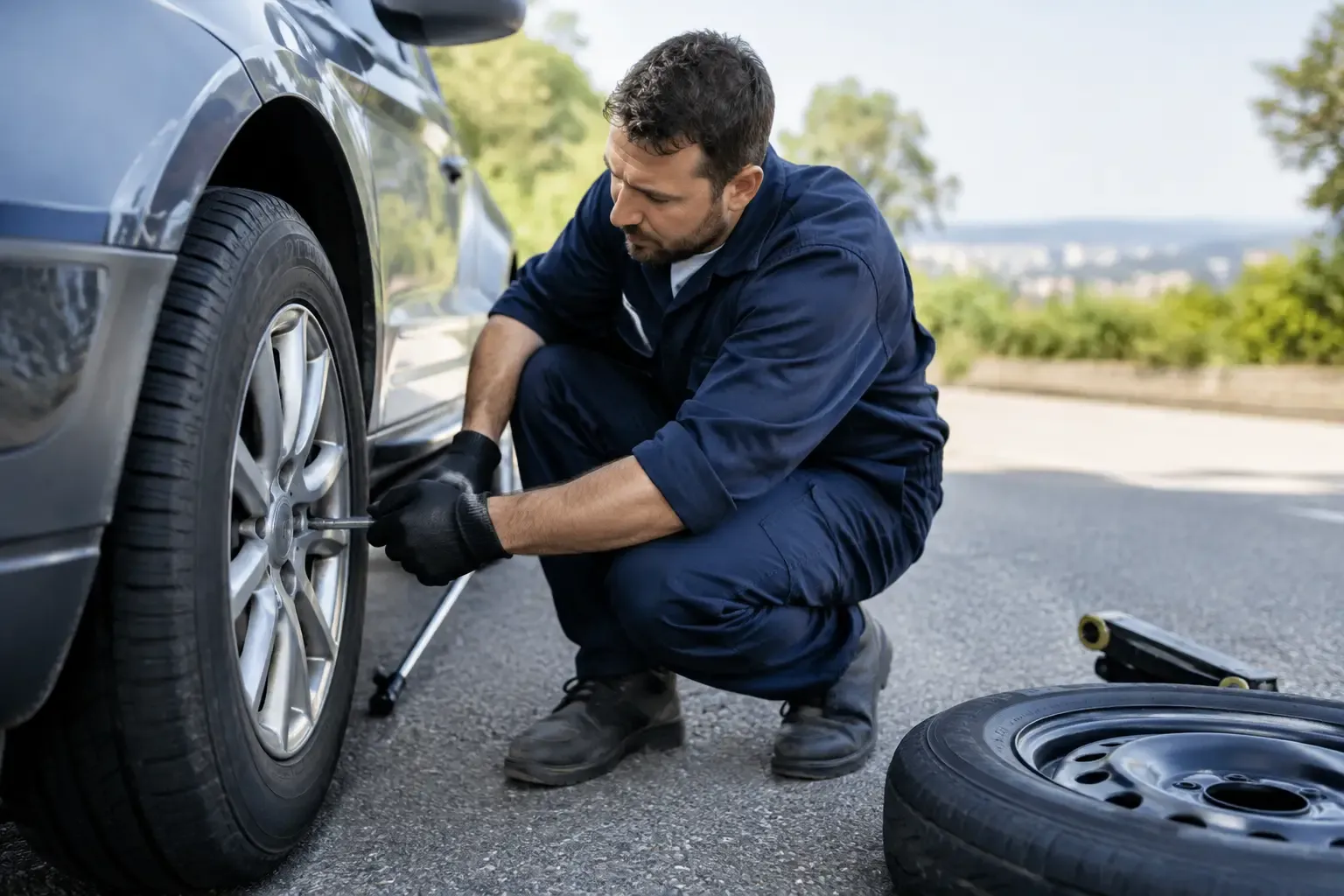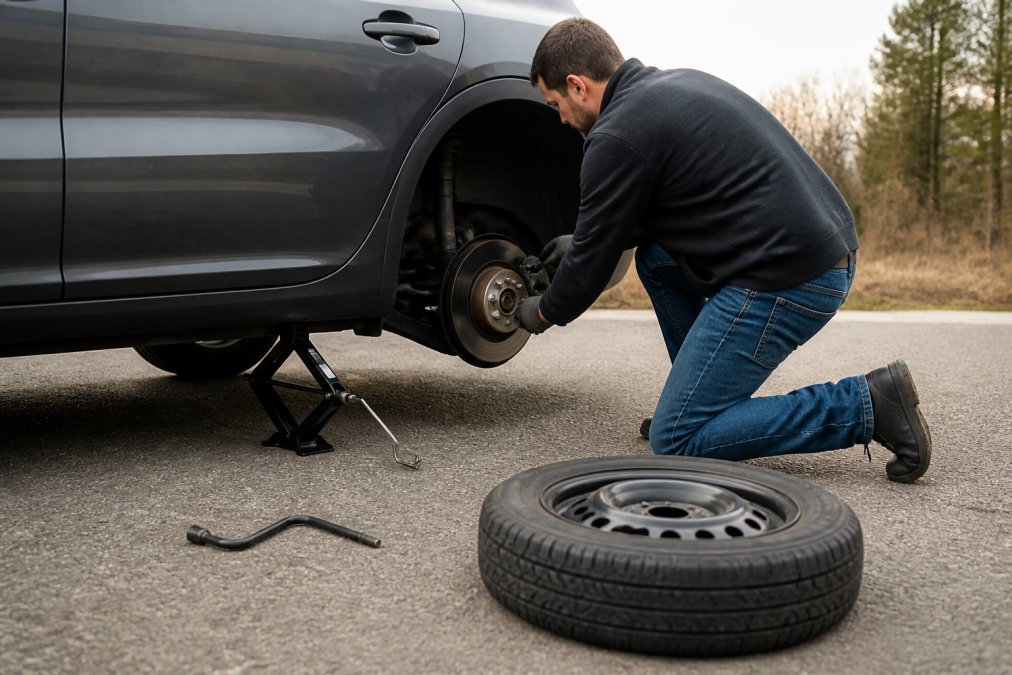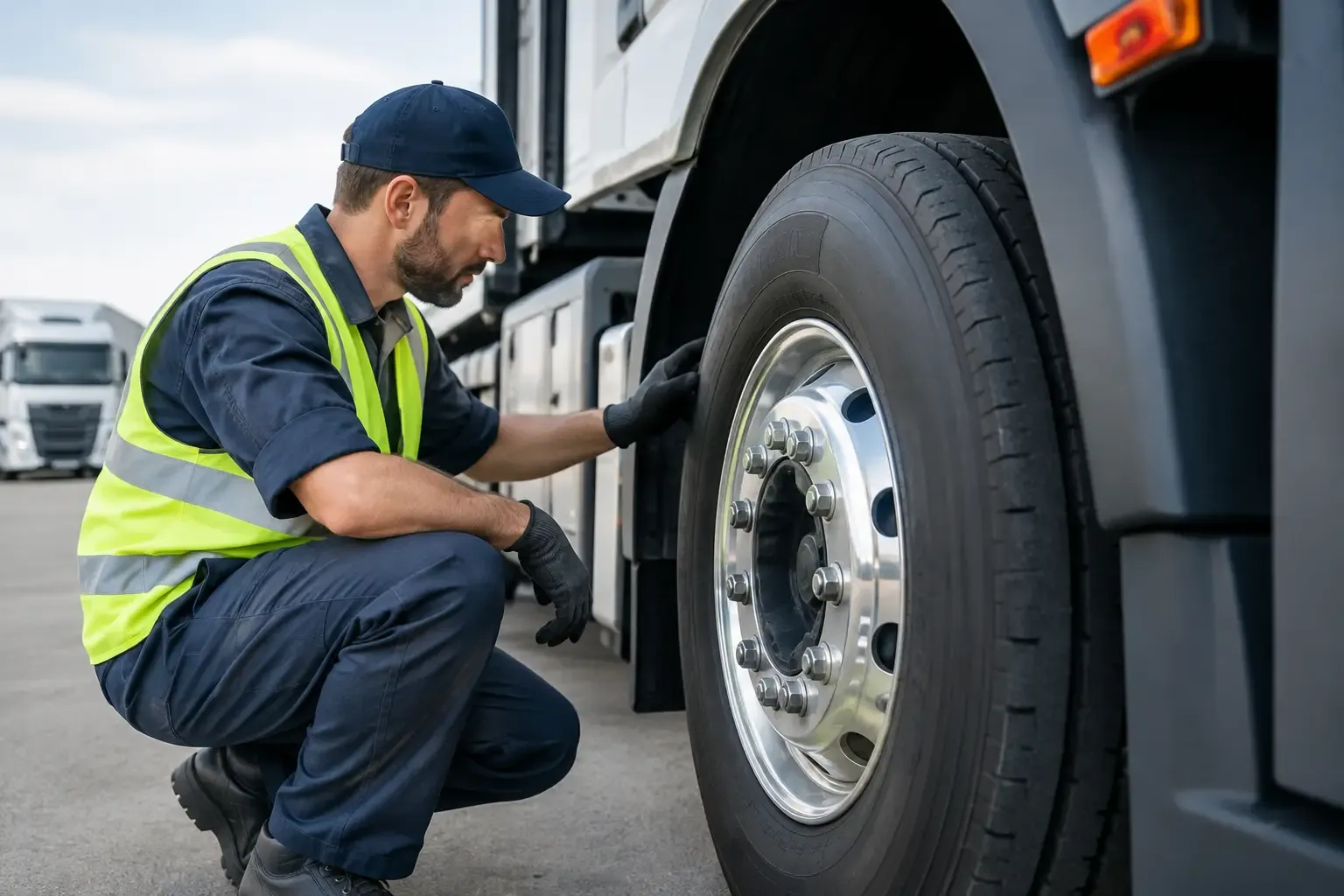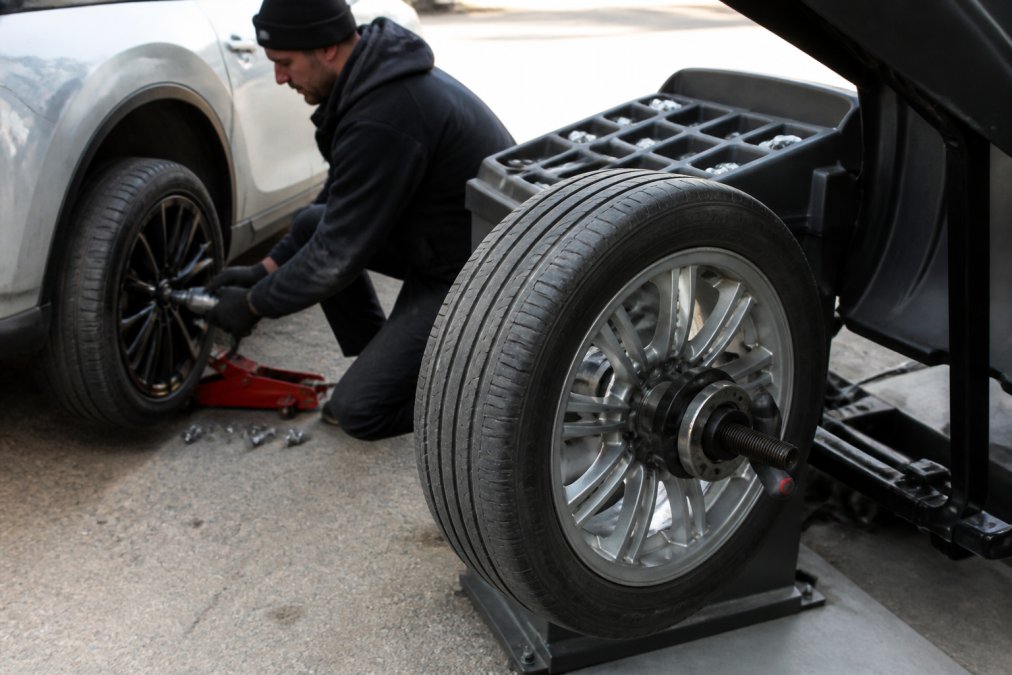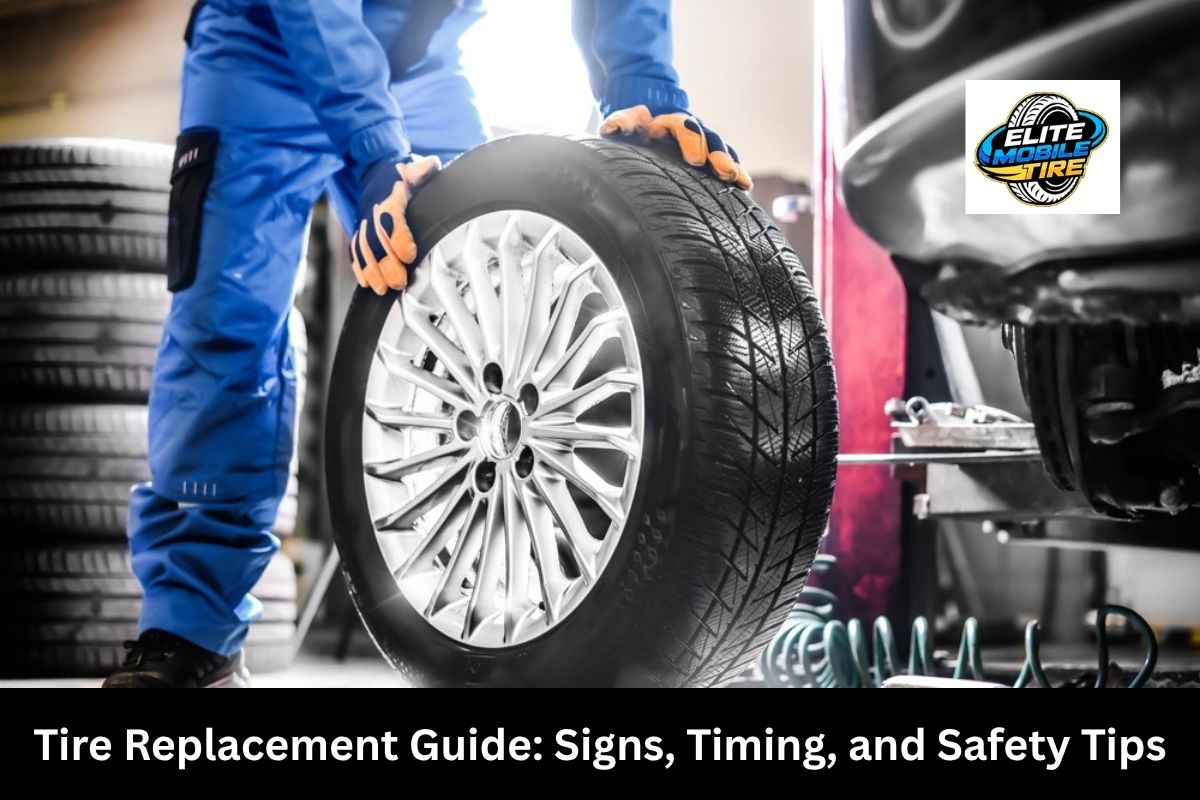
A flat on one corner of the car can turn a normal day into a scheduling problem fast. If you're asking, can you replace one tire, the honest answer is yes sometimes, but not every vehicle or tire setup makes that the safe choice.
The right decision depends on tread depth, drivetrain, tire type, and where the remaining tires stand in their wear. For some drivers, replacing one tire is perfectly reasonable. For others, it can create handling issues, uneven wear, or added stress on the drivetrain that costs more later.
Can You Replace One Tire Without Causing Problems?
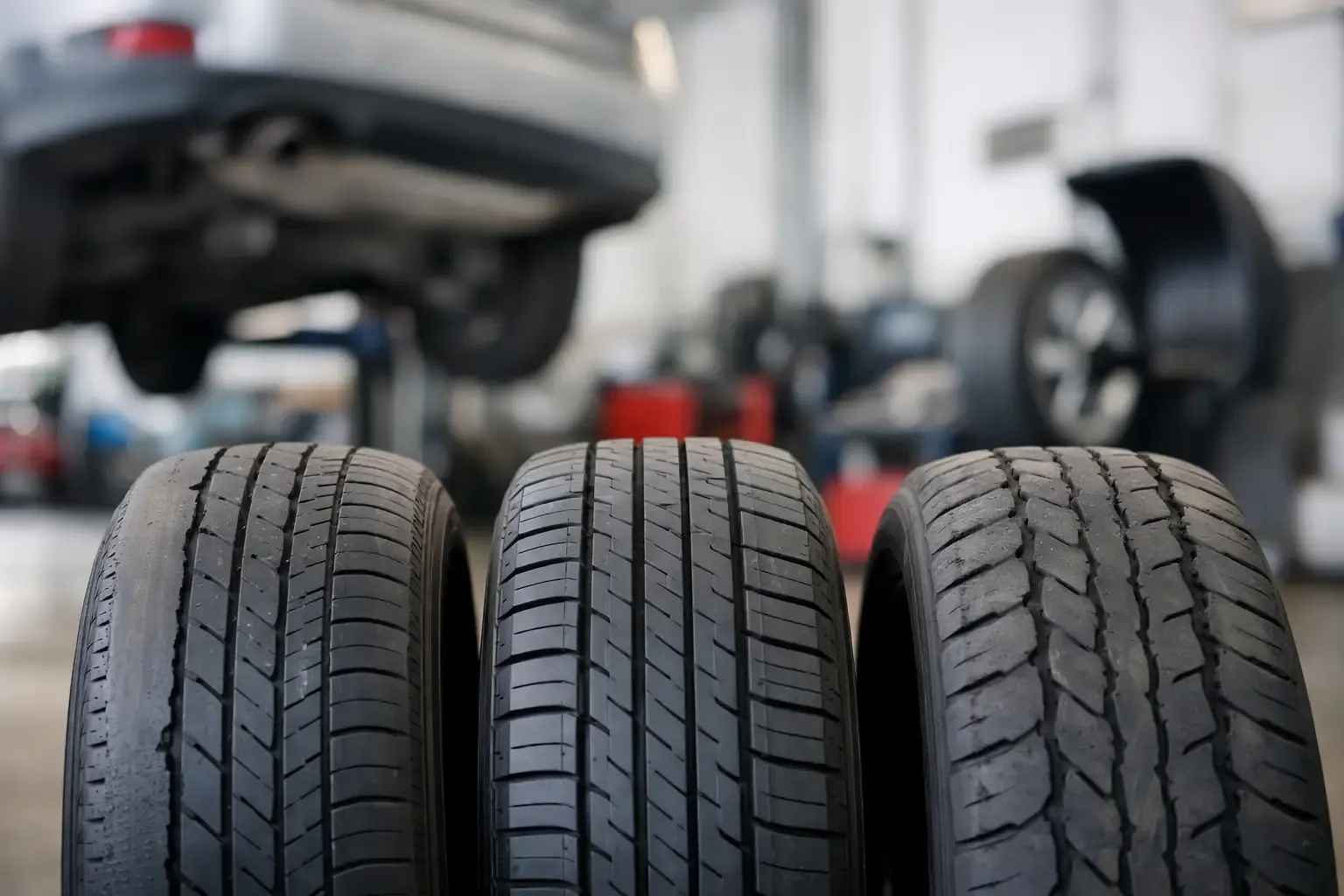
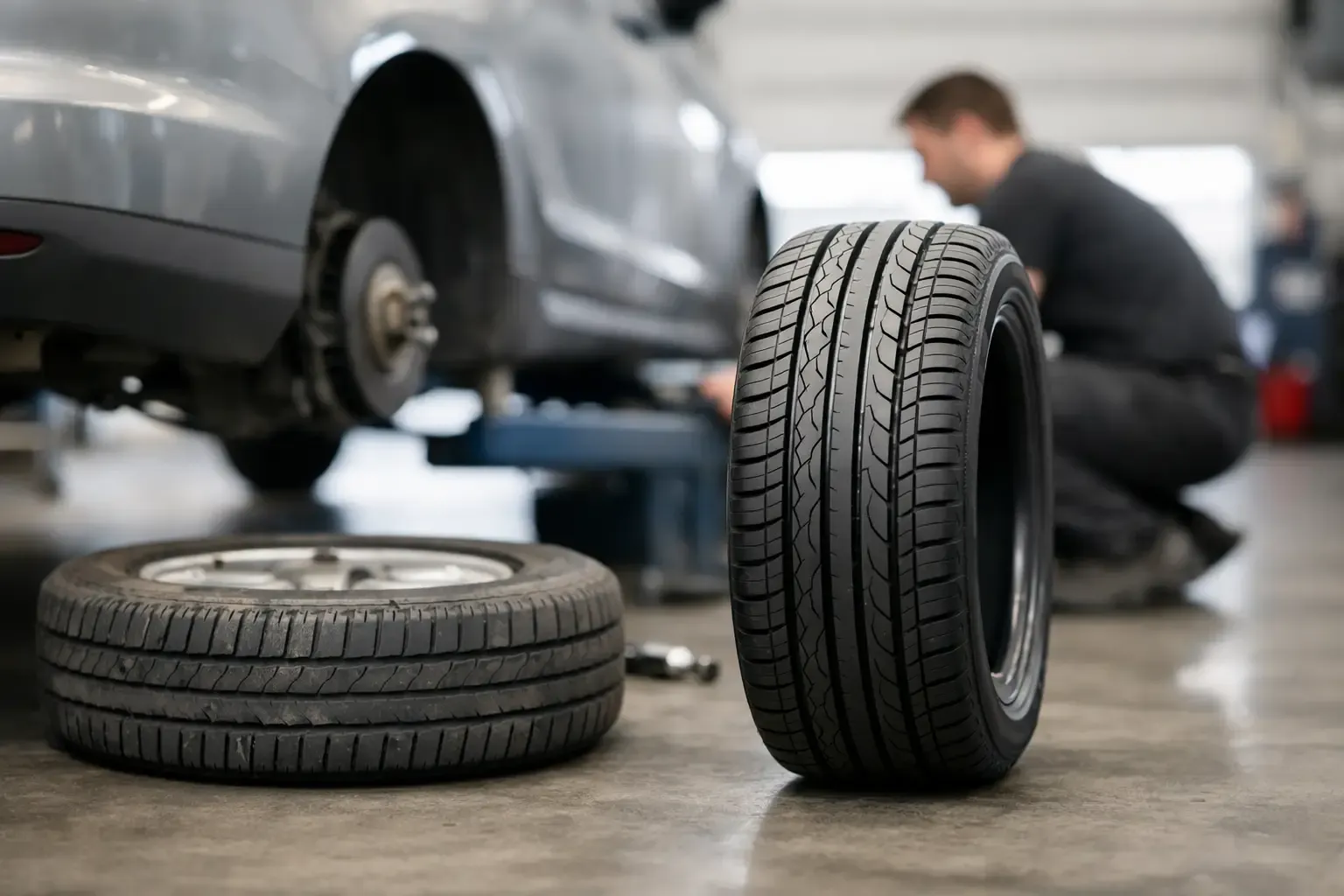
You can replace one tire if the other three are still in very good condition and the new tire closely matches them in size, brand, model, and tread pattern. The biggest factor is tread depth. A brand-new tire has more tread than a tire that has already been driven for thousands of miles, and that difference changes how the vehicle rides and grips the road.
On a two-wheel-drive vehicle, replacing one tire is often acceptable when the matching tire on the same axle has very similar wear. If the difference is too large, the vehicle may pull slightly, brake unevenly, or wear the new tire and older tire at different rates.
On all-wheel-drive vehicles, the standards are usually tighter. Many AWD systems are sensitive to tire circumference differences. Even a small gap in tread depth can force the system to work harder than it should. That can lead to unnecessary wear on drivetrain components, which is why many manufacturers recommend replacing tires in sets or keeping tread depth within a narrow range.
When Replacing One Tire Makes Sense
If the damaged tire is fairly new and the other three tires still have most of their usable tread, one-tire replacement can be the smart move. This is especially true after a road hazard puncture or sidewall damage where the rest of the set is still healthy.
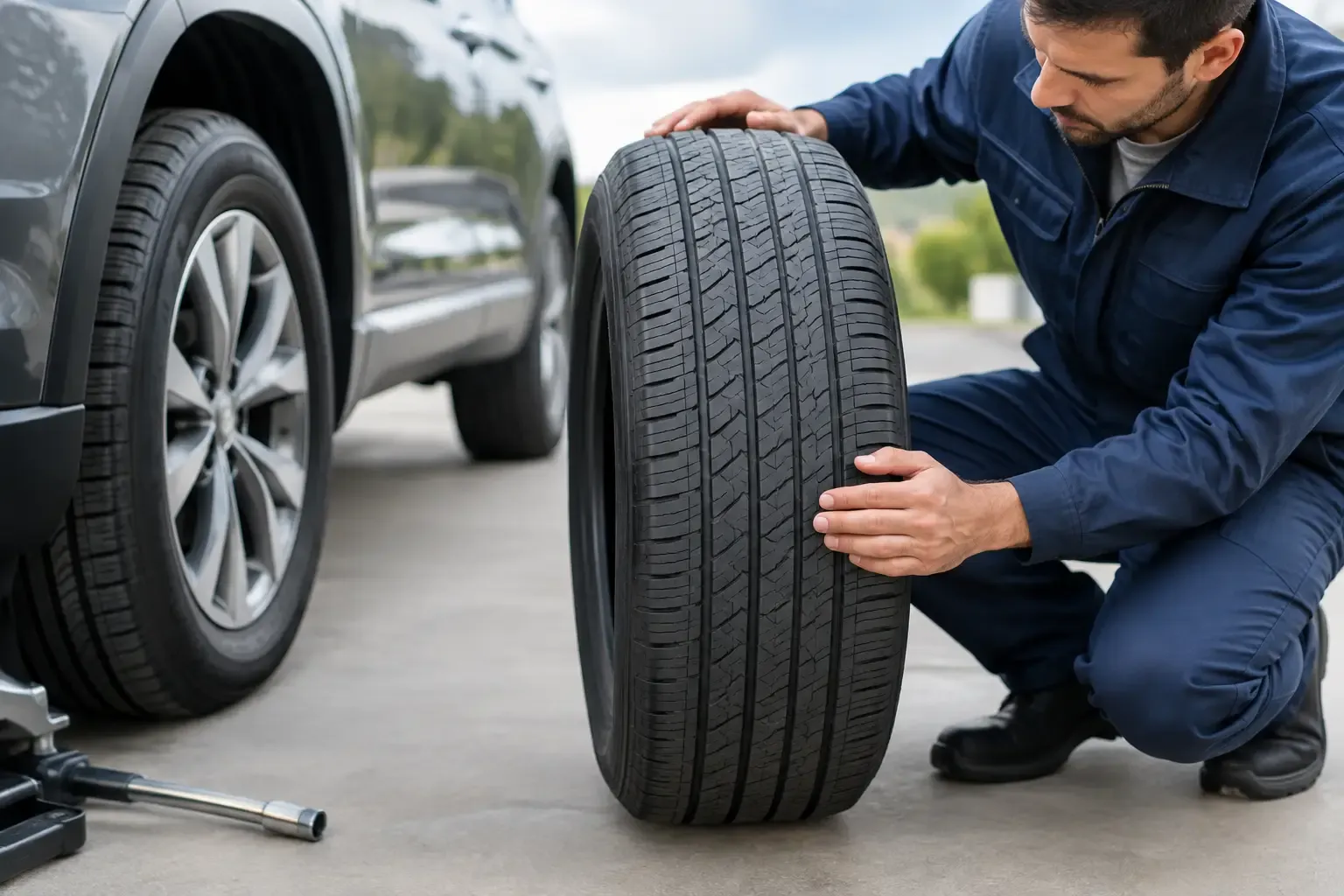
It also makes sense when you can install the exact same tire as the others. Same brand, same model, same size, same speed rating, and same load rating matter more than many drivers realize. Mixing a different tire design on one corner can change wet traction, ride feel, and steering response.
If your vehicle is front-wheel drive or rear-wheel drive and the matching tire on the same axle is only slightly worn, a technician may recommend replacing just the damaged tire. In some cases, they may still suggest moving tires around to keep wear balanced across the vehicle.
When You Should Replace Two Tires Instead
A lot of the time, two tires is the more practical answer. If one tire is damaged but its partner on the same axle is significantly worn, replacing both tires keeps tread depth and traction more even side to side.
That matters because tires on the same axle work together during braking, cornering, and wet-road grip. If one tire is brand new and the other is much more worn, you may notice reduced stability in emergency maneuvers or uneven response in rain.
When replacing two tires, the new pair is generally installed on the rear axle, even on front-wheel-drive vehicles. That surprises some drivers, but the reasoning is straightforward. Better tread on the rear helps reduce the chance of fishtailing or loss of rear traction on wet roads.
When All Four Tires Are the Better Choice
If your tires are already well worn, replacing one usually does not make financial or mechanical sense. A single new tire paired with three tires near the end of their life leaves you with an uneven setup from day one.
All-wheel-drive vehicles are the clearest example. If the tread depth difference exceeds manufacturer limits, replacing all four may be the safest route. Some vehicles are simply less forgiving than others, and it is better to address that up front than risk expensive drivetrain repairs later.
Replacing all four also makes sense when the current set has uneven wear, age-related cracking, repeated repairs, or performance issues in wet weather. At that point, the damaged tire is often just the event that reveals the whole set is due.
Tread Depth Is What Decides Most Cases
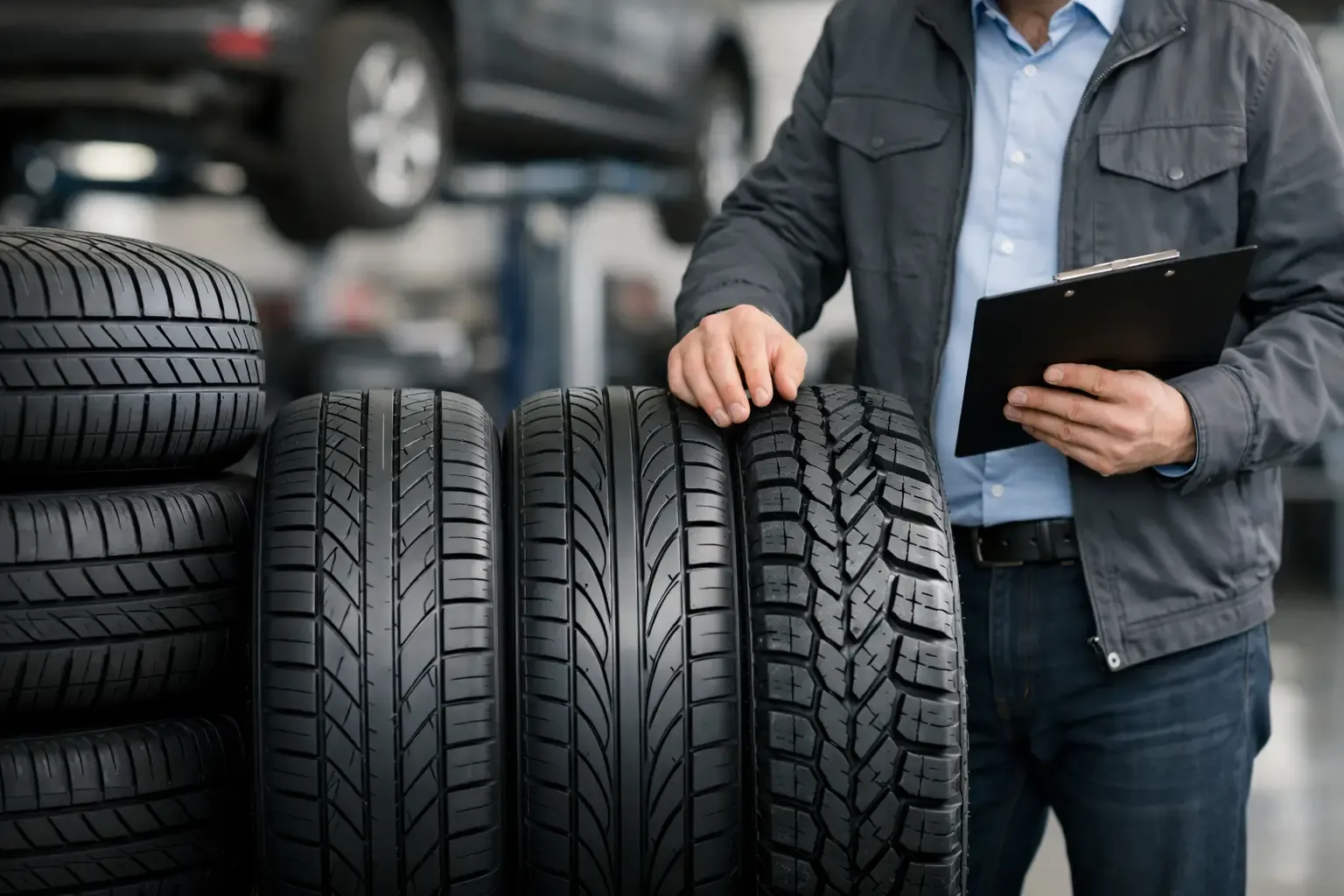
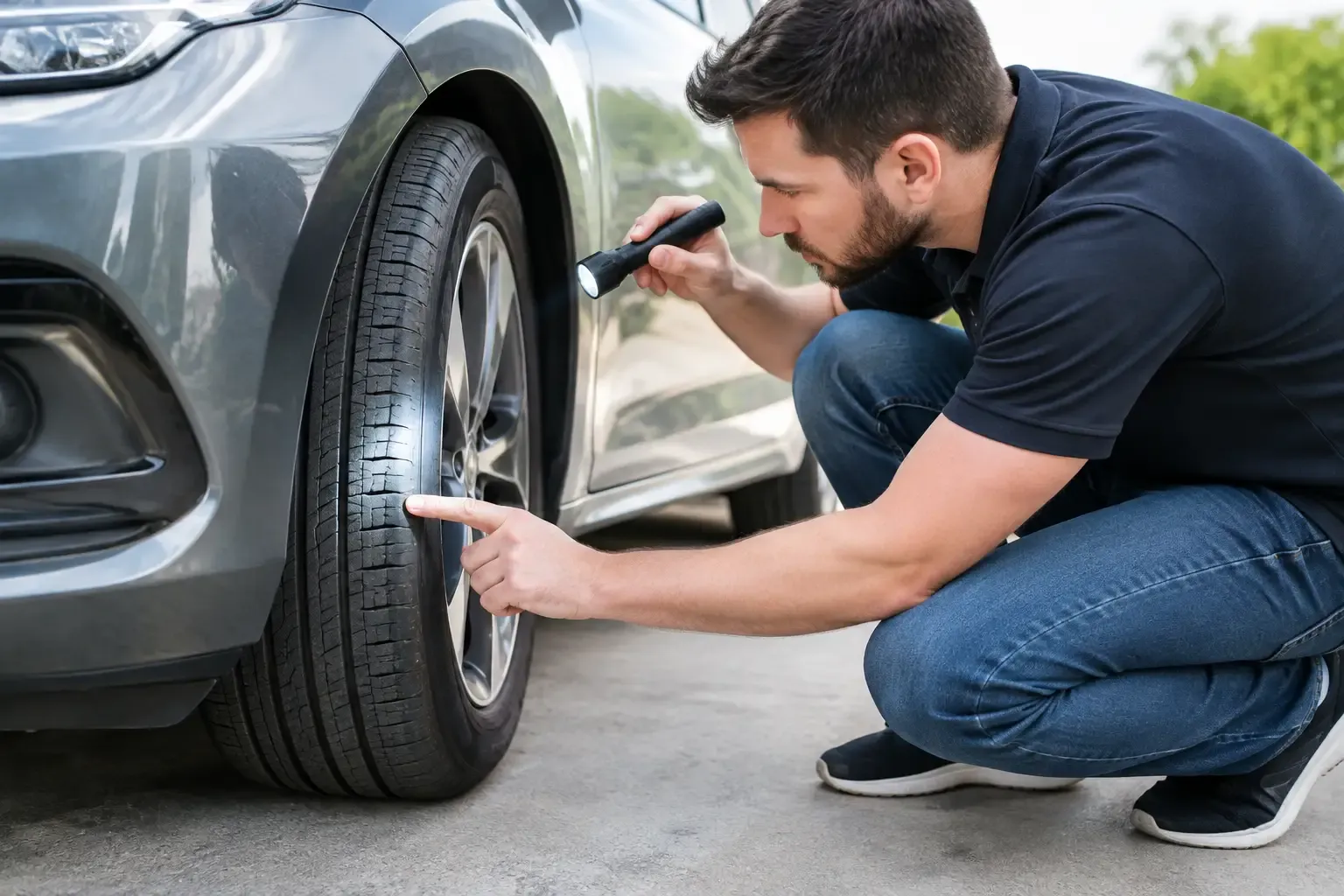
If there is one measurement that answers can you replace one tire, it is tread depth. Tires do not just need to look okay. They need to be measured.
A technician will compare the new tire's tread depth to the remaining tires and determine whether the difference is acceptable for your vehicle. A small difference may be fine. A larger one may call for replacing a second tire or all four.
This is why visual inspection alone is not enough. Two tires can appear similar at a glance and still be far enough apart in tread depth to matter, especially on AWD vehicles.
Why Tire Matching Matters More Than People Expect
Drivers sometimes assume that as long as the size printed on the sidewall matches, any tire will do. In practice, tire construction and tread design affect how the vehicle behaves.
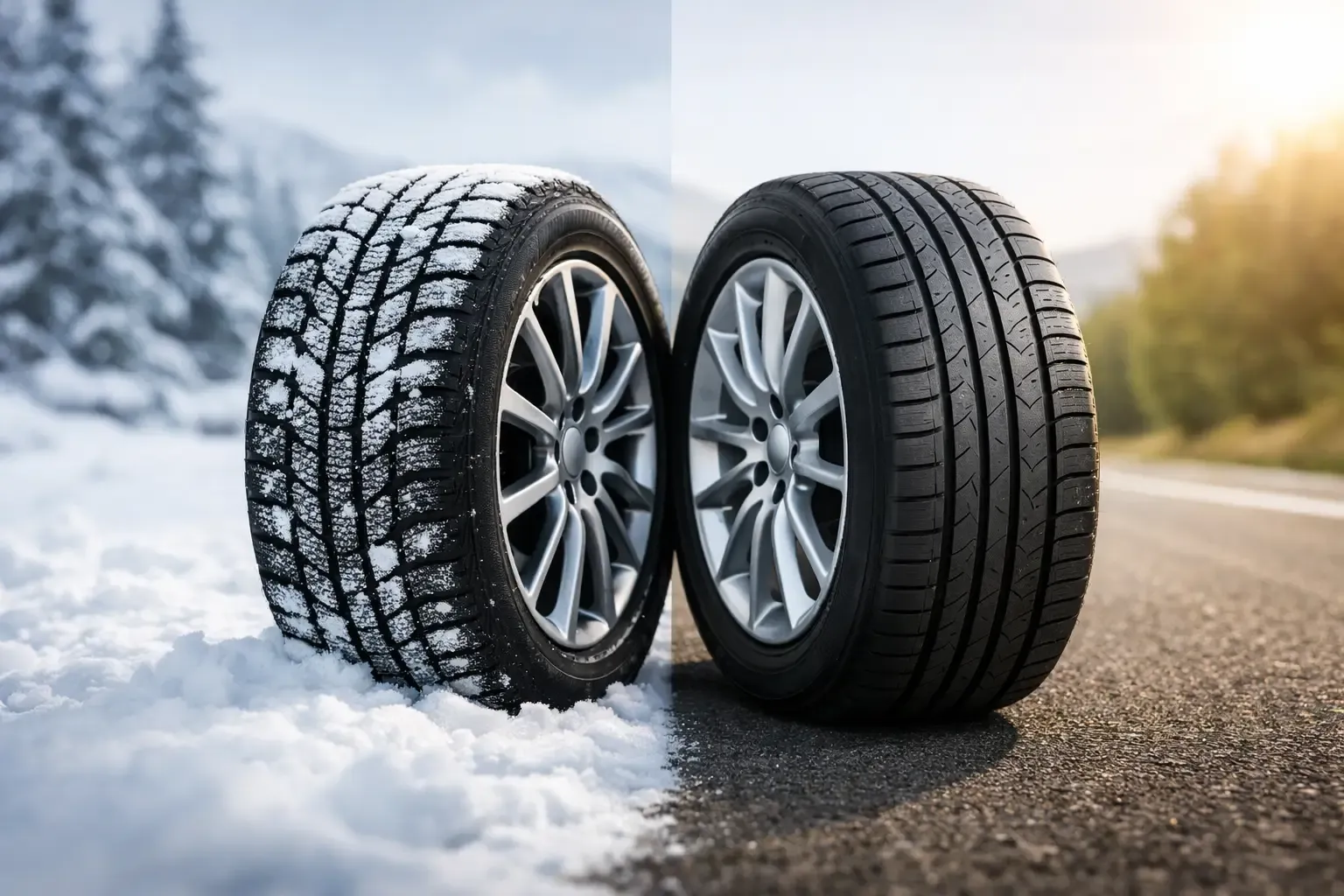
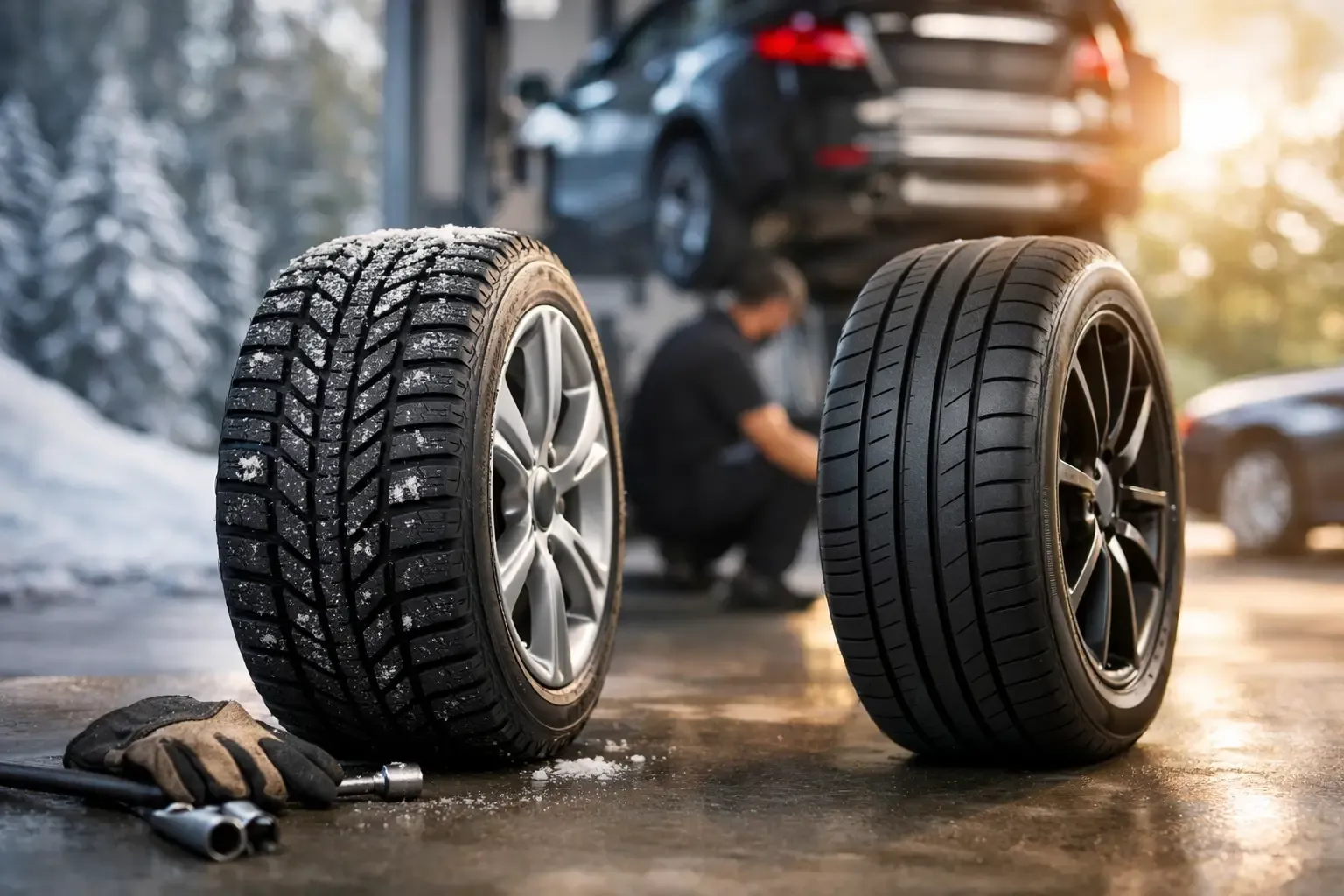
Even within the same size, one tire may have a different tread pattern, compound, shoulder design, or rolling diameter than another. That can affect braking distances, road noise, cornering feel, and how the car reacts in standing water.
For the best result, the replacement tire should match the existing set as closely as possible. If an exact match is unavailable, a professional should help determine whether a near-match is acceptable or whether replacing more than one tire is the safer option.
What About Tire Shaving?
In some situations, especially on AWD vehicles, a new tire can be shaved to match the tread depth of the other tires. This is a specialized process that removes some tread from the new tire so its overall circumference better aligns with the existing set.
It can be a useful option when the other three tires still have plenty of life left and replacing all four would be unnecessary. Not every shop offers this, and not every situation calls for it, but it is one more reason the answer is not always a simple yes or no.
A Few Situations Where One Tire Is Definitely Not Enough
If the remaining tires are close to replacement depth, one tire is not the right fix. The same goes for vehicles with suspension issues that caused uneven wear, or for cars running mismatched tires already.
You should also avoid replacing just one if the damaged tire's partner on the axle has irregular wear from alignment problems. In that case, a single new tire will not solve the underlying issue, and the new tire may wear down faster than it should.
Another red flag is tire age. Even if tread remains, older tires can harden and lose performance over time. If the set is aging out together, replacing one may only delay a needed full replacement.
How a Professional Decides
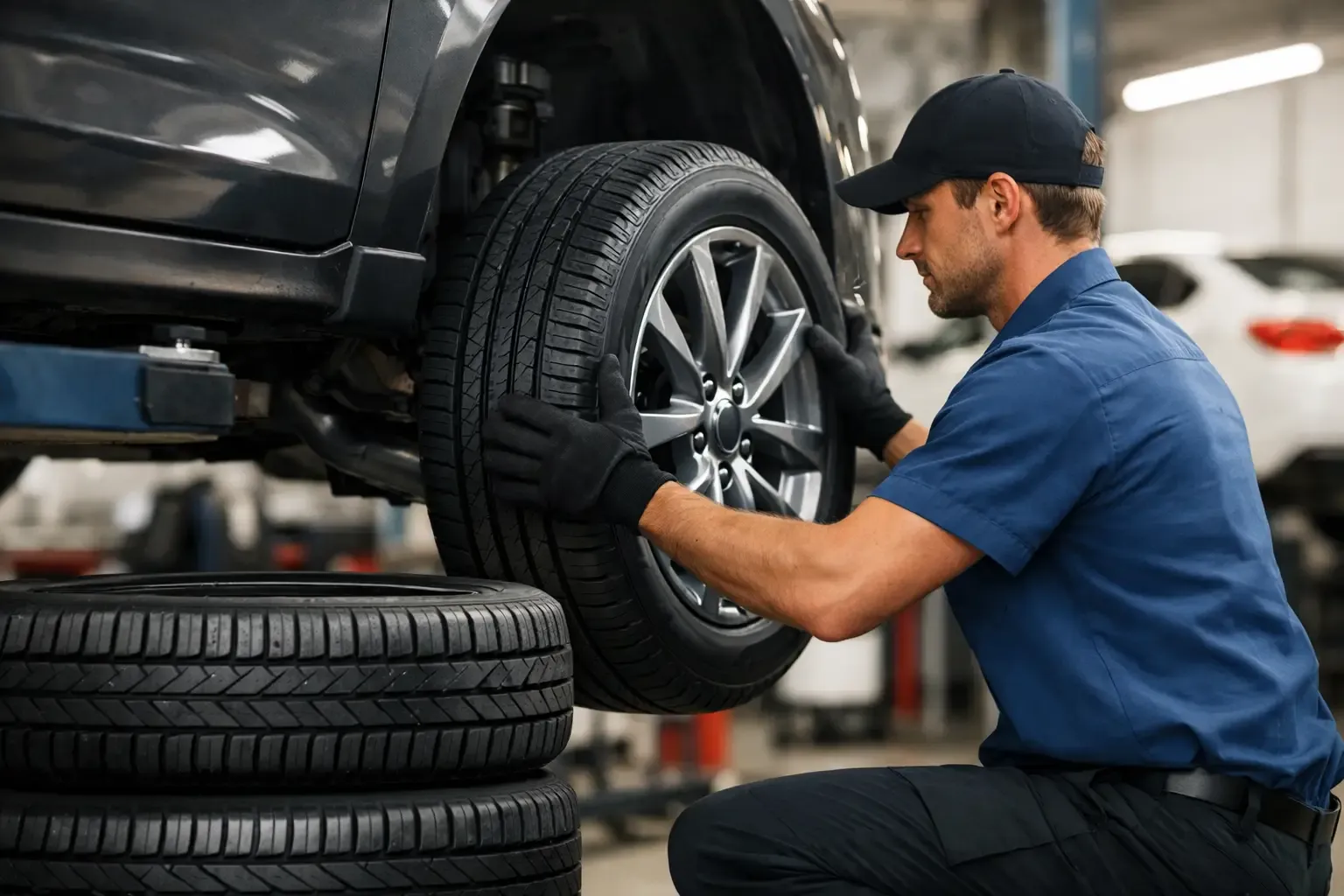
A proper recommendation starts with inspection, not guessing. The technician checks the damaged tire, measures tread depth on all four tires, confirms the vehicle's drivetrain, and looks for signs of uneven wear, alignment issues, or past repairs.
From there, the recommendation is usually straightforward. Replace one if the tires are close enough in condition and match can be maintained. Replace two if the axle pair is too far apart in wear. Replace four if the vehicle, tread depth, or tire condition makes that the safest long-term call.
That kind of clarity matters when you're trying to get back on the road quickly without making the wrong decision under pressure.
The Convenience Factor Still Shouldn't Override Safety
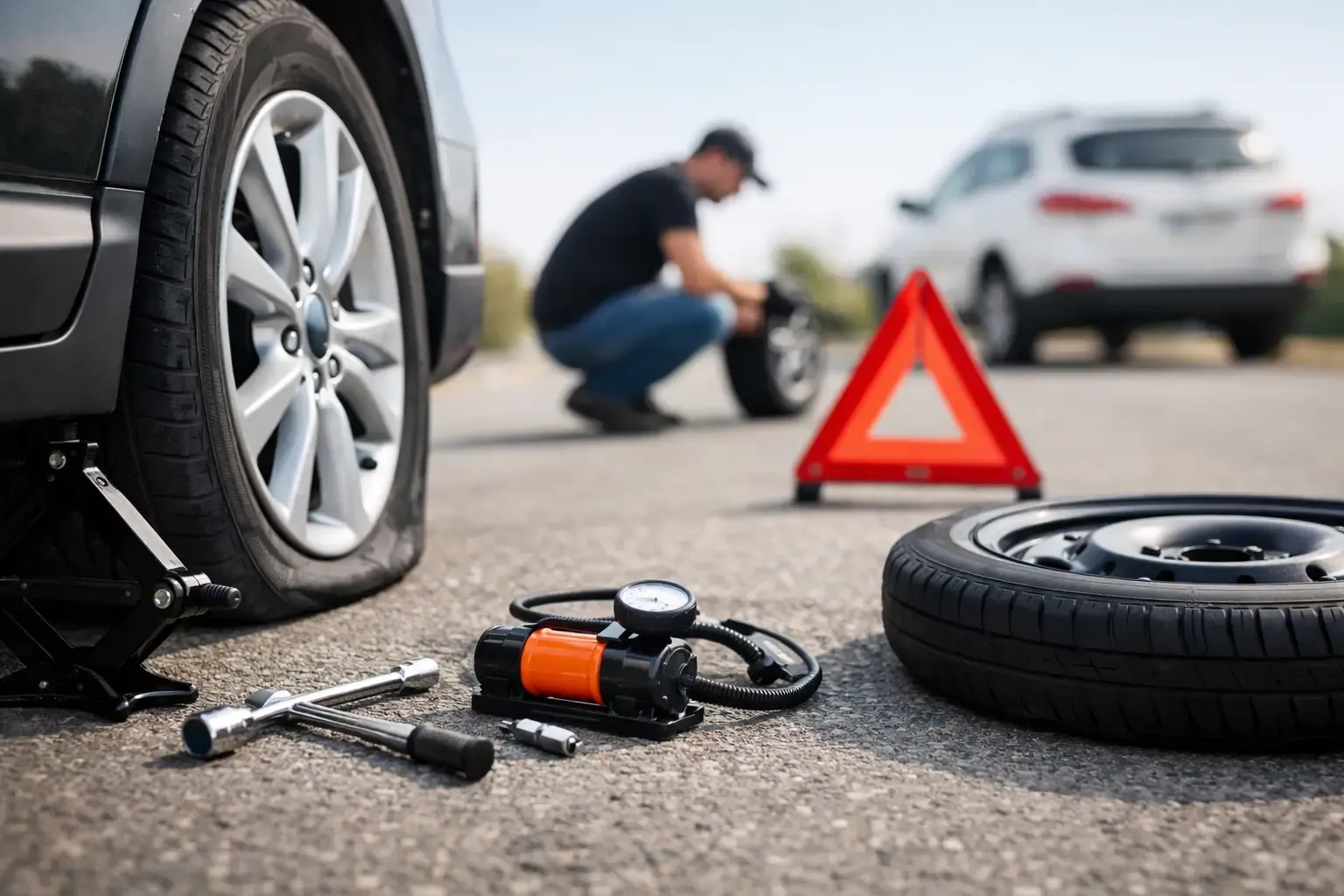
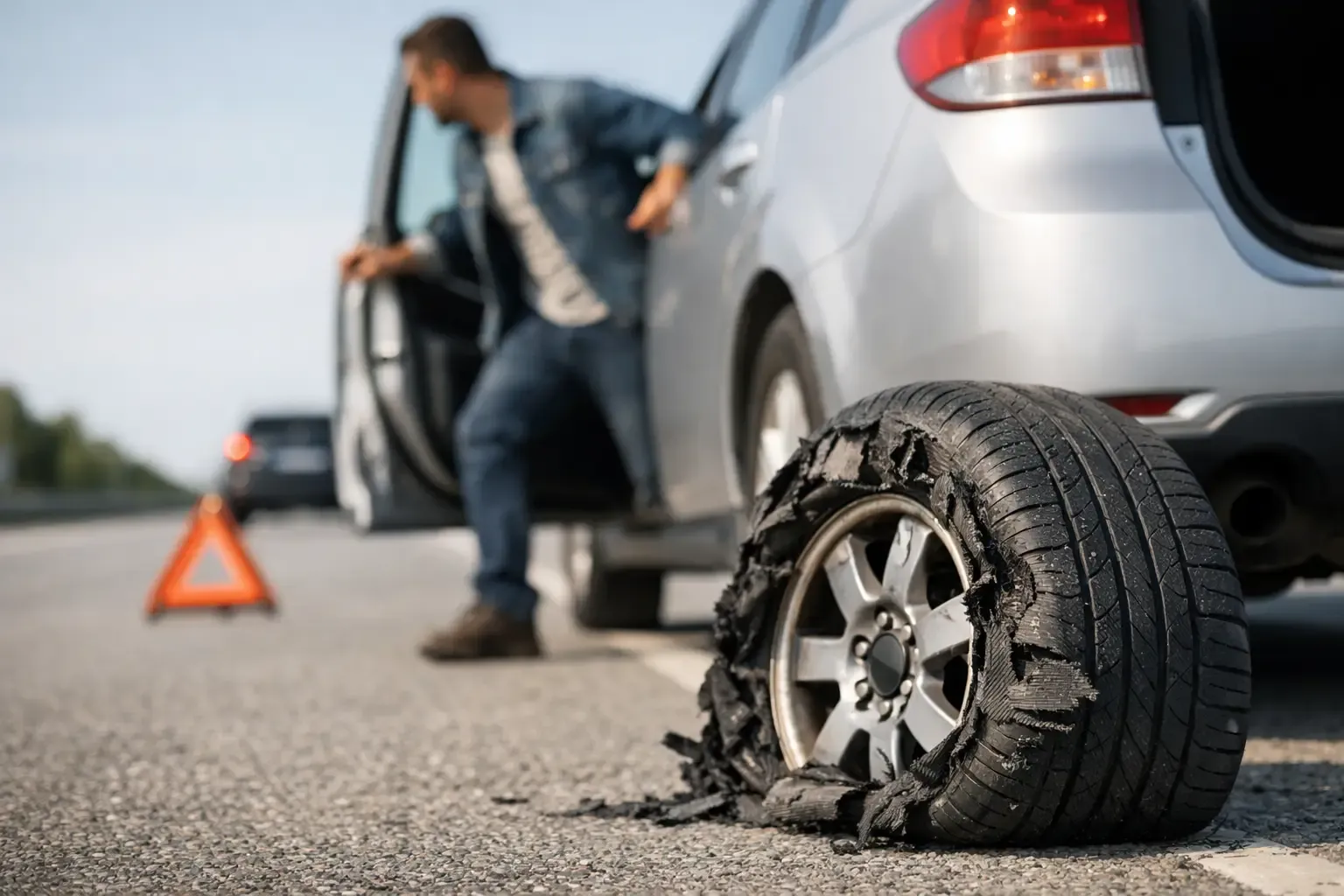
When a tire fails in your driveway, office parking lot, or on the roadside, it is tempting to look for the fastest fix possible. Speed matters, especially when your day is already disrupted, but the quickest option is only worth it if it is also the right one.
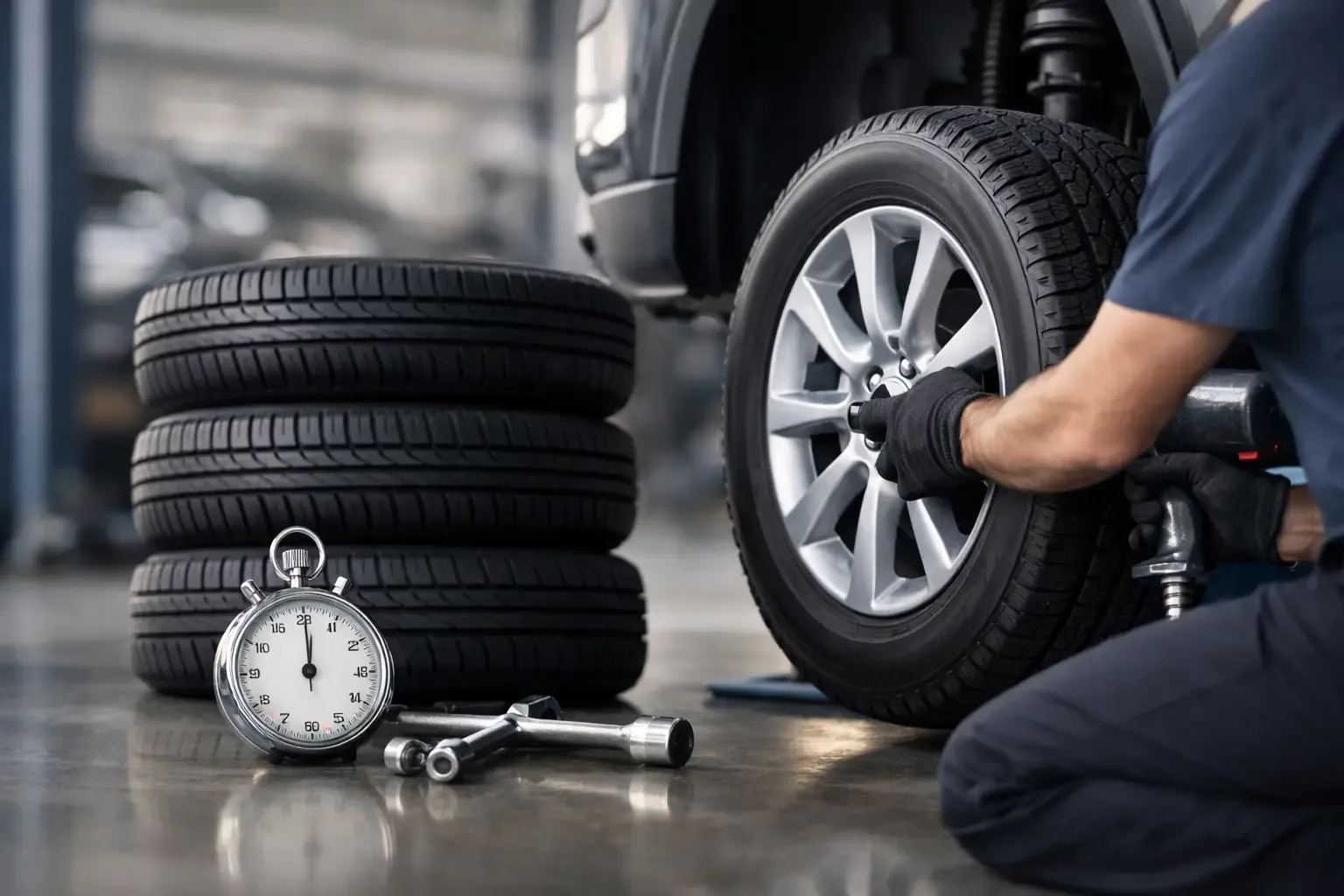
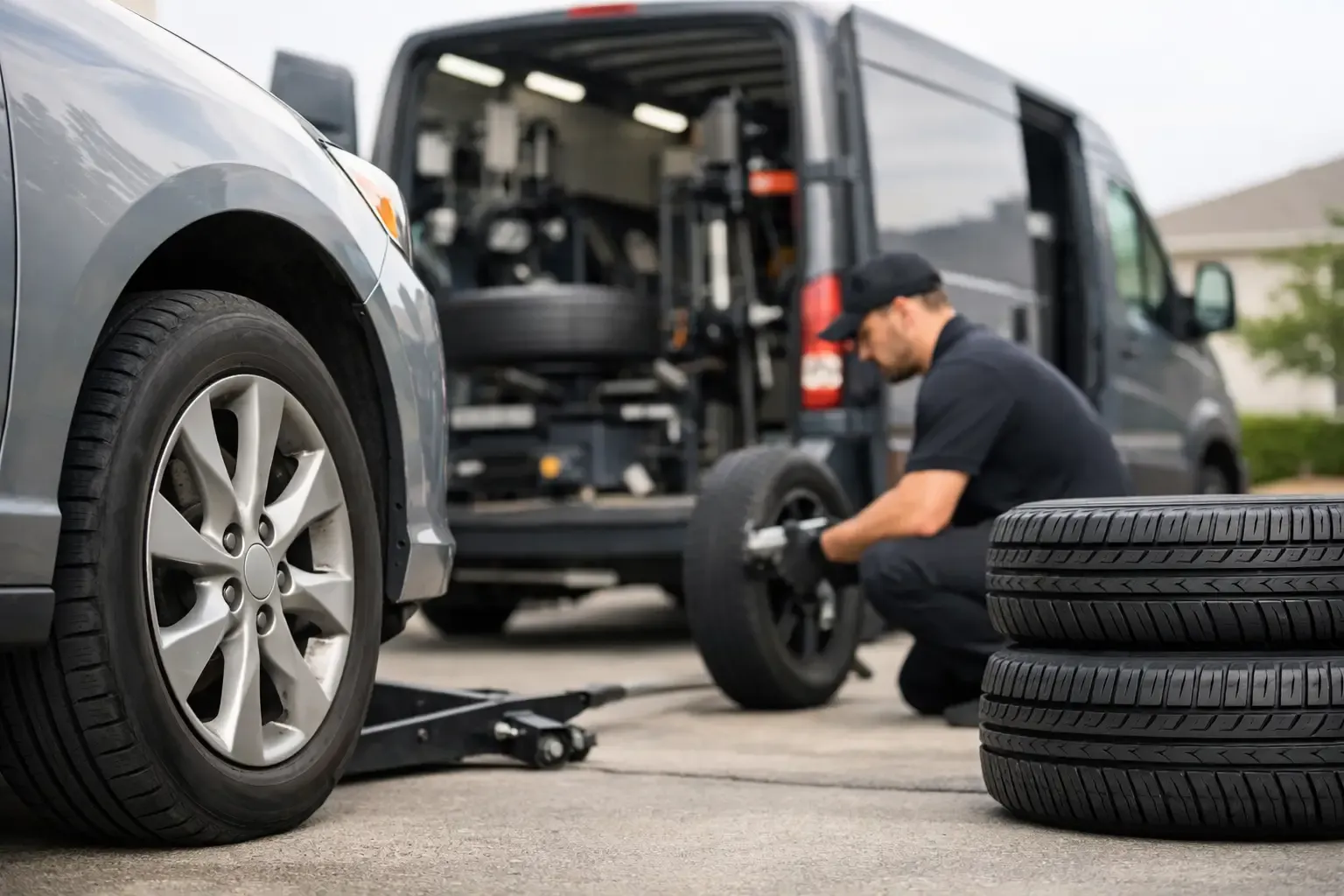
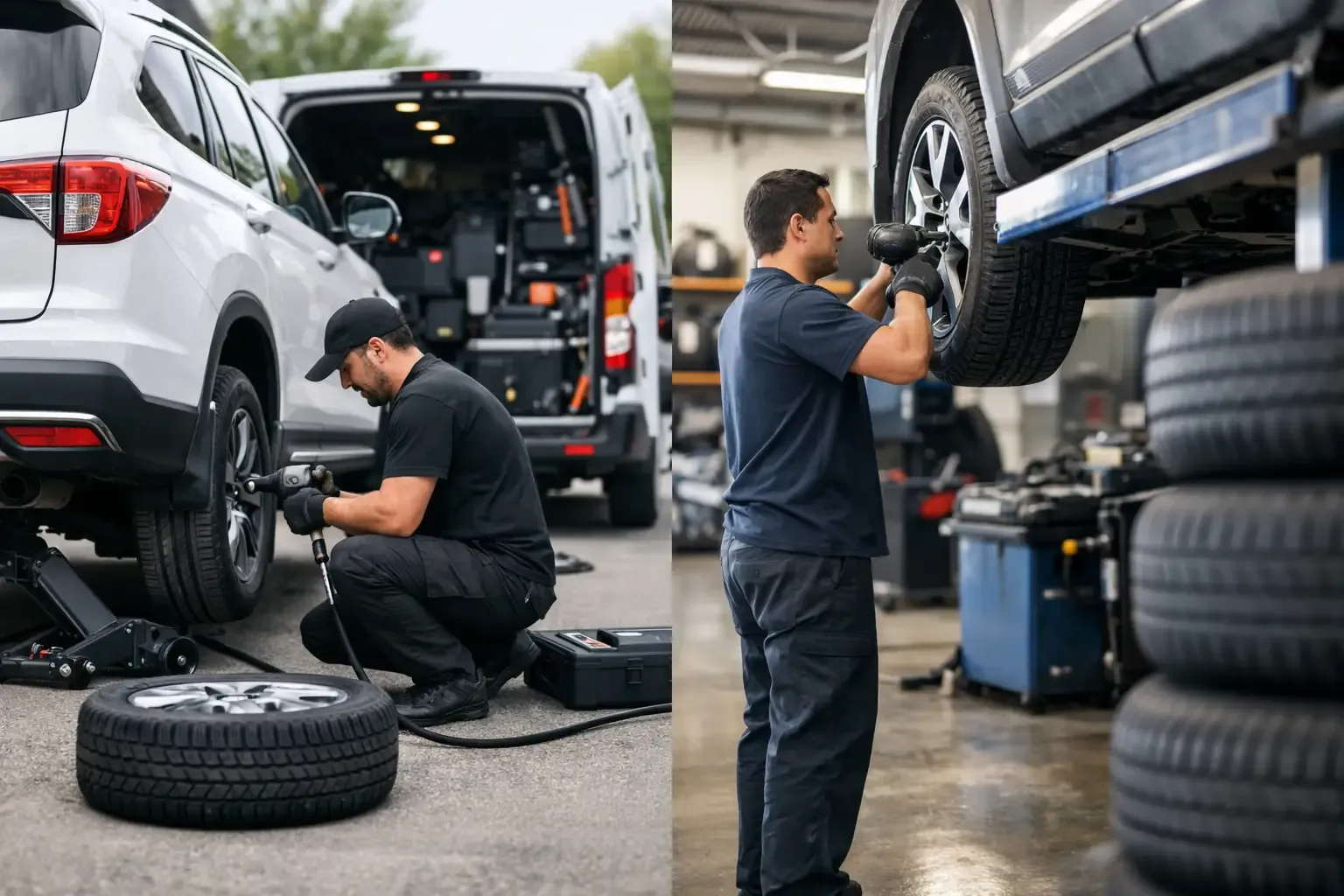
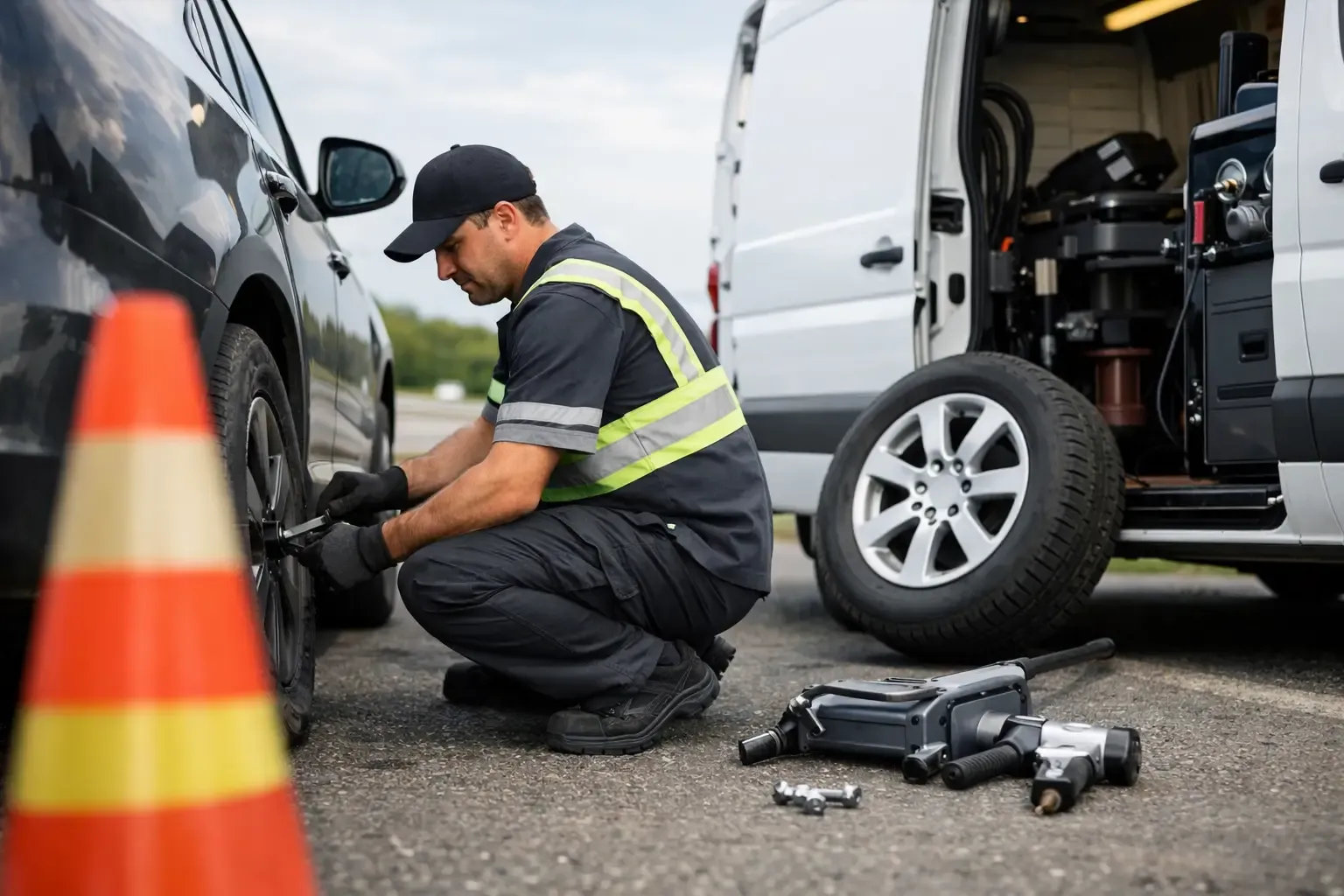
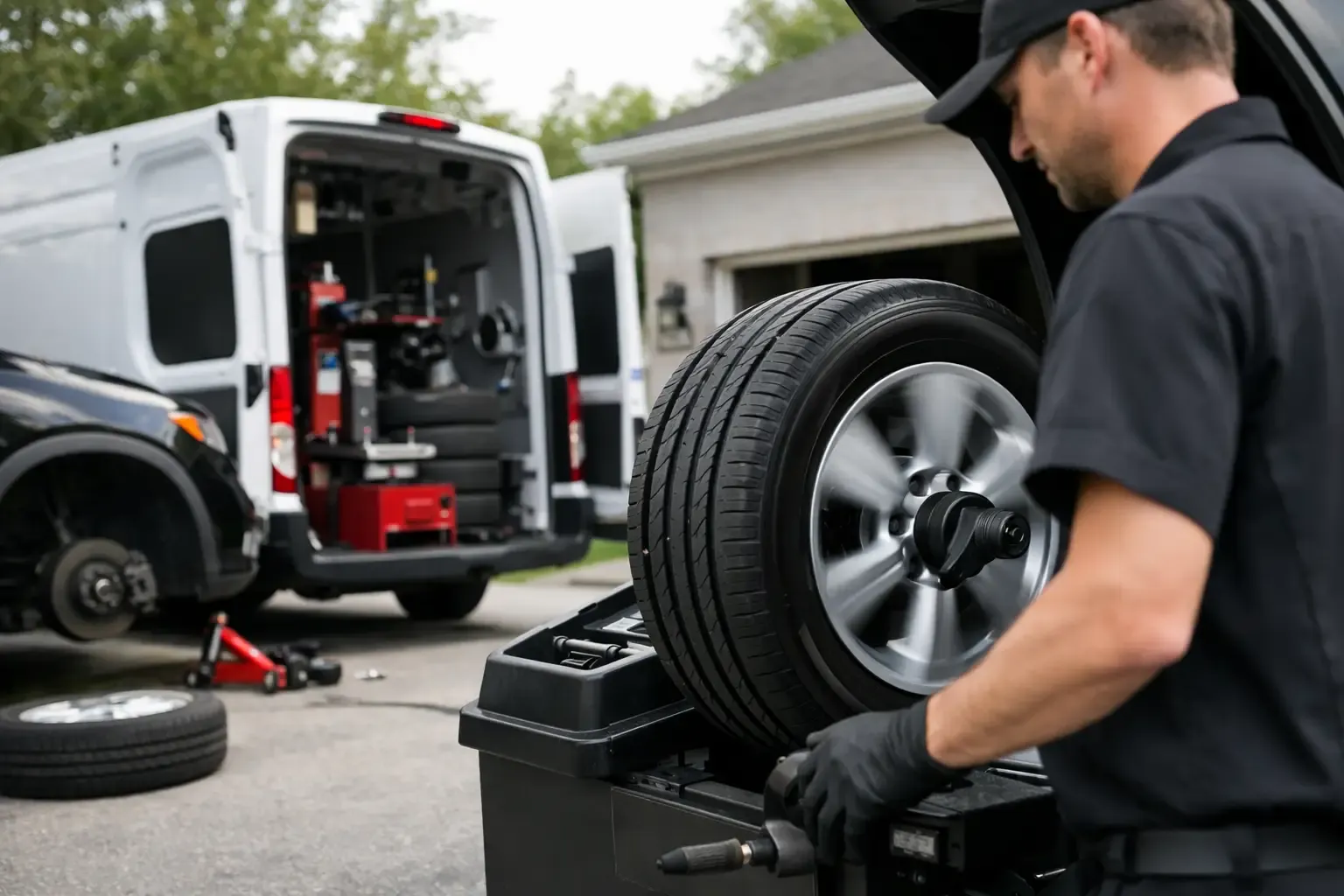
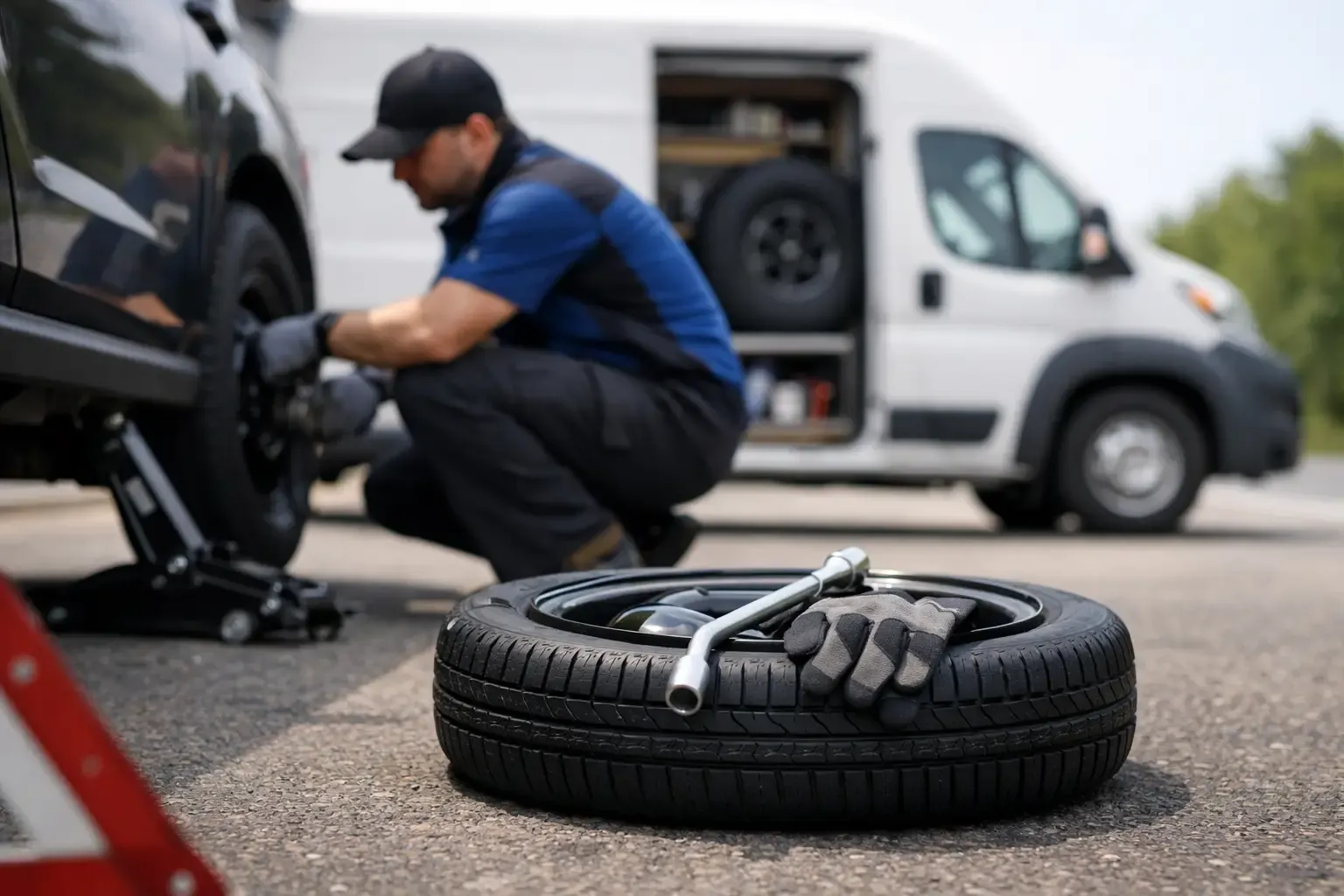
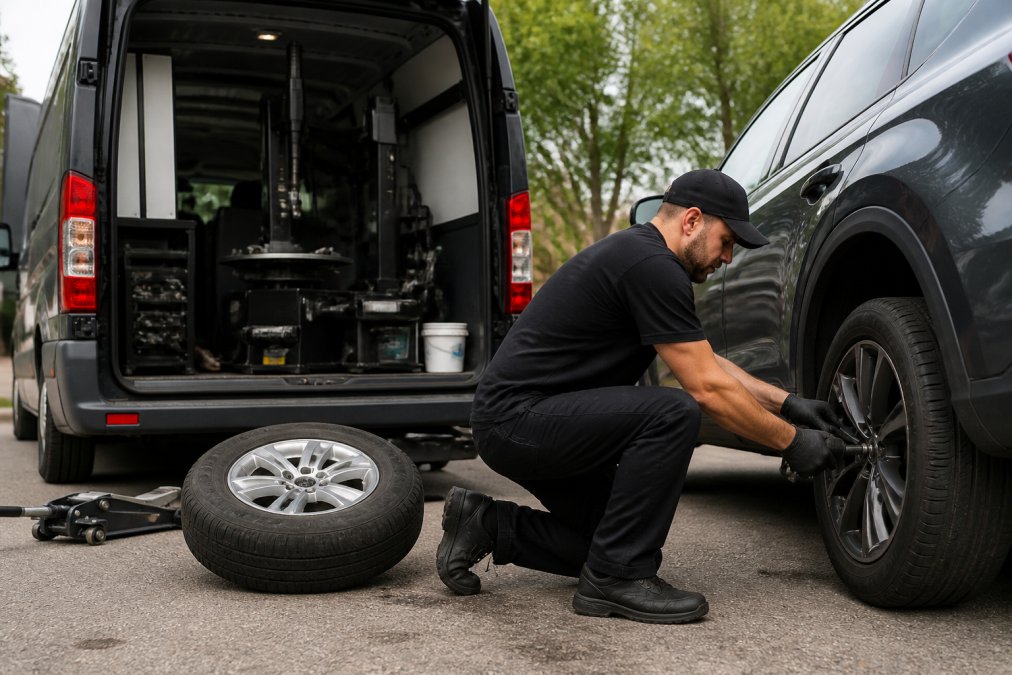
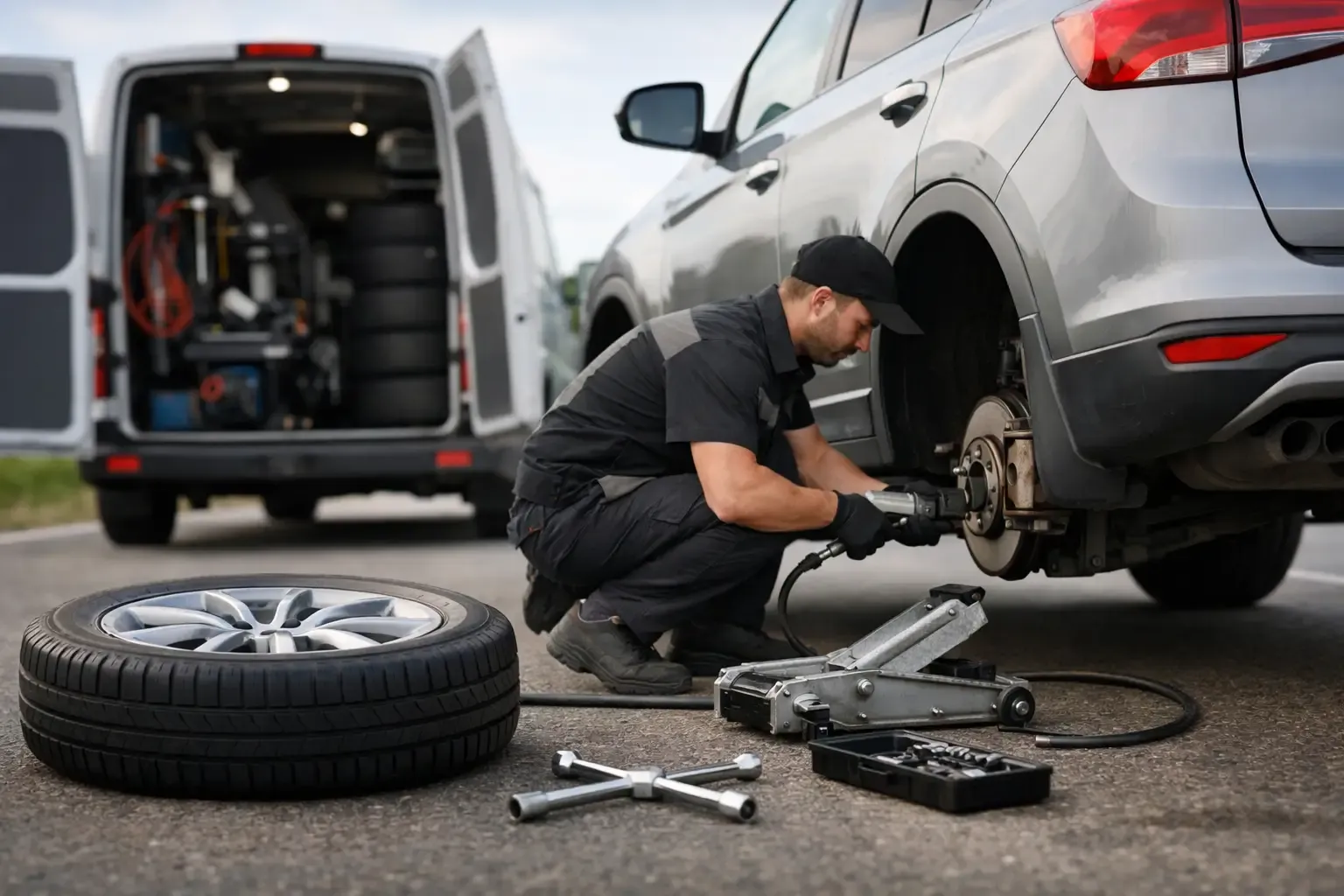
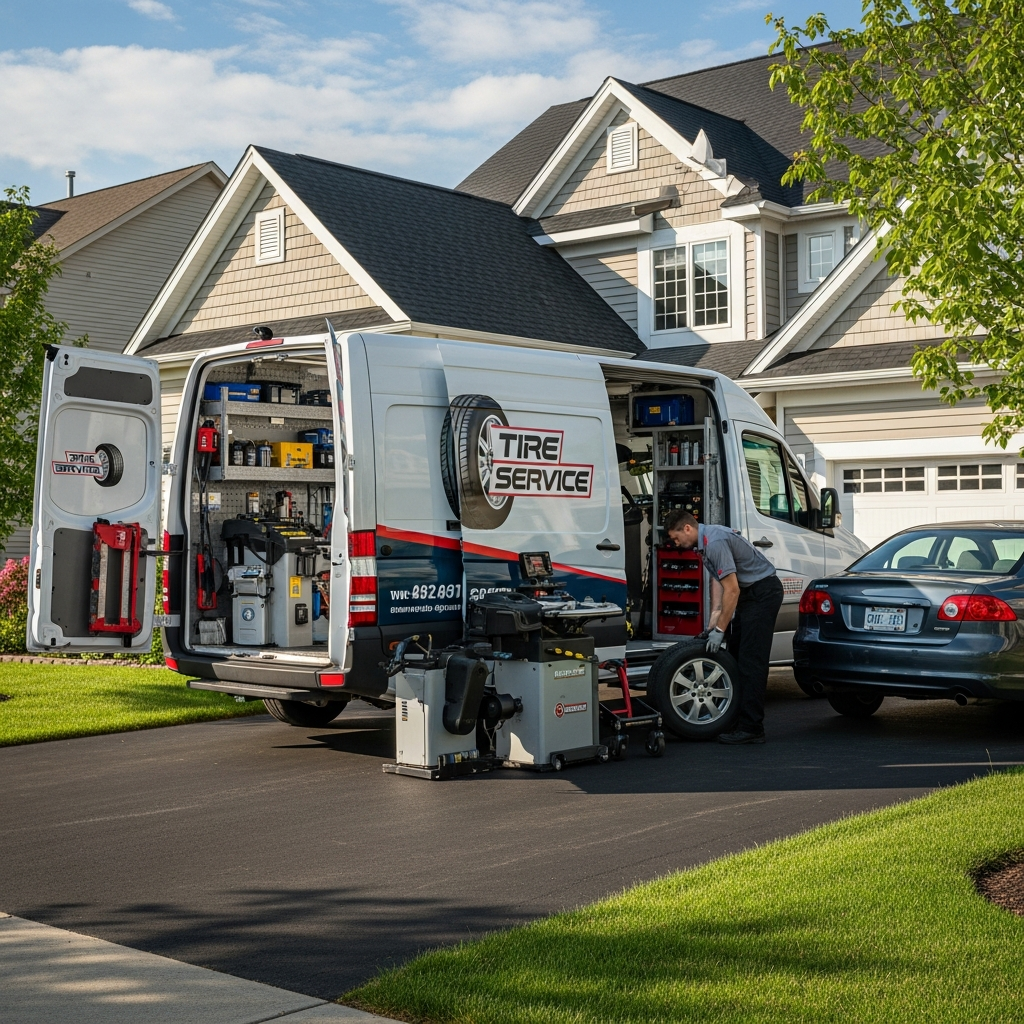
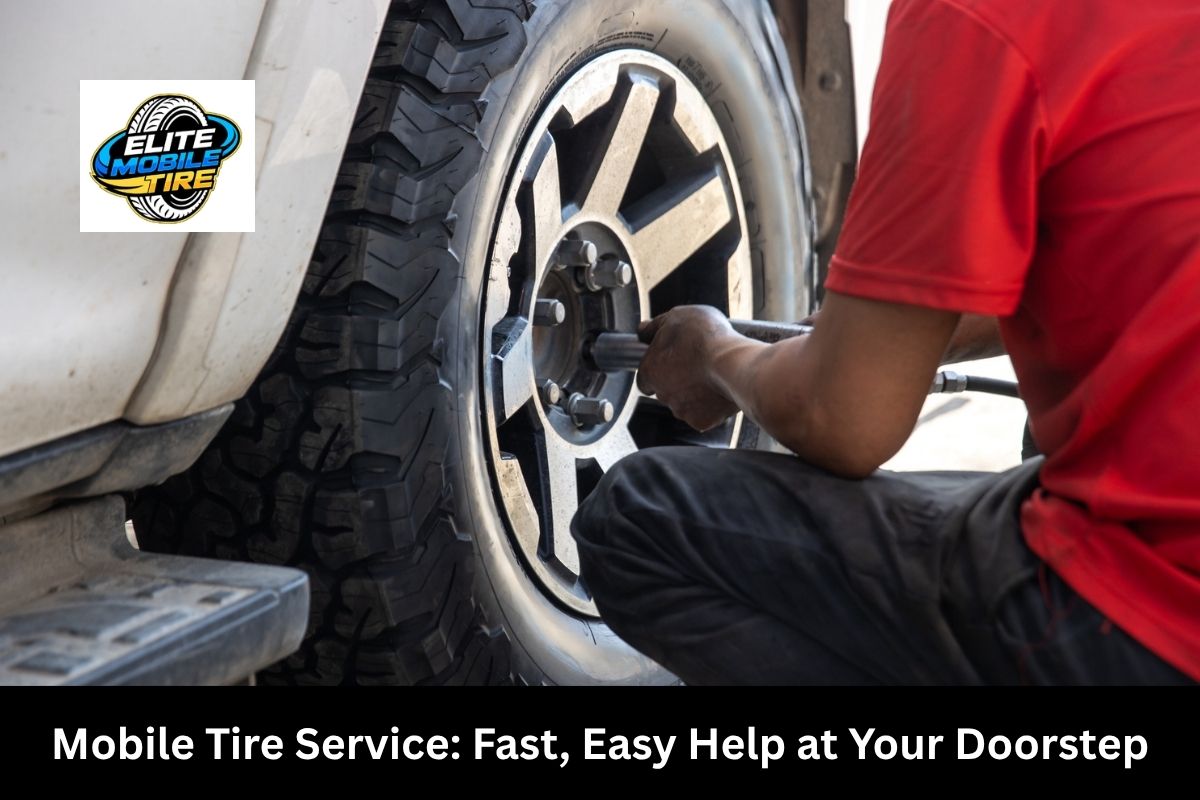
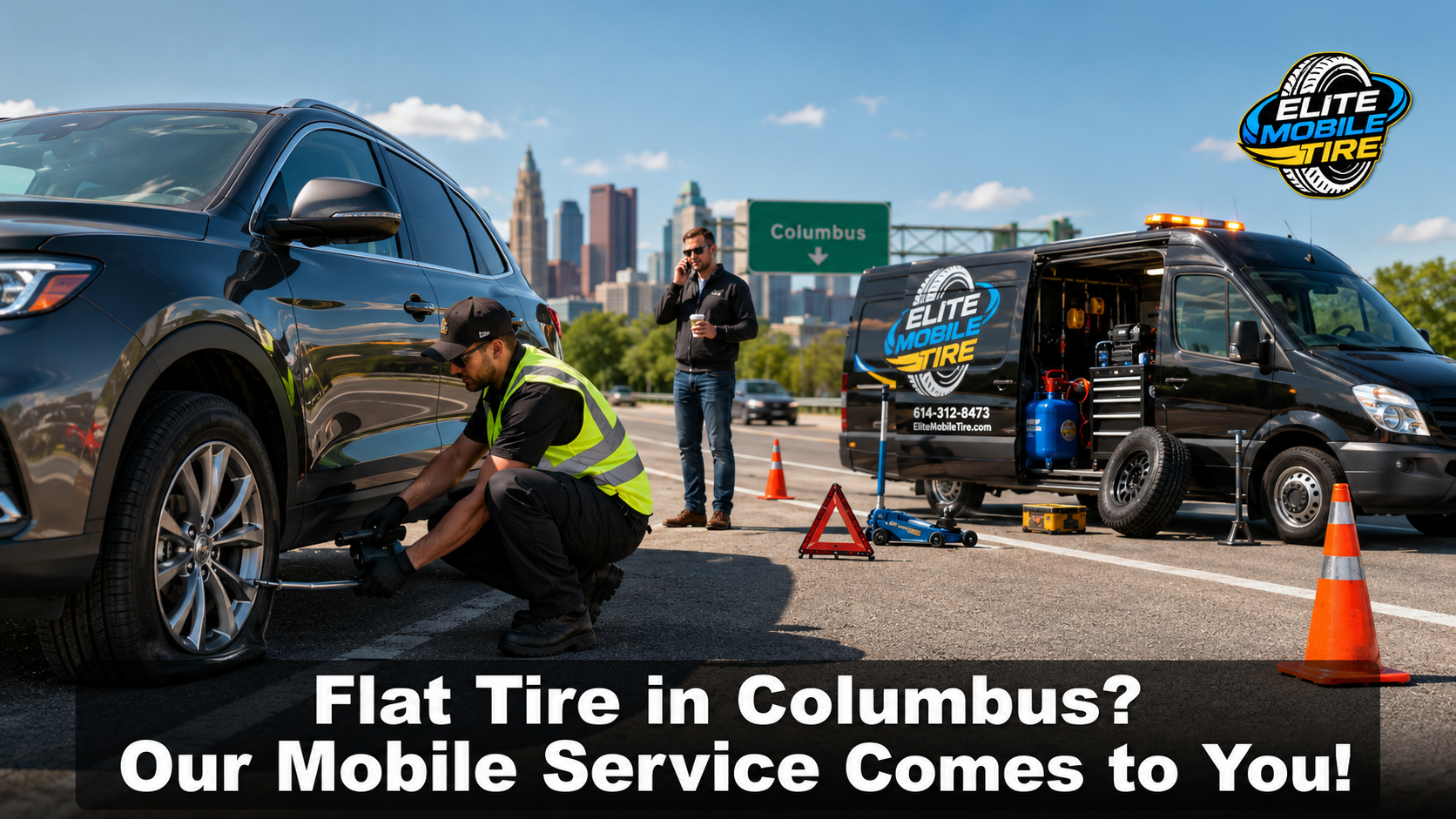
That is why mobile tire service can be helpful in situations like this. A technician can evaluate the vehicle on site, explain whether one tire replacement is appropriate, and handle the work where the car already sits. For drivers around Columbus, that can save the extra step of arranging a tow or spending hours in a waiting room while still getting a professional recommendation.
If you're dealing with one damaged tire, the goal is not just to replace rubber. It is to keep the vehicle safe, stable, and ready for the miles ahead with a setup that actually fits how your car is built.
Ready for a new set? Elite Mobile Tire installs 2 or 4 new tires right in your driveway or parking lot anywhere around Columbus, Obetz, Groveport, Grove City, and Reynoldsburg. Financing is available through Afterpay and Acima with up to 24-month payment plans. Call 614-344-5010 or visit elitemobiletire.com to book.