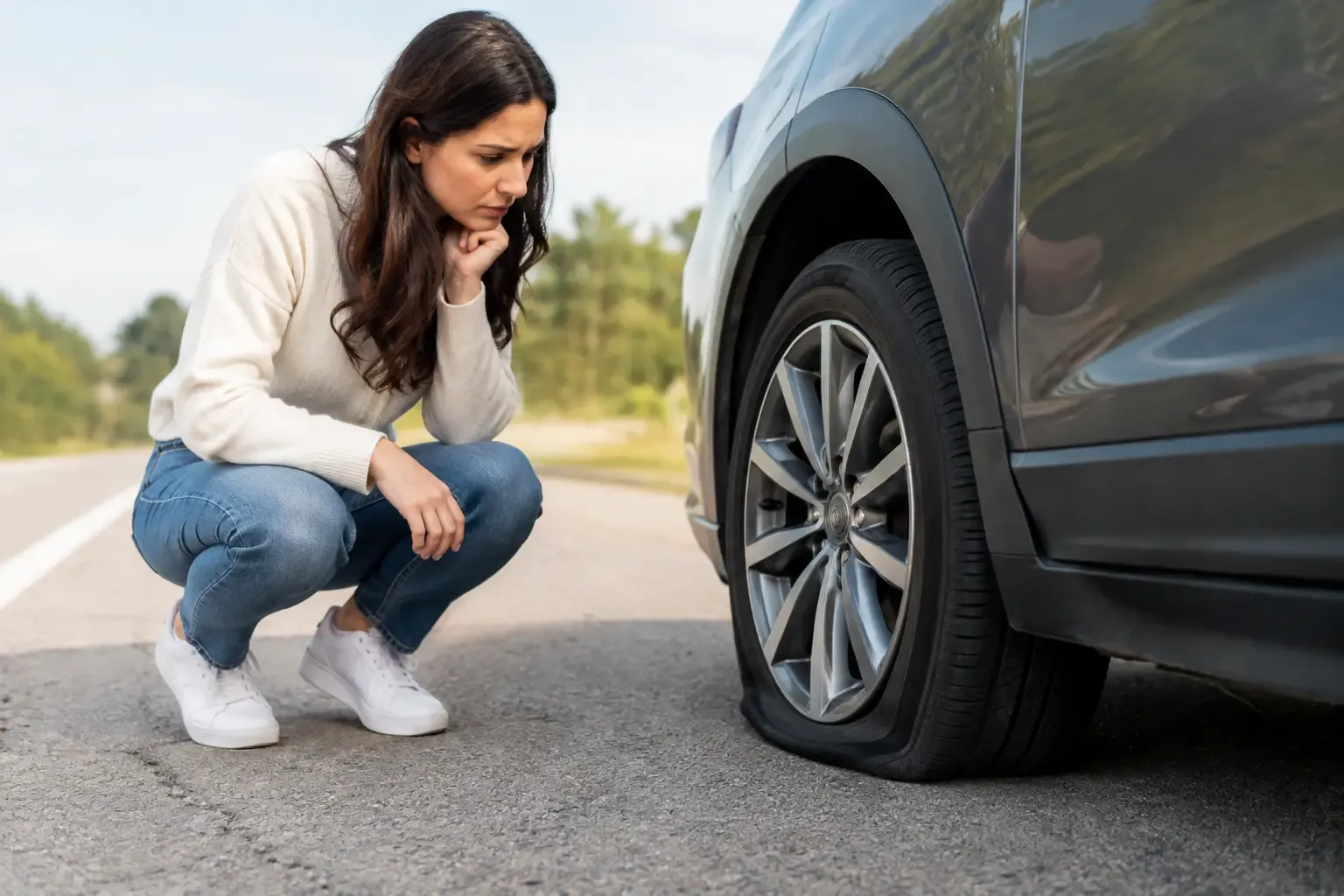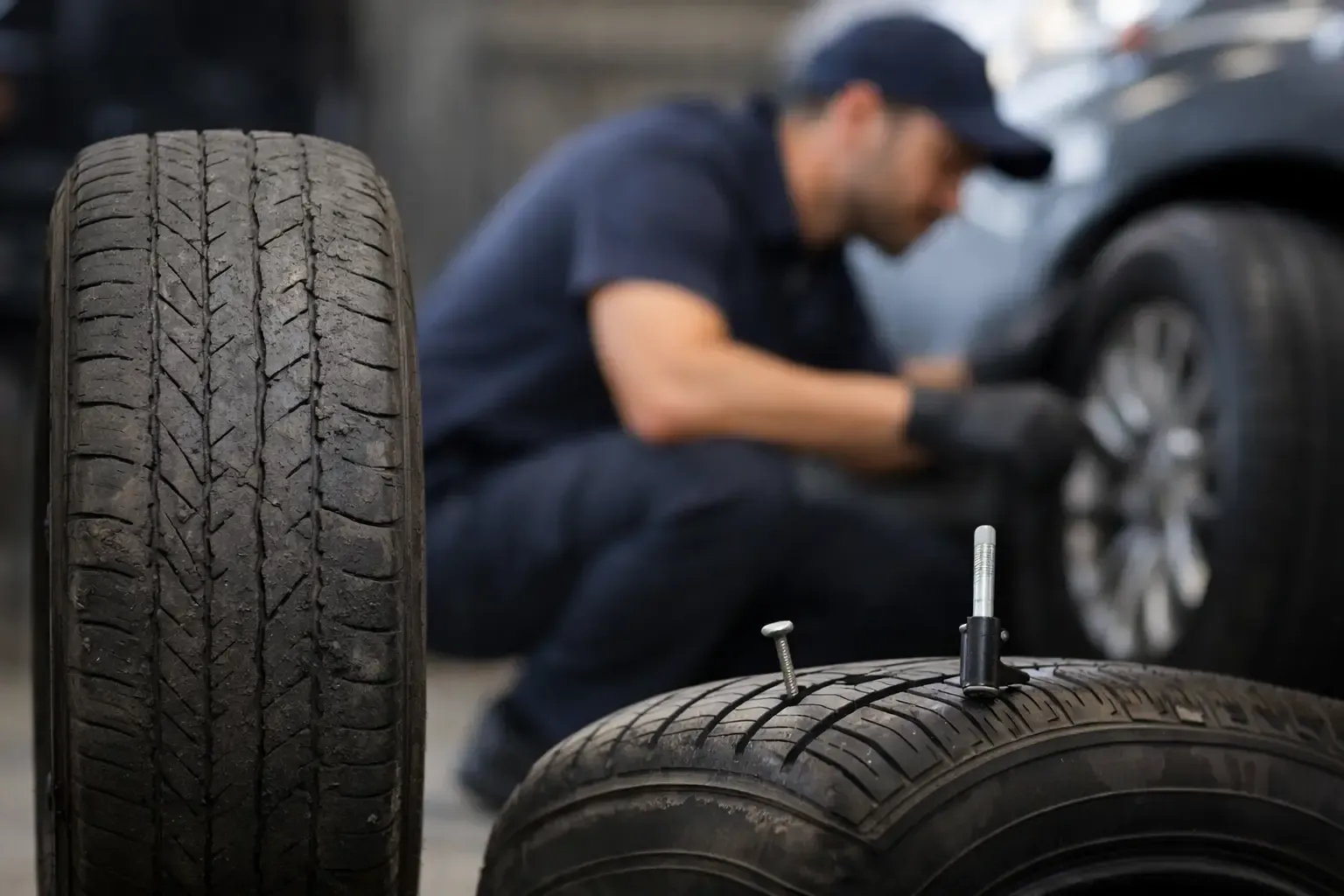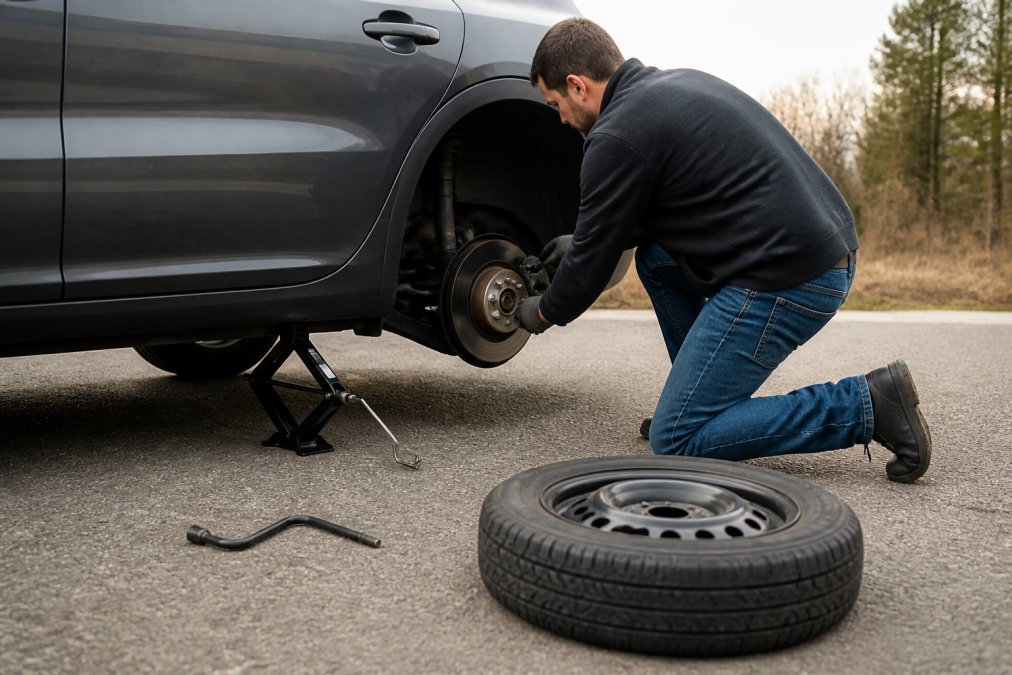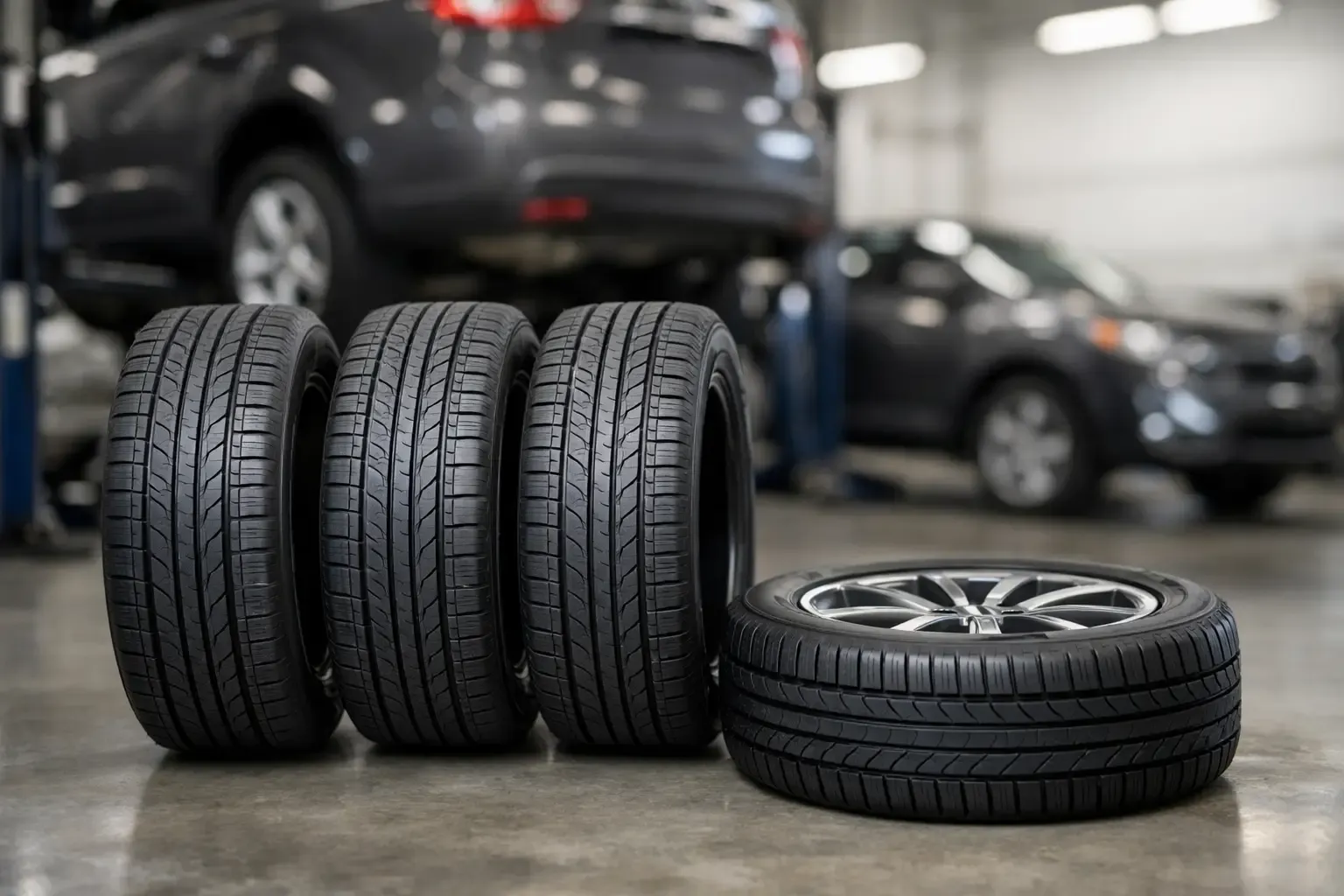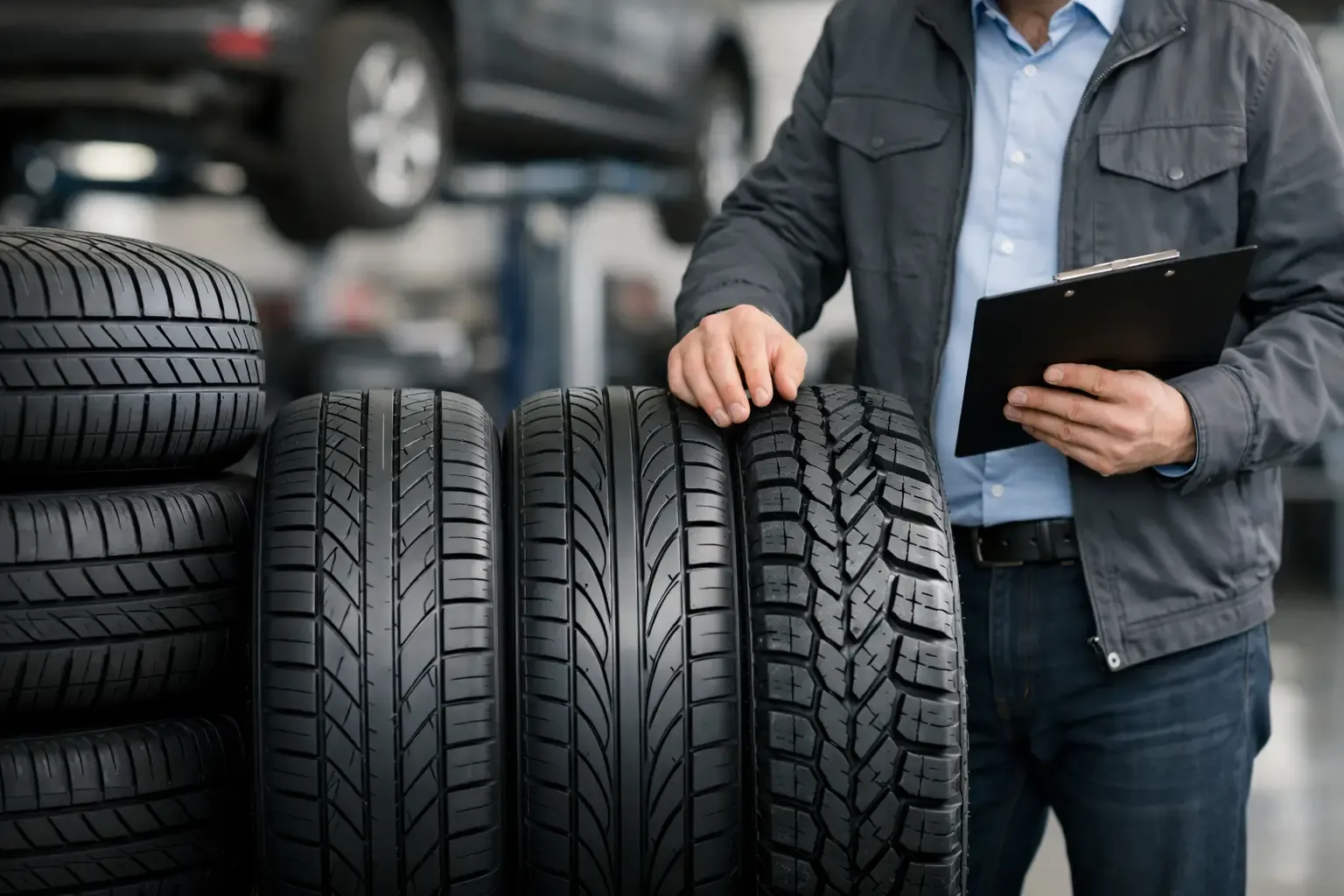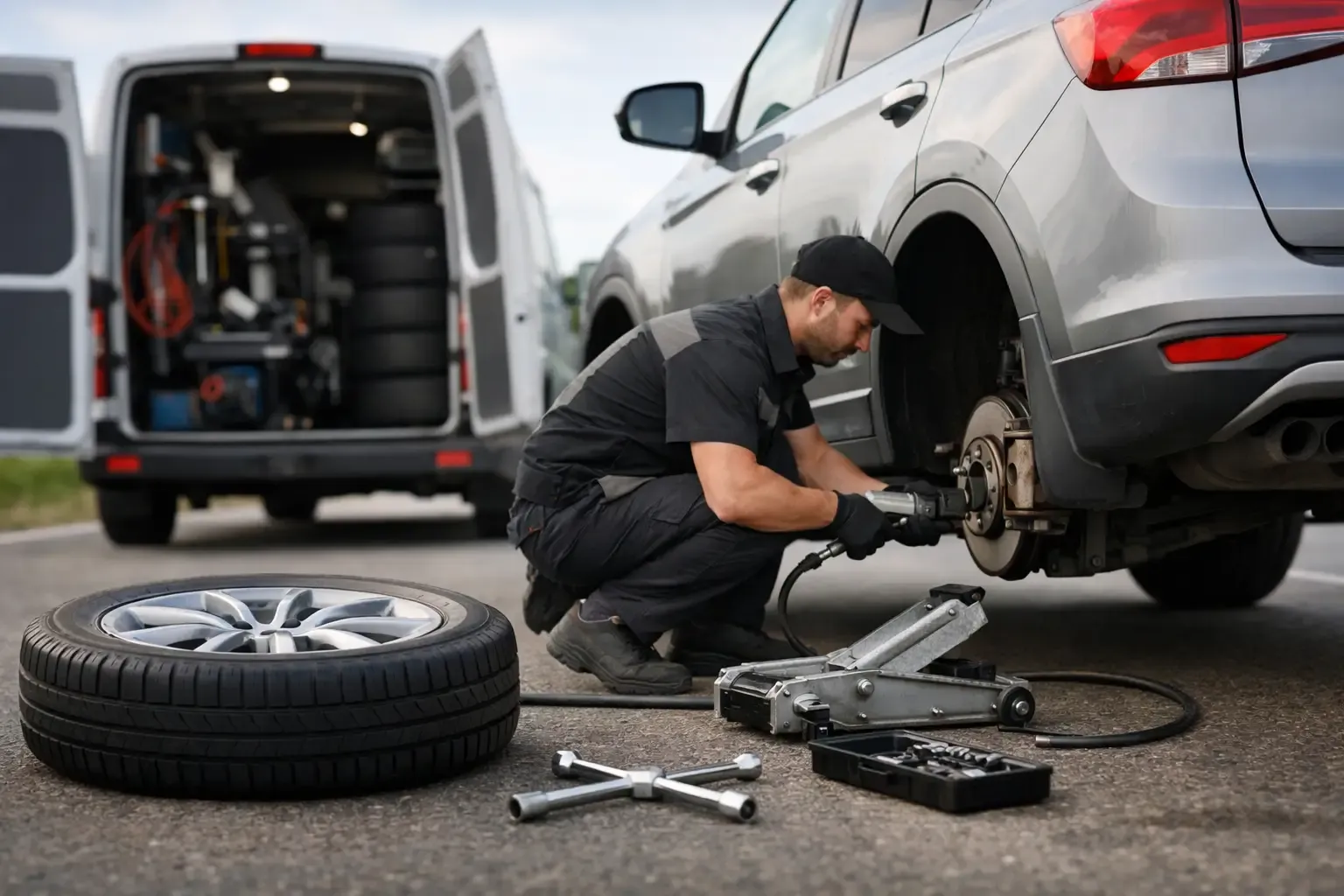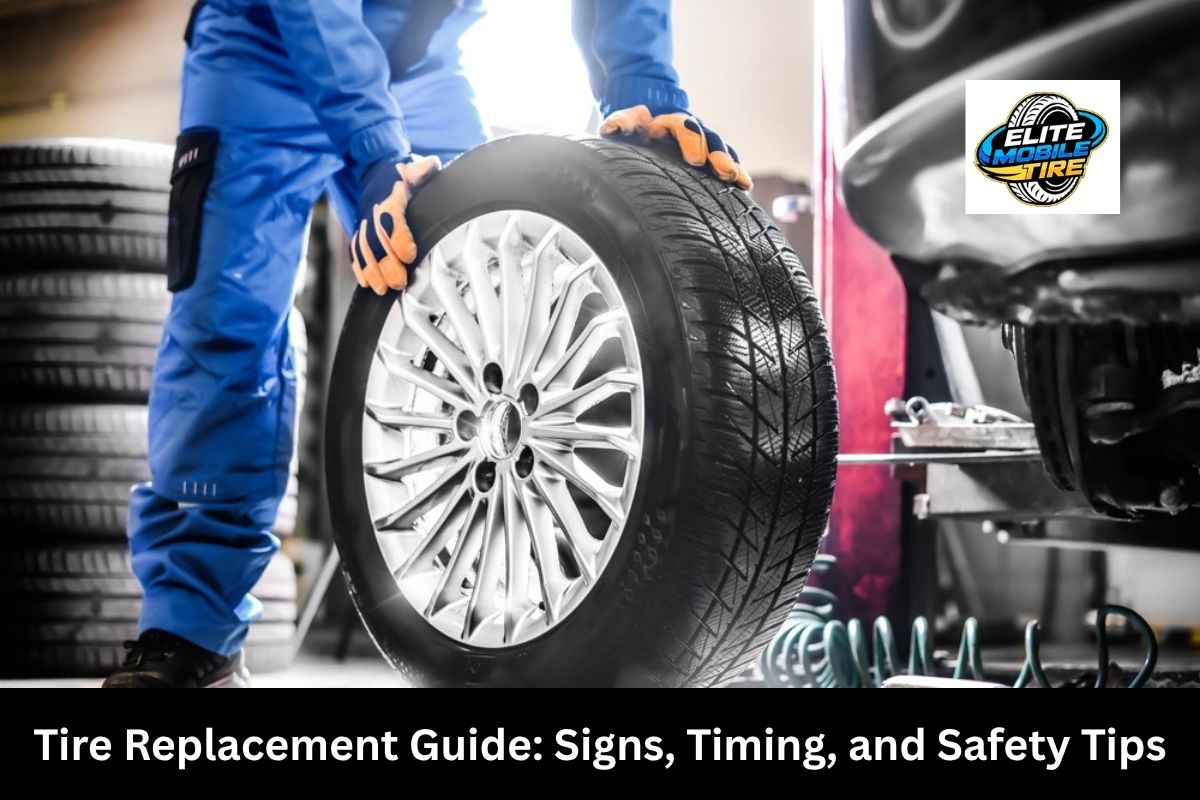
The first hard freeze usually catches people at the worst time - a rushed school drop-off, a dark commute home, or a weekend trip that suddenly feels less routine. A good guide to choosing winter tires starts with one simple fact: winter driving is not just about snow. Cold pavement, slush, black ice, and longer stopping distances all change how your vehicle responds, even when the roads look clear.
For drivers, the real question is not whether winter tires work. They do. The better question is which winter tire is right for your vehicle, your driving habits, and the kind of weather you actually face. That answer depends on more than tread pattern or brand name.
Why winter tires matter more than many drivers think
A lot of drivers assume all-season tires are enough if they drive carefully. Sometimes they are manageable in light conditions, especially if the tread is still in good shape. But once temperatures consistently fall below 45 degrees, the rubber compound in all-season tires begins to stiffen. That means less grip when you need it most - during braking, turning, and sudden lane changes.
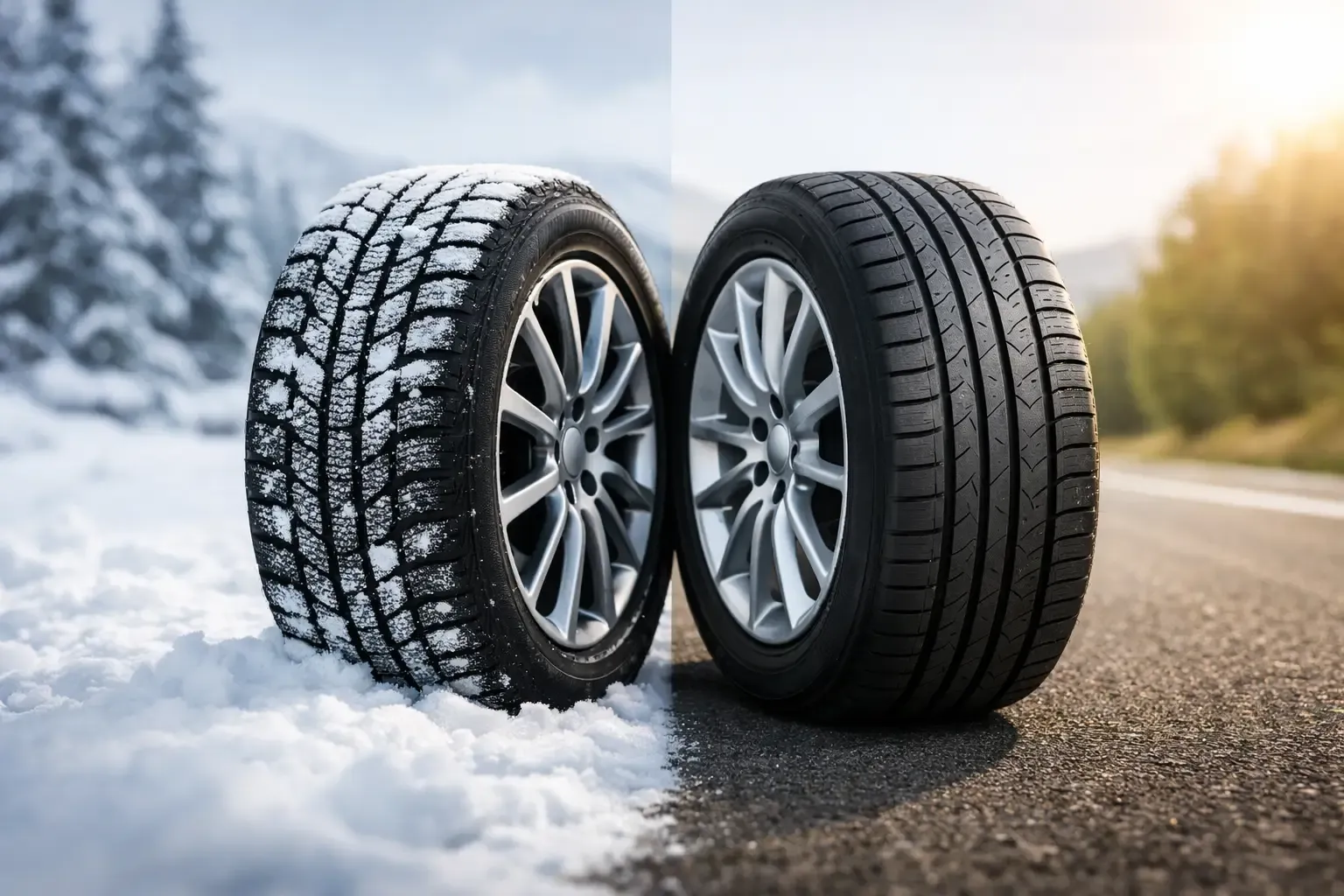
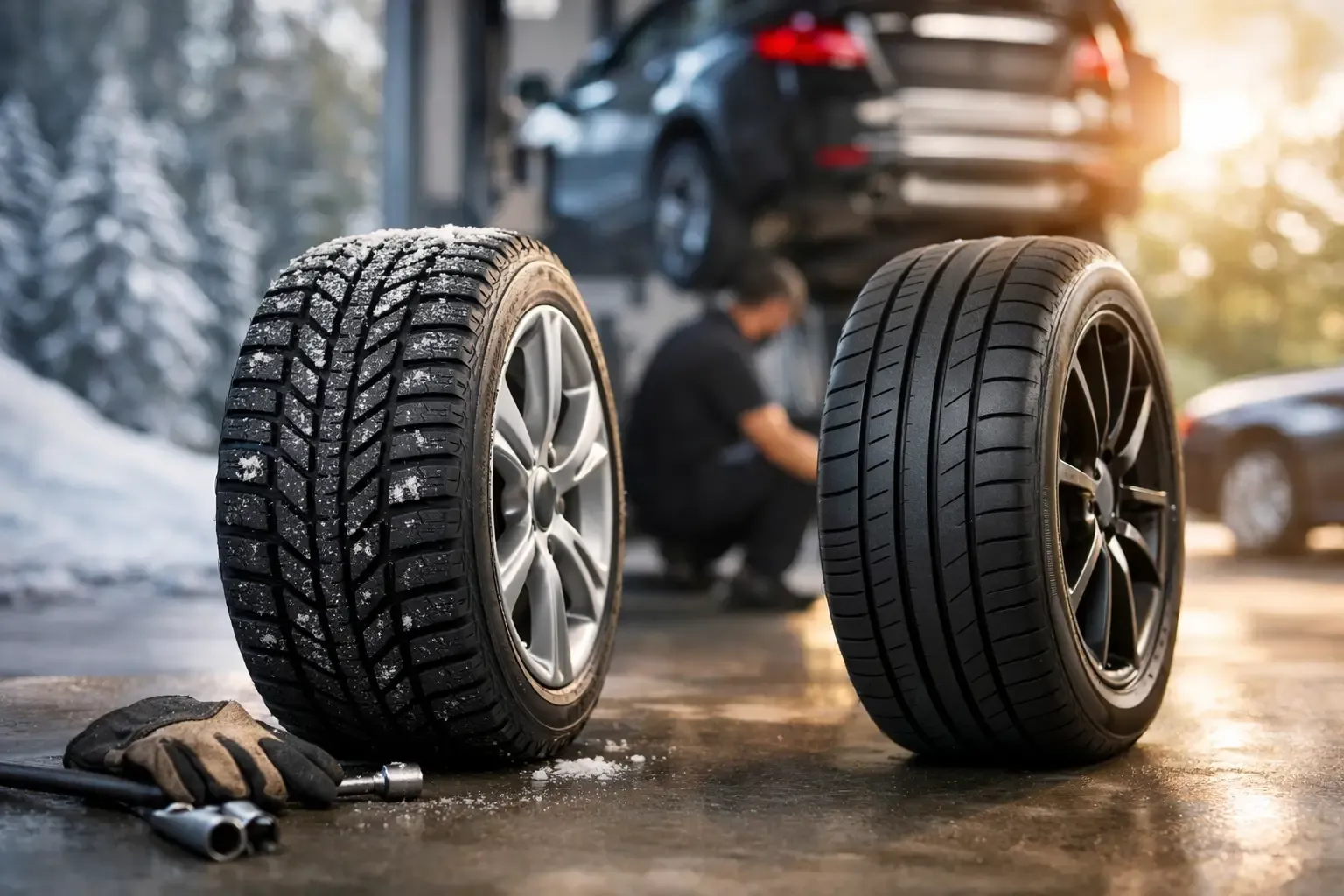
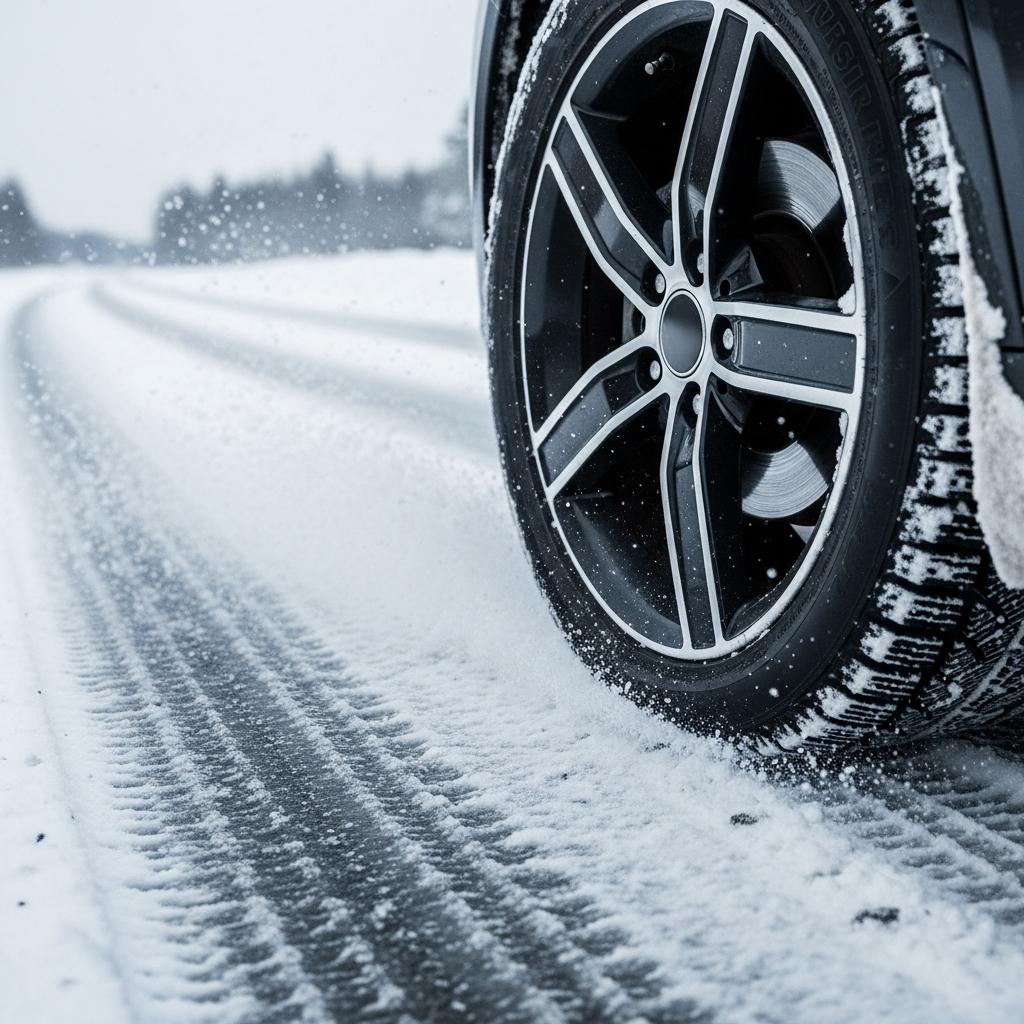
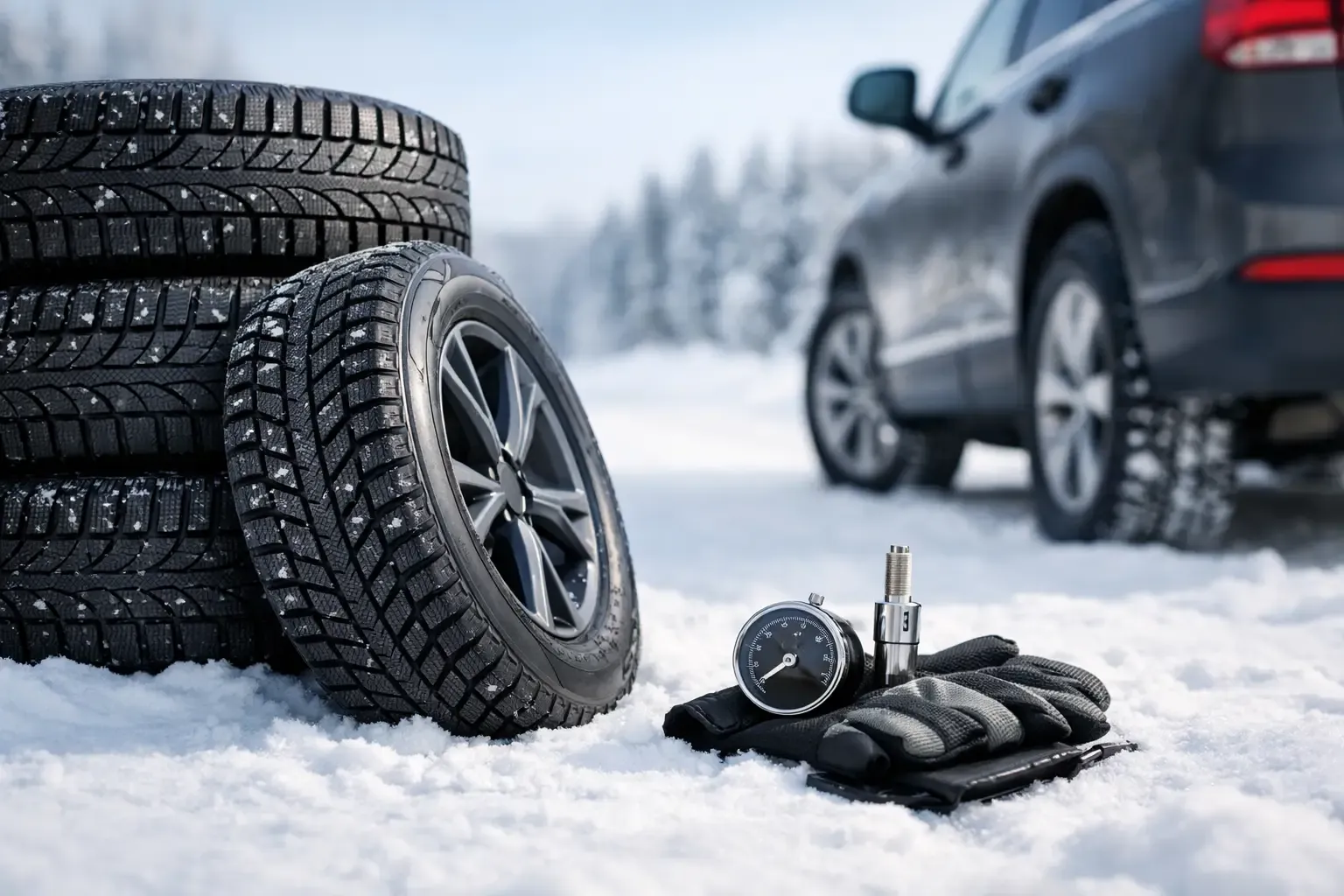
Winter tires are built with a softer cold-weather compound that stays flexible in low temperatures. They also use tread designs with more biting edges and siping to improve traction on snow and ice. That difference shows up in a practical way: better control at intersections, shorter stopping distances, and less wheel spin when pulling away from a stop.
If you commute early, drive kids to school, travel for work, or spend much time on untreated roads, winter tires can make everyday driving feel more predictable. That matters just as much as outright traction.
A guide to choosing winter tires for your driving
The best winter tire is not always the most aggressive one. It is the tire that matches your vehicle and the roads you use most often.
If you mainly drive on plowed city streets and highways, a performance winter tire may be the better fit. These are designed for cold-weather grip while keeping road feel and handling closer to what many sedans, crossovers, and smaller SUVs already deliver. They work well for drivers who want better winter control without the heavier feel of a deep-snow tire.
If you regularly deal with snow-covered neighborhood streets, unplowed side roads, or more severe winter conditions, a studless ice and snow tire often makes more sense. These prioritize maximum grip in snow, slush, and icy conditions. The trade-off is that they can feel softer in dry handling and may wear faster if left on too long into warmer weather.
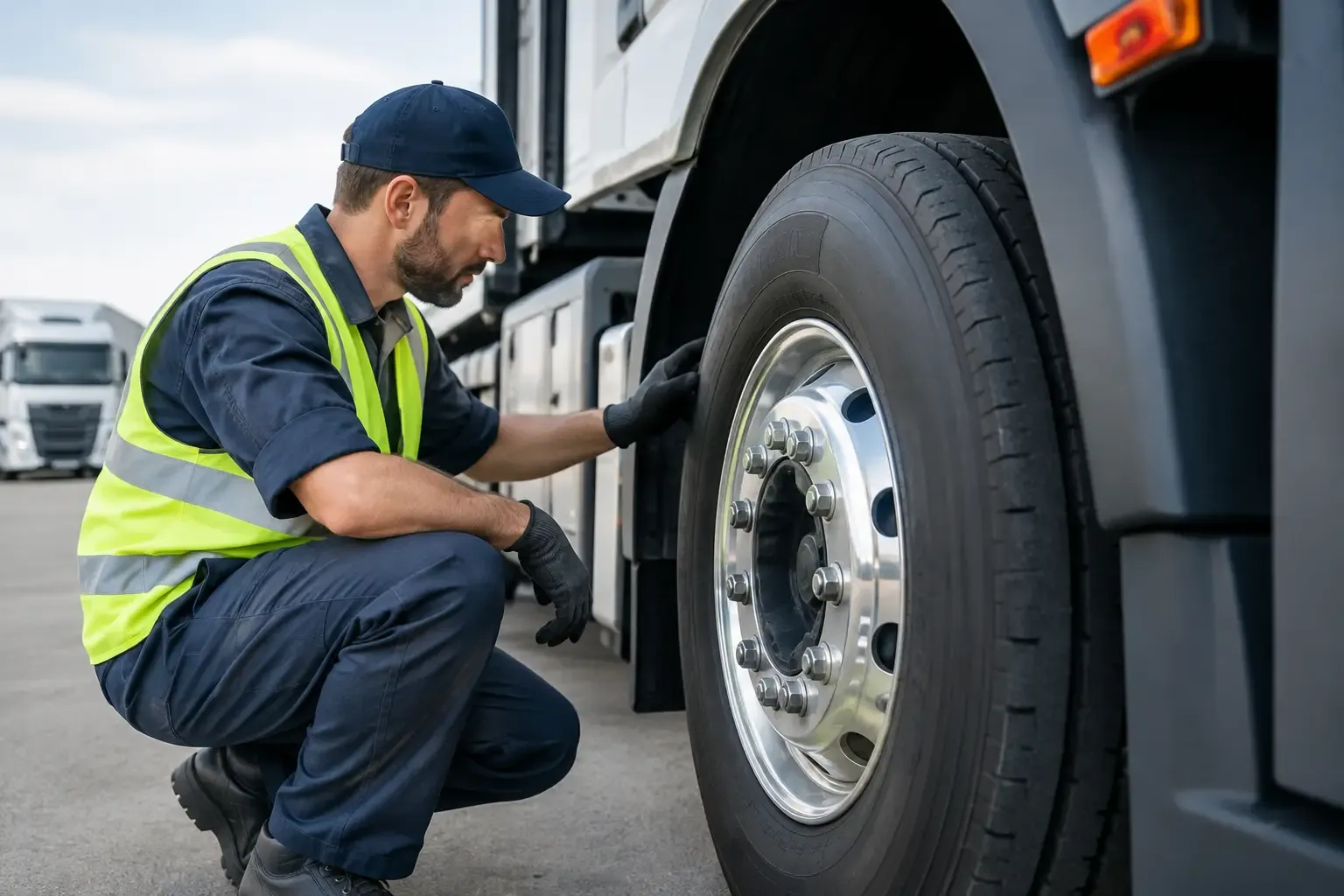
Truck and SUV owners have another layer to consider. A heavier vehicle may have advantages in stability, but it still needs the right tire to stop and turn safely. Winter tires for larger vehicles should match the load requirements and intended use of the vehicle, especially if it is used for commuting, family trips, or light commercial driving.
Start with the right size, not just the right brand
One of the most common mistakes in a guide to choosing winter tires is focusing too much on brand reputation and not enough on proper fitment. Tire size, load index, and speed rating matter because they affect safety, handling, and vehicle compatibility.
Your current tire sidewall lists the size, such as 225/65R17. That is the starting point, but it is not always the whole story. Some vehicles can use alternate winter sizing, especially when downsizing wheel diameter for a winter setup. That can improve winter performance in some cases, but it needs to be done correctly to maintain proper clearance and overall tire diameter.
This is also where professional guidance helps. The wrong size can affect braking system behavior, speedometer accuracy, and ride quality. It can also create fit issues that are expensive and frustrating to correct later.
Tread pattern and rubber compound both matter
Drivers often look at a winter tire and assume the deepest tread wins. Tread depth does matter, but tread design and compound are what really separate a winter tire from a general-purpose option.
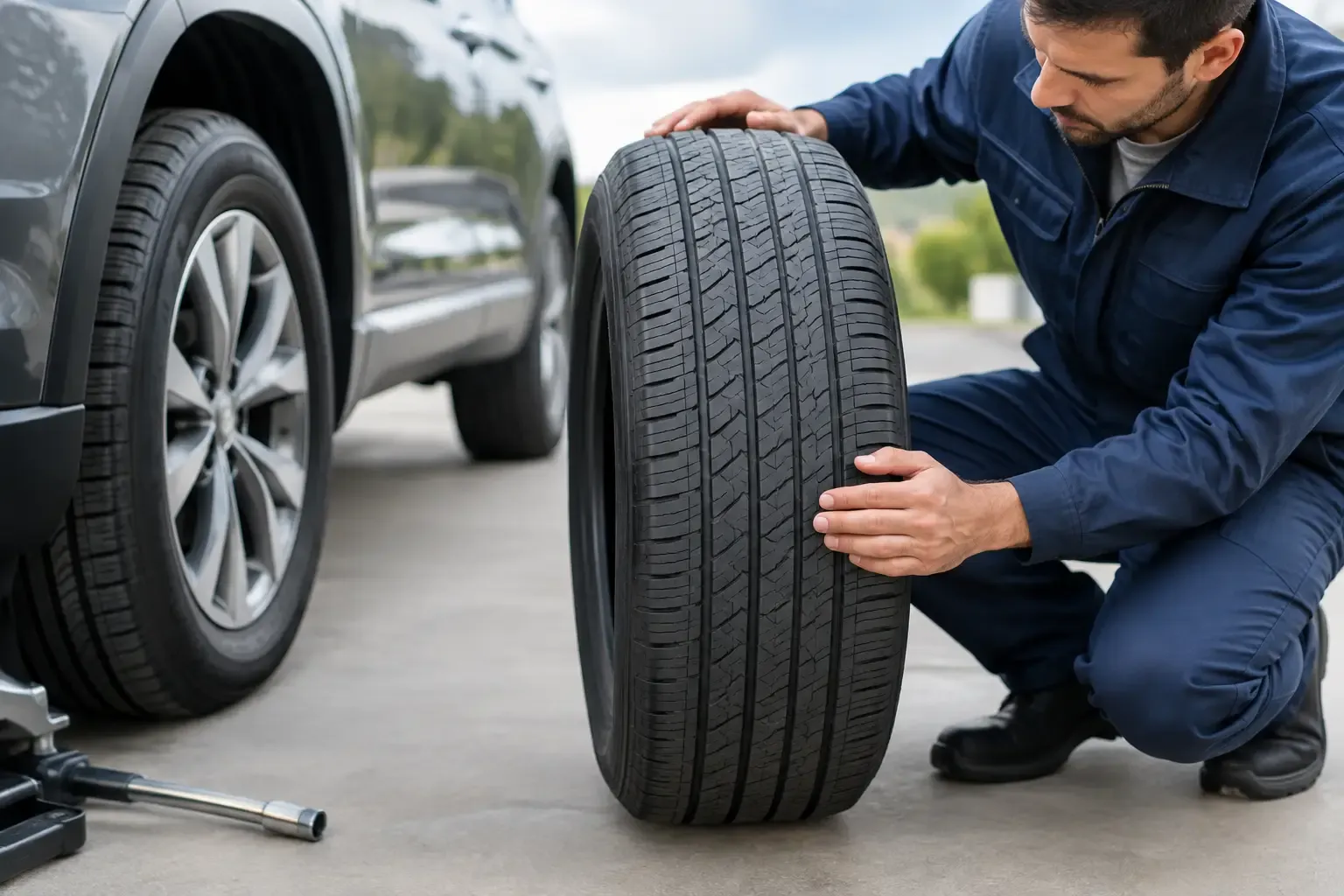
Look for dense siping, which are the small slits across the tread blocks. These help the tire grip slick surfaces by creating more edges that can bite into snow and ice. Wide grooves also help channel slush and water away from the contact patch. That reduces hydroplaning risk during the messy part of winter that often causes more trouble than heavy snowfall.
The compound is less visible but just as important. A winter-specific compound stays more flexible in freezing temperatures, which helps maintain road contact. That is why winter tires often perform better not only on snow-covered roads, but also on cold, dry pavement.
Should you choose studded or studless?
For most everyday drivers, studless winter tires are the better choice. They offer strong traction in cold weather, snow, and ice without the extra road noise and pavement wear associated with metal studs. They are also a more practical fit for mixed winter conditions, where roads may be clear in one area and slick in another.
Studded tires have a place in very severe ice conditions, but they are not the default recommendation for the average commuter. They can improve grip on glare ice, yet they come with trade-offs in ride comfort, noise, and in some areas, legal restrictions or seasonal rules.
For most families and commuters, a quality studless winter tire delivers the balance of safety, comfort, and convenience they need.
Think about your real winter driving, not your worst one day
It is easy to shop for the one storm you remember from three years ago. A better approach is to think about your normal pattern from December through February.
Do you spend most of your time on major roads that are treated quickly? Do you park outside overnight? Do you head out before sunrise, when black ice is more likely? Do you drive a front-wheel-drive sedan, an all-wheel-drive crossover, or a work van carrying extra weight?
Those details shape the right choice. All-wheel drive helps you get moving, but it does not help you stop if your tires cannot grip cold pavement. A driver with a short suburban commute may want a tire that stays quiet and composed on dry roads. Someone covering long distances in changing weather may prioritize slush evacuation and confident highway stability.
That is why tire selection is rarely one-size-fits-all.
Installation timing matters almost as much as tire choice
Waiting until the first snow forecast is a common mistake. By that point, appointment availability tightens, temperatures have already dropped, and you may be driving on stiff all-season tires for weeks before the first flakes appear.
A better plan is to install winter tires when temperatures consistently approach 45 degrees. That gives you the cold-weather performance benefits before roads become hazardous. It also avoids the last-minute scramble that many drivers face every year.
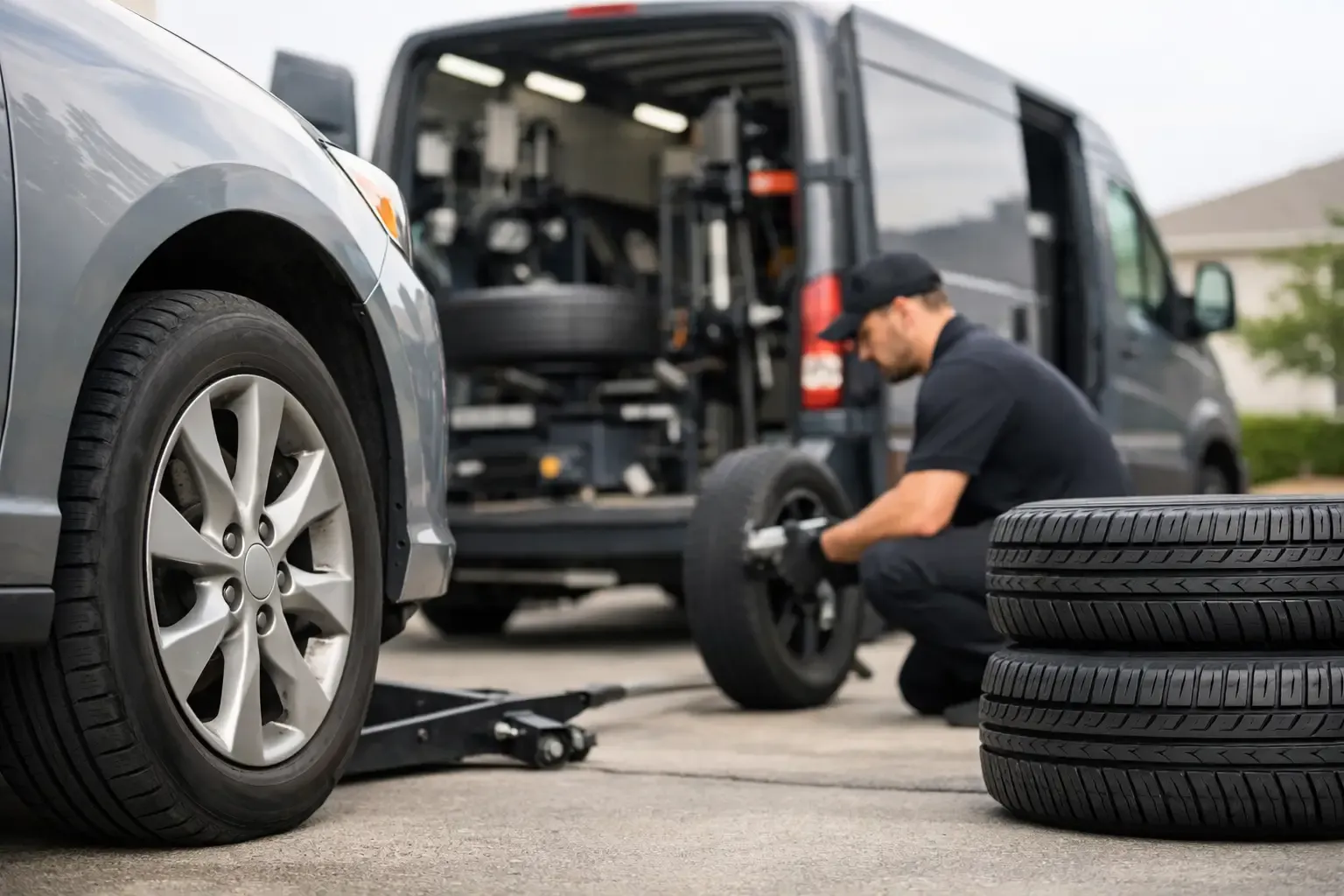
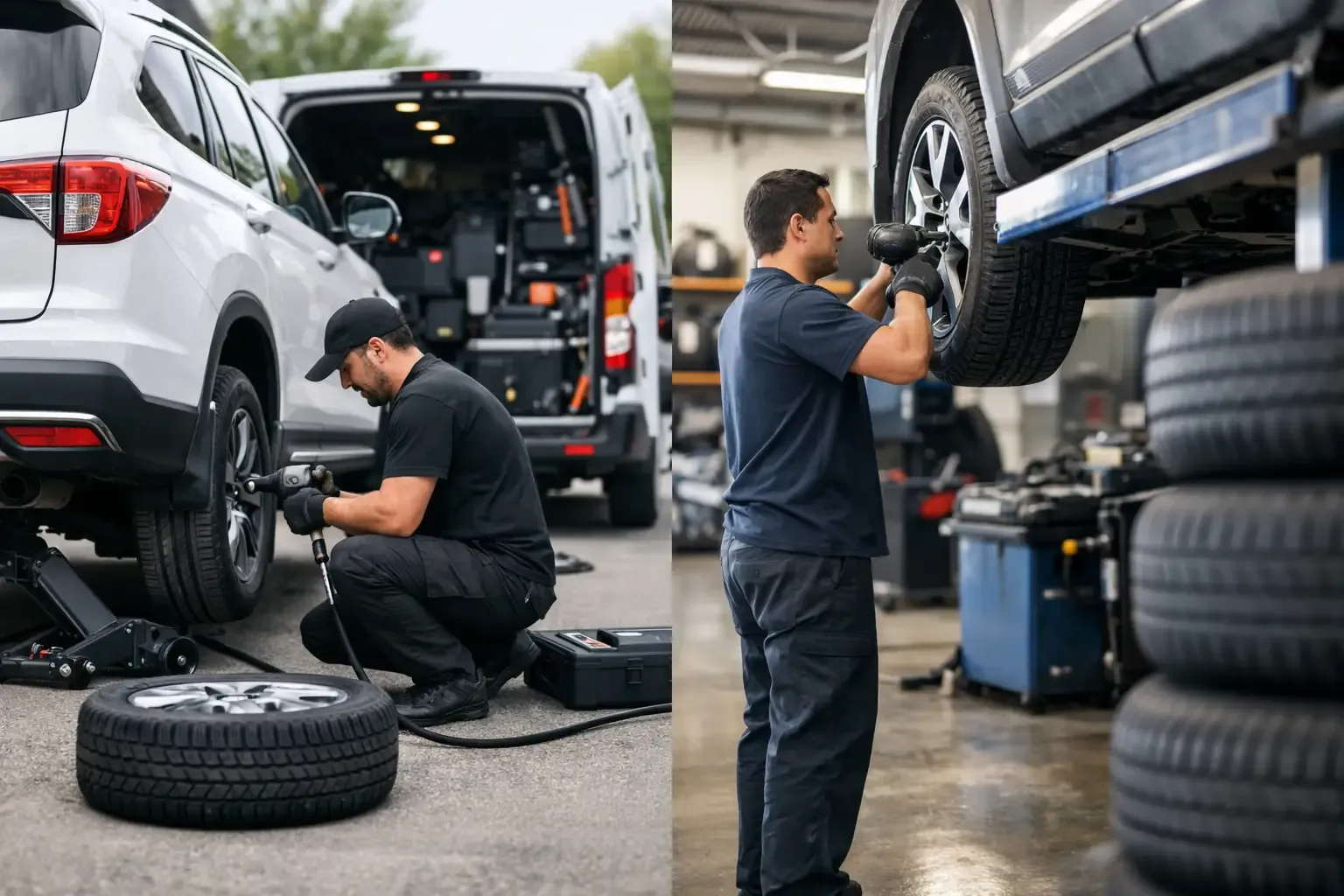
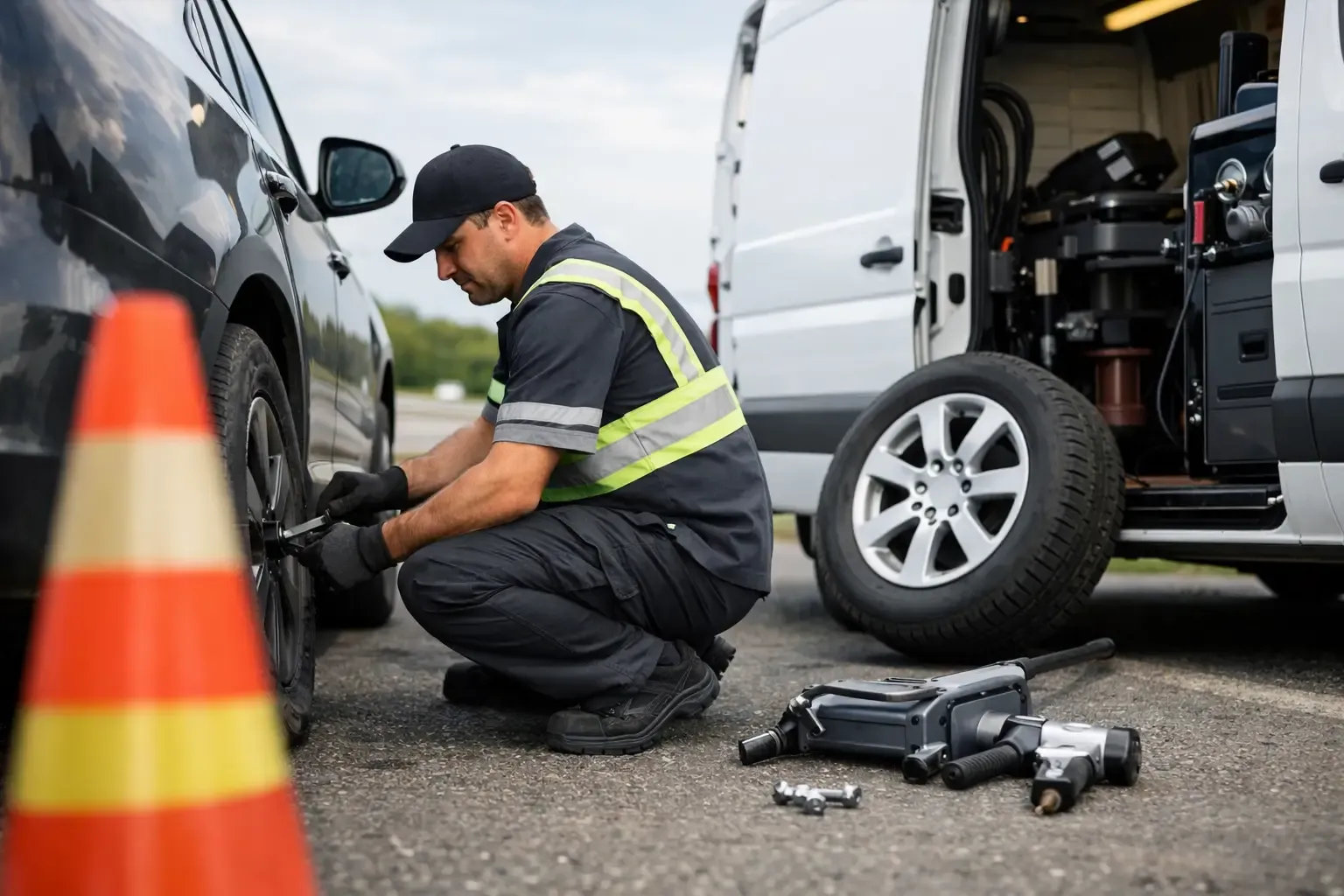
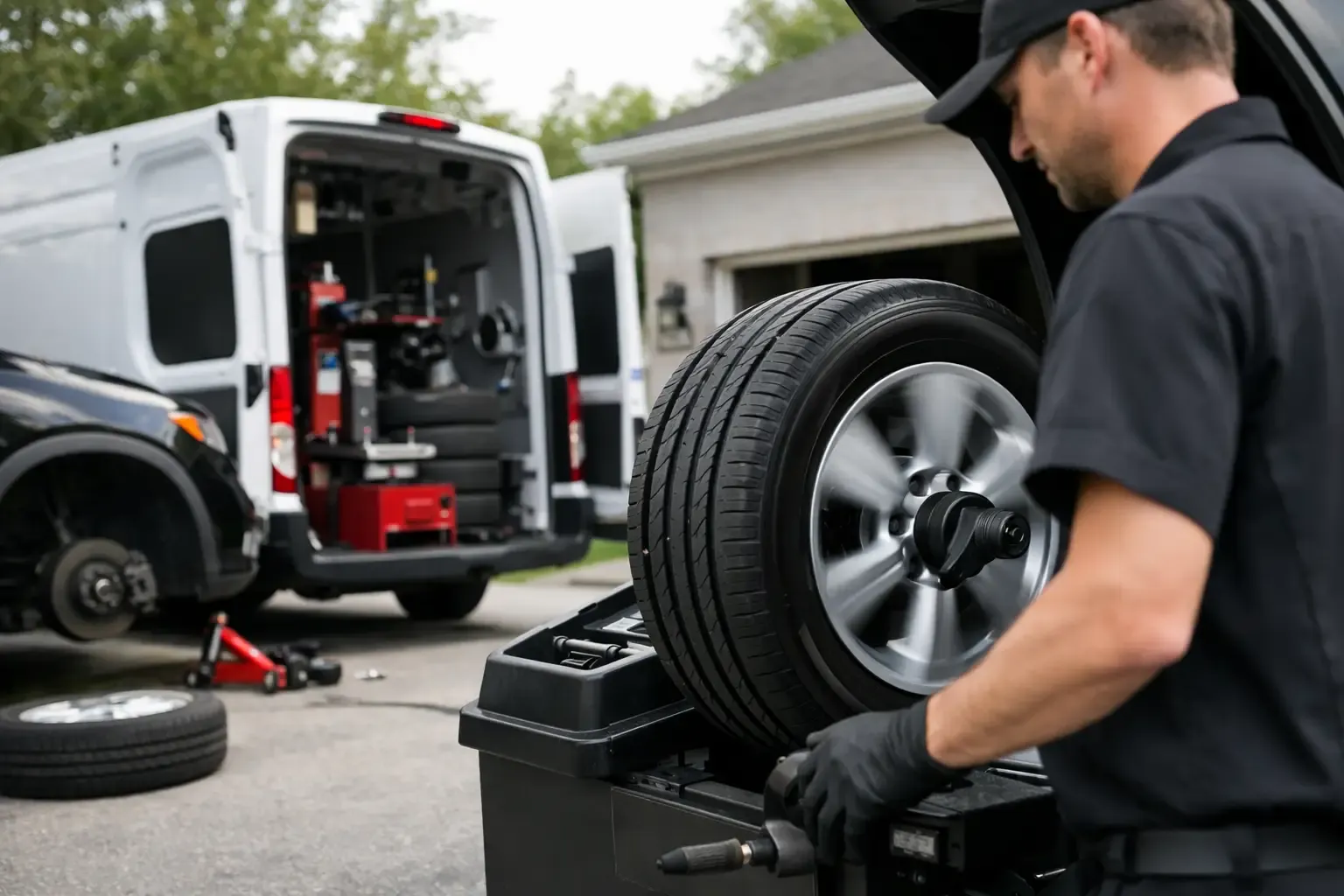
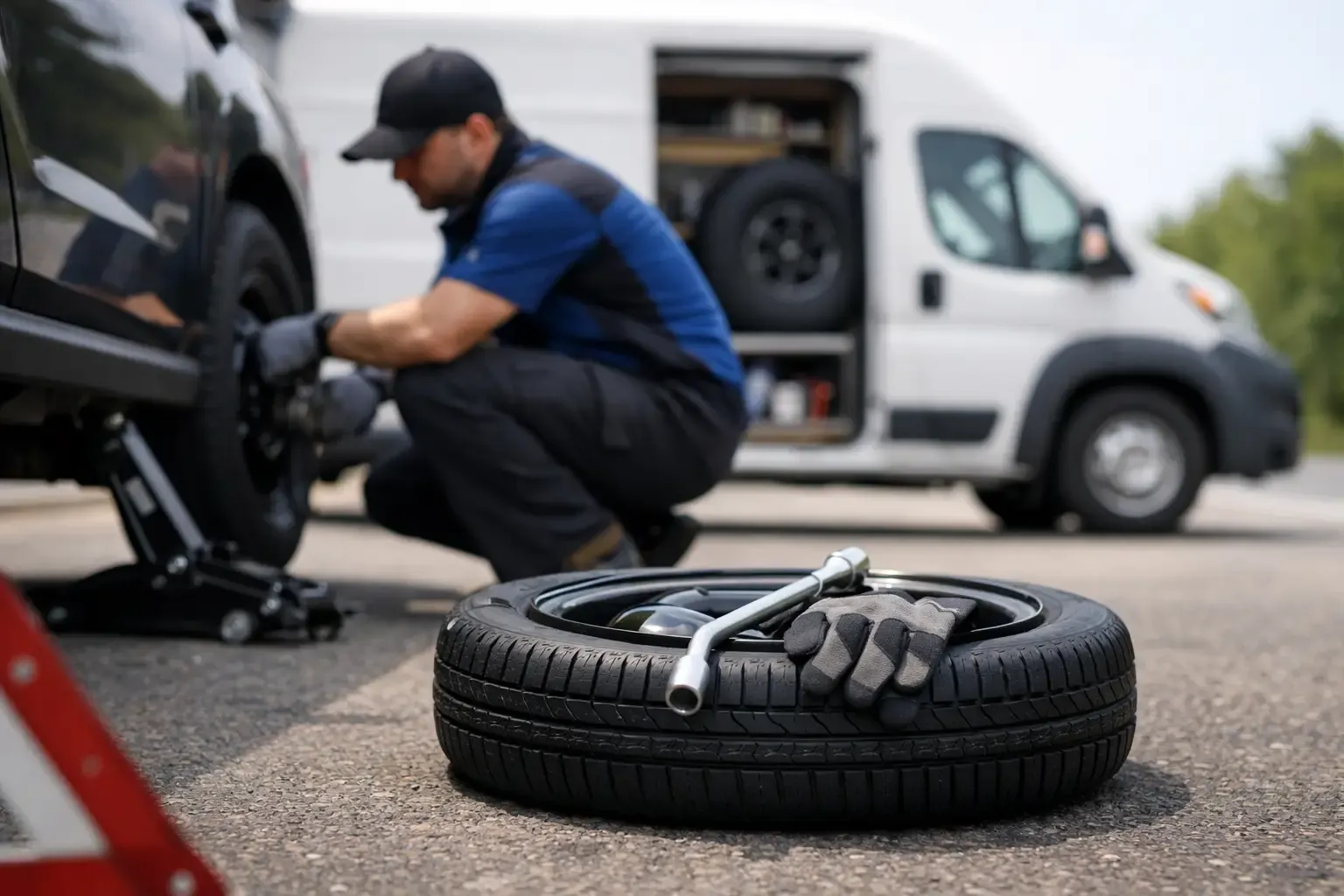
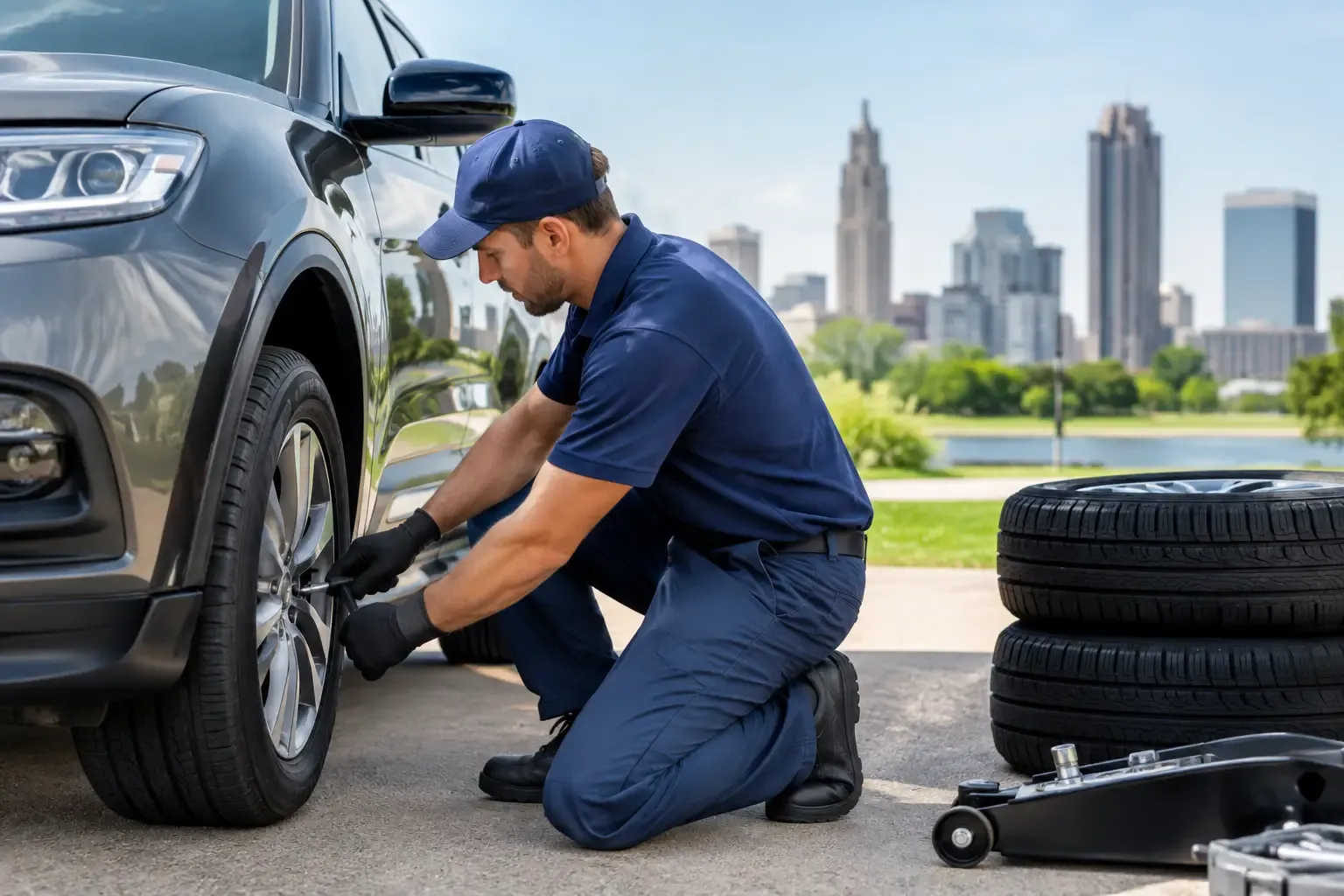
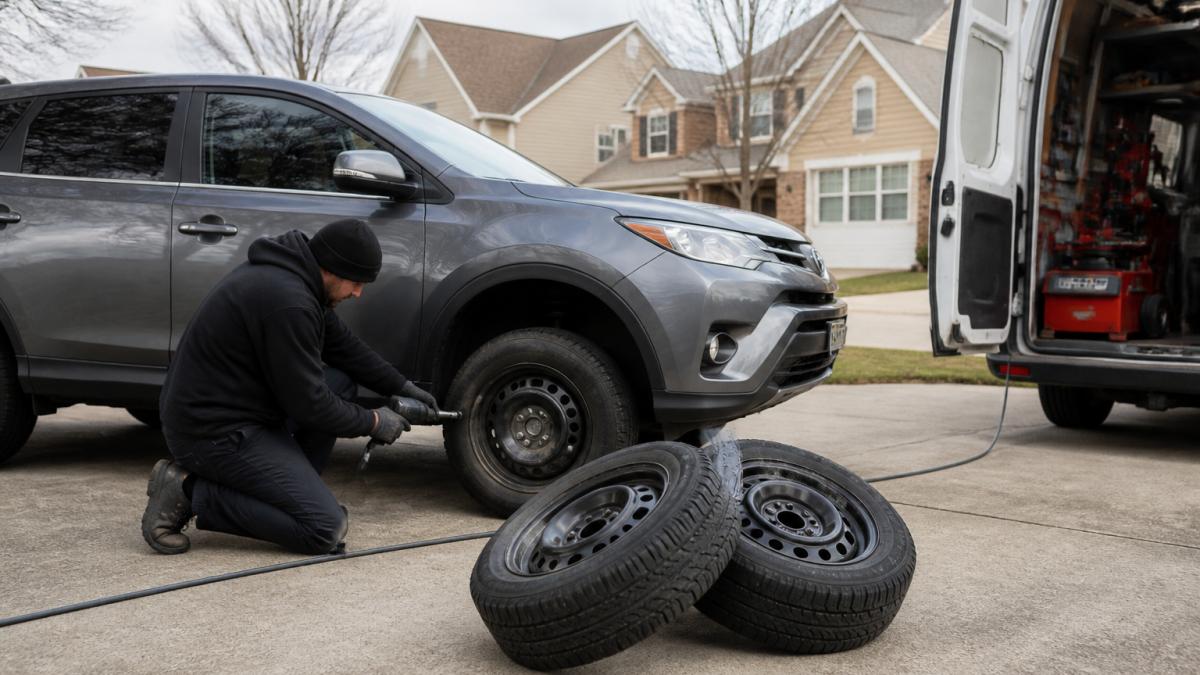
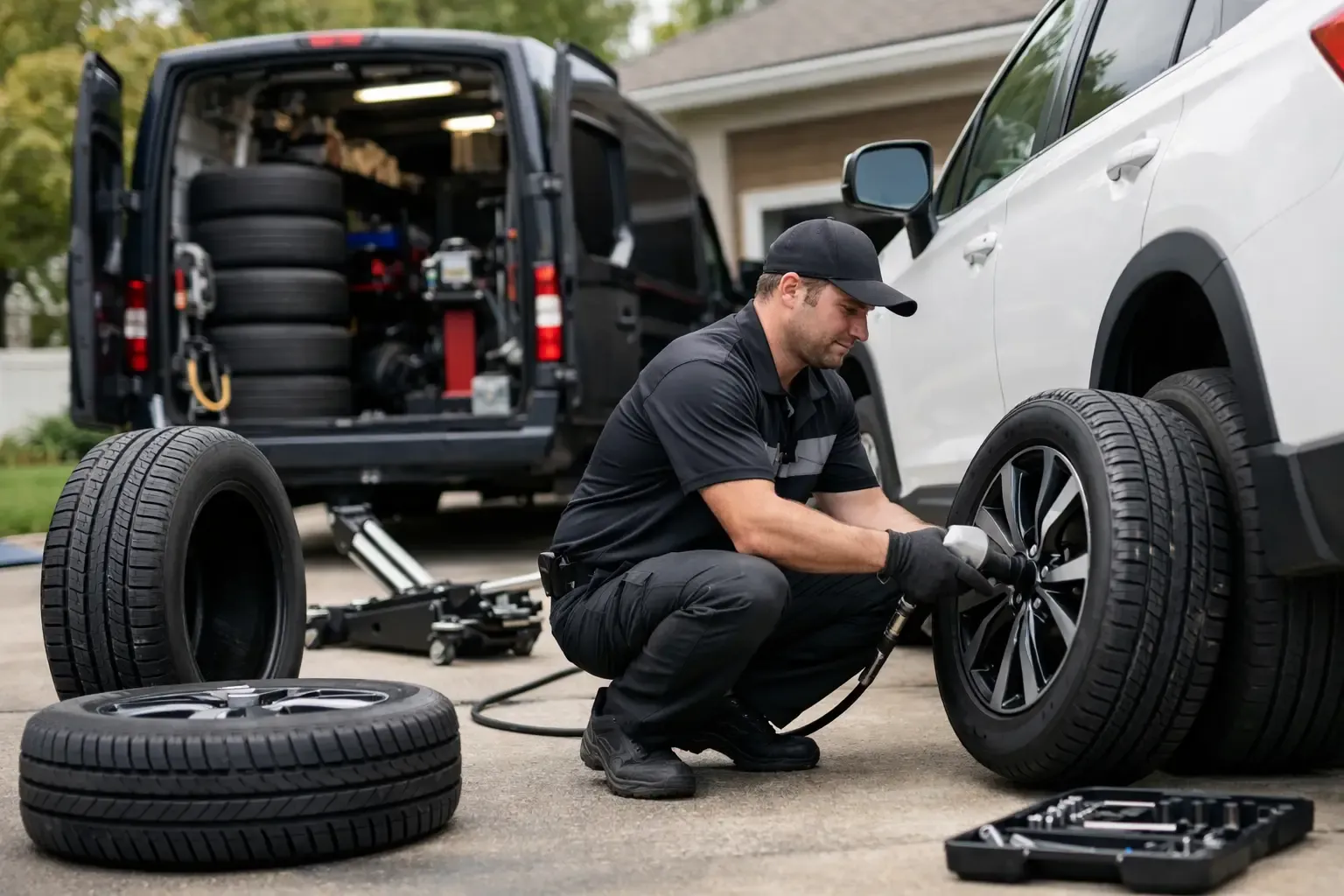
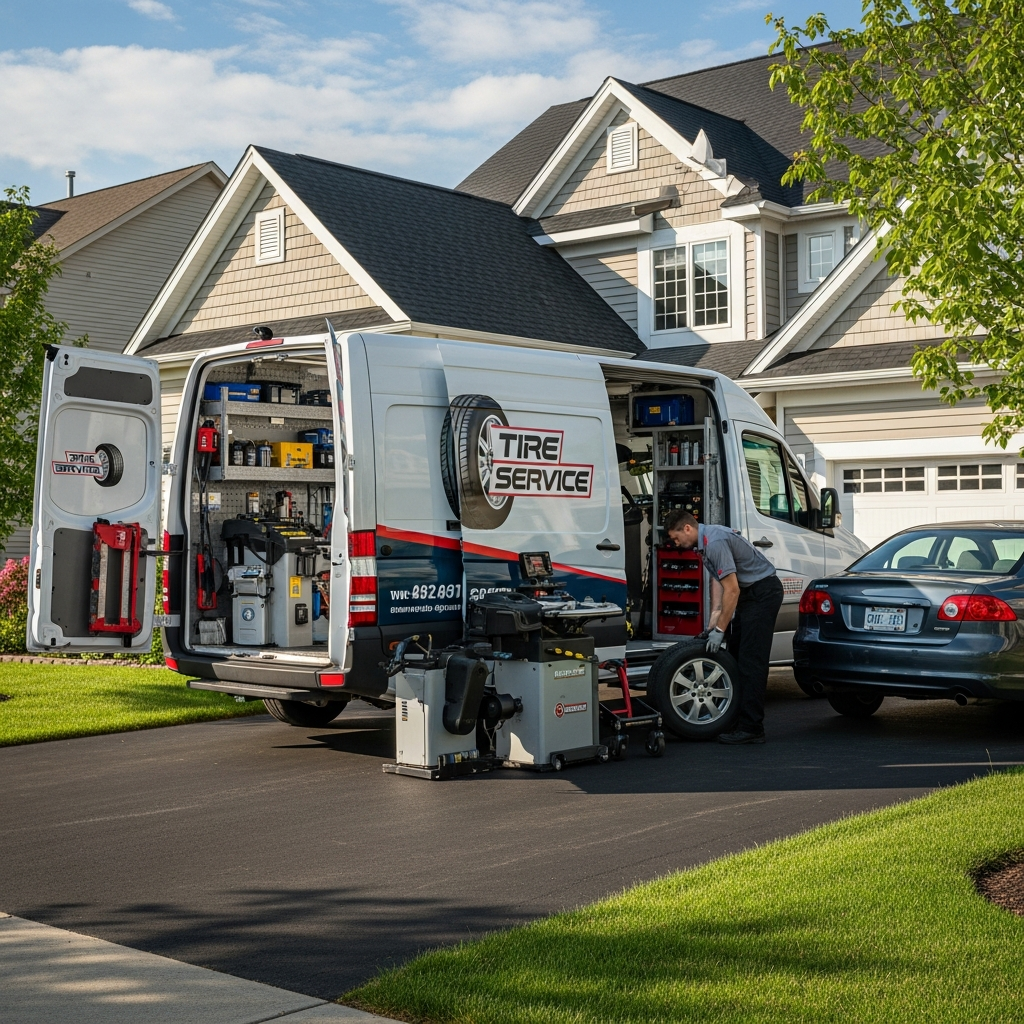
For busy households and professionals, convenience matters here too. Having winter tires installed at home or at work removes one more errand from an already packed schedule. In areas like Columbus, where winter weather can shift quickly between rain, slush, and freezing pavement, that timing can make a real difference.
Don’t overlook balancing, TPMS, and tread life
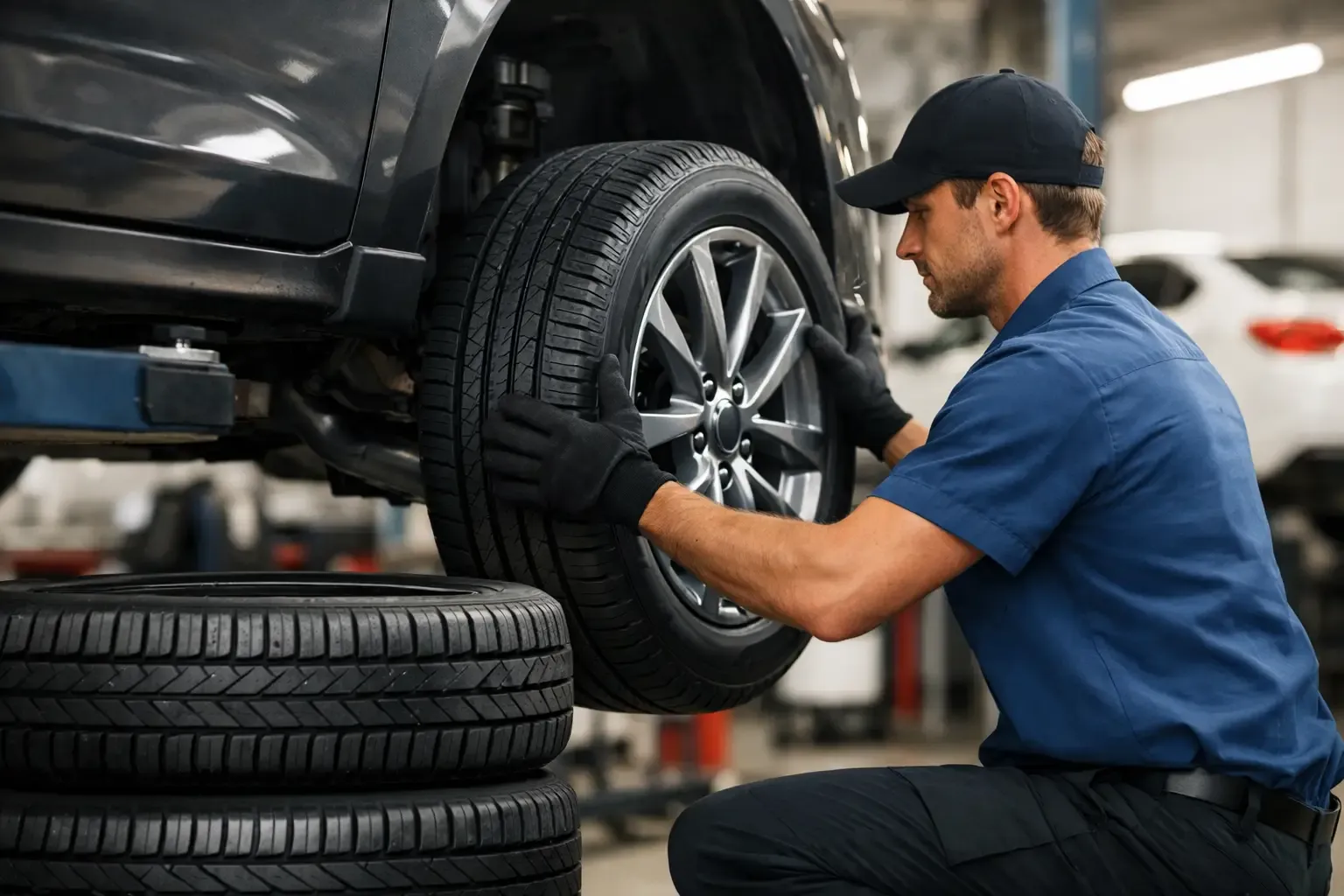
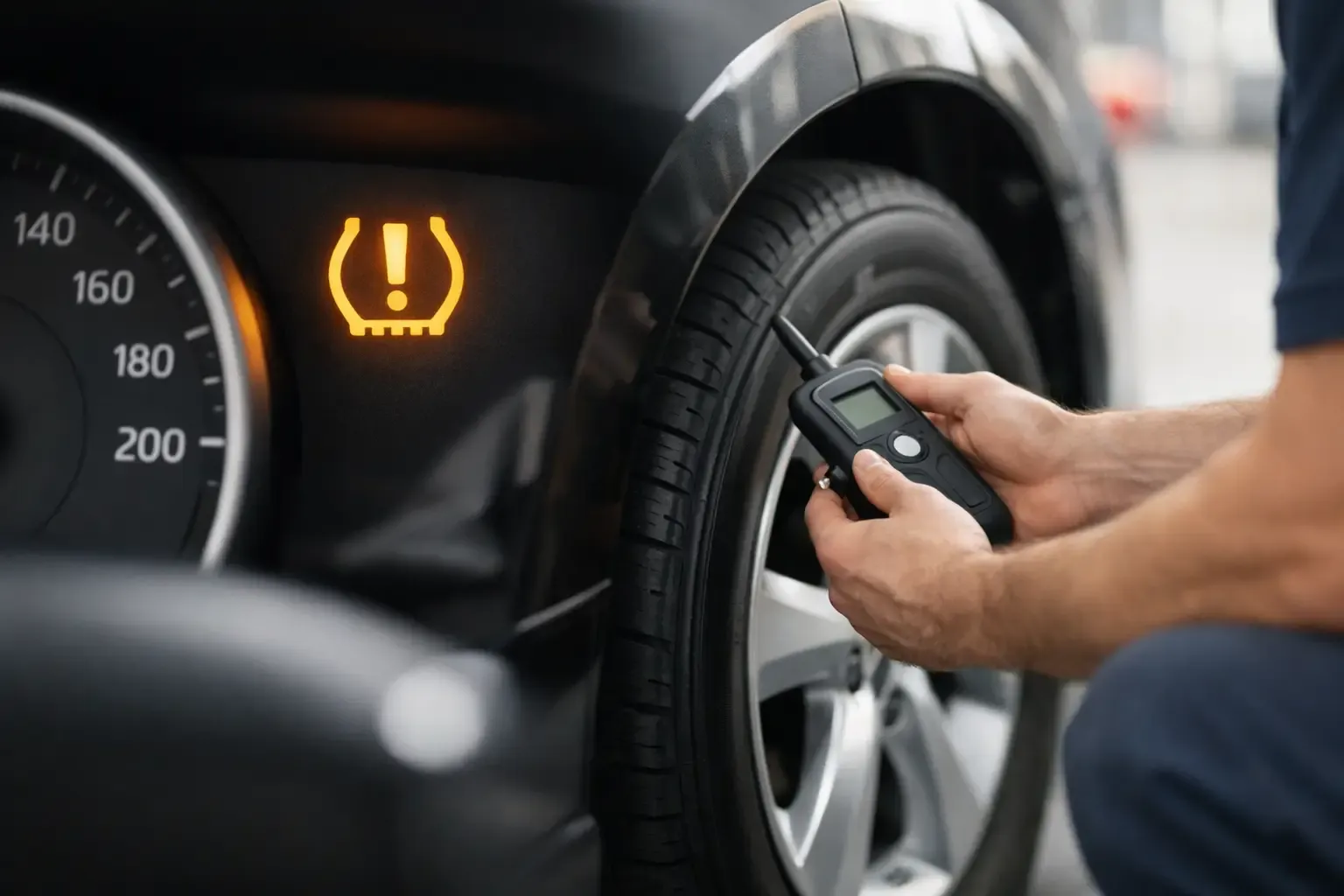
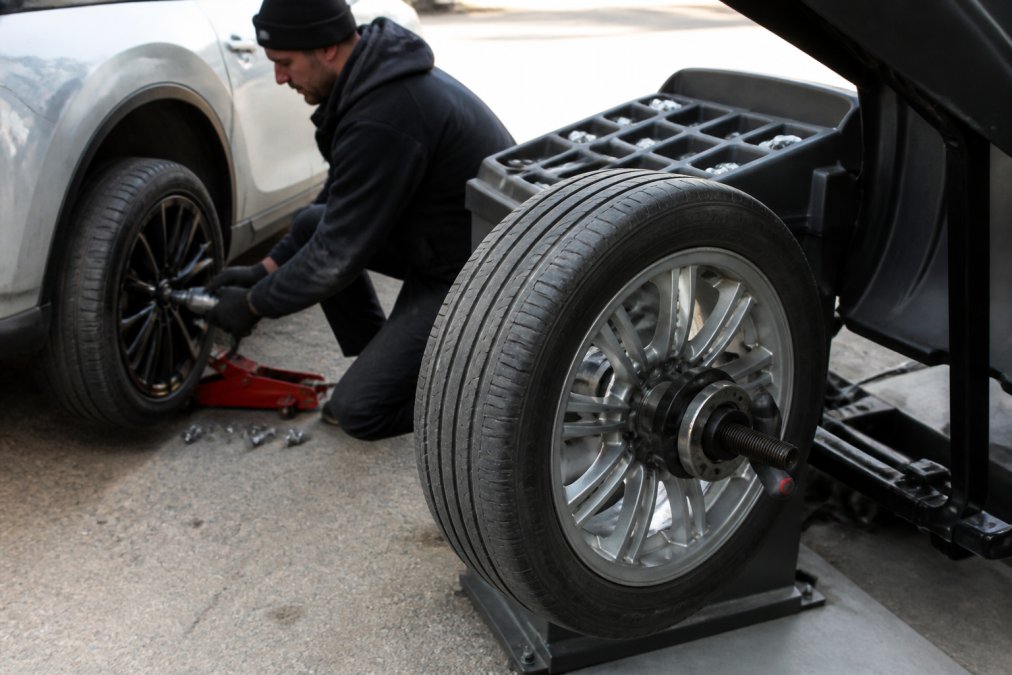
Choosing the tire is only part of the job. Proper installation, balancing, and tire pressure monitoring system service all affect how your winter setup performs.
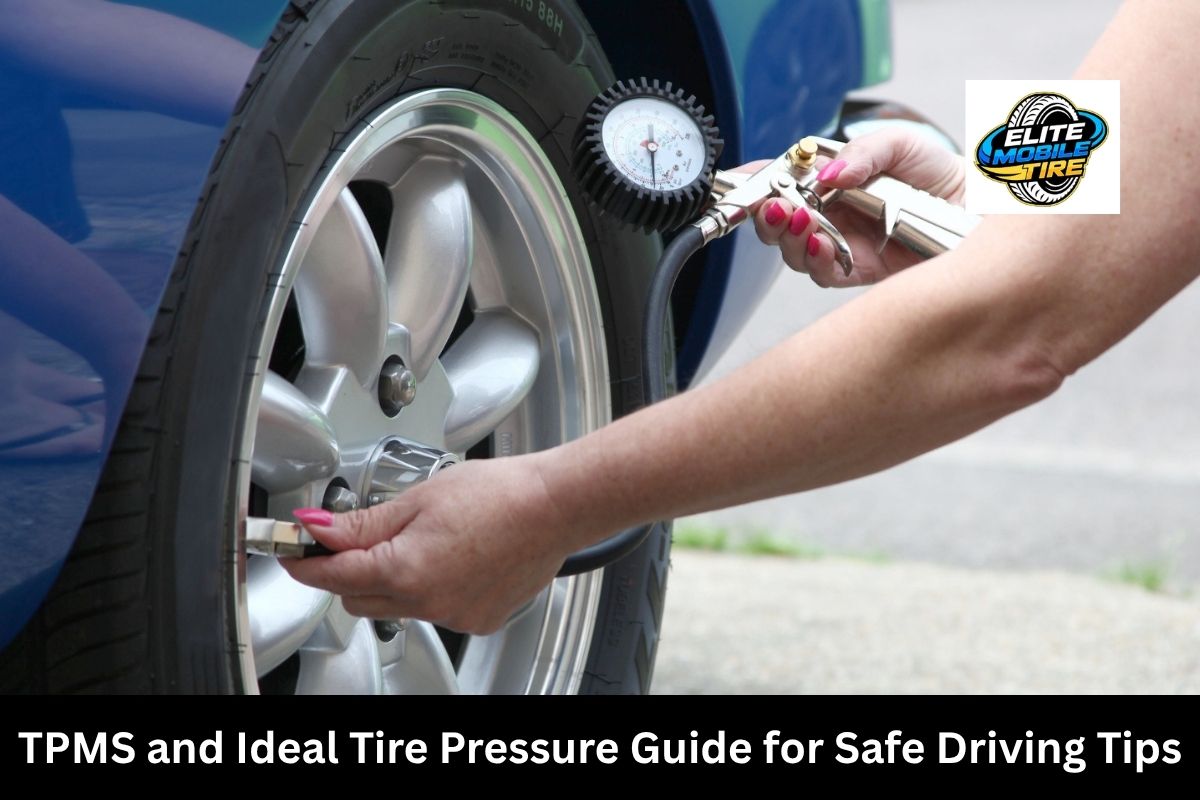
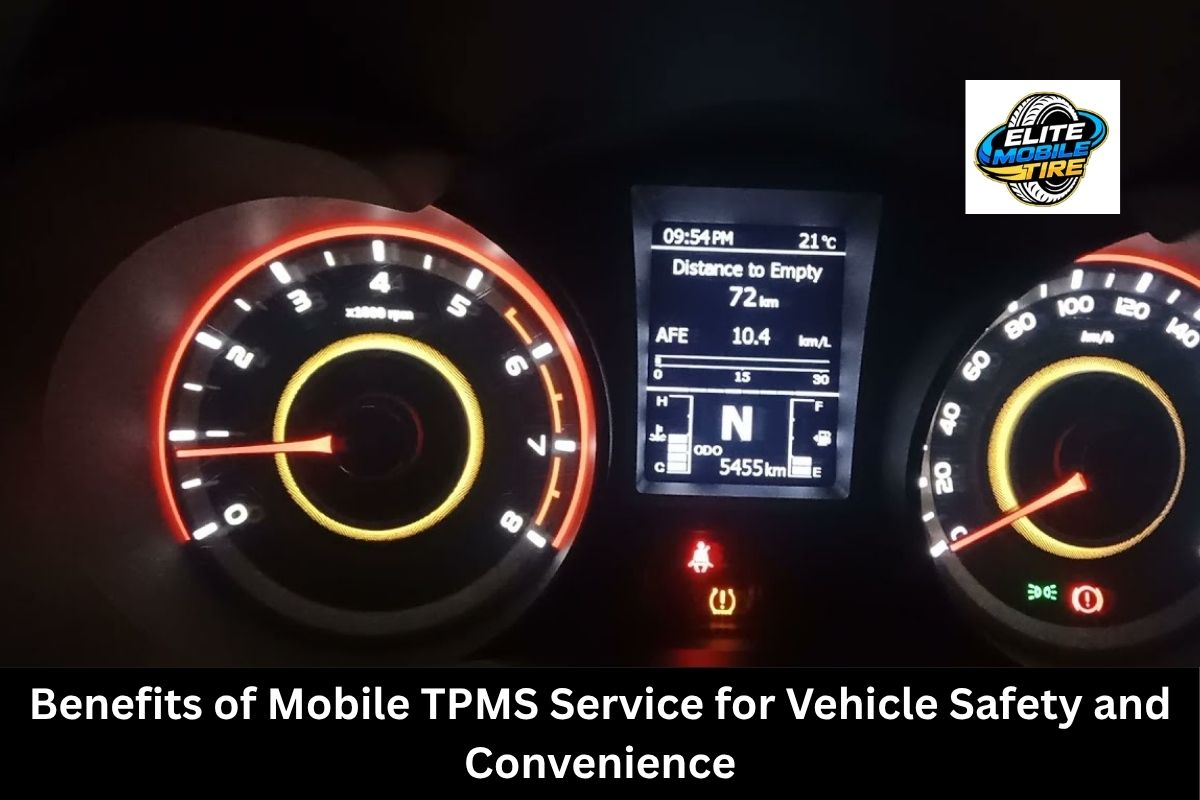
A poorly balanced tire can create vibration and uneven wear. Incorrect tire pressure, especially in cold weather, can reduce traction and change handling. And if your TPMS is not reset or functioning properly, you may miss important pressure warnings during the season when they matter most.
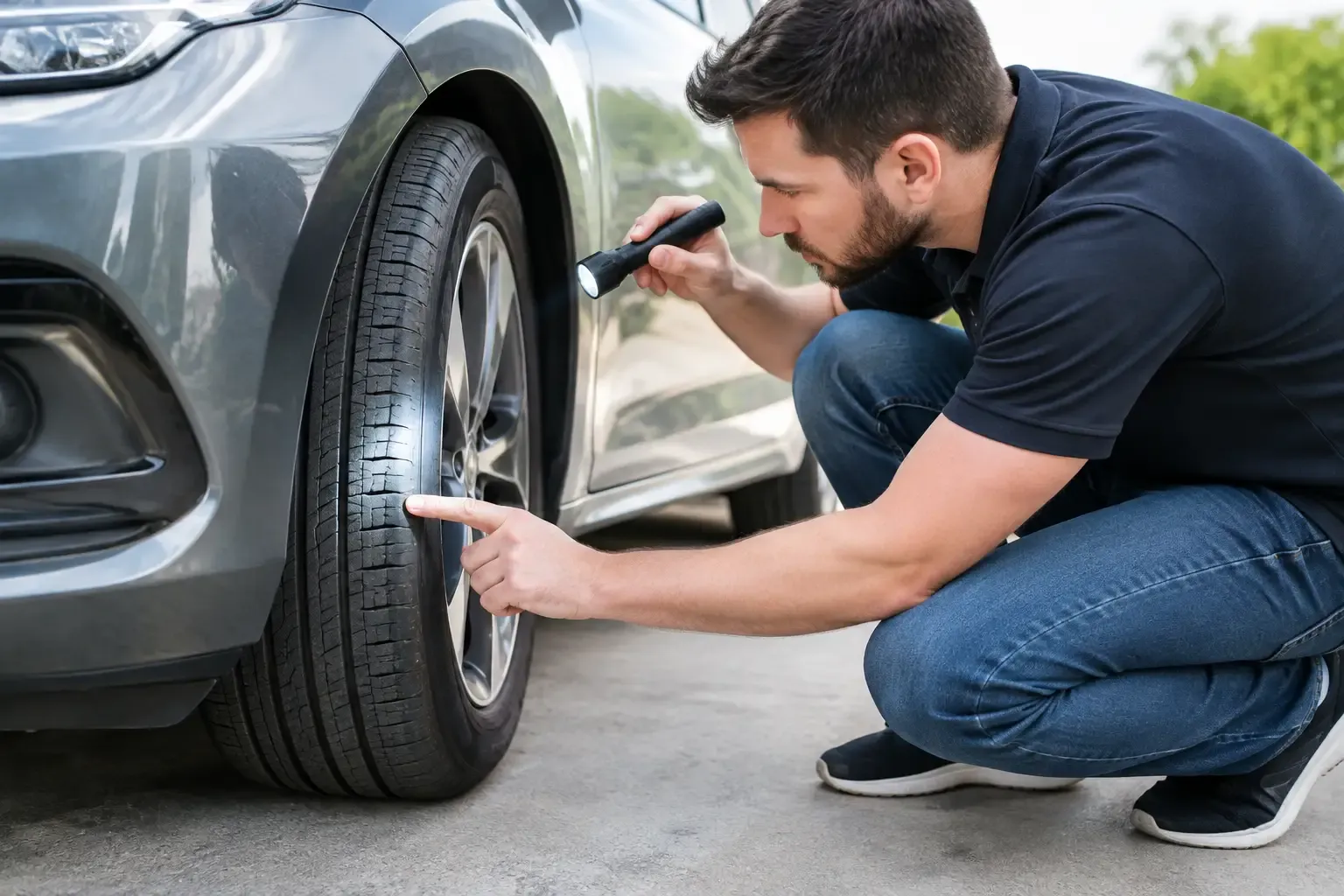
It is also smart to keep an eye on tread wear over time. Winter tires lose effectiveness as they wear down, particularly in snow and slush. Even if they still look usable, reduced tread depth can limit the traction you bought them for in the first place.
The smartest winter tire choice is the one you can trust every day
A reliable guide to choosing winter tires should leave you with more clarity, not more confusion. Start with your vehicle requirements, think honestly about the roads and conditions you face, and choose a tire designed for how you actually drive in winter.
The goal is not to make your vehicle invincible. It is to give you better control when temperatures drop and road conditions turn unpredictable. When your tires match the season, everyday trips feel less stressful, and that peace of mind is worth planning for before winter arrives.
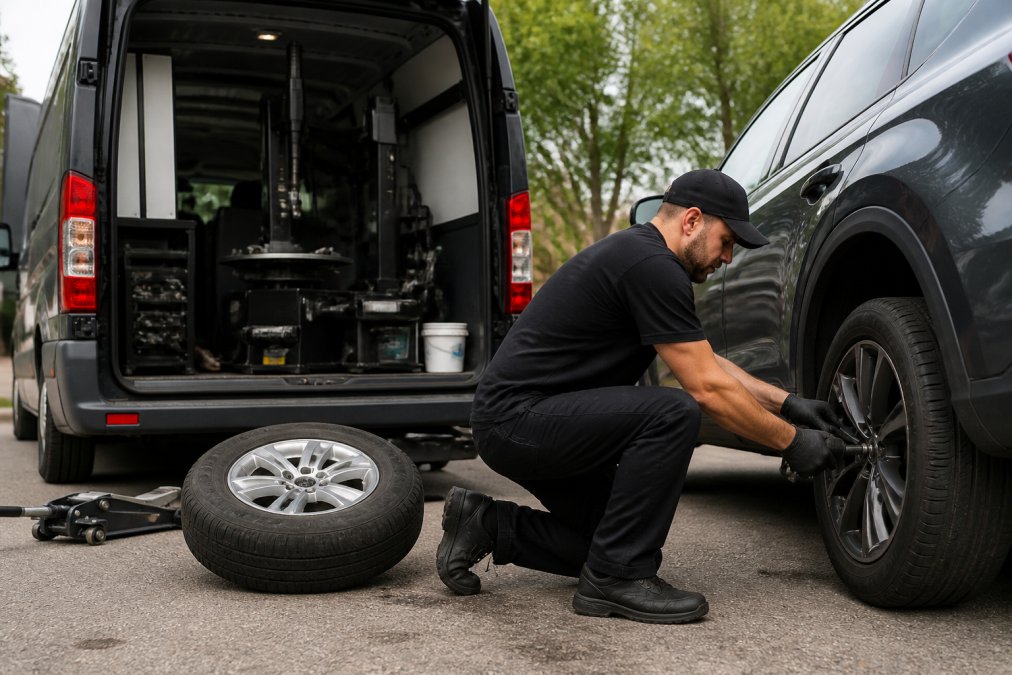
Ready for a new set? Elite Mobile Tire installs 2 or 4 new tires right in your driveway or parking lot anywhere around Columbus, Obetz, Groveport, Grove City, and Reynoldsburg. Financing is available through Afterpay and Acima with up to 24-month payment plans. Call 614-344-5010 or visit elitemobiletire.com to book.