
A steering wheel that starts shaking around 55 to 70 mph is more than an annoyance on the drive across Columbus. It is often a sign that tire balancing is needed. A small weight difference around a wheel can become a noticeable vibration at highway speed, affecting ride comfort, tire wear, and your confidence behind the wheel.
Balancing is a routine part of proper tire maintenance, but it is easy to overlook because the problem can develop gradually. Knowing what balancing does, when to schedule it, and how it differs from an alignment helps you address the issue before a short commute becomes a rough ride.
What Tire Balancing Actually Does
No tire and wheel assembly has its weight distributed perfectly evenly on its own. The tire, wheel, valve stem, and tire-pressure sensor all contribute tiny differences in weight around the circumference. When that assembly spins, even a small imbalance can create a repeated force that is felt through the vehicle.
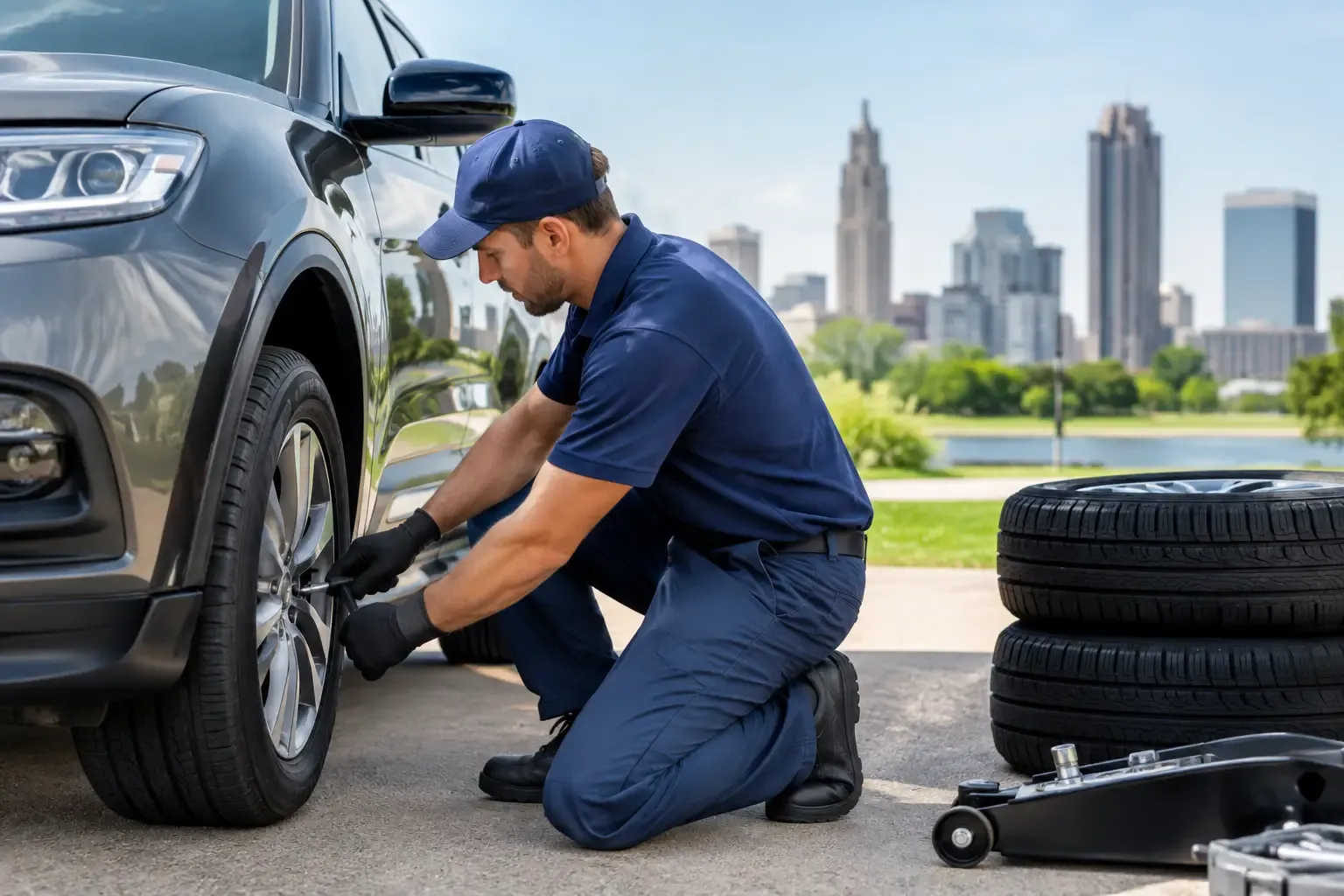
During tire balancing, a technician mounts the wheel and tire assembly on a balancing machine. The machine identifies where the assembly is heavy or light, then the technician applies precisely placed wheel weights to correct it. Depending on the wheel design, those may be clip-on weights along the rim edge or adhesive weights placed inside the wheel.
The goal is a smooth, stable rotation. Properly balanced tires reduce vibration and help the tread meet the road more consistently. That means a more comfortable drive and a better chance of getting the intended life from your tires.
Signs Your Tires May Need Balancing
Vibration is the most common clue, but where and when you feel it matters. Front-wheel imbalance often shows up as a shaking steering wheel. An imbalance in the rear wheels may feel more like a vibration in the seat, floor, or entire vehicle.
Pay attention if the vibration becomes stronger at a particular speed range, especially at highway speeds, then changes as you slow down or speed up. That pattern is different from many engine or transmission concerns and can point directly to a wheel-and-tire issue.
Other signs include uneven or cupped tread wear, a ride that suddenly feels less smooth after hitting a pothole, or a wheel weight that has fallen off. If you recently had tires installed, repaired, rotated, or remounted, it is also reasonable to confirm that the wheels were balanced as part of the service.
A vibration should not be ignored just because the vehicle still drives. Tires can wear faster when they bounce or skip slightly across the pavement, and persistent vibration can add stress to suspension and steering components over time.
Tire Balancing vs. Wheel Alignment
Tire balancing and wheel alignment are related to ride quality, but they correct different problems.
Balancing corrects weight distribution in the tire and wheel assembly. Alignment adjusts the angles of the wheels so they point and sit correctly in relation to the vehicle and the road. A properly balanced tire can still wear unevenly if the alignment is off. Likewise, a vehicle with a good alignment can still vibrate if a wheel is out of balance.
If your vehicle pulls to one side on a level road, the steering wheel is off-center, or the inside or outside edge of a tire is wearing faster, an alignment check at an alignment shop should be considered. If the main complaint is speed-related vibration, balancing is usually the first item to inspect, and that is something a mobile technician can handle on the spot.
When Should You Schedule Tire Balancing?
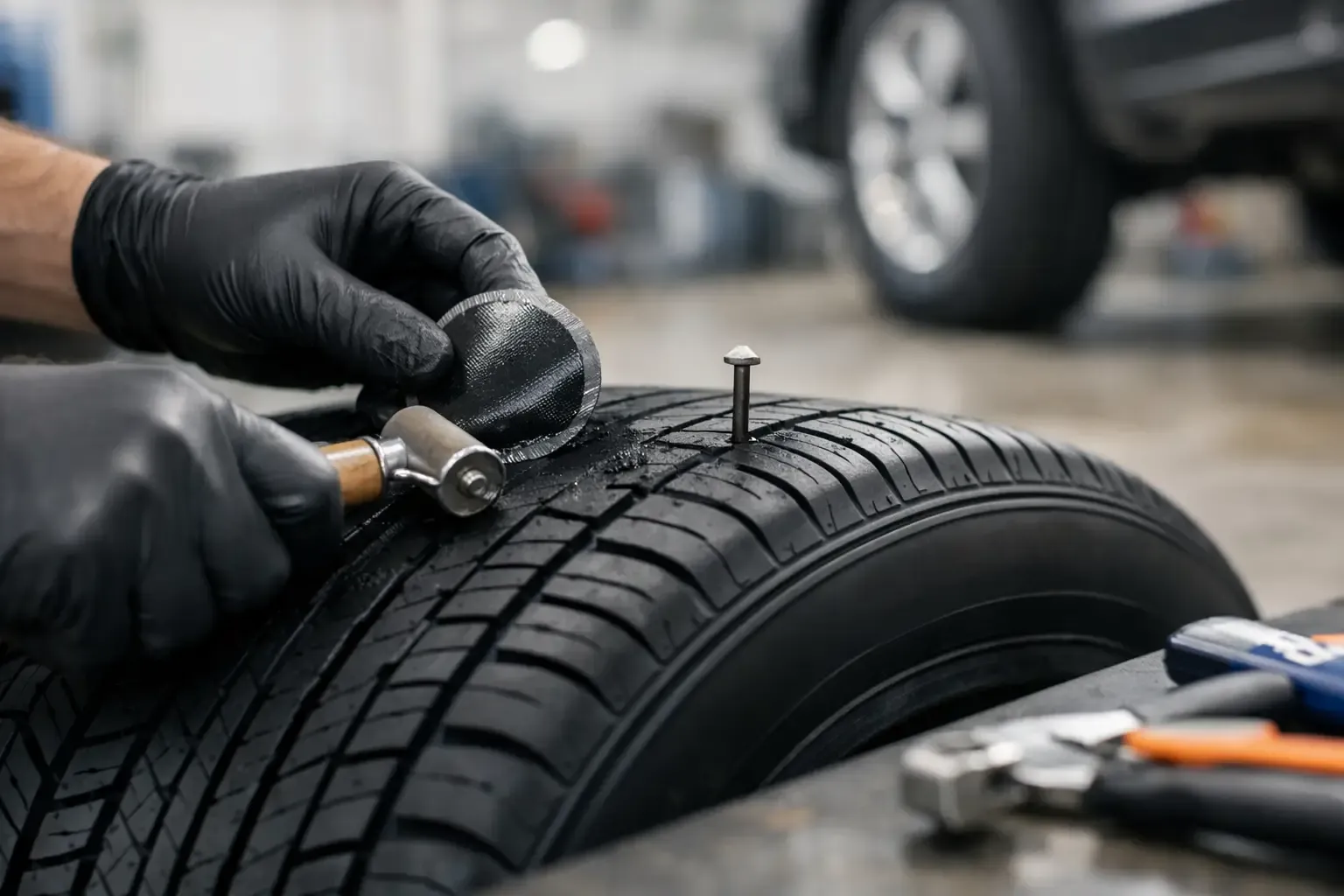
There is no single mileage interval that fits every vehicle. Driving conditions, tire type, wheel condition, and how often a vehicle encounters rough roads all make a difference. For most drivers, balancing is commonly performed whenever new tires are installed and when tires are removed from the wheels for a repair.
It is also smart to have the balance checked after a hard pothole impact, curb strike, or a noticeable change in ride quality. Columbus-area roads can be particularly tough on wheels during seasonal freeze-thaw cycles, when potholes and broken pavement are more common.
Many drivers combine balancing with tire rotation. That approach is convenient because the wheels are already being removed, and it creates a regular opportunity to inspect tread depth, air pressure, and visible tire damage. Your vehicle owner's manual may provide a rotation schedule, often based on mileage, but actual service timing should also reflect how the tires are wearing.
Why Proper Balance Protects Your Tires
An unbalanced wheel does not simply shake the cabin. As it rotates, the heavier area can create a small but repeated hopping motion. At speed, that motion may cause irregular tread wear, especially cupping or scalloped patches around the tire.
Once irregular wear begins, balancing alone may not make the tire quiet again. The balance can be corrected, but worn tread patterns can continue producing road noise or vibration. Addressing the concern early gives you the best chance of preserving ride quality and avoiding premature tire replacement.
Proper balance also supports a smoother workload for shocks, struts, steering components, and wheel bearings. It is not a cure for worn suspension parts, bent wheels, or damaged tires, but it removes one common source of unnecessary stress from the system.
What to Expect From Mobile Tire Balancing
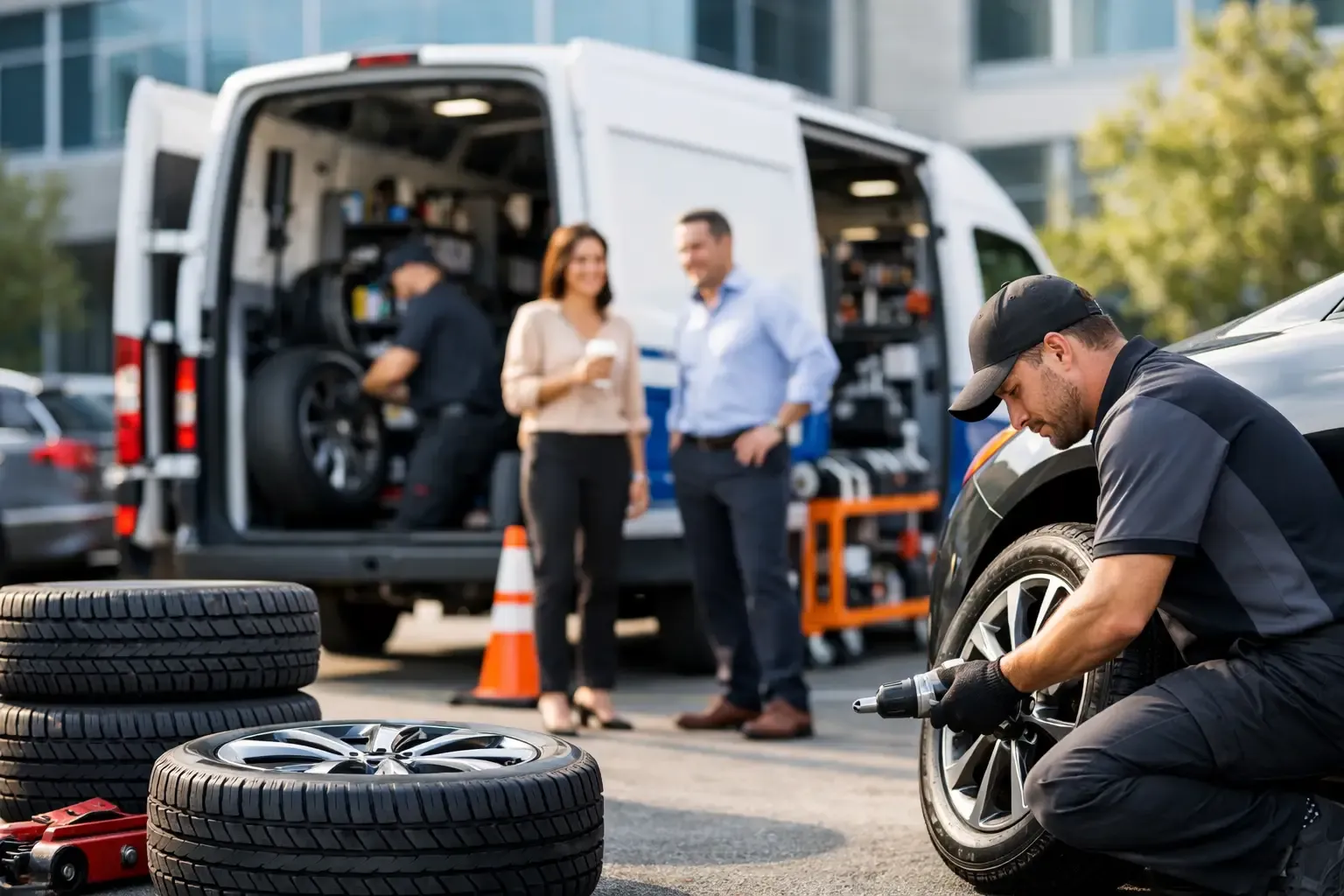
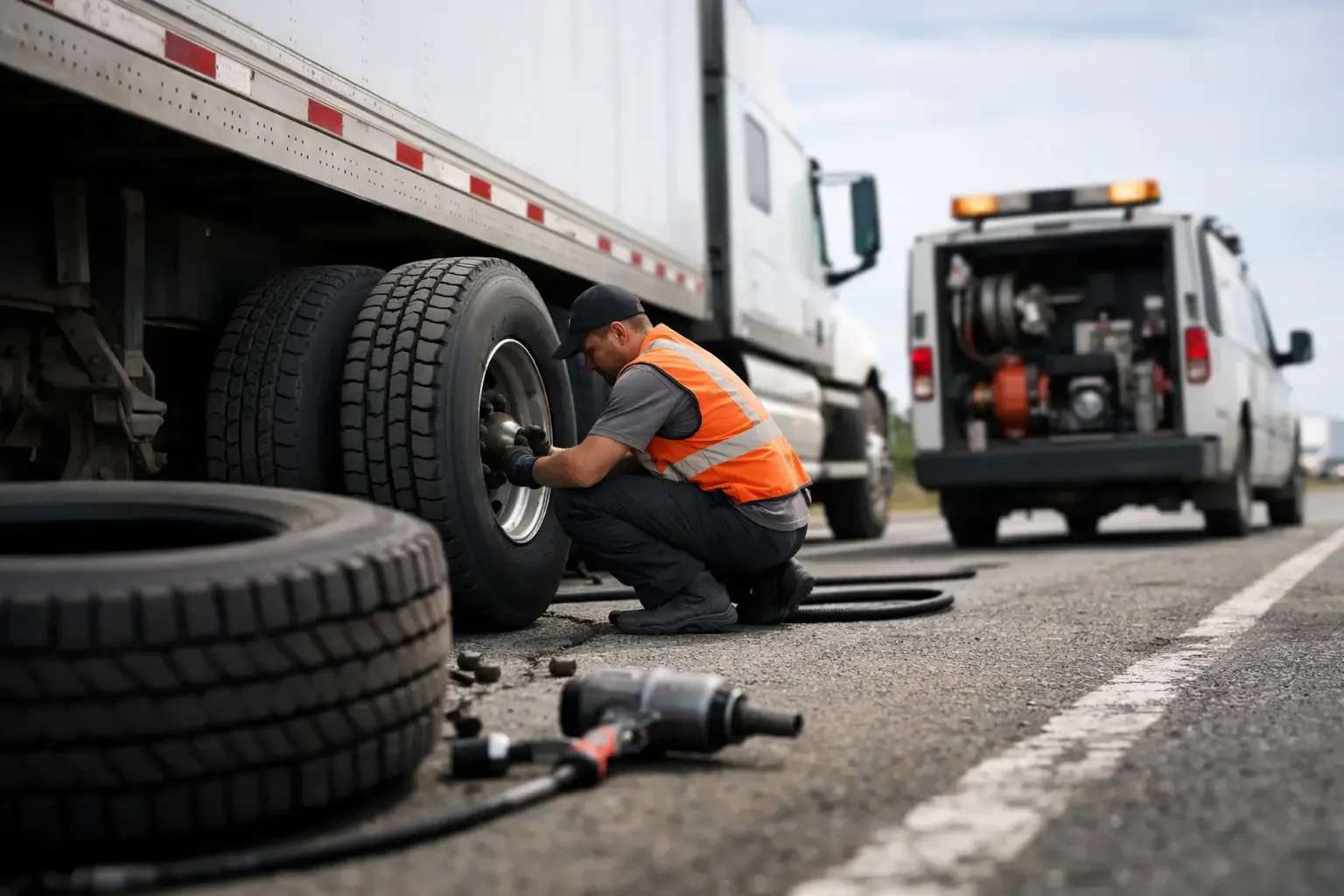
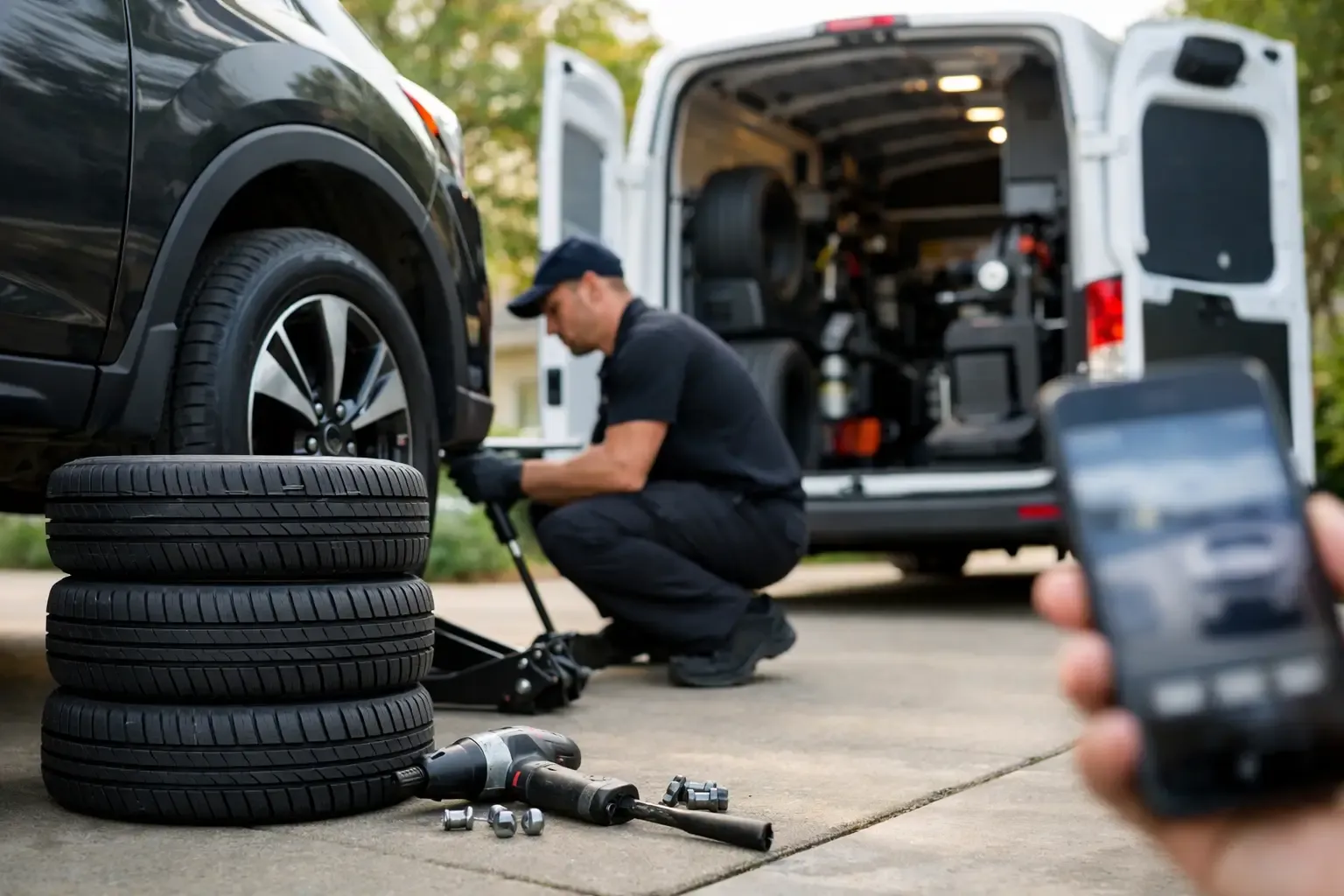
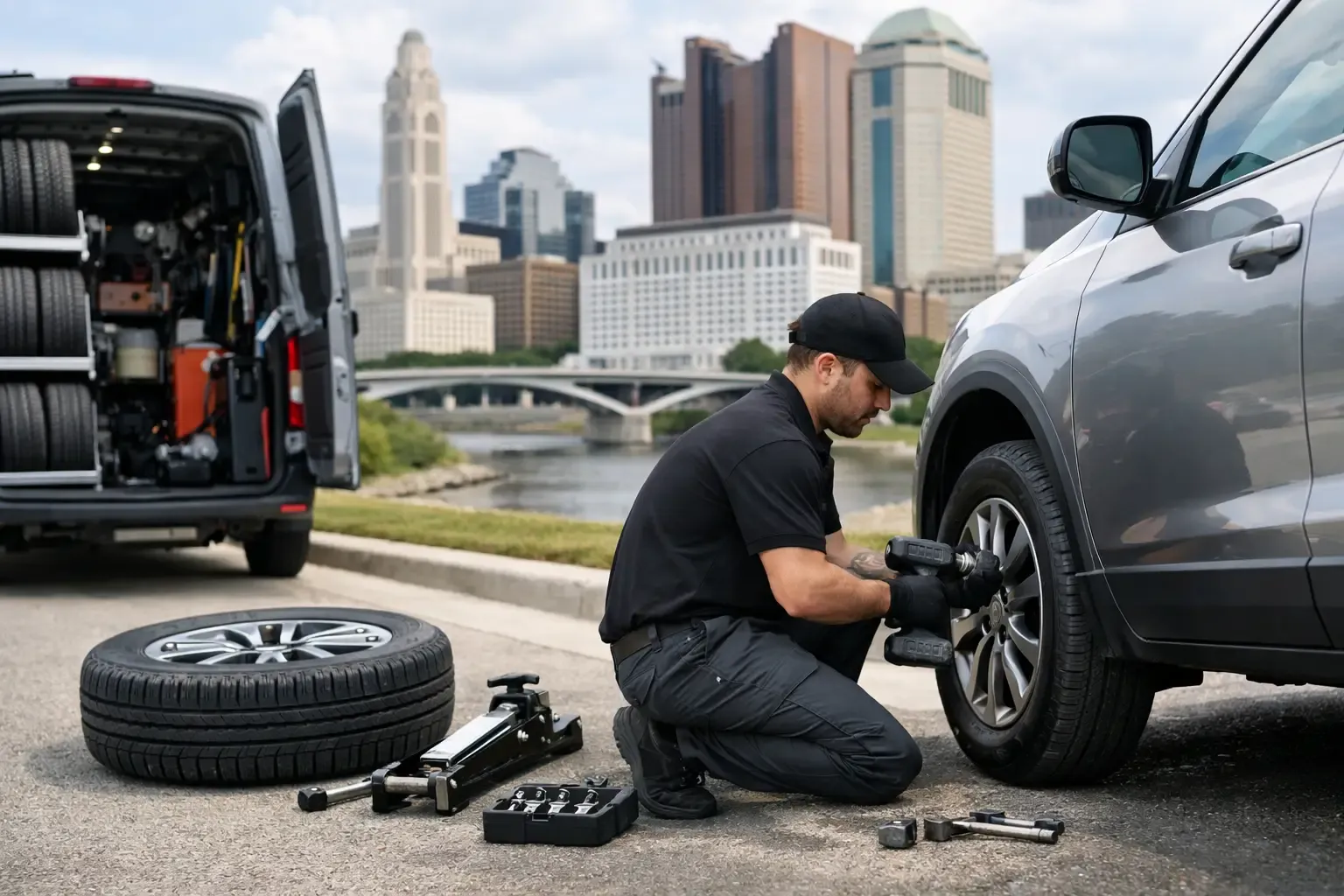
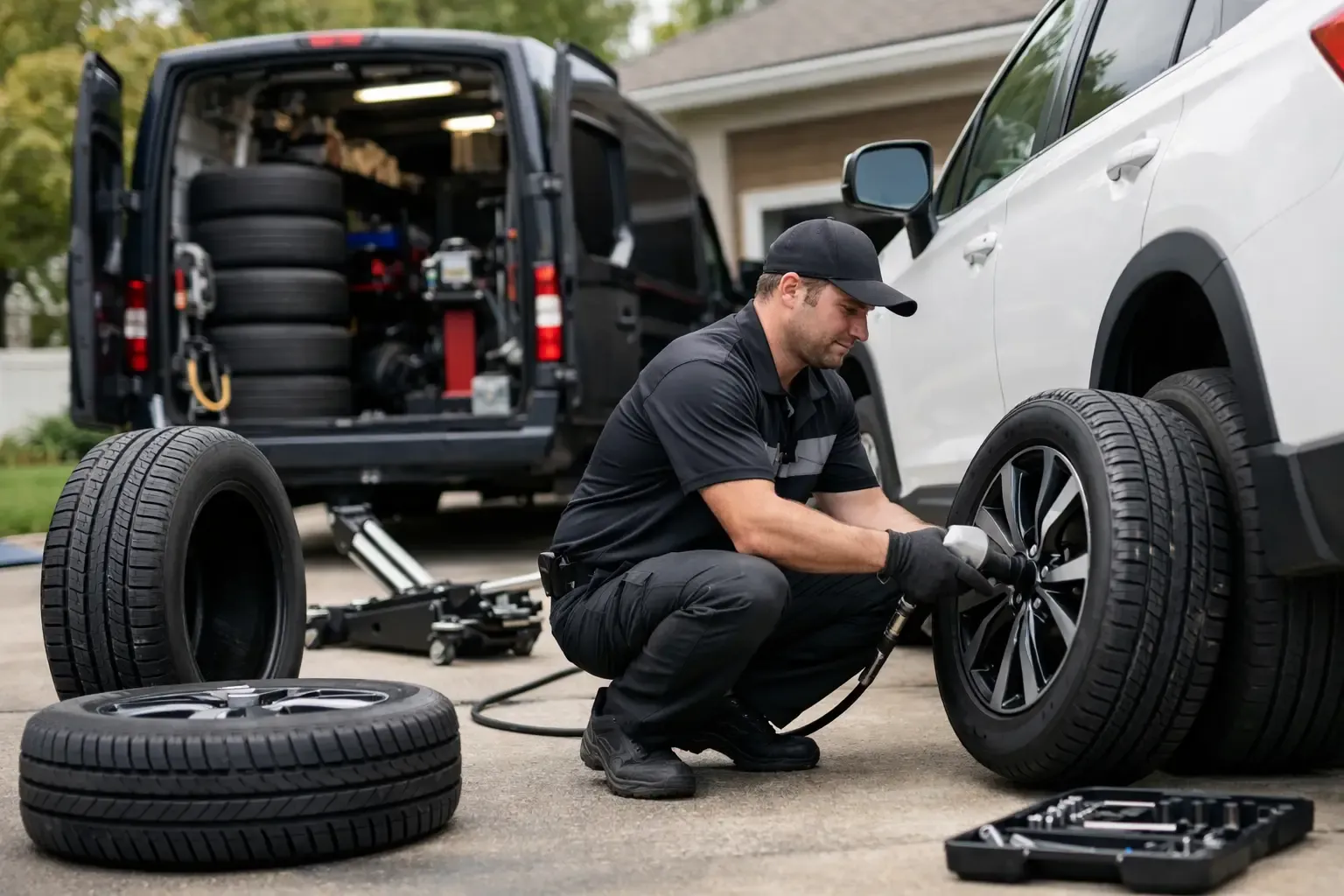
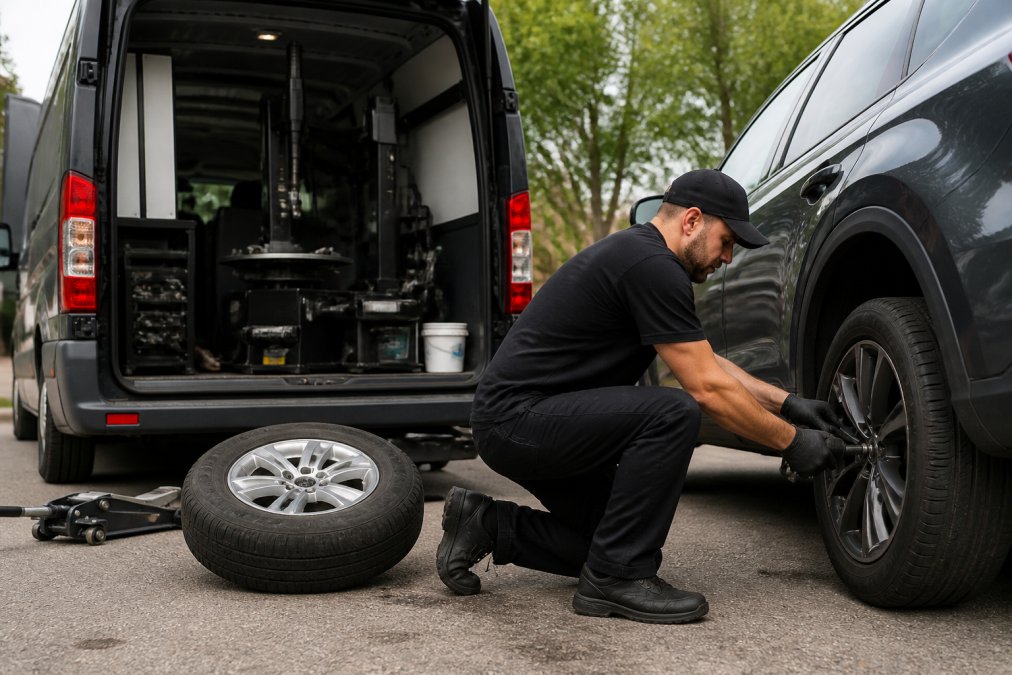
Mobile tire service can make routine maintenance far easier for busy households, professionals, and fleet operators. Instead of setting aside time for a waiting room, you can have a technician come to your home, workplace, or other approved location with safe access to the vehicle. Mobile tire balancing is around $50 per tire.
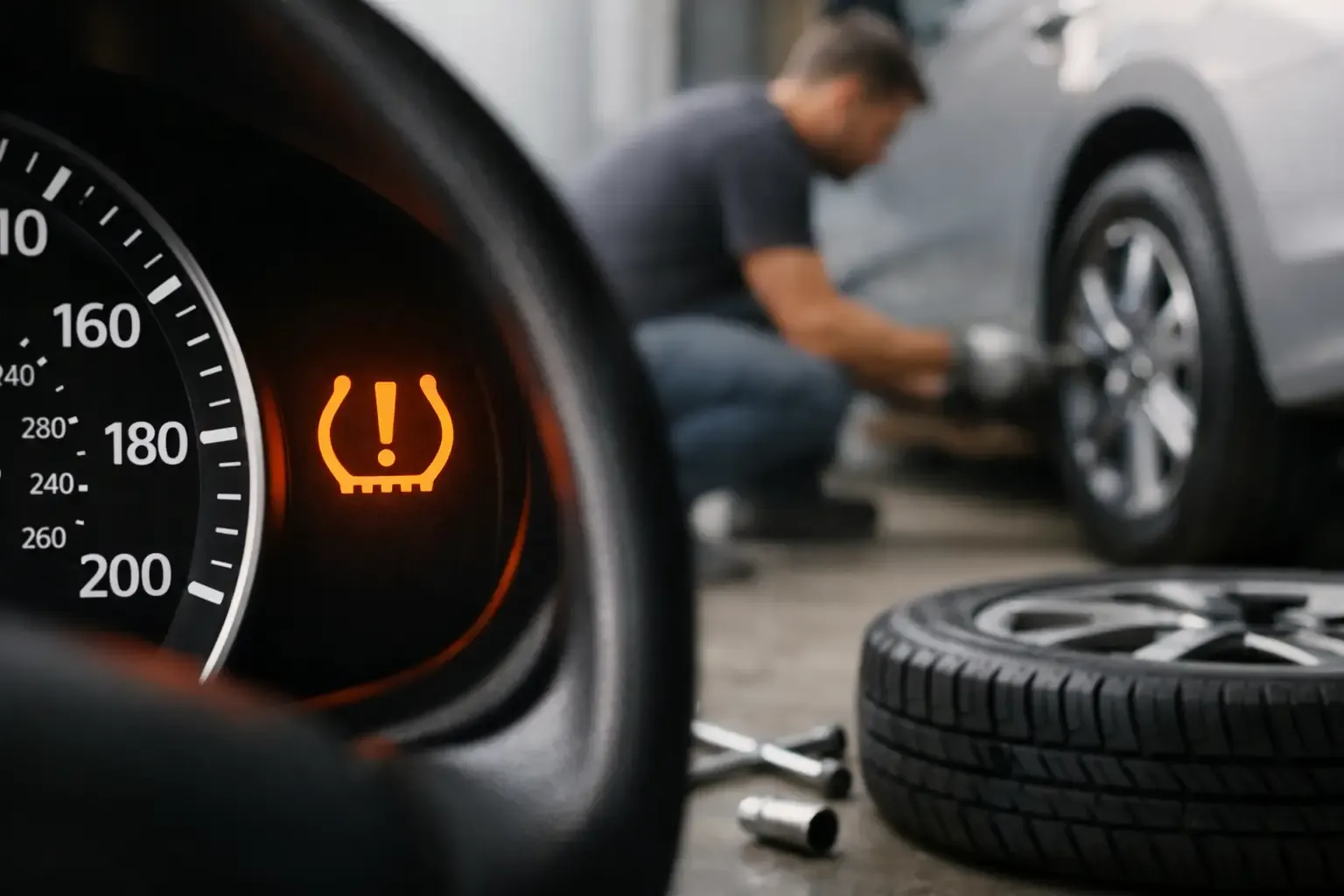
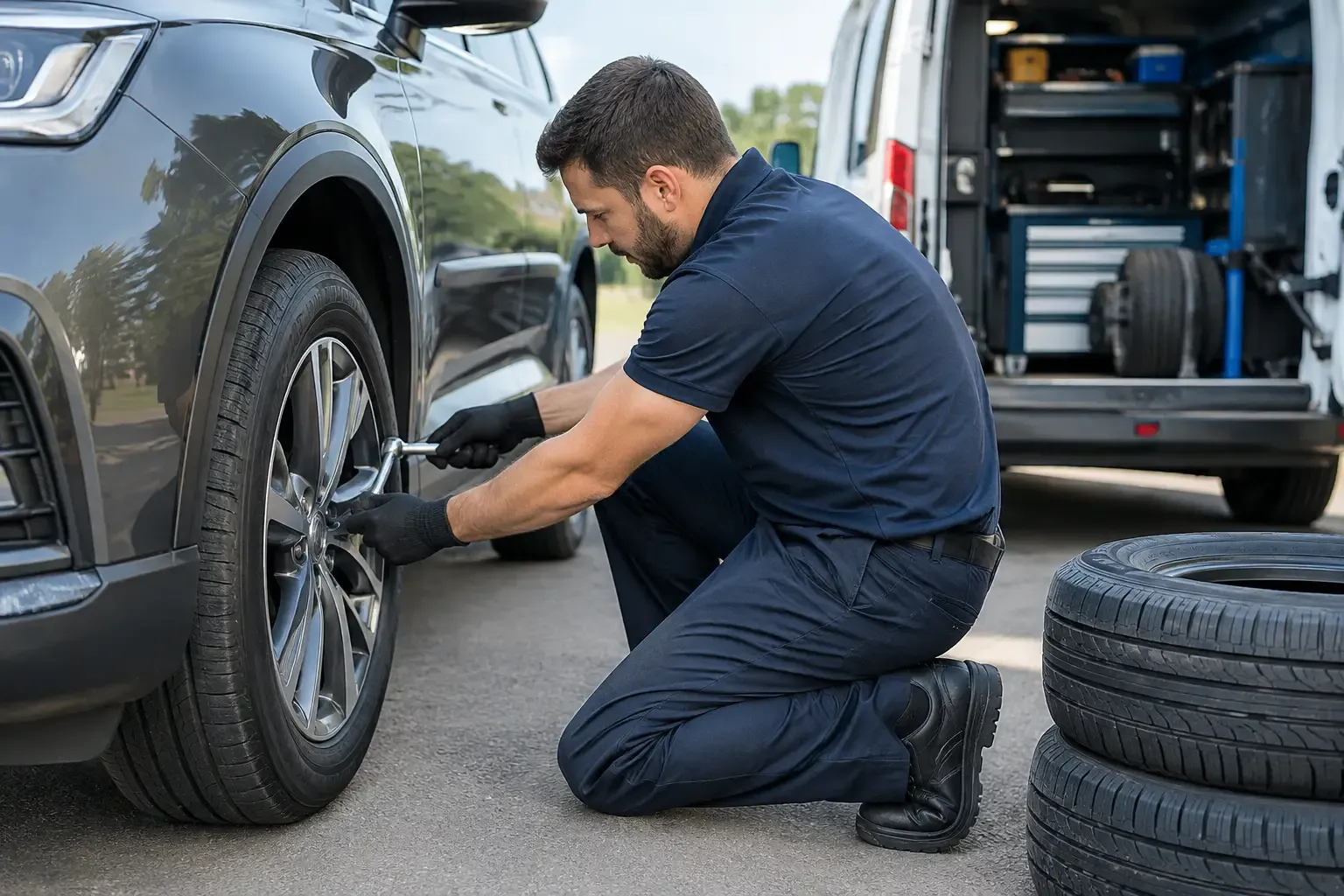
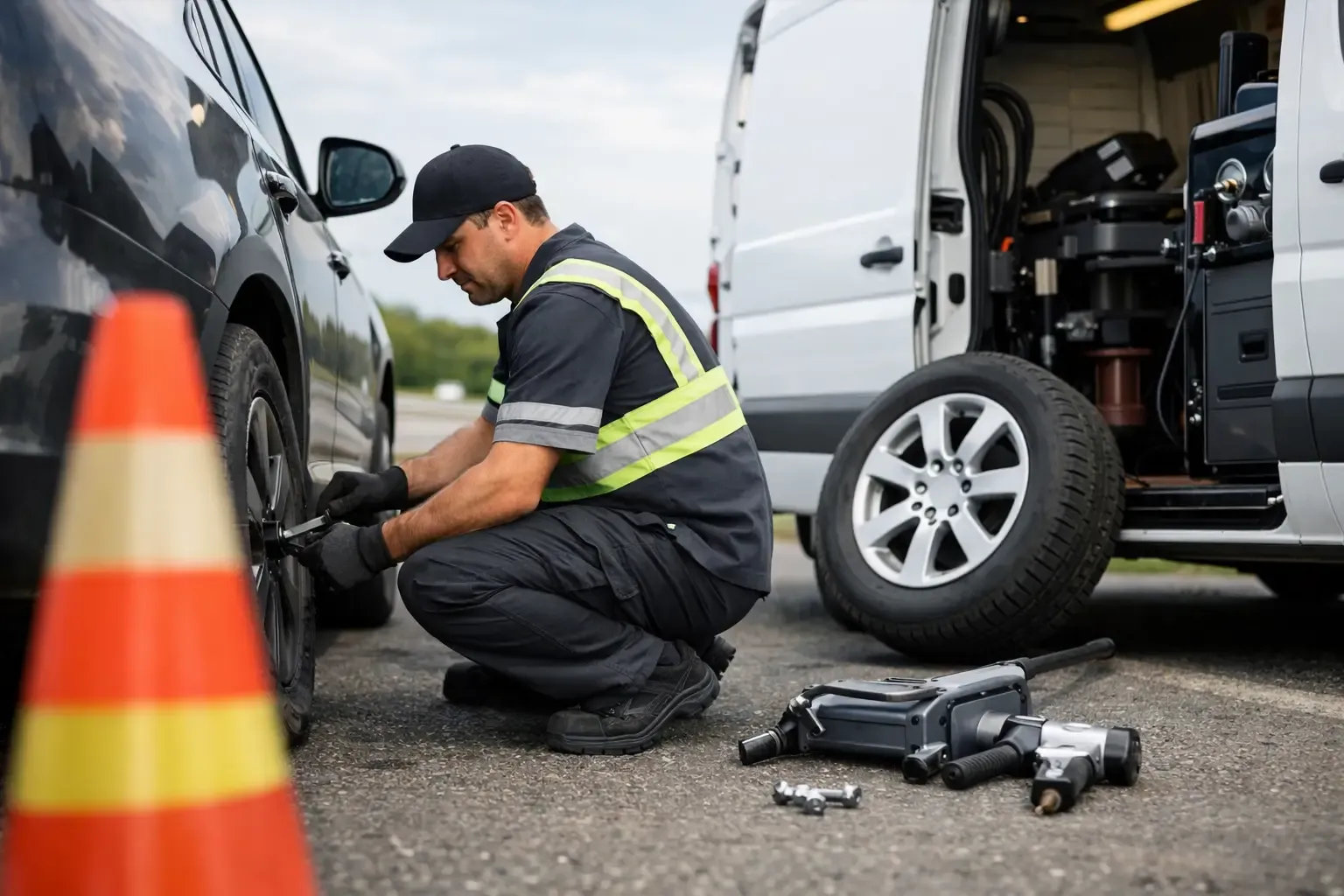
A professional mobile appointment begins with a quick assessment of the concern. The technician checks the tires and wheels for obvious damage, missing weights, irregular wear, or signs that another issue may be involved. The wheels are removed as needed, balanced using proper equipment, and reinstalled to the vehicle manufacturer's torque specifications.
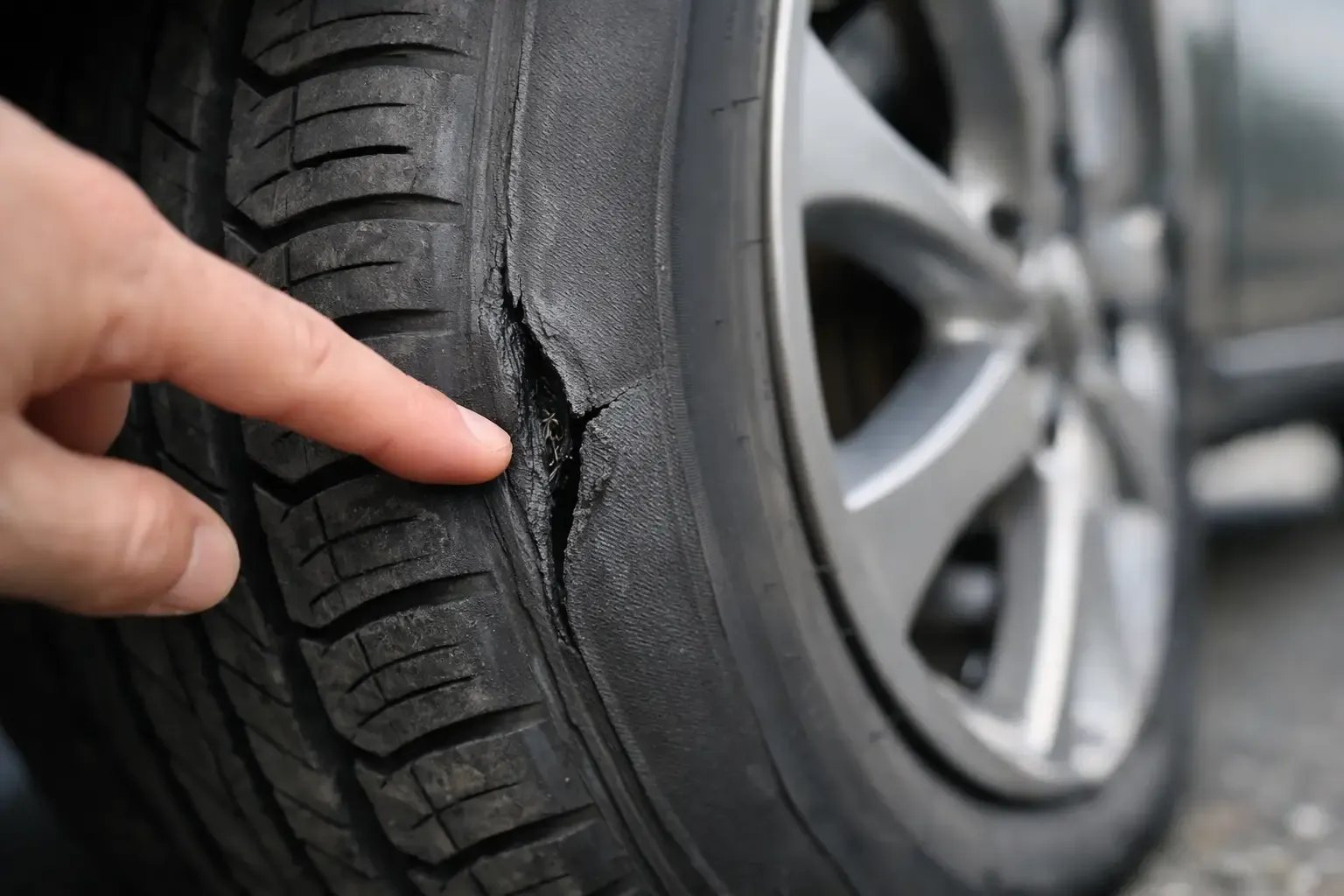
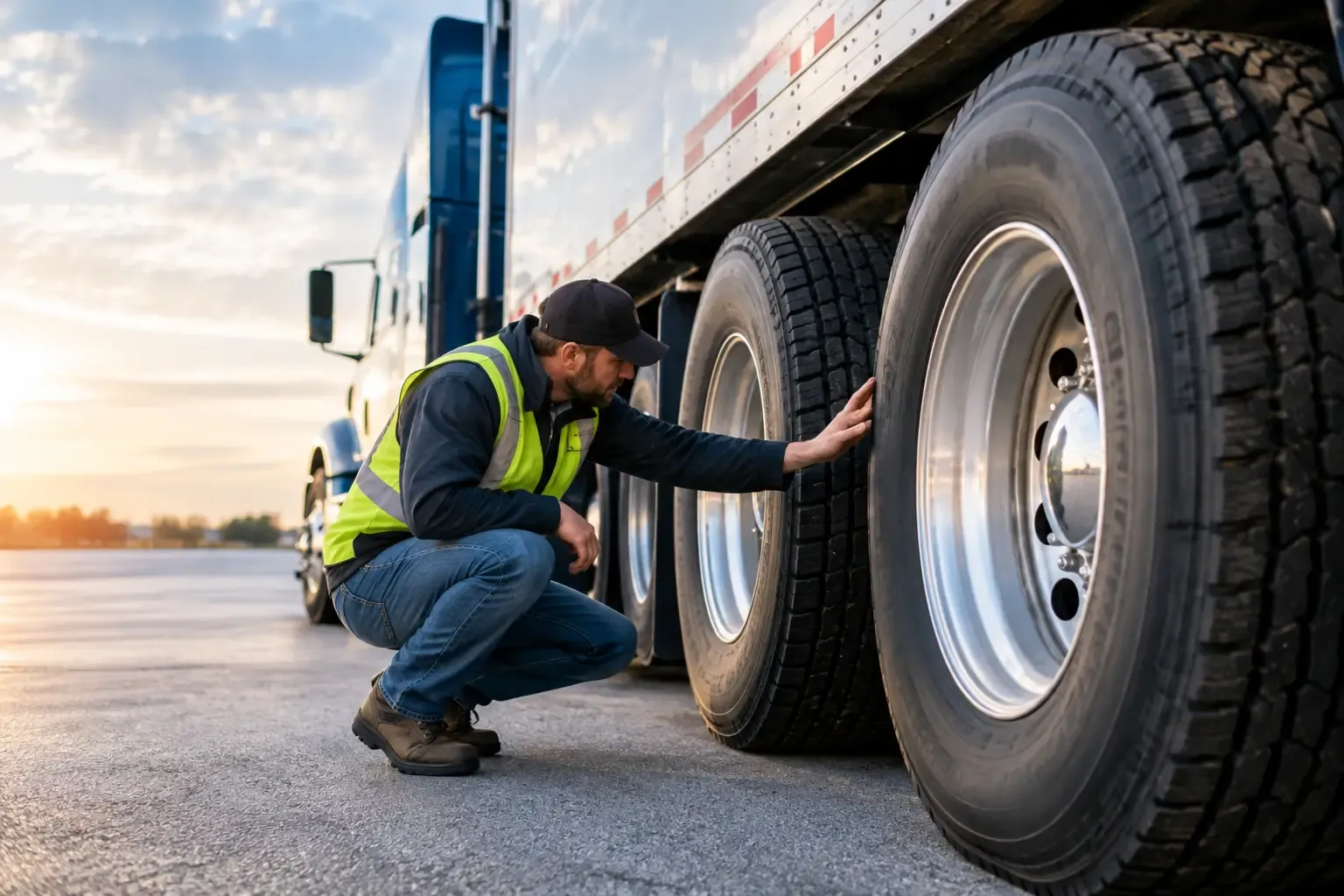
The technician should also verify tire pressure and inspect the tread condition. If a tire has a sidewall injury, severe uneven wear, or a bent wheel, balancing may not be the complete solution. Clear communication matters here: the right service is the one that addresses the actual cause of the problem, not simply the first symptom.
For drivers around Columbus, Elite Mobile Tire brings that process to the vehicle 24/7, including weekends and overnight, helping you avoid rearranging your workday for a maintenance appointment. It is especially useful when vibration appears after a tire repair or when your schedule makes a traditional shop visit difficult.
A Few Habits That Help Your Balance Last
Wheel weights can occasionally loosen or be knocked off by road debris, potholes, or curb contact. Keeping tires at the recommended cold pressure and avoiding impacts when possible will help protect both the tires and wheels. Regular rotations also make it easier to spot a developing tread or balance concern before it becomes more expensive.
If you wash your vehicle, do not mistake a visible adhesive weight inside the wheel for debris. Those small weights are part of the balancing process and should remain in place. If one appears loose or missing, schedule an inspection rather than guessing at the cause of a new vibration.
When Vibration Needs Prompt Attention
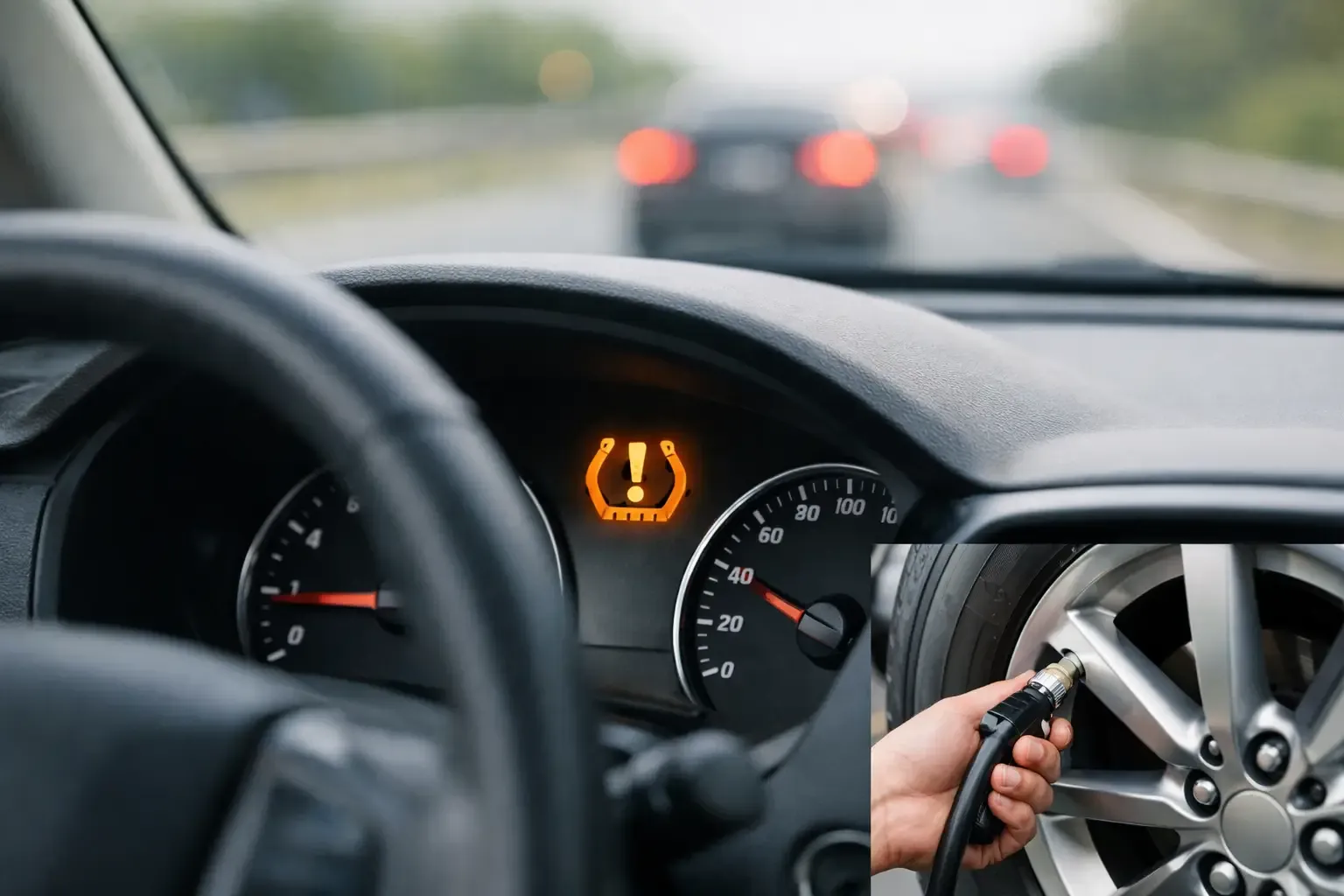
Schedule service soon if the steering wheel shakes at speed, the vehicle suddenly rides rough, or you notice new irregular tread wear. Seek immediate help if vibration is paired with a bulge in the tire, a loss of air pressure, a damaged wheel, or a vehicle that feels unsafe to control. Those conditions may require more than balancing.
A smooth drive should feel ordinary, not something you have to work around. When the vehicle starts sending a vibration through the wheel or seat, treating it early can protect your tires, save time later, and help every mile feel more controlled.
Ready for a new set? Elite Mobile Tire is open 24/7 and installs 2 or 4 new tires right in your driveway or parking lot anywhere around Columbus, Obetz, Groveport, Grove City, and Reynoldsburg. Financing is available through Afterpay and Acima with up to 24-month payment plans. Call 614-344-5010 or visit elitemobiletire.com to book.