
A service van sitting on the shoulder, a delivery vehicle with a slow leak, or a work truck that cannot leave the lot can disrupt an entire day. Fleet tires are not just another maintenance expense. They directly affect employee safety, customer commitments, fuel use, and the time your business spends out of operation.
For Columbus-area businesses, the most effective tire plan is one that prevents avoidable downtime while making the unavoidable problems easier to handle. That means choosing the right tires for the work, watching wear patterns closely, and having reliable mobile support when a vehicle cannot make it to a tire shop.
Why Fleet Tires Need a Different Approach
A personal vehicle may drive a predictable commute and sit parked for most of the day. Fleet vehicles usually do not get that luxury. They may make repeated stops, carry tools or equipment, idle at job sites, travel highways between appointments, or operate in rain, snow, and construction zones.
Those conditions change how tires wear. A cargo van with frequent city stops may wear differently than a pickup that tows equipment. A sales vehicle that spends most of its time on I-270 may need a different balance of ride comfort, tread life, and wet-road performance than a service truck that regularly enters gravel lots.
The right tire choice depends on the vehicle's workload. A tire with a longer expected tread life may be a strong value for high-mileage vehicles, but only if it also meets the load, traction, and handling needs of that vehicle. Choosing based on purchase price alone can lead to shorter replacement intervals, reduced performance, or tire damage that costs more in missed work.
A practical fleet tire strategy starts by looking at how each vehicle is actually used. Consider its typical payload, routes, mileage, seasonal driving conditions, and the cost of having it unavailable for even a few hours.
Build a Tire Plan Around Uptime
The goal is not simply to replace tires when they are worn out. The goal is to keep each vehicle safe and working on schedule. A clear maintenance plan gives business owners and fleet managers a better view of upcoming needs instead of forcing every tire decision into an emergency.
Inspect Tires Before Small Problems Grow
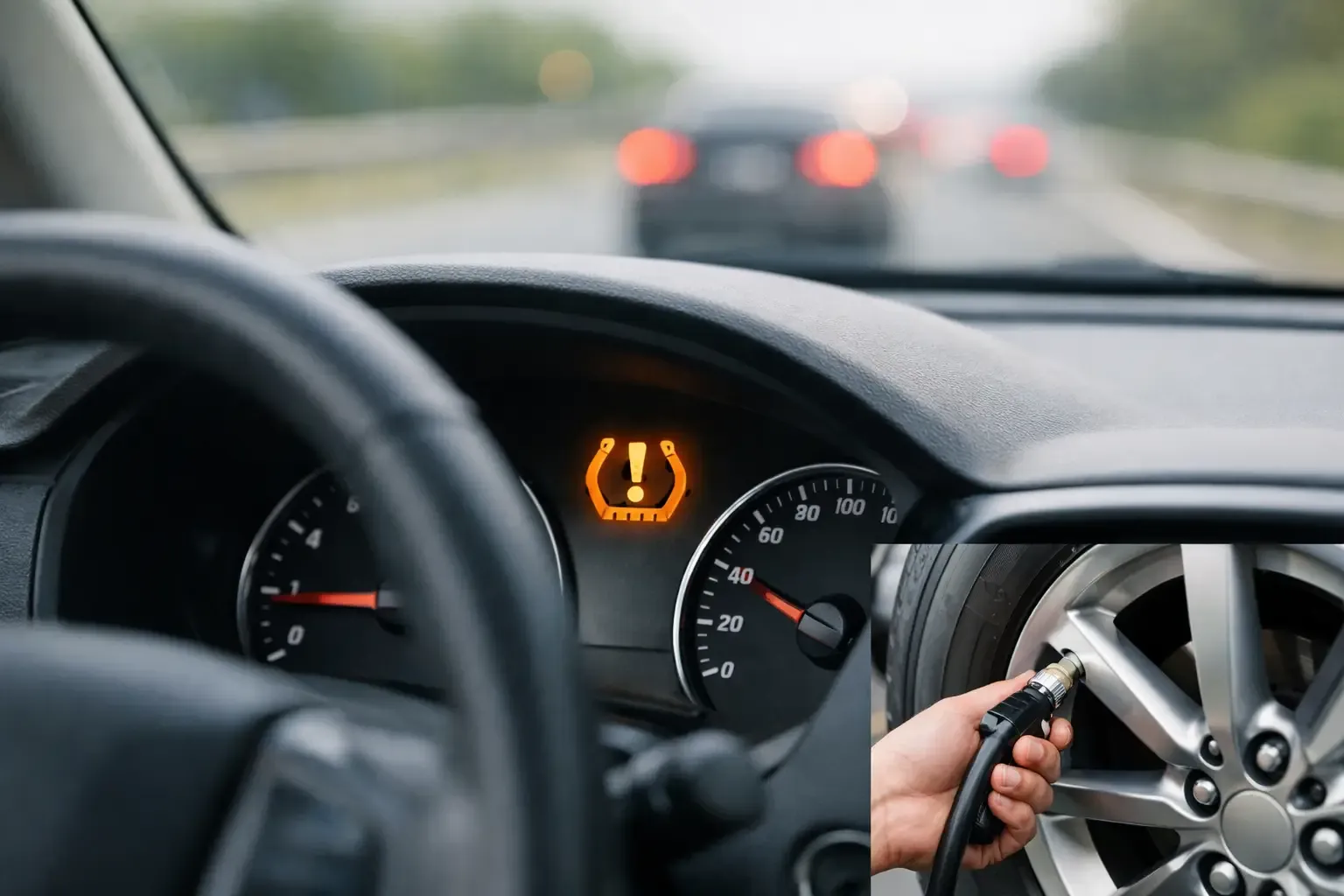
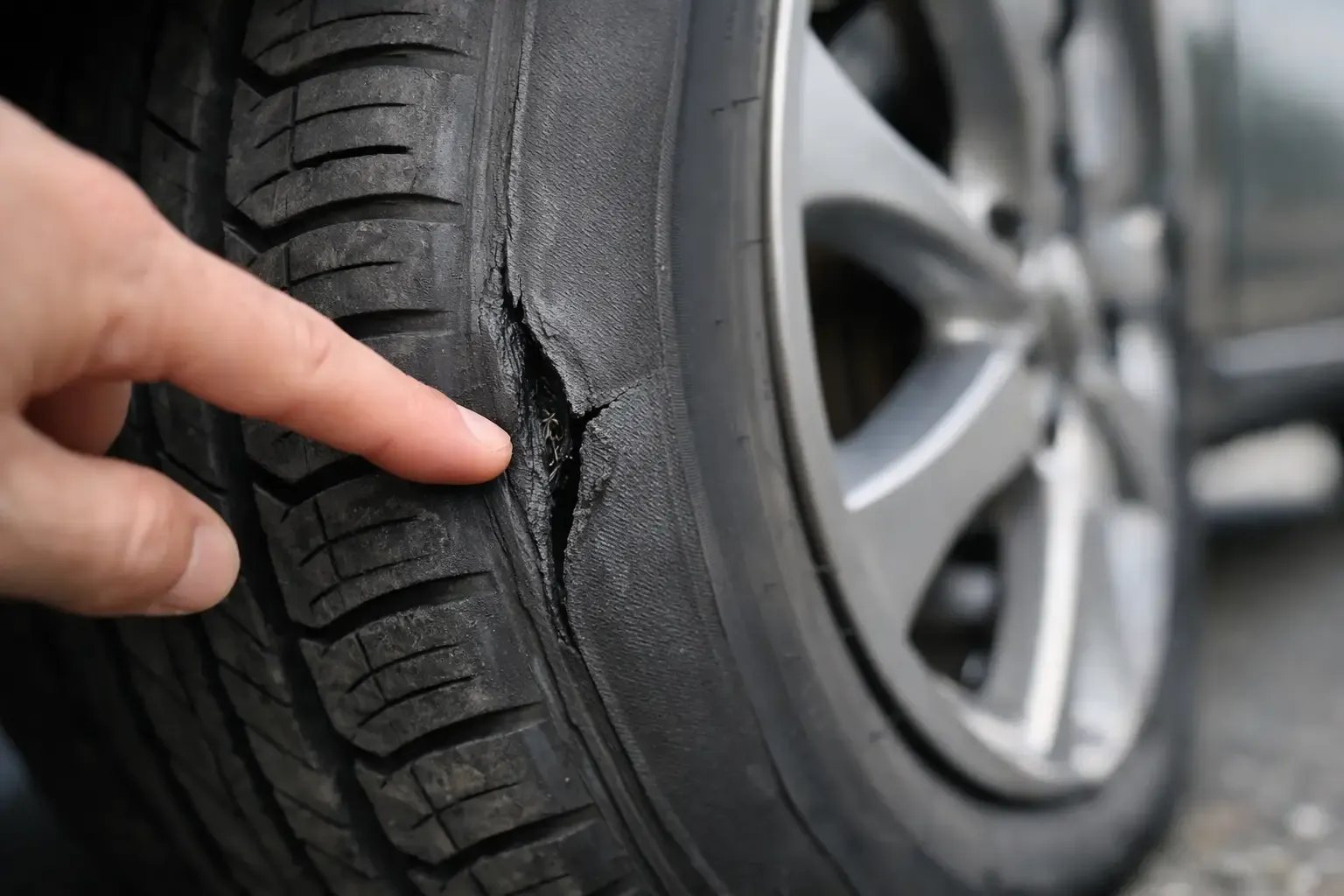
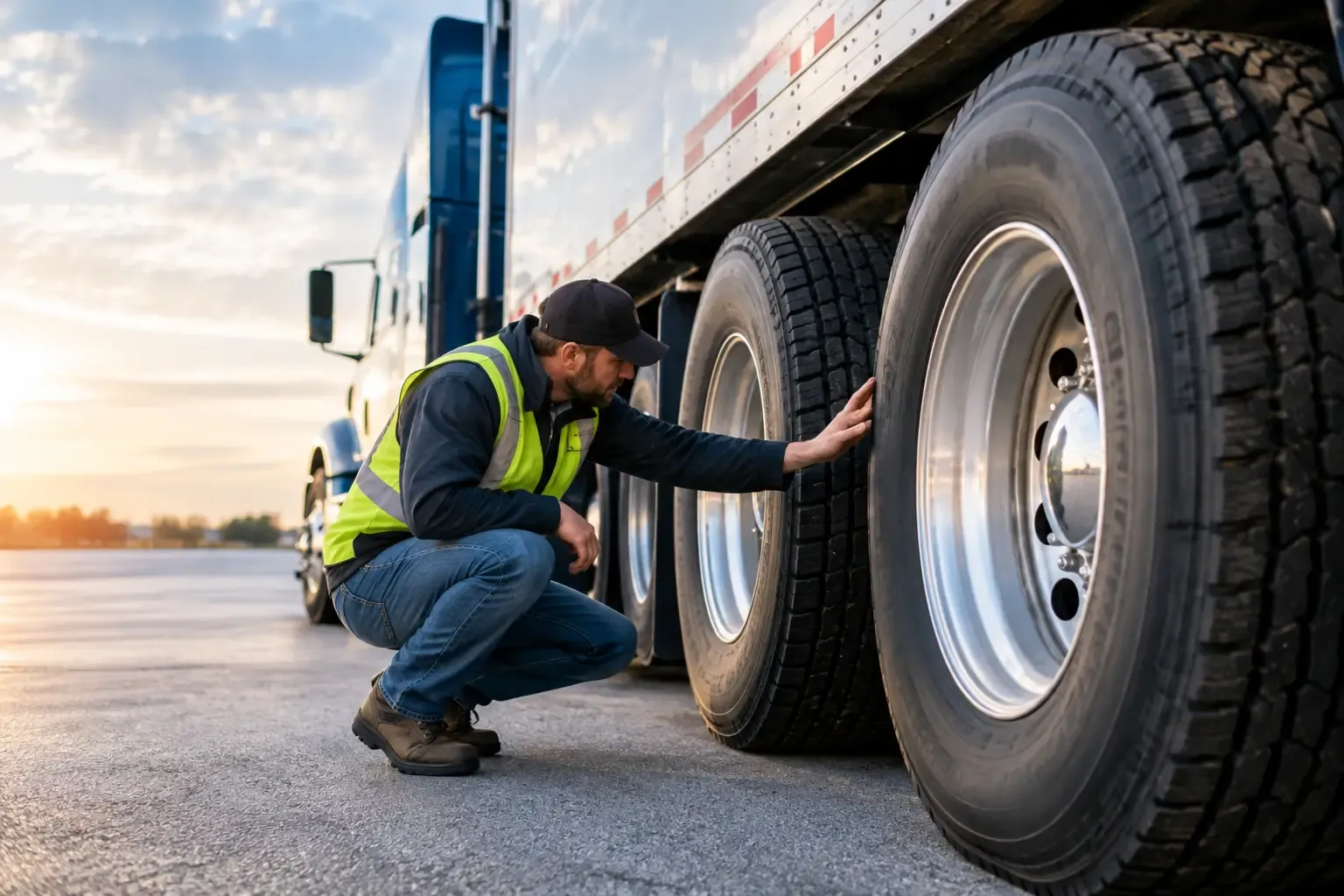
Regular visual inspections are one of the simplest ways to protect a fleet. Drivers can catch obvious issues before leaving for the day, including low pressure, visible cuts, sidewall damage, embedded objects, bulges, or unusually worn tread.
A low tire may appear minor, but it creates heat and stress that can damage the tire internally. It can also affect fuel economy and handling. When a vehicle is loaded, the consequences of incorrect tire pressure become more serious.
Tread wear tells a story as well. Wear concentrated in the center can point to overinflation. Wear on both outer edges may indicate underinflation. One-sided wear can suggest an alignment or suspension issue. Catching these patterns early helps protect the new tires you install next.
Schedule Rotation and Balancing at the Right Time
Front and rear tires often wear at different rates, especially on front-wheel-drive vehicles and heavily loaded trucks. Rotation helps distribute that wear more evenly and can extend the useful life of a full set.
There is no single rotation interval that fits every fleet. High-mileage vehicles, vehicles carrying equipment, and vehicles traveling rough roads may need more frequent attention. Follow the vehicle and tire manufacturer recommendations, then adjust based on real wear patterns.
Balancing matters too. A tire and wheel assembly that is out of balance can create vibration, make driving less comfortable, and contribute to uneven wear. If a driver reports vibration at highway speed, do not assume it is normal. Have the vehicle inspected before a small correction turns into premature tire replacement.
Track Each Vehicle, Not Just the Fleet Total
A fleet can look healthy on paper while one or two vehicles repeatedly create problems. Keeping basic records for each vehicle makes it easier to spot patterns. Note tire size, installation date, mileage, tire pressure concerns, repairs, and rotations.
This does not need to be complicated. A simple maintenance log can help you forecast replacements, group service appointments, and identify vehicles with repeated punctures or unusual wear. It also gives you better information when deciding whether a route, load practice, or mechanical issue needs attention.
Choose Tires for the Job, Not the Label
Tire selection should match the vehicle, the work, and the road conditions. Passenger-style tires may be appropriate for a light-duty vehicle that carries minimal equipment. Commercial-grade options may be better suited to vans, pickups, and vehicles that see heavier loads or frequent job-site travel.
Load rating is especially important. Every tire has limits, and those limits must support the vehicle's actual operating weight. This includes passengers, tools, inventory, trailers, and any equipment installed in the vehicle. Overloading tires can increase heat, reduce handling control, and raise the risk of failure.
Seasonal conditions deserve attention in central Ohio. Wet roads, freezing temperatures, slush, and potholes can all affect traction and tire durability. An all-season tire may be the right fit for many local fleets, while vehicles that must operate reliably through severe winter conditions may need a more specialized solution. The best choice depends on whether those vehicles can stay parked during bad weather or must continue serving customers.
It is also wise to keep tire specifications consistent across similar vehicles when possible. Standardizing approved tire options can simplify maintenance, reduce decision time, and make it easier to keep the right replacements available. Still, consistency should never override a vehicle's specific load or service requirements.
Make Roadside Issues Easier to Manage
Even a well-maintained fleet can pick up a nail, hit road debris, or suffer damage from a pothole. The difference between a manageable interruption and a lost workday often comes down to response time and a clear plan.
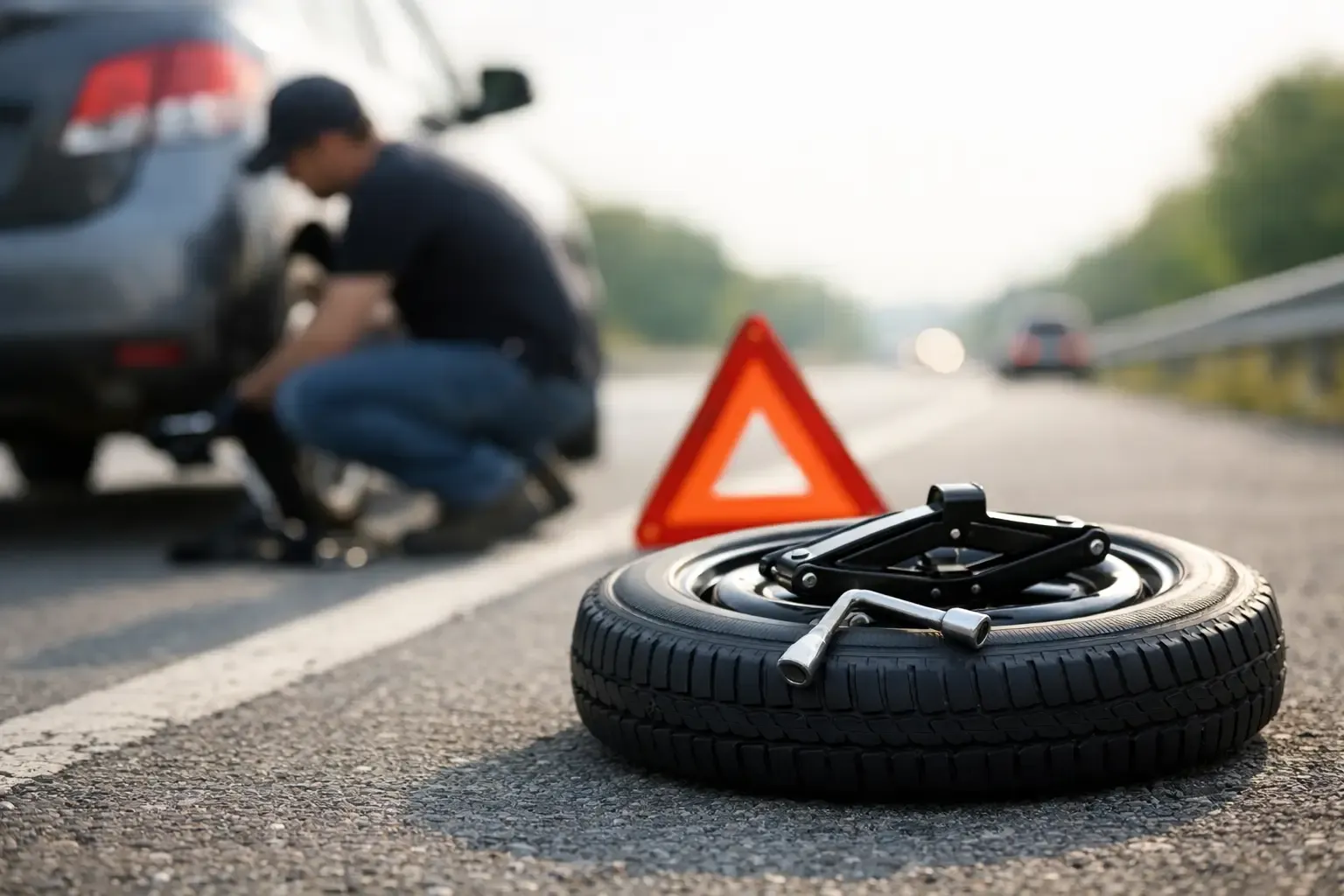
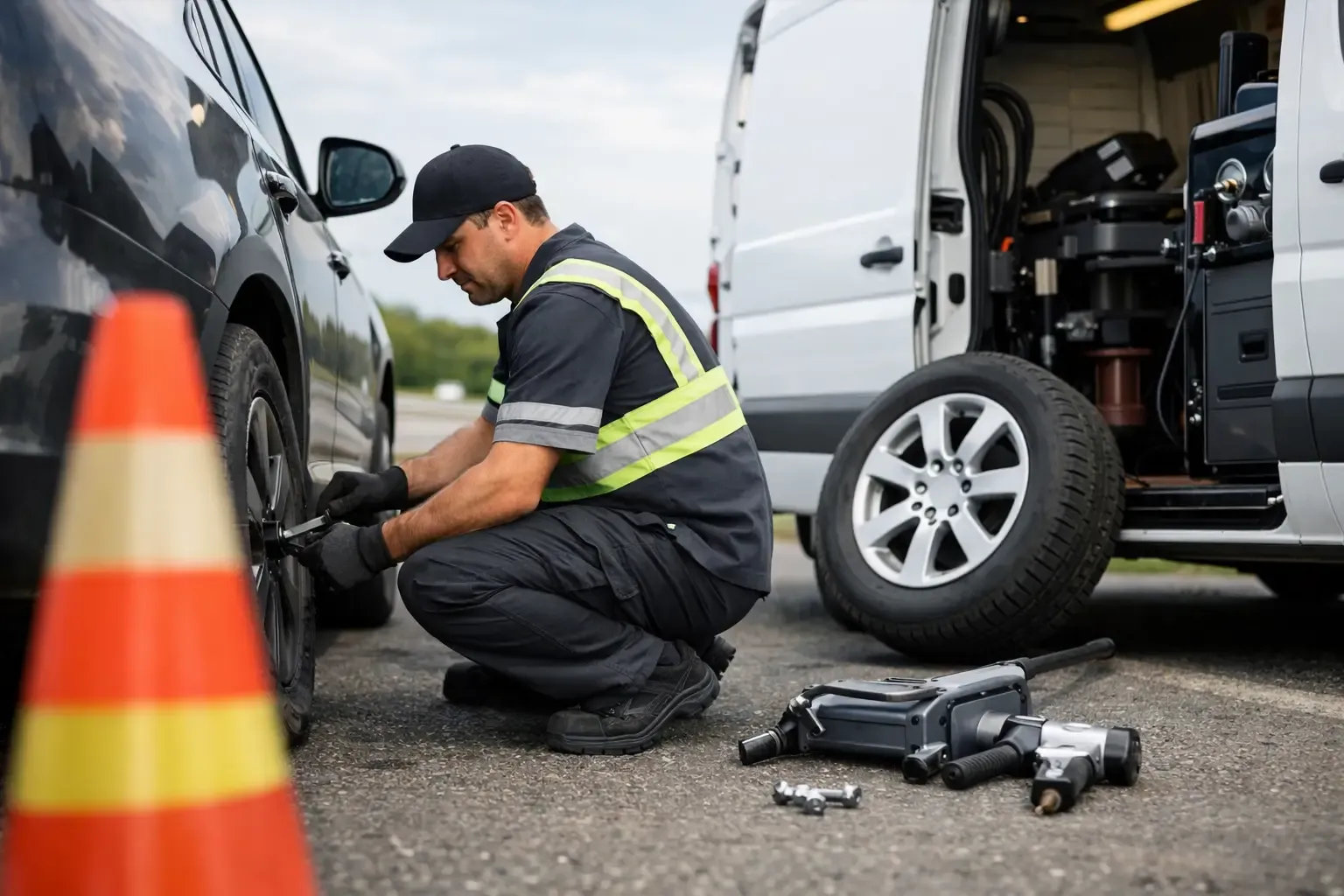
Drivers should know who to contact, where to park safely, and what information to provide. The vehicle location, tire size, damage description, and whether a usable spare is available can help service move faster. Drivers should also avoid continuing to operate on a visibly low or damaged tire. Driving on a flat can damage the wheel and may turn a repairable puncture into a tire replacement.
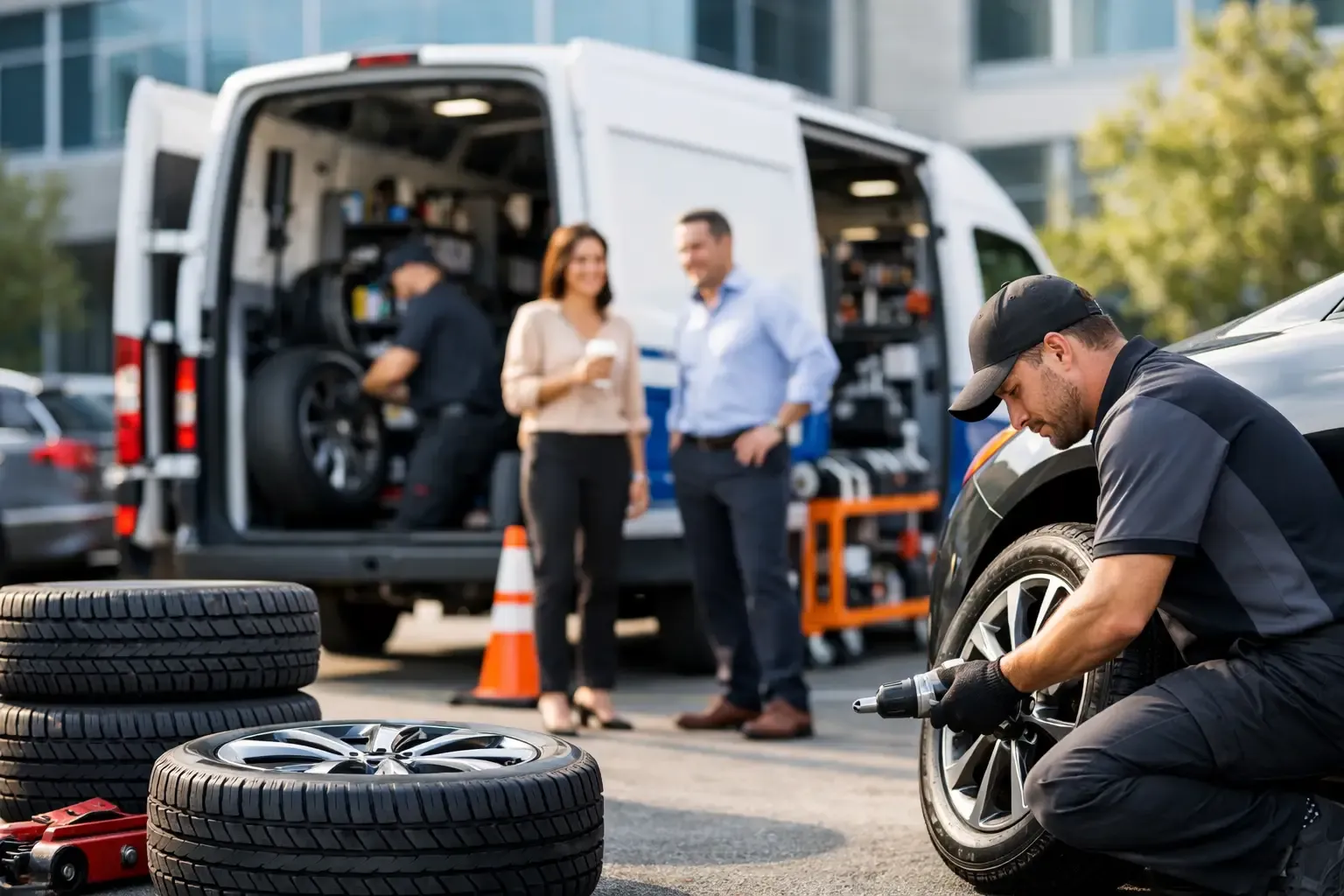
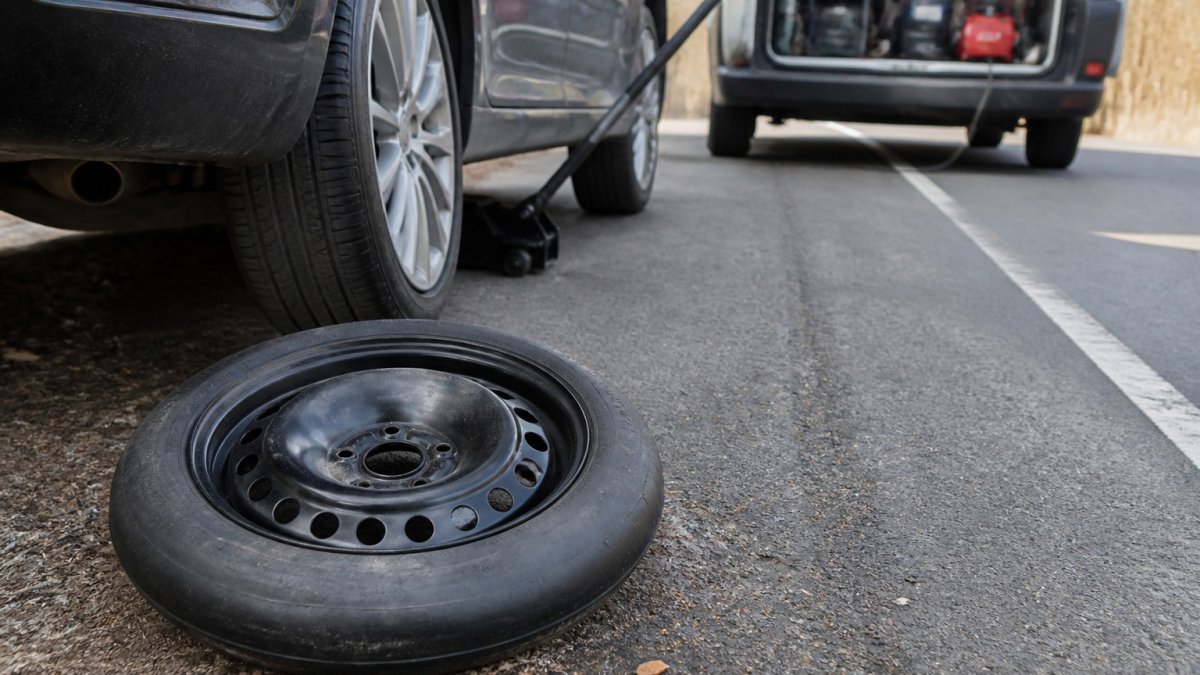
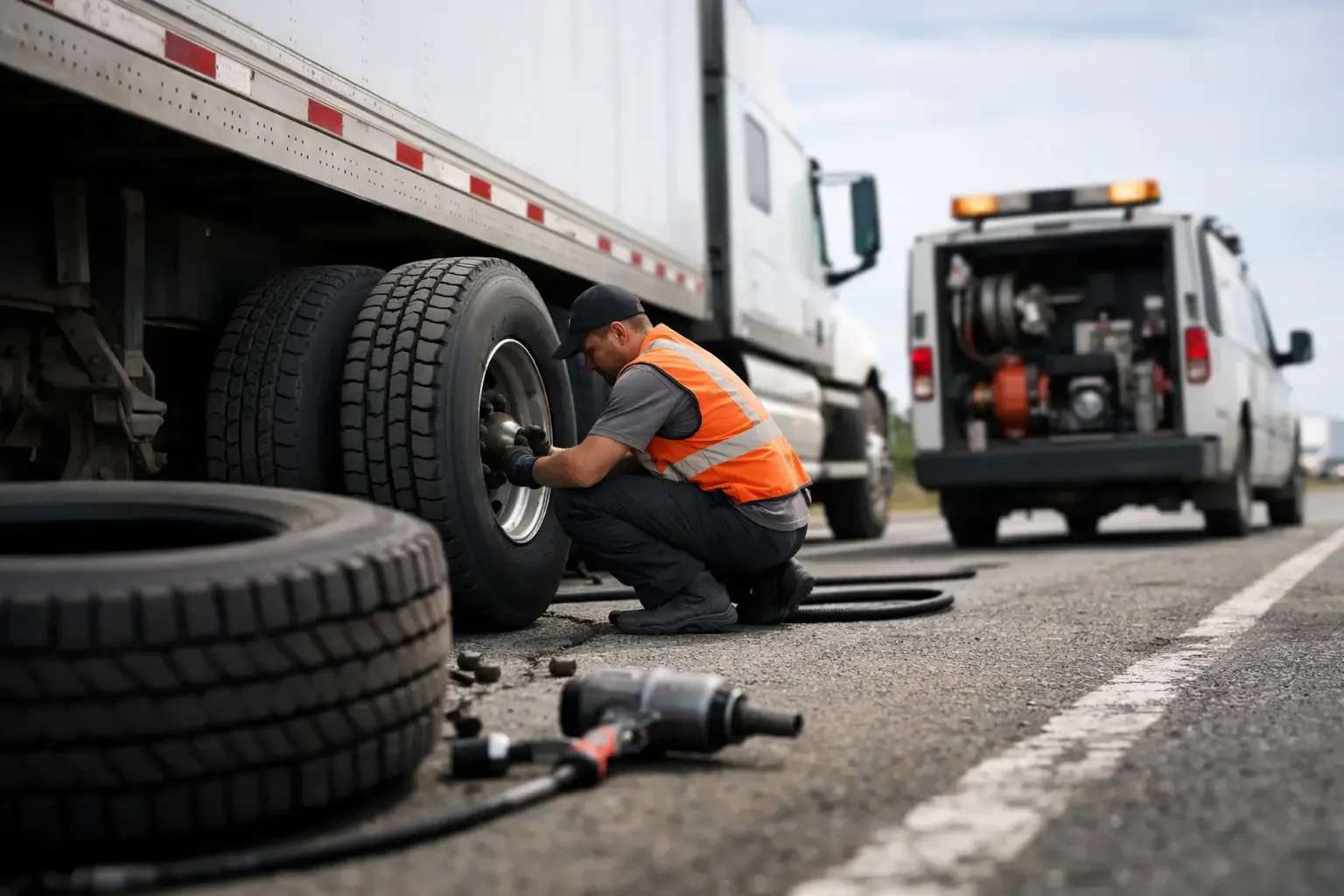
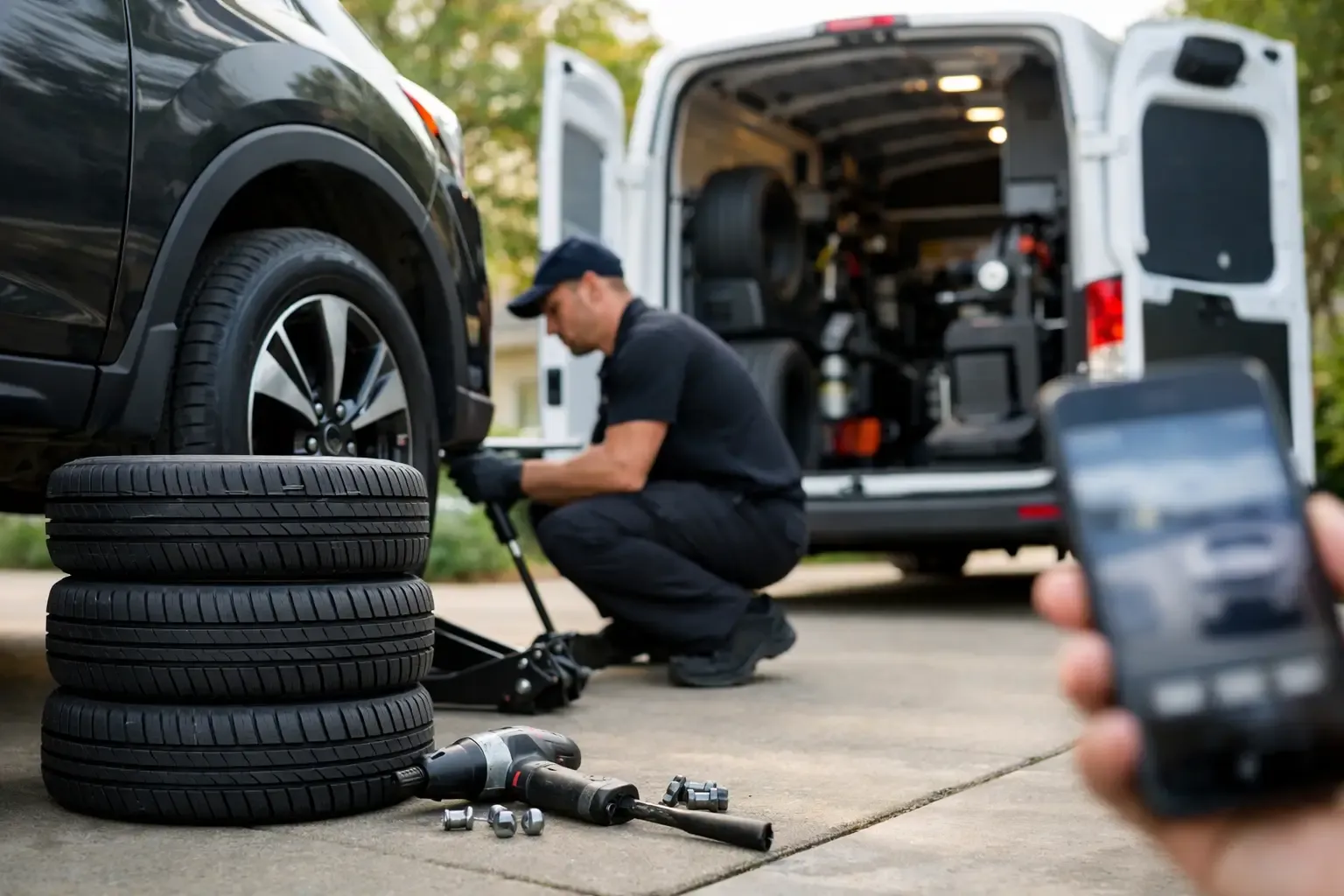
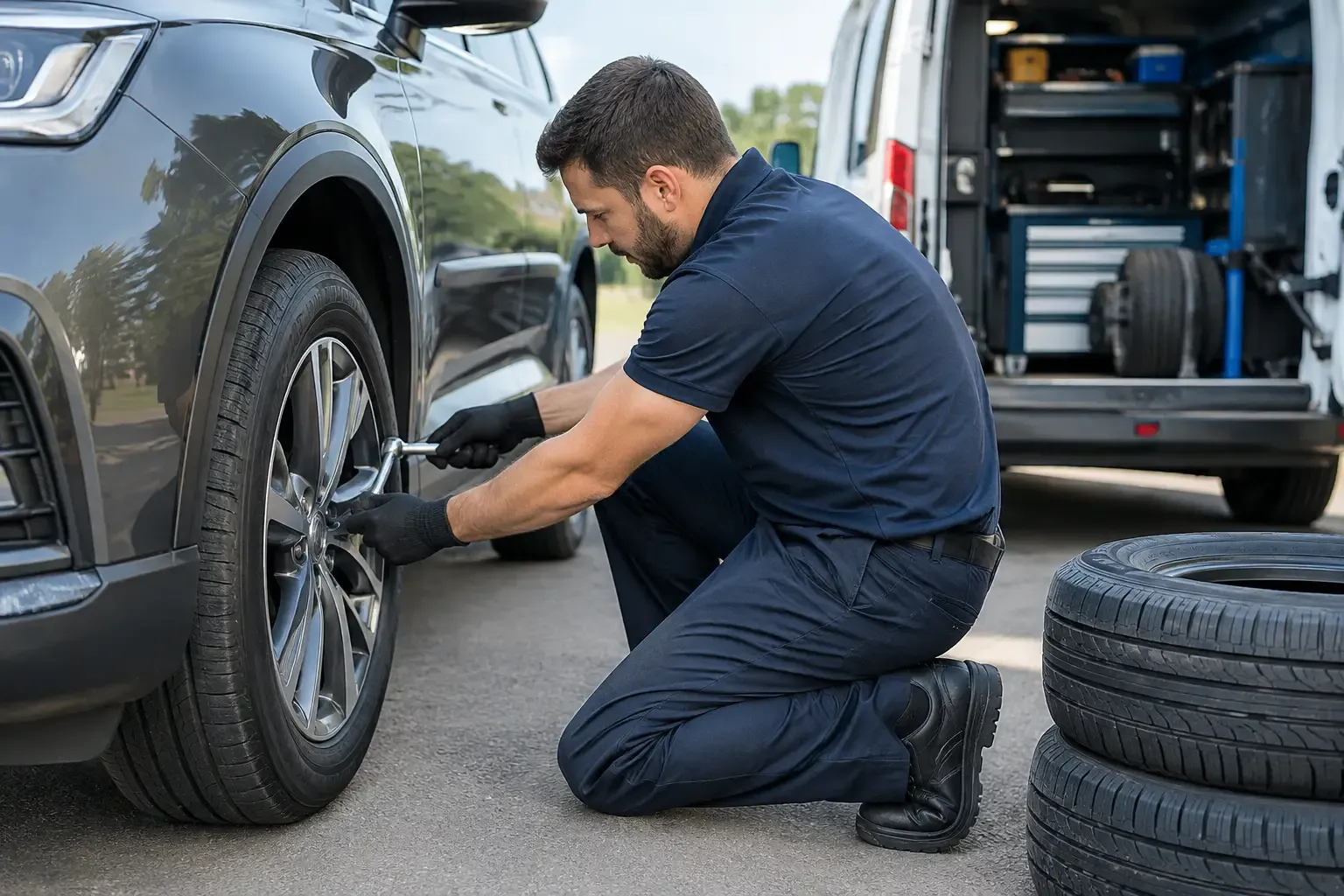
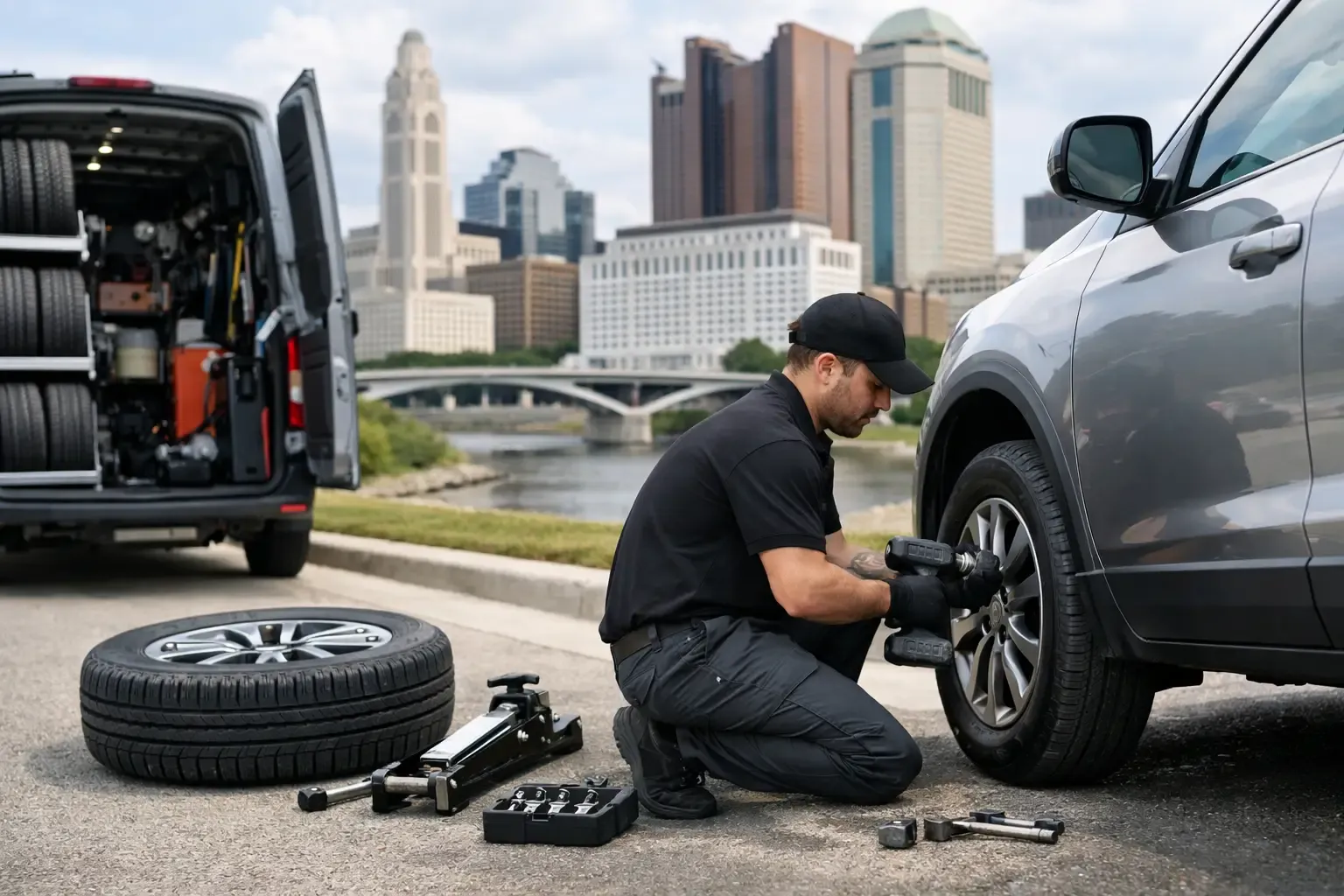
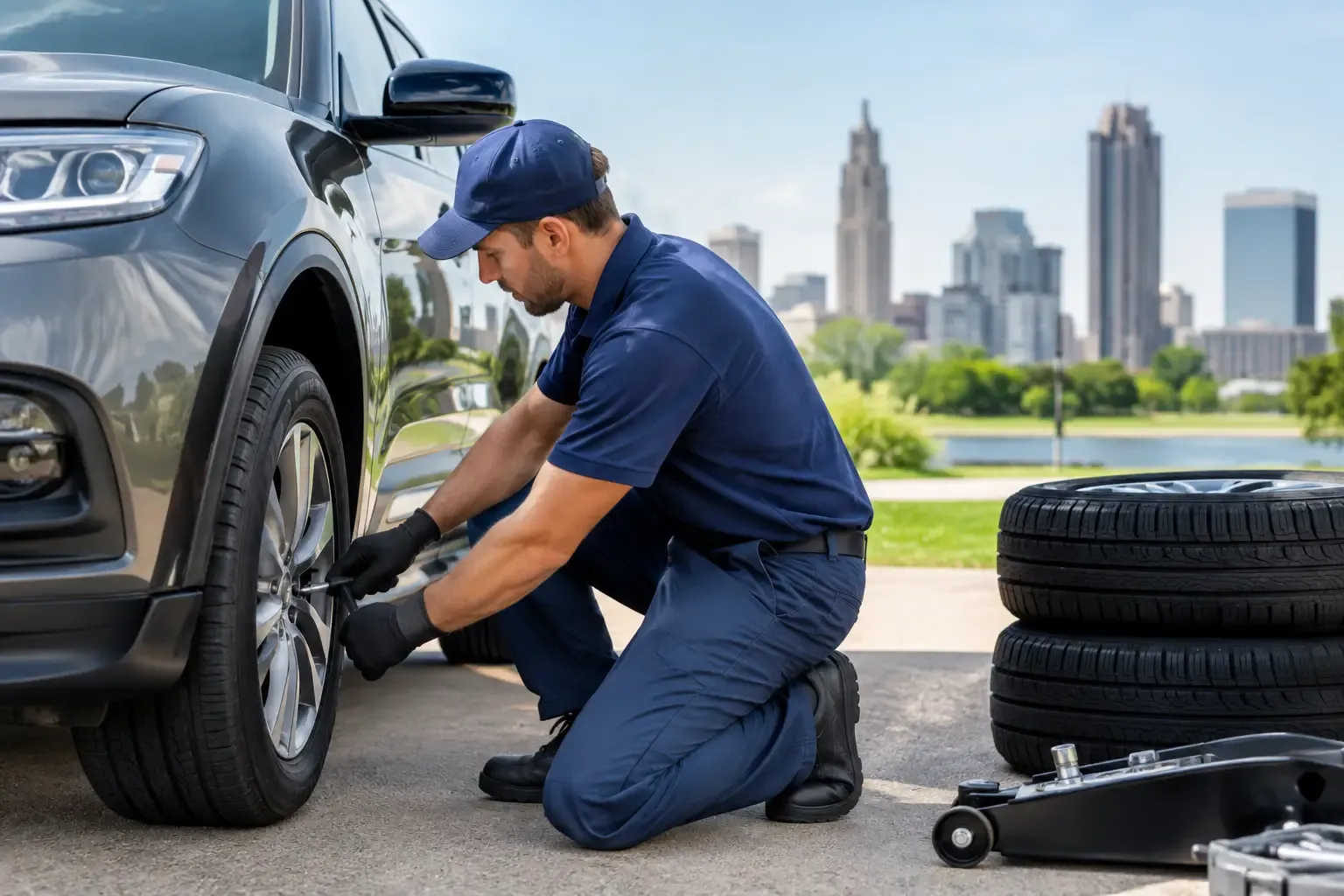
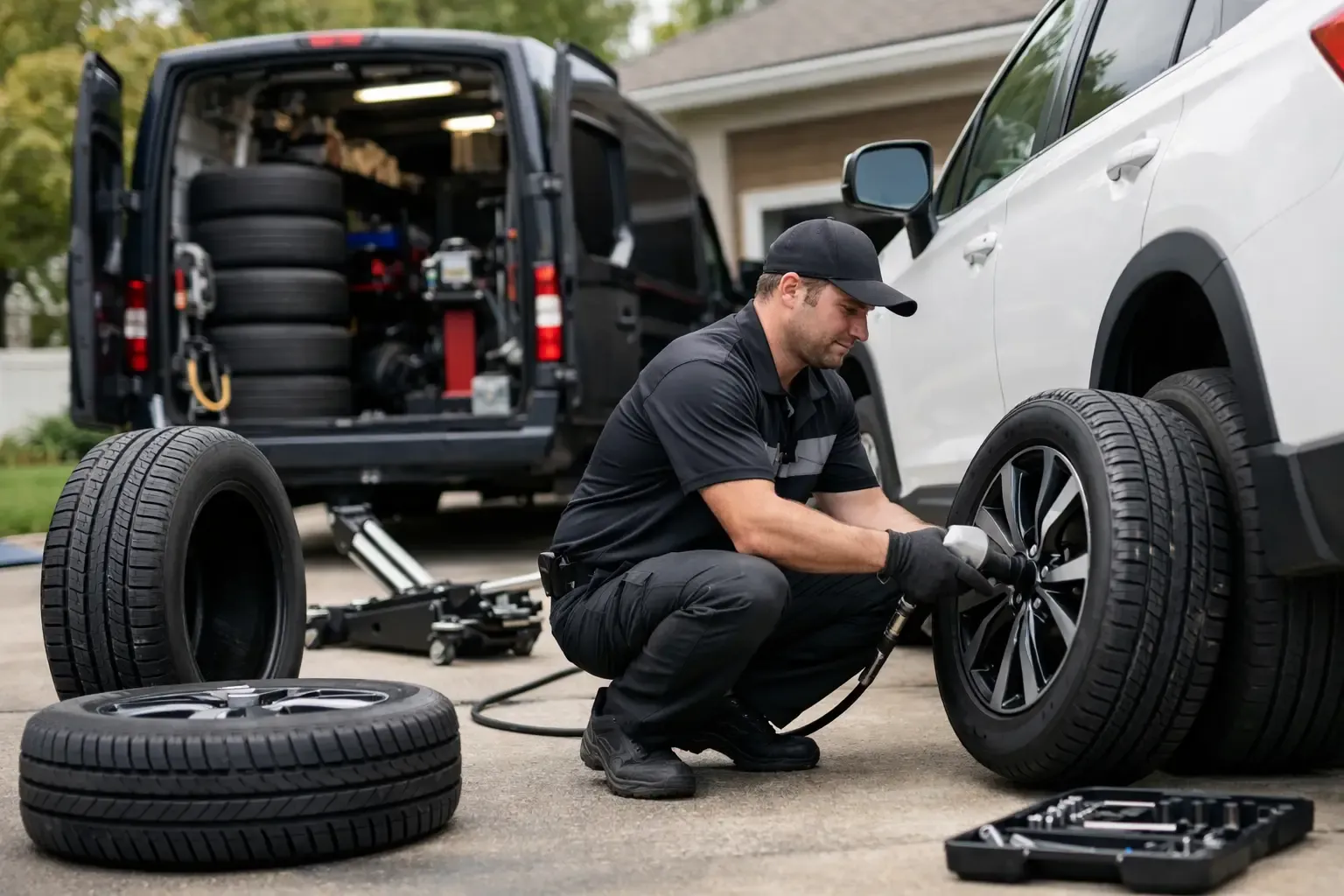
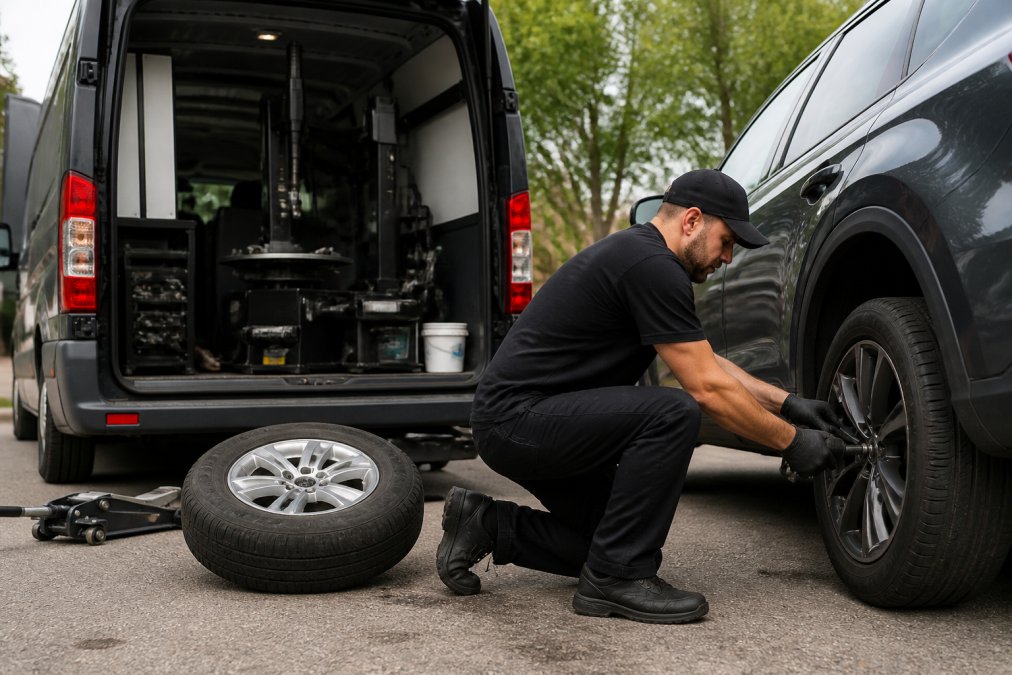
Mobile tire service is particularly useful for commercial vehicles because it brings the work to the vehicle. Instead of sending an employee to wait at a tire store or arranging a tow, a technician can perform qualifying flat repairs, replacement tire installation, balancing, and TPMS service at your lot, office, job site, or roadside location when conditions allow.
For businesses with multiple vehicles, mobile appointments can also reduce disruption. Elite Mobile Tire services vehicles 24/7, including weekends and overnight, so work can be coordinated around dispatch times, shift changes, or periods when vehicles are already parked. That keeps more of your team focused on the work that earns revenue.
Give Drivers a Simple Reporting Standard
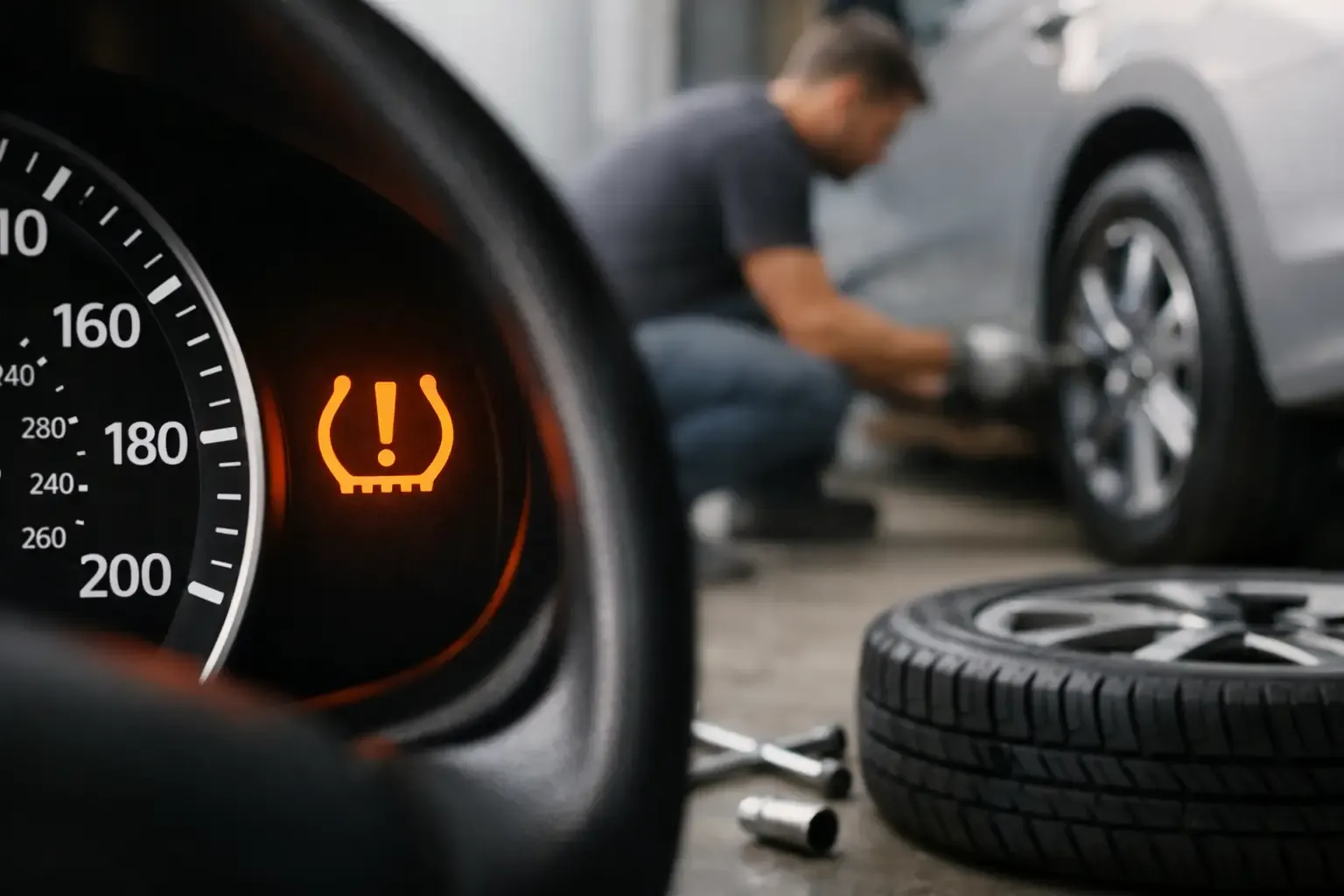
Your drivers are the first line of defense, but they need a clear and practical process. Ask them to report warning lights, persistent air loss, vibration, pulling, visible tire damage, or changes in handling as soon as they notice them.
Encourage drivers to take a photo when it is safe to do so. A picture of the tire and the vehicle's location can help a fleet manager decide whether the vehicle can be moved, needs roadside support, or should be scheduled for prompt service.
The key is to make reporting easy rather than punitive. If drivers worry that mentioning a low tire will delay their route or create blame, they may wait too long. A quick report protects the driver, the vehicle, and the day's schedule.
When a Repair Makes Sense and When It Does Not
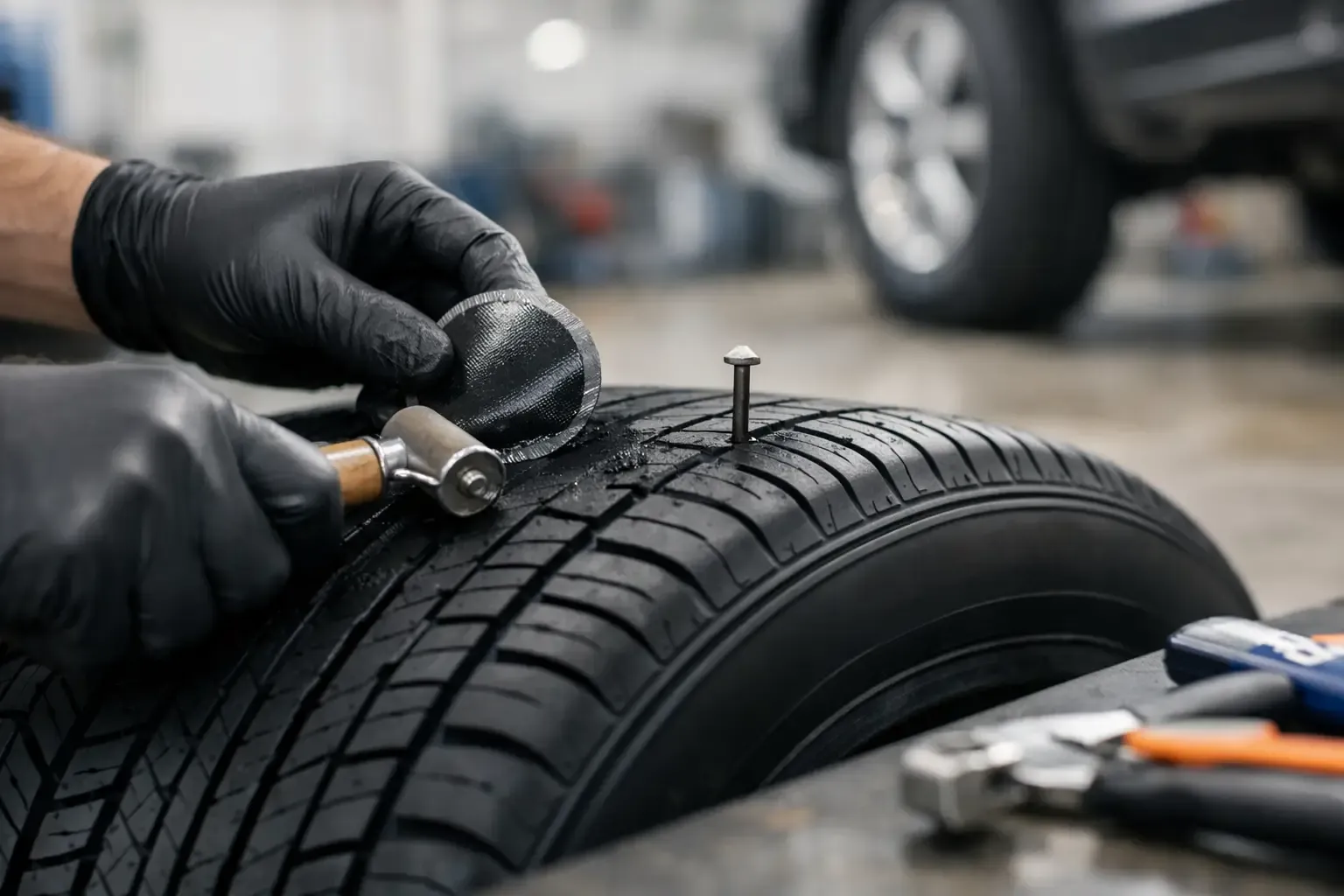
Not every puncture requires a new tire, but not every puncture can be repaired safely. The location, size, and type of damage matter. A qualified technician can determine whether the damage is in a repairable tread area and whether the tire has been driven while underinflated.
Sidewall damage, severe shoulder damage, bulges, and damage caused by running flat generally call for replacement rather than repair. This is one area where taking a shortcut is not worth the risk. A fleet vehicle carries your employees, your equipment, and your reputation on every trip.
A dependable service partner should explain what was found, what work is recommended, and why. Clear communication helps you make decisions quickly without guessing whether a repair is appropriate.
For fleet operators, tire management works best when it becomes part of normal operations rather than a scramble after a breakdown. Set a regular inspection rhythm, keep service records, and give drivers a direct path to report concerns. When a tire problem does interrupt the day, prompt mobile support can help your vehicle get safely back on the road with less lost time.
Ready for a new set? Elite Mobile Tire is open 24/7 and installs 2 or 4 new tires right in your driveway or parking lot anywhere around Columbus, Obetz, Groveport, Grove City, and Reynoldsburg. Financing is available through Afterpay and Acima with up to 24-month payment plans. Call 614-344-5010 or visit elitemobiletire.com to book.