When you shop for a new set of tires, the sidewall is covered in numbers and letters. Most drivers know to look for the size. Fewer know what to make of the line that reads something like TREADWEAR 600 TRACTION A TEMPERATURE A. Those three ratings are the Uniform Tire Quality Grading system, or UTQG, and they can help you compare tires side by side if you know what they actually measure.
Here is a plain-English guide to UTQG ratings, what they tell you, where they fall short, and how to use them when you are choosing a full set for daily driving around Columbus.
What Is UTQG?
UTQG is a federal labeling program overseen by the National Highway Traffic Safety Administration (NHTSA). It requires most passenger car tires sold in the United States to carry three grades molded into the sidewall: treadwear, traction, and temperature. The goal is to give shoppers a common yardstick for comparing tires across brands.
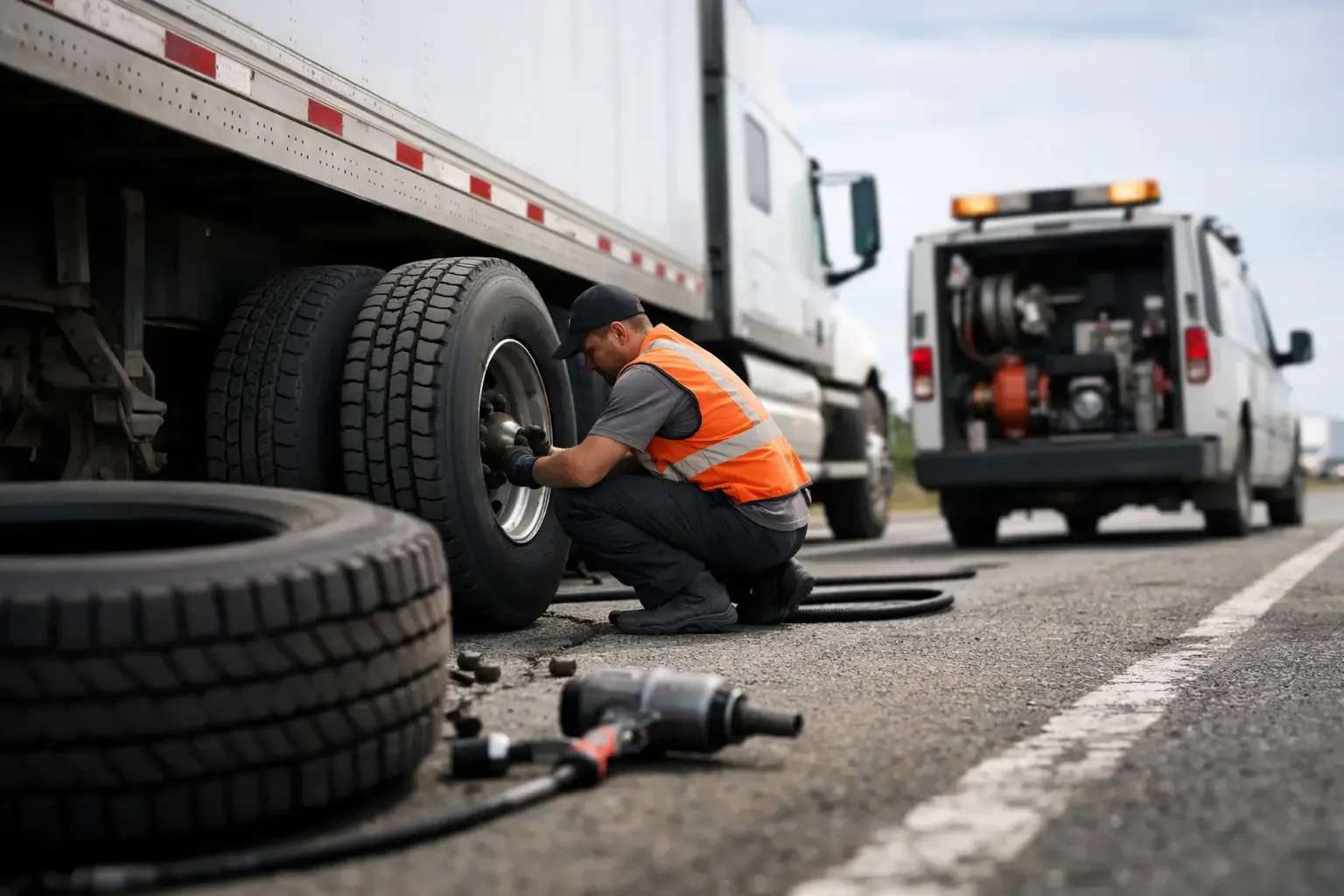
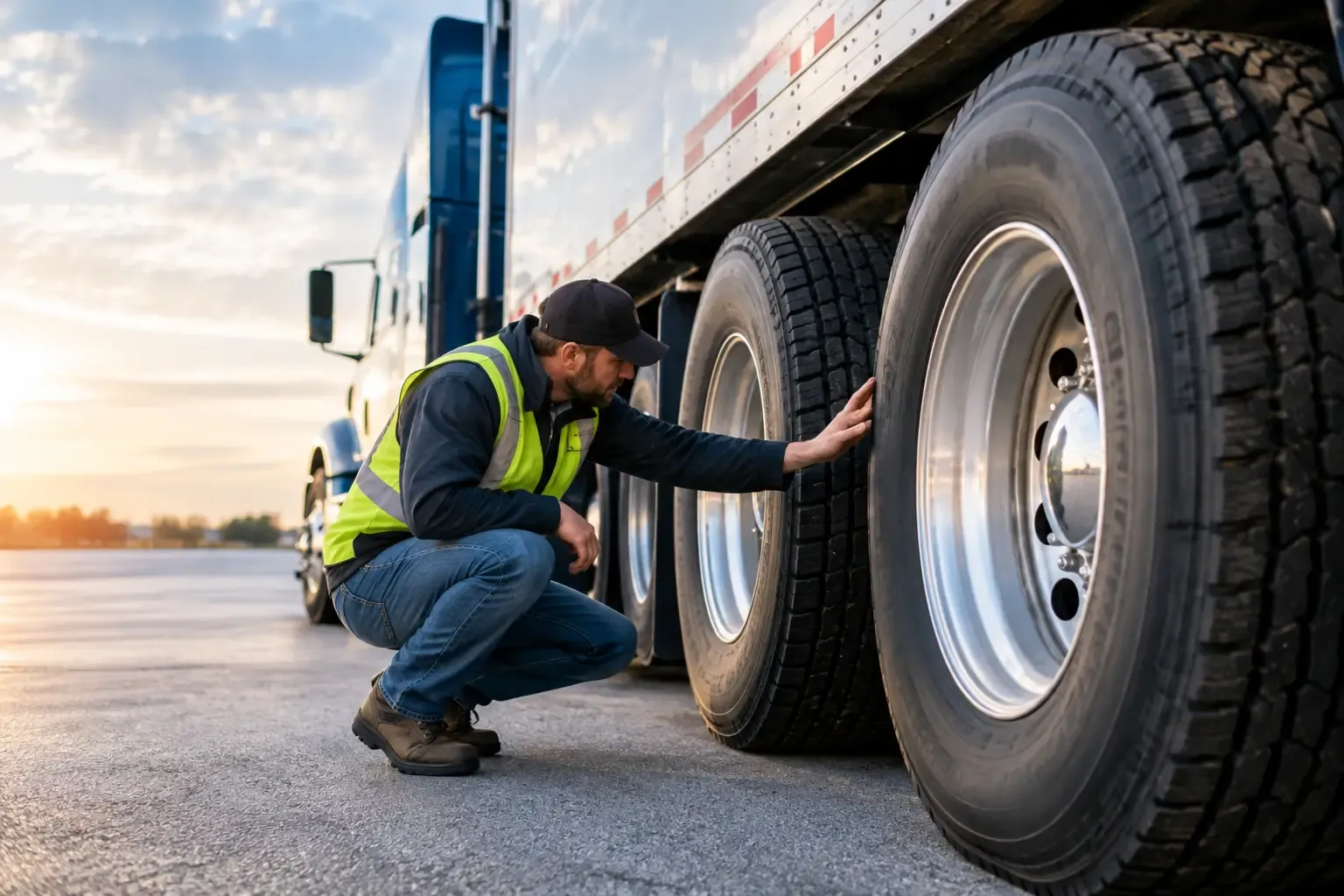
Not every tire is graded. Dedicated winter tires, light truck (LT) tires, deep-tread tires, and temporary spares are generally exempt, so you will not find UTQG grades on many truck, RV, or commercial tires. For those, load range and the manufacturer's specifications matter more.
Treadwear: A Comparison Number, Not a Mileage Promise
The treadwear grade is the number, such as 300, 500, or 700. It compares how a tire wore during a standardized government test against a reference tire graded at 100. In theory, a tire graded 600 wore about one and a half times as long as a tire graded 400 under the same test conditions.
The catch is that each manufacturer assigns its own grade based on that testing, so the number is most useful when comparing tires within the same brand. Across brands, treat it as a rough guide. It is also not a mileage warranty. Real tread life depends on your vehicle, alignment, inflation, how you drive, and the roads you drive on.
As a general pattern, higher treadwear numbers usually come with harder rubber compounds that last longer, while performance tires with lower numbers often trade tread life for grip. Neither is automatically better. It depends on what you need from the tire.
Traction: Wet Braking in a Straight Line
The traction grade is a letter: AA, A, B, or C, with AA being the highest. It measures how well the tire stops in a straight line on wet asphalt and wet concrete under controlled testing.
What it does not measure is just as important. The traction grade says nothing about cornering grip, hydroplaning resistance, dry braking, or snow and ice performance. A tire graded AA is a strong wet braker, but it is not necessarily a good winter tire. For snow traction, look for the Three-Peak Mountain Snowflake symbol instead.
Temperature: How Well the Tire Handles Heat
The temperature grade is also a letter: A, B, or C, with A being the best. It reflects how well the tire resists and dissipates heat at sustained high speed in a laboratory test. Heat is one of the main enemies of a tire, because excessive heat can break down the rubber and internal structure.
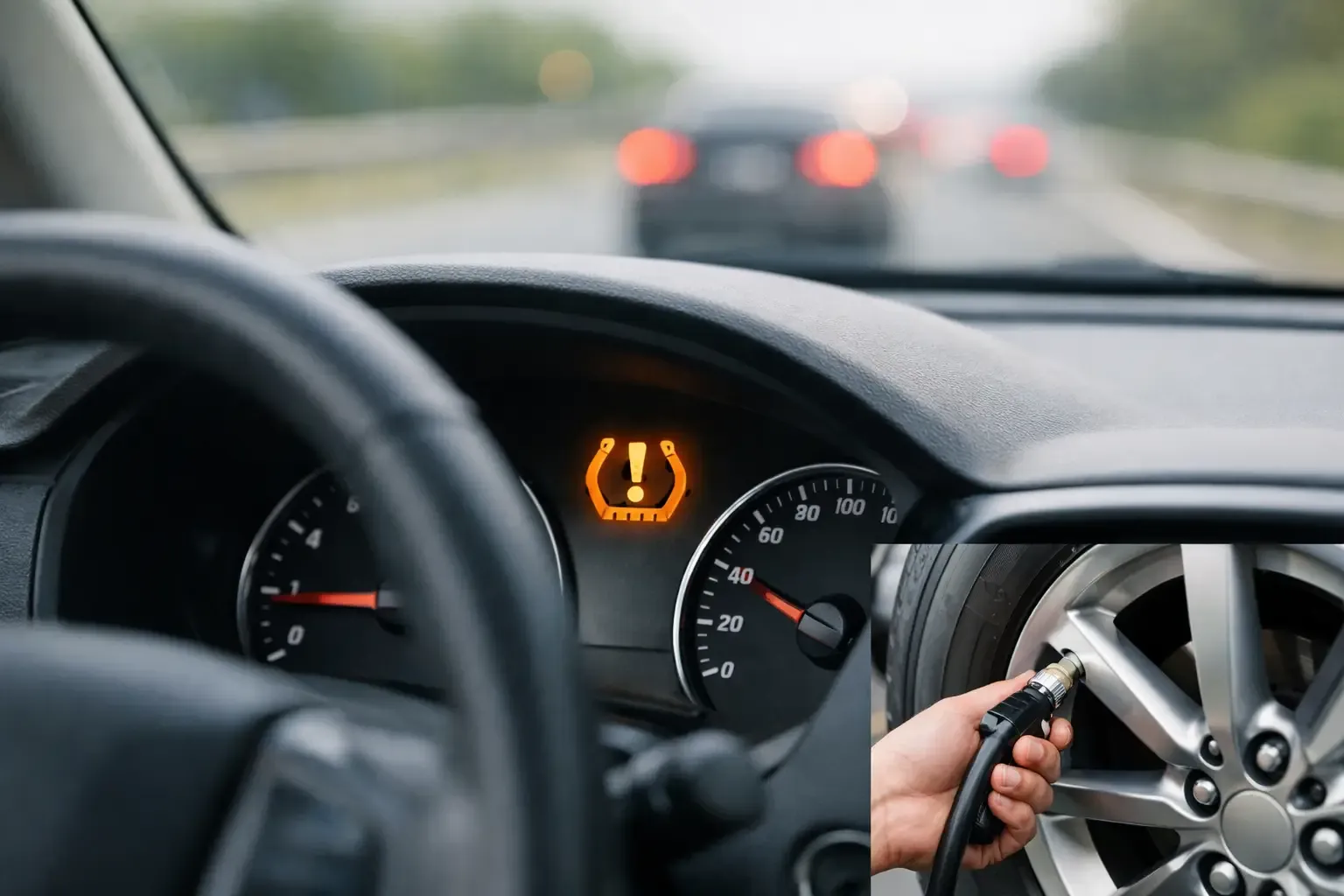
Every tire sold for highway use must meet a minimum federal standard, which corresponds to a C. A and B grades exceed that minimum. The grade assumes the tire is properly inflated and not overloaded. An underinflated tire builds heat quickly no matter what letter is on the sidewall, which is one more reason to check pressure regularly as temperatures drop this time of year.
How to Use UTQG When Buying a New Set
UTQG grades are one tool, not the whole decision. Here is how to put them to work:
- Start with the right size, load index, and speed rating for your vehicle. Those come from the door-jamb placard or owner's manual and should not be downgraded.
- Use treadwear to compare tires within a brand or category. If you drive a lot of highway miles, a higher number can mean fewer replacements over the life of the vehicle.
- Treat a traction grade of A or AA as a good sign for wet braking, but check the snowflake symbol if winter traction is a priority.
- Prefer an A or B temperature grade for vehicles that spend a lot of time at highway speed or carry heavy loads.
- Buy matched tires. Mixing different models with different grades on the same axle, or across all four corners of an AWD vehicle, can create uneven handling and braking.
Real-World Driving Around Central Ohio
Ratings make more sense when you picture your own commute. A driver in Powell putting daily miles on US-23 and I-270 may get the most value from a higher treadwear touring tire with an A traction grade. A family in Lincoln Village running errands on West Broad Street and hopping on I-270 might prioritize wet braking and a quiet ride. A commuter from Huber Ridge who rides I-71 and I-270 every day in rain, slush, and stop-and-go traffic may care most about wet traction and how the tire handles cold mornings.
In every case, the grades help narrow the list, and an experienced tire technician can help you match the final choice to your vehicle and driving.
Getting the Right Set Installed Without the Shop Visit
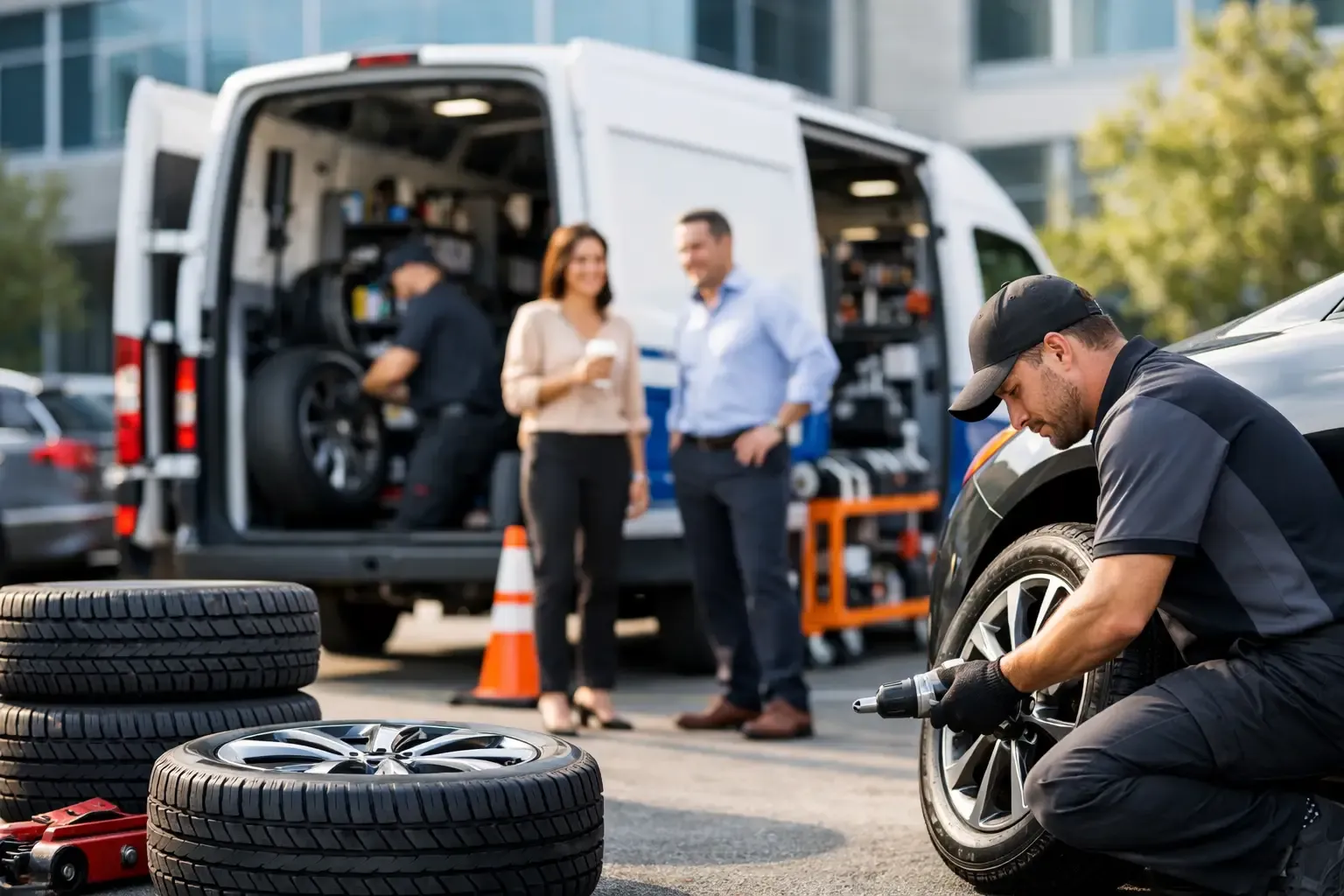
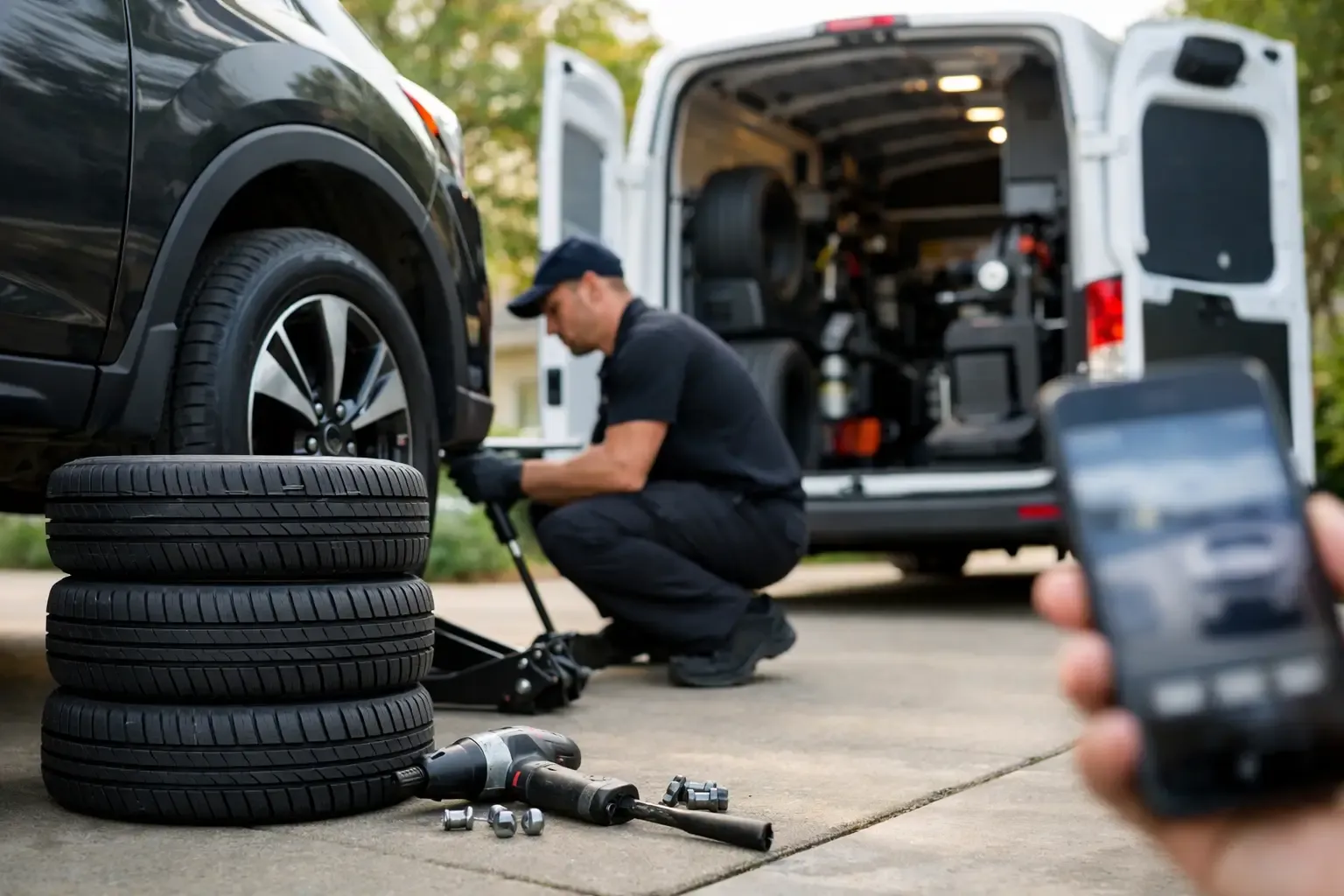
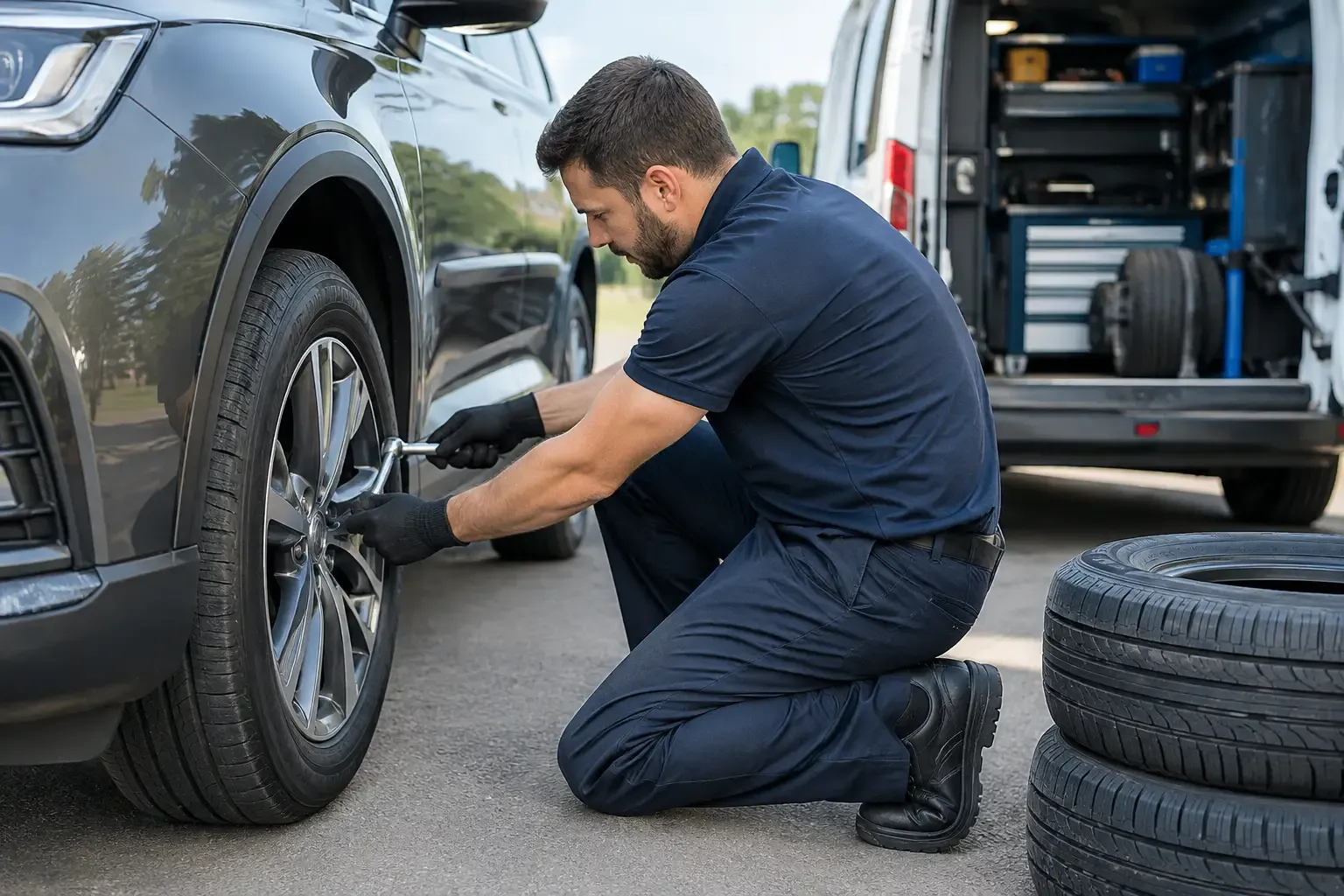
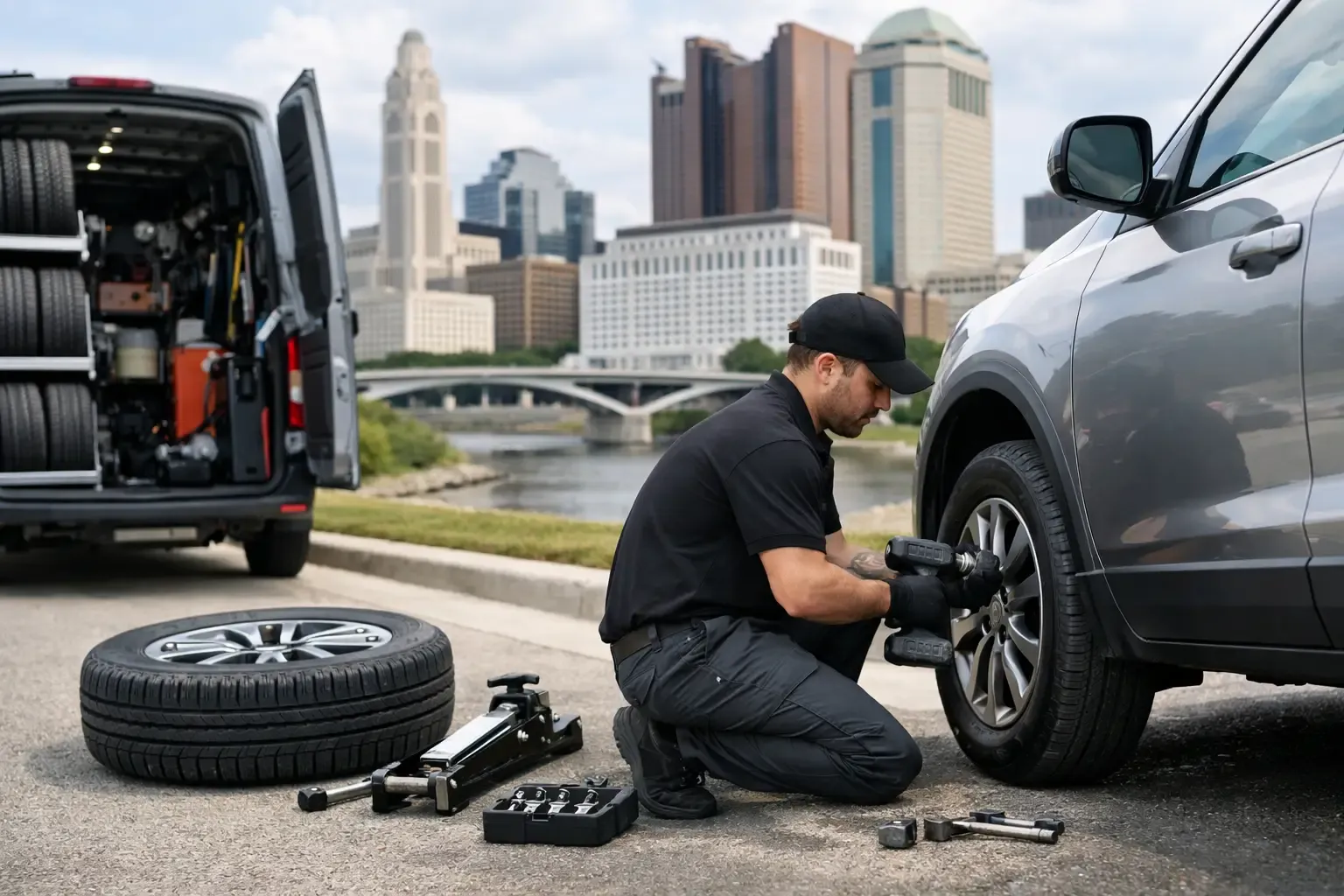
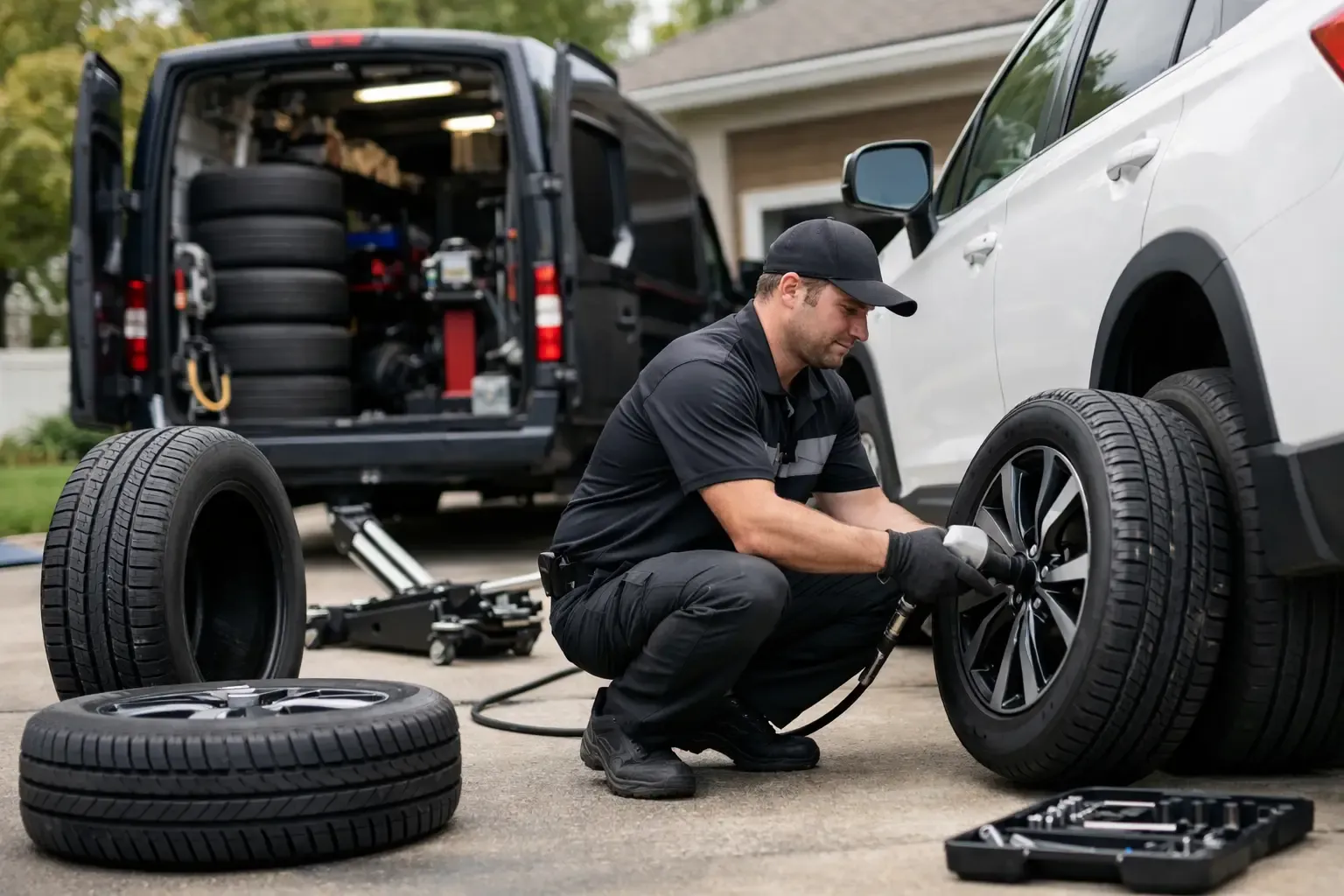
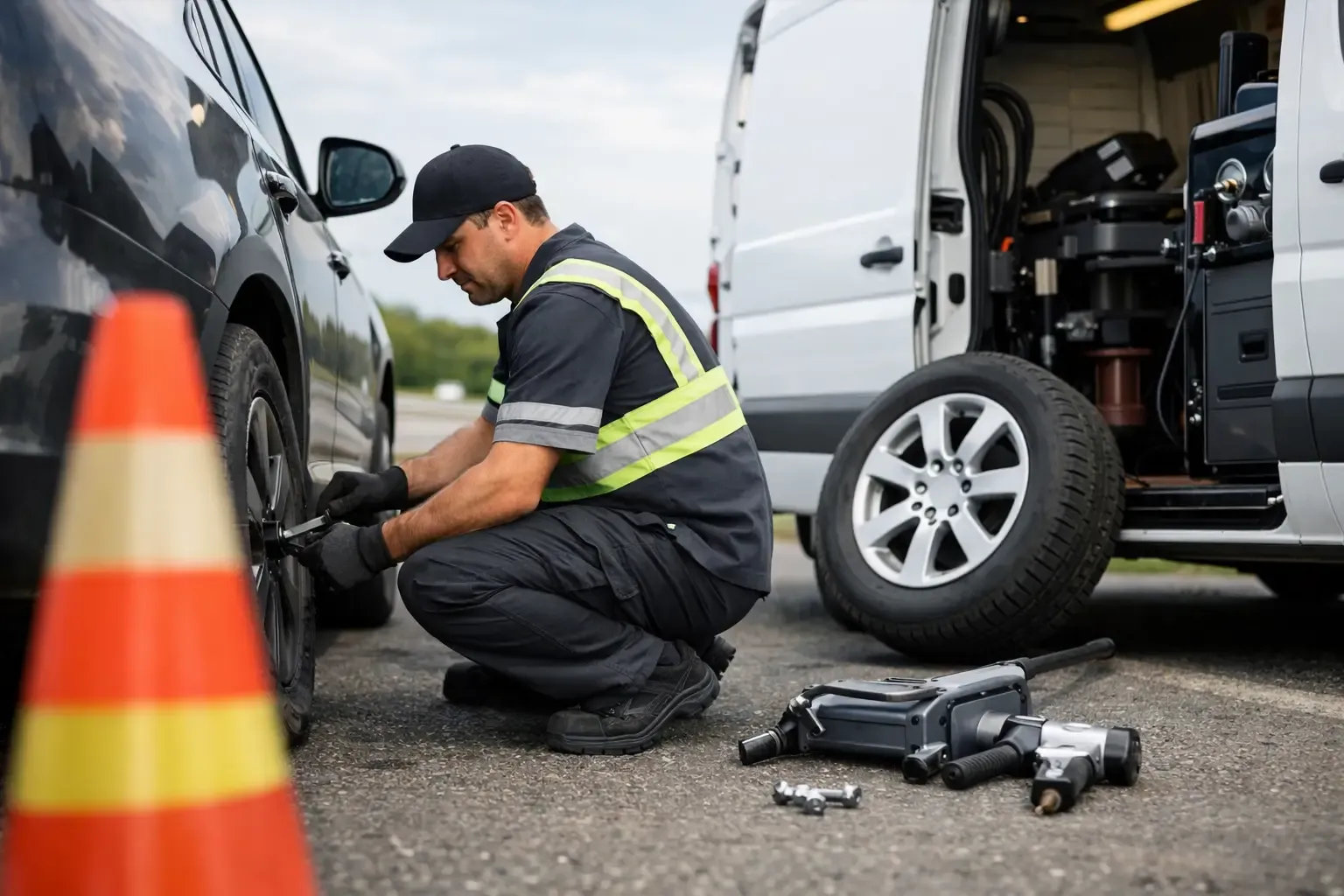
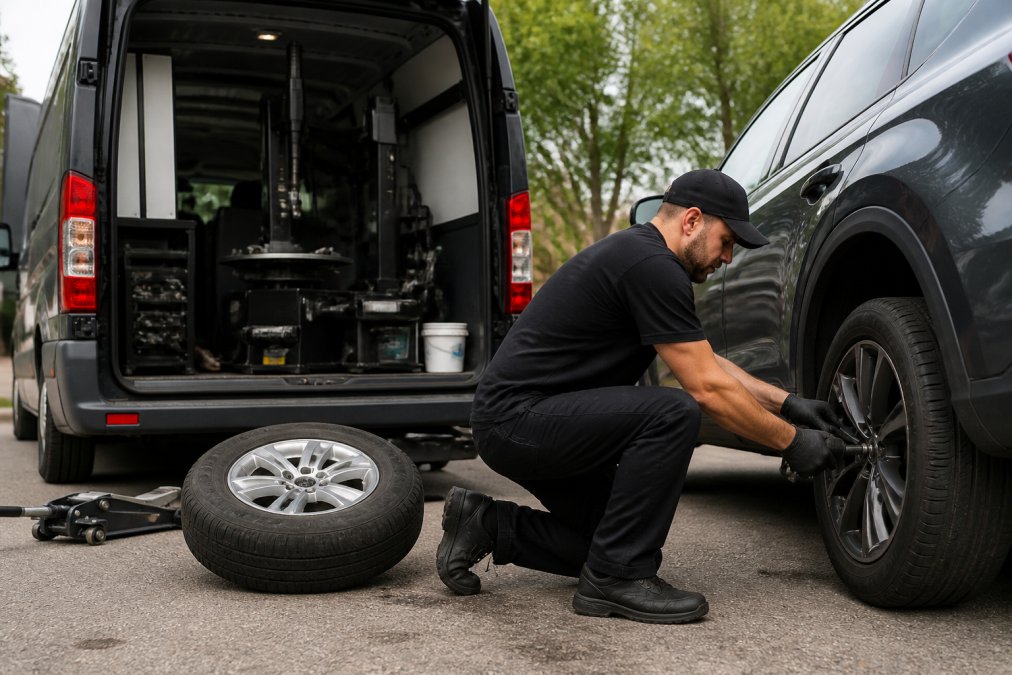
Once you have picked the tires, the last step is getting them on the vehicle. Elite Mobile Tire brings the tires and the equipment to you, mounting, balancing, and installing a matched set of two or four in your driveway, at your workplace, or in a parking lot. We service customers 24/7, including weekends and overnight, so you can schedule around your day instead of around a waiting room. Mobile tire balancing is around $50 per tire if you only need your current set balanced.
For more independent tire safety information, the U.S. Tire Manufacturers Association and NHTSA both publish helpful guides on tire labeling, inflation, and maintenance.
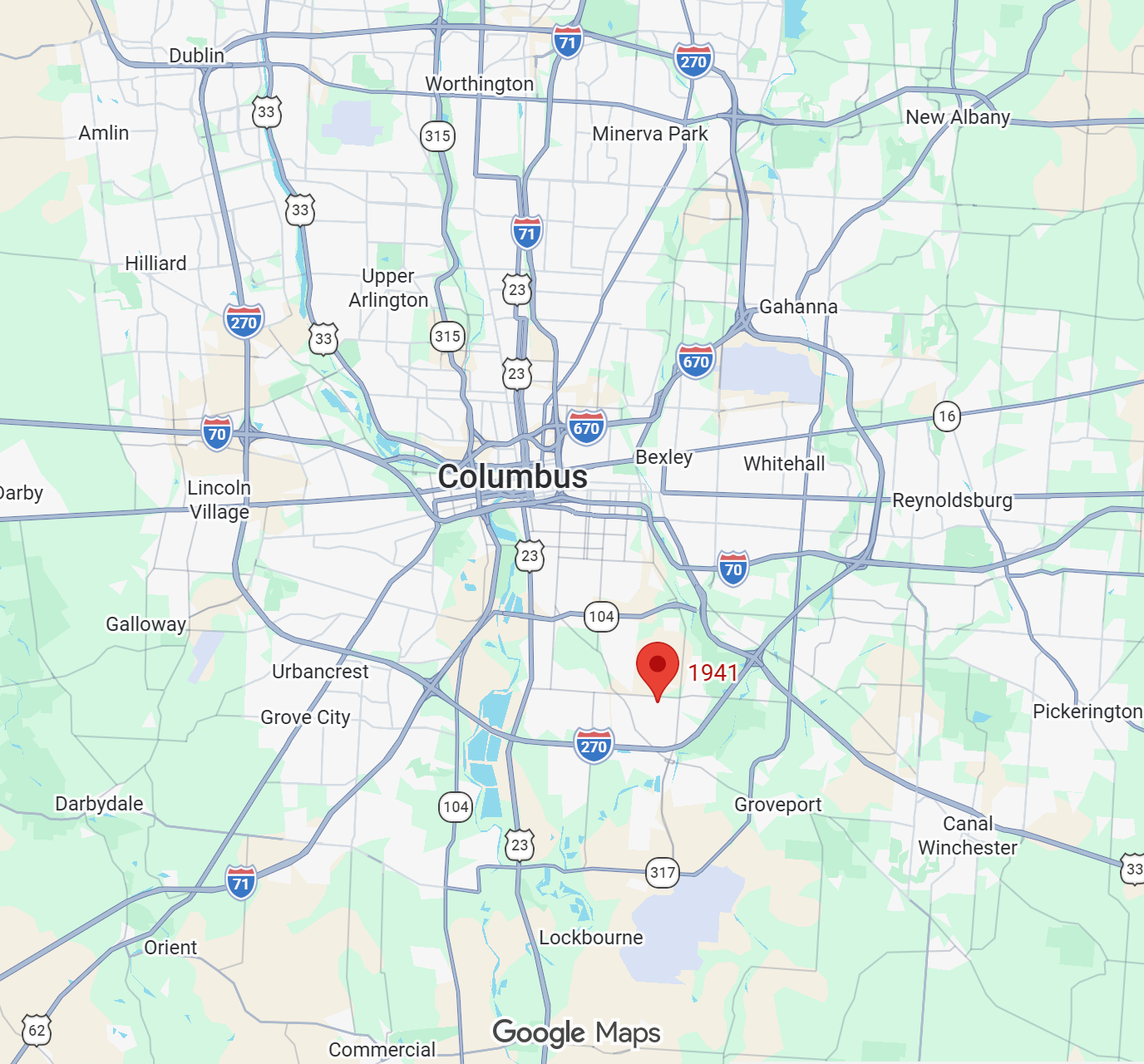
Ready for a new set? Elite Mobile Tire is open 24/7 and installs 2 or 4 new tires right in your driveway or parking lot anywhere around Columbus, Obetz, Groveport, Grove City, and Reynoldsburg. Financing is available through Afterpay and Acima with up to 24-month payment plans. Call 614-344-5010 or visit elitemobiletire.com to book.