
Your tires make the same commute feel very different. One set may soften rough pavement, last through years of errands, and handle a surprise cold snap with confidence. Another may sharpen steering, improve dry-road grip, and make your vehicle feel more responsive the moment you turn the wheel. That is the real choice behind all season versus performance tires.
Neither category is automatically better. The right tire depends on your vehicle, driving habits, local weather, and the trade-offs you are willing to make. For many Columbus-area drivers, the answer is not about buying the most aggressive tire available. It is about choosing a tire that performs reliably on the roads they actually drive.
All Season Versus Performance Tires: The Core Difference
All-season tires are designed to cover the broad middle ground. They are built for everyday driving in dry and wet conditions, moderate cold, and occasional light snow. Their tread patterns and rubber compounds prioritize versatility, predictable handling, ride comfort, and longer tread life.
Performance tires are designed with handling and grip as the priority. They typically use a softer rubber compound and a tread pattern with more contact area on the road. This helps a vehicle corner with greater precision, brake more confidently on dry pavement, and respond faster to steering input.
The trade-off is straightforward: all-season tires generally ask less of the driver and the budget over time, while performance tires can ask more attention to temperature, road conditions, and replacement intervals. A tire that feels excellent on a warm, dry highway may not be the best fit for a January morning when temperatures are near freezing.
When All-Season Tires Make the Most Sense
For most commuters, families, and drivers who use one vehicle for nearly everything, all-season tires are the practical choice. They offer stable everyday performance without requiring a seasonal tire change for typical Central Ohio conditions.
A quality all-season tire is especially well suited to drivers who value a quieter ride, steady wet-road traction, and strong tread life. If your vehicle handles school drop-offs, office commutes, grocery runs, road trips, and weekend plans, this balanced approach is often hard to beat.
All-season tires also work well when comfort matters. Their construction is commonly tuned to absorb more road vibration than a lower-profile performance tire. That can make a noticeable difference on patched pavement, expansion joints, and the uneven surfaces that show up after winter.
There is one important limitation. “All season” does not mean “all weather.” Standard all-season tires can manage light snow, but they are not built to provide the same traction as winter tires on packed snow, ice, or very cold pavement. Drivers who regularly travel before roads are cleared, live on hilly routes, or need maximum winter confidence should consider a winter-rated option.
Look for the right all-season category
Not all all-season tires are alike. Touring all-season tires often focus on ride quality and mileage. Performance all-season tires add quicker steering response and stronger dry and wet grip while keeping broader temperature capability than dedicated summer performance tires. All-weather tires are another category worth considering for drivers who need more snow traction without switching tires twice a year.
The best choice comes down to how your vehicle is used, not just the wording on the sidewall.
When Performance Tires Are Worth It
Performance tires make sense when you want your vehicle to feel more connected to the road. They are common on sports sedans, coupes, high-performance SUVs, and vehicles that came from the factory with larger wheels and lower-profile tires.
On warm, dry pavement, a dedicated performance tire can deliver shorter braking distances, stronger cornering grip, and more immediate steering response. For an engaged driver, those differences are easy to feel. The vehicle may track more precisely through highway curves and stay more composed during firm braking or quick lane changes.
Performance tires can also be the right replacement when the vehicle manufacturer designed the suspension, braking system, and handling characteristics around them. Replacing original performance tires with a more basic tire category may change how the vehicle responds. It can reduce steering feel and may not deliver the level of traction the vehicle was engineered to use.
But performance does not mean invincible. These tires often wear sooner because their rubber compounds are designed for grip. They can be noisier, less forgiving over potholes, and more vulnerable to damage when paired with very low-profile sidewalls. They also tend to lose effectiveness as temperatures drop.
Summer performance tires need warm pavement
Many dedicated performance tires are summer tires. Despite the name, they are not only for track driving. They are made for warm-weather street performance, but their rubber can become less flexible in cold conditions. That affects traction and can make the tire unsuitable for winter driving.
If temperatures are consistently near 45 degrees or lower, a summer performance tire is usually not the right choice for daily use. Columbus weather can shift quickly in late fall and early spring, which is why many local drivers choose performance all-season tires instead. They provide a meaningful handling upgrade while giving up less cold-weather flexibility.
Compare the Factors That Matter on Your Drive
Tire decisions become easier when you compare the qualities you will notice every week.
Dry handling: Performance tires usually win. Their design supports firmer cornering and quicker steering response. All-season tires remain safe and predictable, but they generally feel less sharp.
Wet-road confidence: Both categories can perform well in rain when the tire is properly maintained. A quality all-season tire is often an excellent wet-weather choice for daily driving. Performance tires may offer impressive wet grip when new, but worn tread can reduce their ability to channel water effectively.
Cold and light snow: All-season tires have the advantage over summer performance tires. If snow and ice are a frequent concern, consider winter tires or an all-weather tire with the Three-Peak Mountain Snowflake rating.
Ride comfort and noise: All-season tires commonly provide a quieter, smoother experience. Performance tires may transmit more road feel into the cabin, particularly when mounted on larger wheels.
Tread life: All-season tires typically last longer. Tire life still depends on alignment, inflation pressure, rotations, vehicle weight, and driving style, but a grip-focused tire usually wears faster than a touring-focused option.
Cost of ownership: The purchase price matters, but it is not the only cost. A tire that wears more quickly or is more easily damaged by road hazards may cost more over the life of the vehicle. Choose the tire that matches your use rather than paying for capability you will rarely use.
Do Not Ignore Size, Load Rating, and Speed Rating
The right category is only part of the decision. Your replacement tires must also meet the vehicle’s required tire size, load capacity, and speed rating. Those specifications affect safety, handling, braking, and how the tire supports the vehicle.
It can be tempting to change sizes for appearance or to pursue a sportier feel. However, moving to a lower-profile tire can reduce sidewall protection and ride comfort. On roads with potholes and sharp impacts, that can increase the risk of wheel or tire damage.
A professional tire recommendation should account for the vehicle manufacturer’s requirements and how you drive. A commuter SUV, a luxury sedan, and a performance coupe may all need very different answers, even if they travel the same roads.
Get the Most From Either Tire Choice
The best tire cannot perform properly if it is underinflated, unevenly worn, or out of balance. Check tire pressure at least monthly and before long trips, using the pressure listed on the driver-side door placard rather than the maximum number printed on the tire sidewall.
Regular rotations help tires wear more evenly, especially on front-wheel-drive vehicles where the front tires often carry more braking and steering work. If your vehicle pulls to one side, the steering wheel sits off-center, or the tread is wearing unevenly, an alignment inspection is a smart next step.
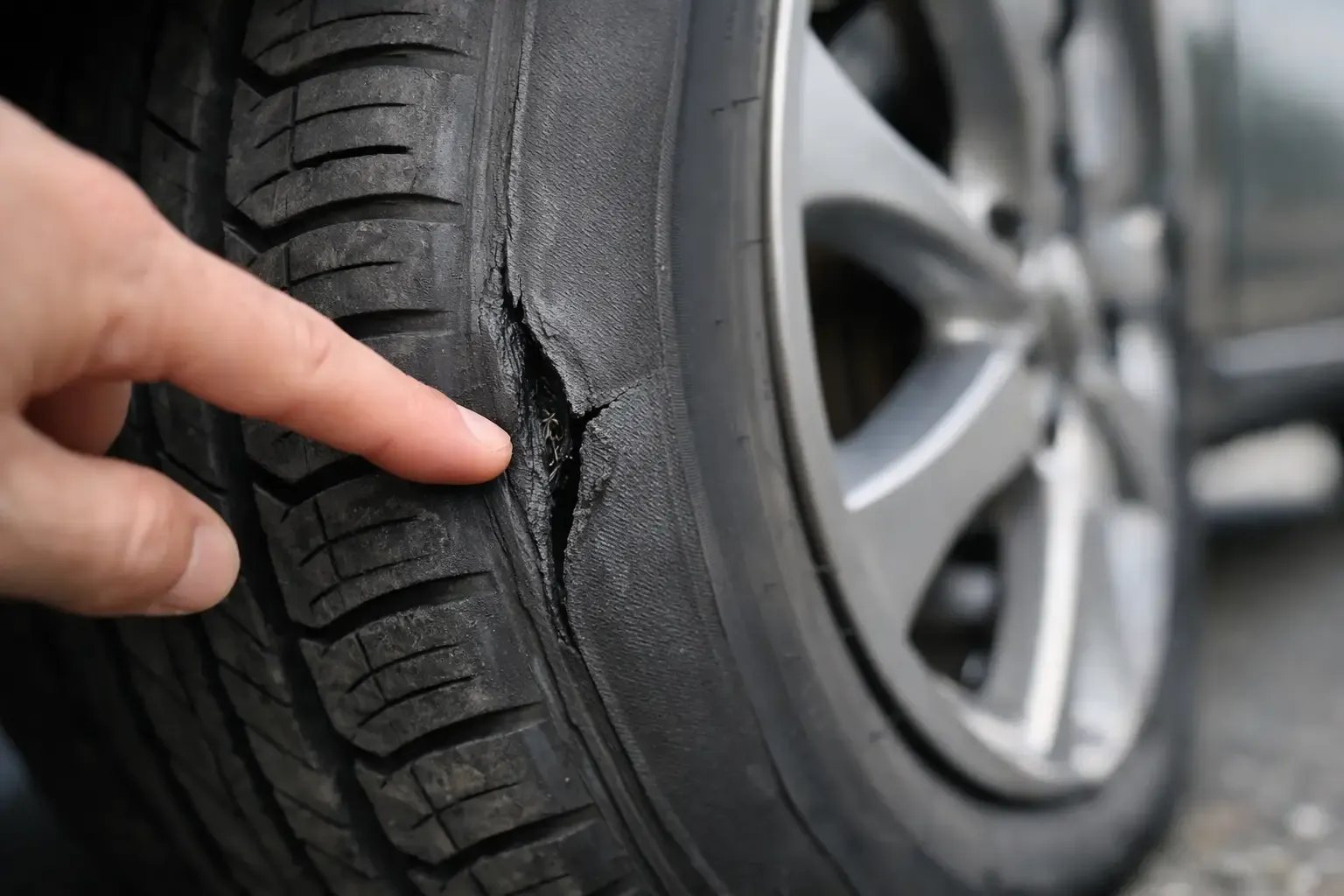
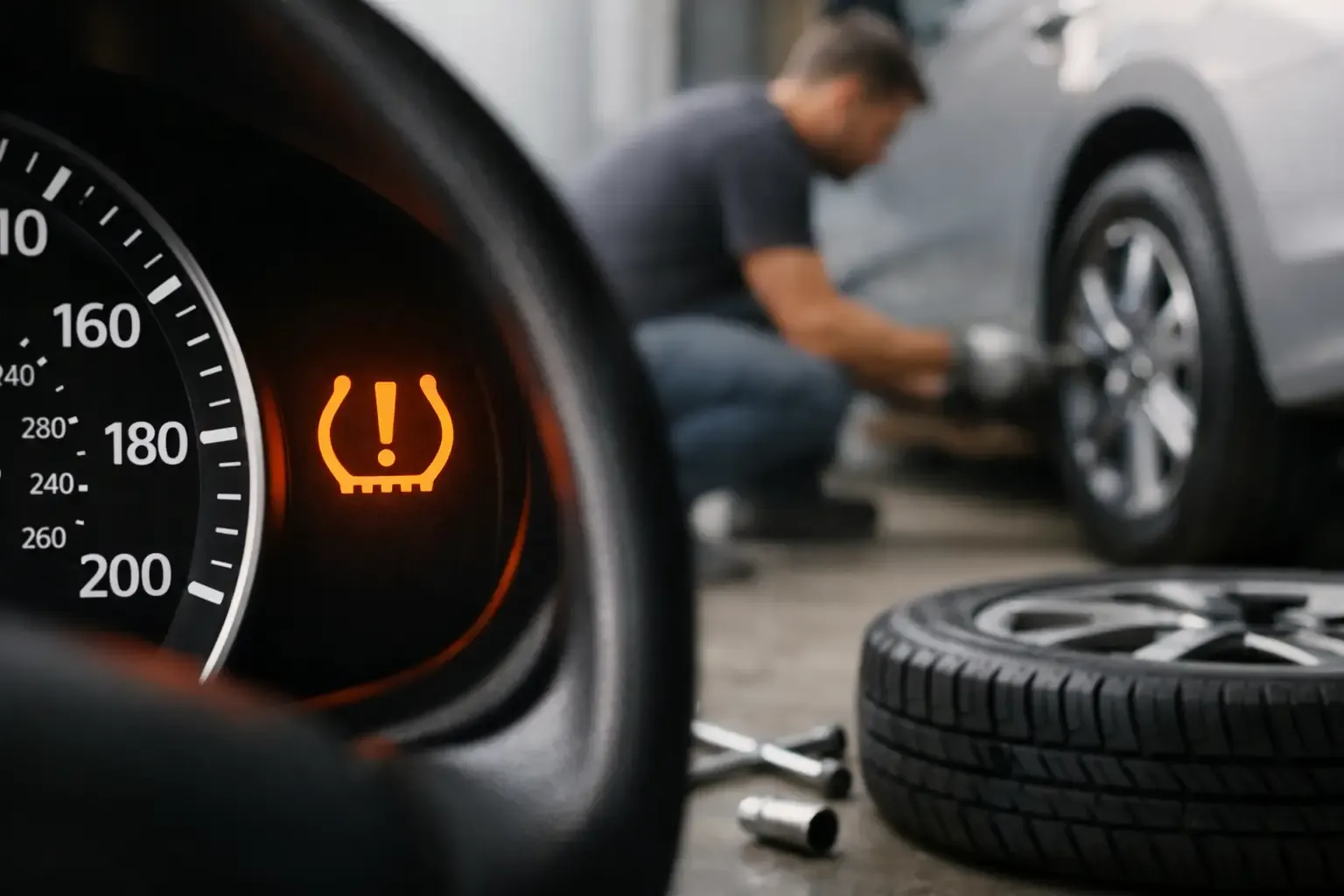
Also pay attention to tread depth. As tread wears down, wet and snow traction decline long before a tire looks completely worn out. A qualified technician can inspect the tread, sidewalls, valve stems, and tire pressure monitoring system during service so small issues do not become a roadside problem.
Choose for the Roads You Drive Most
If you want dependable year-round driving, comfort, and long tread life, all-season tires are likely the better fit. If your priority is precise handling and maximum warm-weather grip, performance tires may be worth the trade-offs. For drivers who want something in between, performance all-season tires often offer the most balanced answer.
The right tire should make your daily driving easier, not give you another thing to worry about. When it is time to replace your tires, choose the option that fits your vehicle and your real routine, then have them installed and inspected by professionals who can get you safely back on the road.
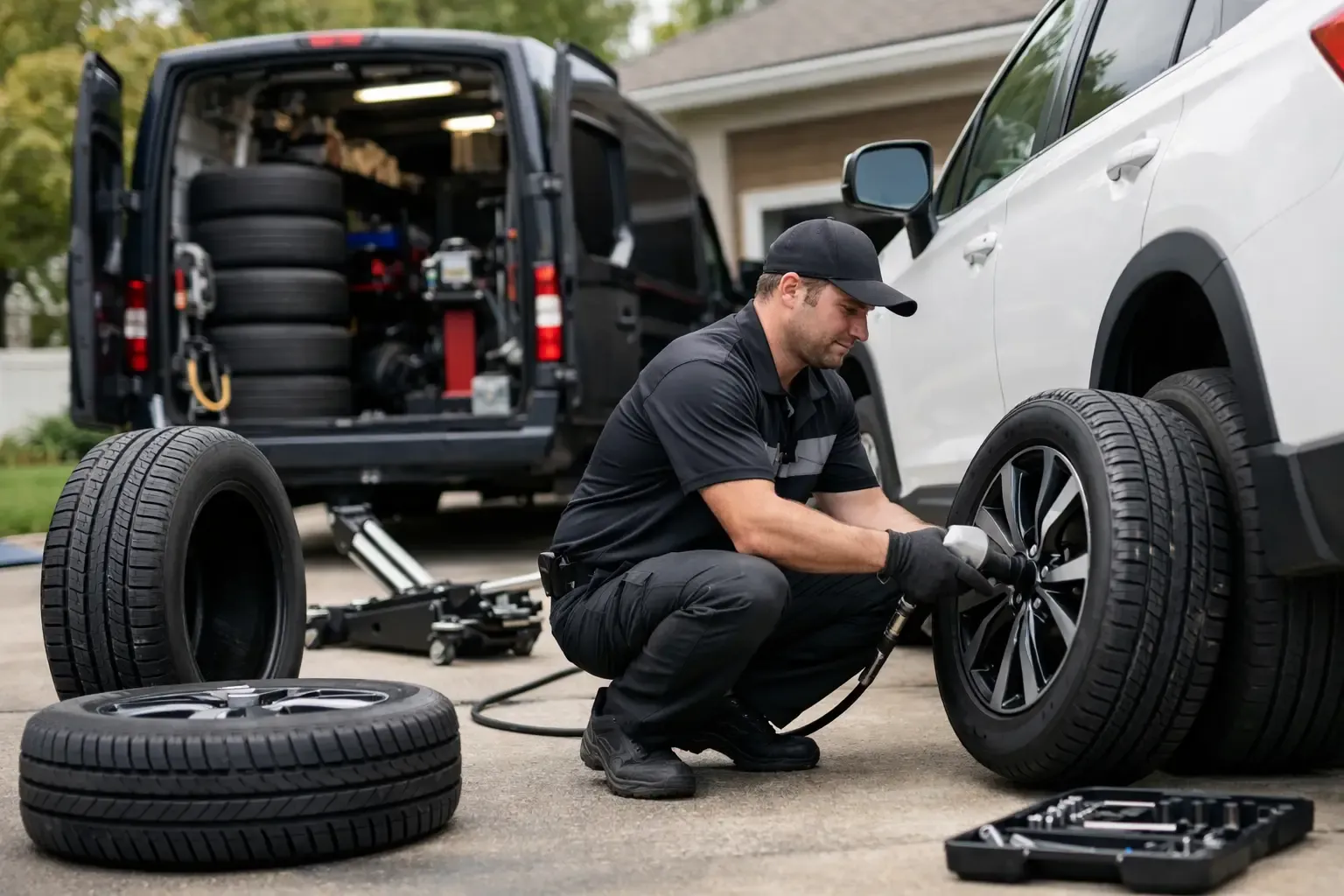
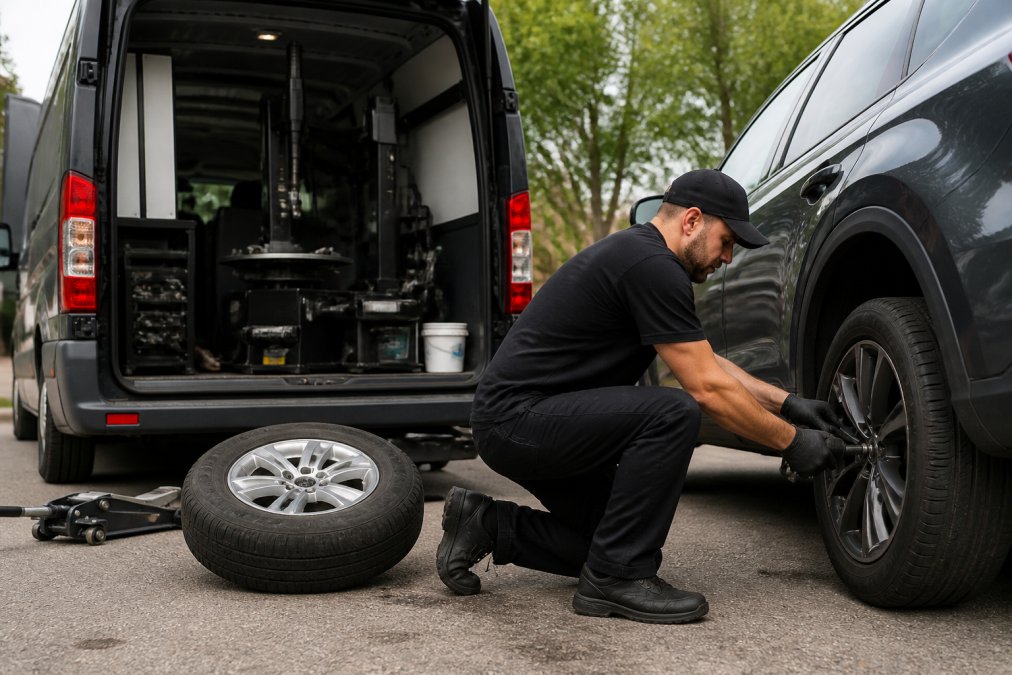
Ready for a new set? Elite Mobile Tire is open 24/7 and installs 2 or 4 new tires right in your driveway or parking lot anywhere around Columbus, Obetz, Groveport, Grove City, and Reynoldsburg. Financing is available through Afterpay and Acima with up to 24-month payment plans. Call 614-344-5010 or visit elitemobiletire.com to book.