A sidewall problem can turn a normal drive across Columbus into an immediate safety issue. Knowing how to know tire sidewall damage is serious helps you make the right call before a weak tire loses air, blows out, or leaves you stranded. The key is understanding the difference between a cosmetic scrape and damage that has weakened the tire's structure.
Why tire sidewall damage deserves attention
The sidewall is the flexible area between the tread and the wheel rim. It absorbs road impacts, supports the vehicle's weight, and flexes continuously as the tire rolls. Unlike the tread area, it does not have a thick, reinforced layer designed to handle punctures and repairs.
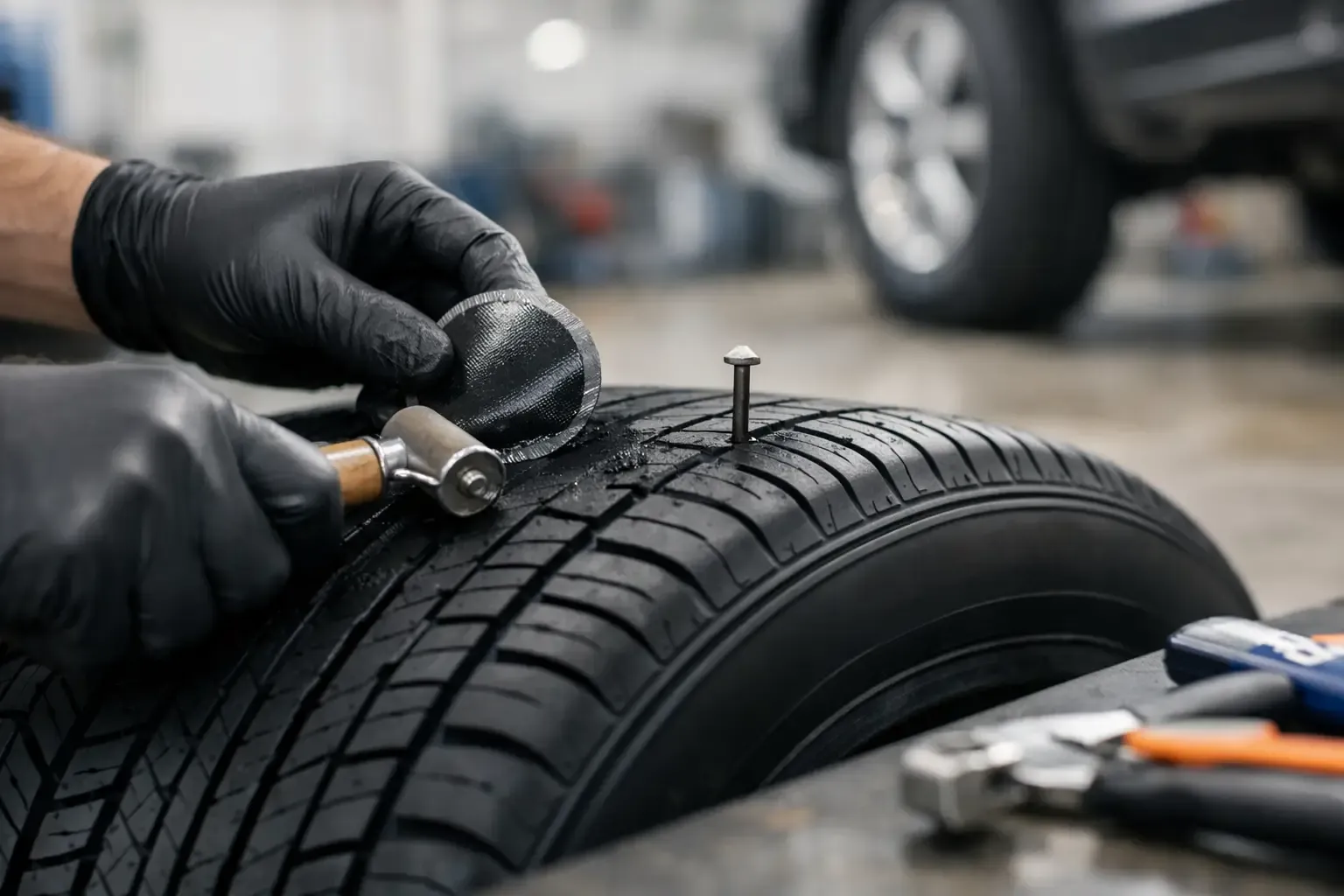
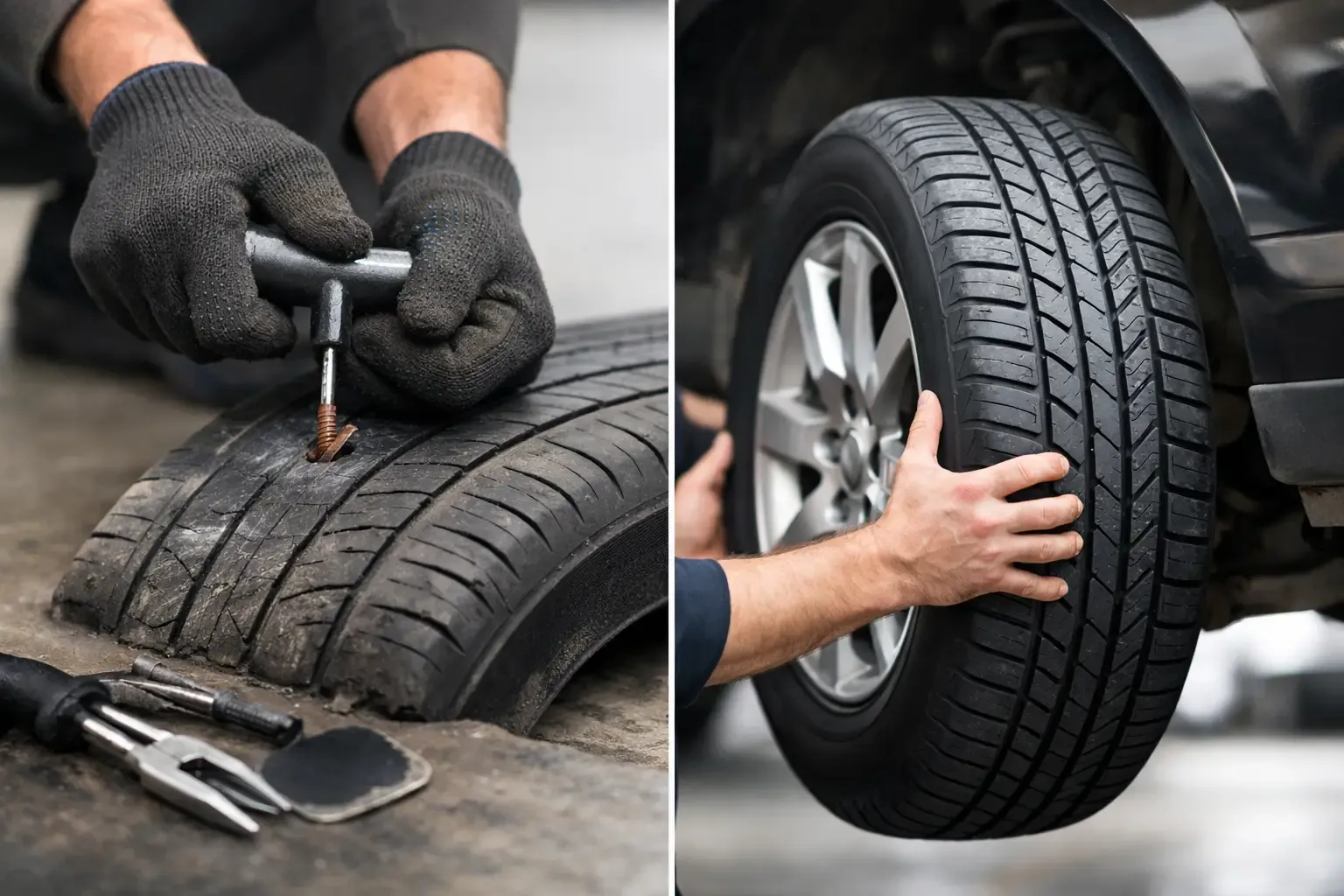
That is why a tire with sidewall damage is often not repairable. A plug or patch may work for a qualifying puncture in the center of the tread, but it cannot restore the strength of damaged sidewall cords. If the tire's internal structure has been compromised, replacement is the safe solution.
Curbs, potholes, road debris, underinflation, and driving on a flat tire are common causes. In Central Ohio, potholes after winter weather can create impact damage that may not be obvious until you inspect the tire closely.
How to know tire sidewall damage needs replacement
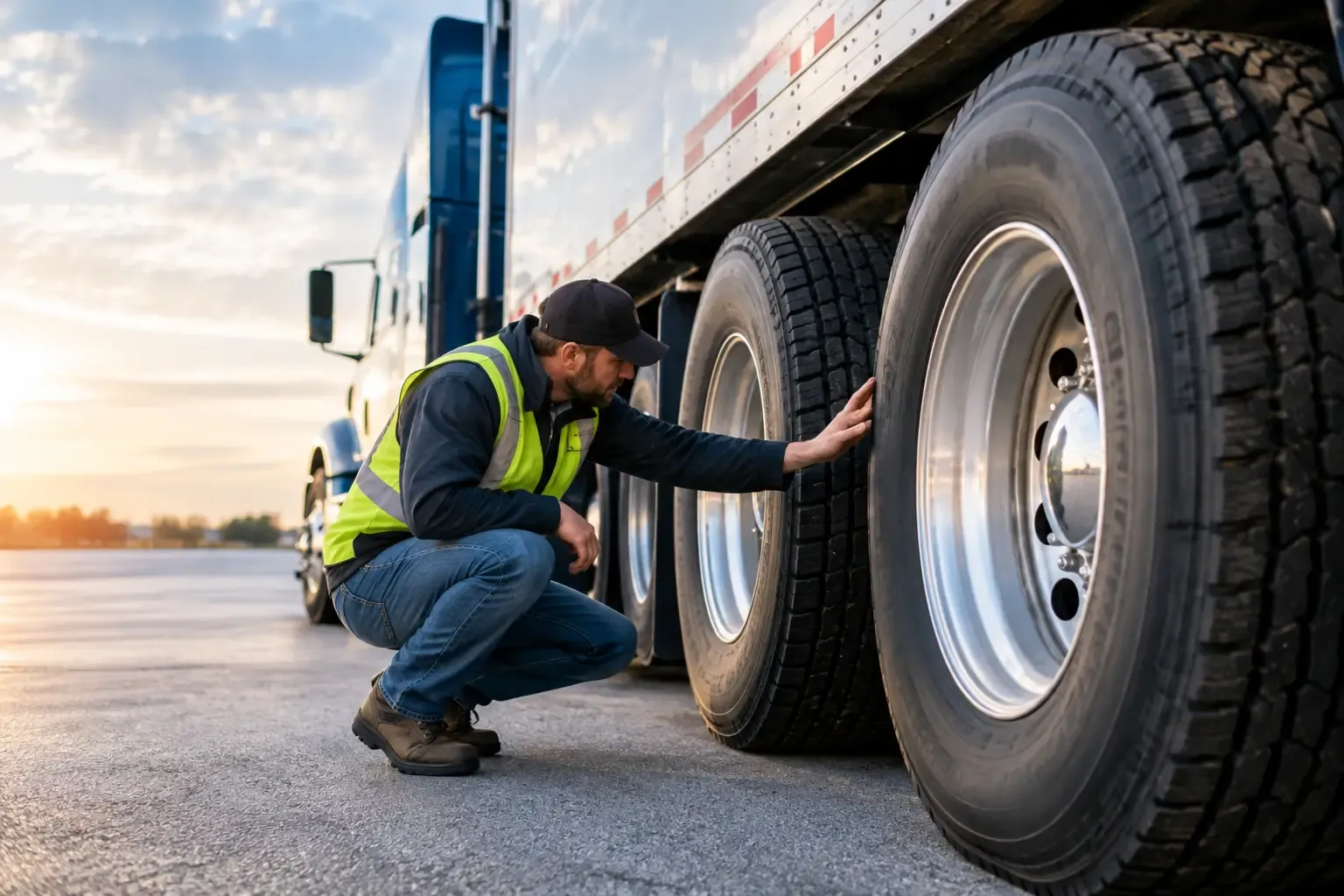
Some marks are minor, while others mean you should stop driving as soon as it is safe to do so. Look at the outer and inner sidewall if you can access both safely. Good lighting helps, and it is worth turning the steering wheel to inspect the front tires more completely.
A bulge or bubble means stop driving
A raised bubble, lump, or egg-shaped bulge on the sidewall is one of the clearest signs of serious internal damage. It usually means the tire's internal cords have broken after an impact. The rubber may still look mostly intact, but the tire is no longer able to support pressure and vehicle weight as designed.
Do not try to drive slowly to see if it holds up. A sidewall bulge can fail without much warning, especially at highway speed or when the tire heats up. Install the spare if you have one and know it is safe to use, or arrange professional help where the vehicle is parked.
Deep cuts, tears, or missing rubber are unsafe
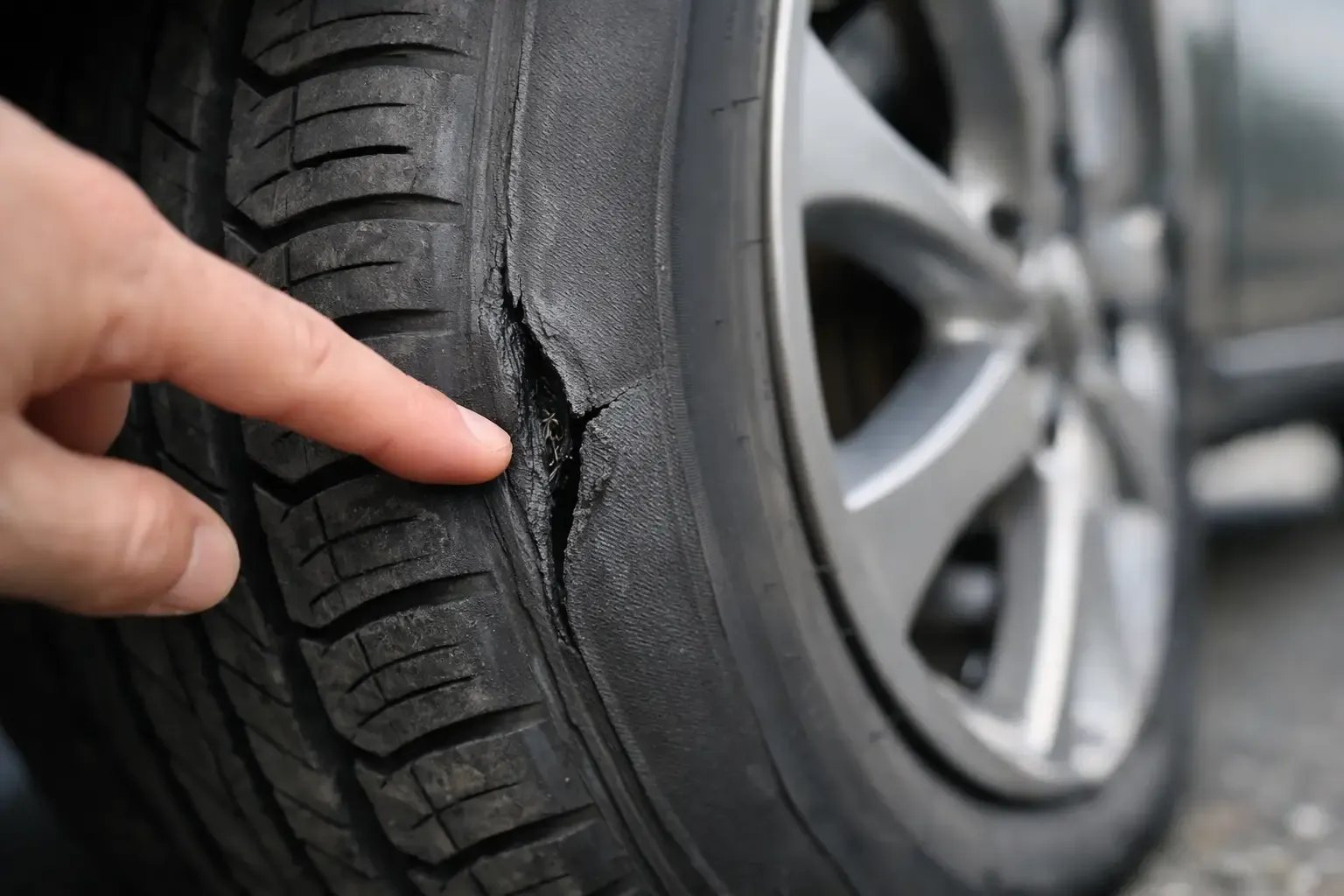
A shallow scuff from brushing a curb may only affect the outer rubber. A deep cut is different. If you can see fabric, steel cords, or layers beneath the rubber, the tire needs to be replaced. The same applies if a chunk of sidewall rubber is missing or a tear is opening up.
You do not need to see cords for a cut to be concerning. If the cut is deep, long, or has a distinct split in it, avoid driving on the tire until it has been inspected. Sidewalls flex with every rotation, so a damaged area can worsen quickly.
Cracks can signal age, weathering, or pressure problems
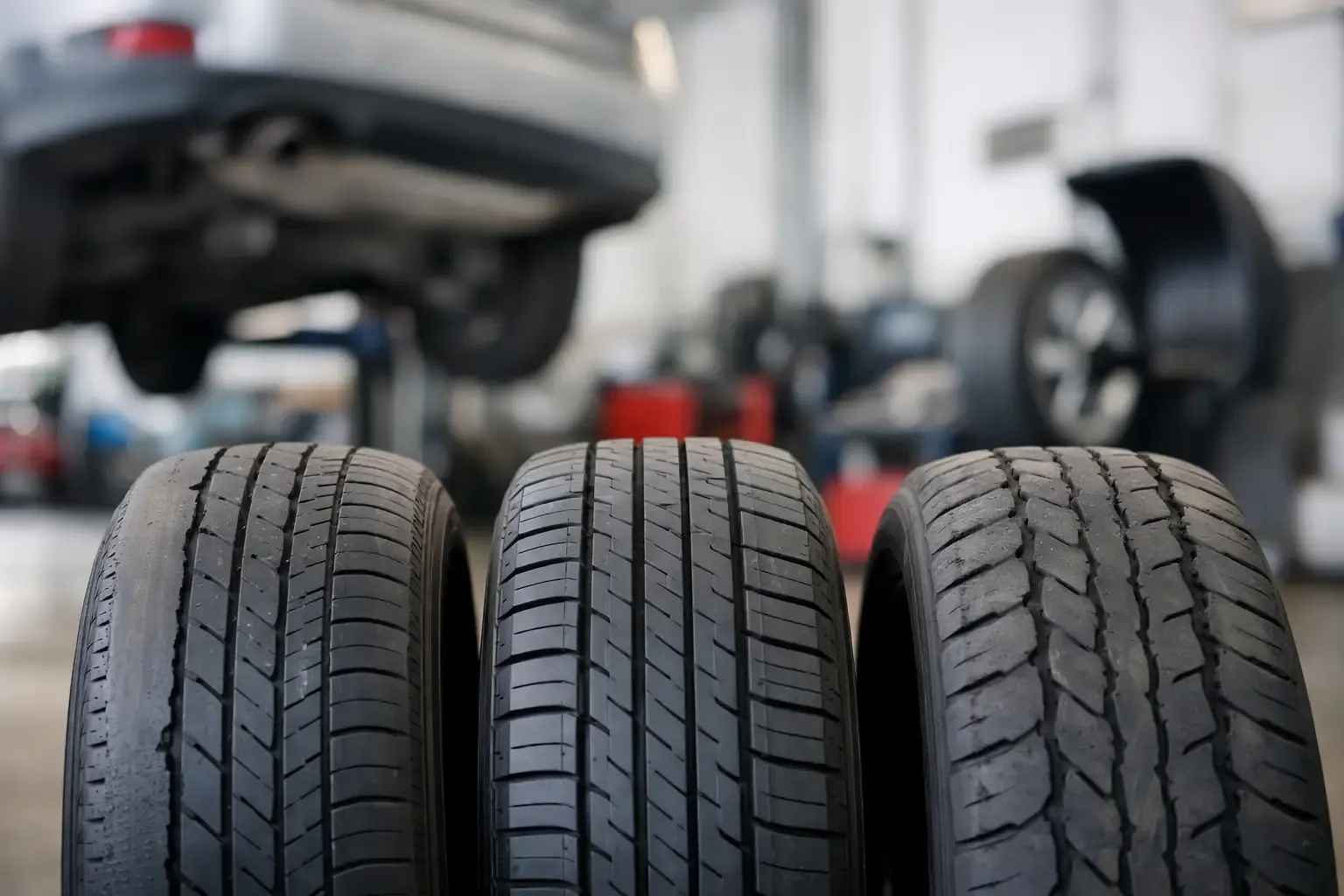
Fine surface cracks may develop as tires age or spend long periods exposed to sunlight and temperature swings. Small, shallow cracks do not always mean immediate failure, but they should not be ignored. Cracking around the sidewall, near the rim, or between raised lettering can indicate rubber deterioration.
Replace the tire promptly if cracks are deep, widespread, or accompanied by air loss, a bulge, or visible internal material. If a tire is older or has been stored for a long time, a professional inspection is the sensible next step even when the tread still looks usable.
A tire driven while flat may have hidden sidewall damage
Driving even a short distance on a low or flat tire can pinch and grind the sidewall between the wheel and the road. You may not see a dramatic cut afterward, but the internal structure can be damaged from the inside.
Warning signs include a ring of scuffing around the sidewall, rubber dust inside the tire, wrinkling, or a soft spot. If you drove on a flat, tell the technician. That detail changes how the tire should be evaluated and may rule out a repair.
What cosmetic sidewall marks usually look like
Not every sidewall mark requires a new tire. A curb rash may leave a light scrape, discoloration, or a thin layer of rubber rubbed away. If the surface is smooth, there is no cut, crack, bulge, air leak, or exposed cord, it may be cosmetic.
Still, use caution before deciding it is harmless. Clean the area with water and inspect it closely. If the scrape looks deeper than the surface, catches your fingernail, or you are unsure how hard the impact was, have it checked. A quick inspection is far easier than dealing with a failure on the way to work or while transporting your family.
A safe way to inspect a tire at home
Park on level ground, shift into park, set the parking brake, and avoid placing any part of your body under the vehicle. Start by looking for obvious bulges, splits, cuts, and cracking on the visible sidewall. Check the opposite side of each tire as well, since impact damage is not always on the outward-facing surface.
Next, check tire pressure with a reliable gauge when the tires are cold. A tire that repeatedly loses pressure may have a puncture, valve issue, wheel problem, or damage near the bead where the tire seals to the rim. Do not rely on a visual check alone. Modern tires can be significantly underinflated without looking flat.
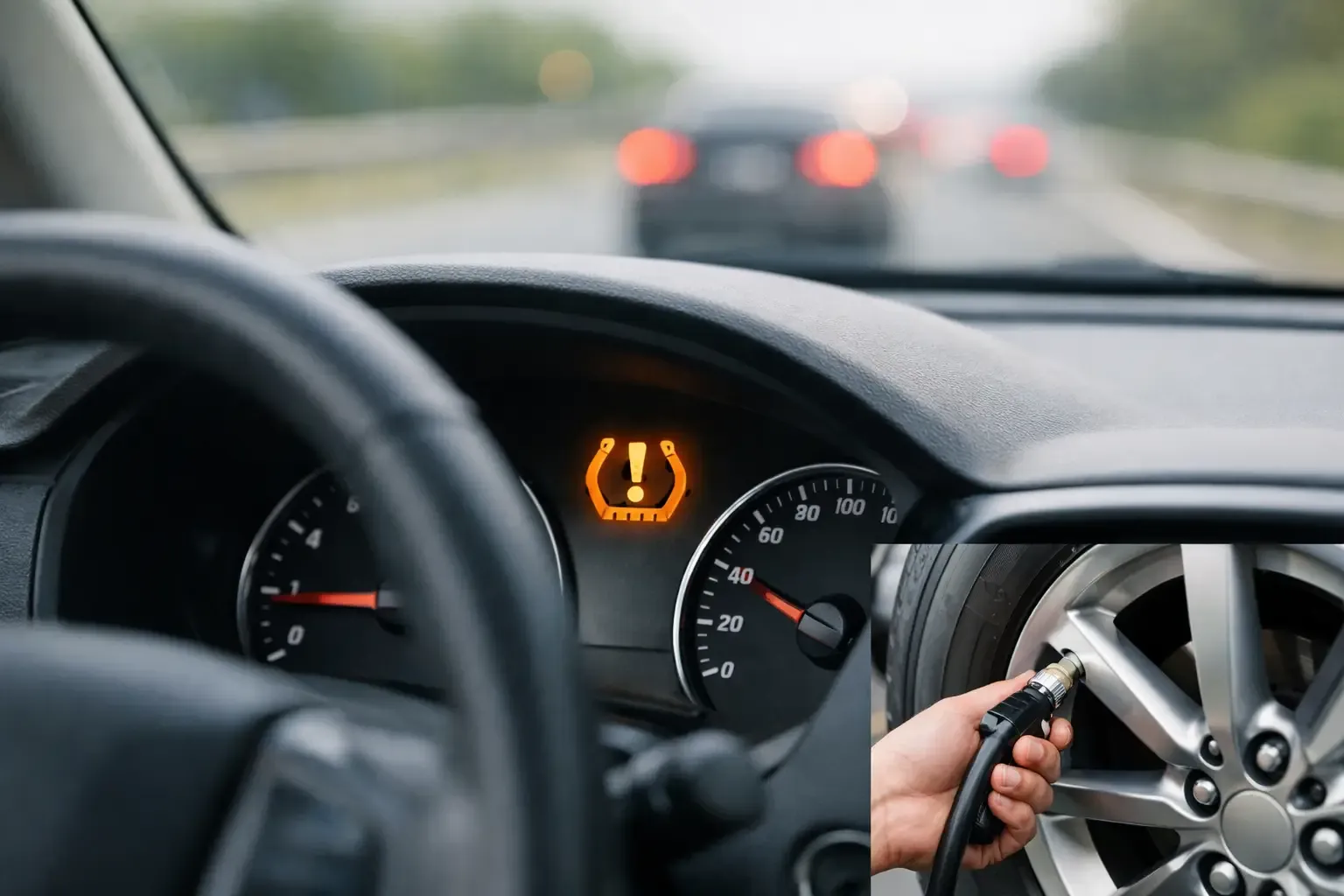
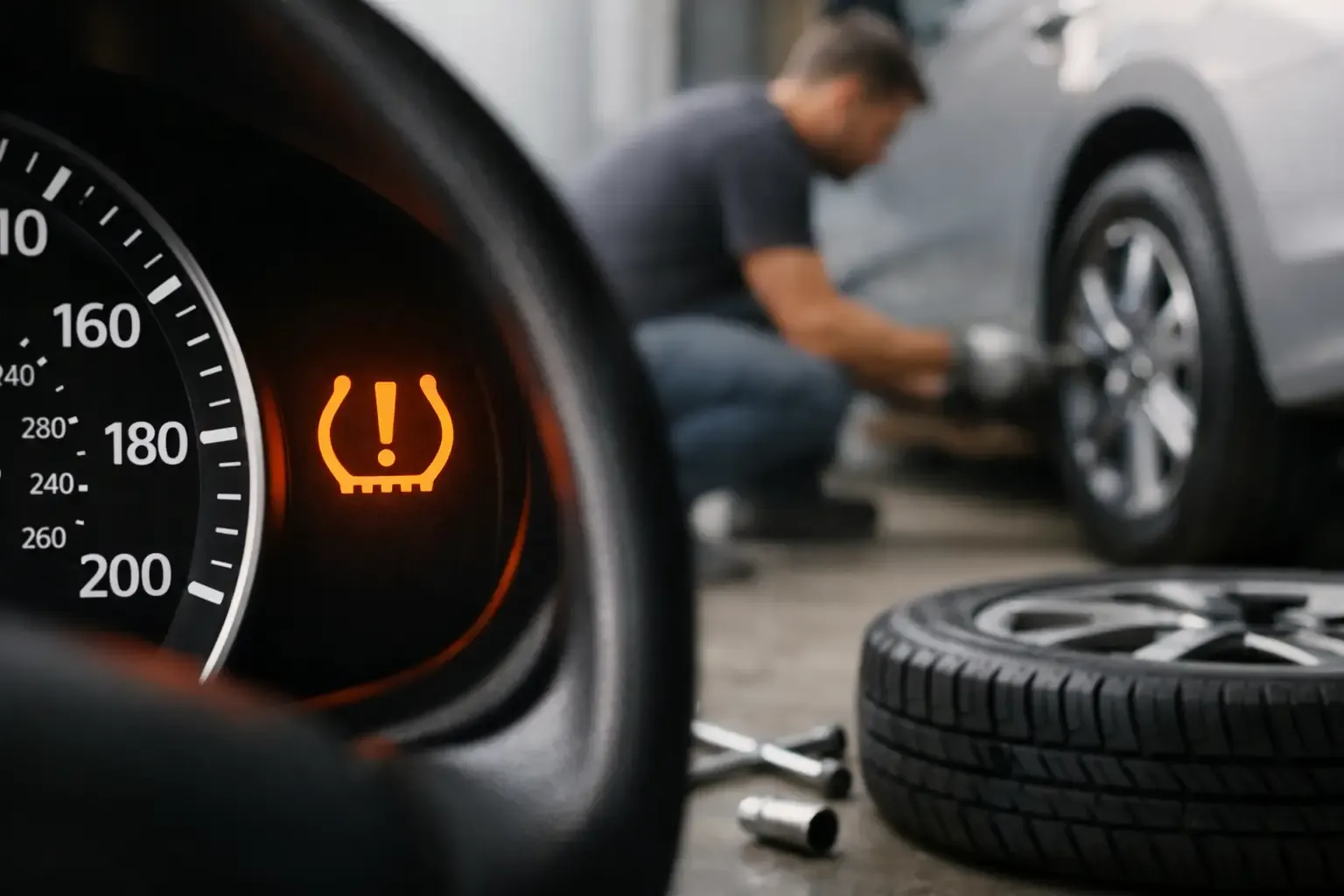
Pay attention to changes while driving, too. A new vibration, pull to one side, thumping sound, or tire pressure warning light deserves attention. Those symptoms do not prove sidewall damage, but they are good reasons to stop and inspect the tires.
When you can drive and when you should not
Do not drive on a tire with a bulge, visible cords, a deep cut, a major split, or sidewall damage after being driven flat. These conditions can lead to a sudden loss of air and require replacement.
If the damage appears limited to a light surface scuff and the tire holds proper pressure, driving a short distance for an inspection may be reasonable. It depends on the depth of the mark, the condition of the tire, and whether the impact caused other issues such as a bent wheel or suspension damage. When there is doubt, treat the tire as unsafe until a qualified technician evaluates it.
Avoid adding sealant or attempting a do-it-yourself sidewall repair. Tire sealant does not fix broken structural cords, and sidewall patches or plugs are not a safe long-term repair. They can also make a later inspection more difficult.
What to do if you find sidewall damage
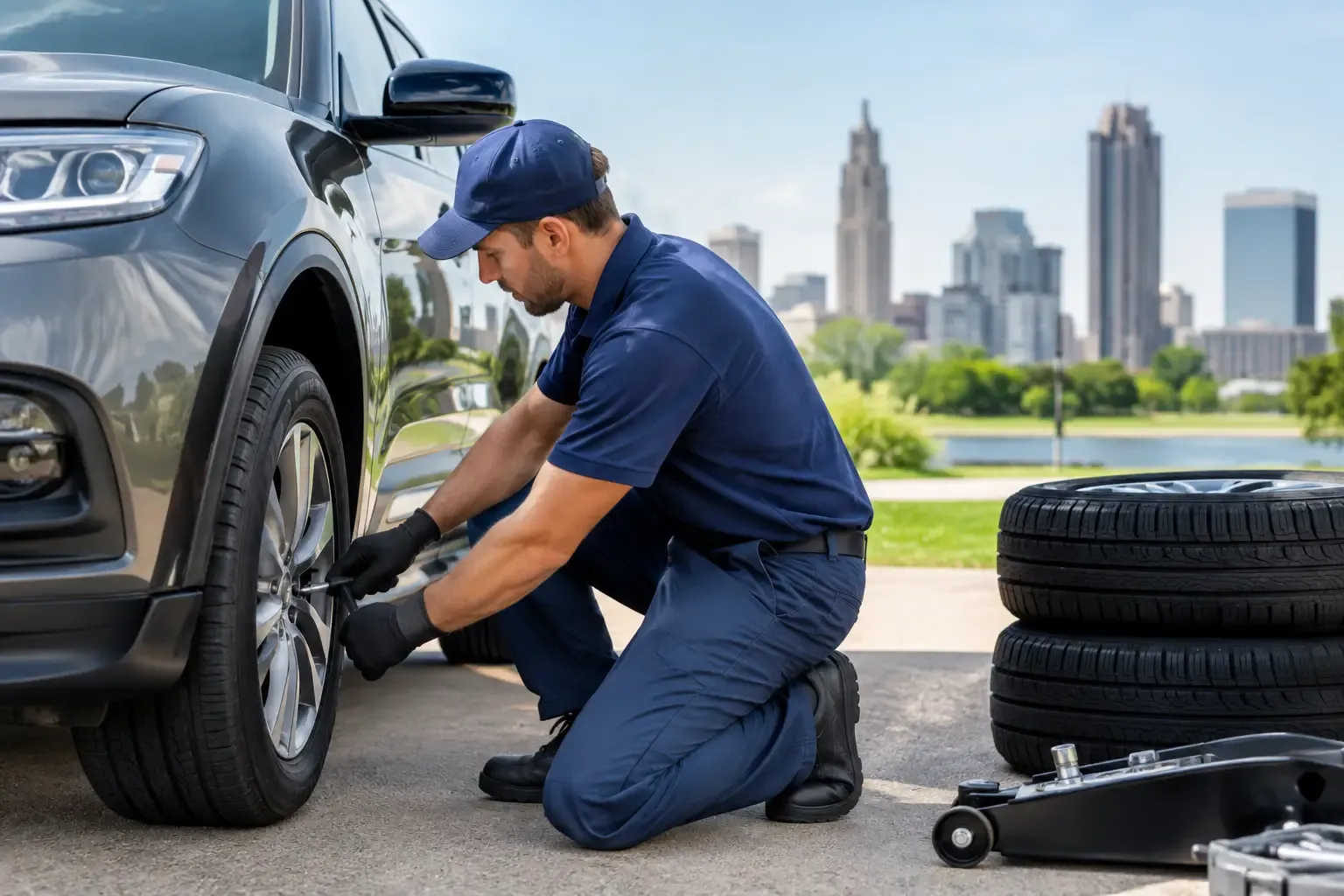
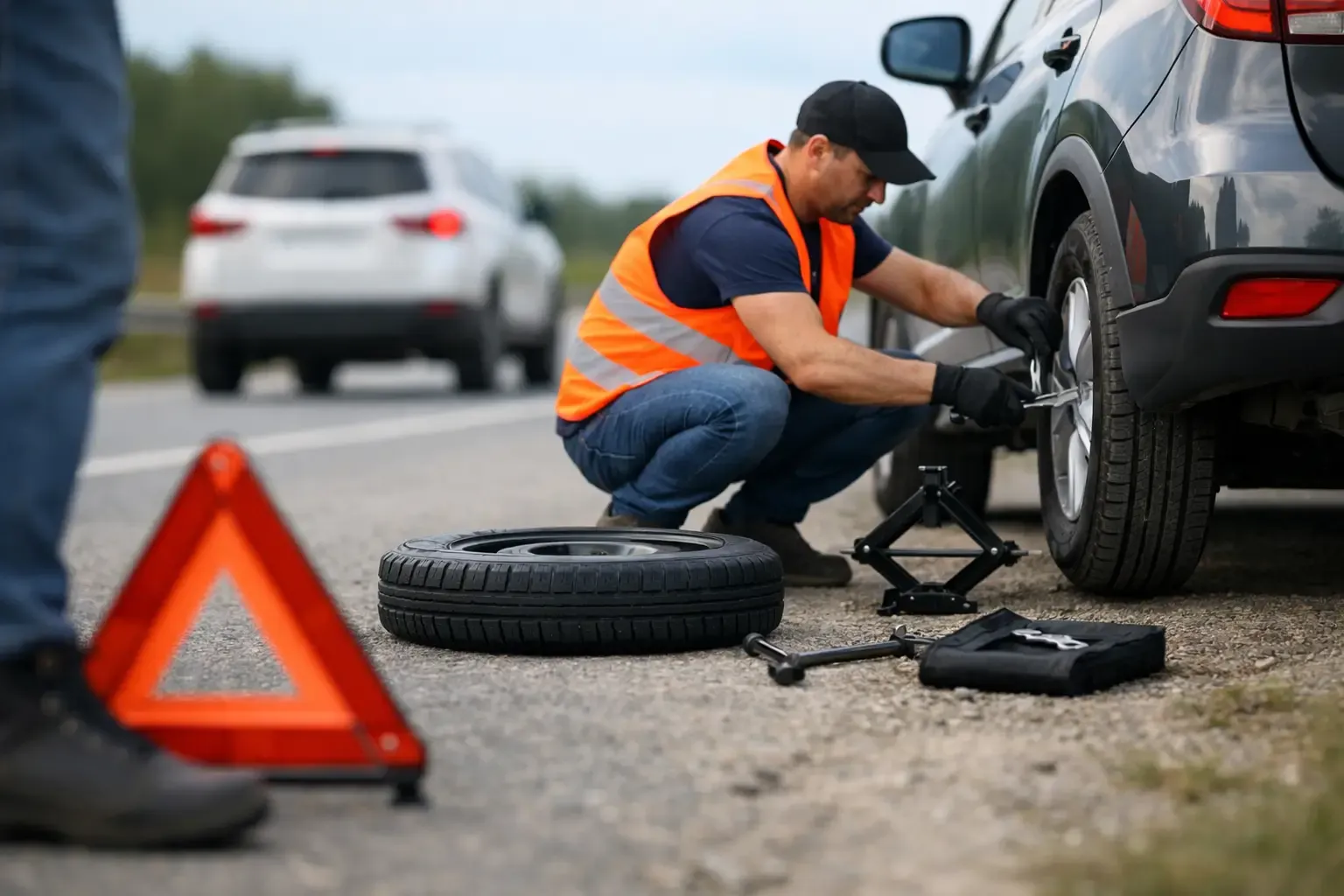
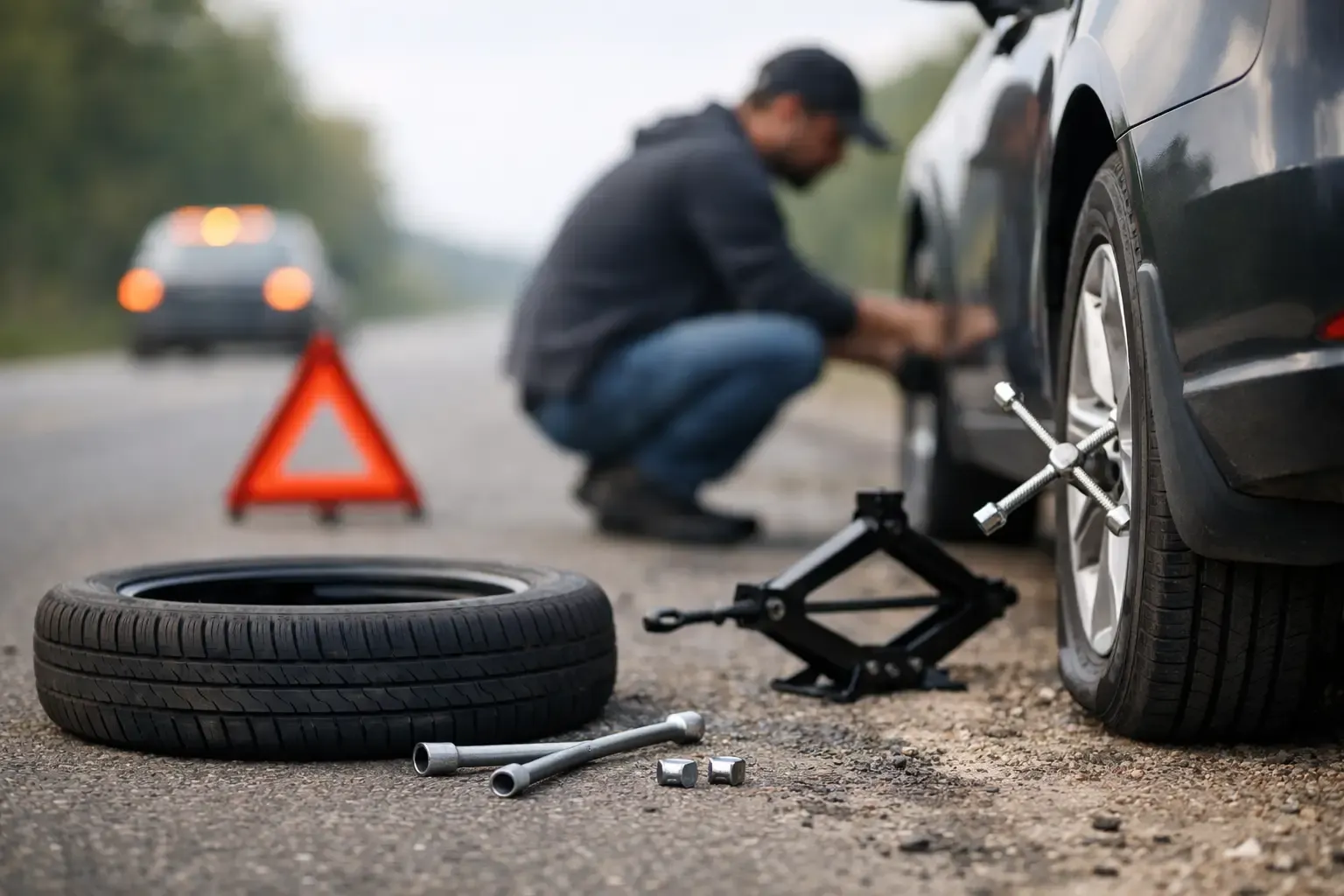
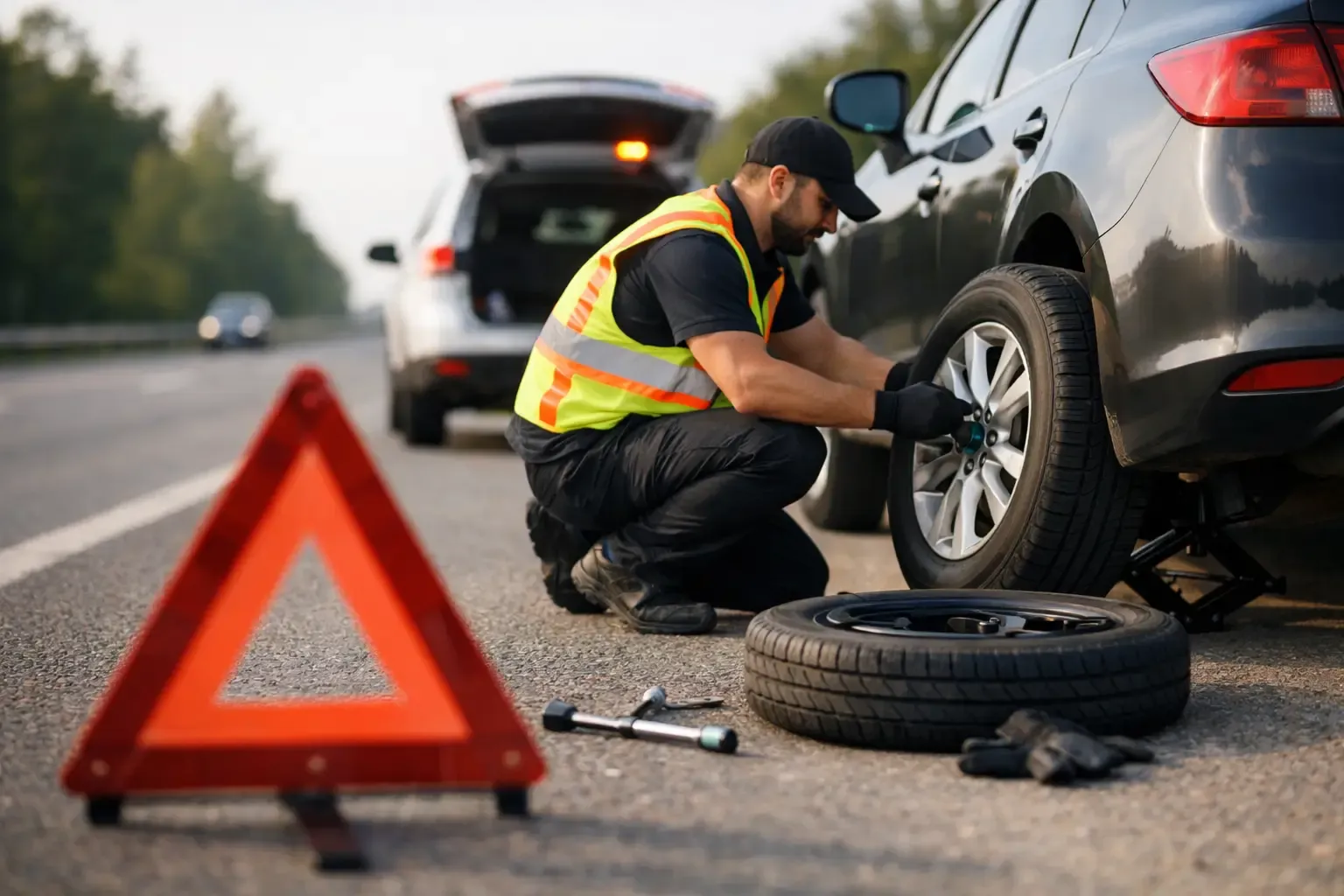
First, get the vehicle out of traffic if you are in an unsafe location. Turn on hazard lights and avoid continuing at highway speed. If your vehicle has a properly inflated spare tire, use it according to the owner's manual. Remember that many compact spares have speed and distance limits.
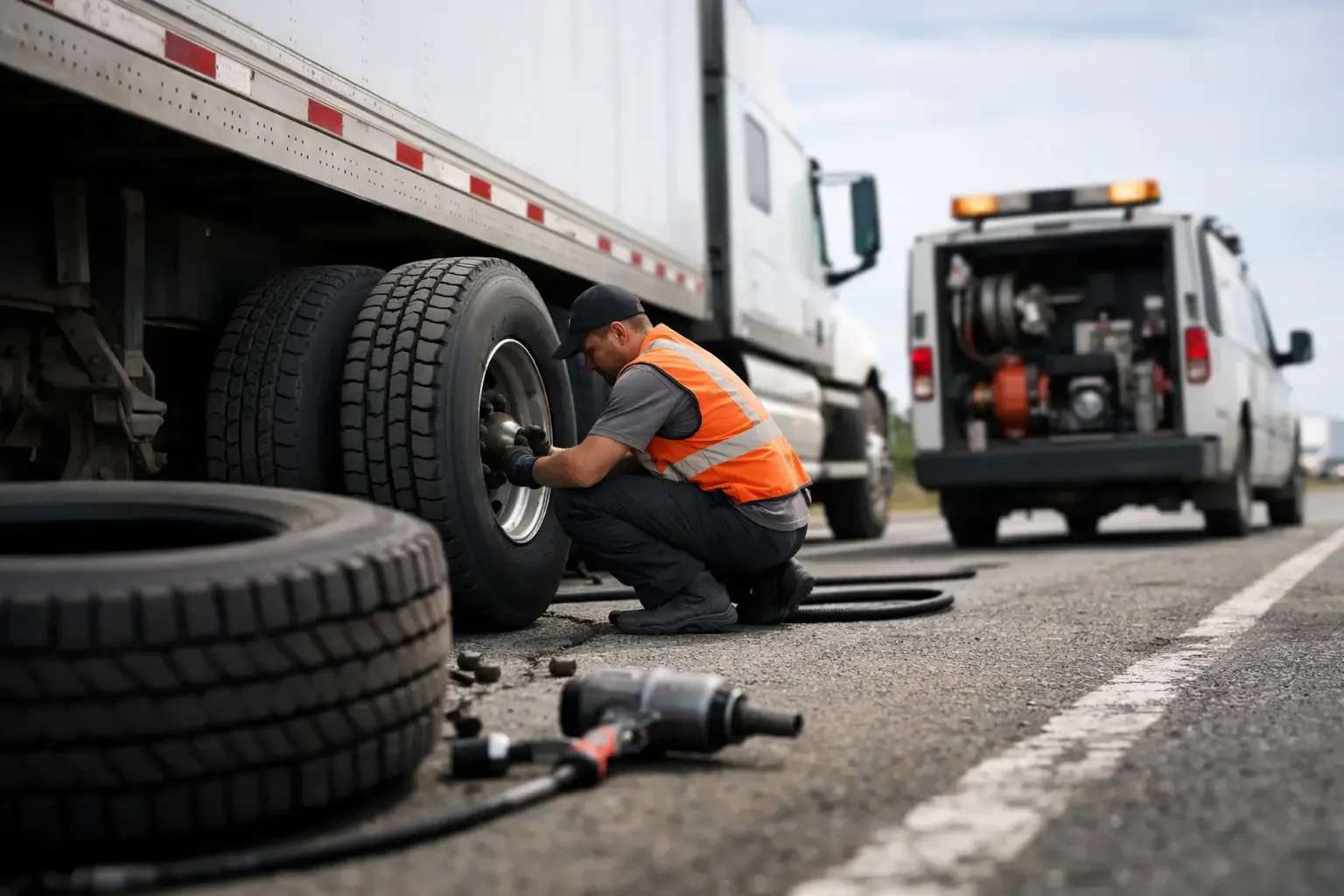
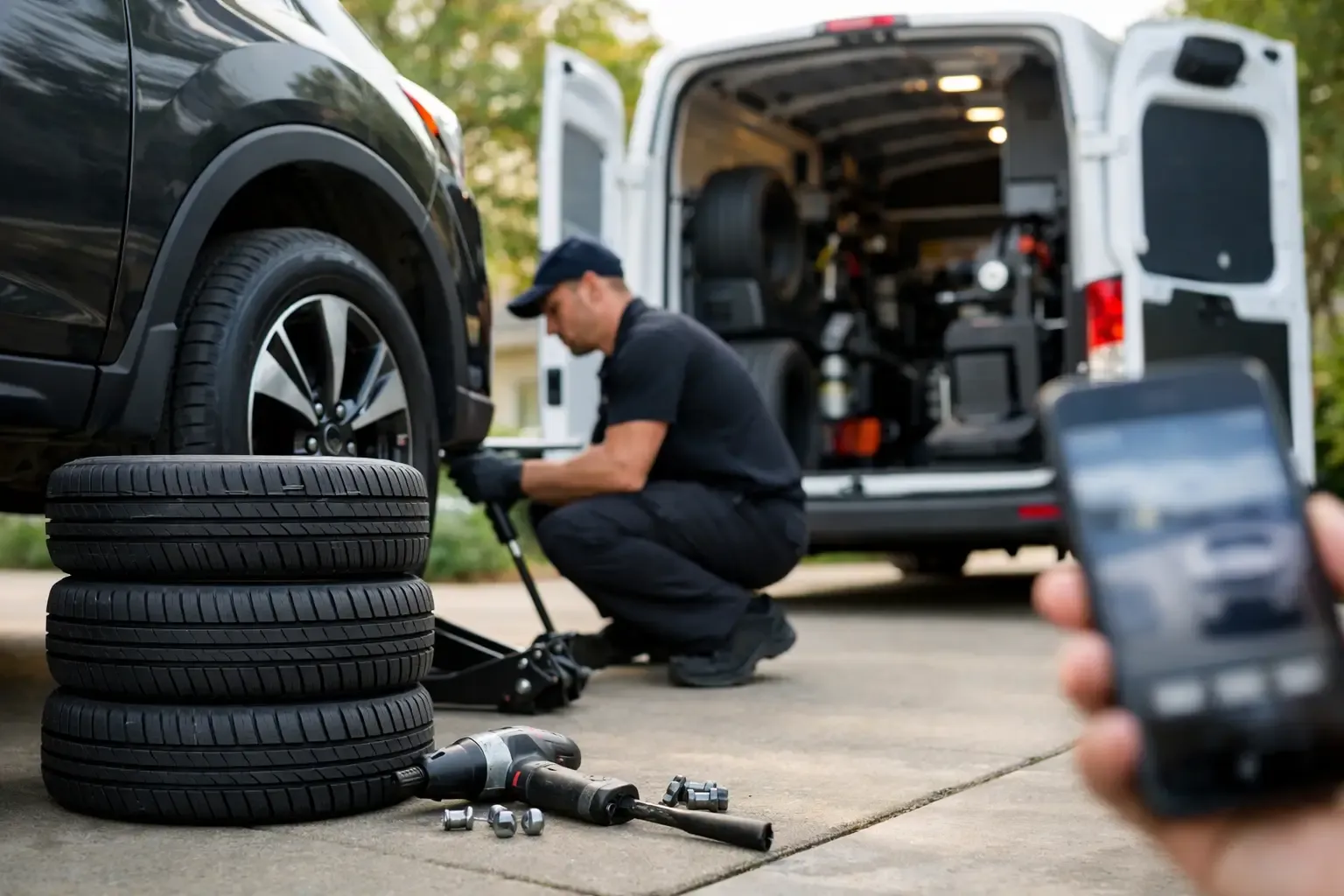
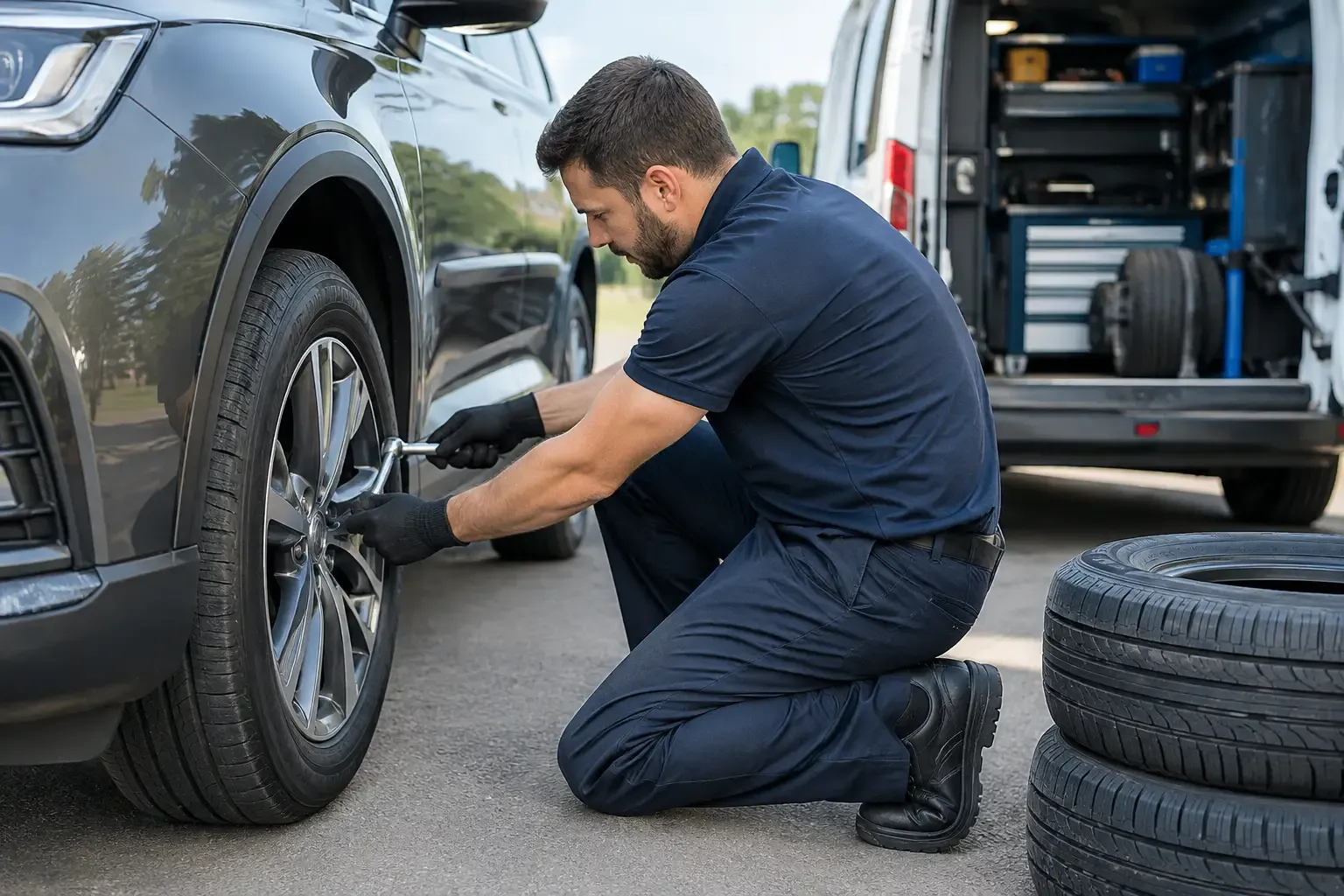
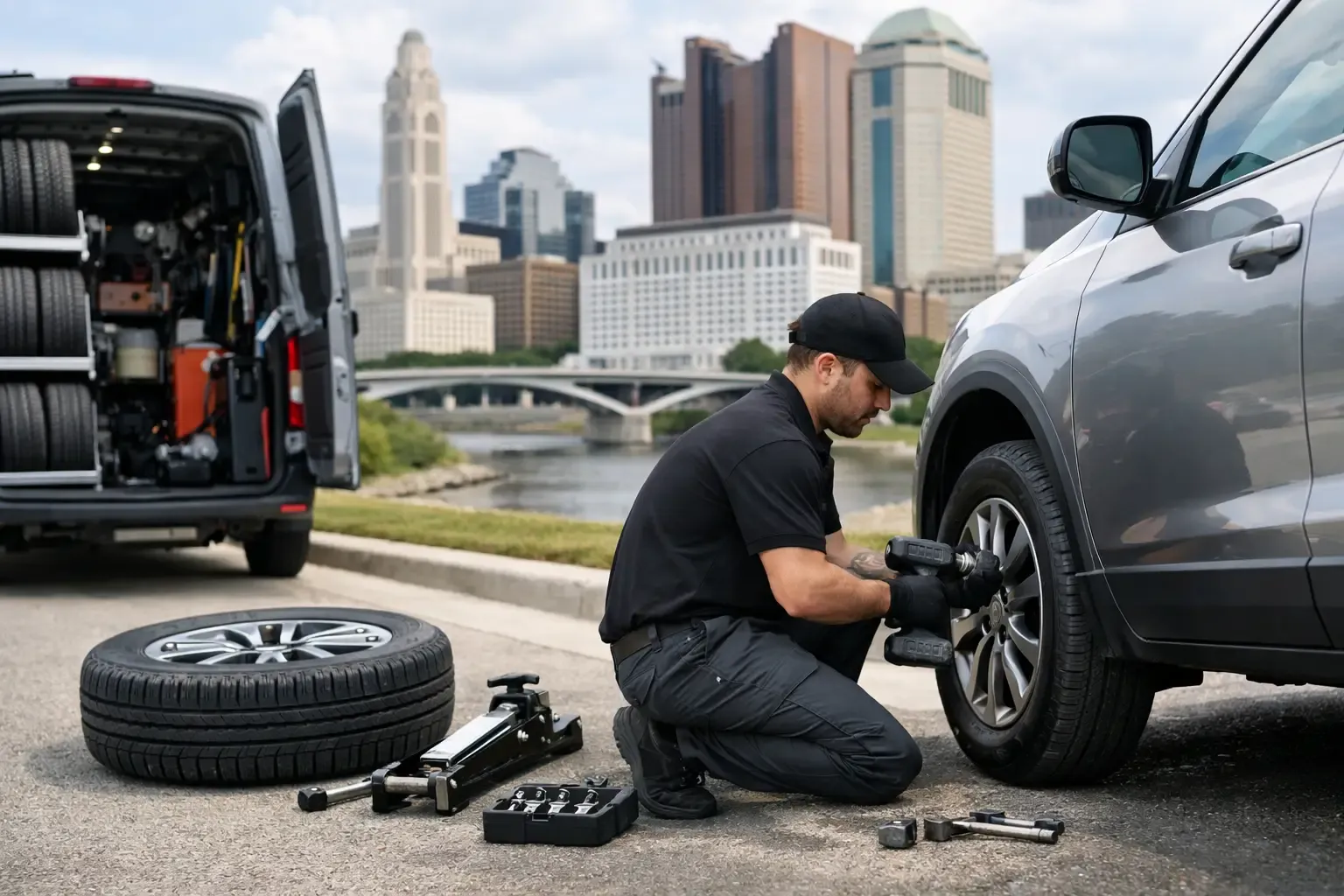
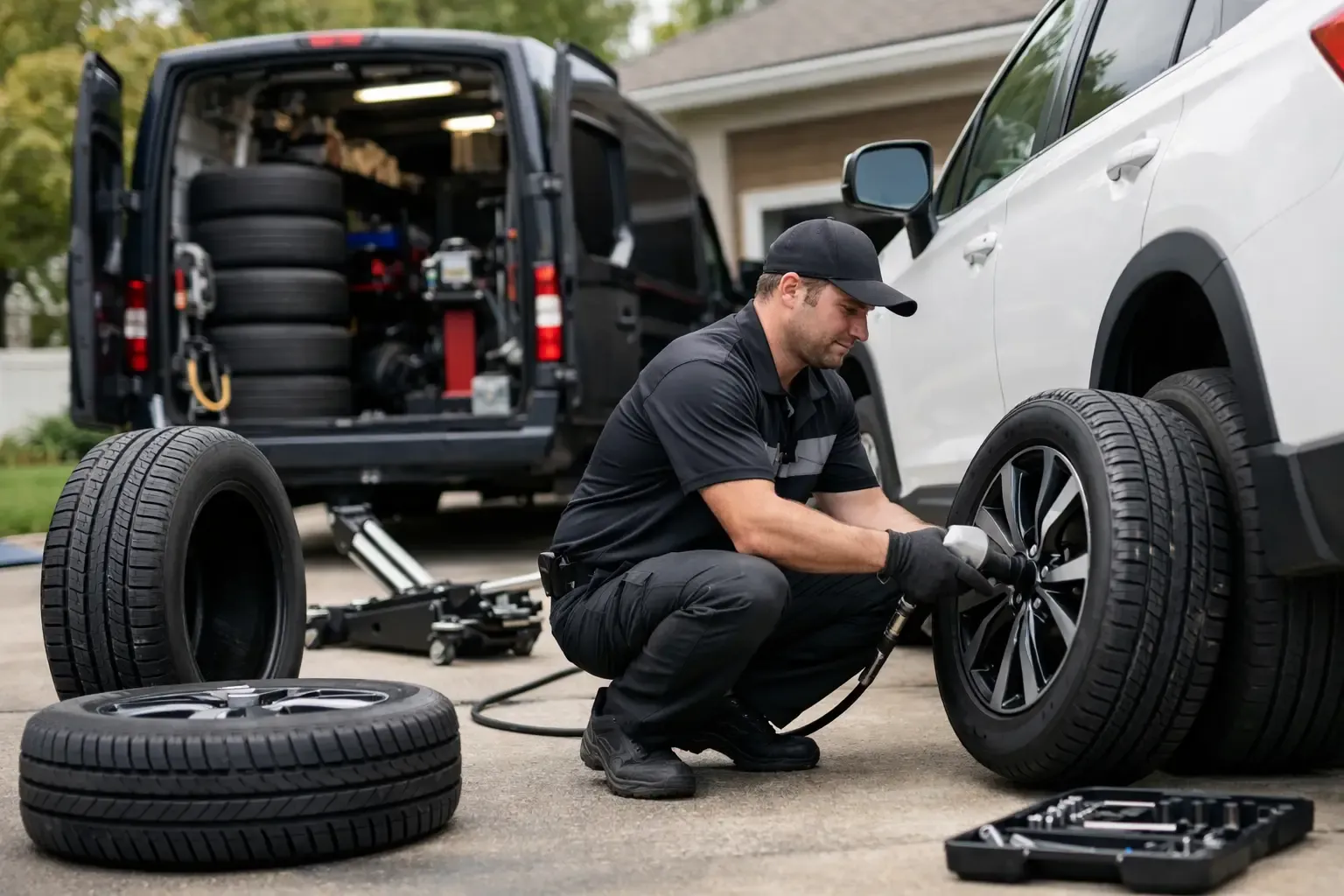
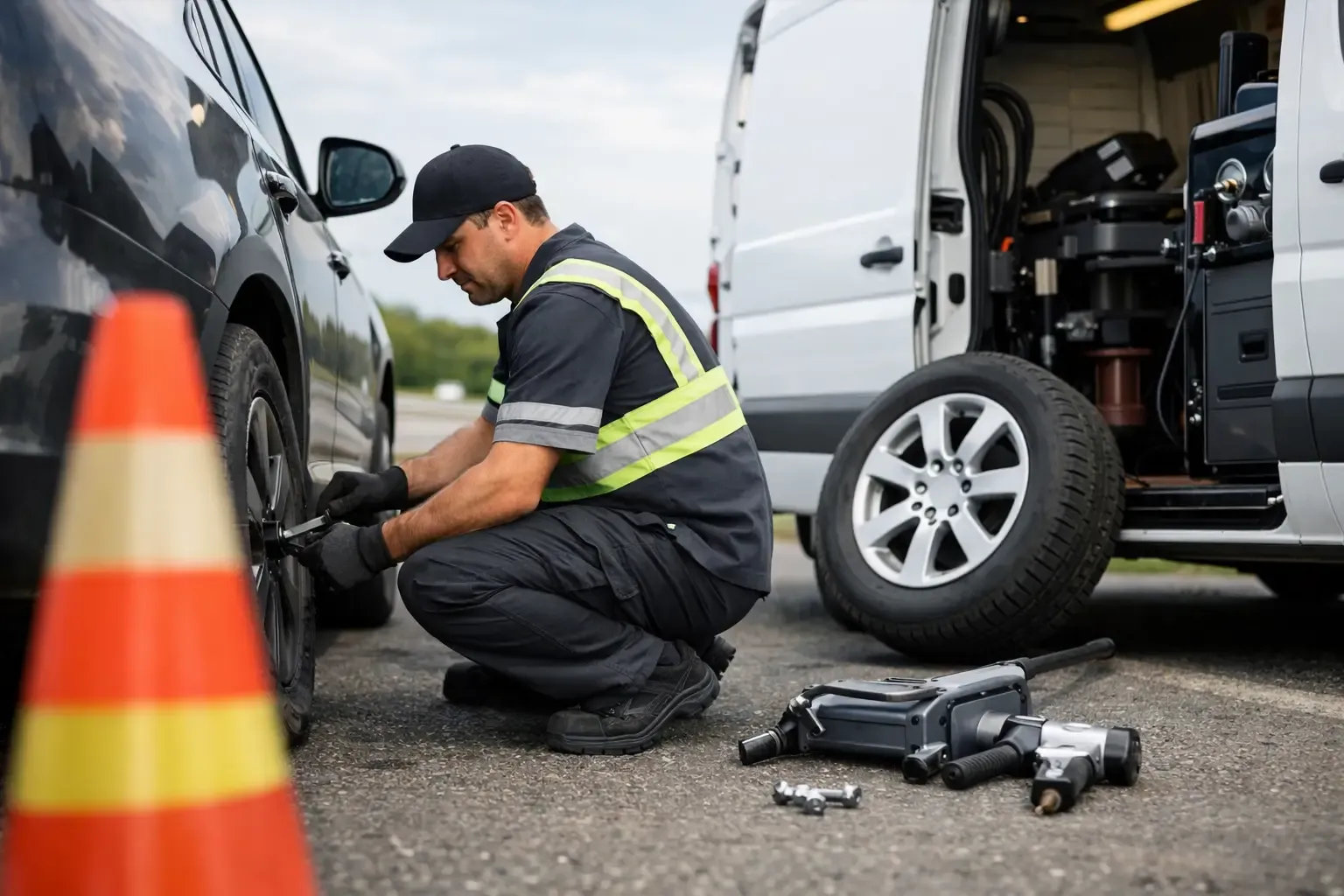
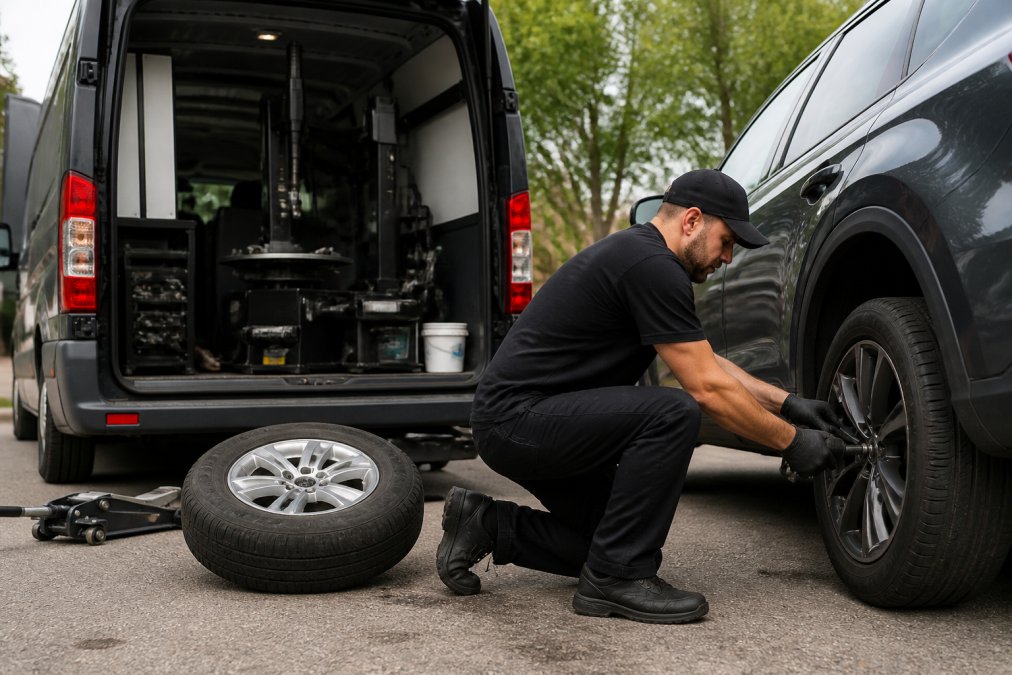
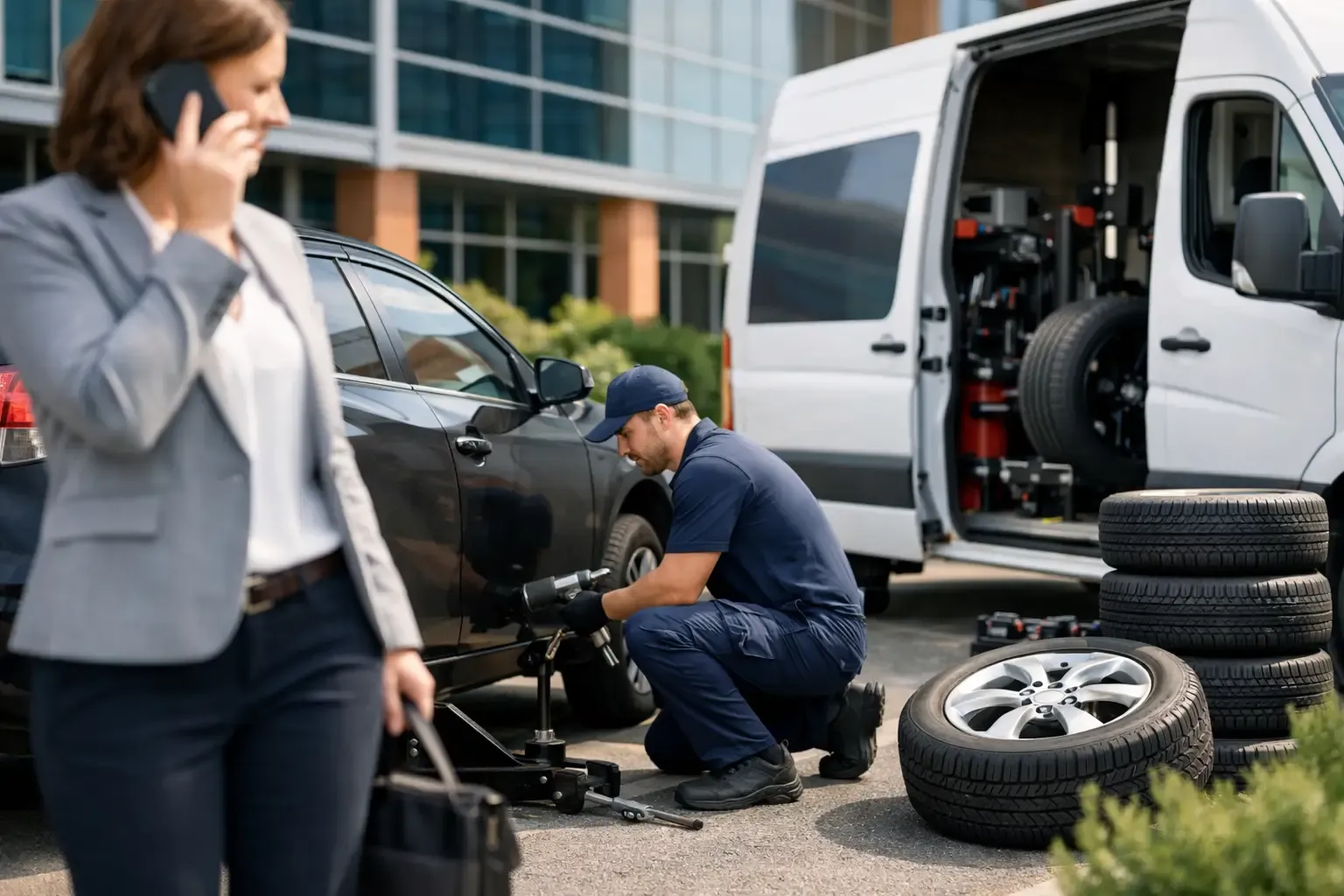
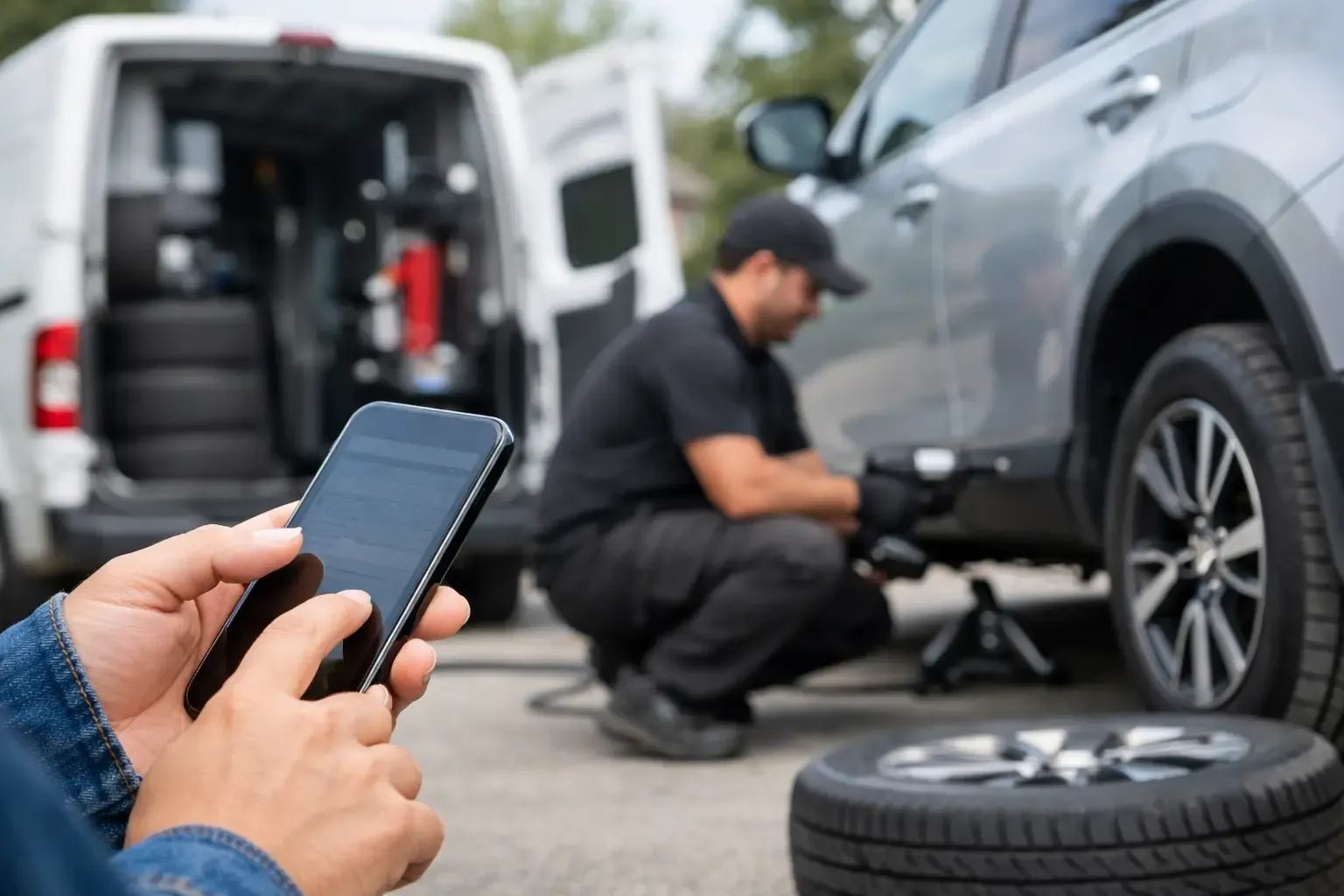
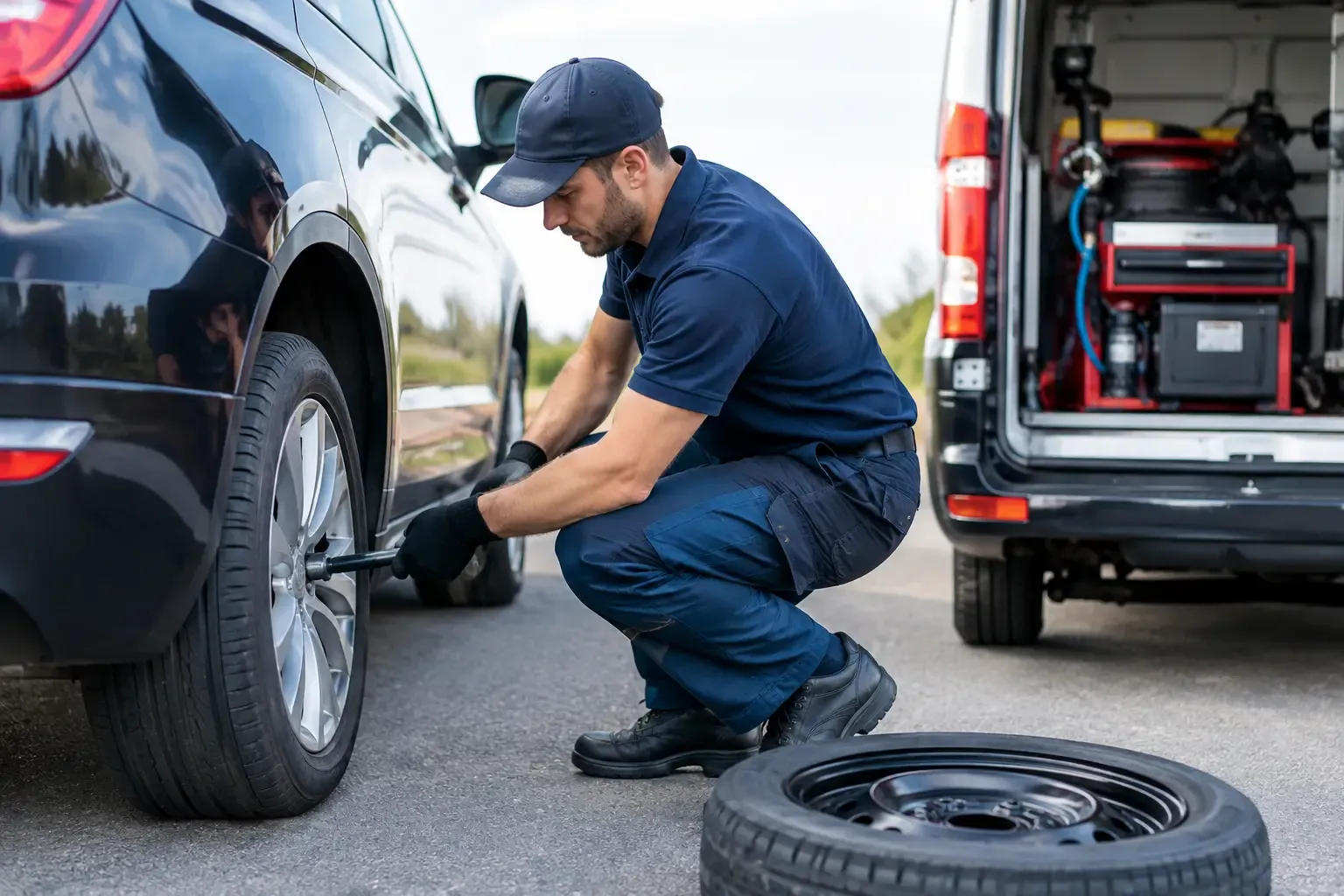
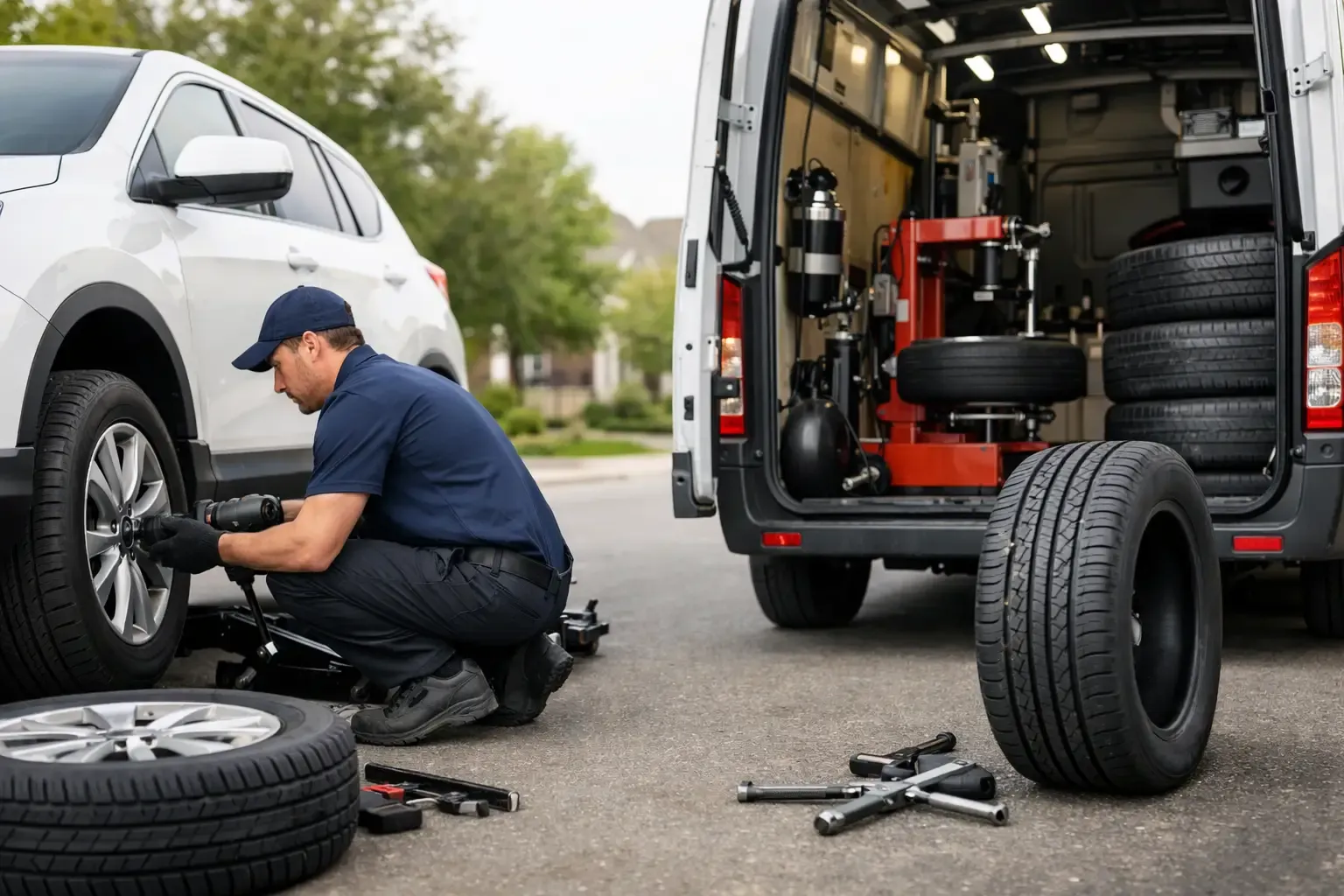
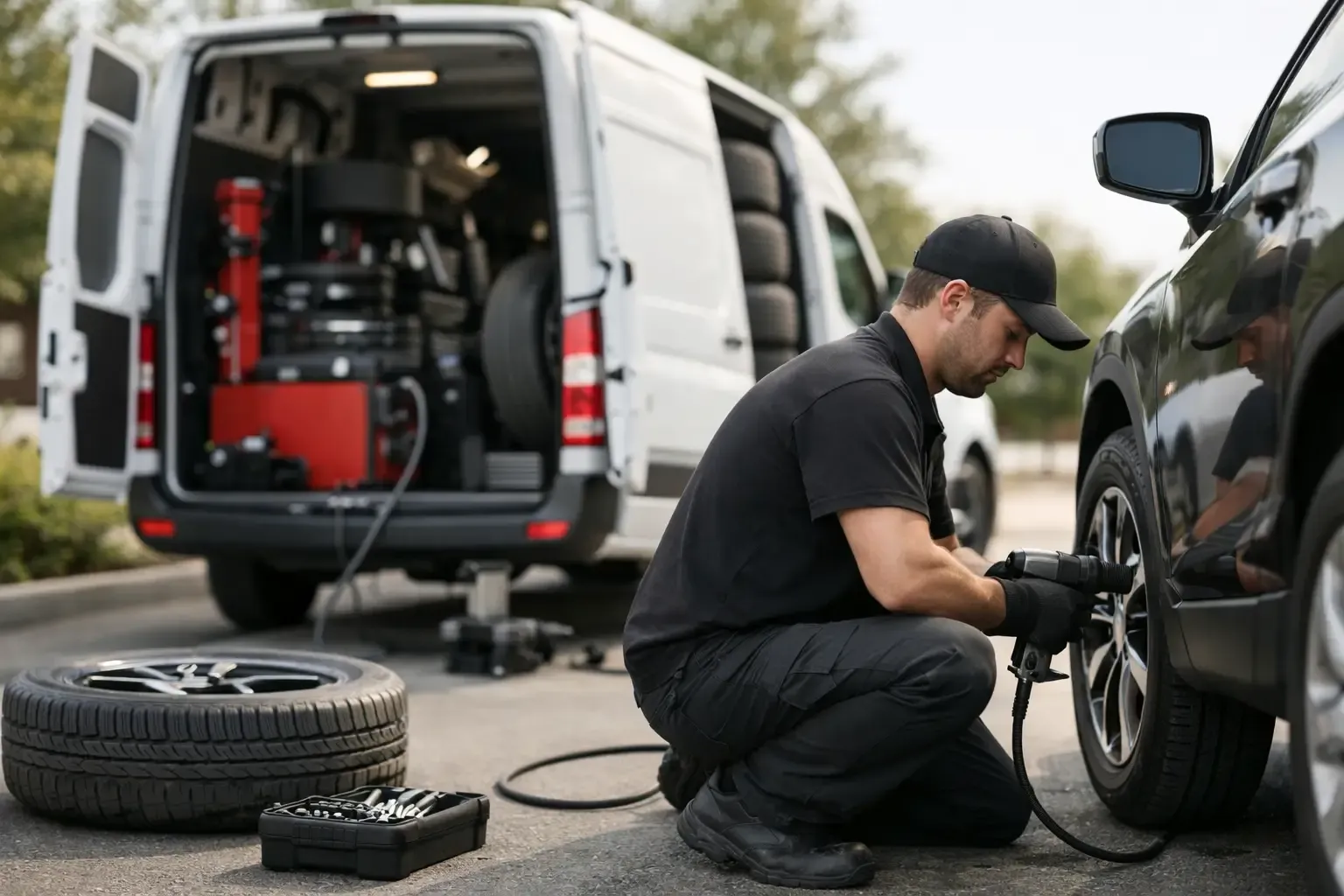
If you are at home, work, or stranded roadside in the Columbus area, mobile tire service can save the time and risk of driving on a questionable tire. Elite Mobile Tire can inspect the concern, help with a spare tire change, and replace a damaged tire at your location when appropriate.
Can you prevent sidewall damage?
You cannot avoid every pothole or piece of debris, but proper tire pressure is one of the best defenses. Underinflated tires flex more, run hotter, and are more vulnerable to damage from potholes and curbs. Check pressure monthly and before longer trips, using the pressure listed on the driver's door-jamb label rather than the maximum pressure printed on the tire.
Give curbs extra space when parking, slow down for rough pavement when conditions allow, and inspect tires after a hard impact. If you hit a pothole hard enough to feel through the steering wheel, check the tires and wheels before assuming everything is fine.
A tire's sidewall may only be a few inches from the road, but it carries a major safety responsibility. When a mark looks questionable, choosing an inspection over a guess is the practical way to protect your schedule, your vehicle, and everyone riding with you.
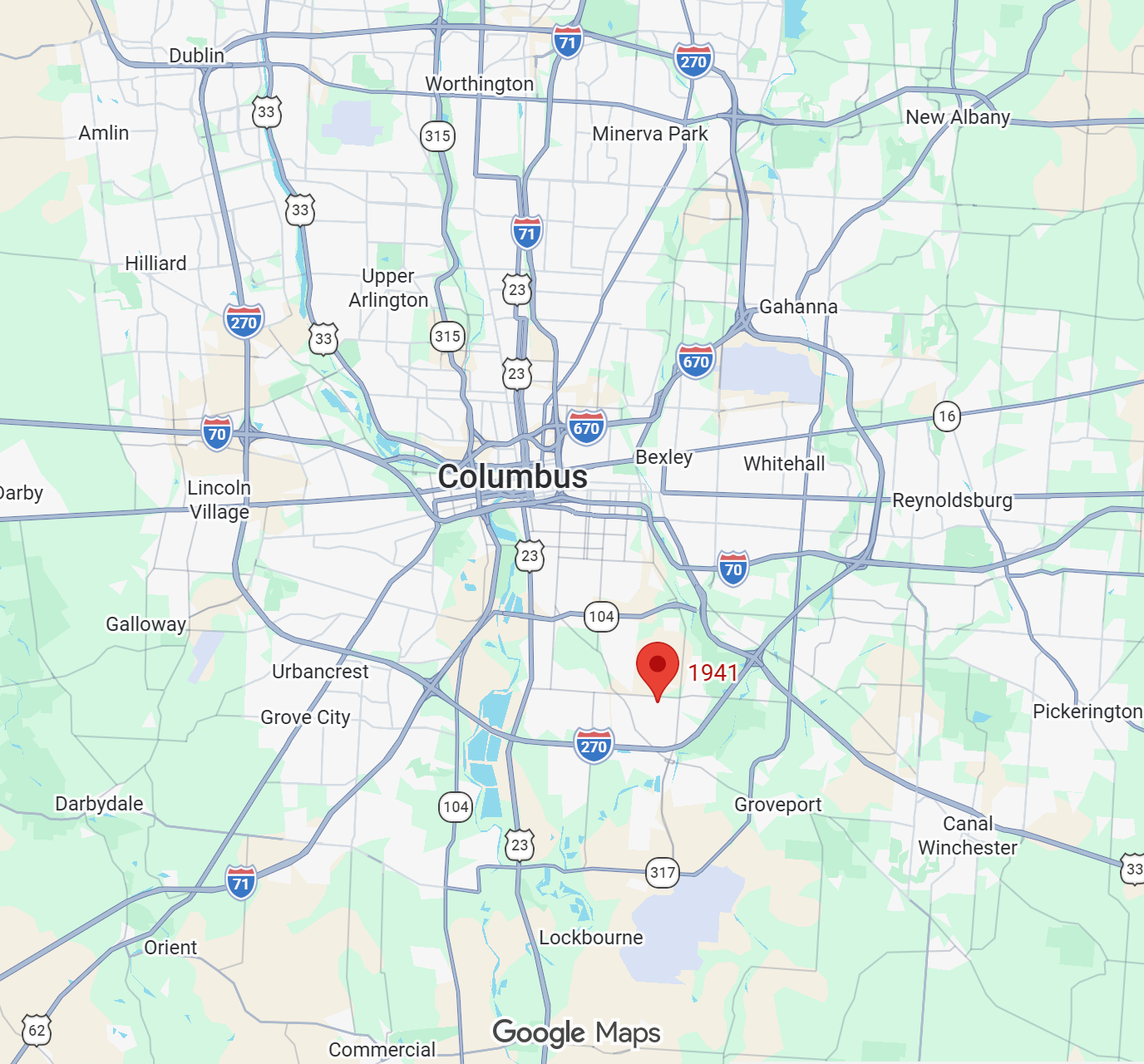
Ready for a new set? Elite Mobile Tire installs 2 or 4 new tires right in your driveway or parking lot anywhere around Columbus, Obetz, Groveport, Grove City, and Reynoldsburg. Financing is available through Afterpay and Acima with up to 24-month payment plans. Call 614-344-5010 or visit elitemobiletire.com to book.