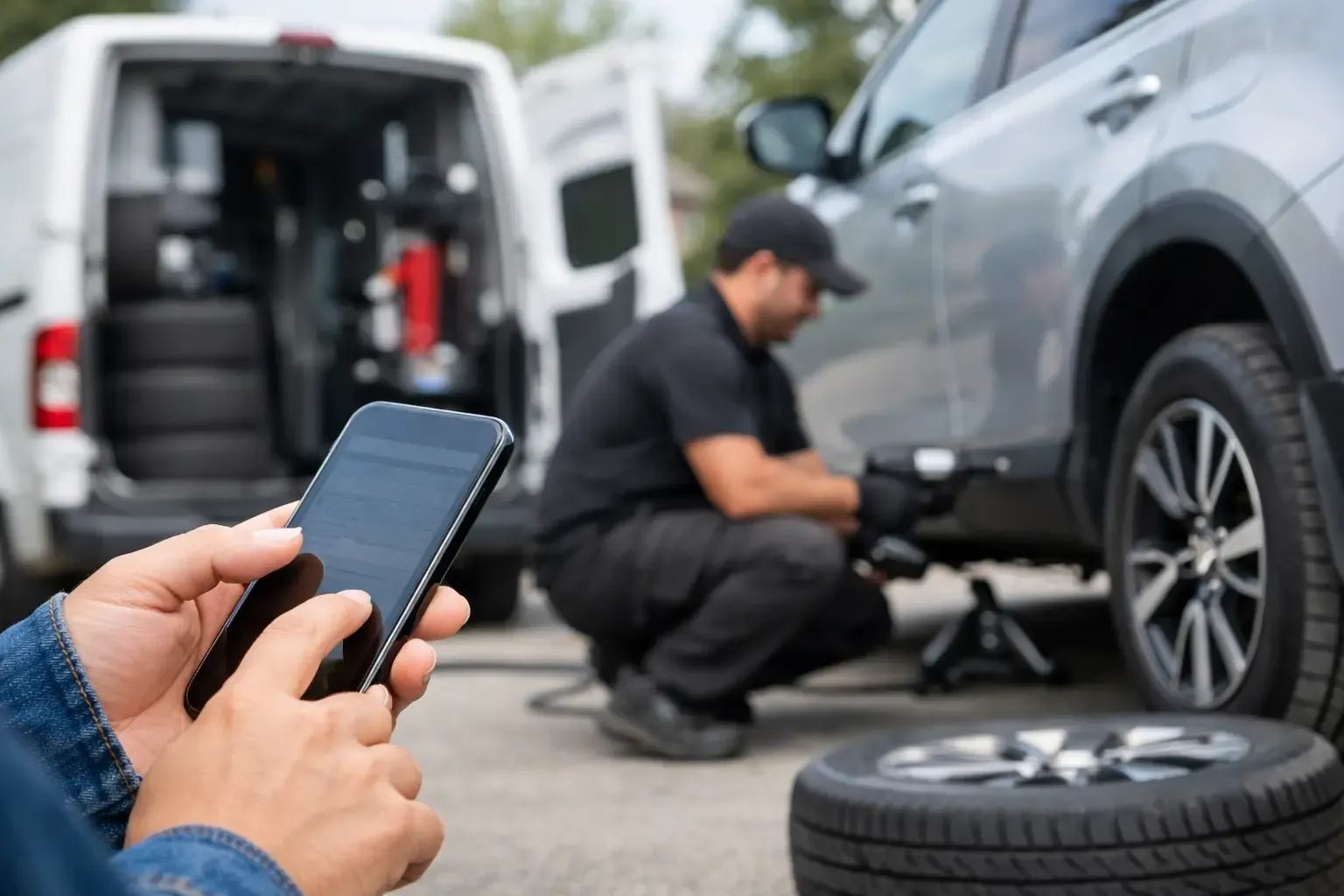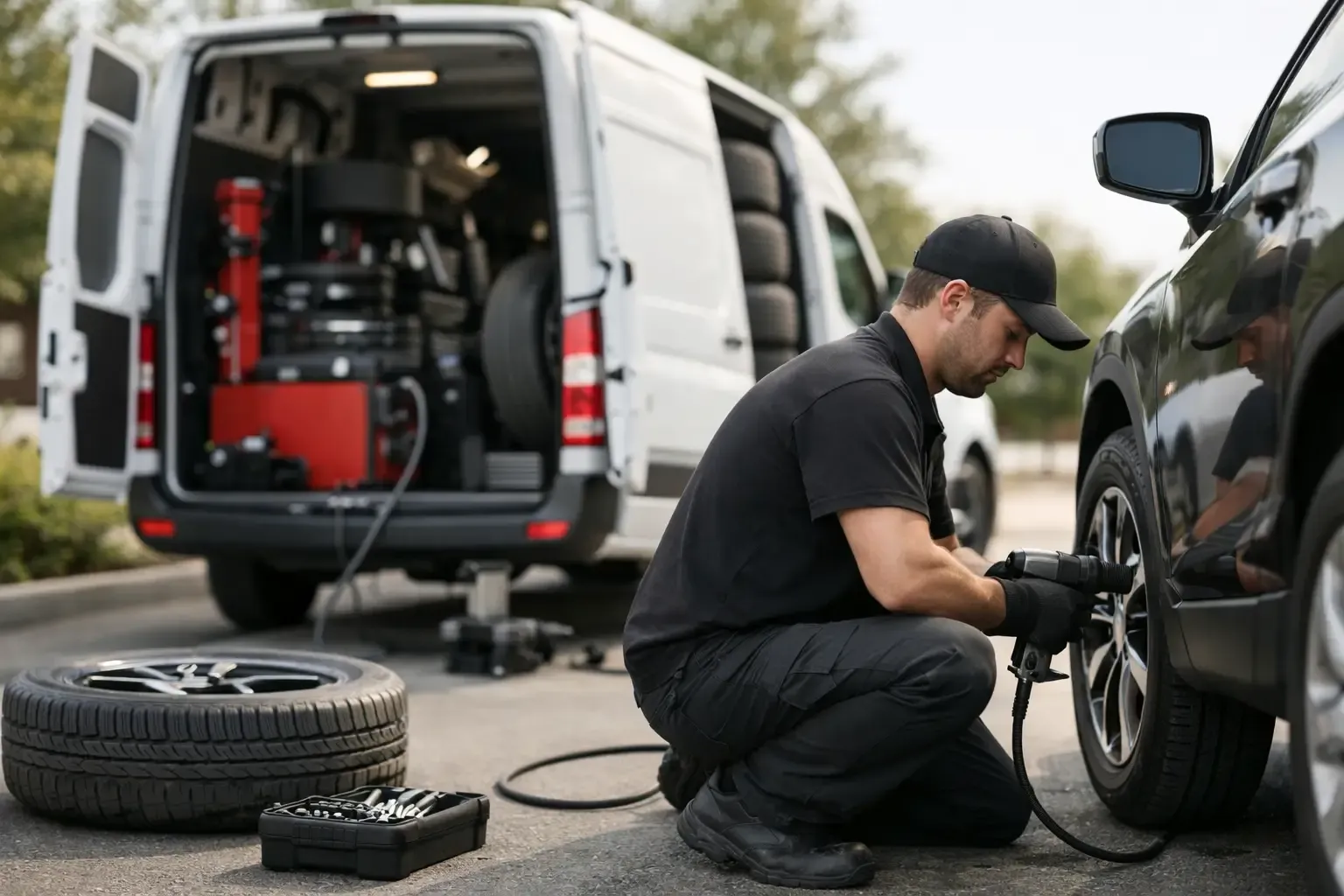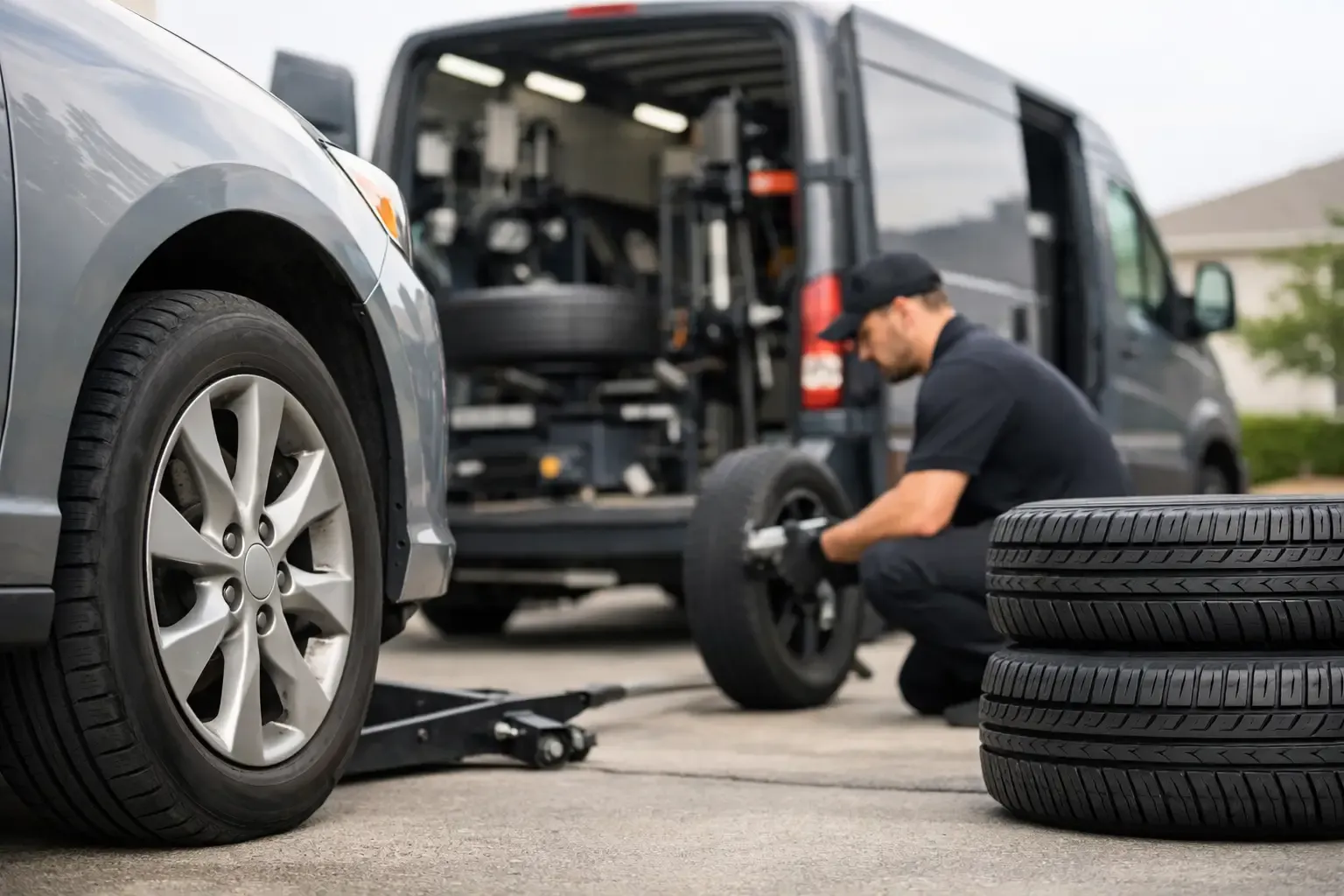
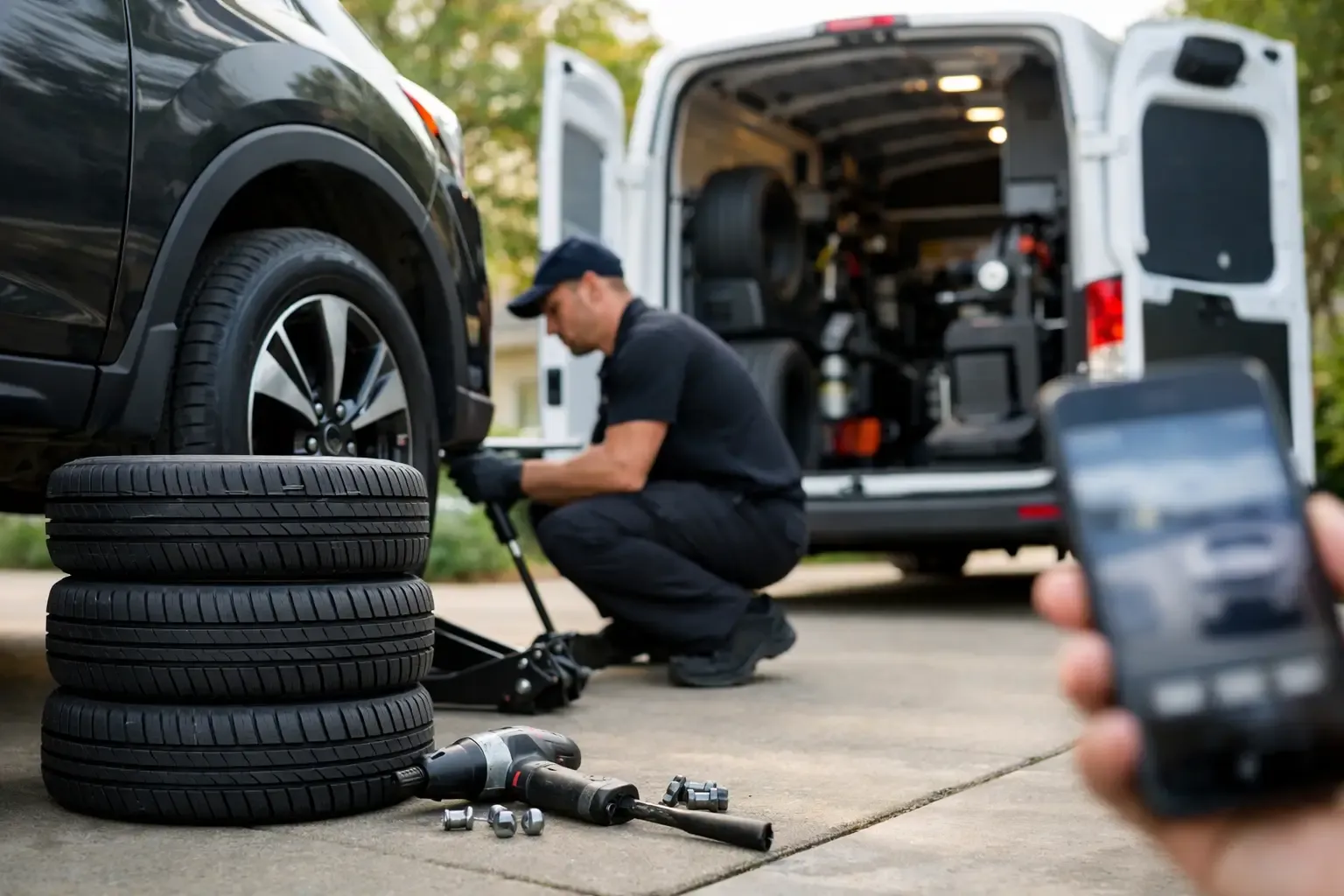
A tire appointment should not require losing half a workday in a waiting room. Whether your tread is worn, you have a recurring flat, or your vehicle needs a new set before a trip, mobile service brings the equipment and trained technician to your driveway, workplace, or approved roadside location. This guide to mobile tire installation appointments explains what to expect, how to prepare, and how to make sure your service goes smoothly.
What a Mobile Tire Installation Appointment Includes
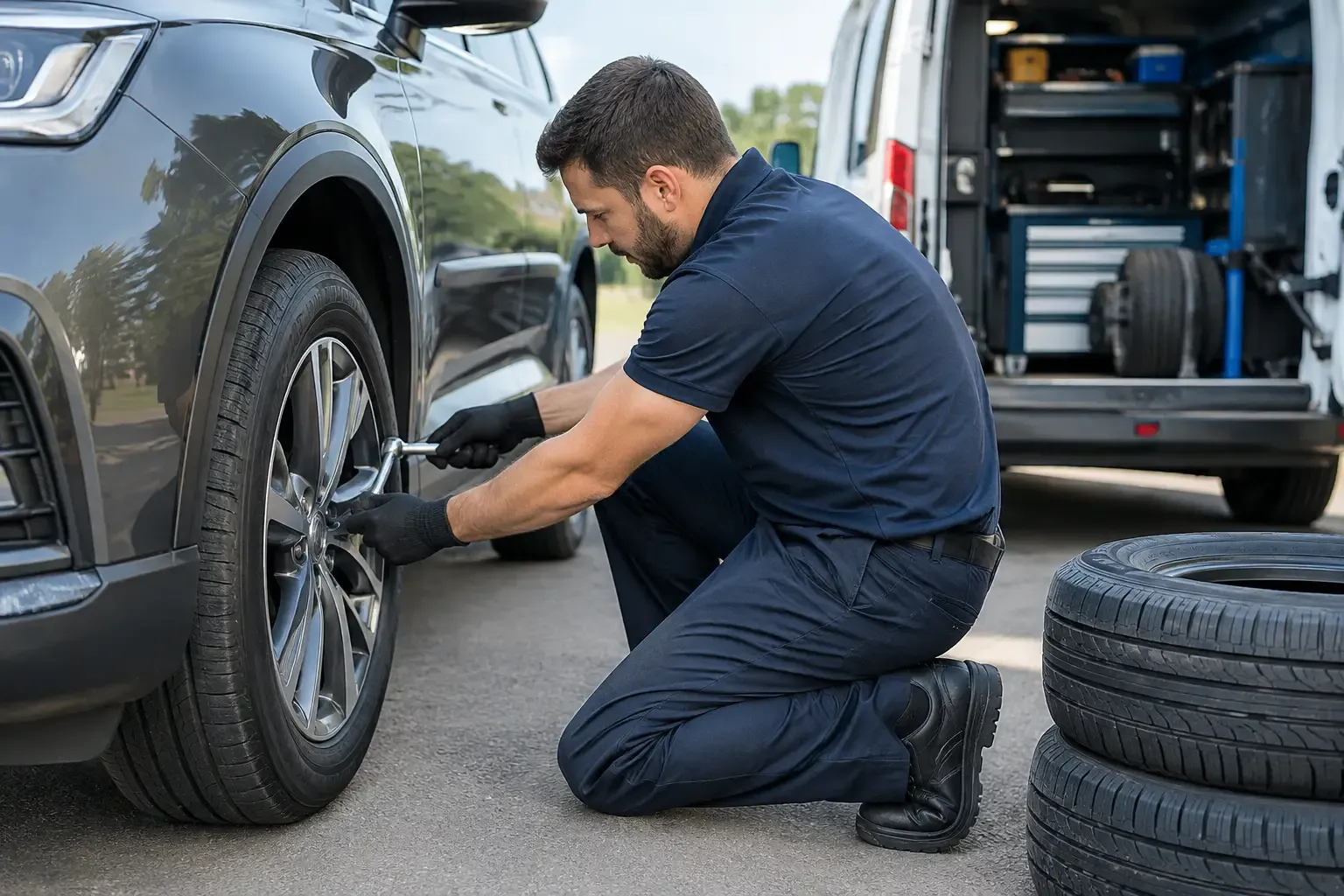
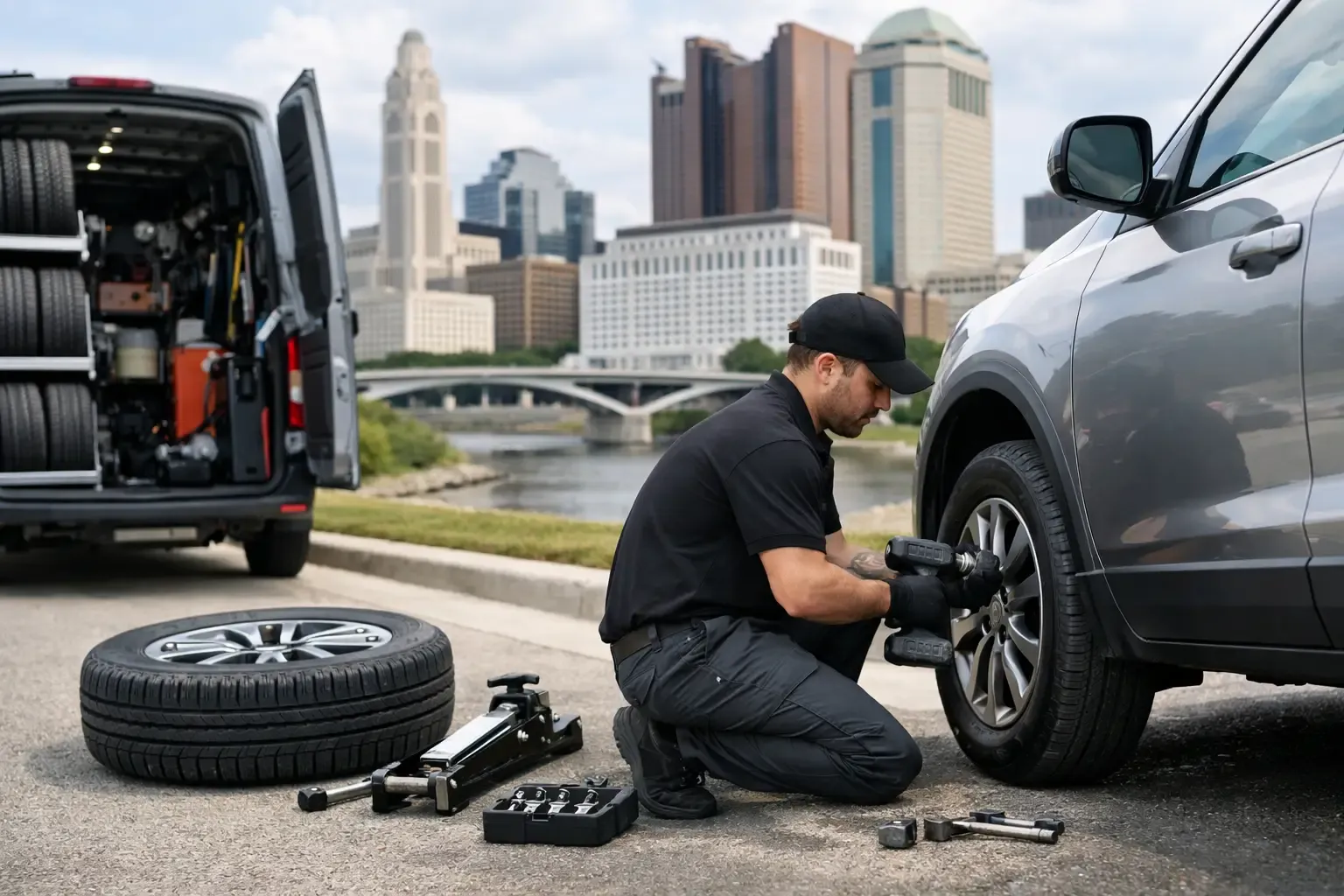
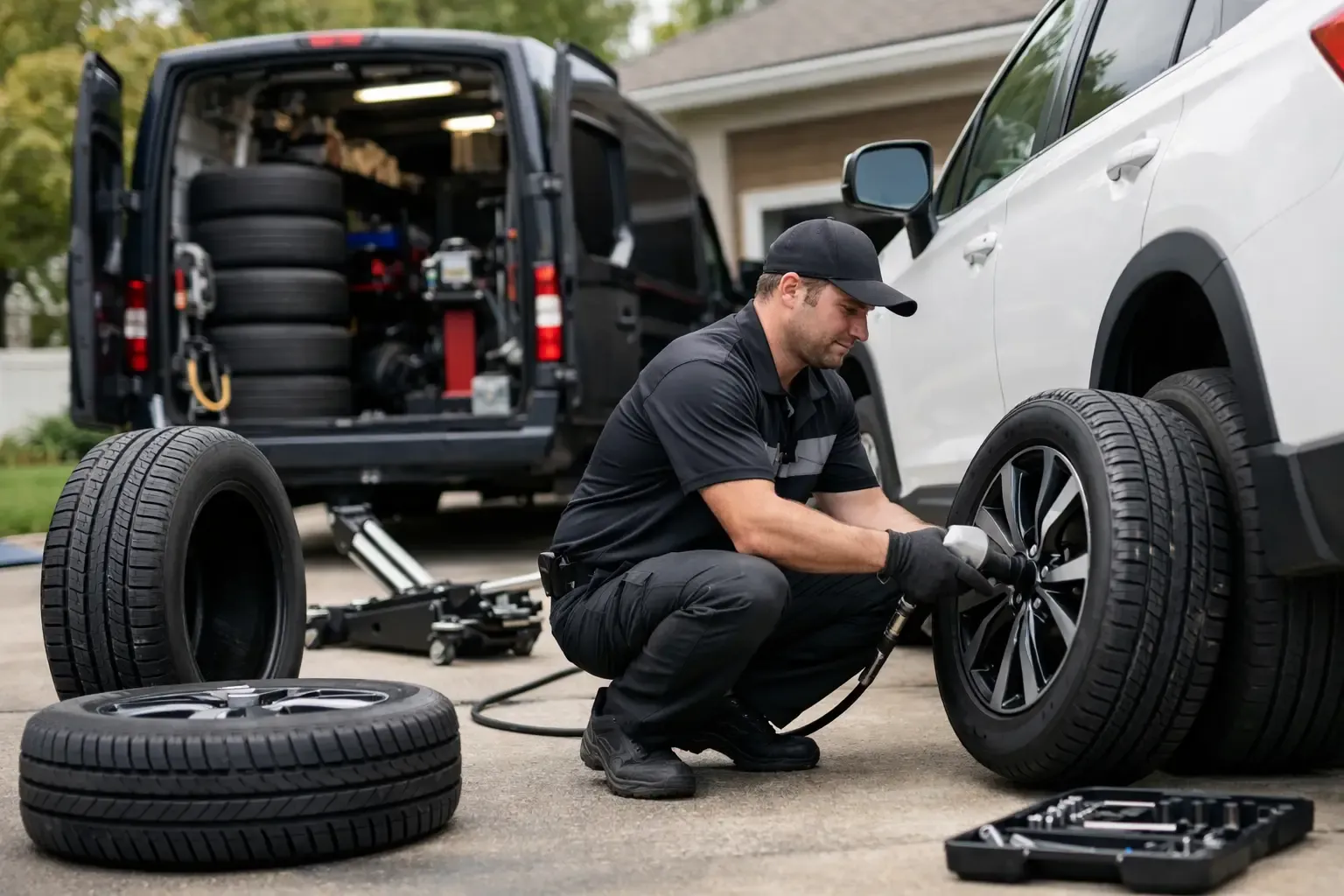
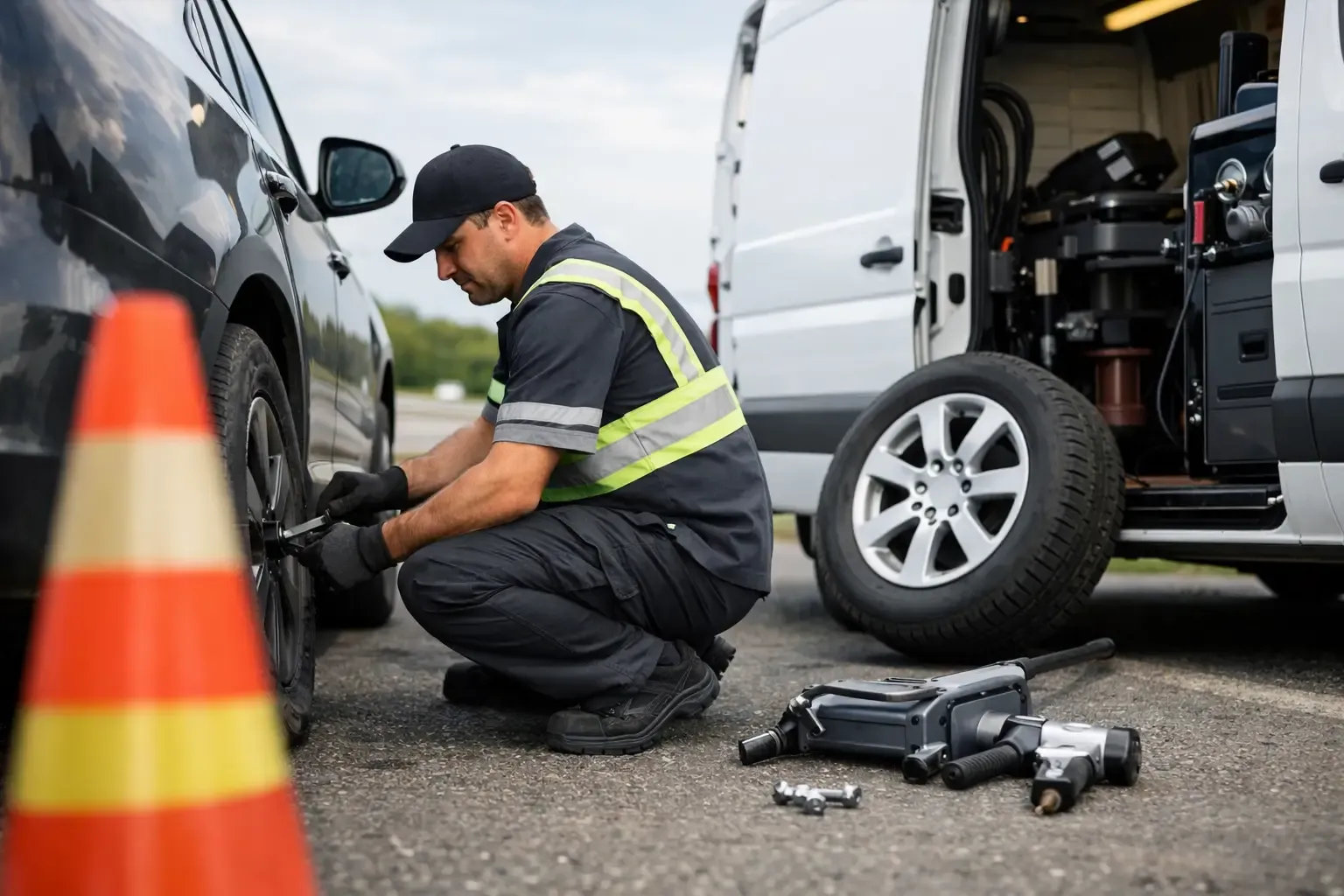
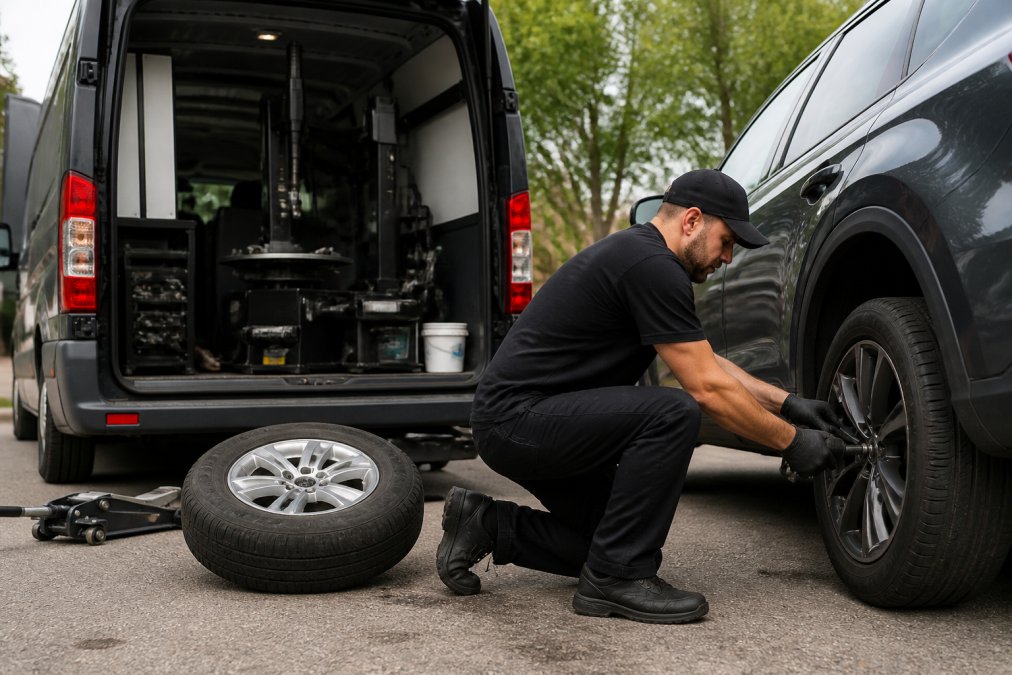
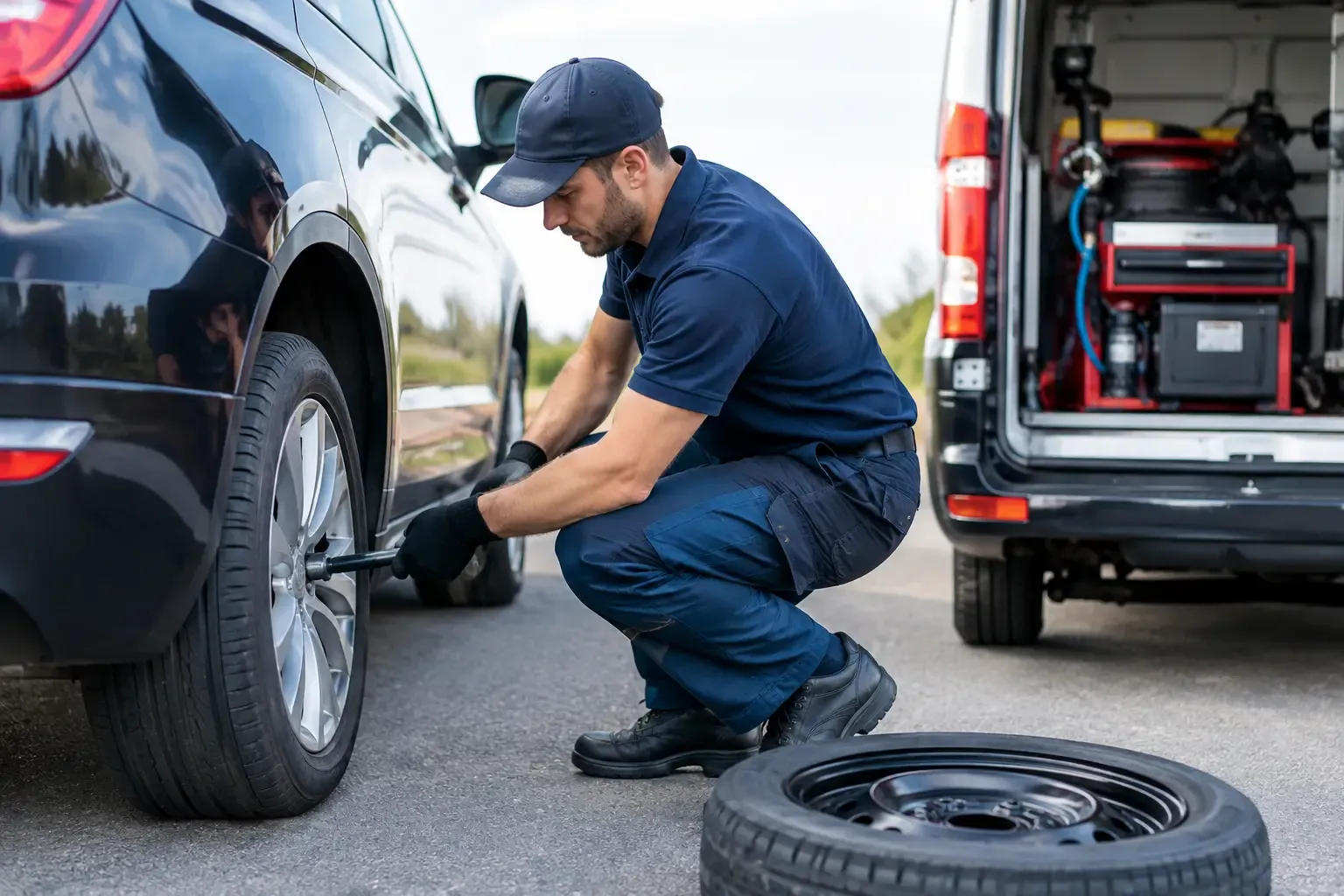
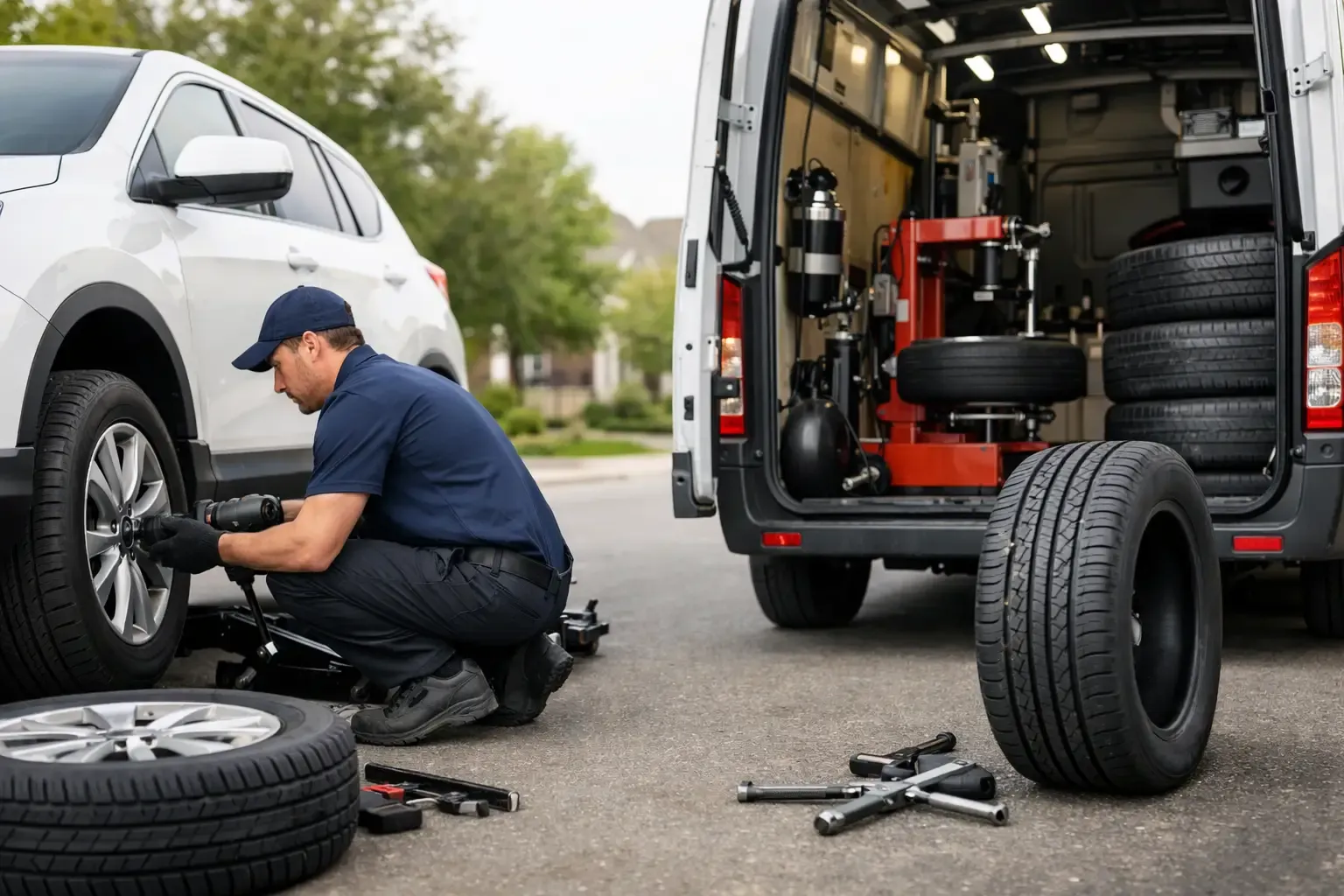
Mobile tire installation is designed to handle the same core work you would expect at a professional tire shop, without requiring you to drive there. A qualified technician arrives at your vehicle with the tools needed to remove your current tires, install the new ones, balance the wheels, set tire pressure, and verify that the vehicle is ready for the road.
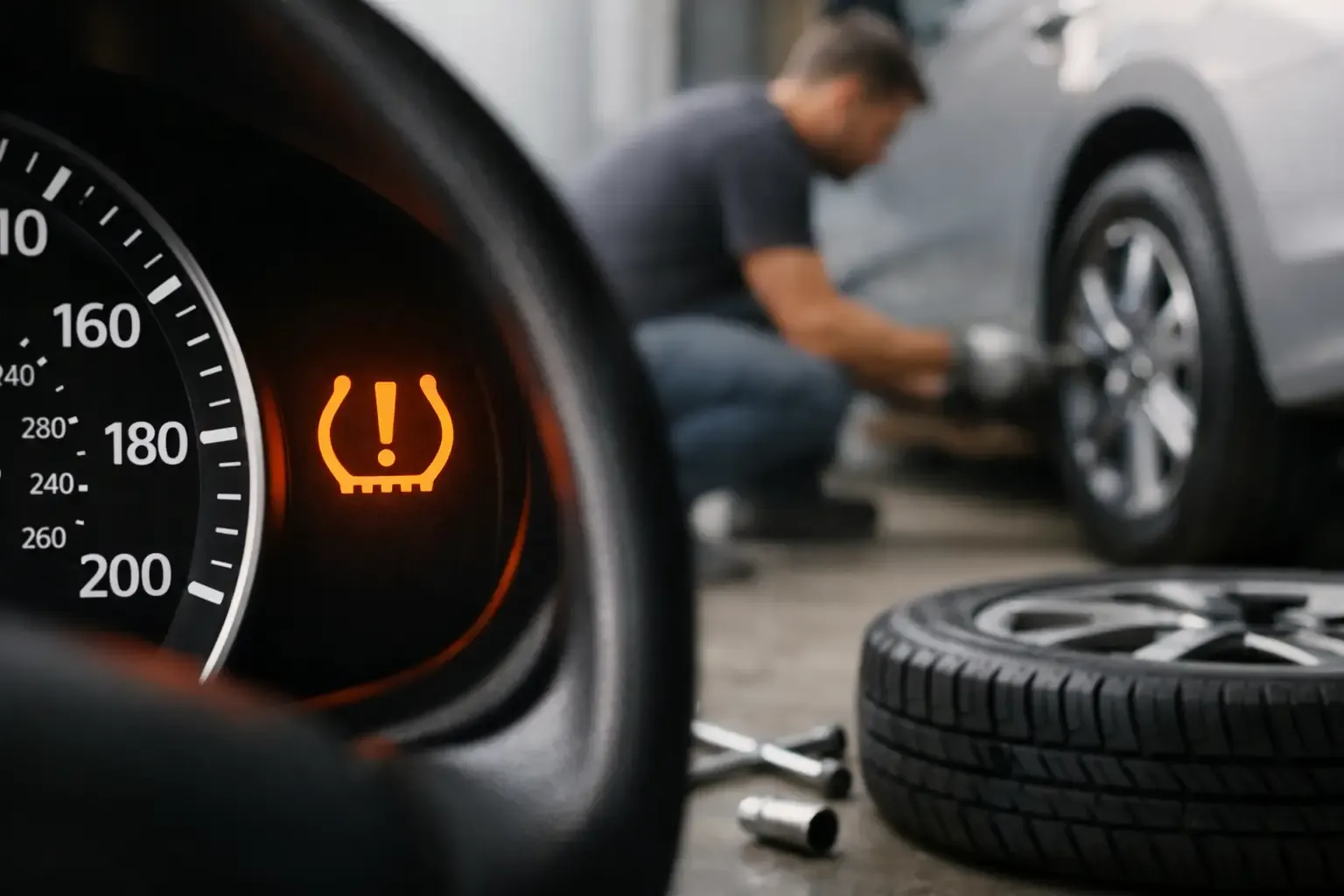
The exact service can vary by vehicle and appointment type. Most standard appointments include mounting and balancing tires on existing wheels, installing the wheels, tightening lug nuts to the correct specification, and checking tire pressure. If your vehicle uses a tire pressure monitoring system, a TPMS reset or relearn may also be performed when appropriate.
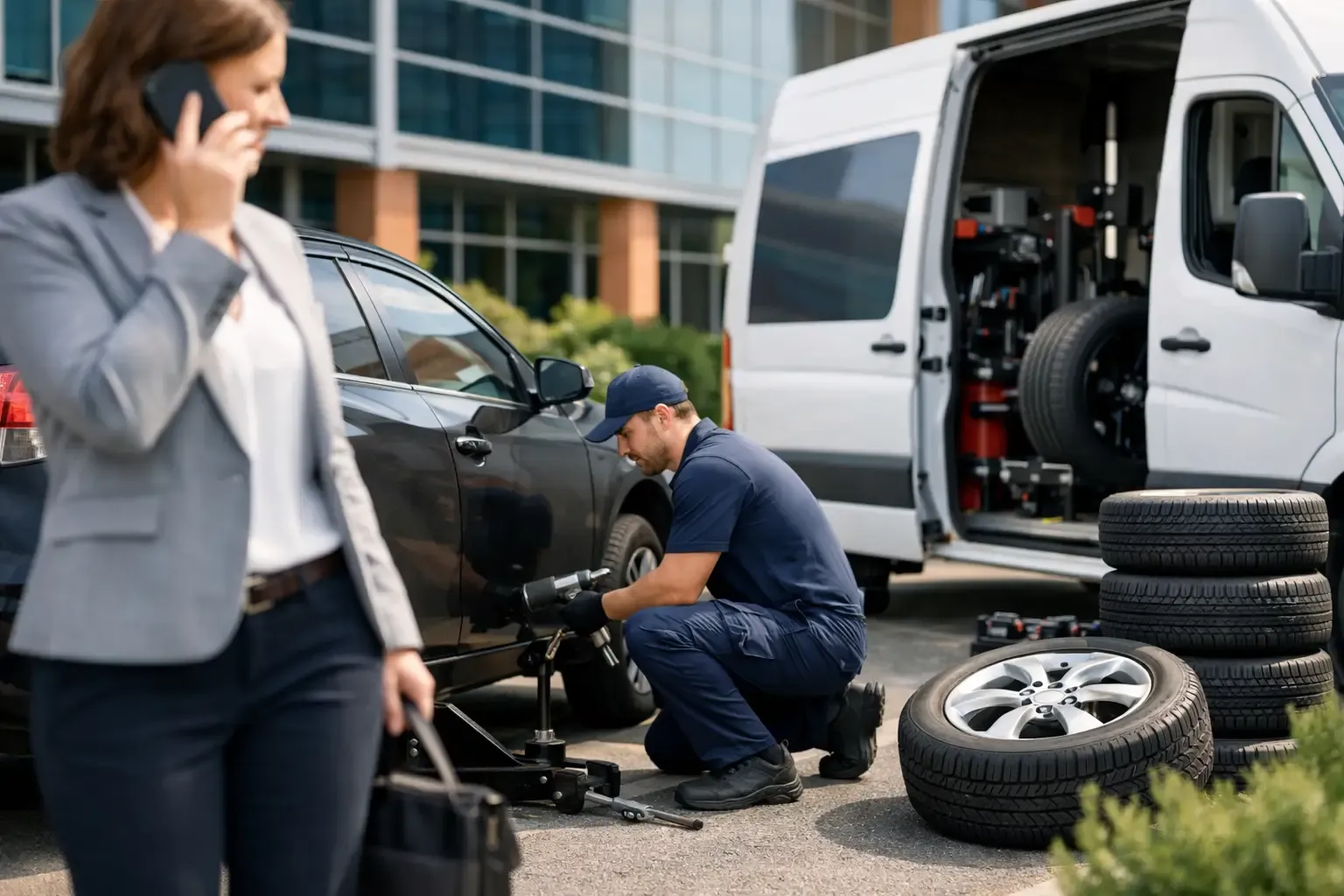
A mobile appointment is especially useful when worn tires make driving less safe, a flat prevents you from getting to a shop, or your schedule does not allow for a traditional service visit. For Columbus-area drivers, it can also mean handling necessary tire work at home while managing family responsibilities or at the office without disrupting the workday.
Before You Book: Know What Your Vehicle Needs
The best appointment starts with clear information. Look at the tire size printed on the sidewall of your current tire, or check the tire and loading information label inside the driver's door jamb. The size is written in a format such as 225/65R17. Providing this information helps ensure the correct tires are selected for your vehicle.
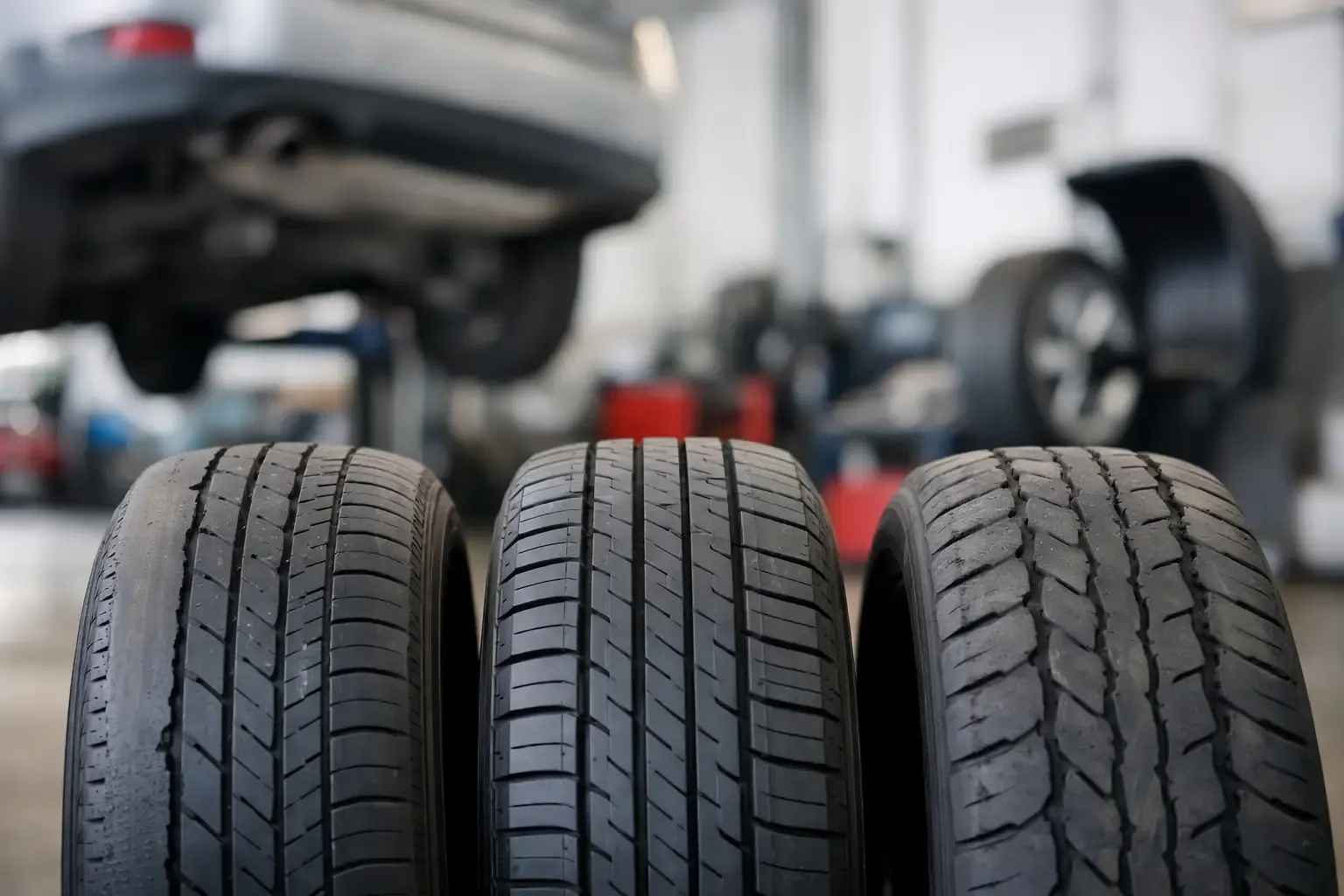
It also helps to know whether you are replacing one tire, two tires, or a full set. Replacing all four tires is often the most consistent choice for handling, traction, and tread wear. However, replacing two may be appropriate when the remaining pair has adequate tread and the tires can be positioned correctly. Vehicles with all-wheel drive may have stricter requirements because significant tread-depth differences can place added stress on the drivetrain.
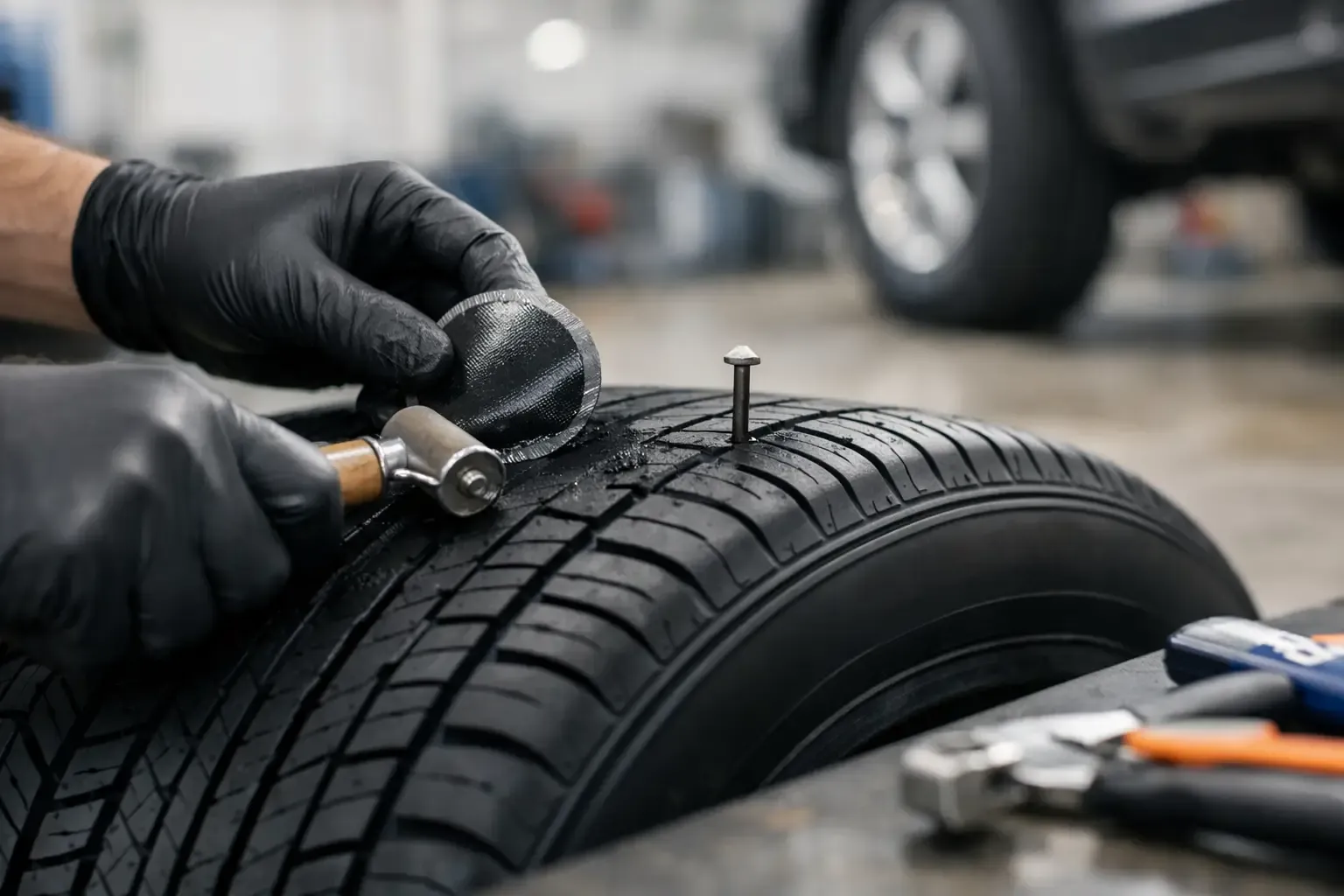
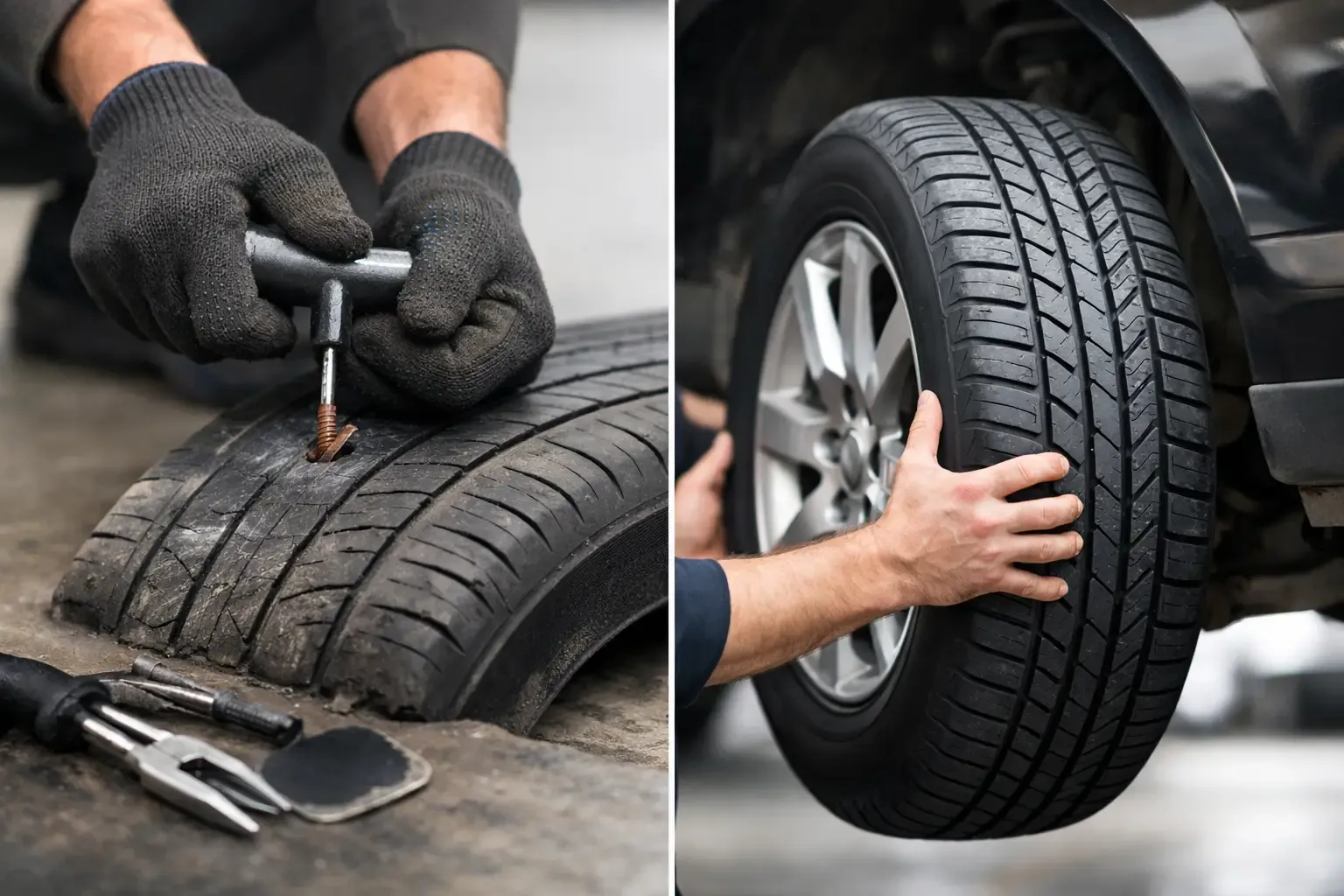
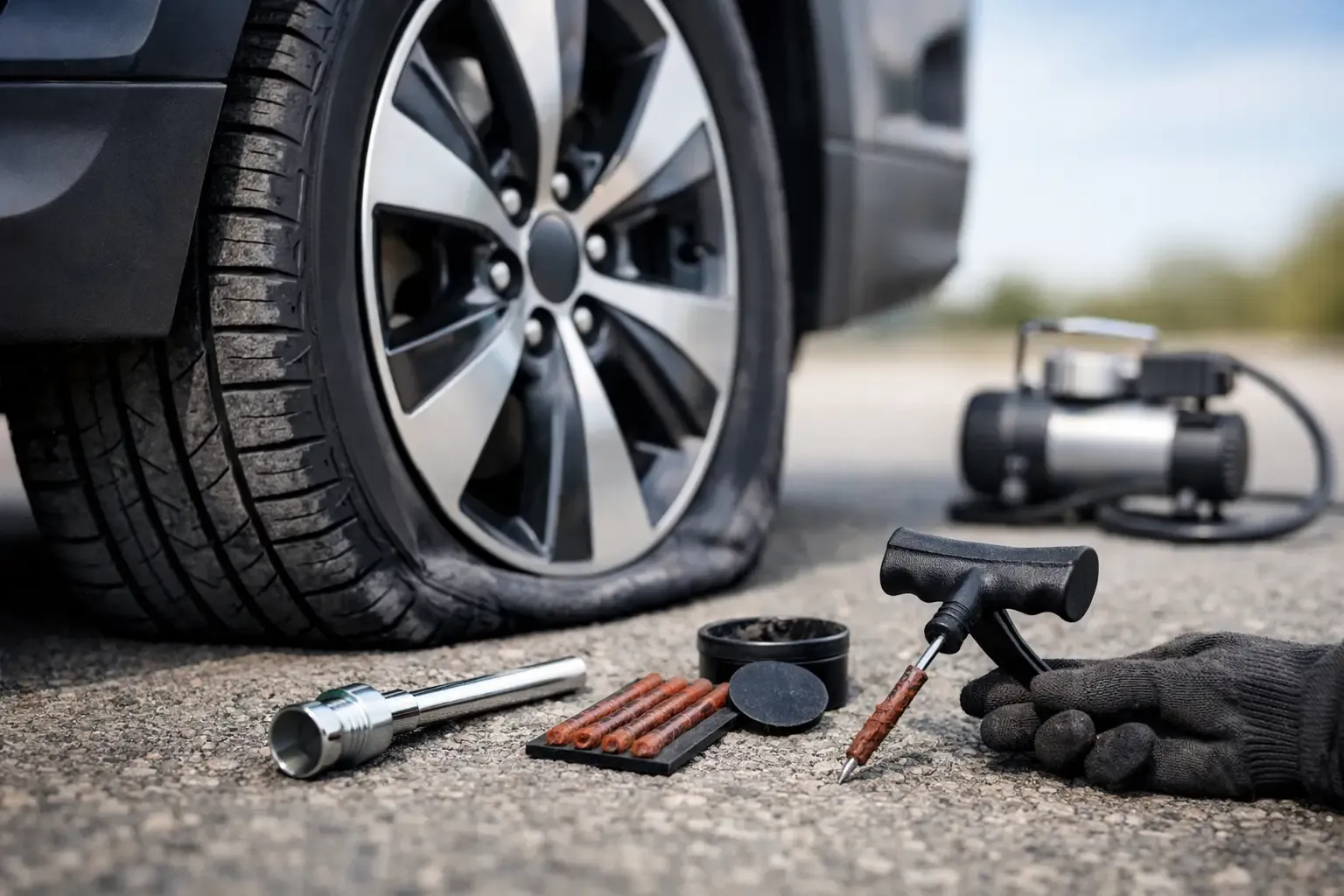
If you are unsure what you need, describe the issue rather than guessing. Mention if the tire is flat, losing air slowly, has visible sidewall damage, or has worn tread. A nail through the center of the tread may be repairable in some cases, while a damaged sidewall generally requires tire replacement. The technician can help confirm the safest path based on the condition of the tire.
Share the Details That Prevent Delays
When scheduling, provide your vehicle year, make, model, and trim if you know it. This matters because wheel sizes, tire fitments, TPMS procedures, and lug-nut styles can differ even among similar vehicles.
Let the service team know about wheel locks, aftermarket wheels, unusually low vehicles, or any previous tire-related problem. If your vehicle has a locking lug nut, make sure the key is available before the technician arrives. It is commonly stored in the glove box, center console, trunk, or with the spare tire tools.
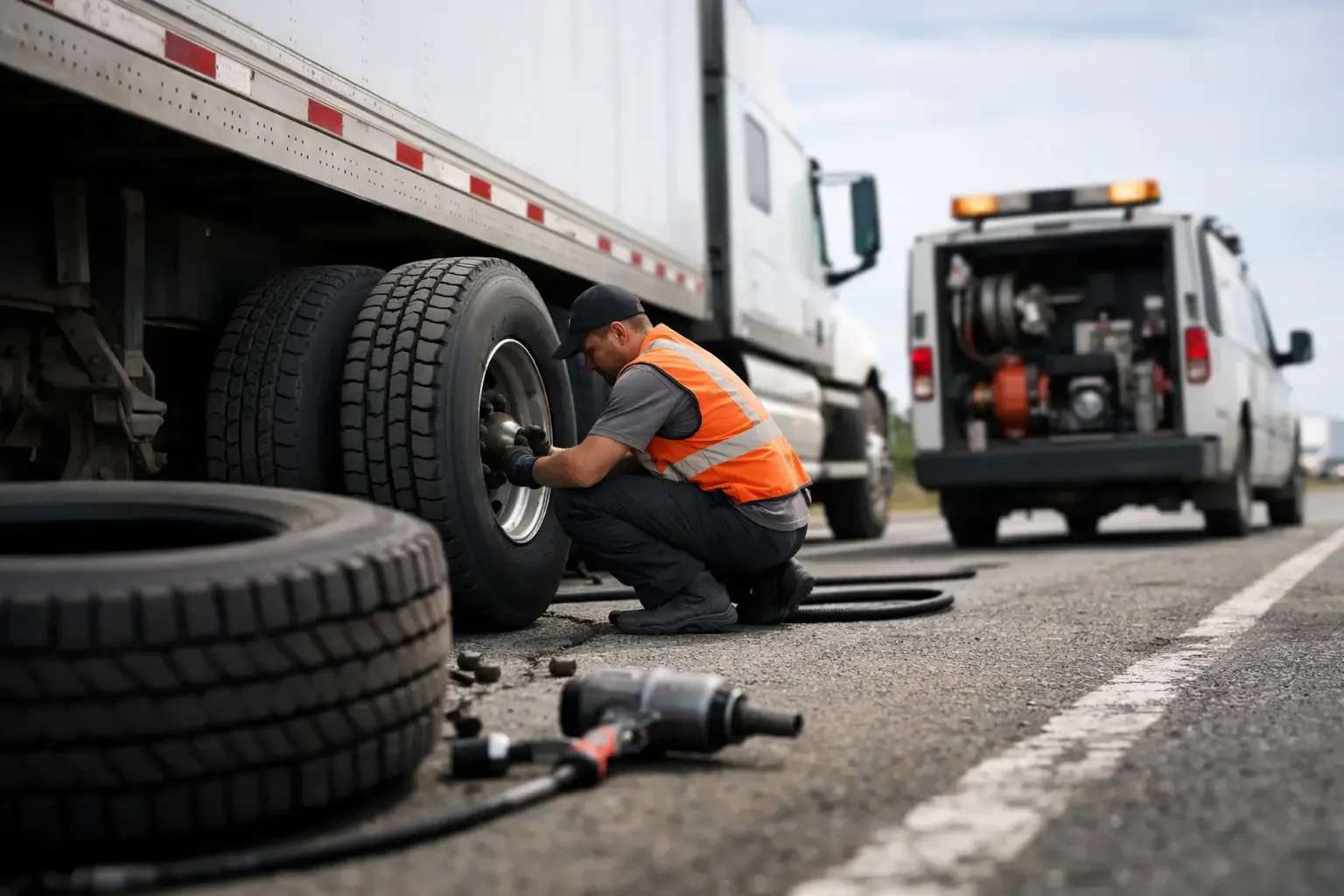
Be direct about the appointment location, too. A home driveway, office parking space, or commercial lot can all work well when there is safe access around the vehicle. If the vehicle is at the roadside, explain its exact location and whether it is safely out of traffic.
How to Prepare for Your Mobile Tire Appointment
Mobile service is convenient, but a few minutes of preparation can make the visit faster and safer. Park the vehicle on a firm, level surface when possible. Gravel, soft ground, steep inclines, and tight spaces can make lifting a vehicle more difficult and may limit what can be safely completed on site.
Leave enough room for the technician to work around both sides of the vehicle. If you are parked in a garage, pulling the vehicle outside is usually the better option. Clear access is particularly helpful for SUVs, trucks, and vehicles with larger wheel-and-tire packages.
Before the appointment, remove valuable items from the trunk if the spare tire, wheel lock key, or tire tools may be needed. Keep your keys accessible, and plan to be reachable by phone in case the technician needs to confirm a detail about the vehicle or location.
If you are having tires installed at work, notify your building manager or parking administrator if your lot has service restrictions. Most locations are straightforward, but permission can prevent an avoidable interruption.
What Happens When the Technician Arrives
A professional mobile tire appointment begins with a quick review of the work order and the vehicle. The technician will confirm the tire size, inspect the existing tires and wheels, and identify any concerns that could affect the installation. This is the time to point out vibration, steering pull, repeated pressure loss, or damage you have noticed.
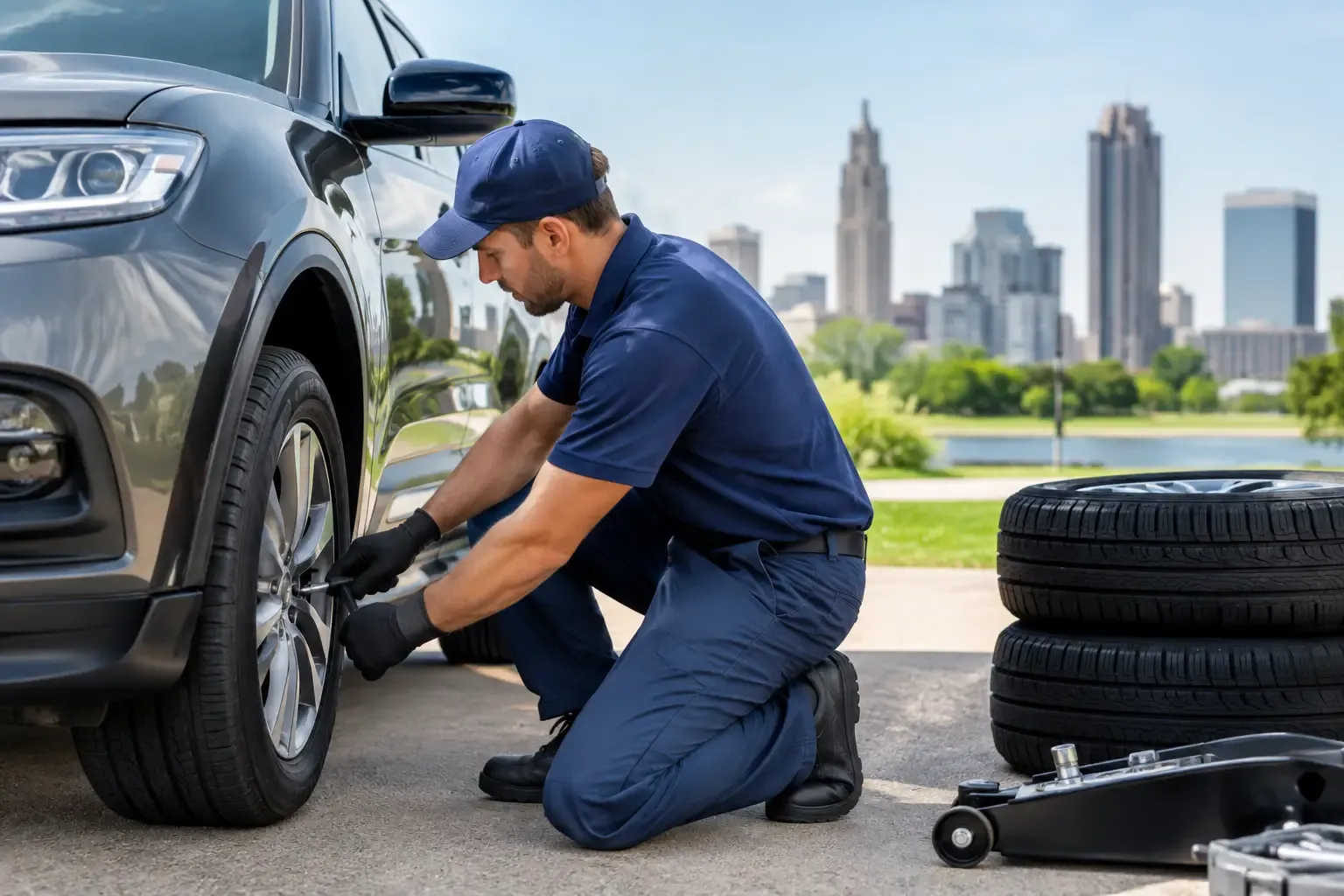
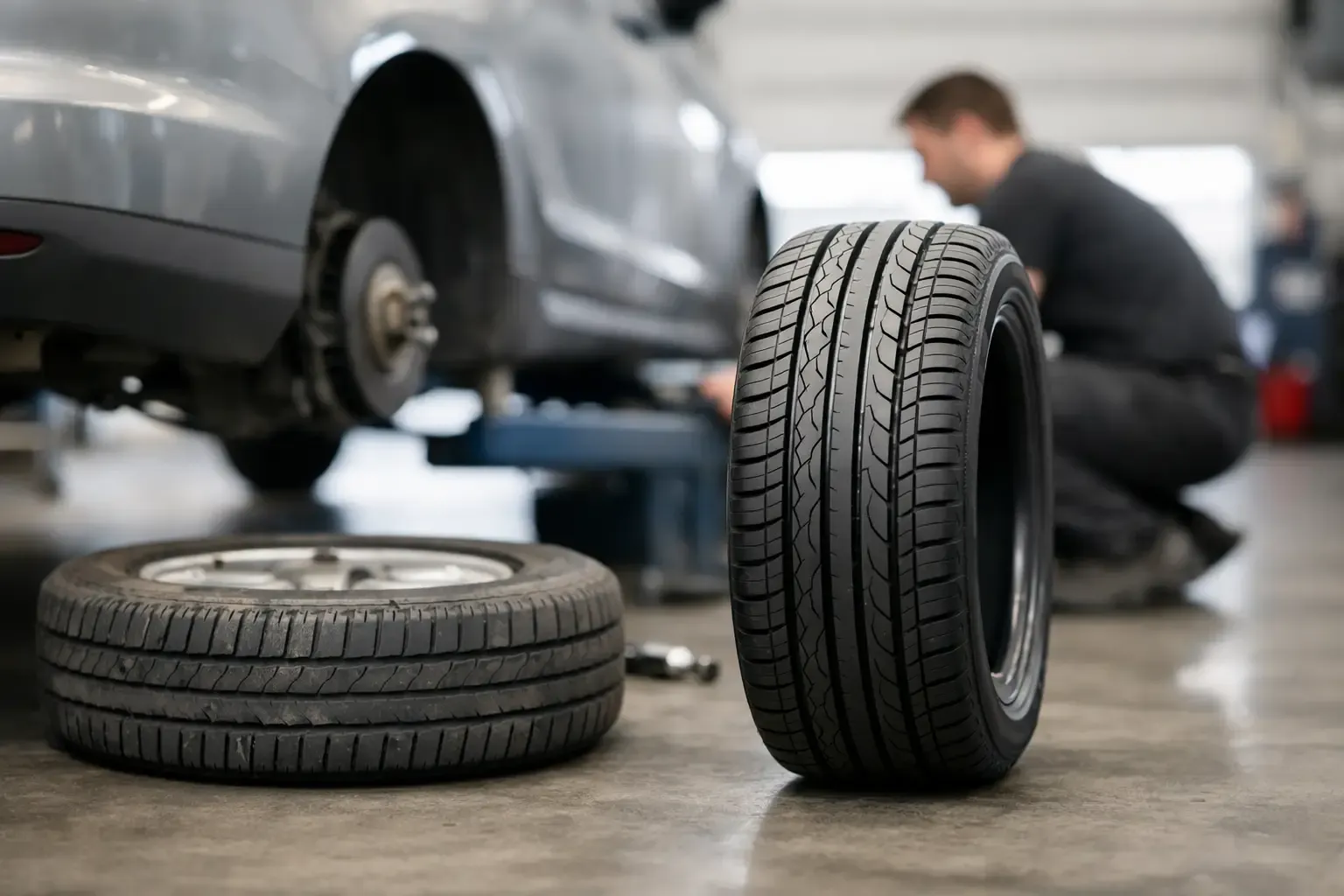
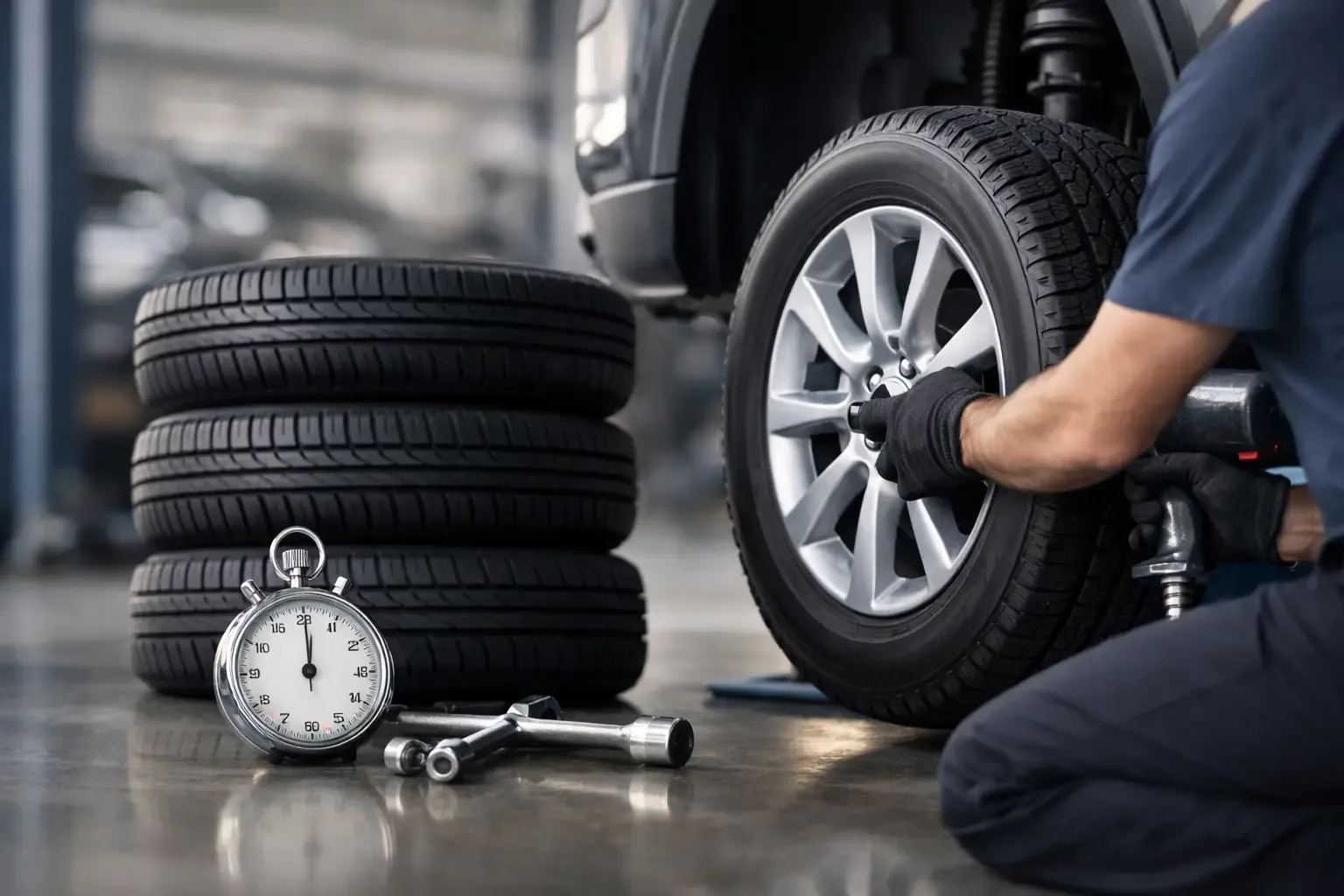
The vehicle is then lifted using appropriate equipment, and the wheels are removed. Old tires are dismounted from the wheels, while the wheels are inspected for issues such as bends, cracks, corrosion, or damaged valve components. The new tires are mounted, balanced, and installed before the lug nuts are tightened to the manufacturer's recommended torque specification.
Balancing matters because an unbalanced wheel can create vibration, accelerate uneven tread wear, and make highway driving less comfortable. Proper inflation is equally important. The pressure printed on the tire sidewall is not usually the vehicle's recommended operating pressure. The correct cold tire pressure is normally found on the driver's door-jamb label.
Once the work is complete, the technician checks the final installation and confirms that the vehicle is safe to drive. Depending on the vehicle, TPMS sensors may need time to update after driving, or they may require a specific reset procedure. Ask what to expect before you leave the appointment.
Common Questions About Mobile Tire Installation
How long does an appointment take?
Timing depends on the number of tires, wheel condition, vehicle type, and whether TPMS service is needed. A standard four-tire installation is often completed within about an hour to an hour and a half. Complicated wheel locks, damaged wheels, difficult access, or additional repairs can take longer.
Can tires be installed anywhere?
Not every location is suitable. Technicians need a stable work area, enough space to safely lift the vehicle, and reasonable access to the wheels. A busy traffic lane, unsafe shoulder, steep hill, or soft ground may require moving the vehicle or arranging a safer location.
Should I stay with the vehicle?
You do not necessarily need to stand beside the vehicle throughout the appointment, but you should be available by phone and able to provide keys if needed. For a home or workplace visit, many customers continue with their day nearby while the service is completed.
What should I do after new tires are installed?
Drive normally, but pay attention to any unusual vibration, pulling, warning lights, or noise during the first few trips. Recheck tire pressure monthly and before longer drives. If your vehicle required new tires because of uneven wear, have the alignment checked soon. Tires can only deliver their expected life when alignment and suspension conditions are in good shape.
Choosing Service Based on Safety, Not Just Convenience
Convenience is a major reason to book mobile tire service, but the right decision still comes down to your vehicle's condition. A slow leak may be repairable. Worn tread, a sidewall bubble, or structural damage is a different situation and should be addressed promptly. If you are not sure whether it is safe to drive, do not take chances just to reach a tire shop.
The same applies to tire selection. The correct tire depends on your vehicle, driving habits, expected weather, load requirements, and manufacturer specifications. A commuter vehicle, family SUV, work truck, and performance sedan may all need a different approach. Clear advice and proper installation are worth more than a rushed decision.
A well-prepared mobile appointment turns tire service into a practical part of your day instead of a disruption. Have your vehicle details ready, choose a safe work location, and ask questions about the tires going on your vehicle. That small amount of preparation helps you leave the appointment with the confidence that your car is ready for the next mile.
Ready for a new set? Elite Mobile Tire installs 2 or 4 new tires right in your driveway or parking lot anywhere around Columbus, Obetz, Groveport, Grove City, and Reynoldsburg. Financing is available through Afterpay and Acima with up to 24-month payment plans. Call 614-344-5010 or visit elitemobiletire.com to book.