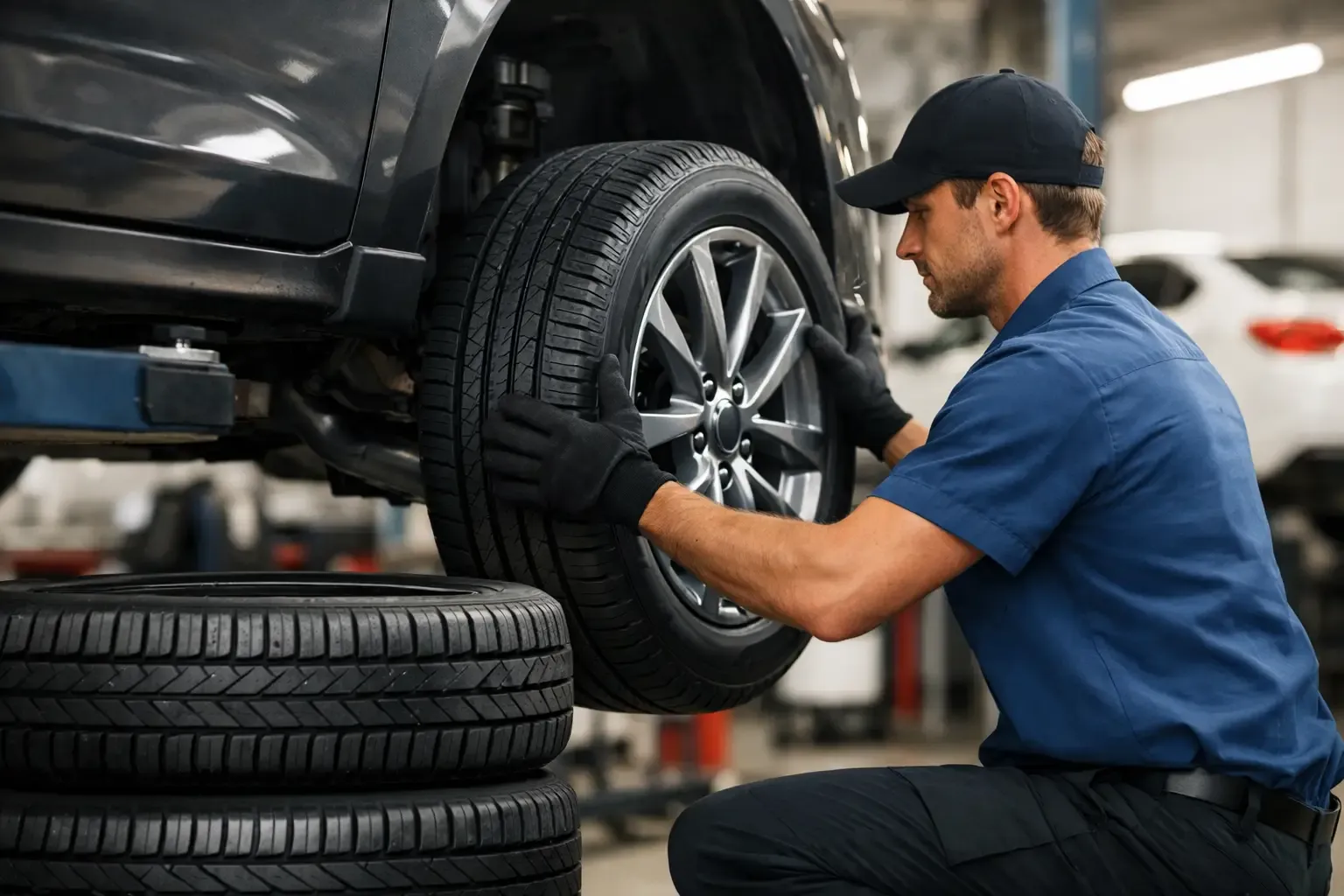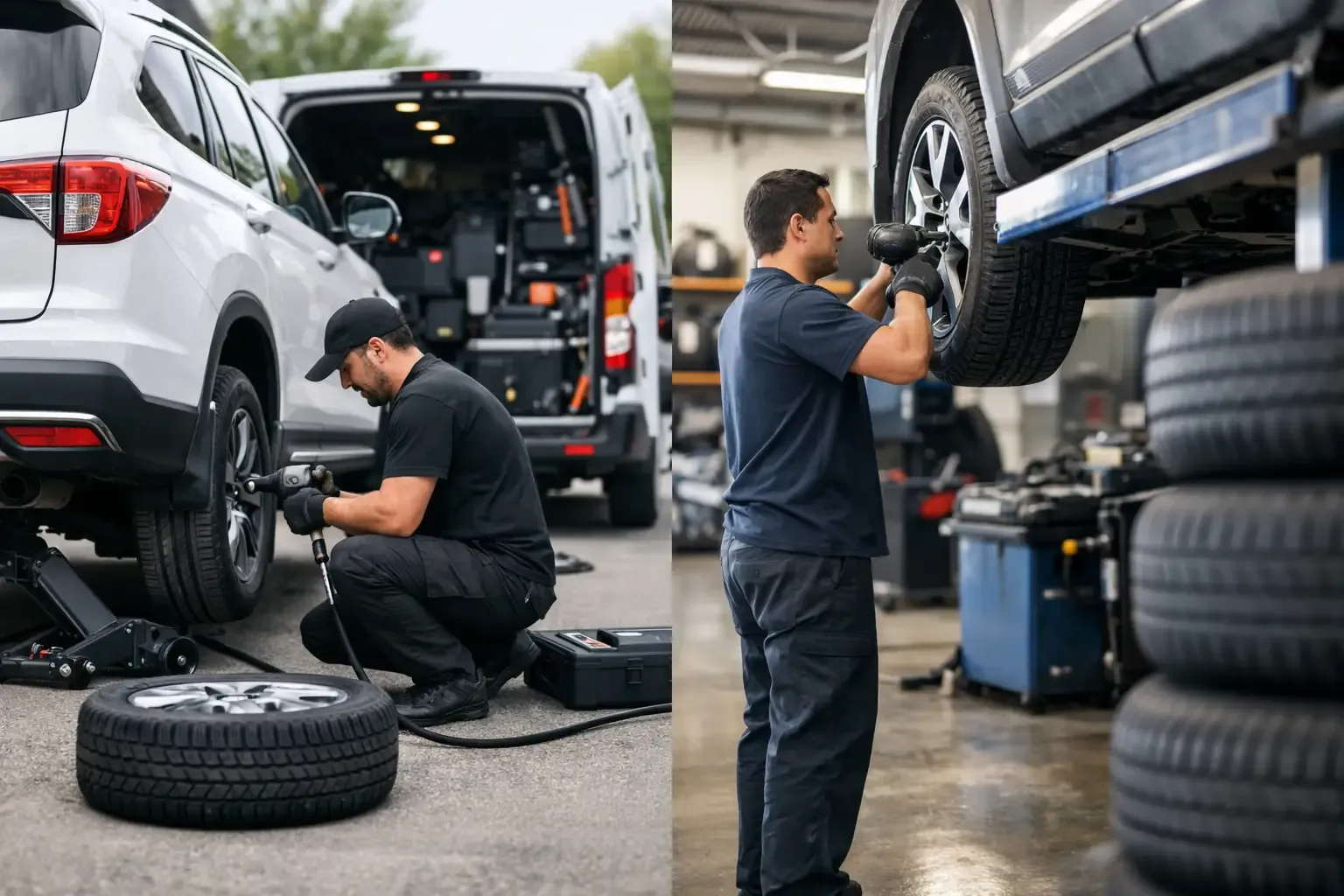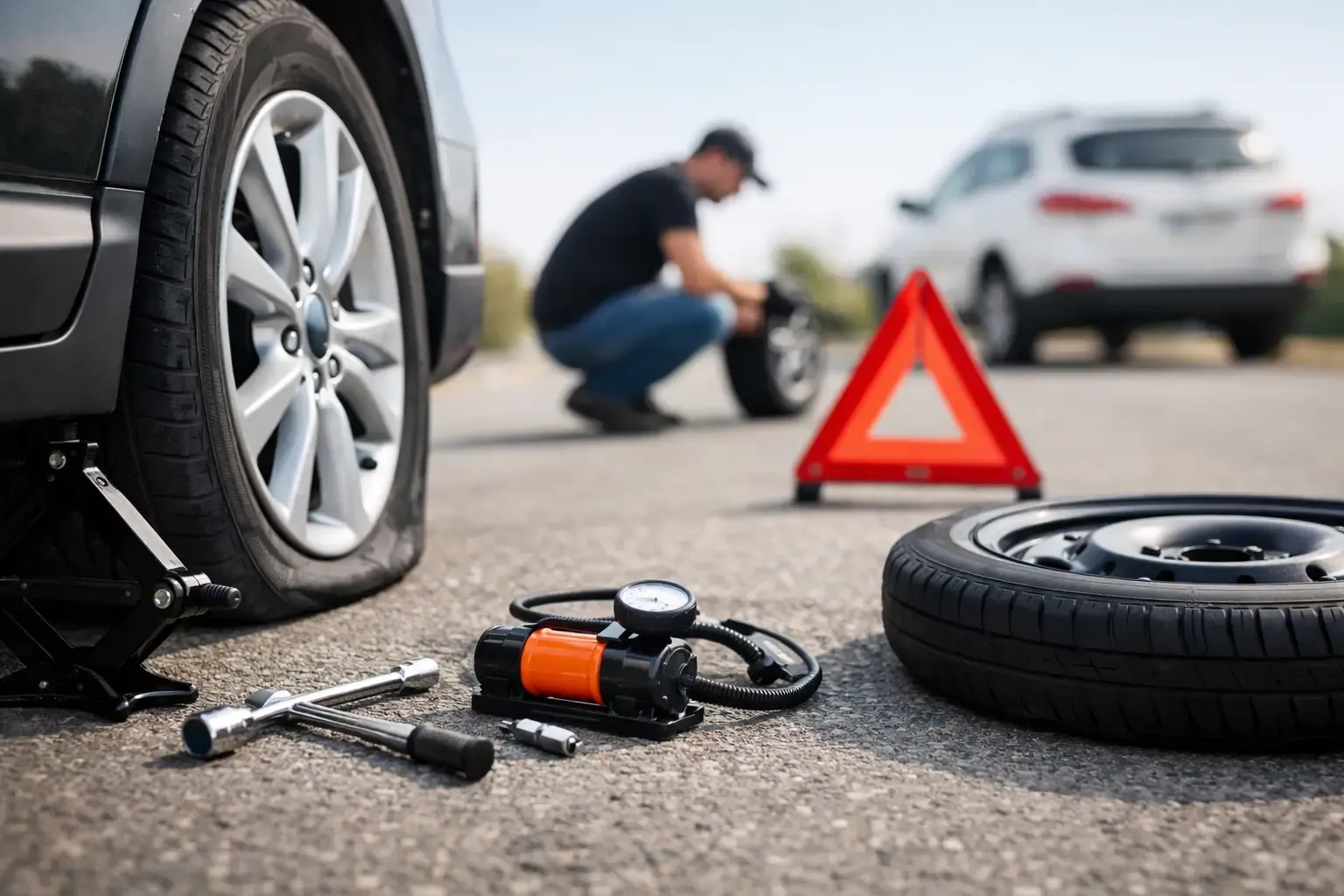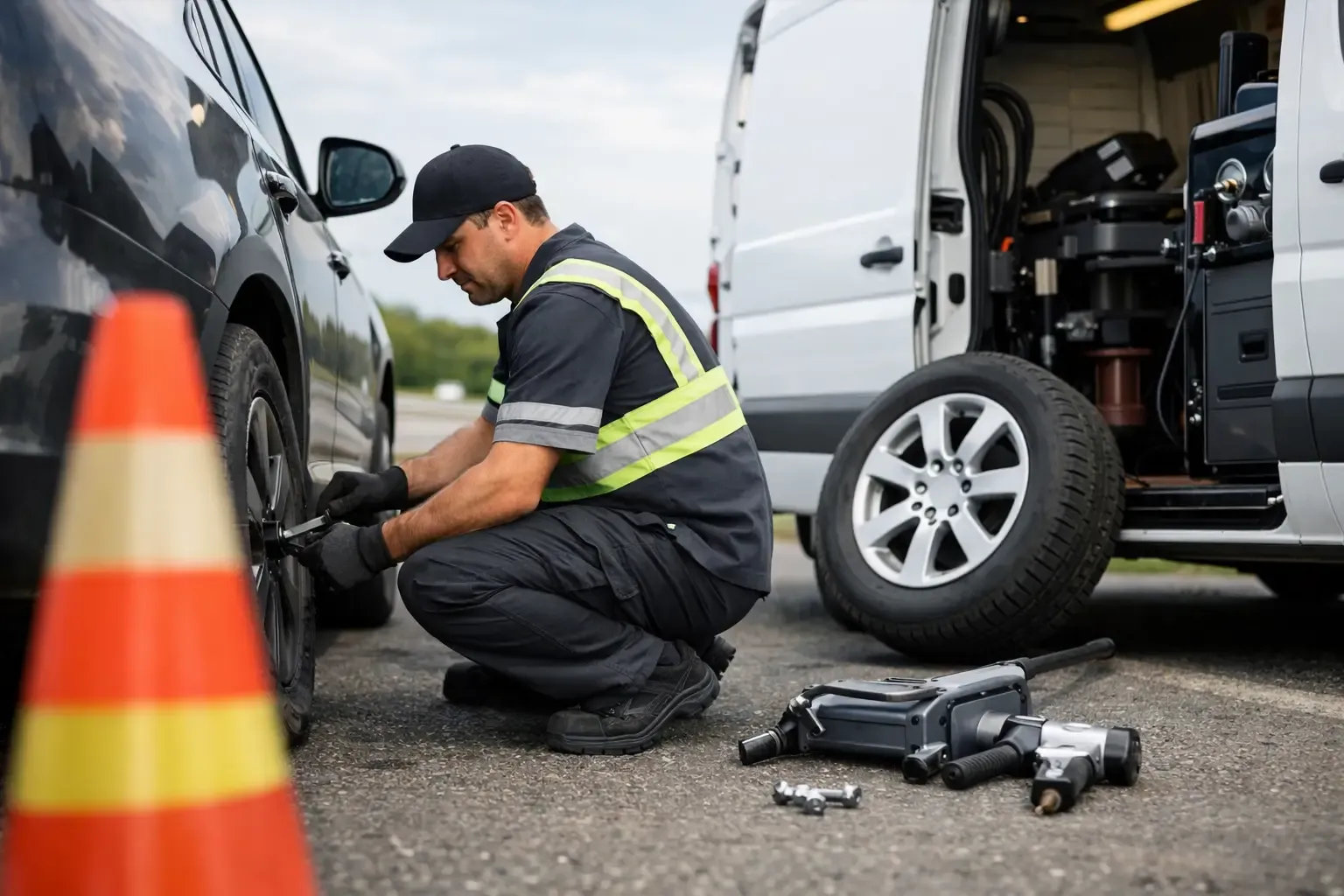

A February commute in Columbus can start on dry pavement, turn into slush by lunch, and end on a rain-soaked road after dark. That range is exactly why learning how to choose tires for Ohio roads is about more than picking a familiar brand or replacing what came on the vehicle. The right tires need to manage wet pavement, cold temperatures, potholes, highway miles, and the occasional snow-covered neighborhood street.
For most drivers, the best choice balances year-round practicality with the level of winter traction their regular routes demand. Start with your vehicle's required tire size and load rating, then consider how, where, and when you drive. A tire that performs well for a downtown commuter may not be the best match for a family traveling rural roads before plows arrive.
Start With the Tire Size Your Vehicle Requires
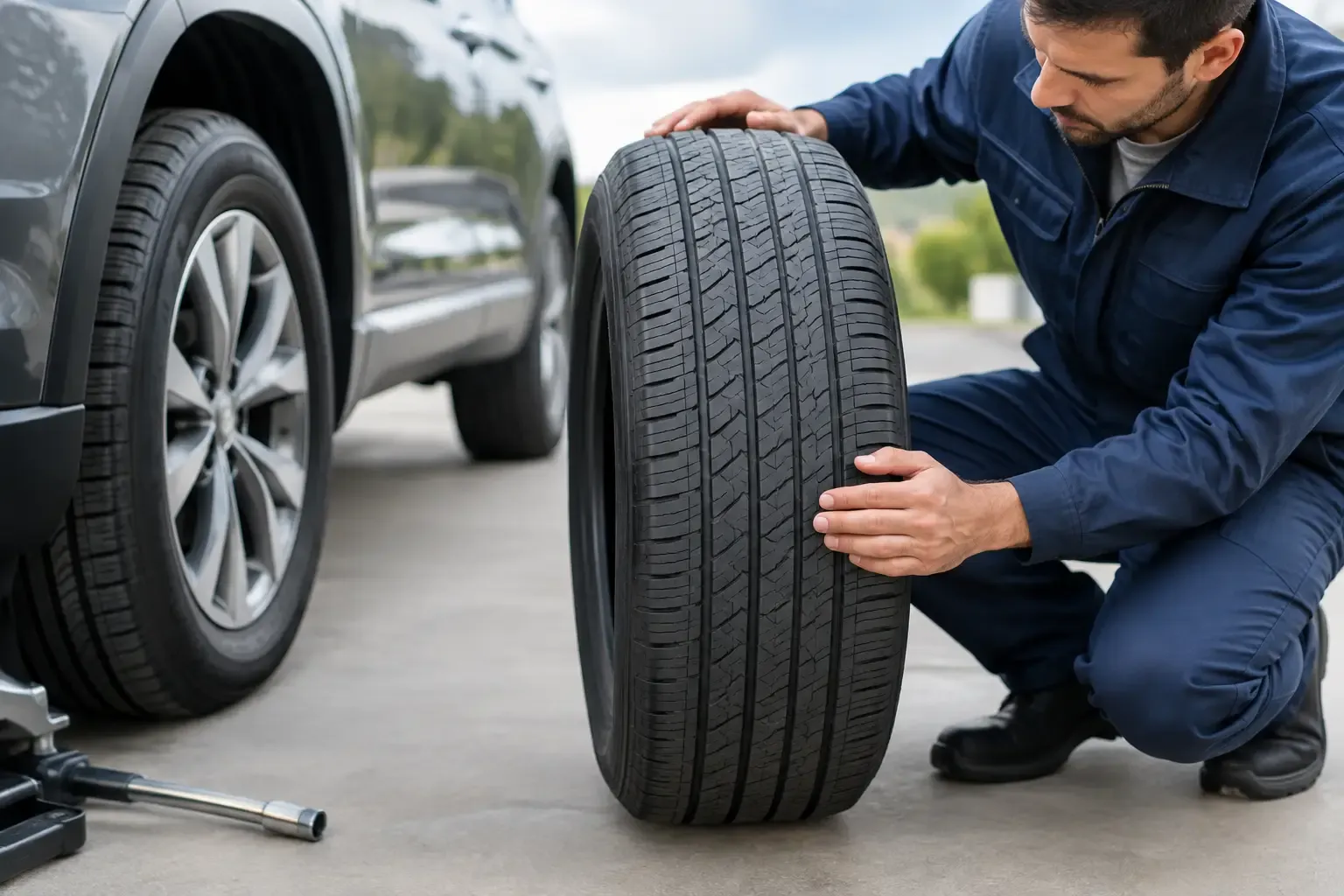
Your vehicle's recommended tire size is the first non-negotiable. You can find it on the driver's door-jamb placard and in the owner's manual. A size such as 225/65R17 describes the tire's width, sidewall profile, construction, and wheel diameter. That same label also lists the recommended load capacity and inflation pressure.
Staying with the manufacturer-approved size helps preserve braking, handling, speedometer accuracy, ground clearance, and the performance of vehicle safety systems. Moving to a different size can sometimes be appropriate, but it should be a deliberate decision based on fitment and vehicle use, not a guess based on appearance.
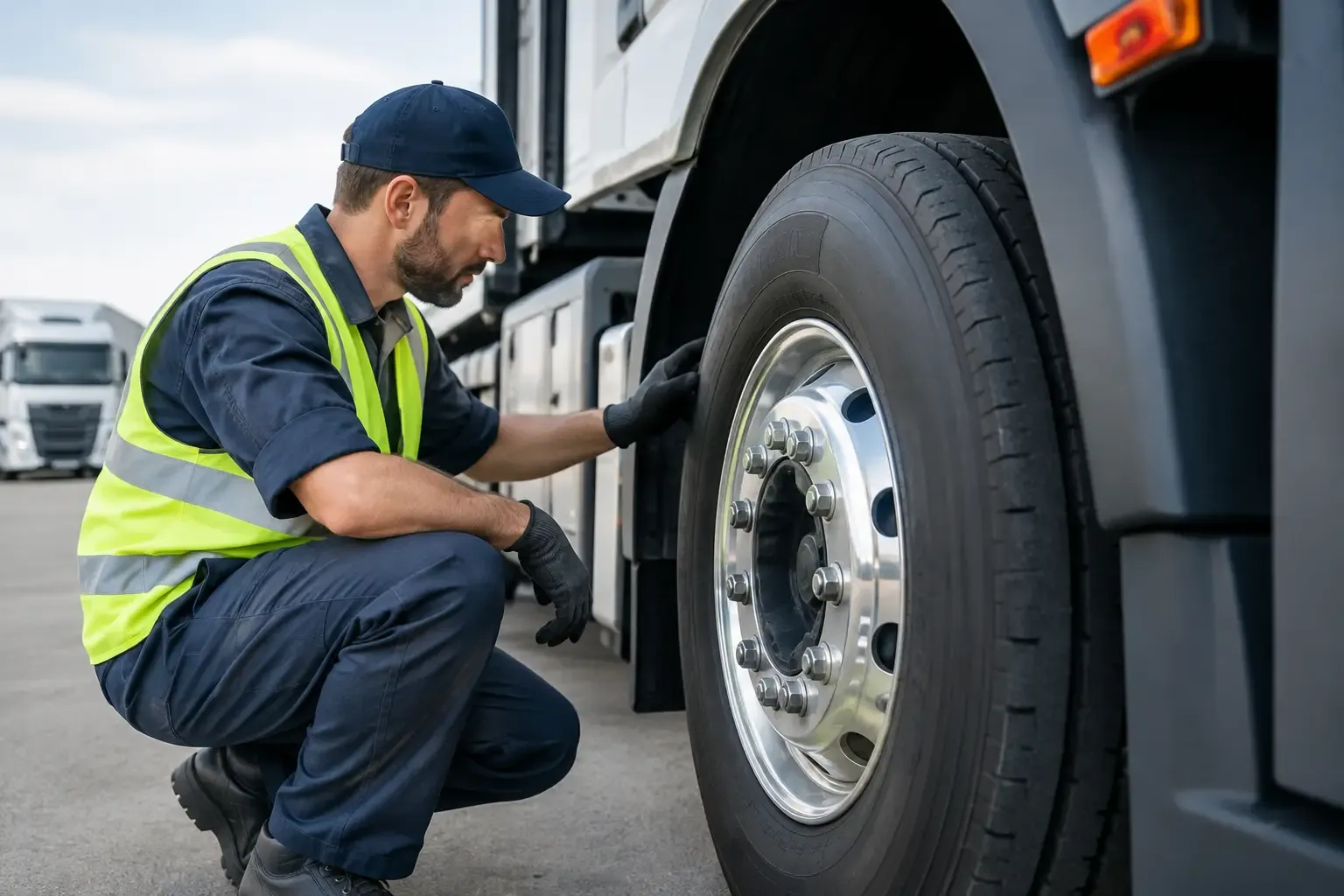
Also pay attention to the tire's load index and speed rating. SUVs, trucks, minivans, and vehicles that regularly carry passengers or equipment need tires built for that workload. Choosing a tire with insufficient capacity can affect stability, wear, and safety.
How to Choose Tires for Ohio Roads by Season
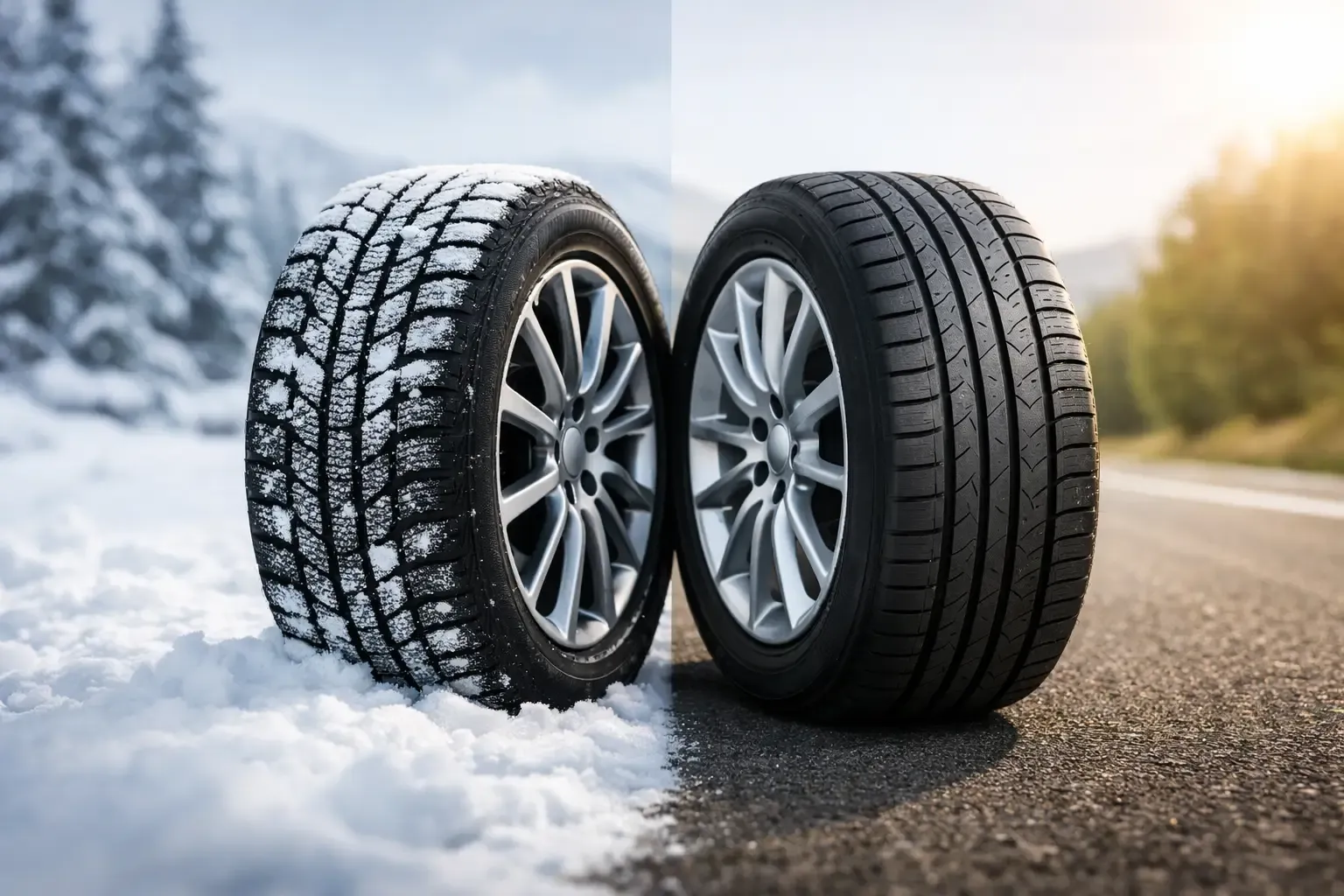
Ohio does not have one driving season. It has a long stretch of wet and variable weather, hot summer pavement, falling leaves, freeze-thaw cycles, and winter conditions that can change quickly. The best tire category depends on whether you need one set for all year or want dedicated winter performance.
All-season tires for most Columbus drivers
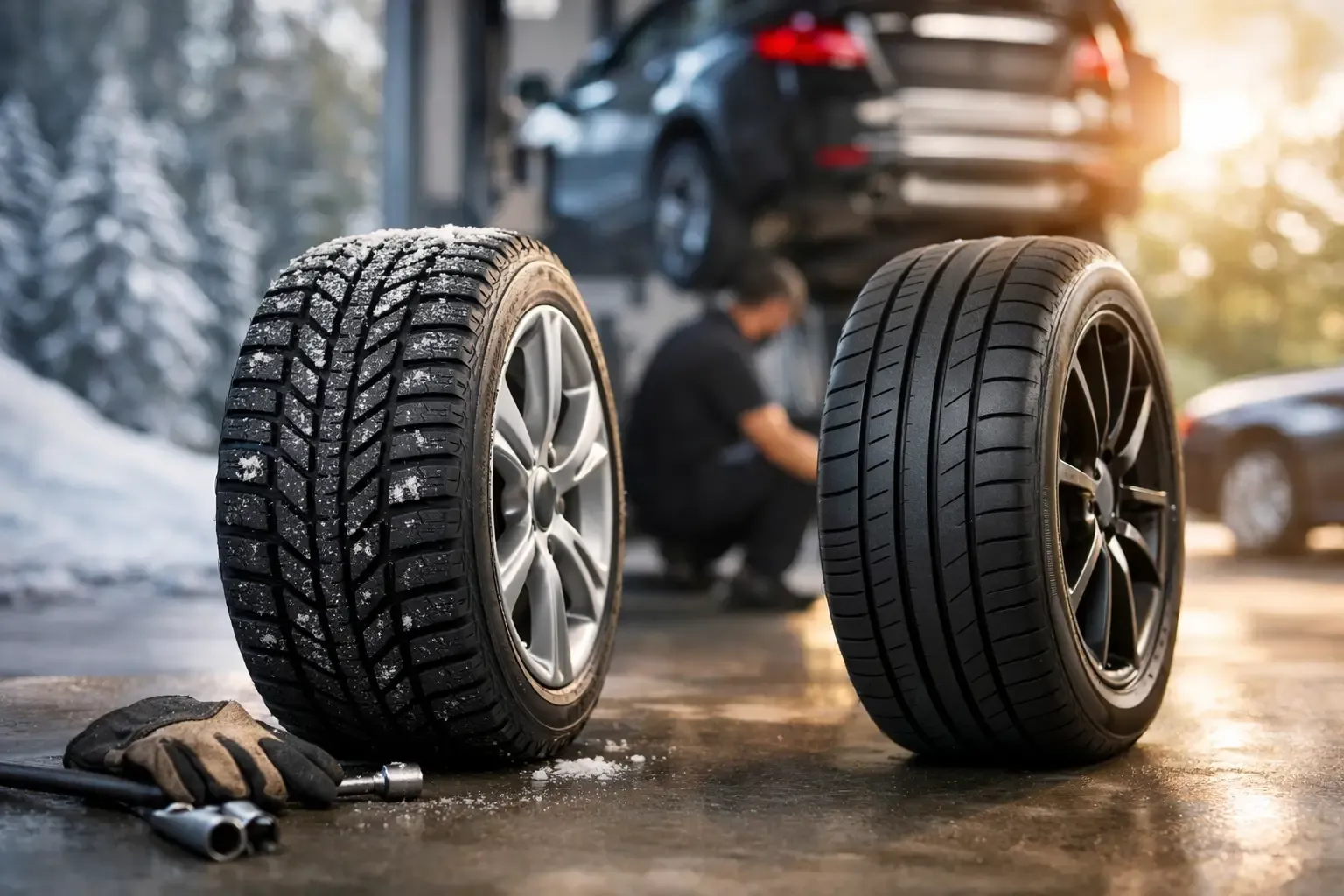
A quality all-season tire is the practical choice for many Columbus-area drivers. It is designed to provide dependable dry and wet traction, comfortable road manners, and useful light-snow capability. For commuters who mostly travel maintained roads, park in garages or driveways, and can avoid the worst storms when possible, all-season tires are often the right balance.
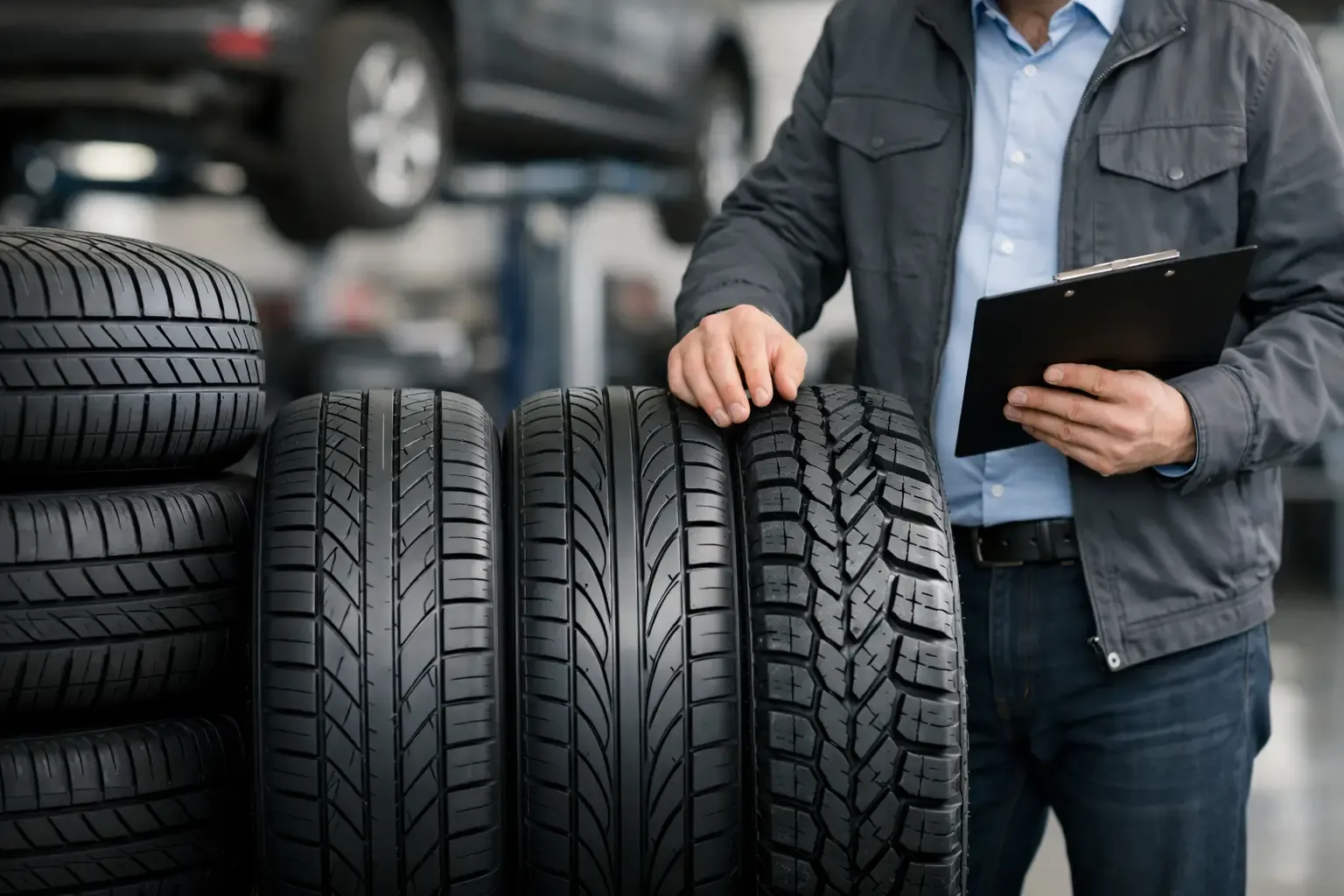
Not all all-season tires perform the same way in rain or cold. Look beyond the category name. Tread design, rubber compound, wet braking performance, warranty coverage, and the tire's intended use all matter. A touring-focused tire may offer a quieter, smoother ride and longer tread life, while a performance-oriented all-season tire can provide sharper handling with different comfort and wear trade-offs.
All-weather tires for stronger year-round winter confidence
All-weather tires sit between conventional all-season and dedicated winter tires. Many carry the Three-Peak Mountain Snowflake symbol, which means they meet a recognized standard for snow traction. They can be a smart option for drivers who want stronger cold-weather and snow performance without changing tires twice a year.
This category can make sense for people with early-morning shifts, regular suburban or rural travel, or a schedule that does not allow them to wait for ideal road conditions. The trade-off is that some all-weather models may not offer the same tread life, summer responsiveness, or fuel efficiency as a touring all-season tire. The right model depends on what you value most.
Winter tires for regular snow and ice exposure
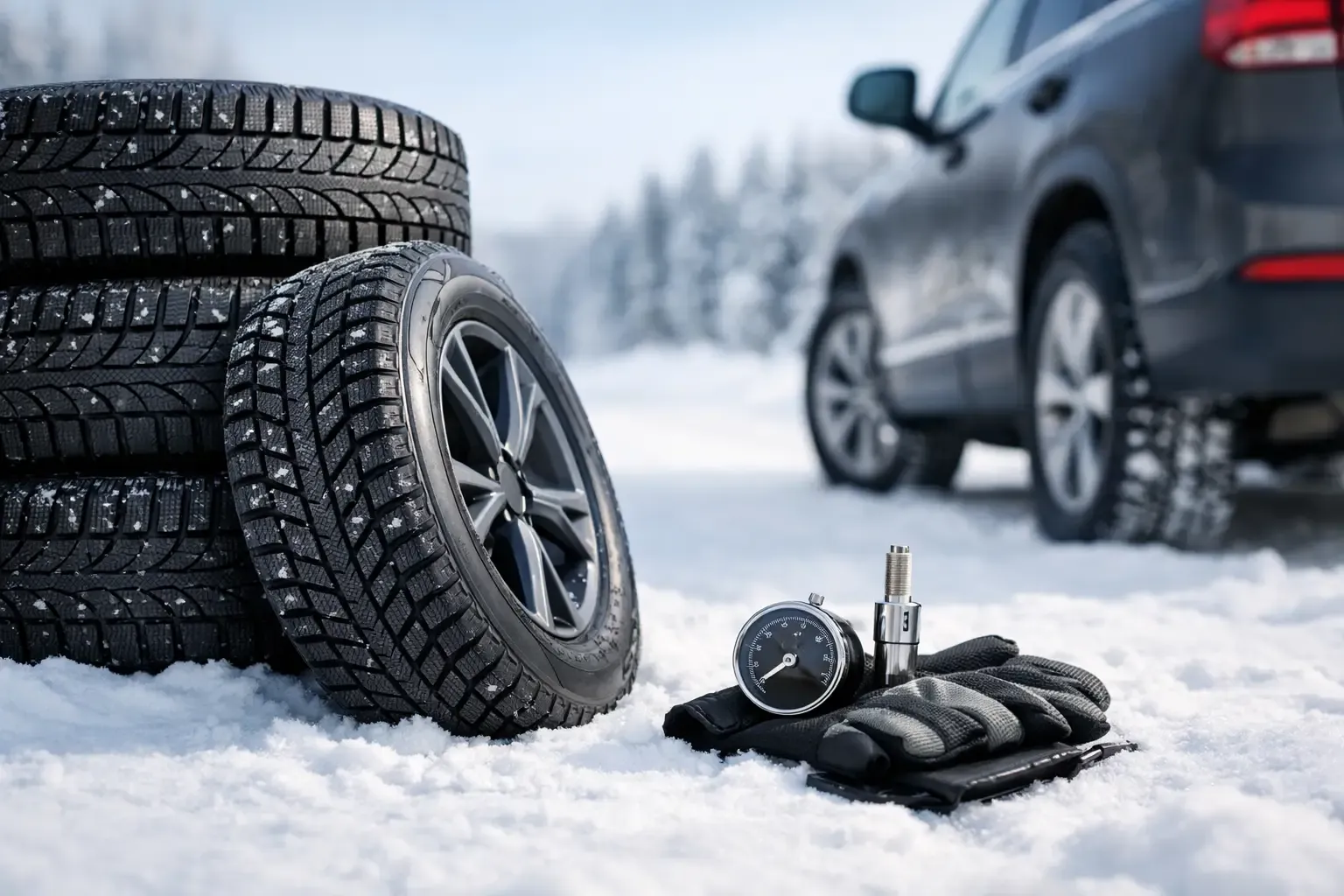
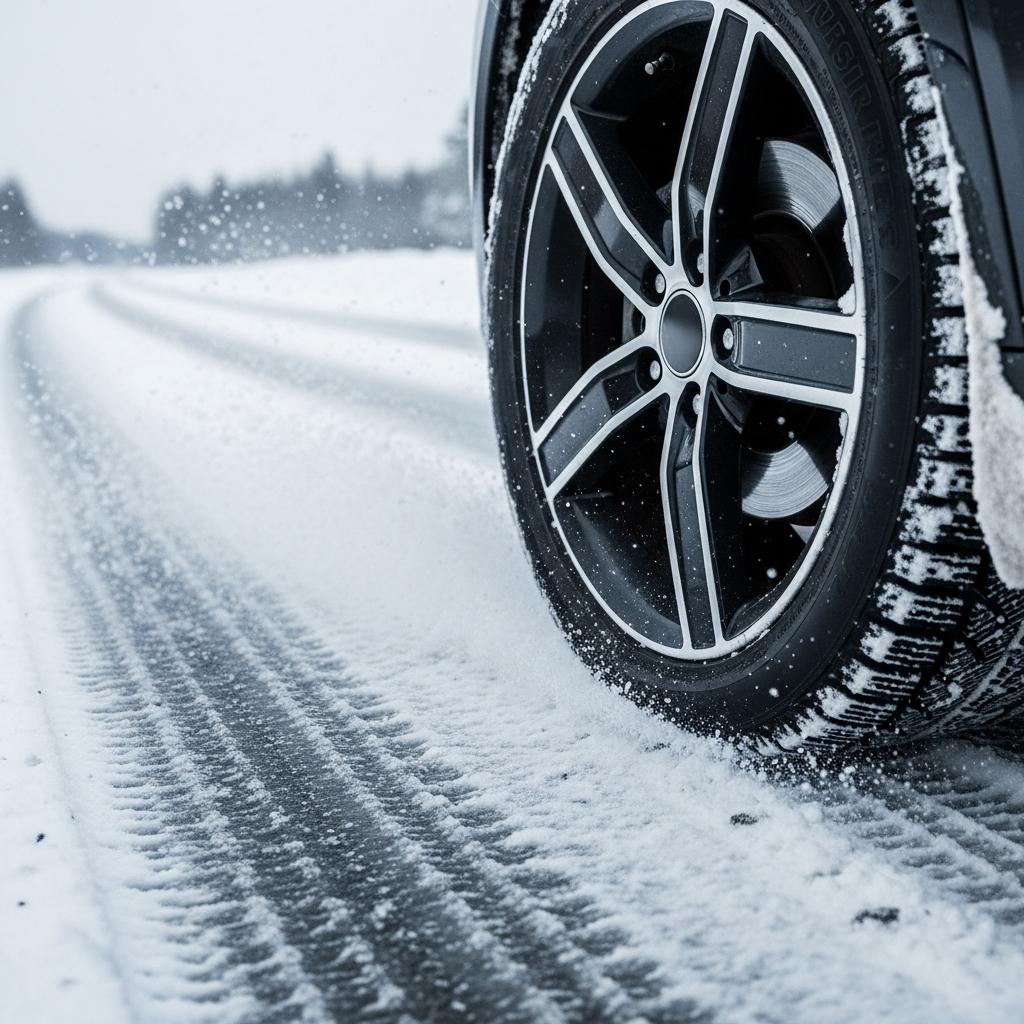
Dedicated winter tires use compounds that remain more flexible in cold weather and tread patterns designed to bite into snow and move slush away from the contact patch. They offer the greatest advantage when temperatures consistently stay near or below 45 degrees, especially on packed snow, ice, unplowed side streets, and hilly routes.
If you routinely drive before roads are treated, travel outside the metro area, or cannot postpone trips during storms, winter tires are worth serious consideration. They should be installed as a complete set of four. Mixing two winter tires with two all-season tires can create uneven traction that makes the vehicle less predictable during braking and cornering.
Put Wet-Road Safety High on the List
Rain is one of the most common hazards Ohio drivers face. Water pooled in ruts, heavy spring storms, and slick pavement after a dry spell can all reduce grip quickly. A good wet-weather tire needs tread channels that evacuate water and a compound that maintains traction when pavement is damp and cool.
When comparing options, ask about wet braking and hydroplaning resistance. Wide grooves can help move water away, while smaller tread features improve grip at the road surface. A tire does not need an aggressive off-road look to perform well in rain. In fact, the best tire for a daily commuter is usually the one that delivers predictable braking, steering, and comfort on the roads that driver uses most.
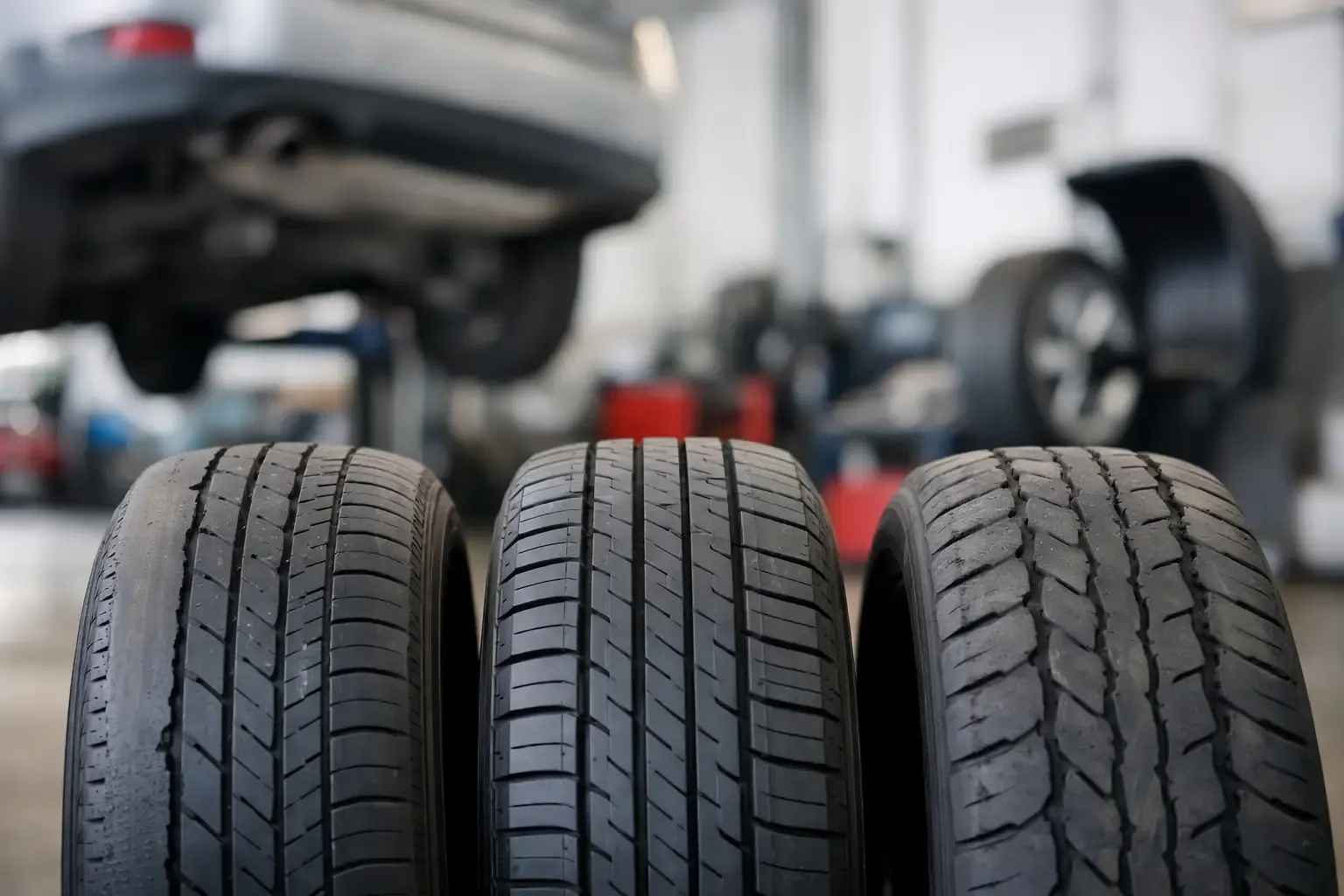
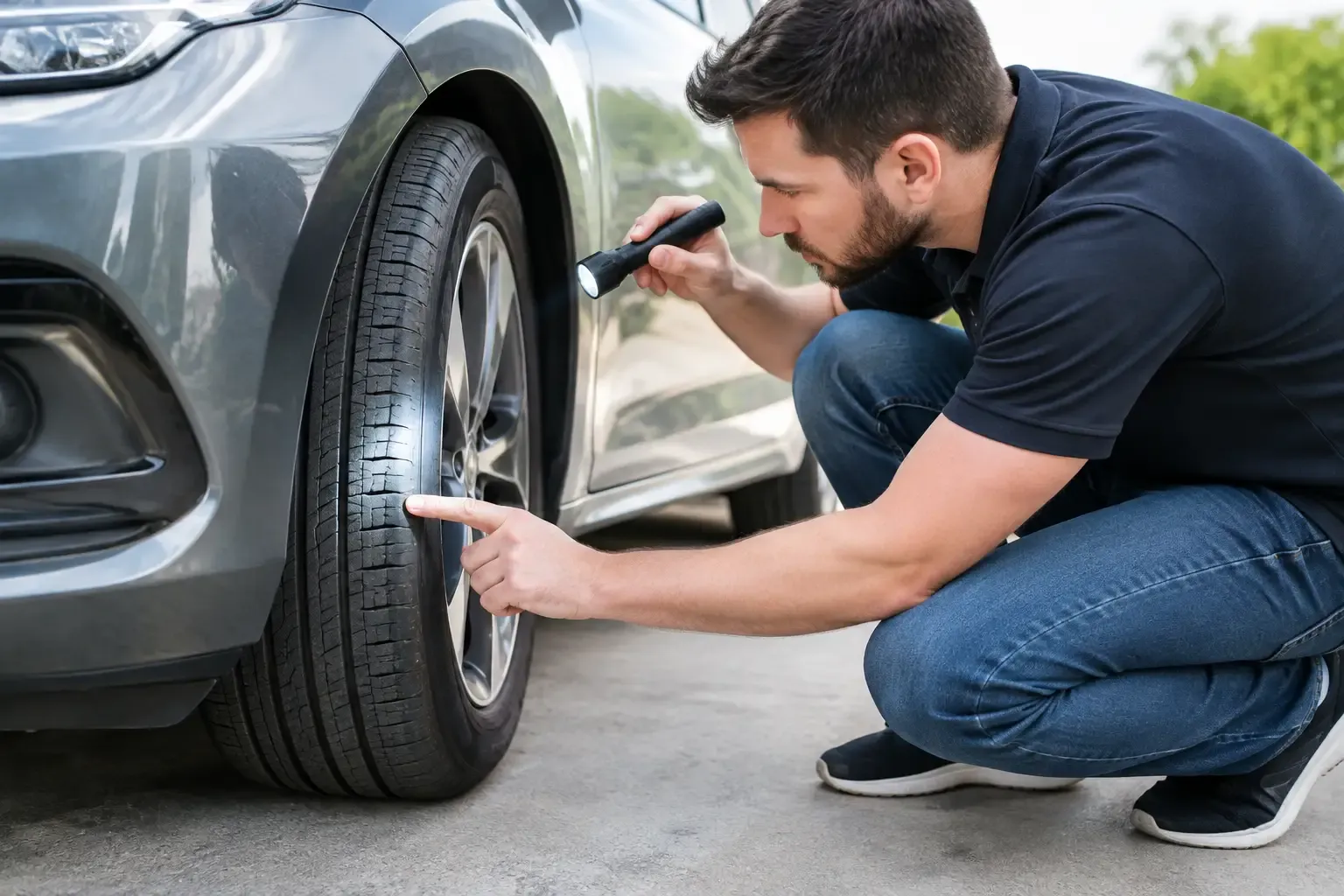
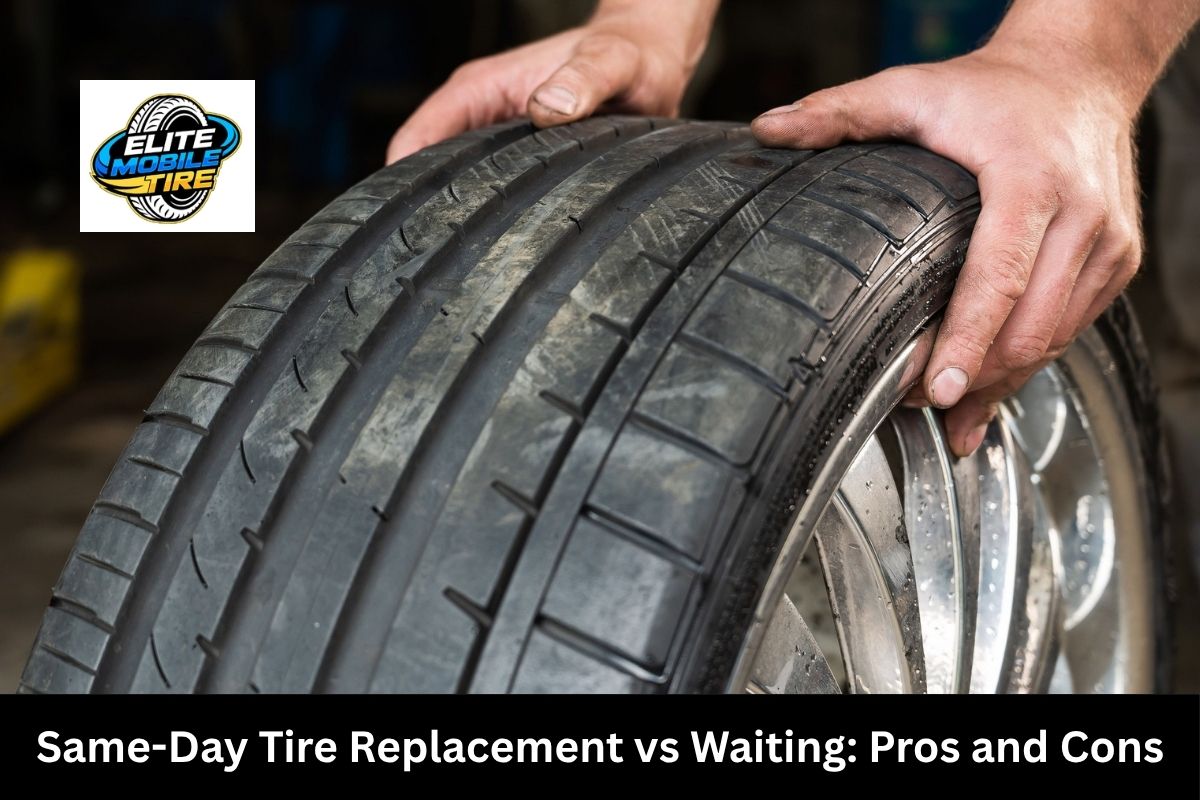
Tread depth matters just as much as the original tire design. As tread wears down, a tire loses its ability to clear water and snow effectively. The penny test can provide a quick warning, but do not wait until a tire is completely worn out to plan replacement. For dependable wet and winter performance, it is wise to evaluate tires before they approach the legal minimum tread depth.
Consider Potholes, Road Condition, and Ride Comfort
Freeze-thaw cycles create potholes, broken pavement, and sharp road edges throughout central Ohio. Low-profile tires can look appealing and may improve steering response, but their shorter sidewalls provide less cushioning against impacts. They can also leave wheels more vulnerable to damage from potholes.
For a daily driver, a tire with a slightly taller sidewall can offer a more forgiving ride and better impact protection, provided it remains within approved fitment specifications. This is especially relevant for drivers who regularly travel older city streets, construction zones, or rougher suburban routes.
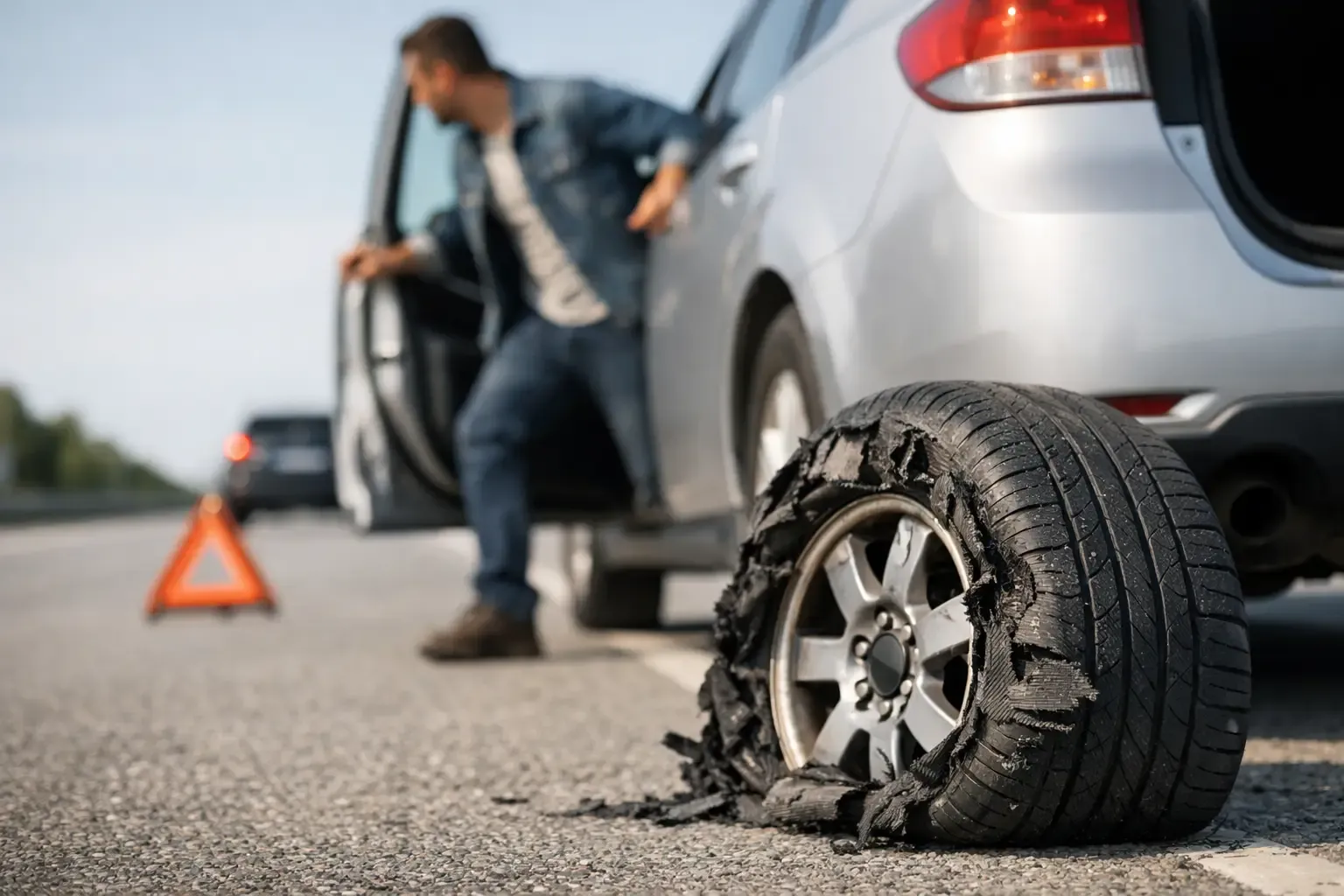
After a significant pothole strike, pay attention to vibration, pulling, a new bulge in the tire sidewall, or a loss of air pressure. A sidewall bulge is not a cosmetic issue. It can indicate internal tire damage and should be inspected promptly. Continuing to drive on a damaged tire can lead to a sudden failure.
Match the Tire to Your Daily Driving Pattern
The best tire for Ohio roads is personal. A vehicle that spends most of its time on I-270 or US-33 has different needs than one used for school drop-offs, neighborhood errands, and weekend trips with a full cargo area.
Think through your normal week. If you drive long highway distances, prioritize ride comfort, noise control, wet stability, and tread life. If you drive a truck or SUV that carries tools, equipment, or passengers, verify load capacity and look for durability. If your vehicle is used mainly for short trips, make sure you still check tire pressure regularly, since low mileage does not prevent pressure loss or age-related deterioration.
For electric and hybrid vehicles, consider tires designed to handle higher vehicle weight and instant torque while keeping road noise low. These vehicles can wear tires differently than comparable gas-powered models, so rotations and inflation checks are especially valuable.
Do Not Overlook Tire Age, Pressure, and Installation
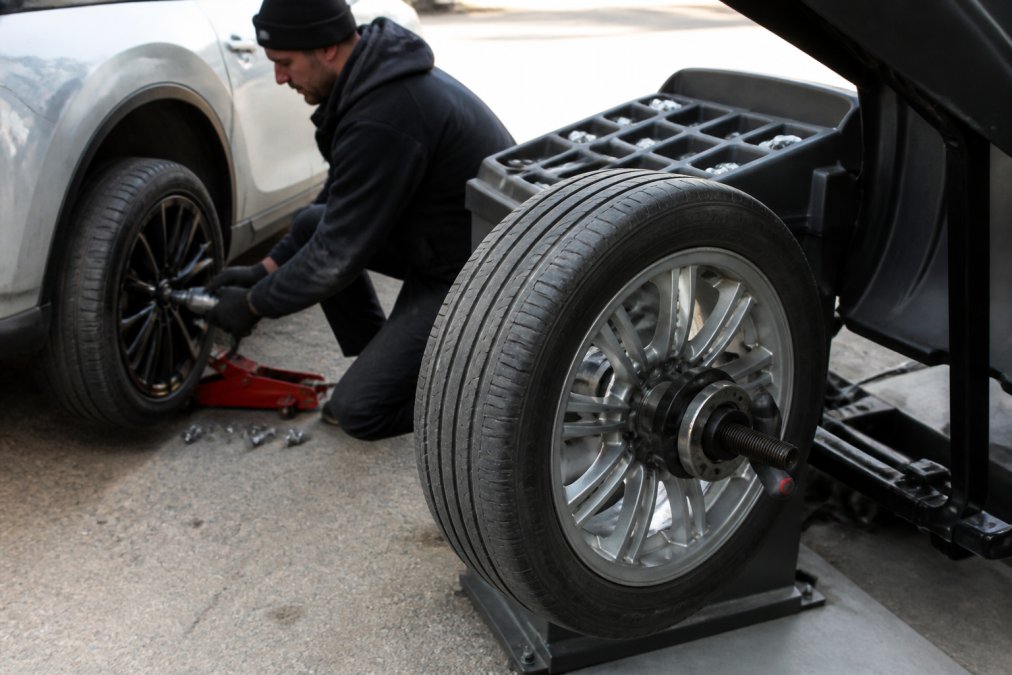
A new tire is only part of the safety equation. Proper installation, balancing, and inflation affect how it wears and how it performs in an emergency. Tires that are out of balance can cause vibration and uneven wear. Incorrect air pressure can reduce traction, shorten tire life, and affect fuel economy.
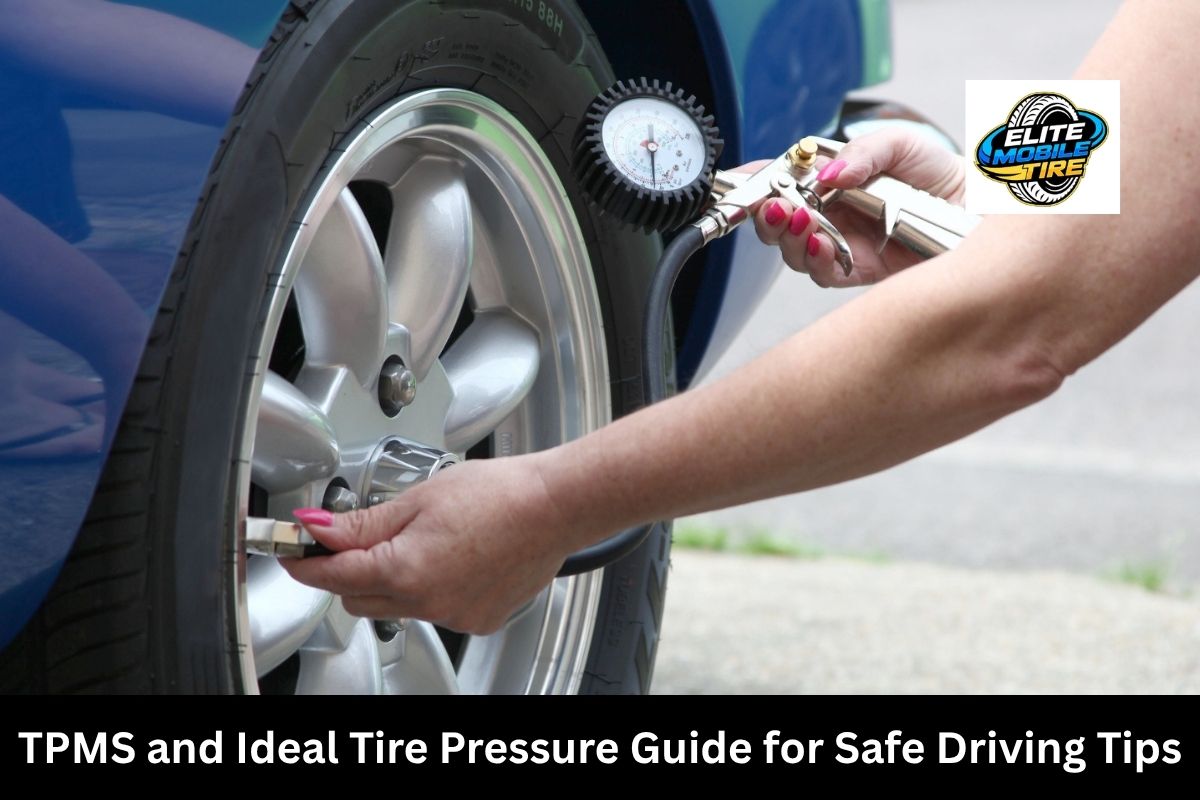
Check pressure when tires are cold and use the pressure listed on the vehicle placard, not the maximum pressure molded into the tire sidewall. Temperature swings can change pressure quickly. A tire that was properly inflated during a mild afternoon may be noticeably low after a cold overnight drop.
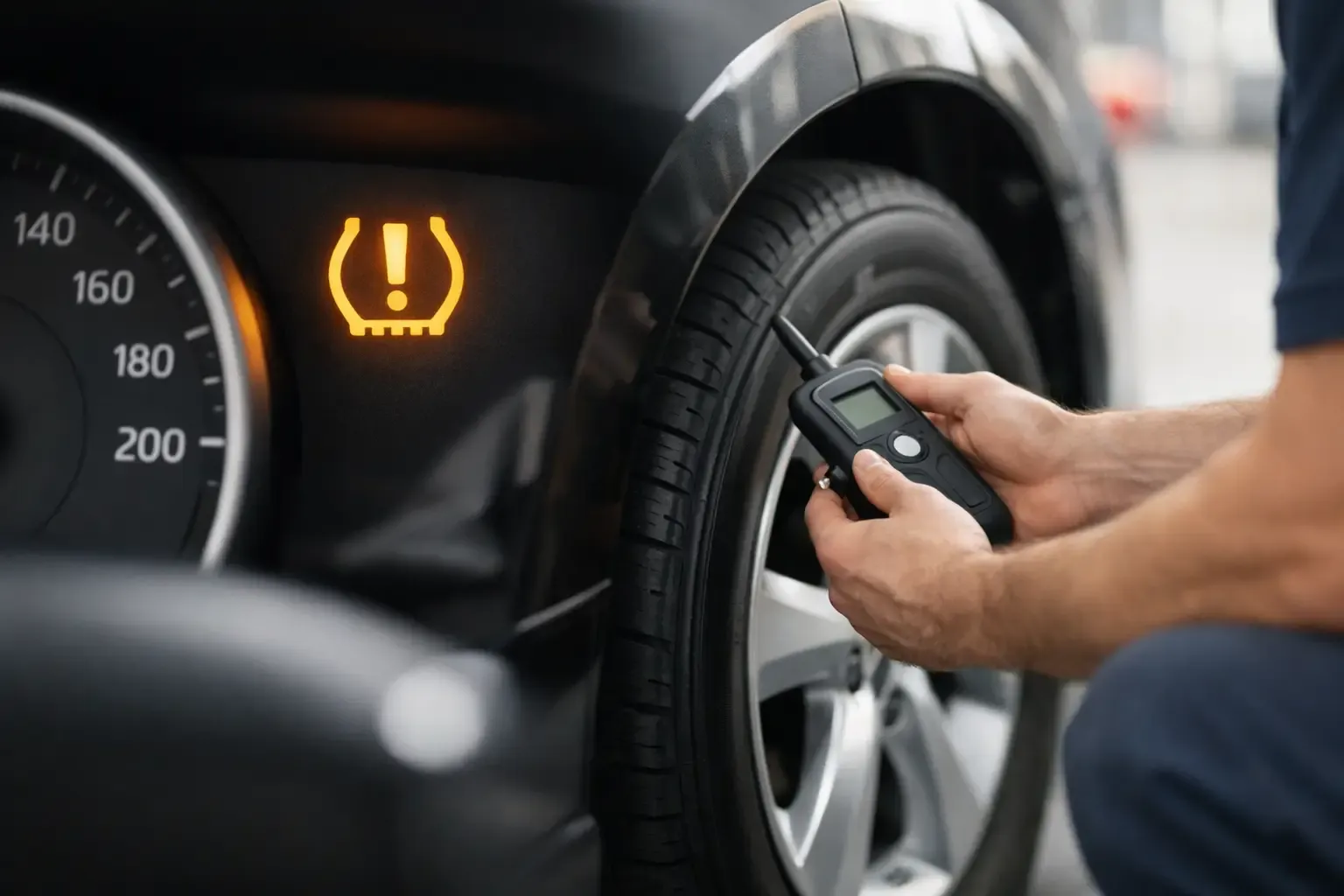
When replacing tires, it is also a good time to inspect the valve stems, wheels, and tire pressure monitoring system. If your vehicle has TPMS, the system should be reset or relearned correctly after service so it can alert you when a tire actually needs attention.
Know When Replacement Cannot Wait
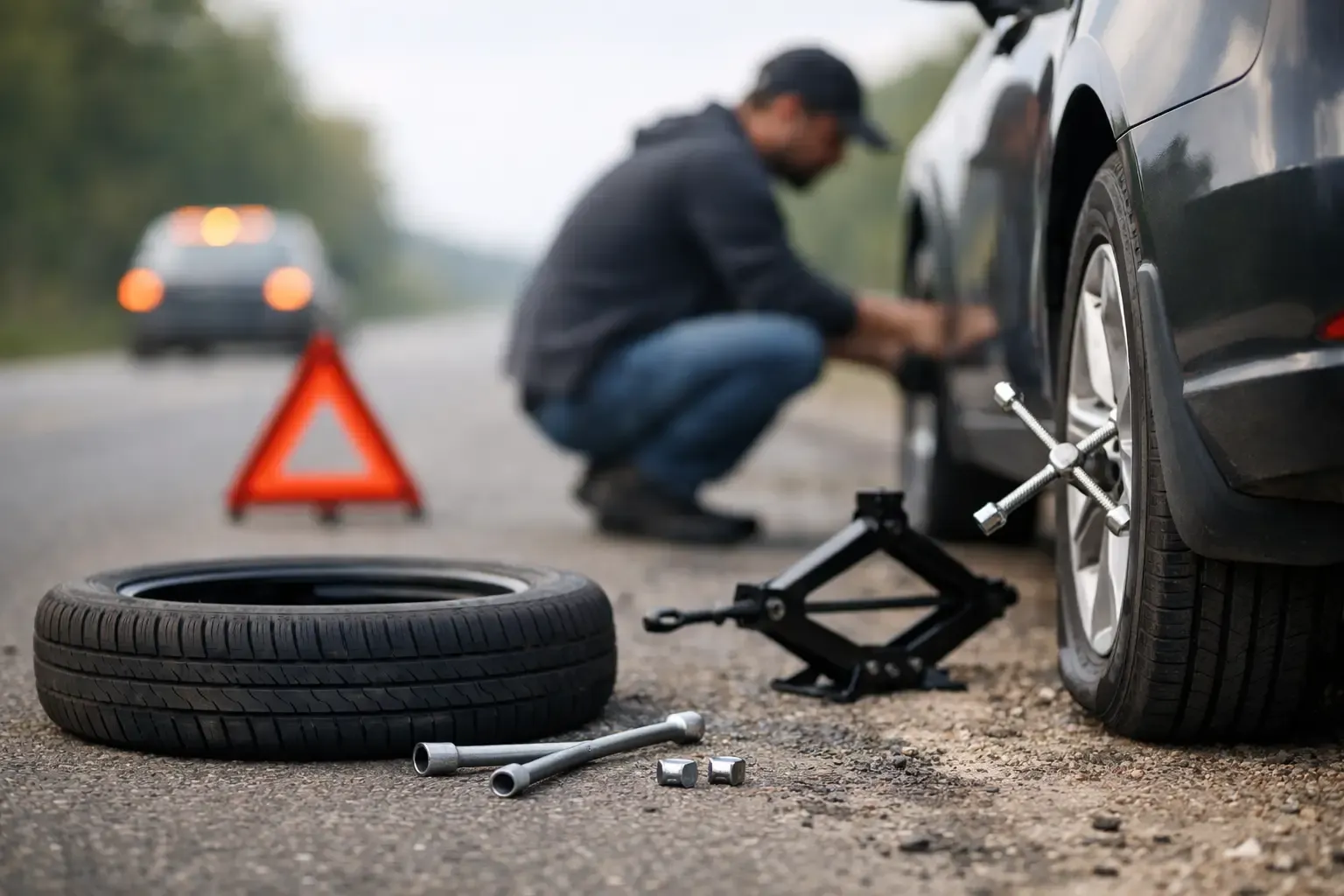
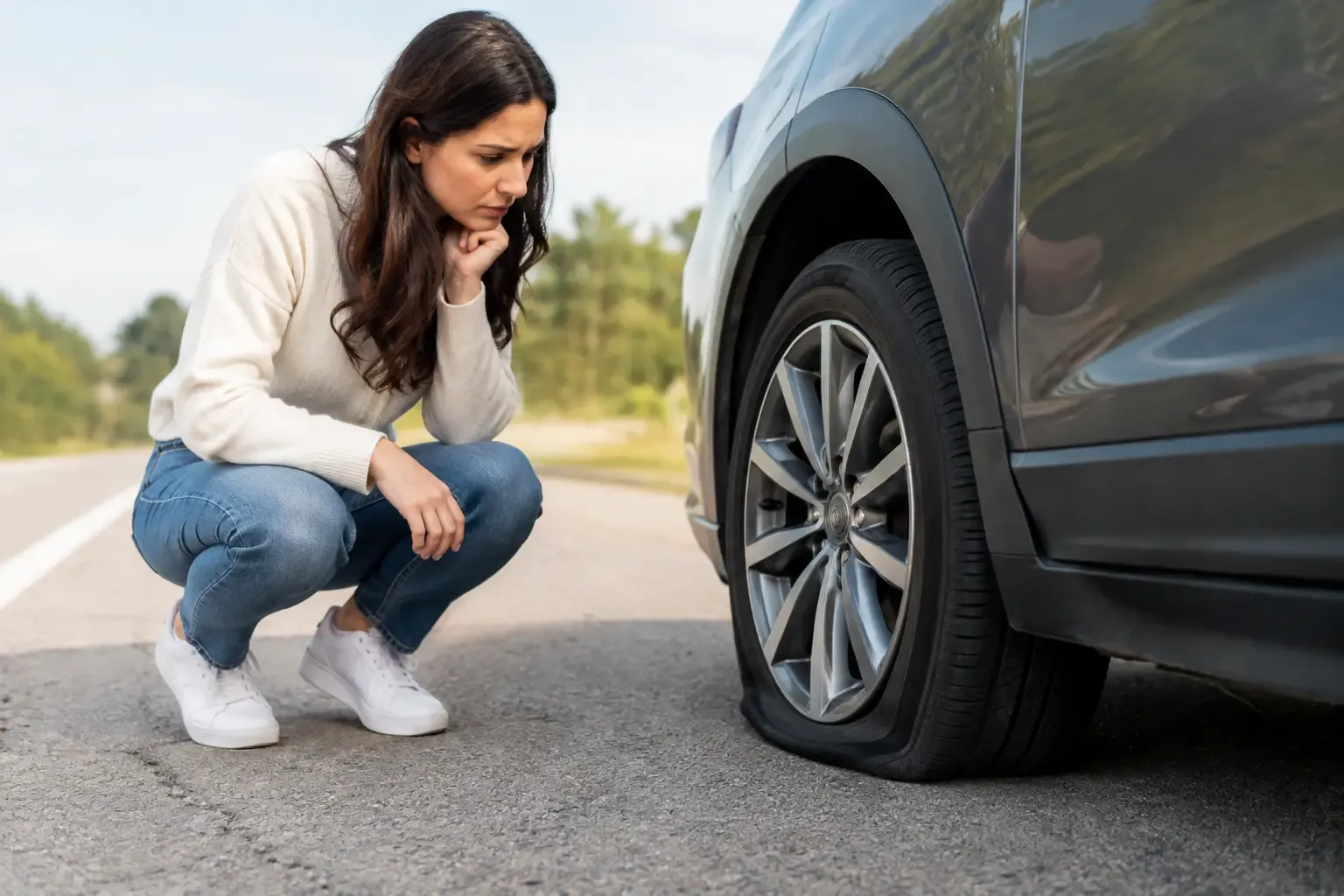
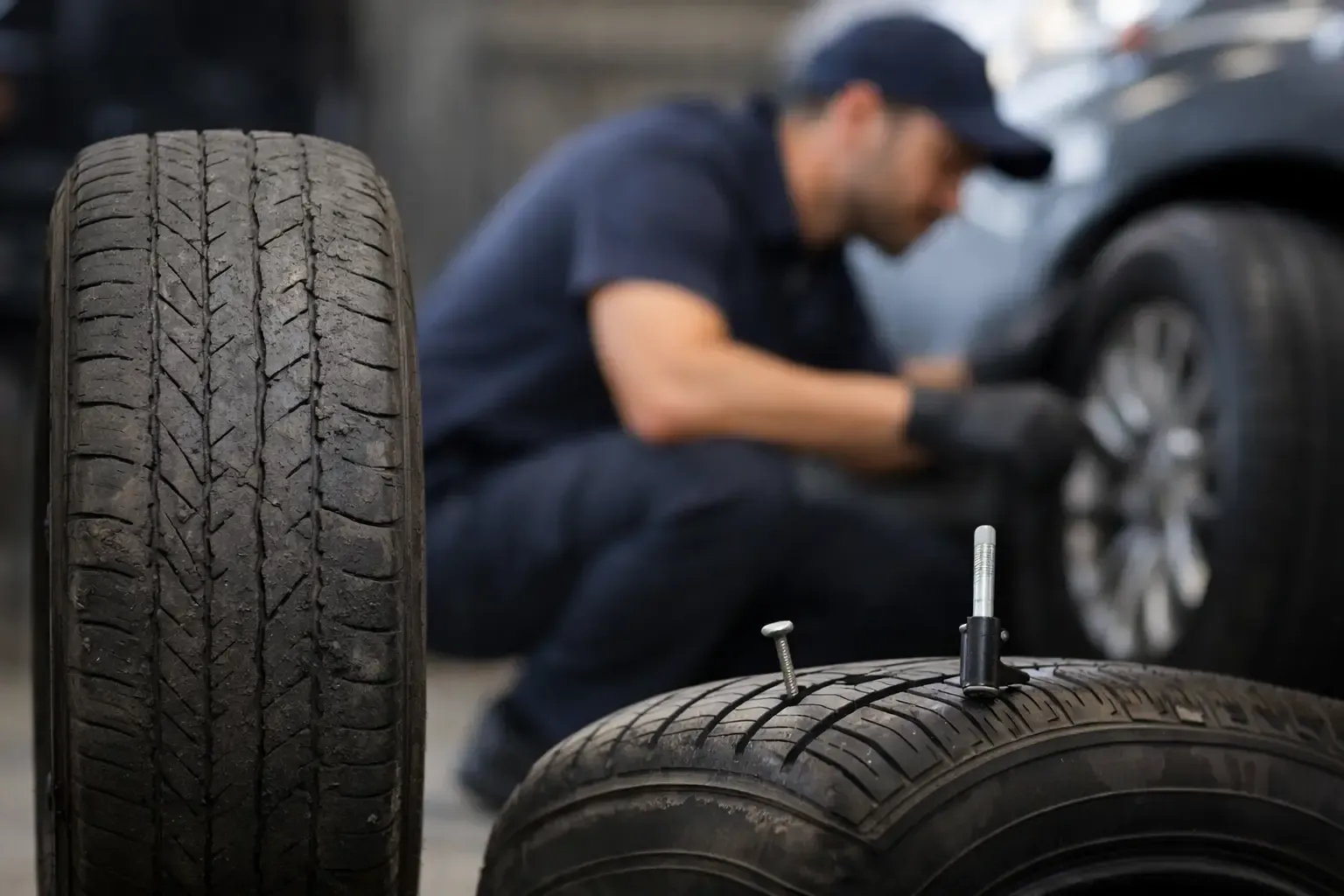
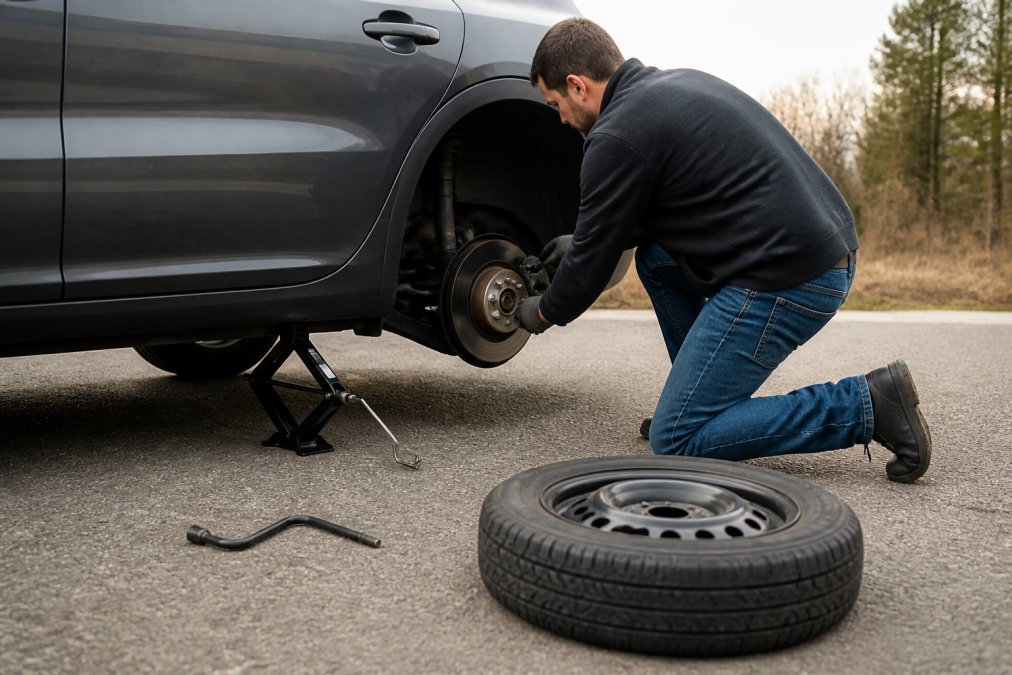
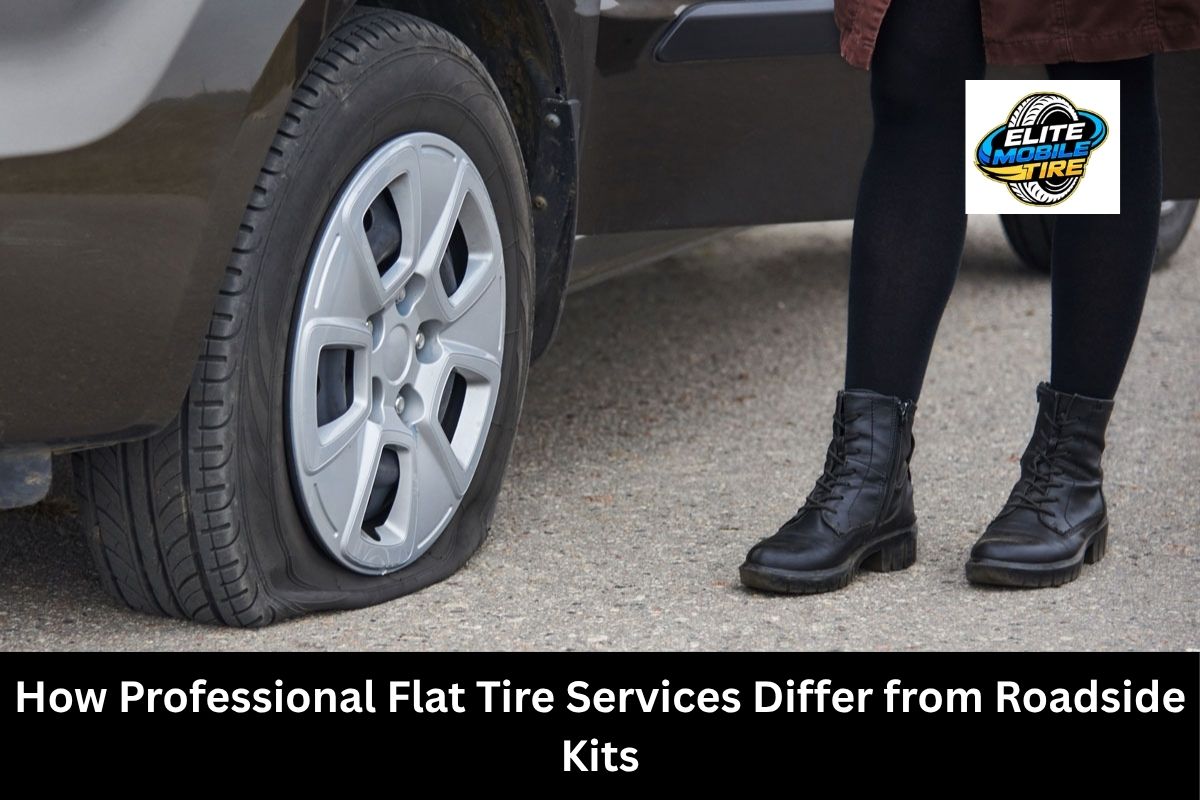
Some tire concerns require prompt service rather than another week of commuting. Replace or have a tire inspected right away if you notice a sidewall bulge, visible cords, repeated pressure loss, severe cracking, deep cuts, or a puncture in an area that cannot be safely repaired. Vibration after an impact and a vehicle that pulls to one side also deserve professional attention.
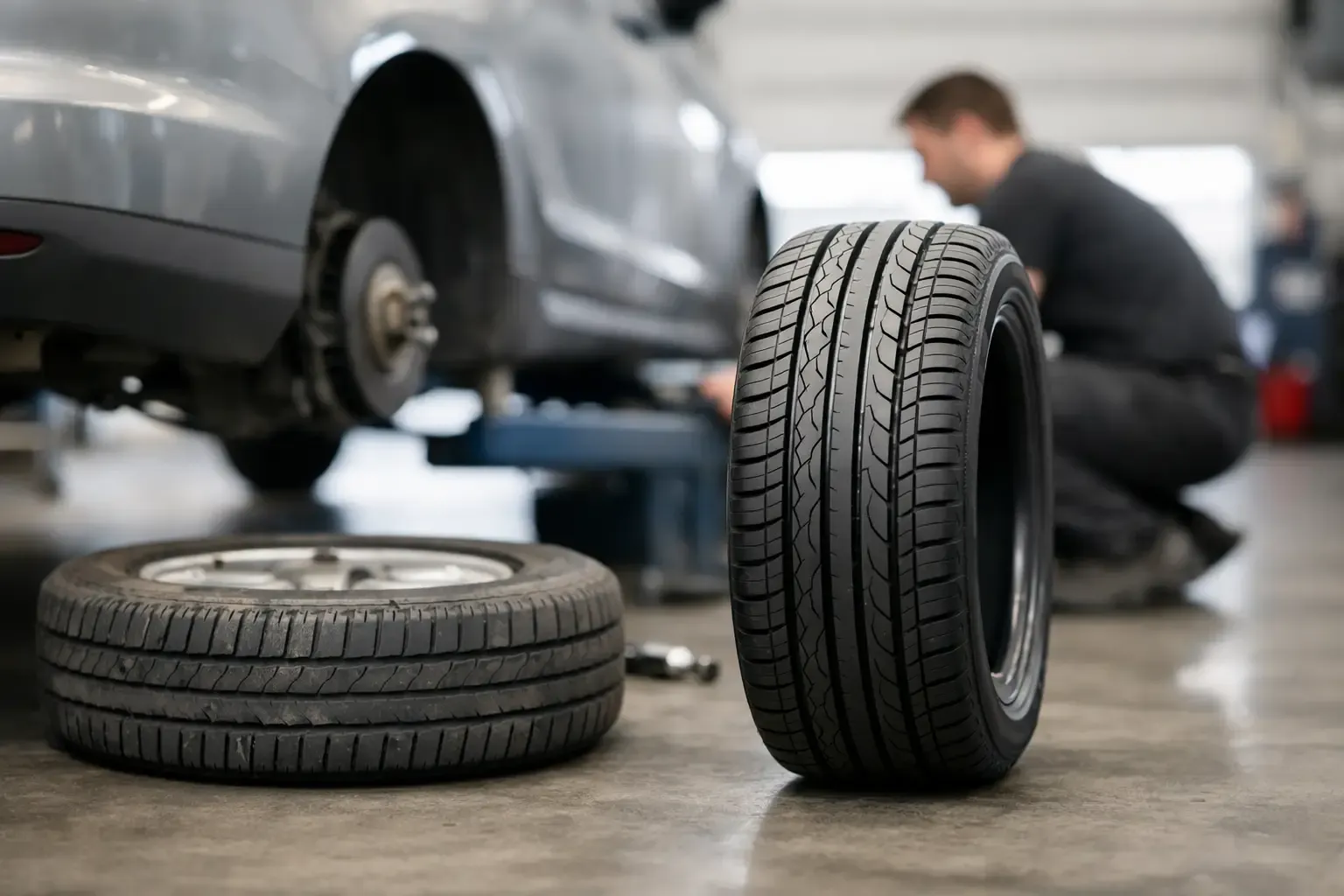
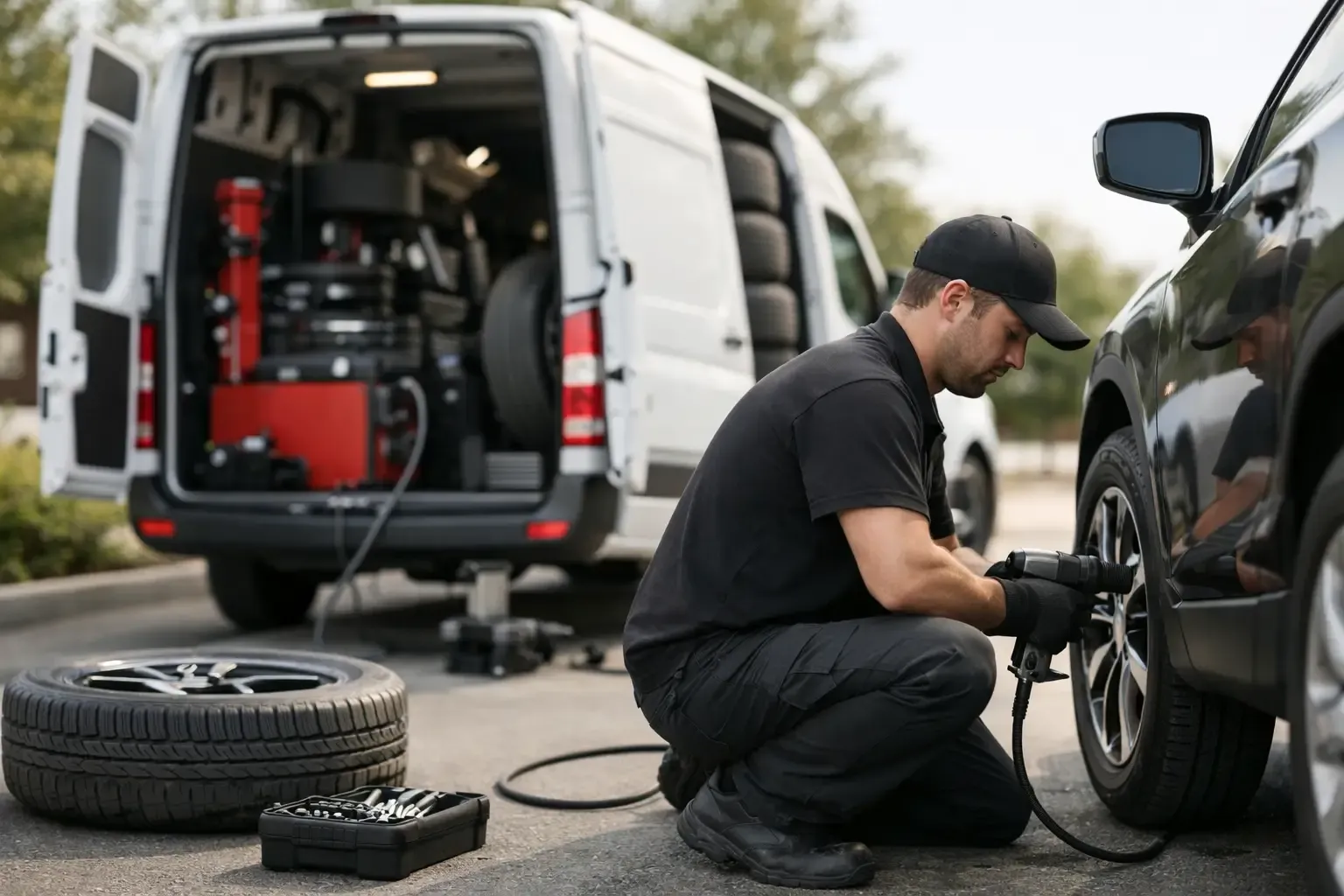
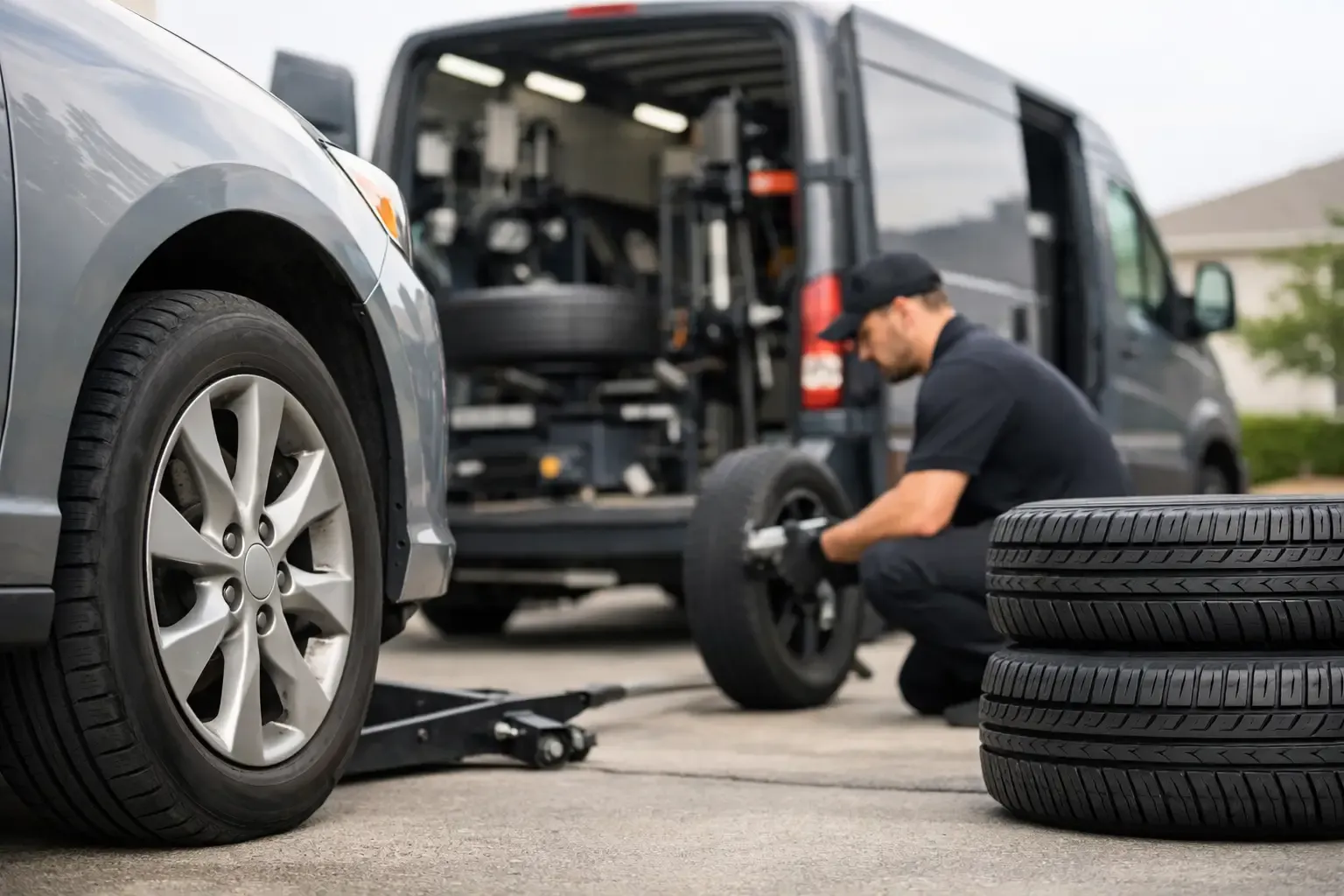
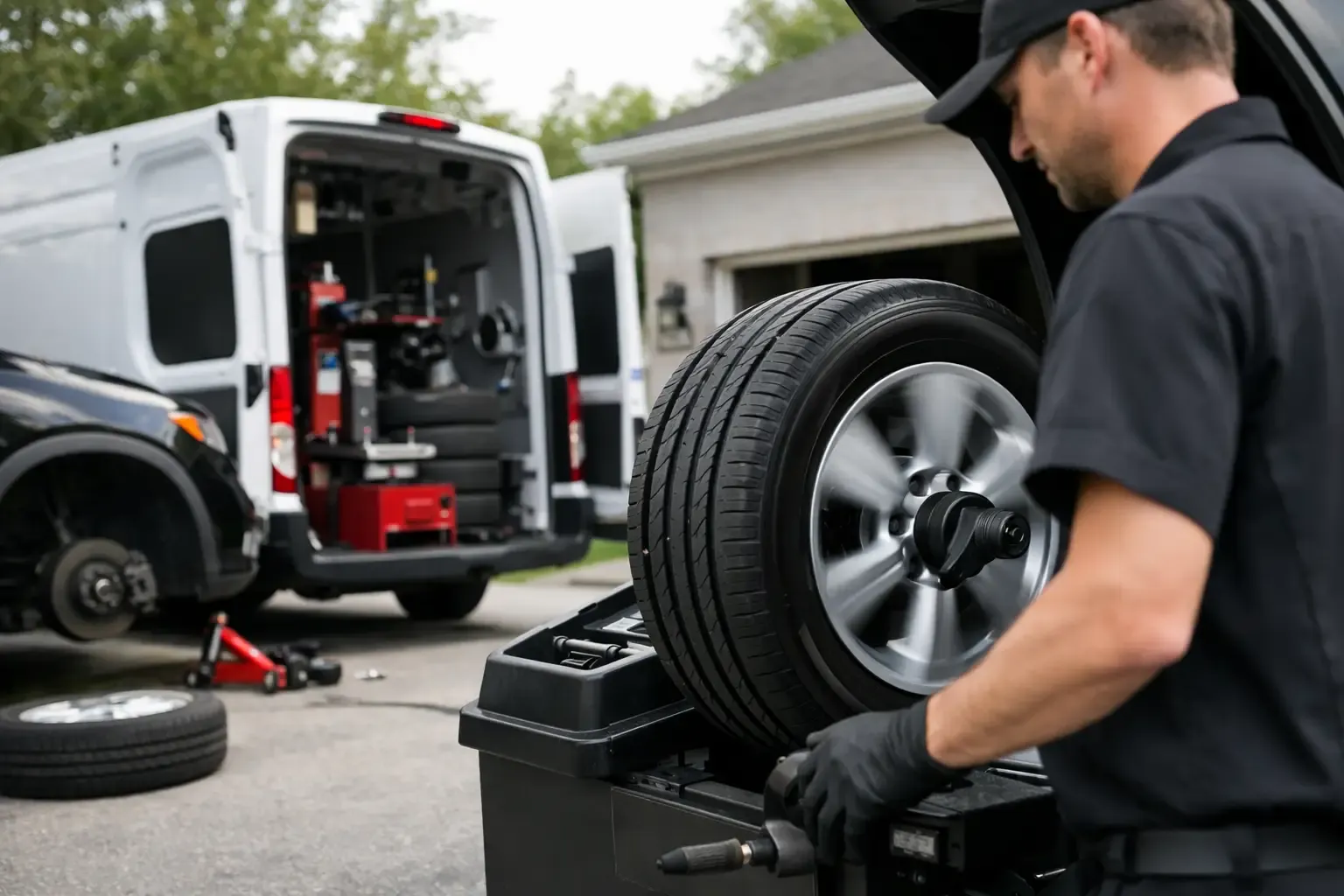
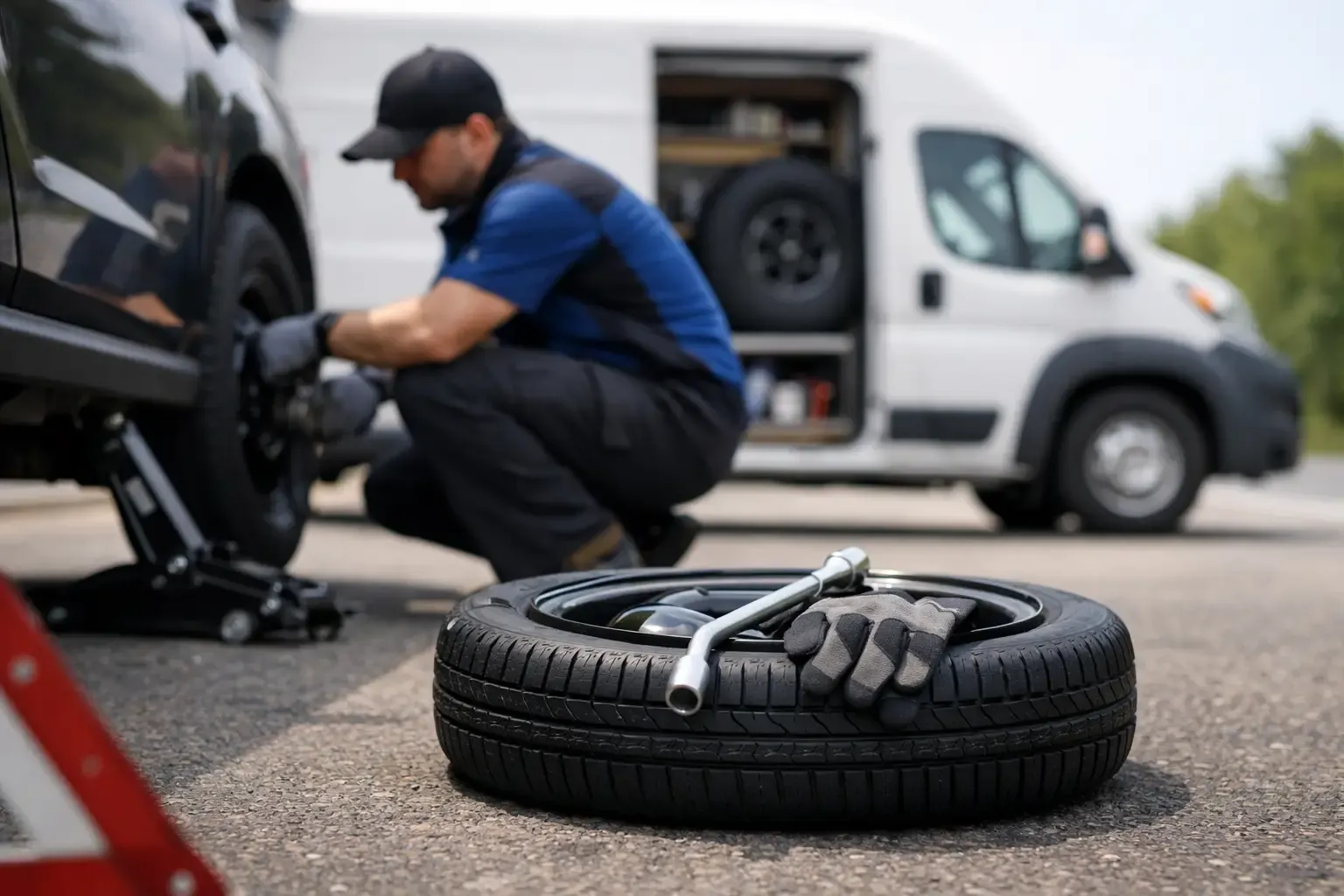
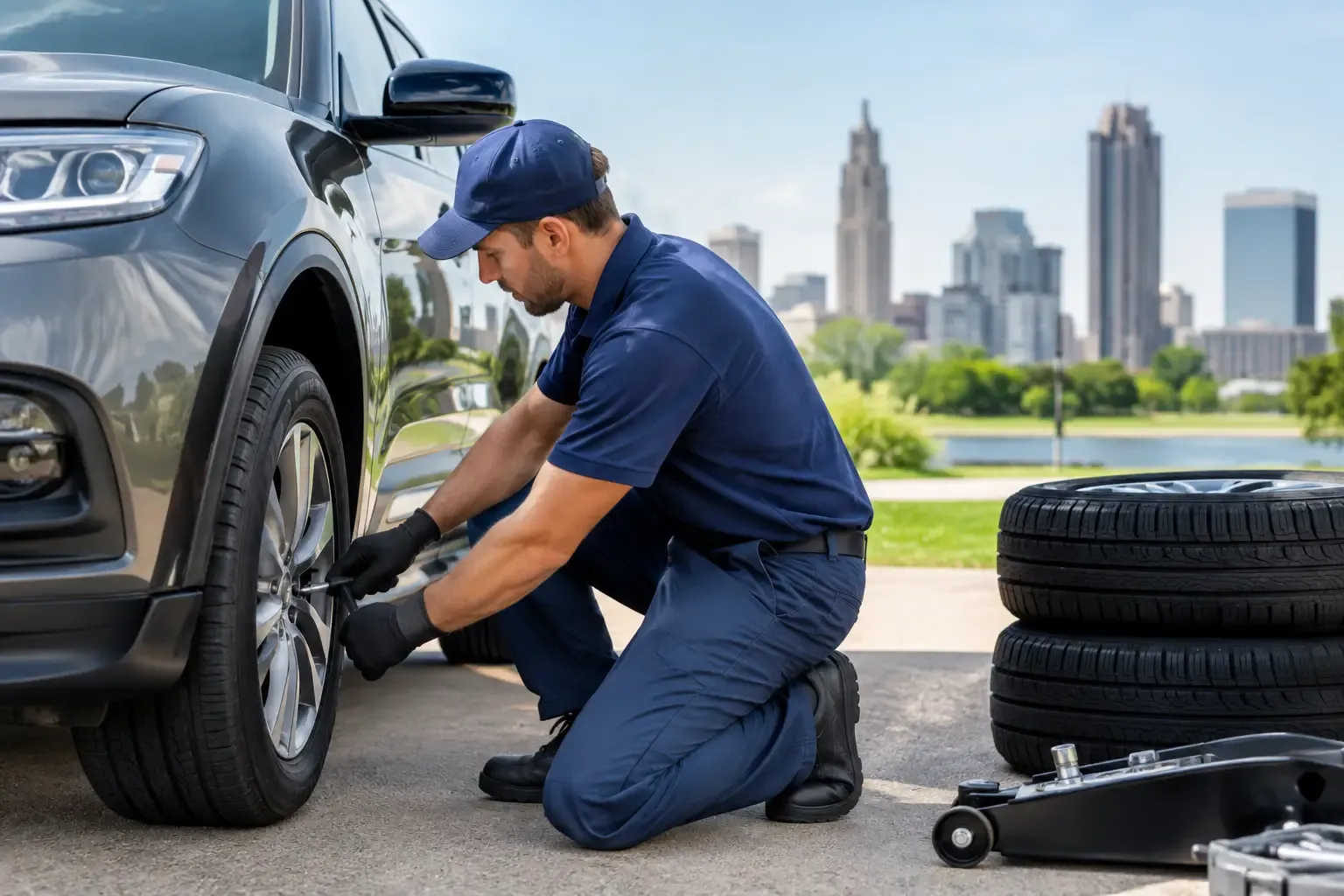
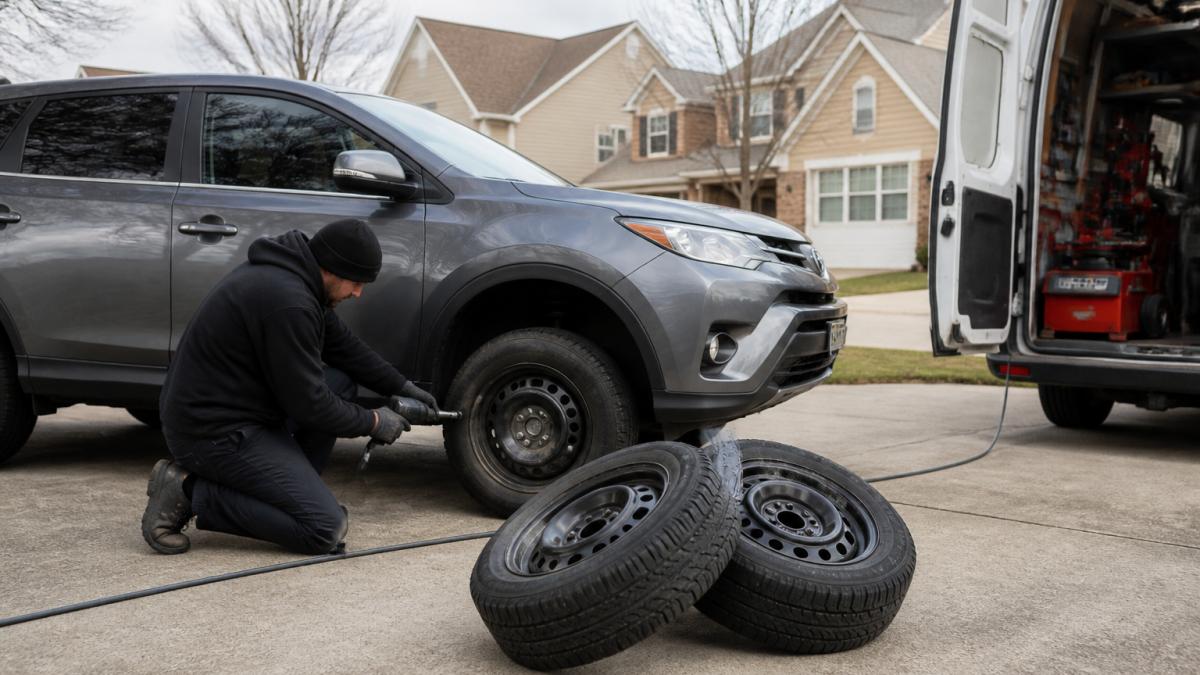
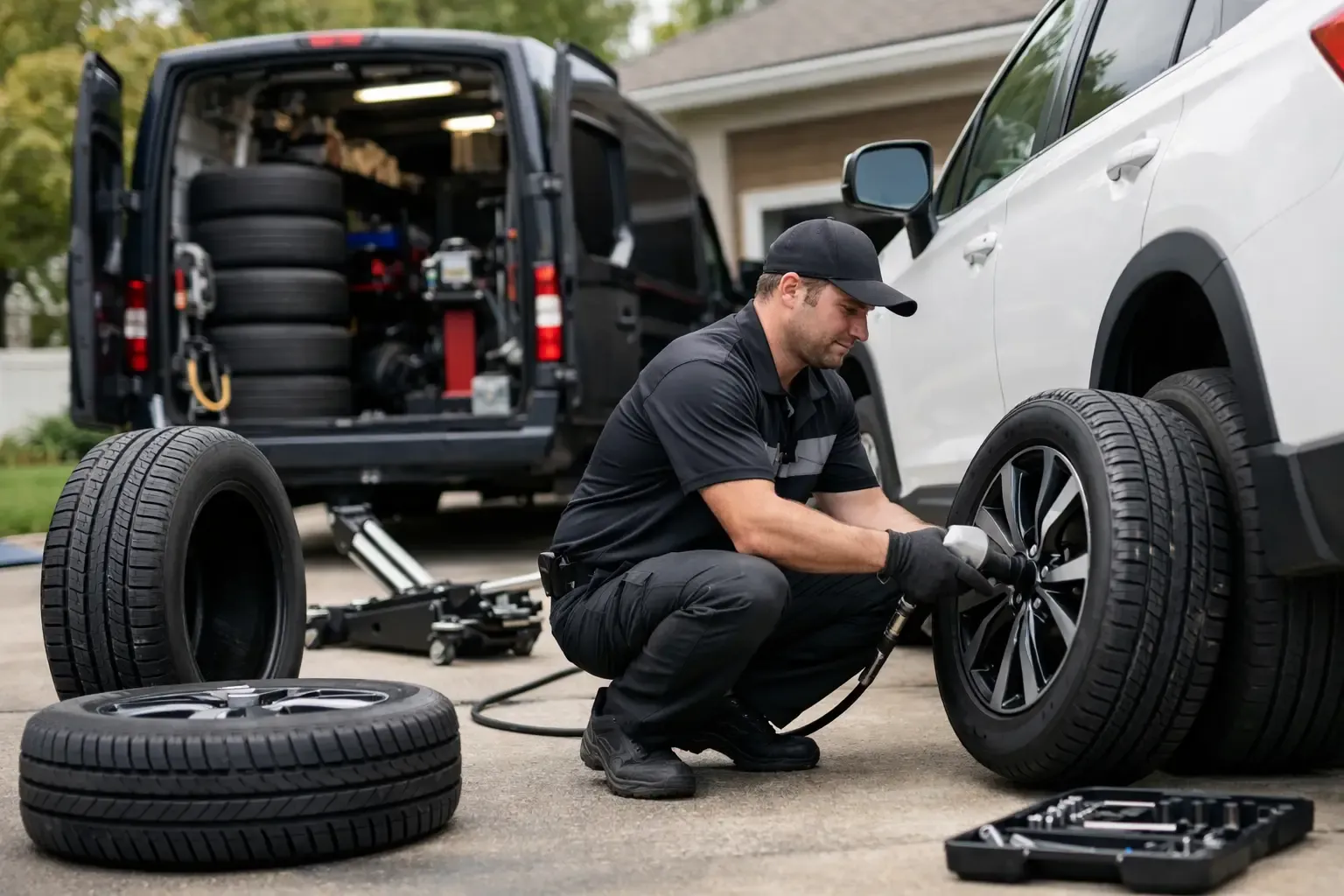
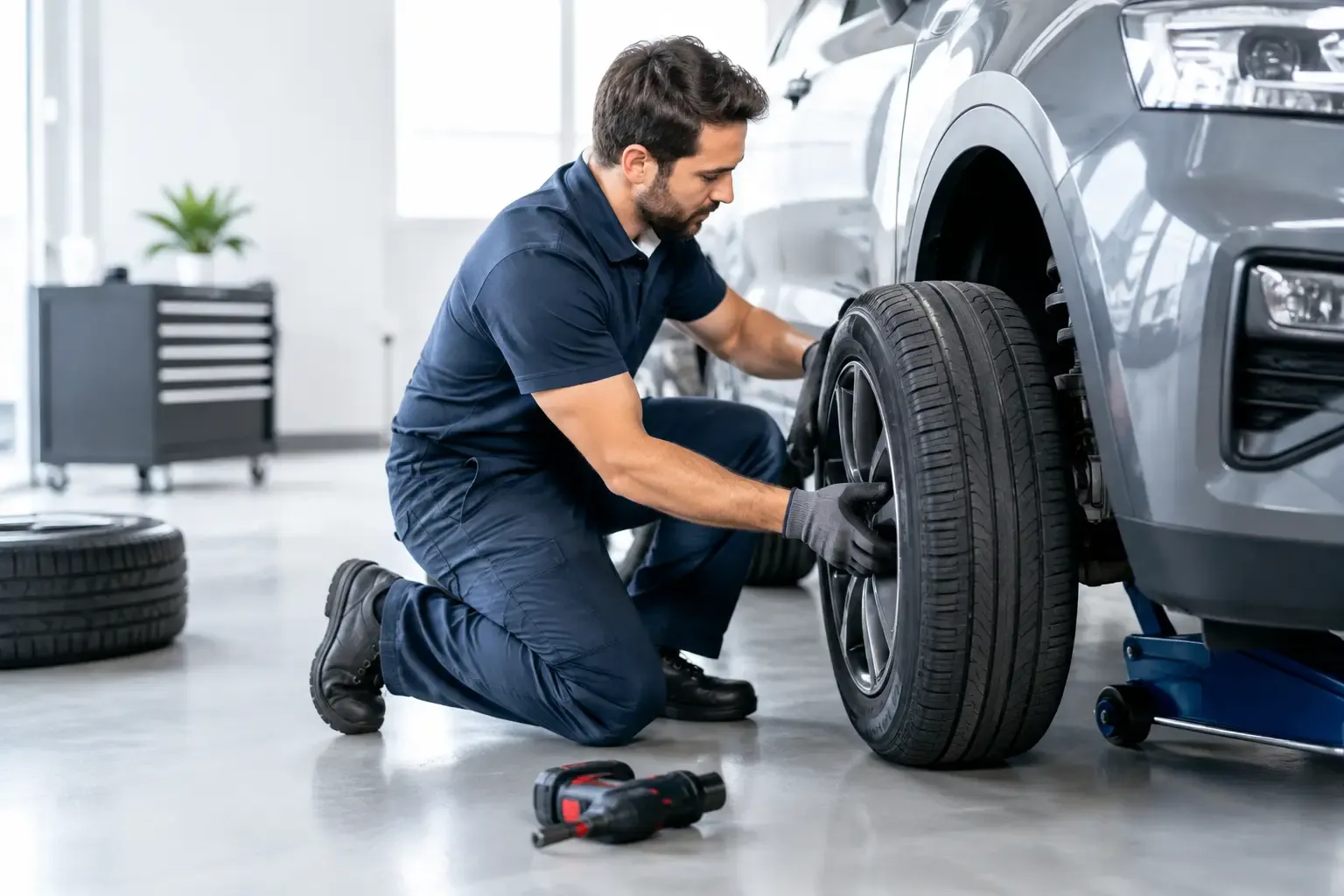
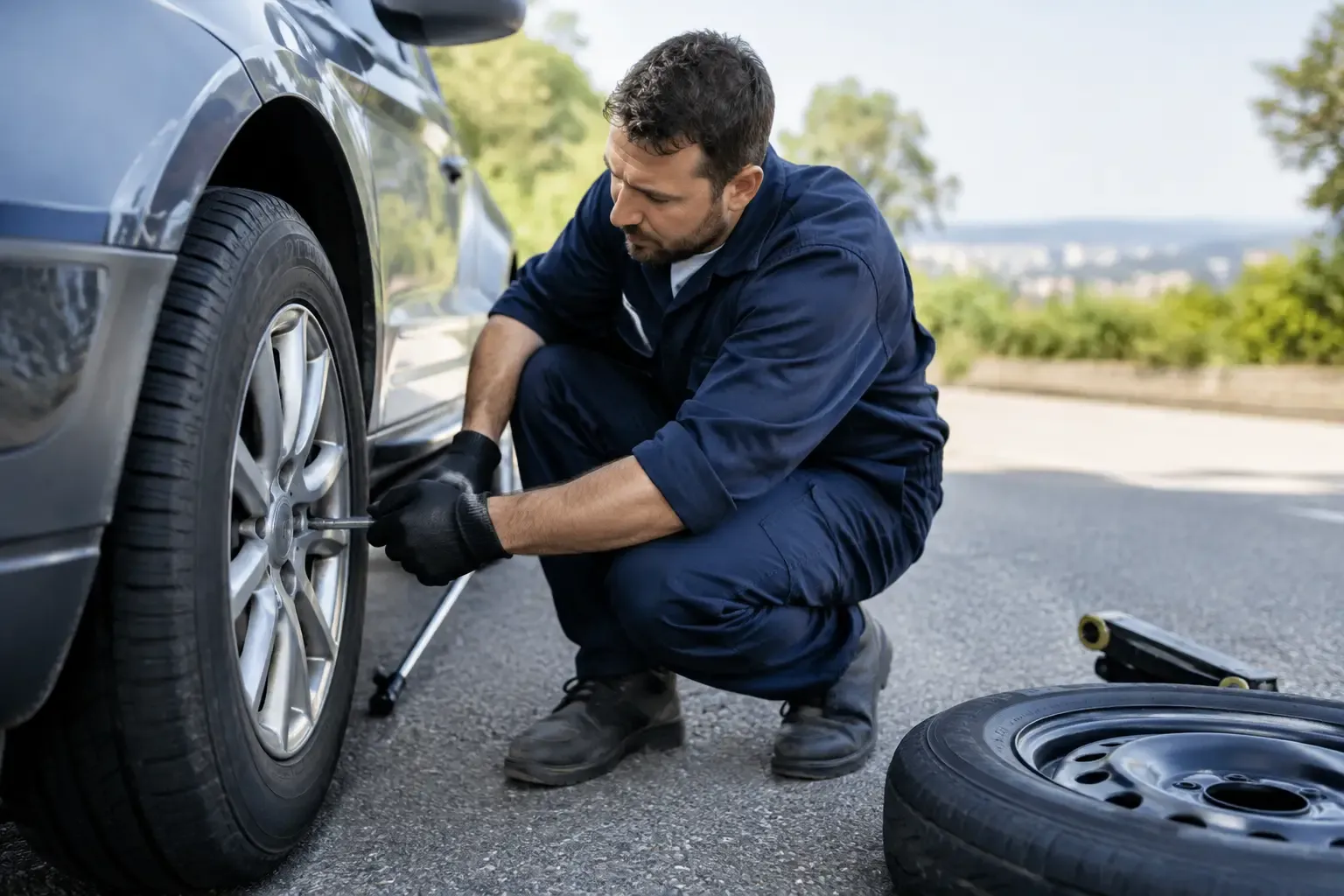
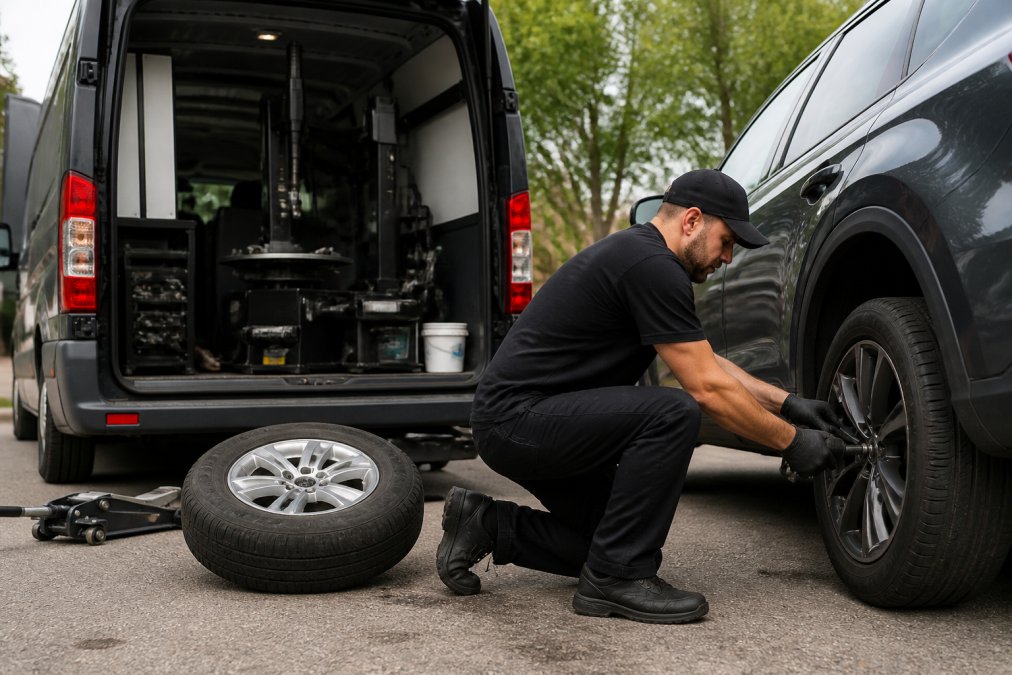
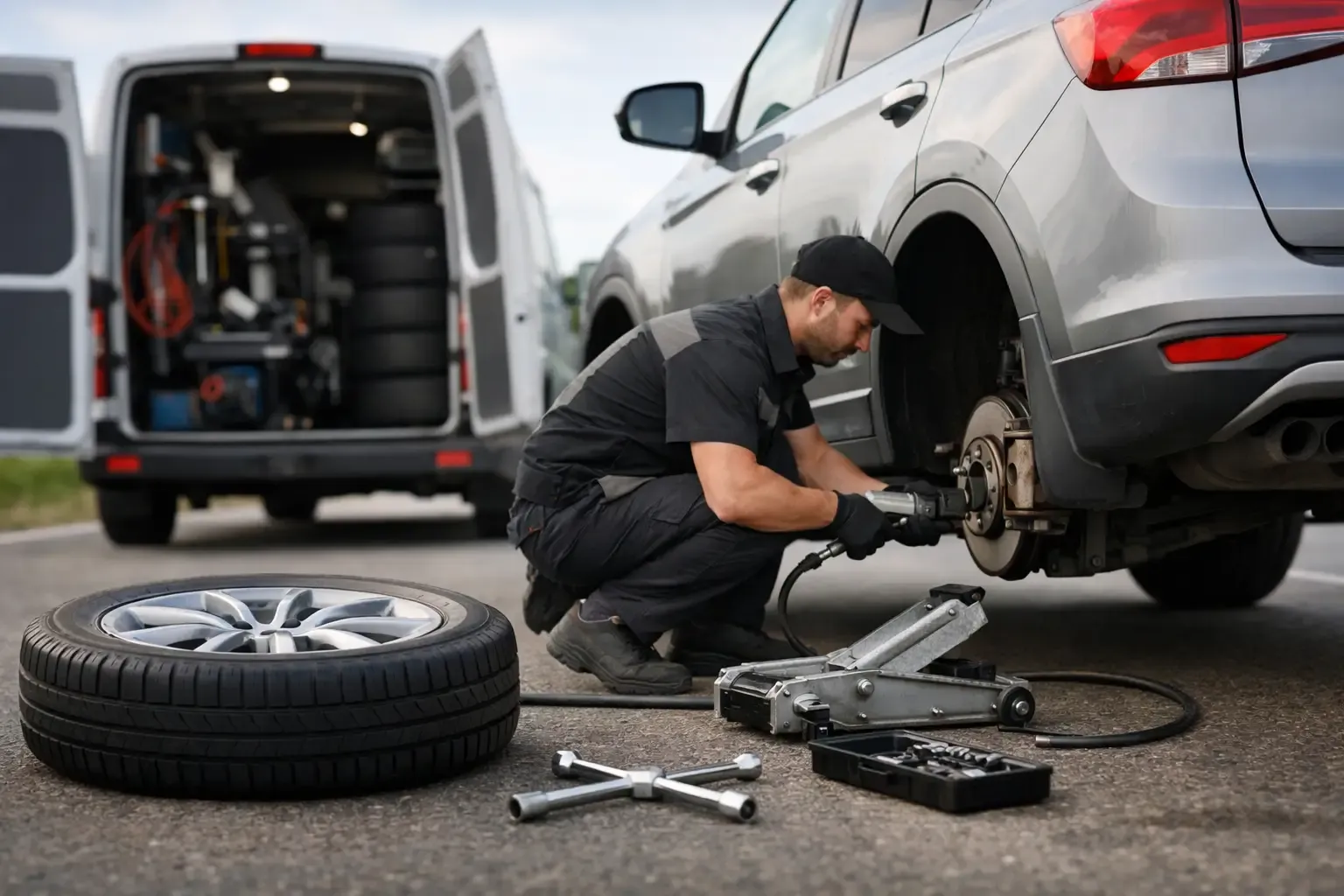
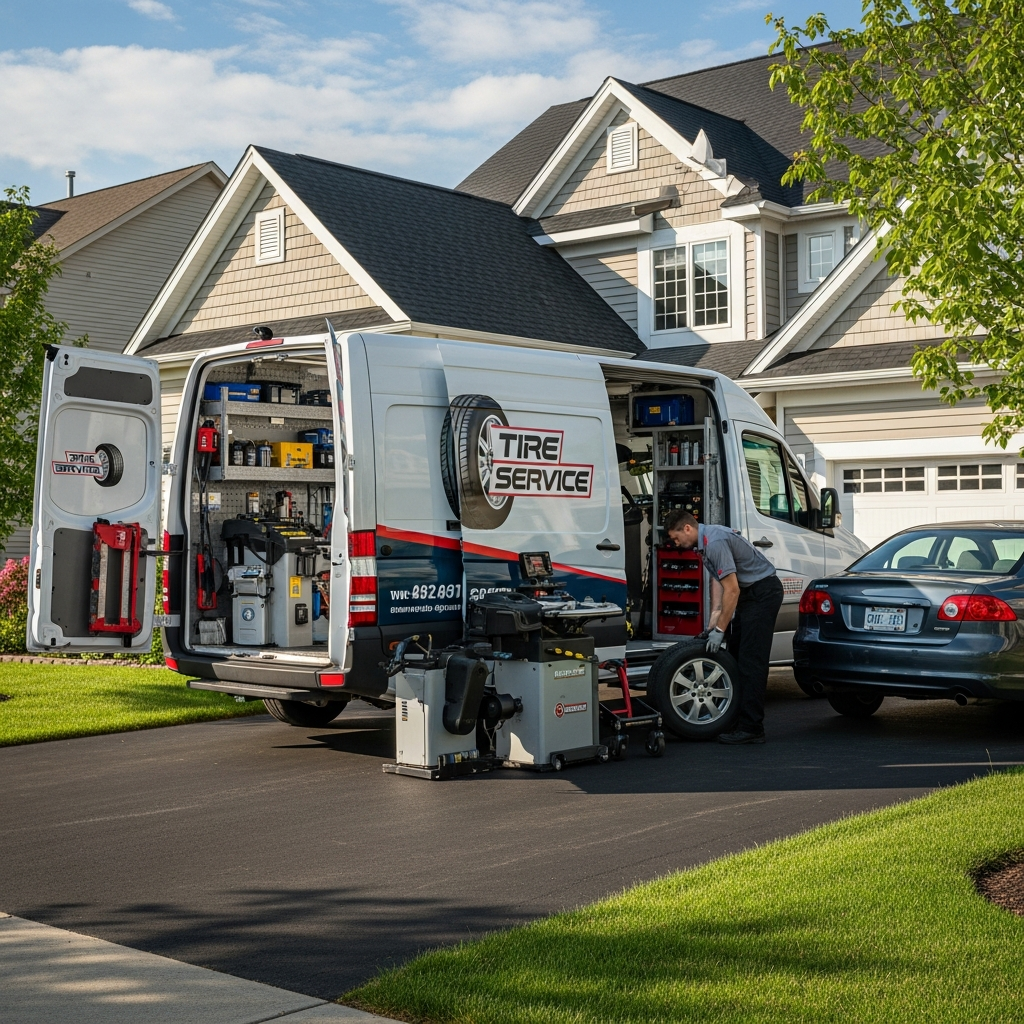
For busy drivers, tire service does not have to mean giving up a morning at a shop. Elite Mobile Tire can bring professional tire installation, repair, balancing, and TPMS service to your home, workplace, or roadside location in the Columbus area. That makes it easier to address worn or damaged tires before a small concern becomes a stressful breakdown.
The right tires give you more than a smoother ride. They give you a better margin for the unexpected: the hard rain on the evening commute, the pothole hidden by a puddle, and the snow that arrives before your schedule can change. Choose for the roads you actually drive, keep them properly maintained, and handle warning signs early.
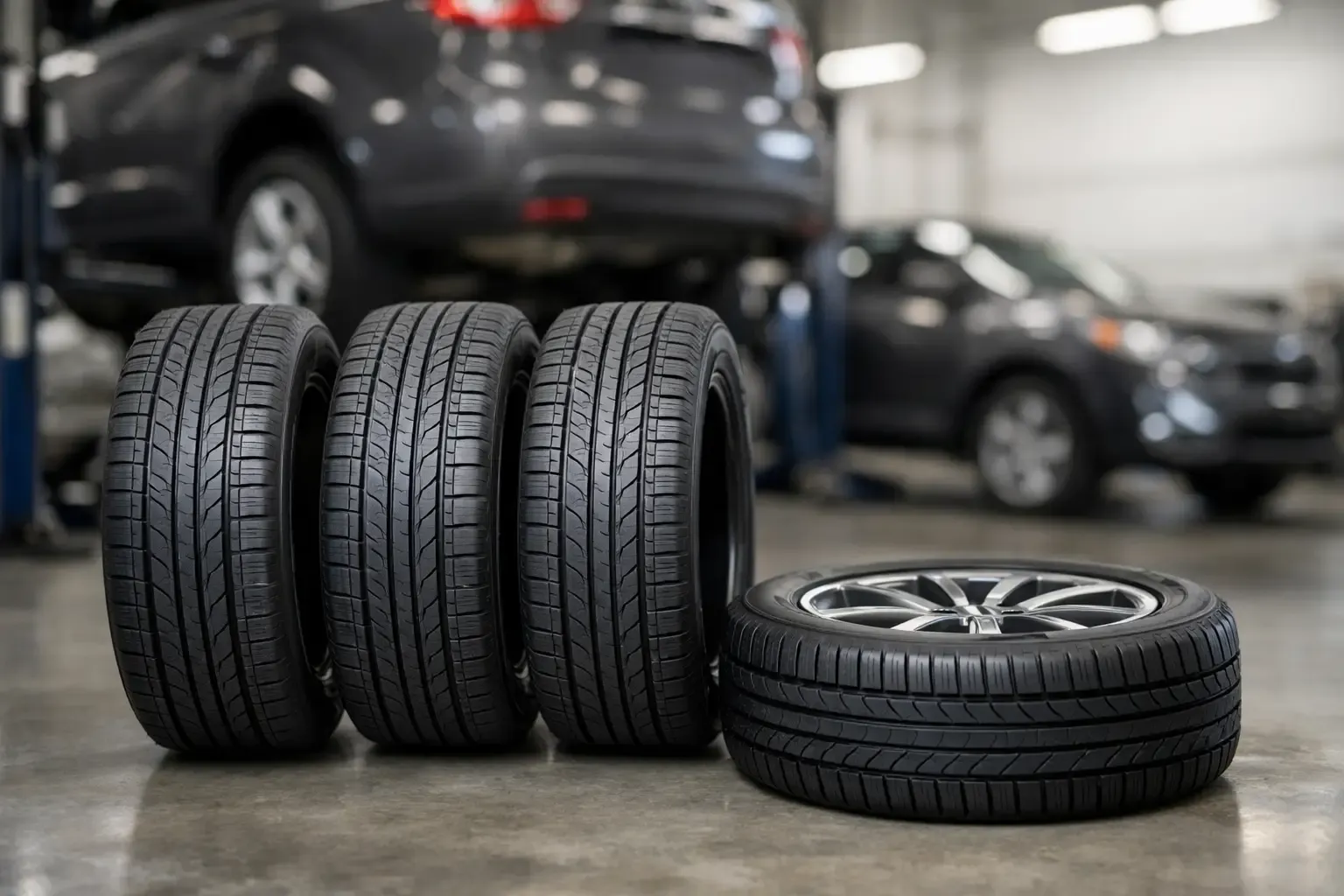
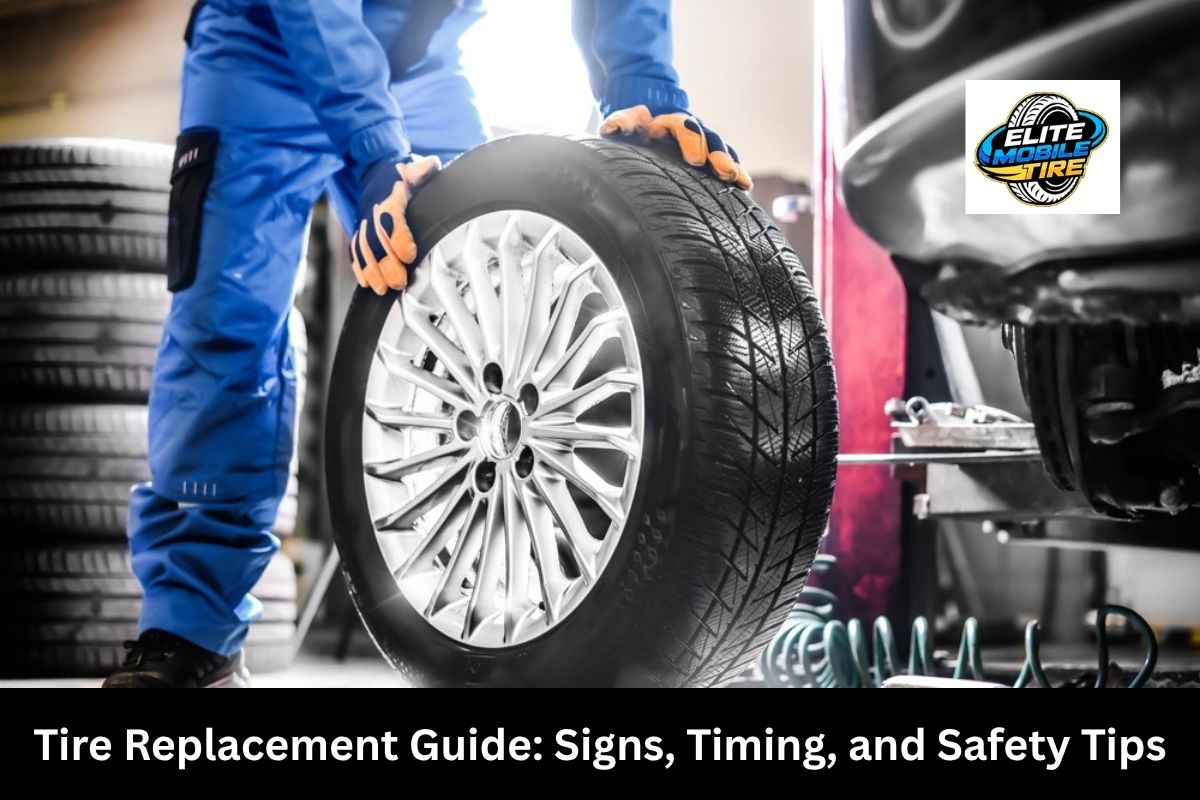
Ready for a new set? Elite Mobile Tire installs 2 or 4 new tires right in your driveway or parking lot anywhere around Columbus, Obetz, Groveport, Grove City, and Reynoldsburg. Financing is available through Afterpay and Acima with up to 24-month payment plans. Call 614-344-5010 or visit elitemobiletire.com to book.