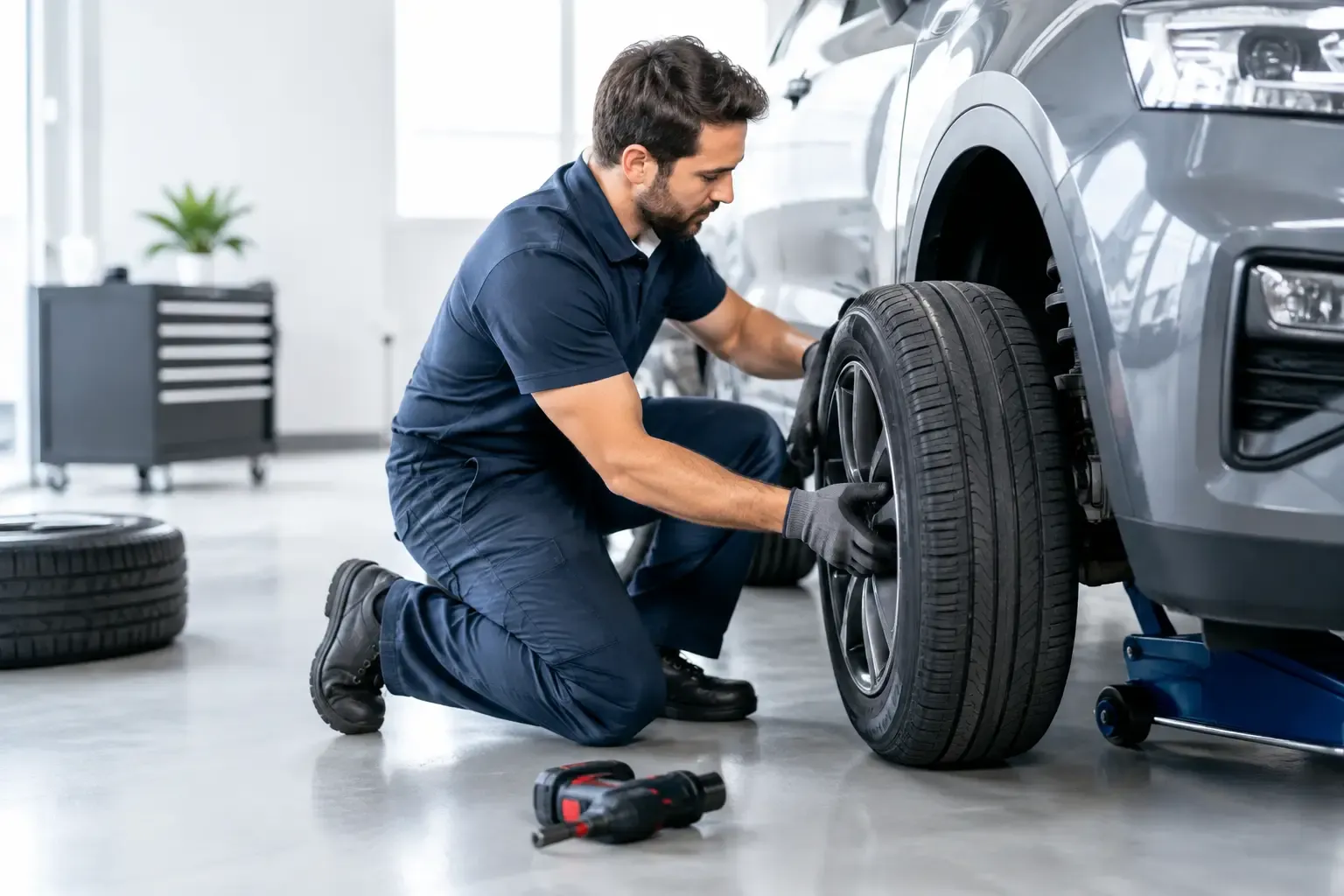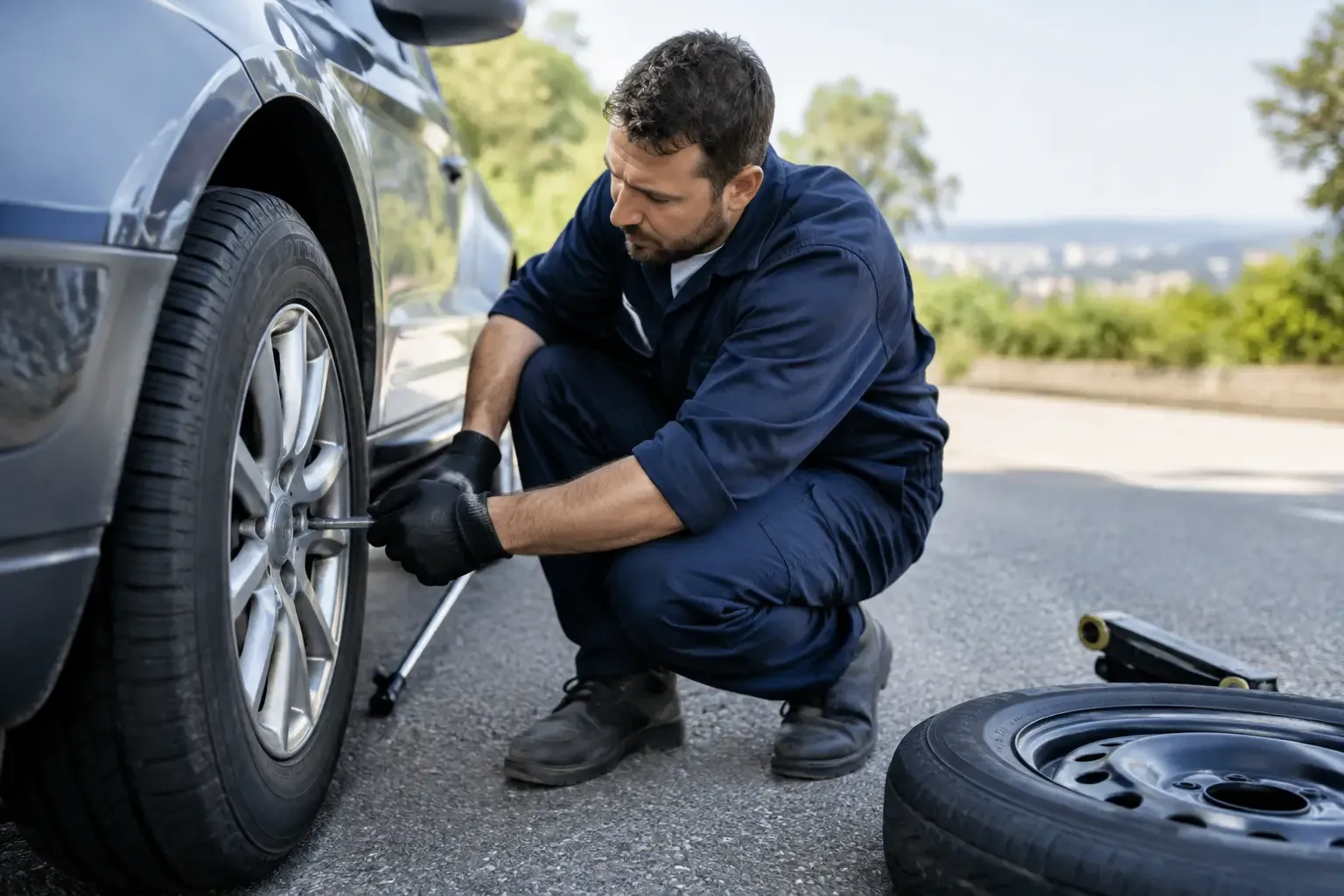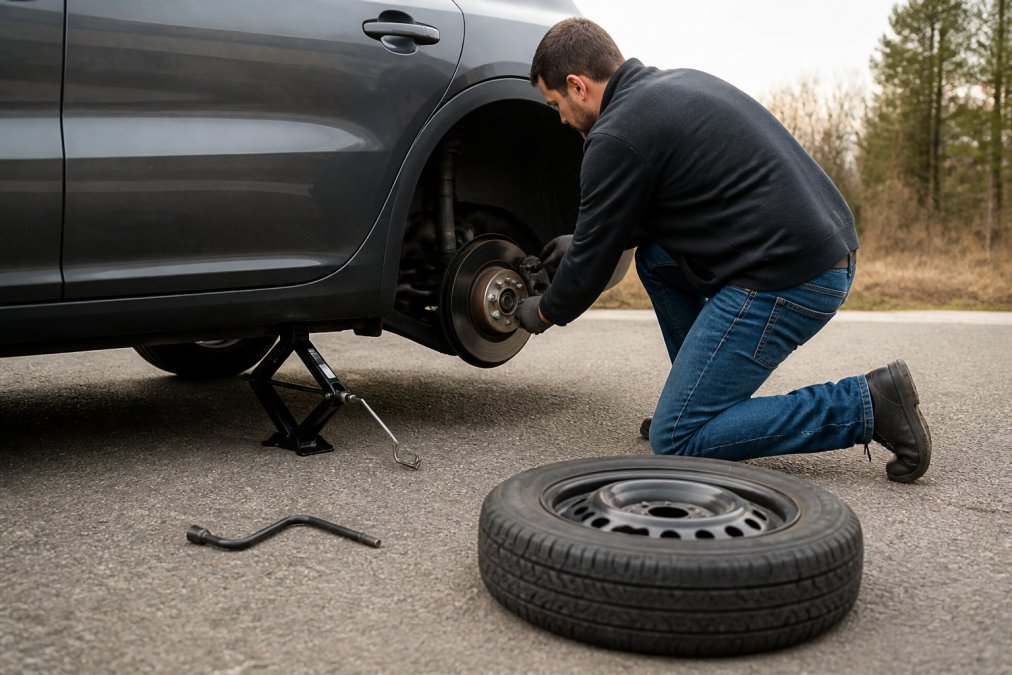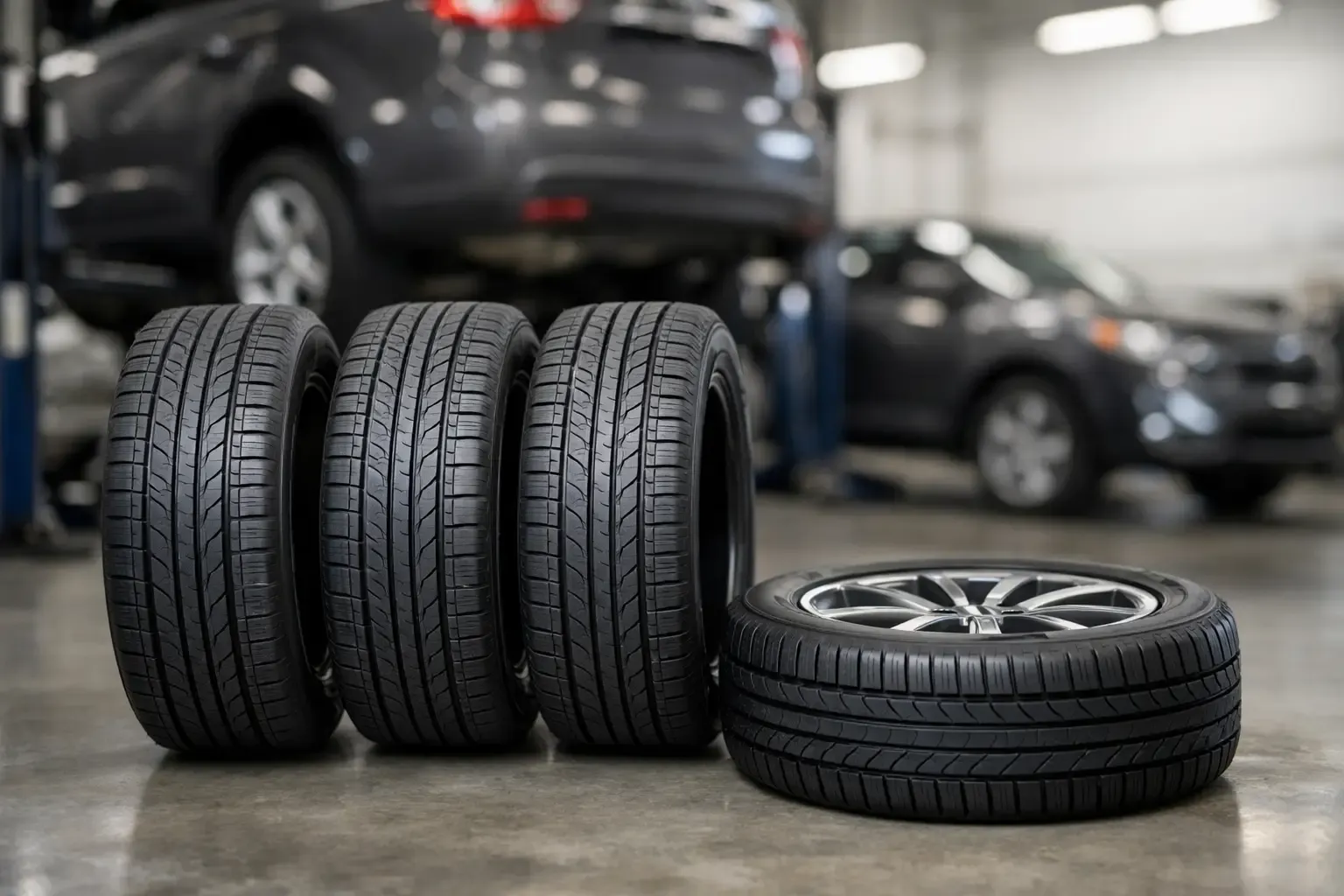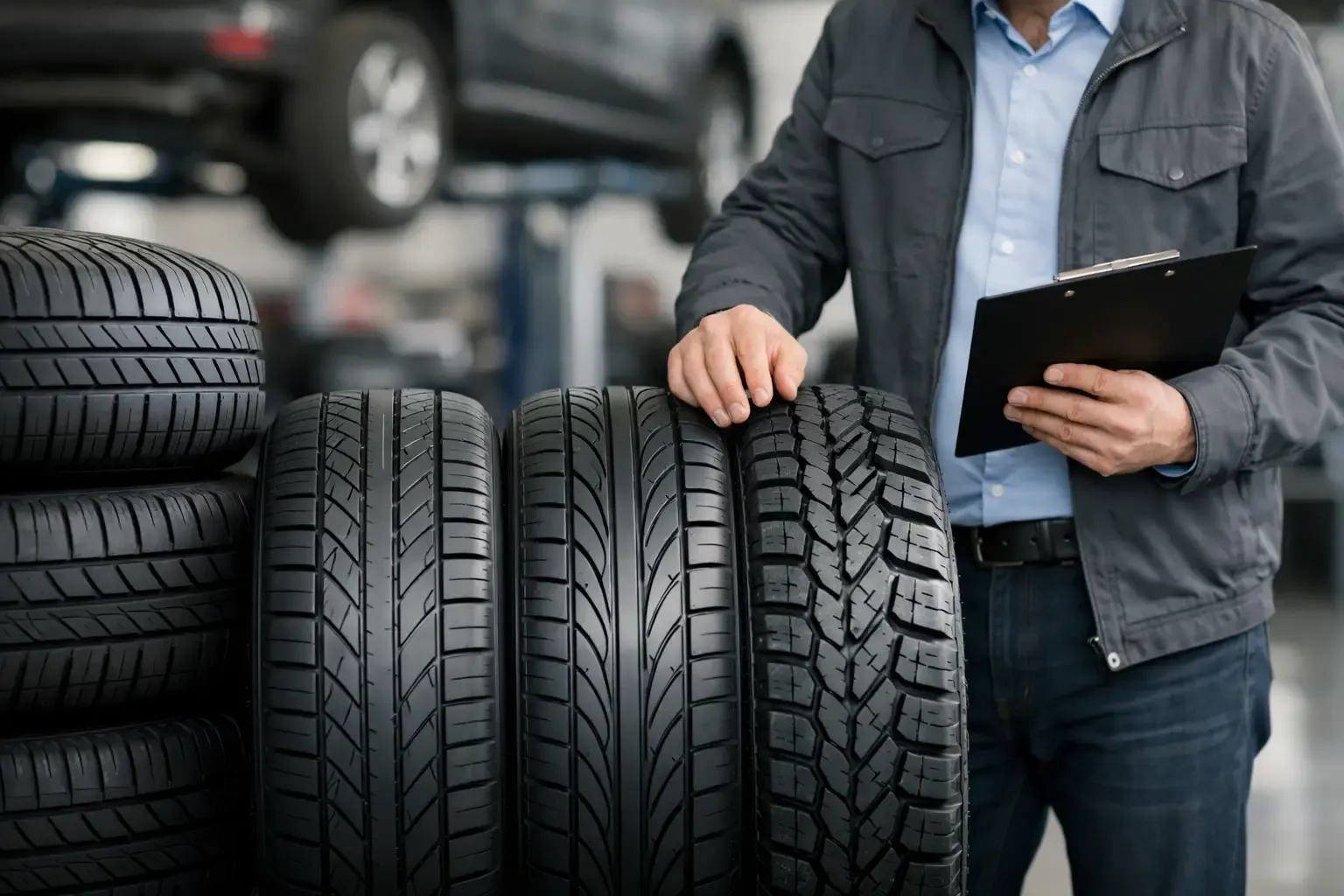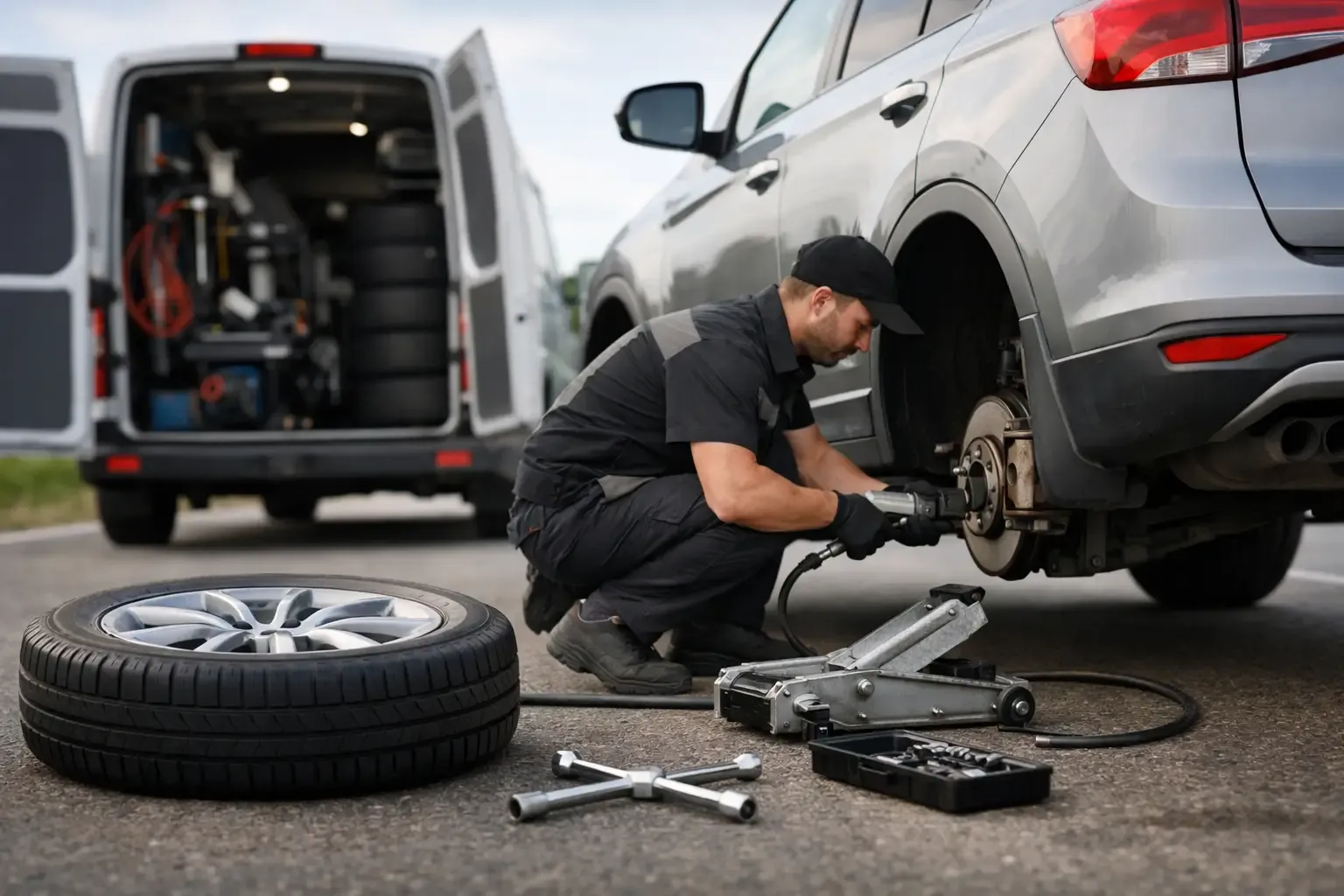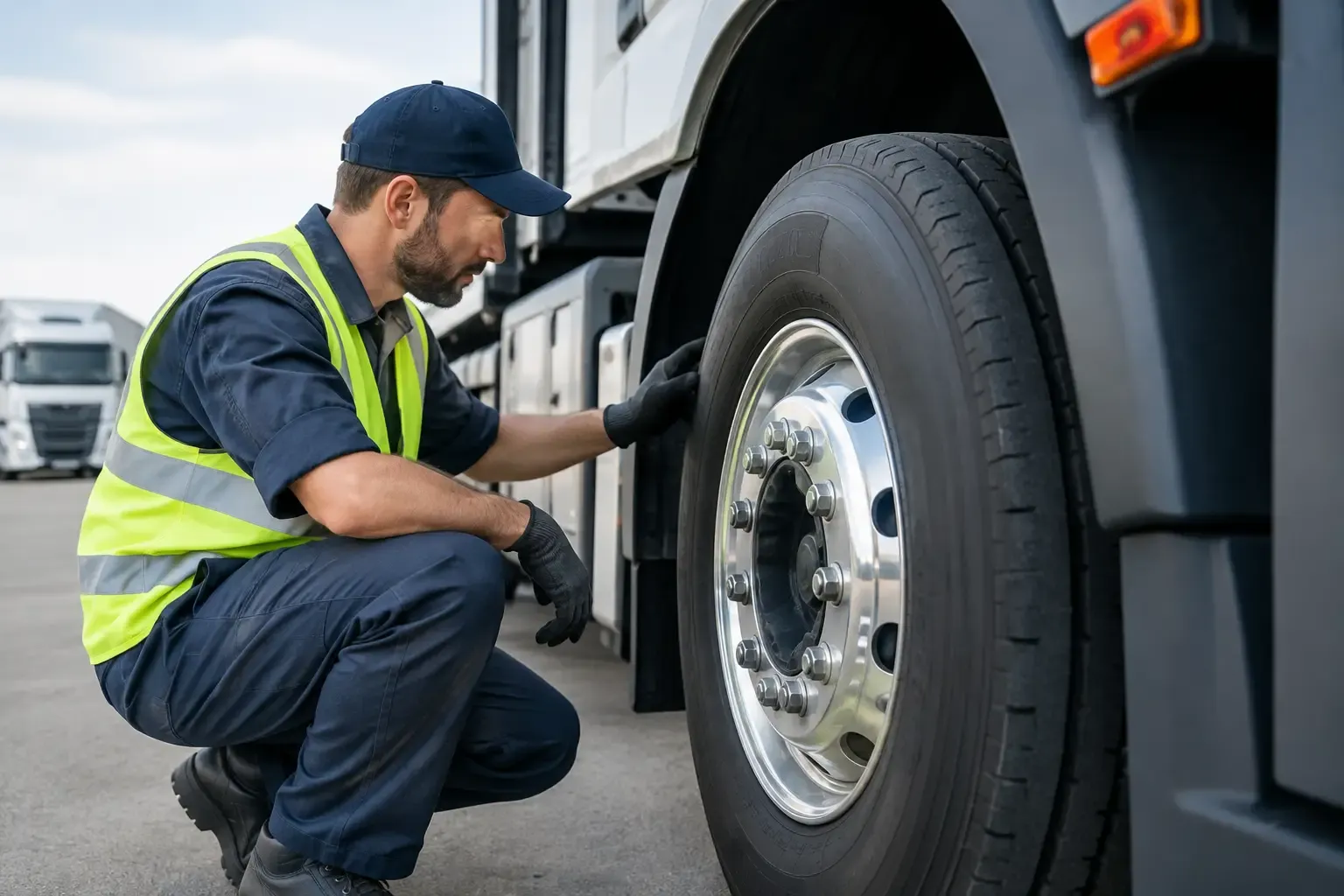
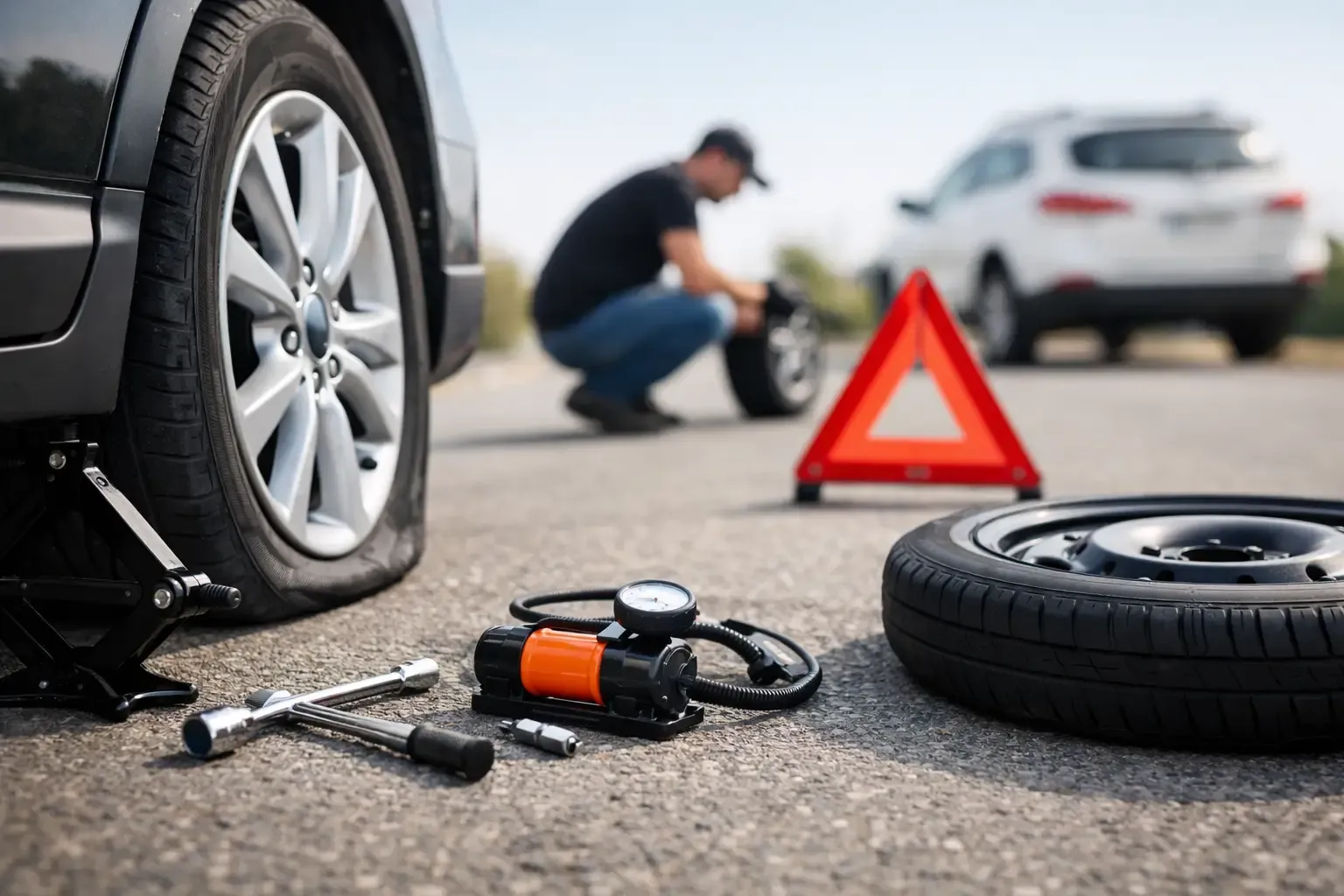
A flat tire rarely happens at a convenient time. It shows up when you are heading to work, picking up your kids, or stuck on the shoulder wondering whether the tire can be saved. In those moments, emergency flat tire repair is not just about getting moving again. It is about making the right call quickly, protecting your vehicle, and avoiding a small problem turning into a bigger one.
What emergency flat tire repair actually means
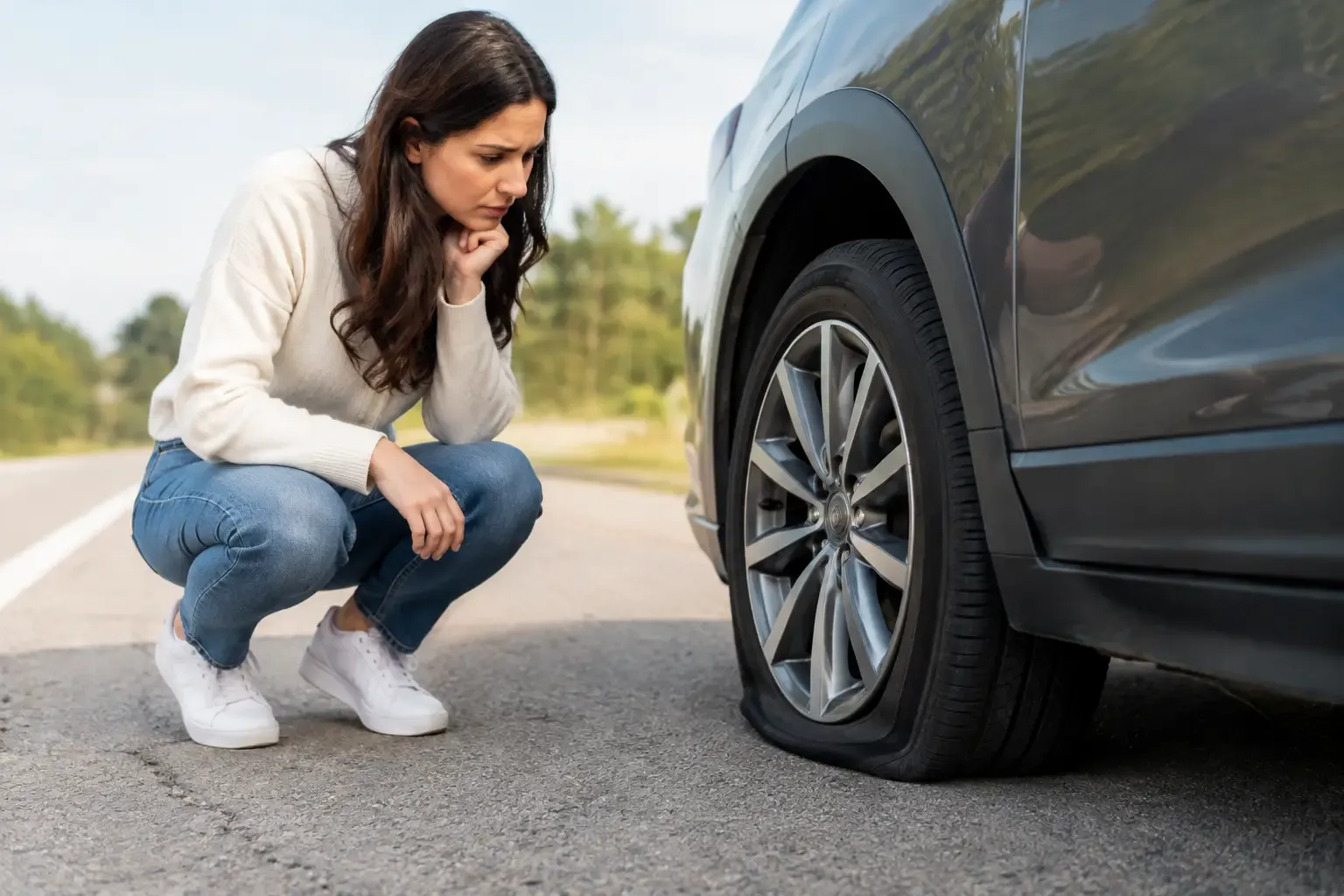
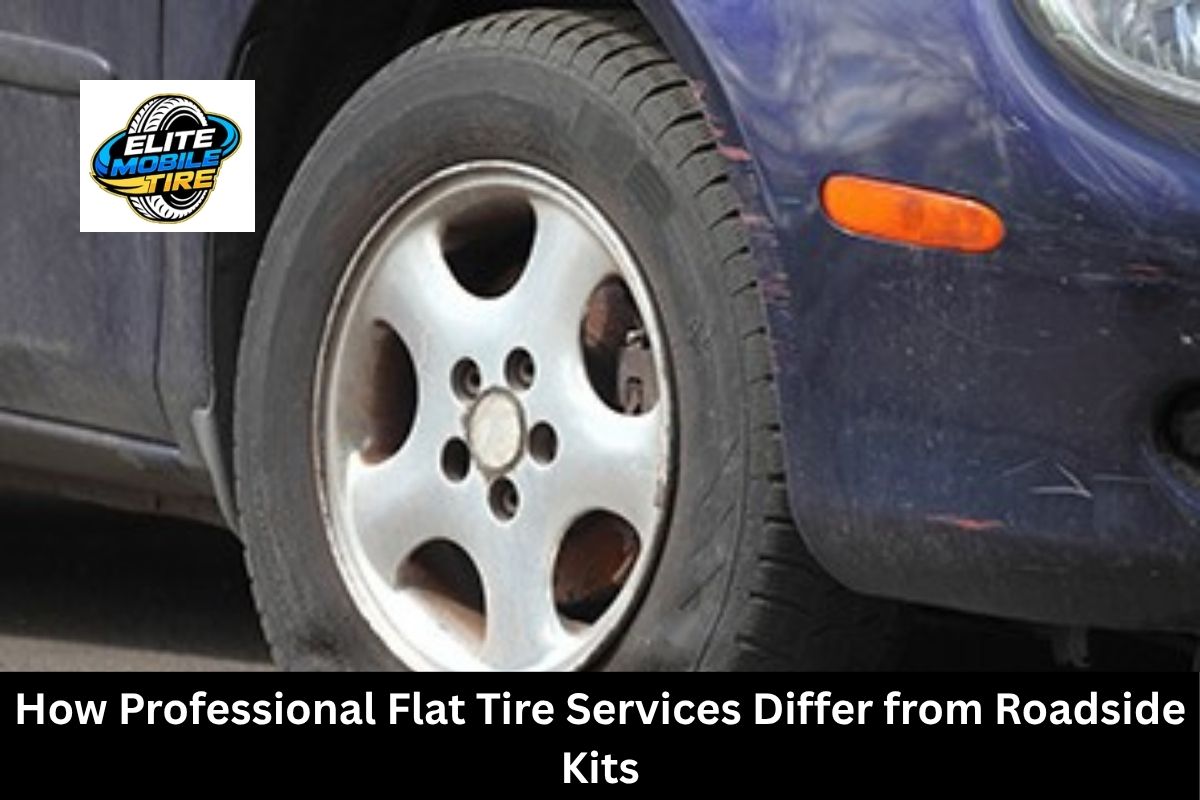
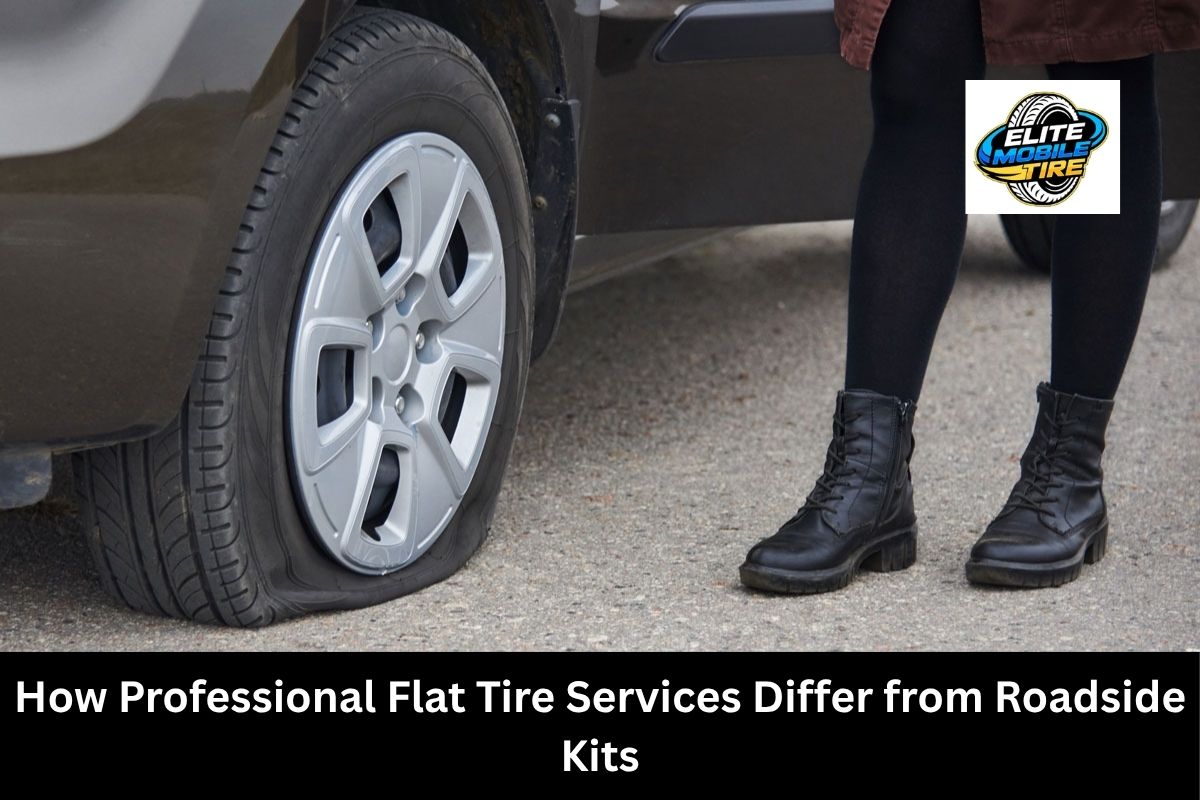
Not every flat is the same, and that matters. A slow leak from a nail in the tread is very different from a sidewall blowout, a bent wheel, or a tire that has been driven on while underinflated. The phrase emergency flat tire repair usually refers to immediate help when a tire loses air unexpectedly and the vehicle cannot be driven safely as-is.
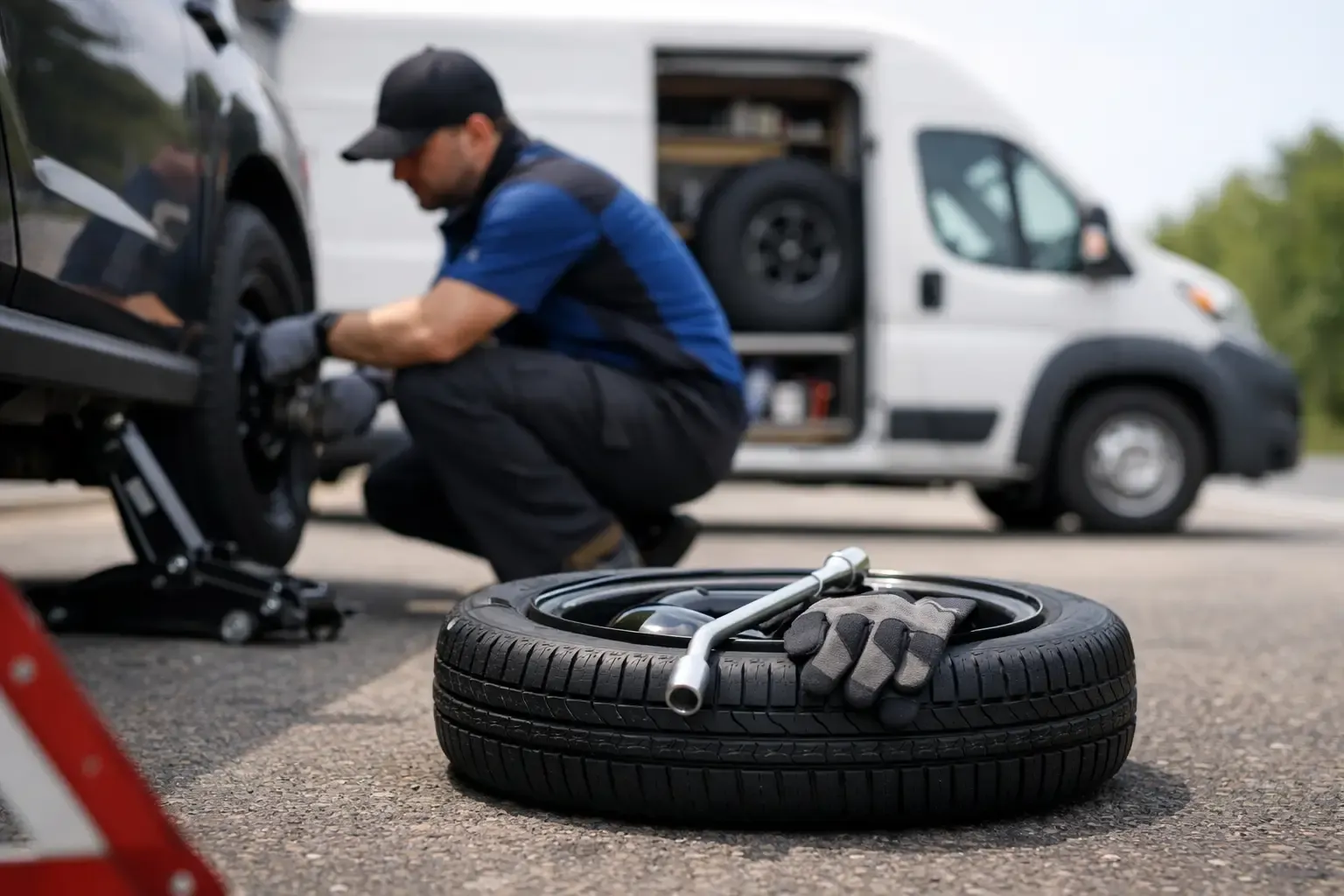
The goal is simple. Get the vehicle secure, assess whether the tire is repairable, and restore safe mobility as quickly as possible. Sometimes that means a professional patch and plug repair. Sometimes it means installing the spare. Sometimes it means replacing the tire because repair is no longer a safe option.
That last point is where many drivers get tripped up. Just because a tire can hold air again does not always mean it should stay in service.
First steps when you get a flat
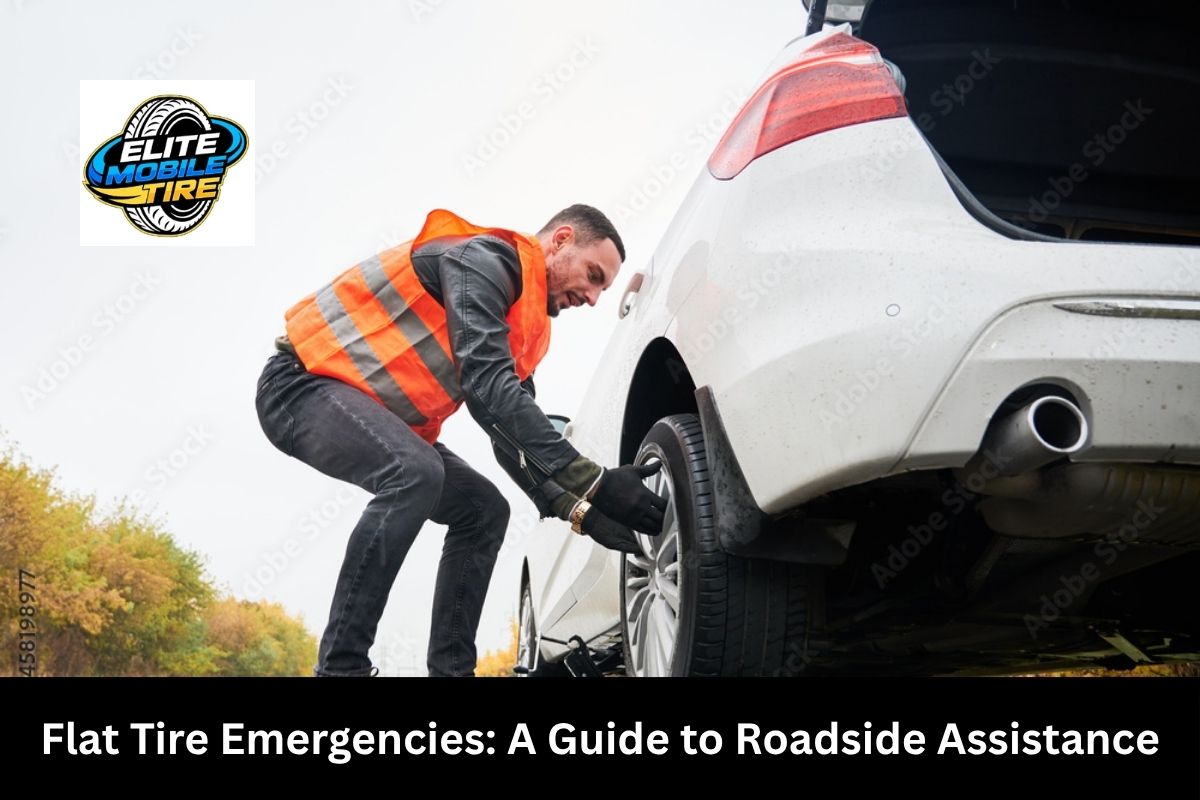
Your first priority is location, not tools. If you feel the vehicle pulling, hear flapping, or see a tire pressure warning, slow down gradually and move to a safe place away from traffic. A parking lot, wide shoulder, or side street is better than trying to stop immediately in a dangerous spot.
Turn on your hazard lights. If it is dark, rainy, or traffic is moving fast, stay inside the vehicle if that is the safer option. A lot of roadside injuries happen because drivers focus on the tire and forget the traffic around them.
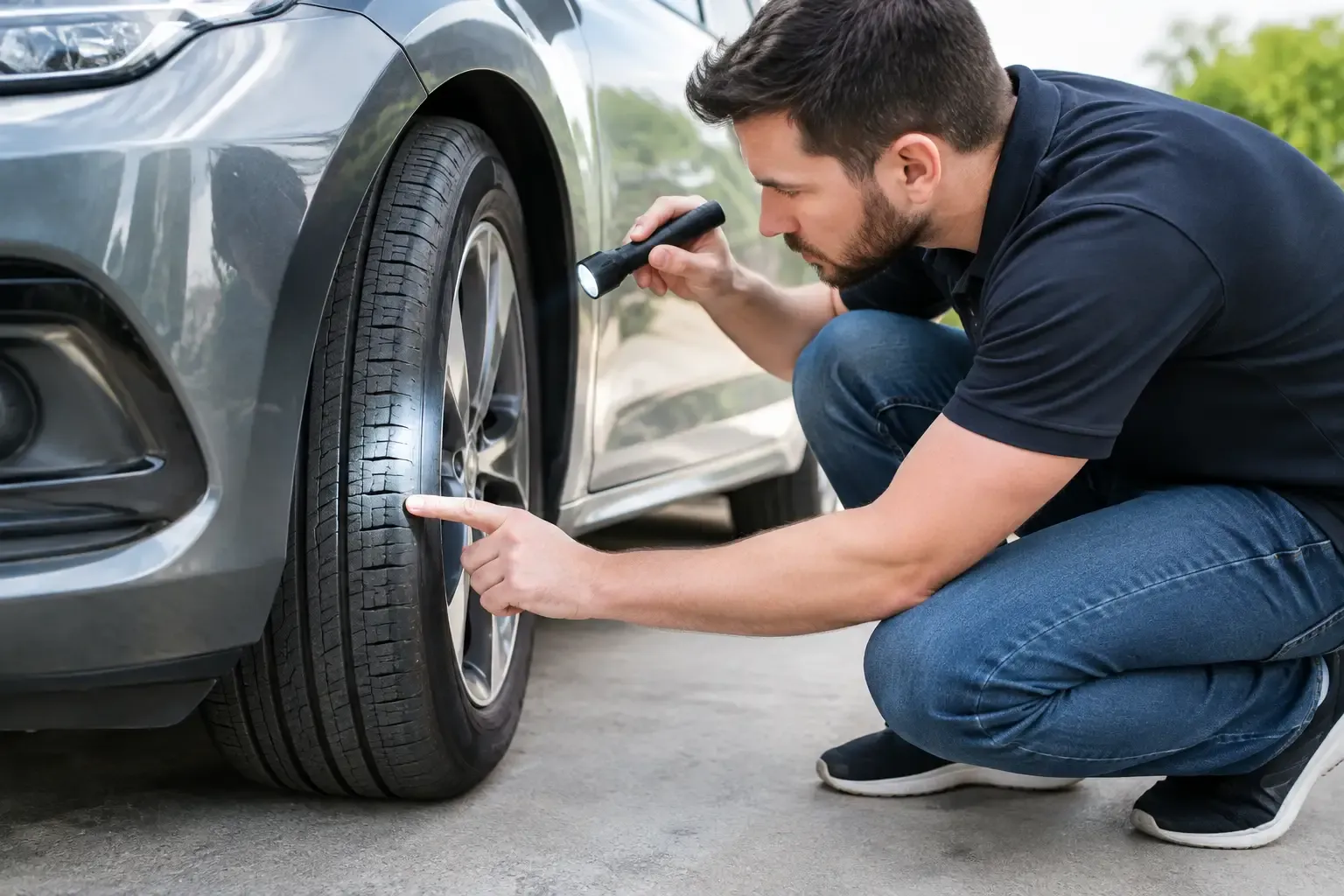
Once you are safe, look at the basics. Is the tire completely flat or just low? Is there visible sidewall damage? Did the tire come apart, or is there simply an object stuck in the tread? Those details help determine whether this is a straightforward repair or a case for replacement.
When a flat tire can be repaired
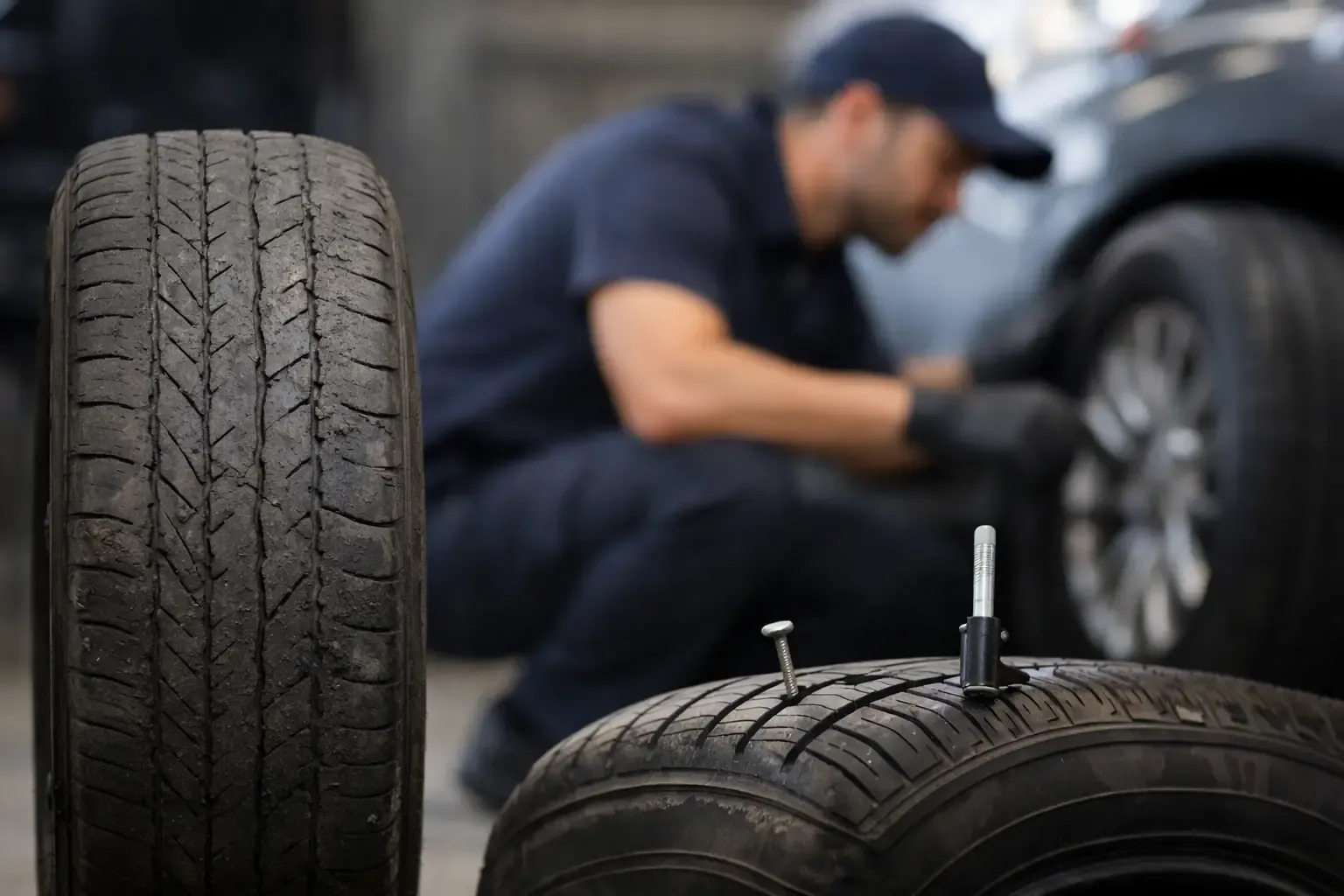
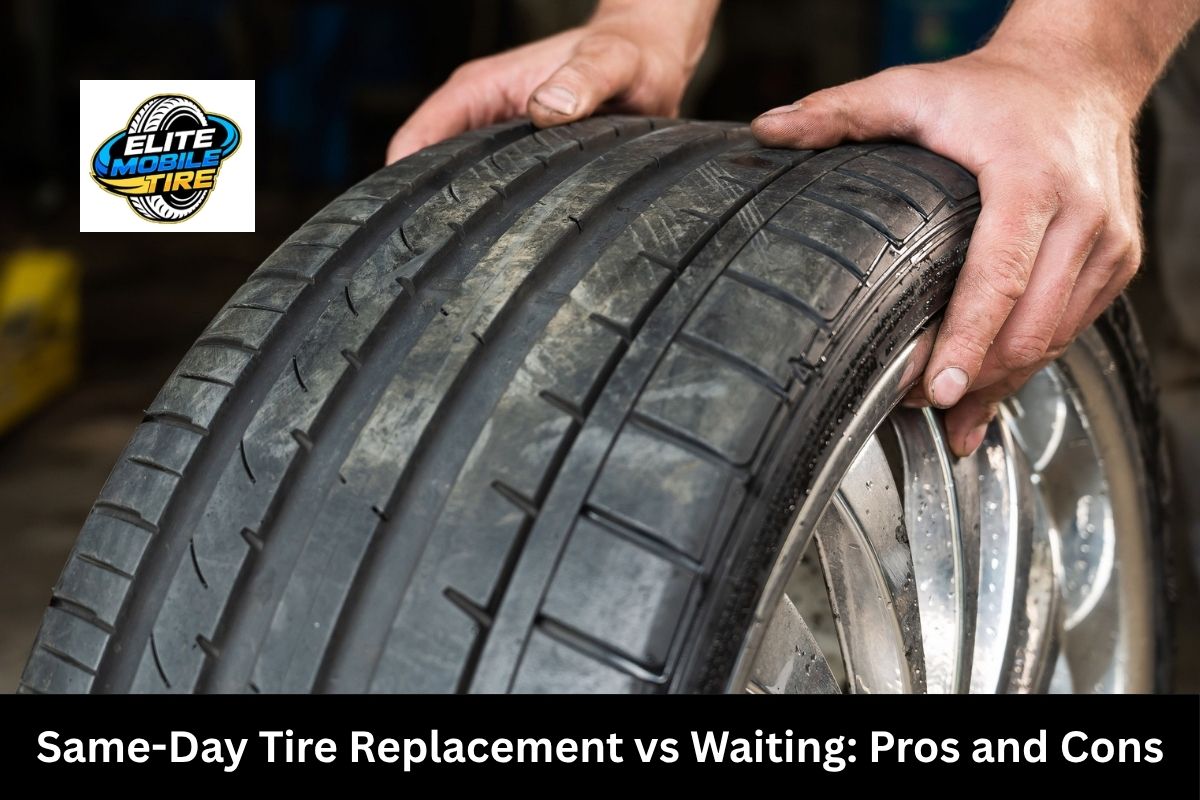
A repair is usually possible when the puncture is small, located in the tread area, and the tire has not been driven too far while flat. In that situation, a technician can remove the tire, inspect the inside, and perform a proper repair that seals the injury and restores integrity.
This is where professional service makes a real difference. A safe repair is not the same as pushing a plug into the hole from the outside and hoping for the best. The tire should be inspected internally for hidden damage, especially if air pressure dropped low enough for the sidewall to flex under load.
If the puncture is in the shoulder or sidewall, most tires should not be repaired. The same goes for larger punctures, multiple close-together injuries, or tires with severe wear. It depends on the exact condition, but safety standards are there for a reason.
When emergency flat tire repair is not enough
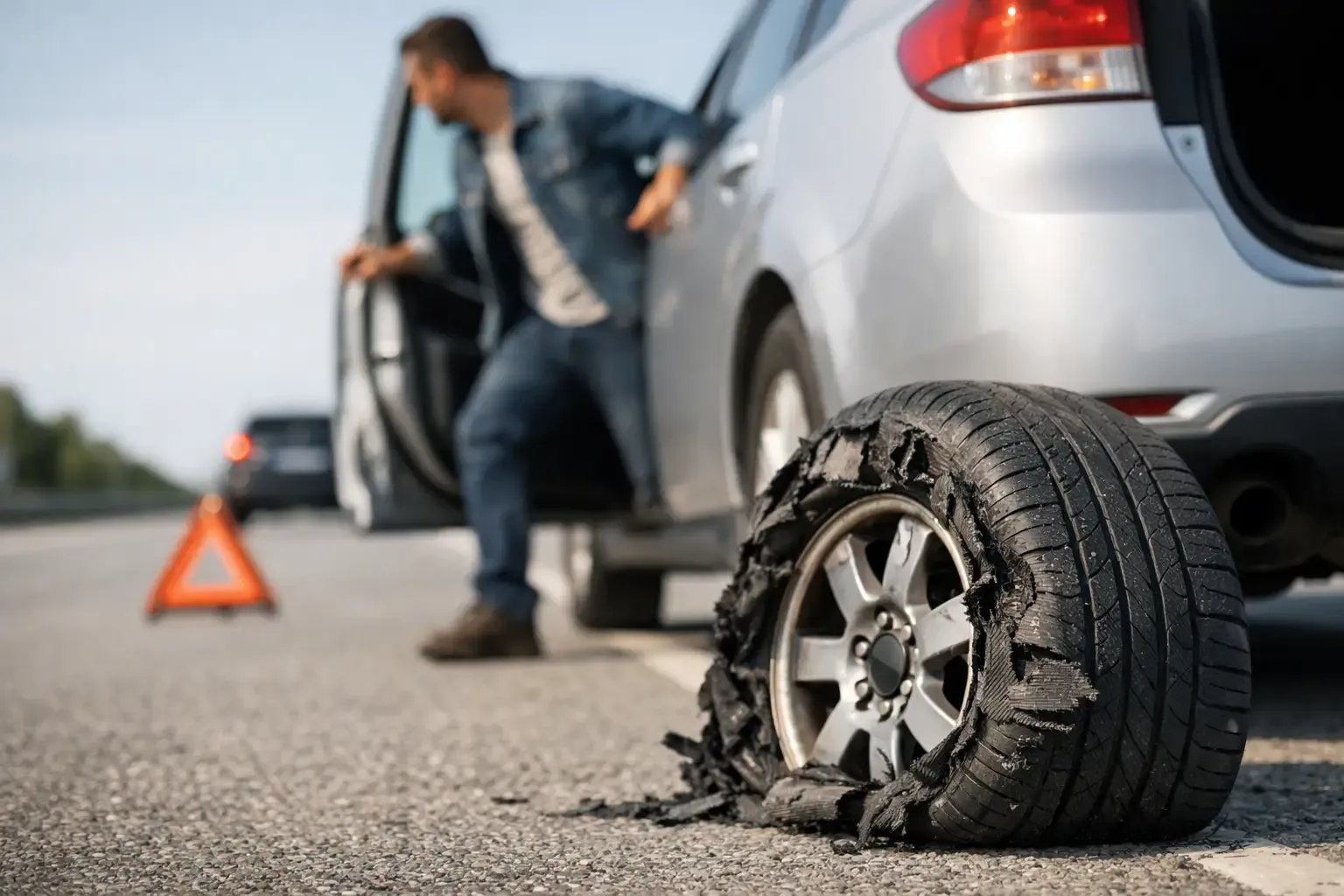
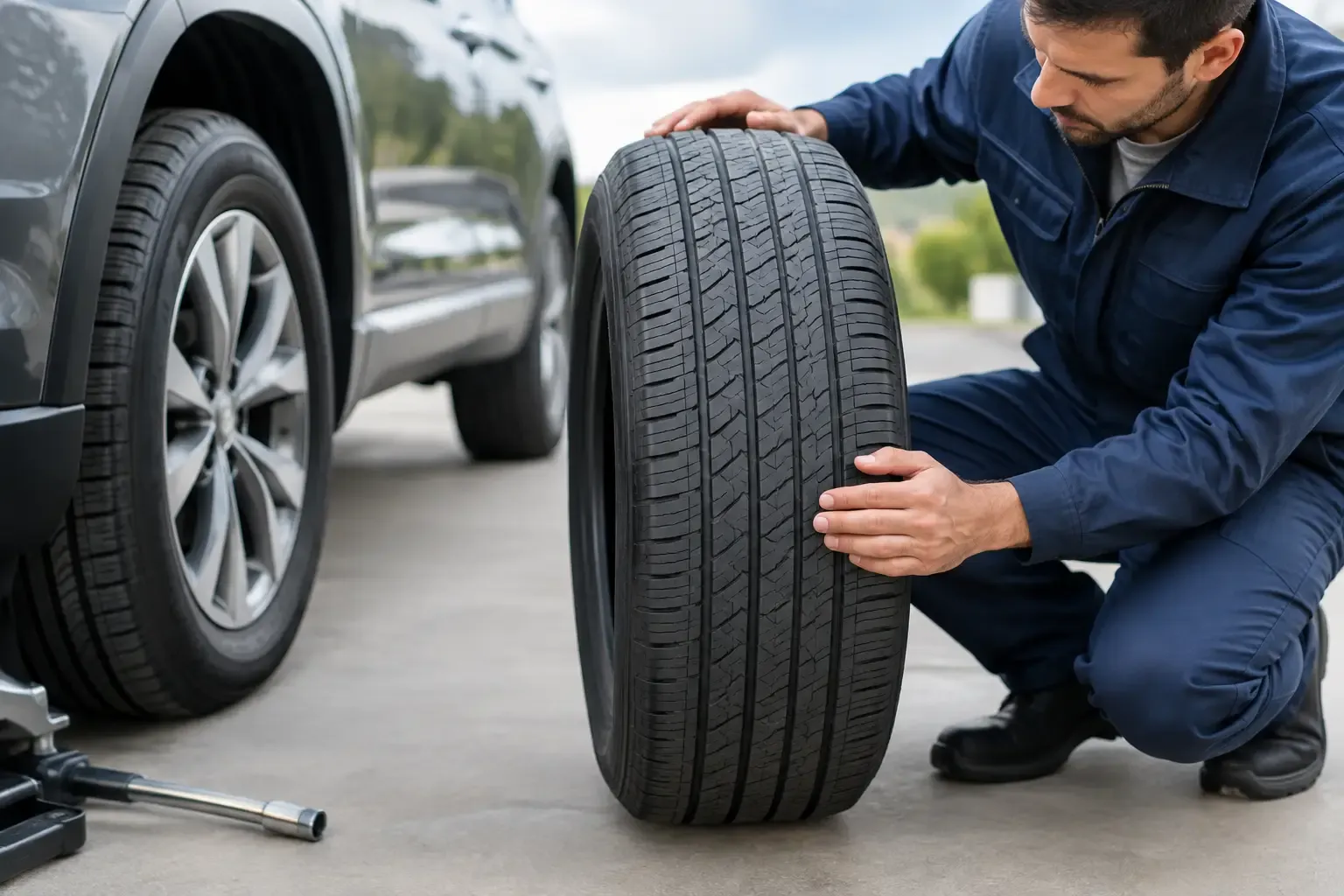
Some situations call for a replacement right away. If the sidewall is cut, the tread has separated, the wheel is damaged, or the tire was driven flat long enough to destroy the inner structure, a repair will not solve the real problem.
This is often frustrating for drivers because the damage is not always obvious from the outside. A tire can look fixable but still have internal cord damage that makes it unsafe at highway speed. That is why a proper inspection matters more than a guess on the roadside.
There is also a practical side to it. If your spare is a temporary donut, it may get you moving, but it is not a long-term solution. Temporary spares have speed and distance limits, and they can affect handling. If you are trying to get through a packed workday in Columbus or commute across the metro, that stopgap may not fit your schedule for long.
Should you use a tire inflator or sealant?
Sometimes, but with caution. A portable inflator can be helpful if the leak is slow and you only need enough air to move the vehicle a very short distance to a safer location. It is less useful when the tire has major damage or loses air as fast as you add it.
Sealant kits are more complicated. They can help in a narrow set of situations, but they are not ideal for every puncture, and they can make later service messier. More importantly, sealant does not fix sidewall damage, torn rubber, or structural failure. It is a temporary measure, not a decision that the tire is now road-ready.
If your vehicle did not come with a spare and only has an inflator kit, that is another reason professional mobile help can save time. You avoid guessing whether the quick fix is actually safe enough to trust.
Why roadside tire problems get worse fast
The biggest mistake drivers make is continuing to drive on a low tire because they are close to home, close to work, or close to an exit. Even a short distance can ruin a tire that might otherwise have been repairable. The sidewall gets pinched and overheats, and once that internal damage happens, the repair option is often gone.
The second common mistake is changing a tire in an unsafe place. If traffic is tight, visibility is poor, or the ground is uneven, doing it yourself can create more risk than waiting for help. Convenience matters, but safety comes first.
The third issue is assuming all tire repairs are equal. They are not. A rushed temporary fix may hold air for a little while, but that does not mean it meets proper repair standards.
The value of mobile emergency flat tire repair
When a flat happens, the usual tire shop model can be the hardest one to use. You may need a tow, you may have to miss work, and you may sit in a waiting room while your day gets reshuffled around a tire problem. Mobile service changes that equation.
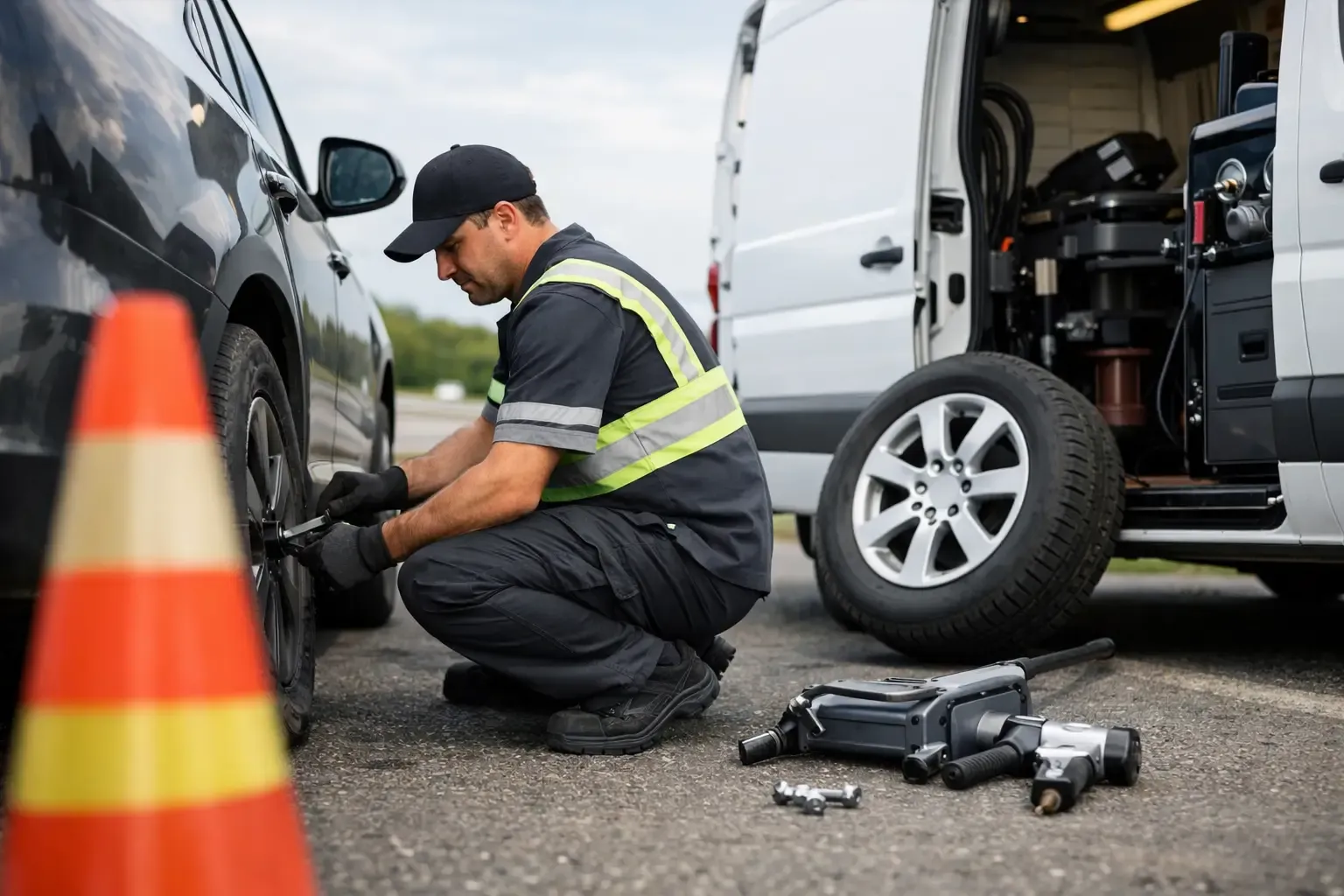
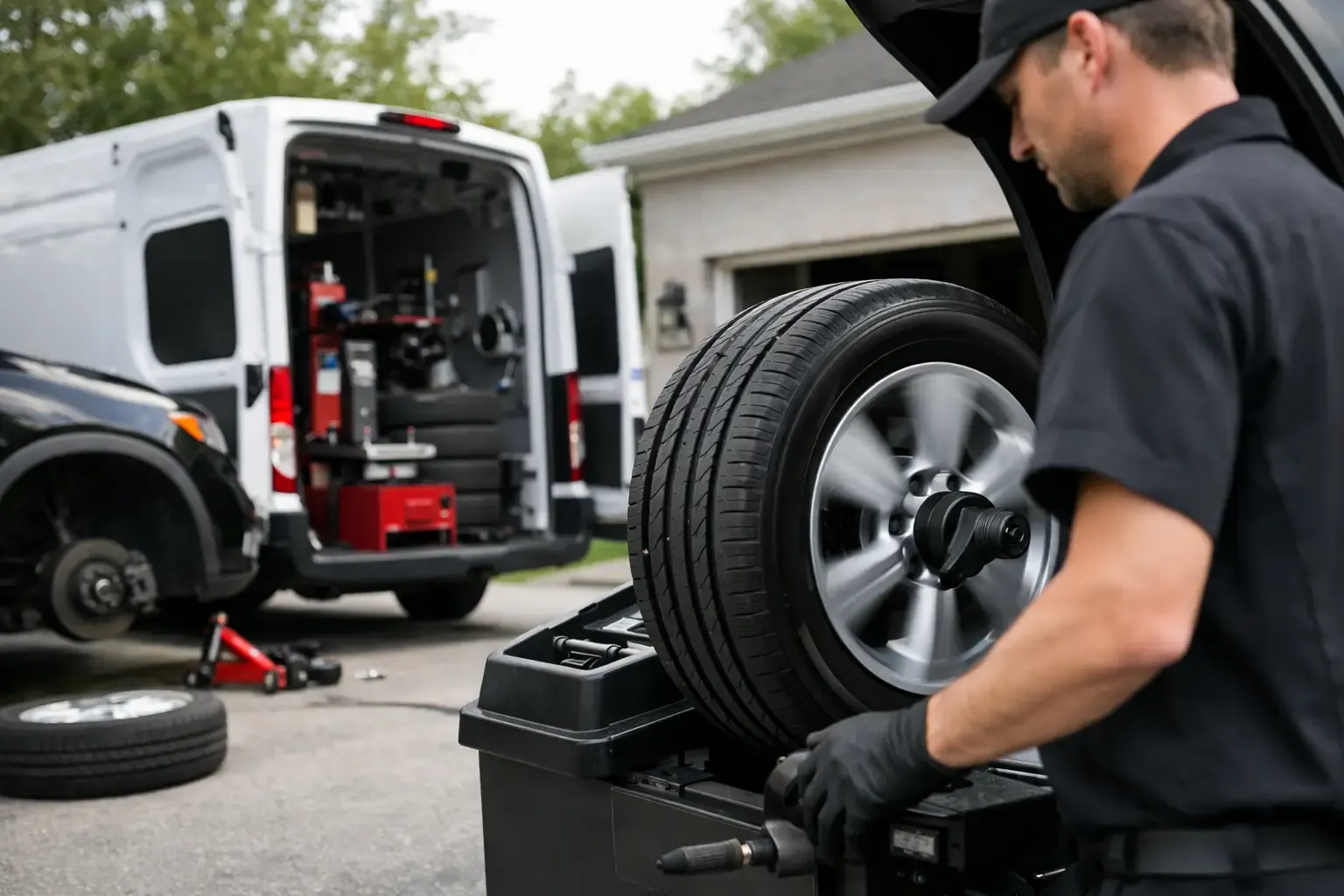
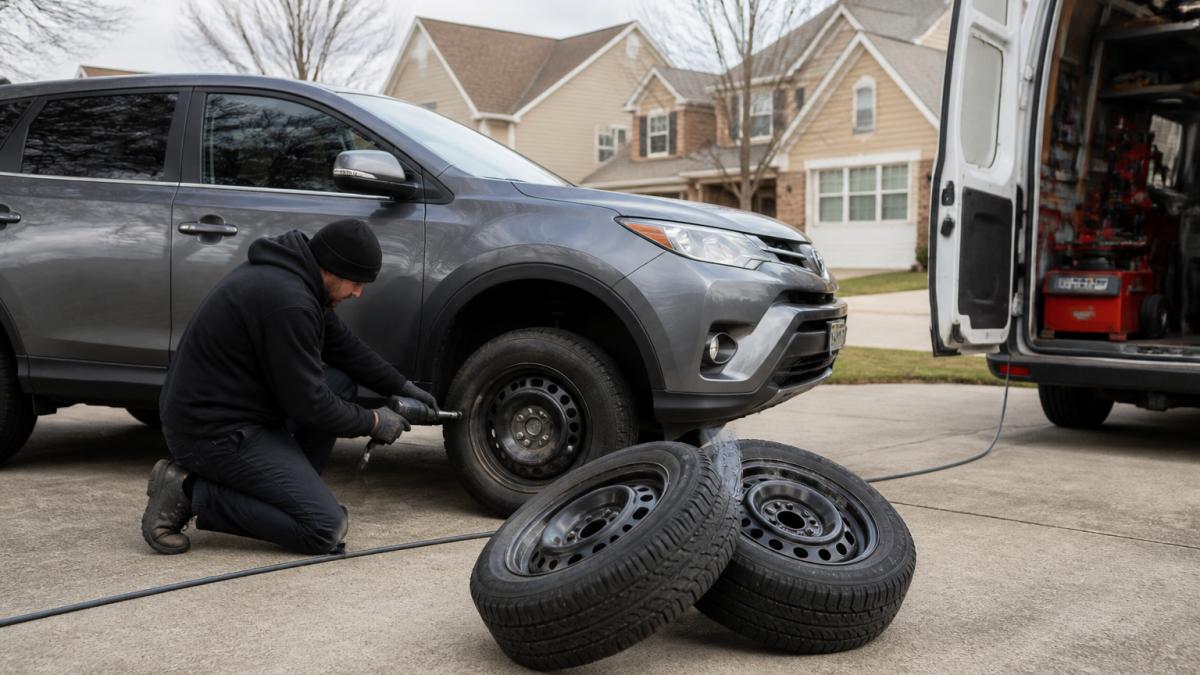
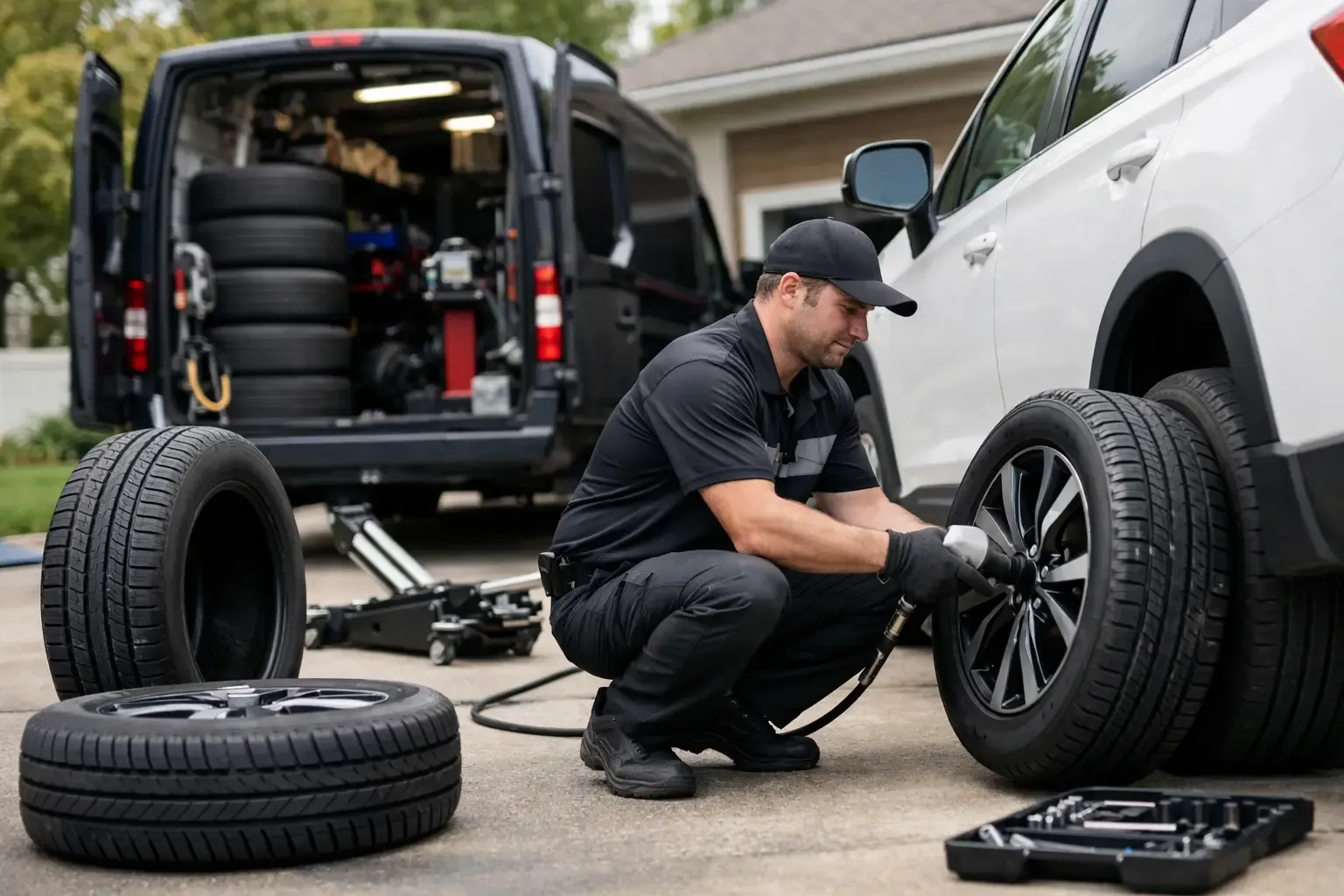
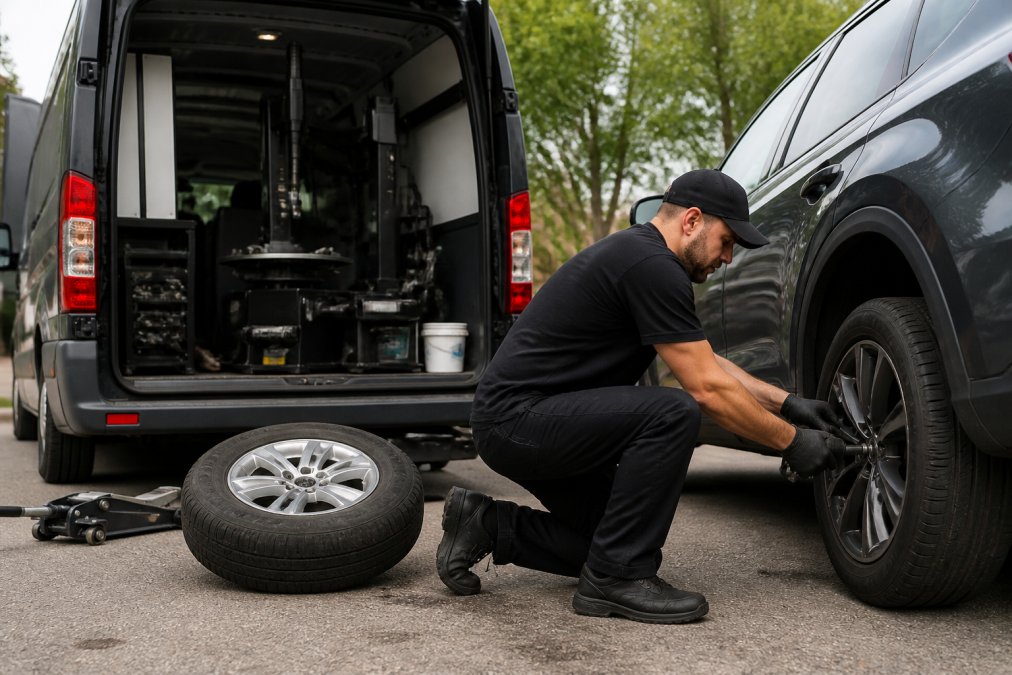
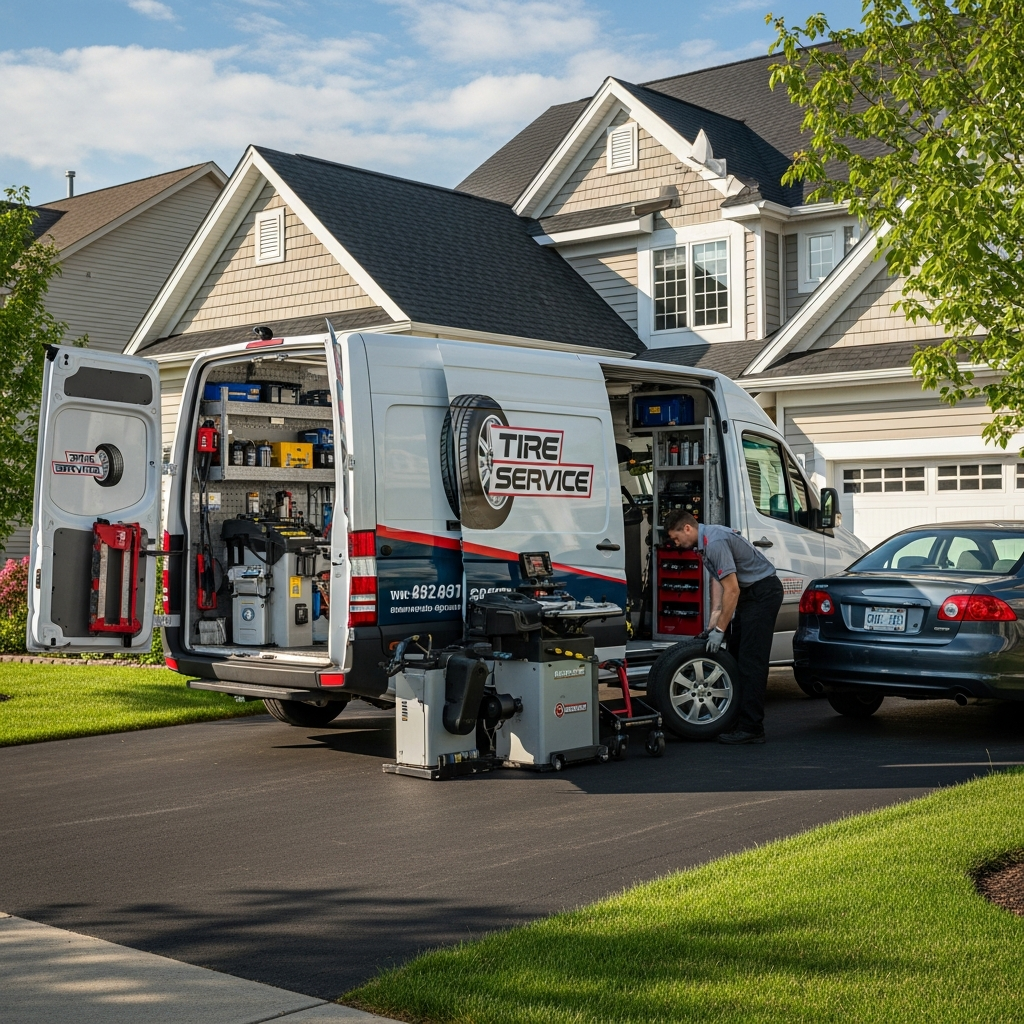
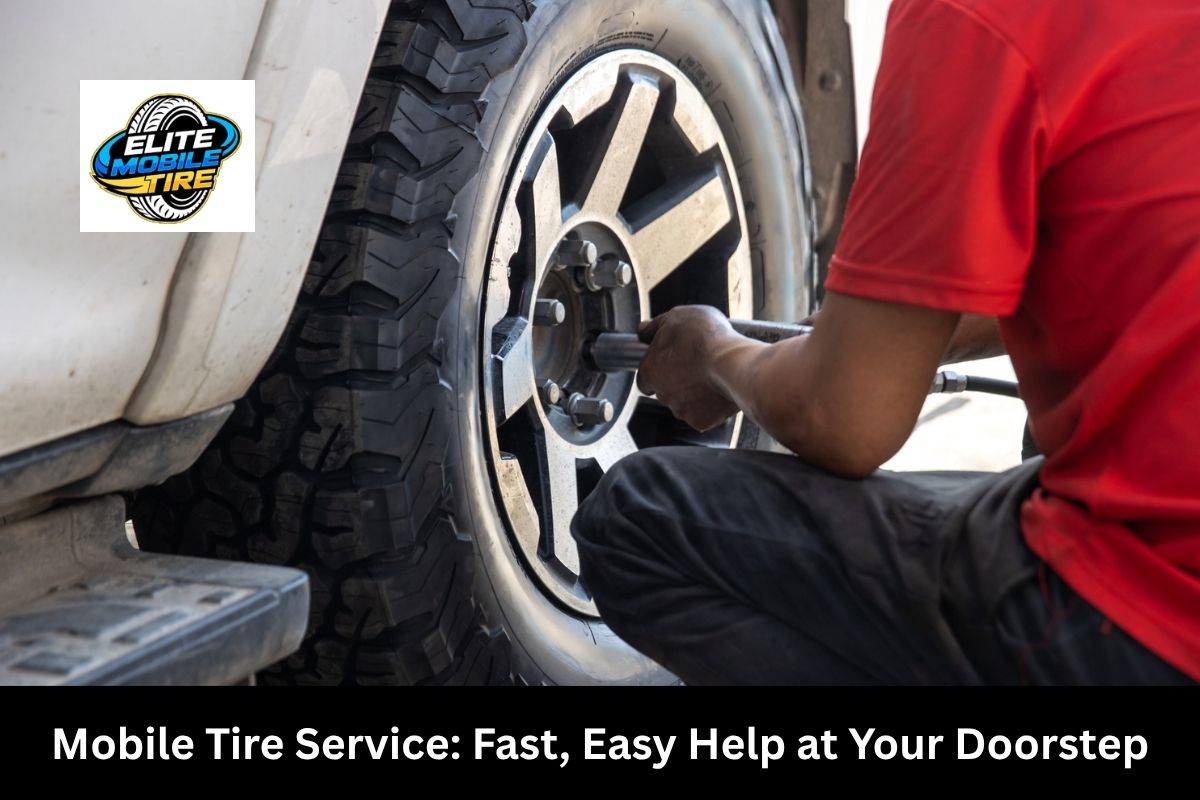
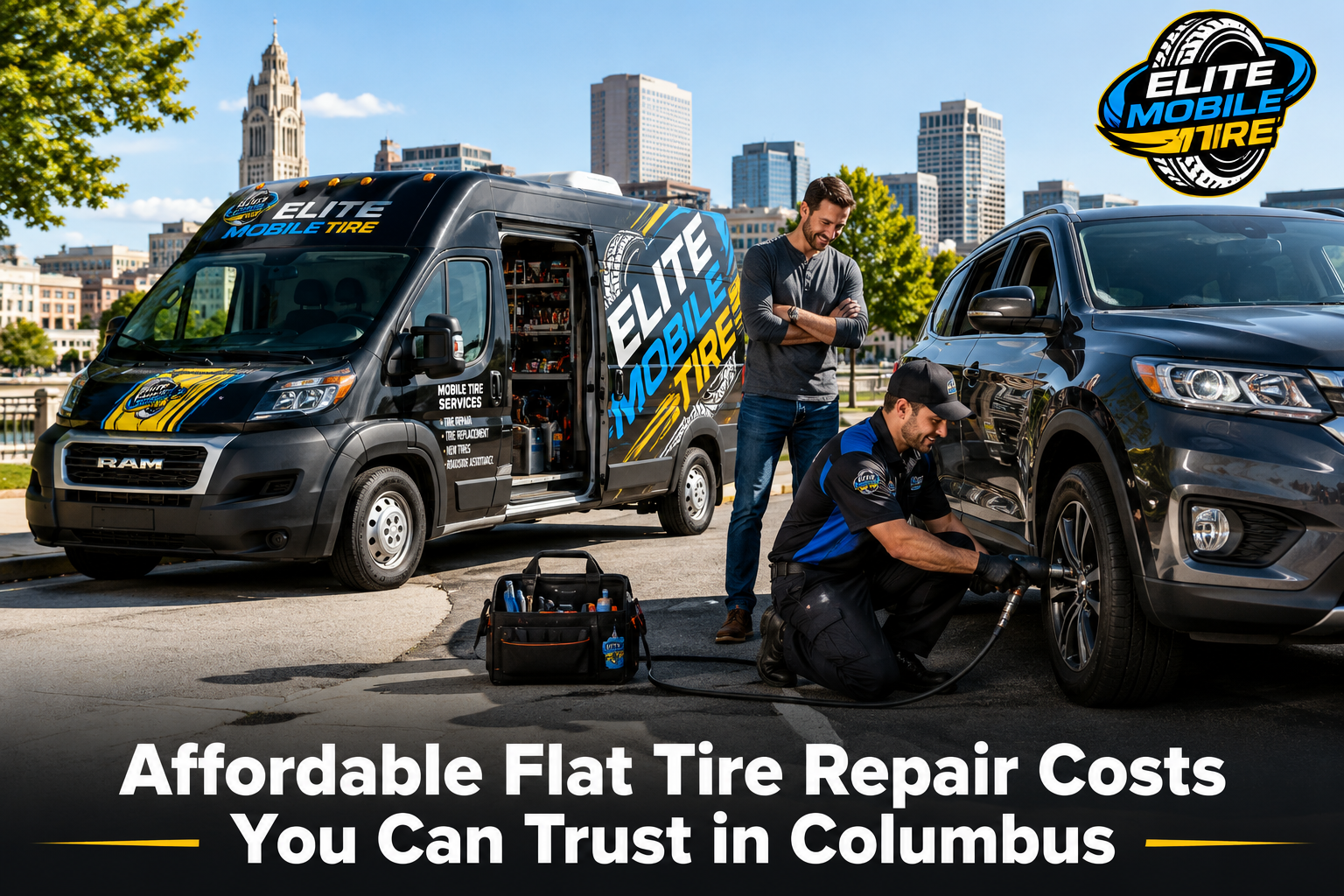
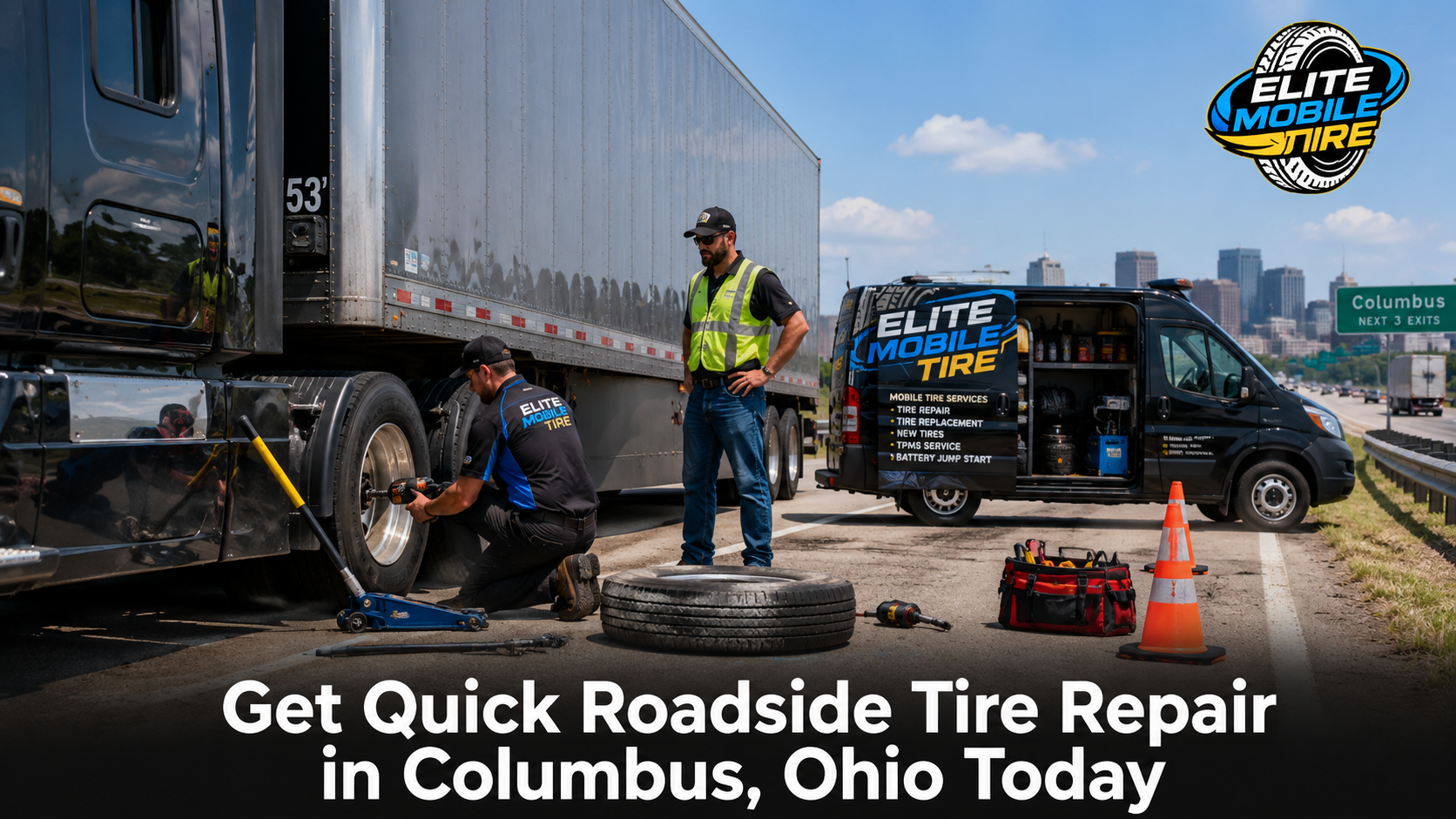
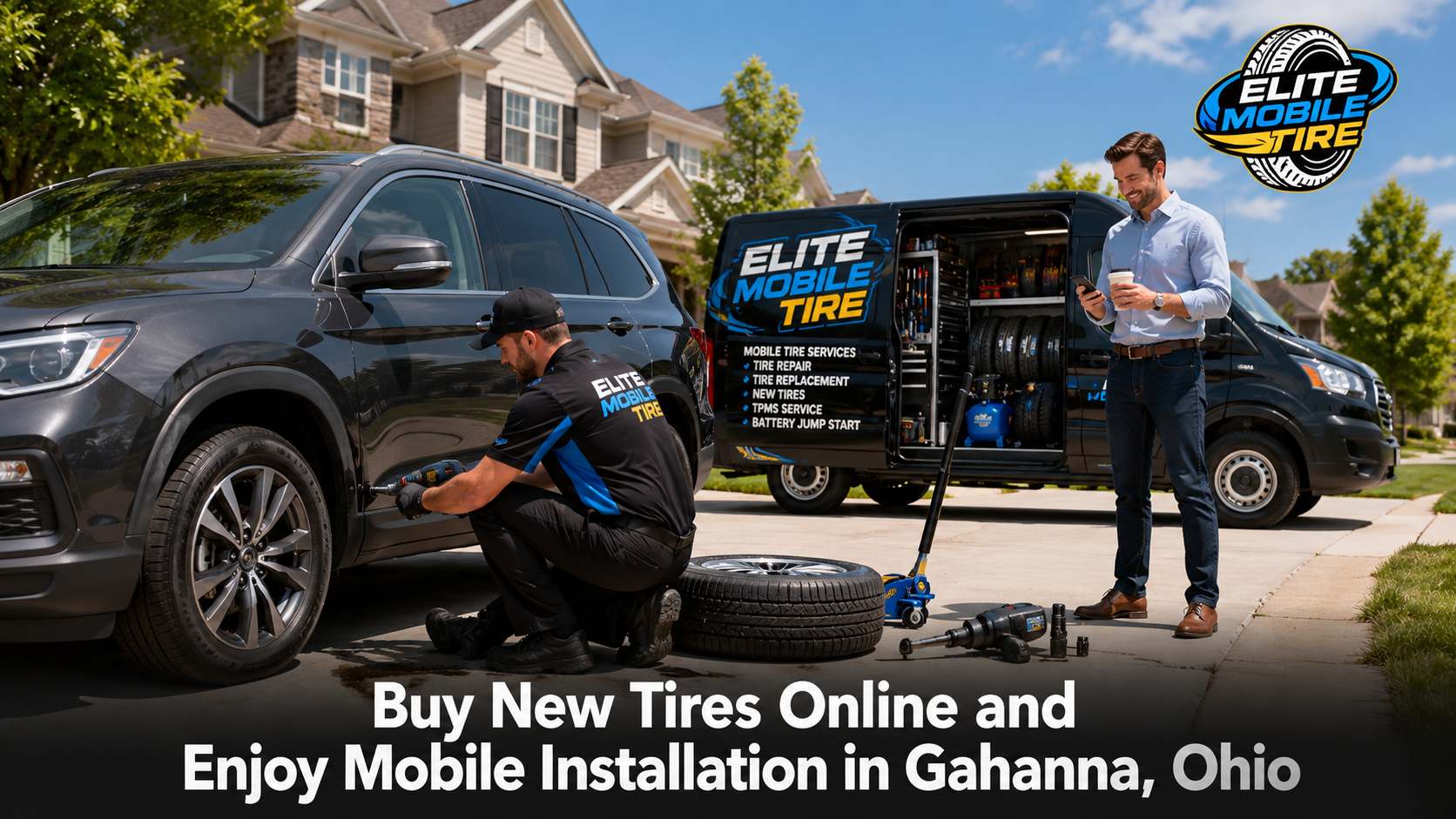
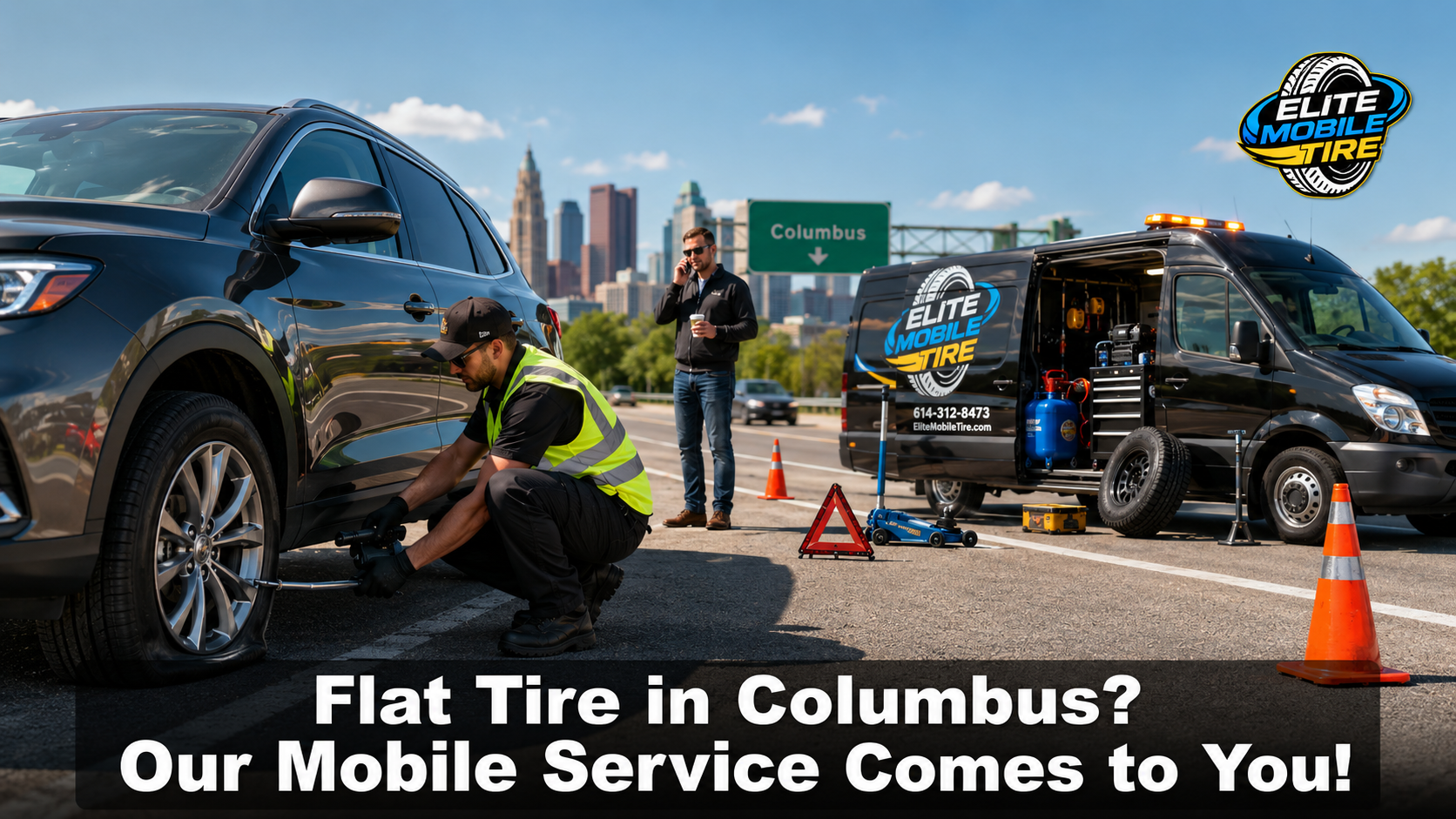
A qualified mobile technician can come to your home, office, or roadside location, inspect the tire, explain whether repair or replacement is the safer choice, and complete the service on-site in many cases. That means less downtime and fewer decisions made under stress.
For busy drivers, that convenience is not a luxury. It is the difference between losing half a day and getting back to normal with minimal disruption. For families and commuters, it also removes the pressure of trying to manage a flat tire with kids in the car, weather moving in, or a schedule that cannot pause.
In the Columbus area, where drivers are often balancing suburban commutes, school pickups, and packed workdays, mobile tire service is a practical answer to a very inconvenient problem.
How to know what to expect from a professional service
A good emergency flat tire repair process should be clear from the start. You should know whether the technician is coming to inspect, repair, install a spare, or bring replacement options if needed. You should also get direct communication about arrival time and what conditions may change the outcome.
Transparency matters because tire issues are not one-size-fits-all. A reputable technician will explain why a tire can be repaired or why it should not be. That explanation should be grounded in safety, not guesswork.
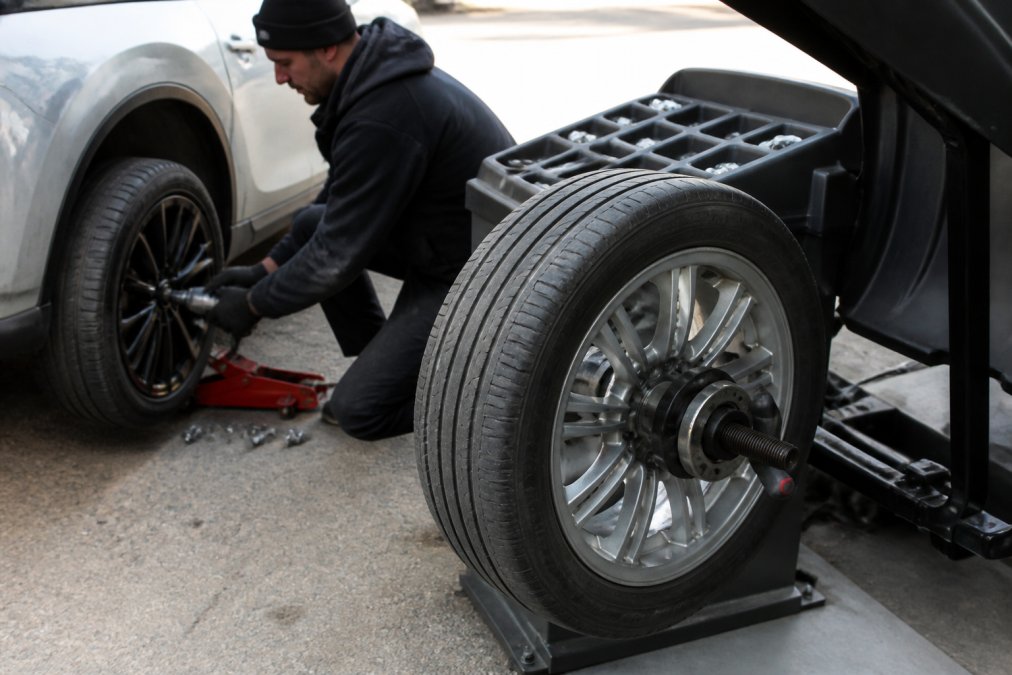
If the tire is repairable, the process should include removing the tire from the wheel when needed, inspecting the inside, and completing a proper repair. If it is not repairable, the next step should be practical and immediate, whether that means spare tire installation or replacing the damaged tire on-site.
What you can do before the next flat happens
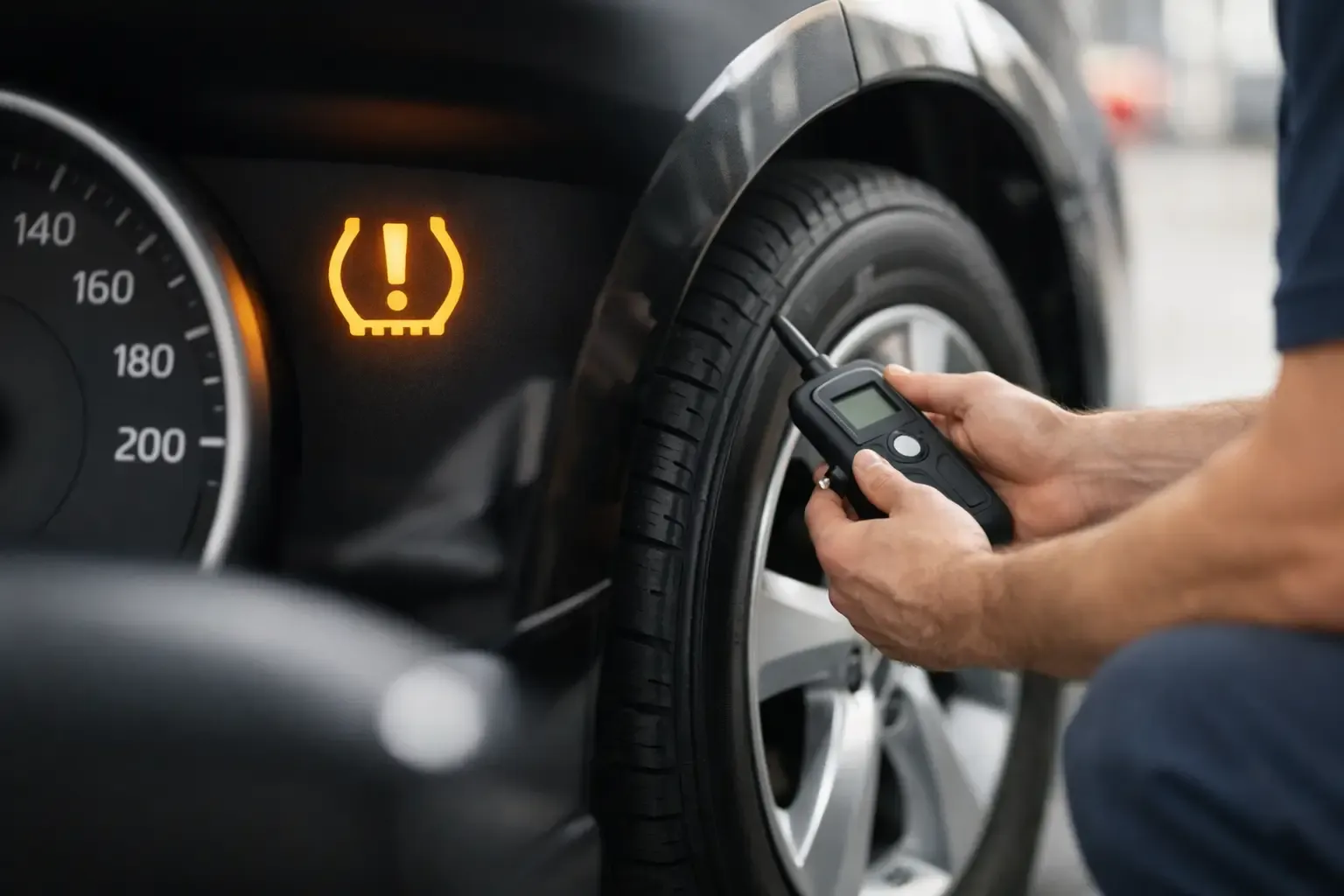
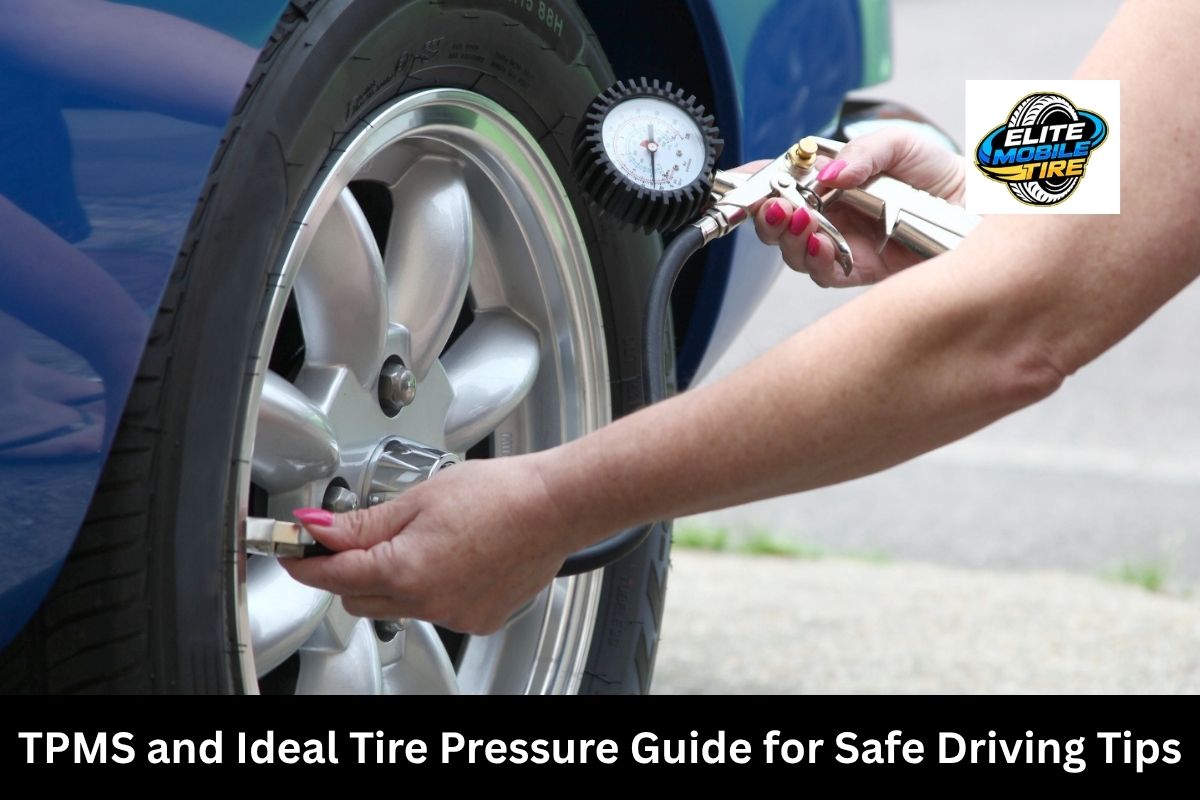
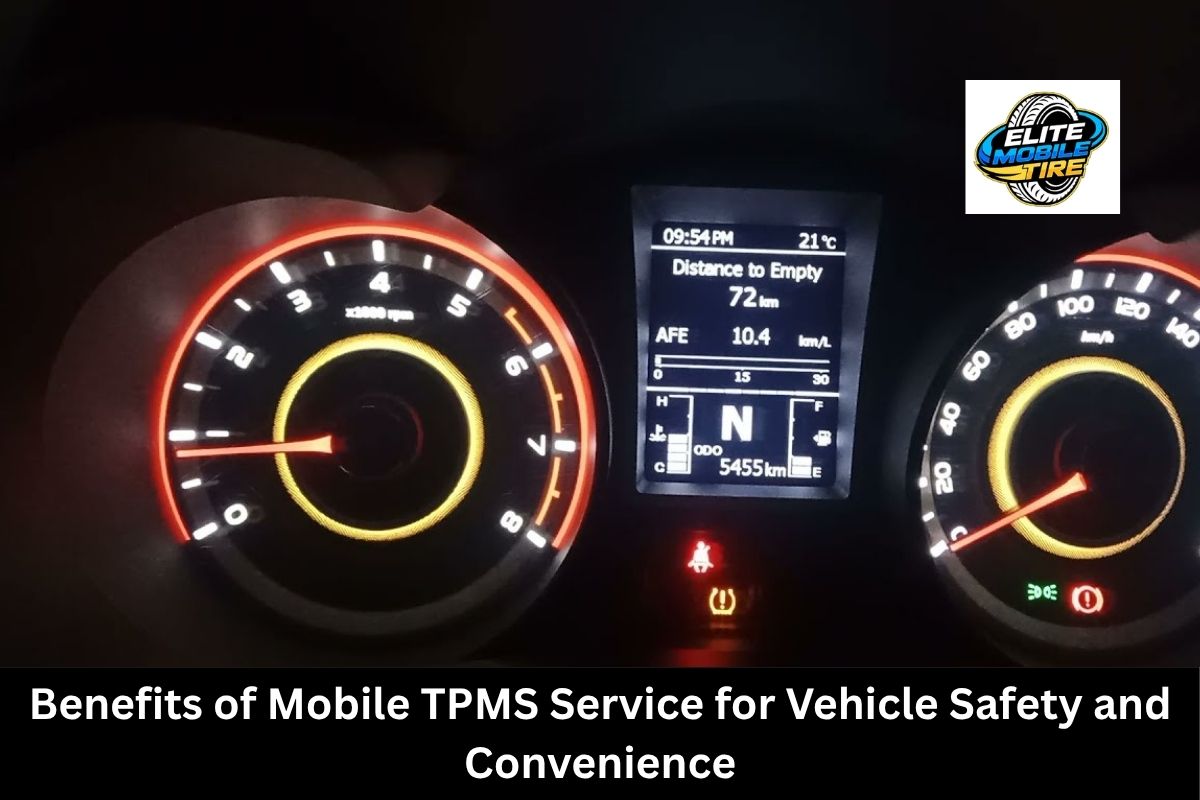
Preparation helps, even if you never plan to change a tire yourself. Check your tire pressure monthly, pay attention to TPMS alerts, and inspect tread and sidewalls for damage. Keep your spare inflated if you have one, and make sure you know where the lock key is if your wheels use locking lug nuts.
It is also smart to know who you would call before you need emergency service. When a flat happens, the best decisions are usually made before the stress starts.
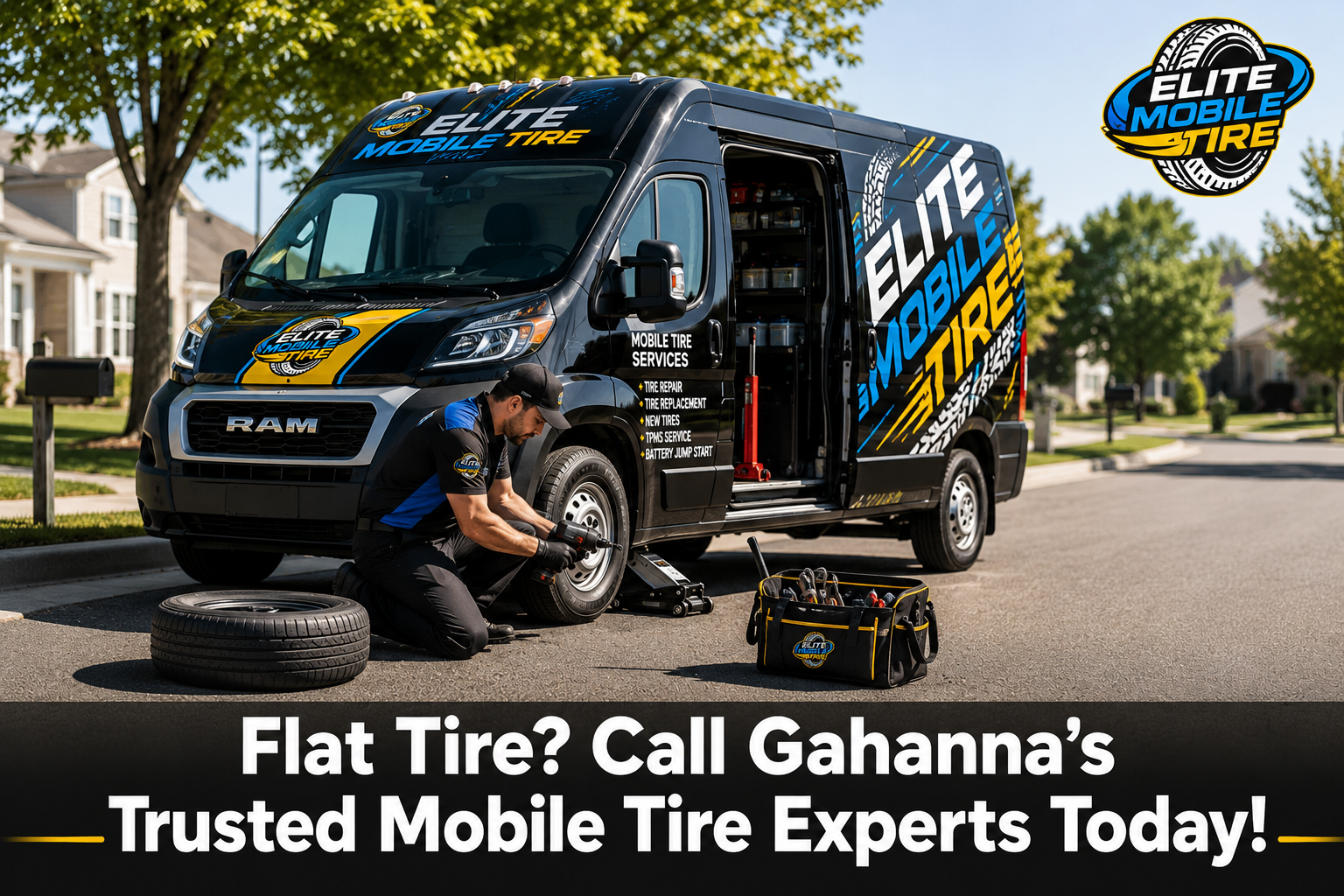
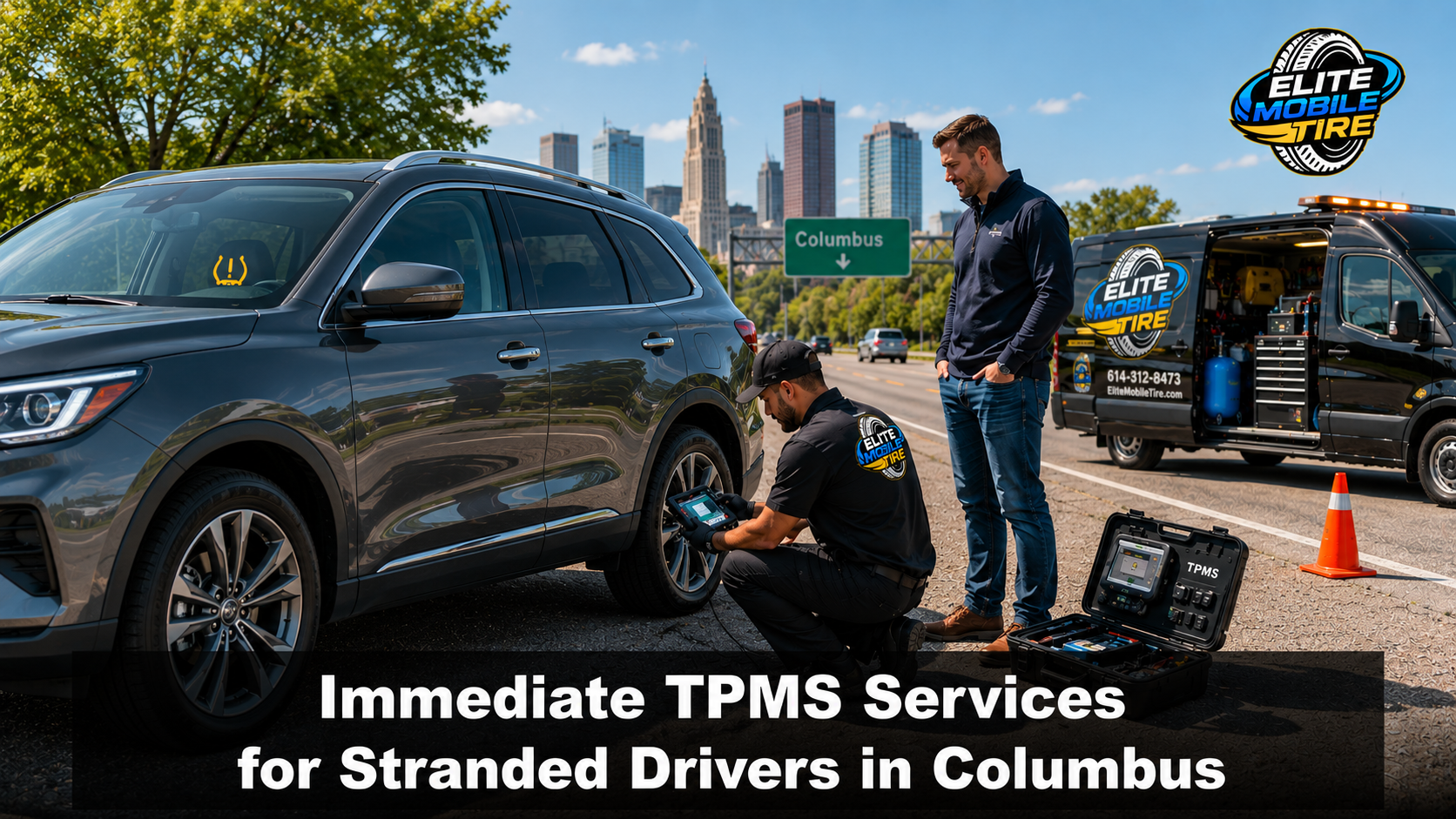
If you are in Columbus or nearby suburbs and want a simpler backup plan, Elite Mobile Tire is built for exactly this kind of situation - fast, professional tire help where your vehicle already is.
A flat tire can interrupt your day in seconds, but it does not have to take over the rest of it. The right response is simple: get safe, avoid making the damage worse, and get the tire assessed by someone who can fix the problem the right way.
Ready for a new set? Elite Mobile Tire installs 2 or 4 new tires right in your driveway or parking lot anywhere around Columbus, Obetz, Groveport, Grove City, and Reynoldsburg. Financing is available through Afterpay and Acima with up to 24-month payment plans. Call 614-344-5010 or visit elitemobiletire.com to book.