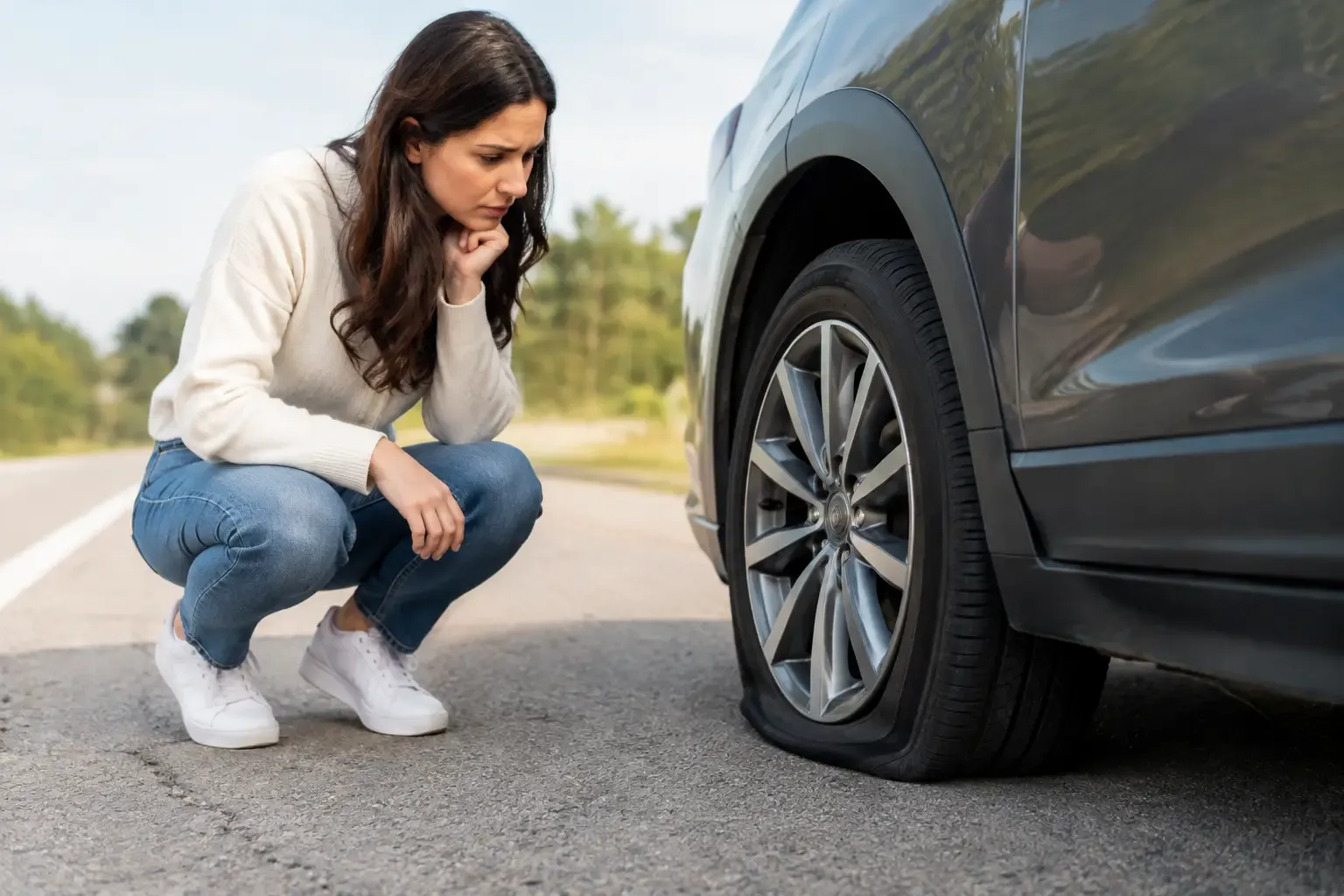
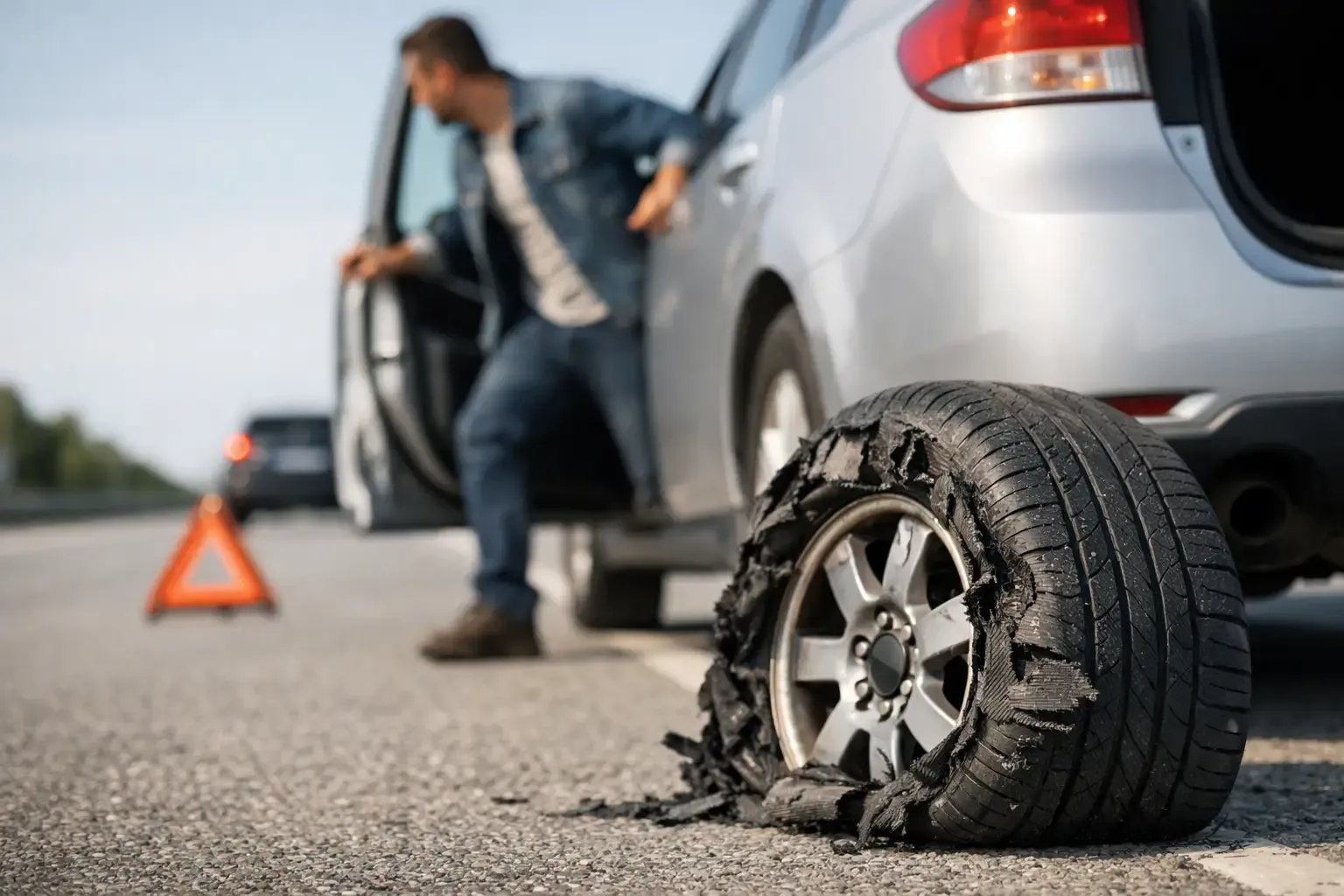
A tire blowout rarely gives you much warning. One second your vehicle feels normal, and the next you hear a sharp pop, the steering gets heavy, and the car starts pulling to one side. Knowing how to handle tire blowout situations before they happen can make the difference between a controlled stop and a much more dangerous outcome.
The good news is that the right response is simple. The hard part is staying calm long enough to do it. If you understand what the car is doing and why, you are much more likely to react the right way.
How to handle tire blowout in the moment
When a tire blows, your first job is not stopping as fast as possible. Your first job is keeping the vehicle stable.
Grip the steering wheel firmly with both hands and keep the car pointed straight. Avoid sudden steering corrections. A blown tire creates drag on one corner of the vehicle, which is why the car may pull left or right. If you jerk the wheel in response, that pull can turn into a loss of control.
Take your foot off the accelerator gradually. Do not slam on the brakes right away. Hard braking shifts weight abruptly and can make the vehicle harder to control, especially at highway speeds. Let the vehicle slow down on its own for a moment while you stay focused on steering.
Once the car begins to stabilize and your speed starts dropping, gently apply the brakes. Then move carefully toward the shoulder or another safe area away from traffic. Turn on your hazard lights as soon as you can do so without losing focus.
That sequence matters. Hold steady, ease off the gas, brake gently, and move to safety. People often do the opposite because the noise and sudden movement trigger panic. That is exactly what you want to avoid.
What a blowout feels like
Not every tire failure feels dramatic at first. Sometimes it is a loud bang followed by immediate pull and vibration. Other times, especially with certain rear tire failures, it may feel more like wobbling, thumping, or a sudden change in handling.
If a front tire blows, the steering wheel usually feels heavier and the vehicle may pull strongly to one side. If a rear tire blows, the back of the vehicle may feel unstable or squirmy. In either case, the safest approach stays the same - maintain control first, then slow down gradually.
Modern vehicles can mask some warning signs better than older ones, so drivers may not always realize how serious the issue is until handling changes. That is one reason blowouts can feel so sudden.
What not to do during a tire blowout
The biggest mistake is hitting the brakes hard the moment you hear the blowout. It is an understandable reaction, but it can make the vehicle harder to manage.
The next common mistake is overcorrecting the steering. A car that pulls sharply can tempt you to yank the wheel back. That can send you into another lane or off the road. Small, controlled corrections are safer.
It is also a bad idea to keep driving farther than necessary once you have a safe place to stop. A damaged tire can come apart quickly, and driving on it can damage the wheel, suspension, or body of the vehicle. If you can safely pull over, do it.
After you stop, focus on safety first
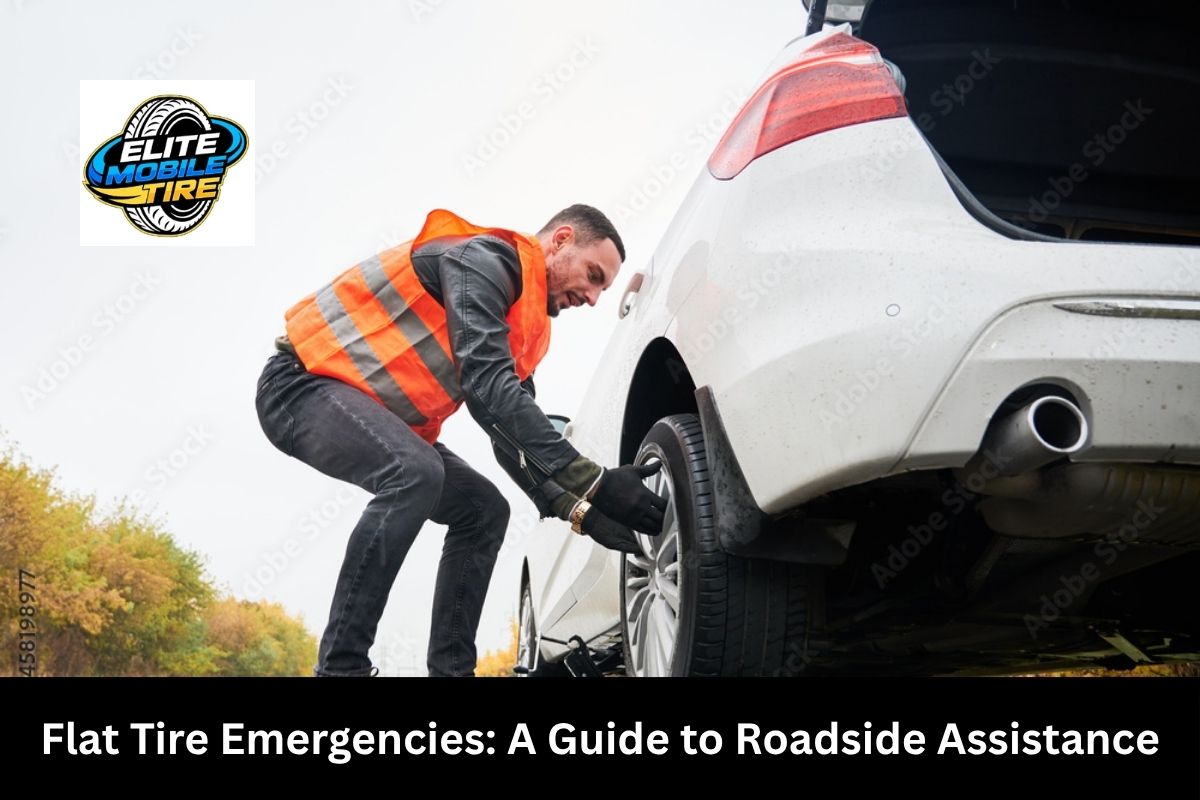
Once the vehicle is off the road, put it in park and set the parking brake. Keep your hazard lights on. If you are close to traffic, stay aware of your surroundings before getting out.
Whether you should exit the vehicle depends on where you are stopped. If you are well off the roadway on a wide shoulder or in a parking lot, it may be reasonable to step out and inspect the tire. If you are on a narrow shoulder with fast-moving traffic nearby, staying inside with your seat belt on may be the safer choice while you call for roadside help.
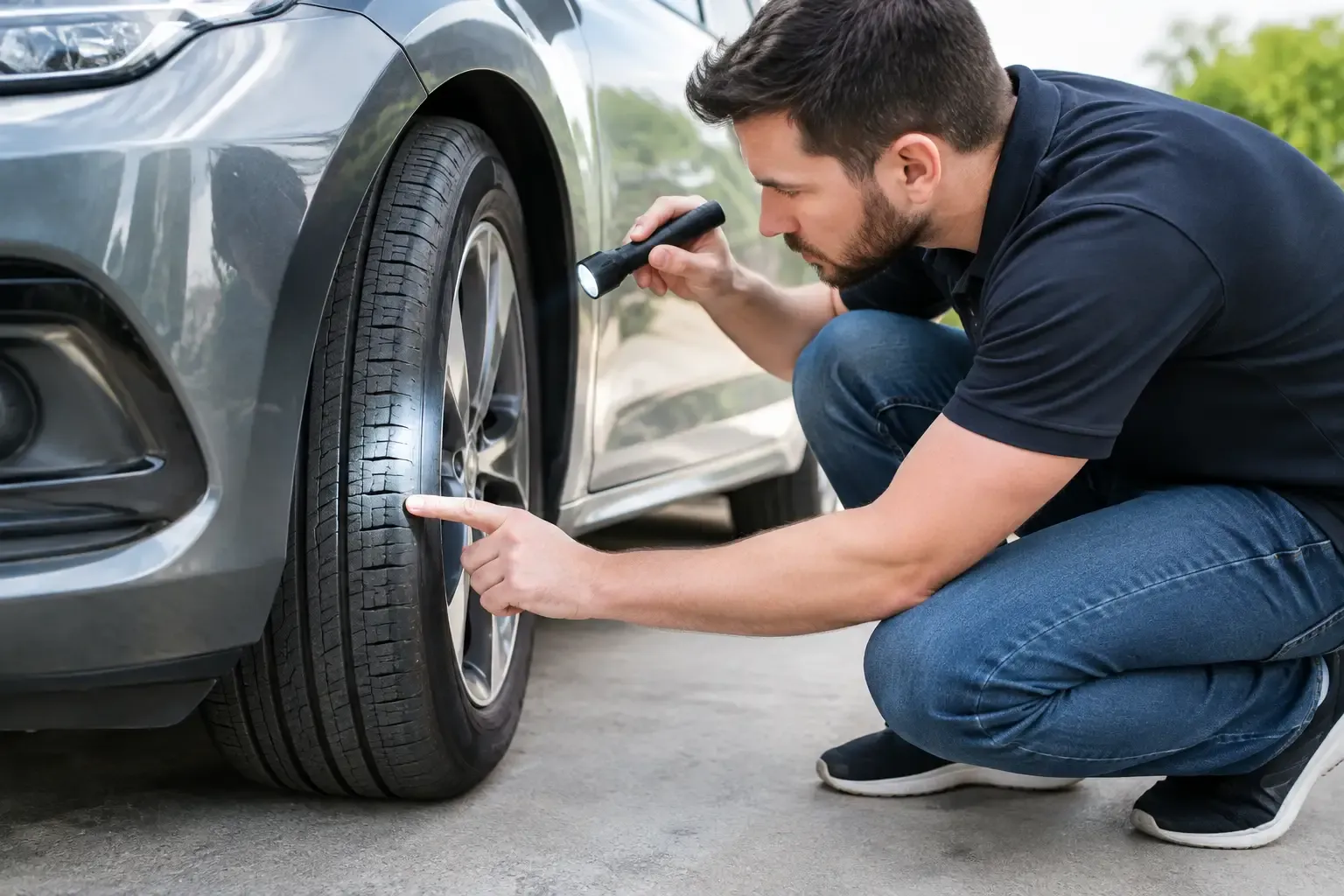
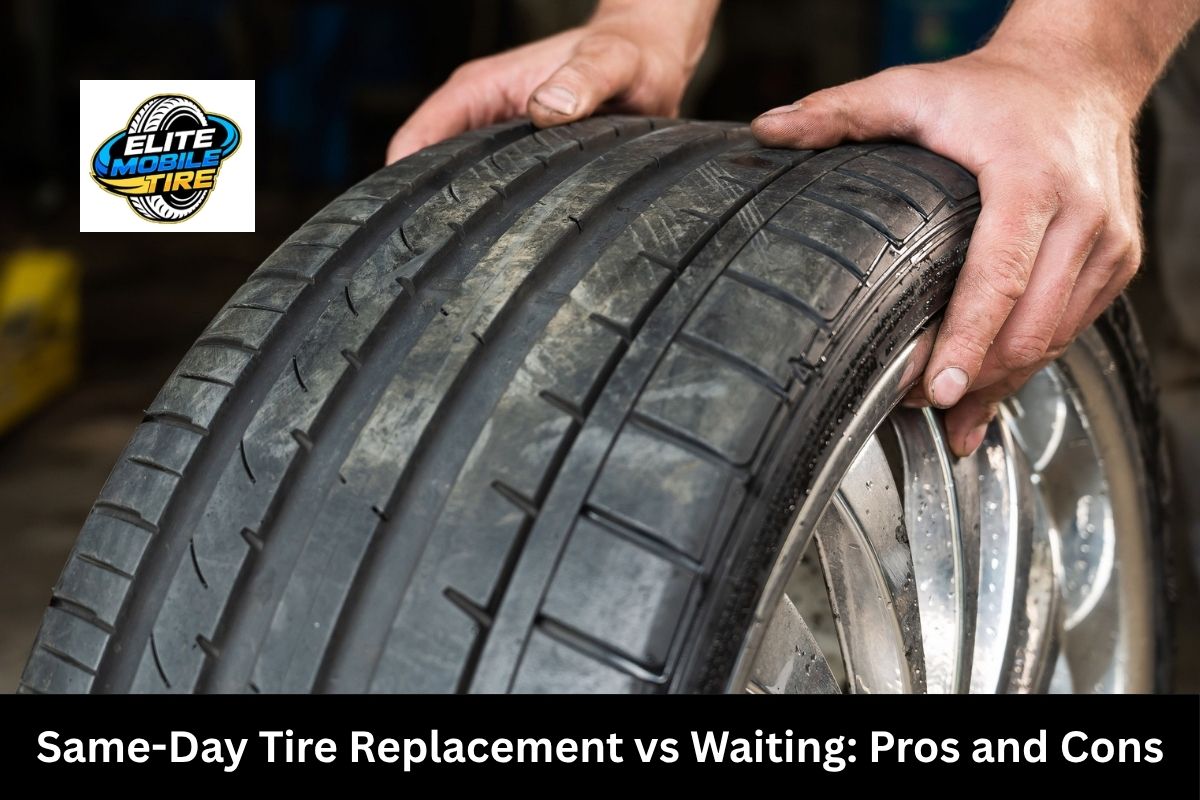
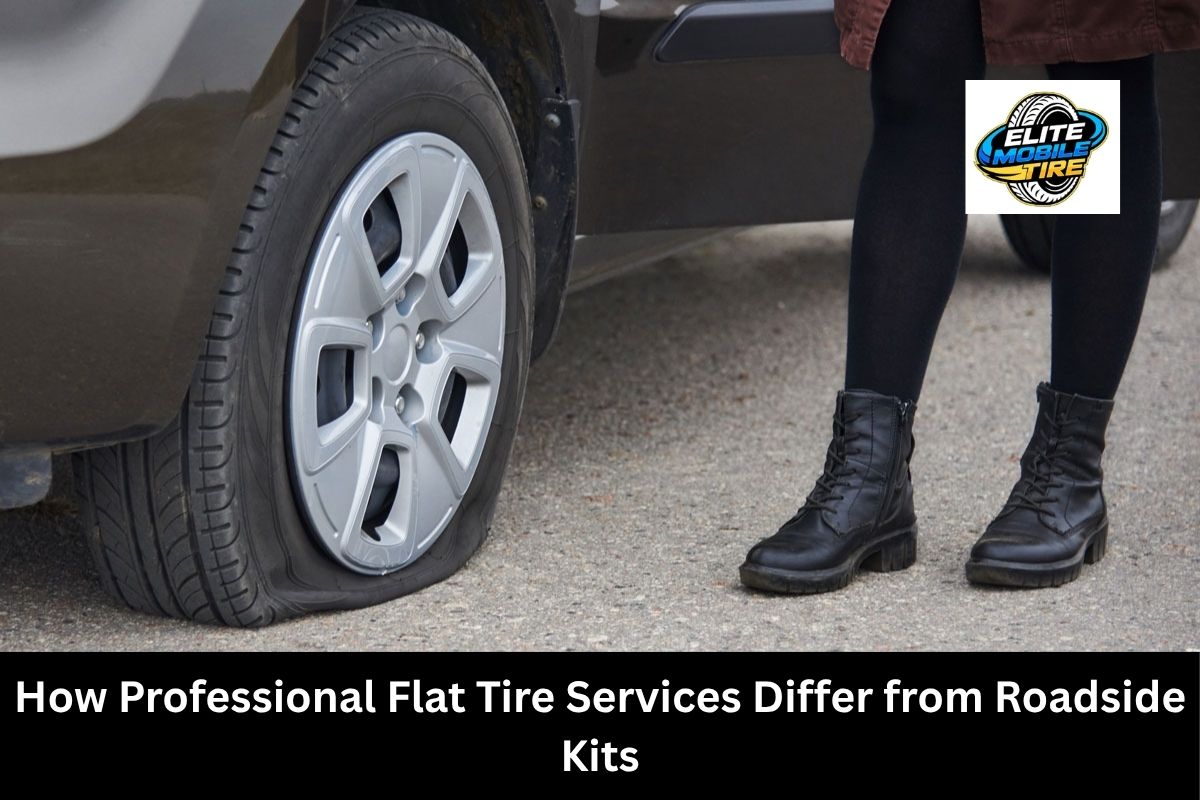
If you do get out, look for obvious sidewall damage, shredded rubber, or a tire that has completely separated. Do not place yourself between your vehicle and traffic. Safety matters more than a close inspection.
Should you change the tire yourself?
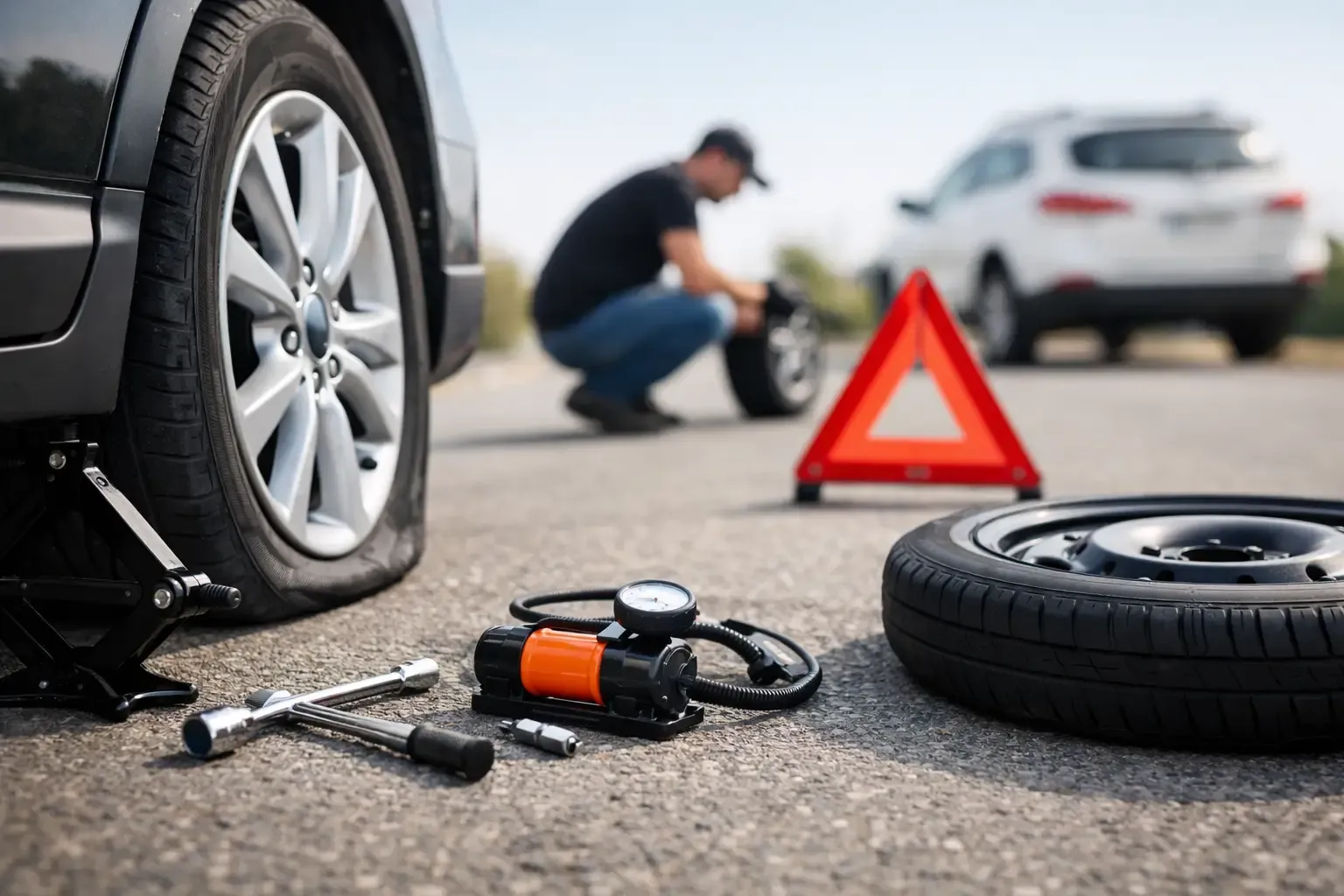
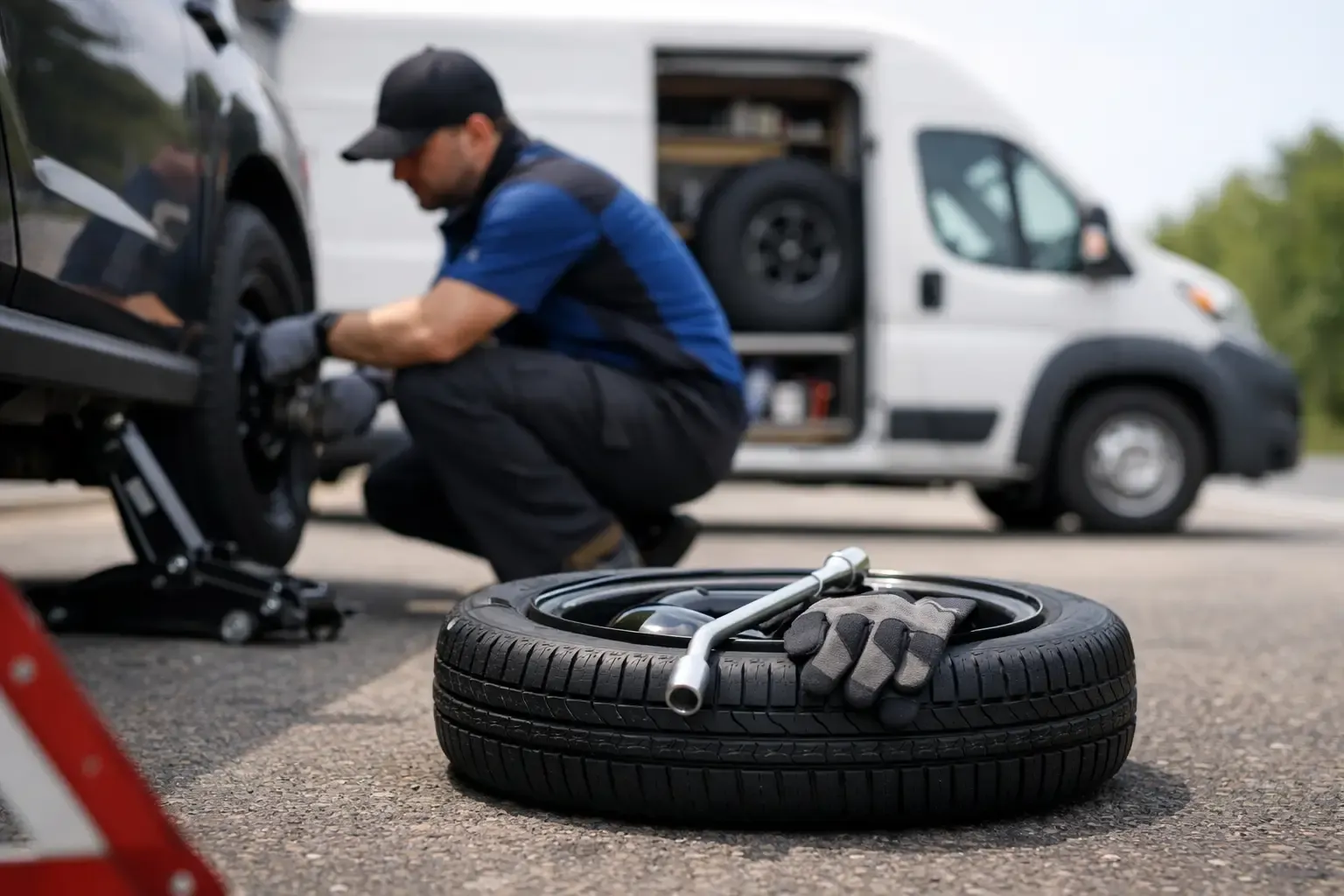
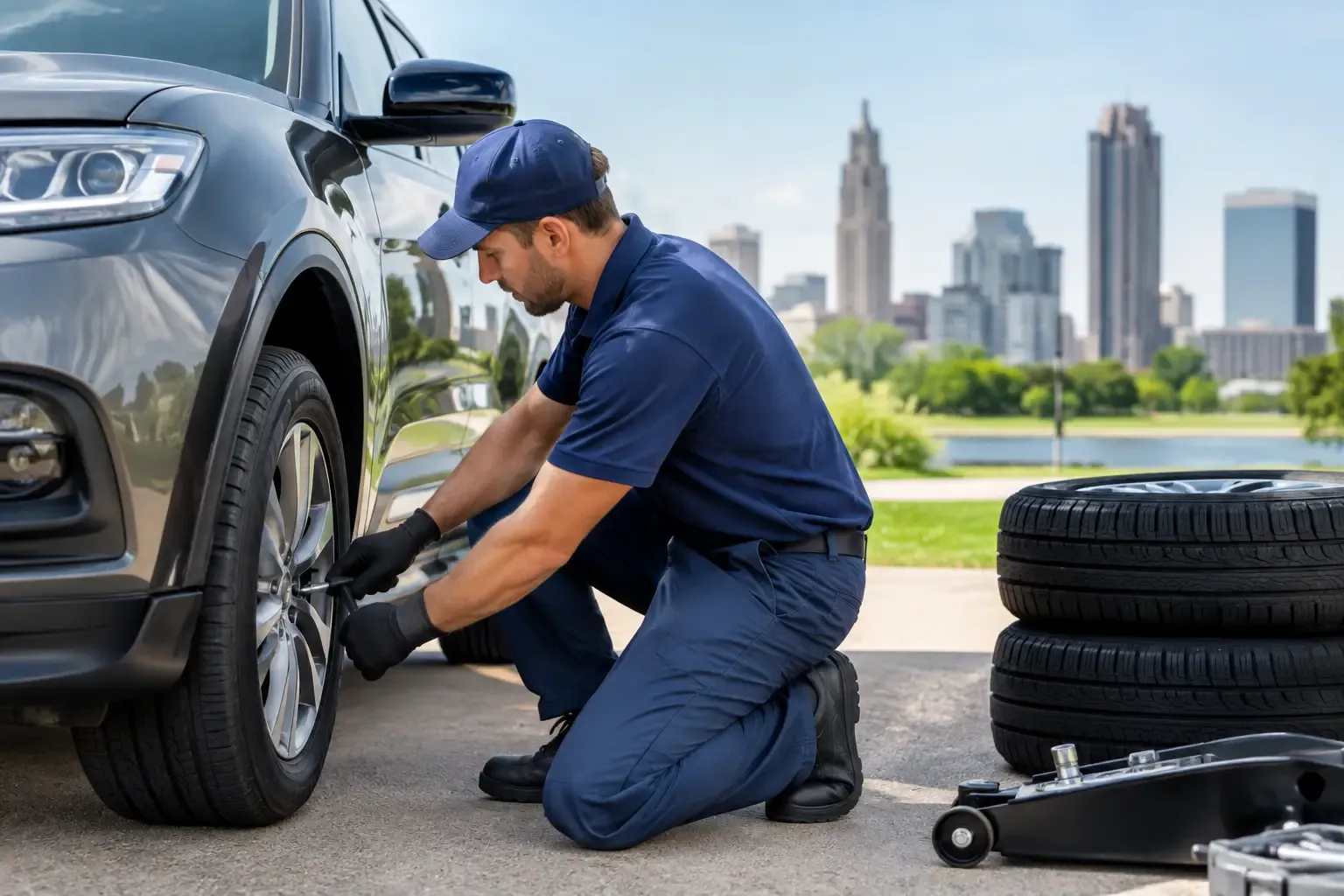
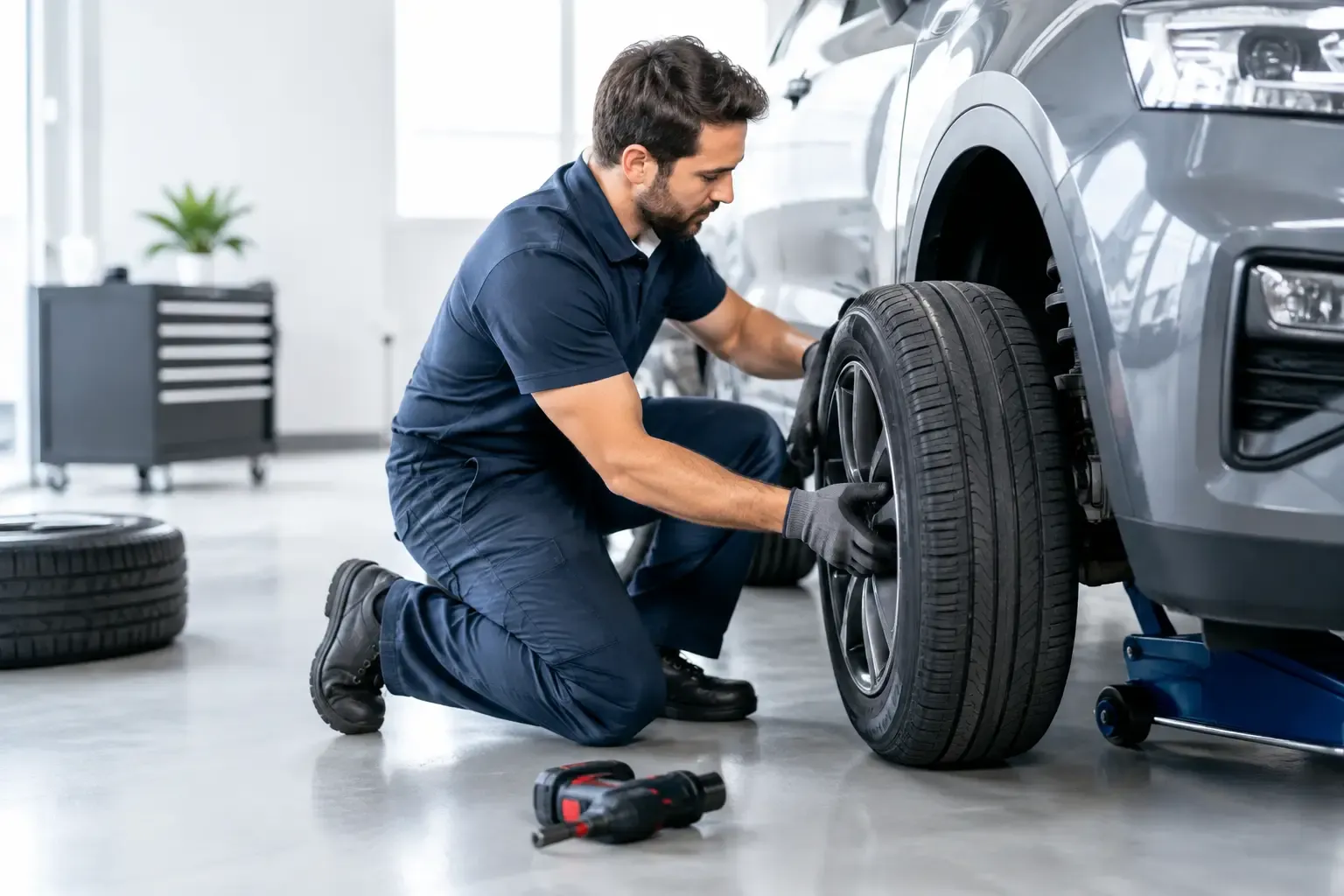
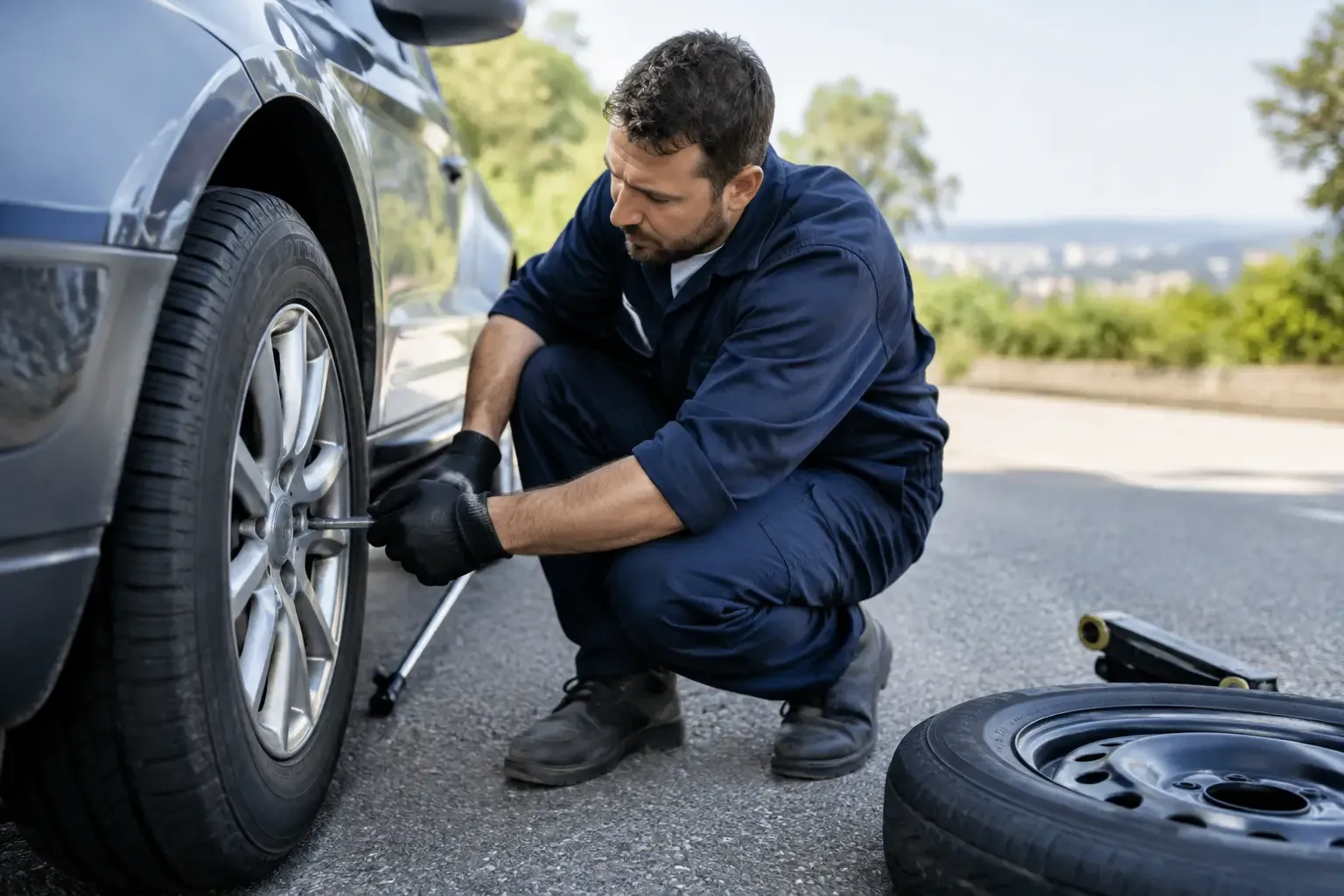
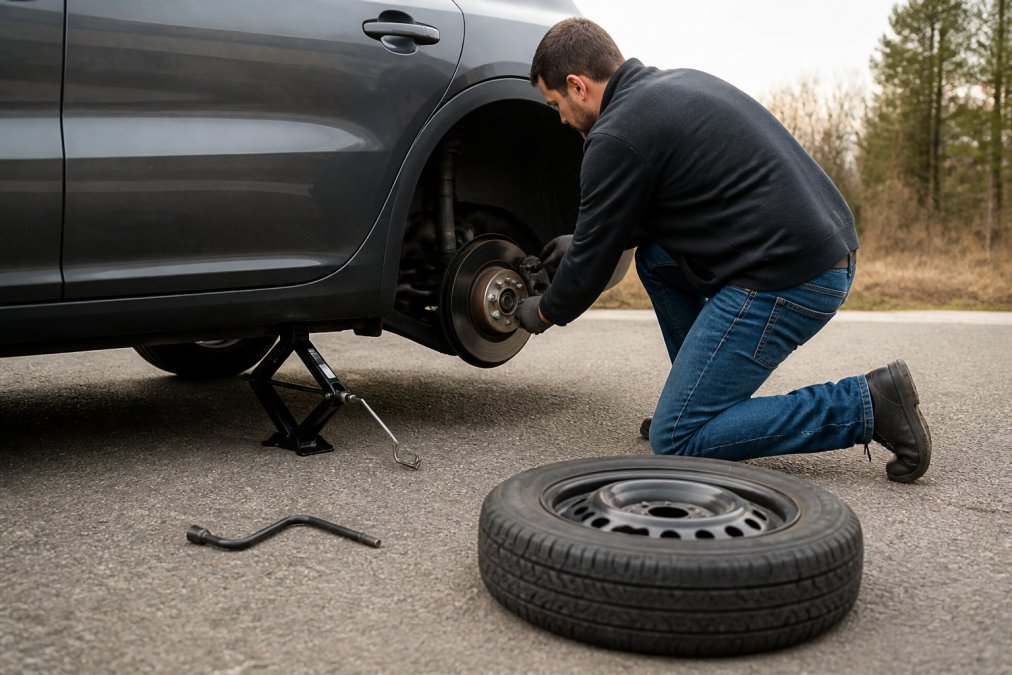
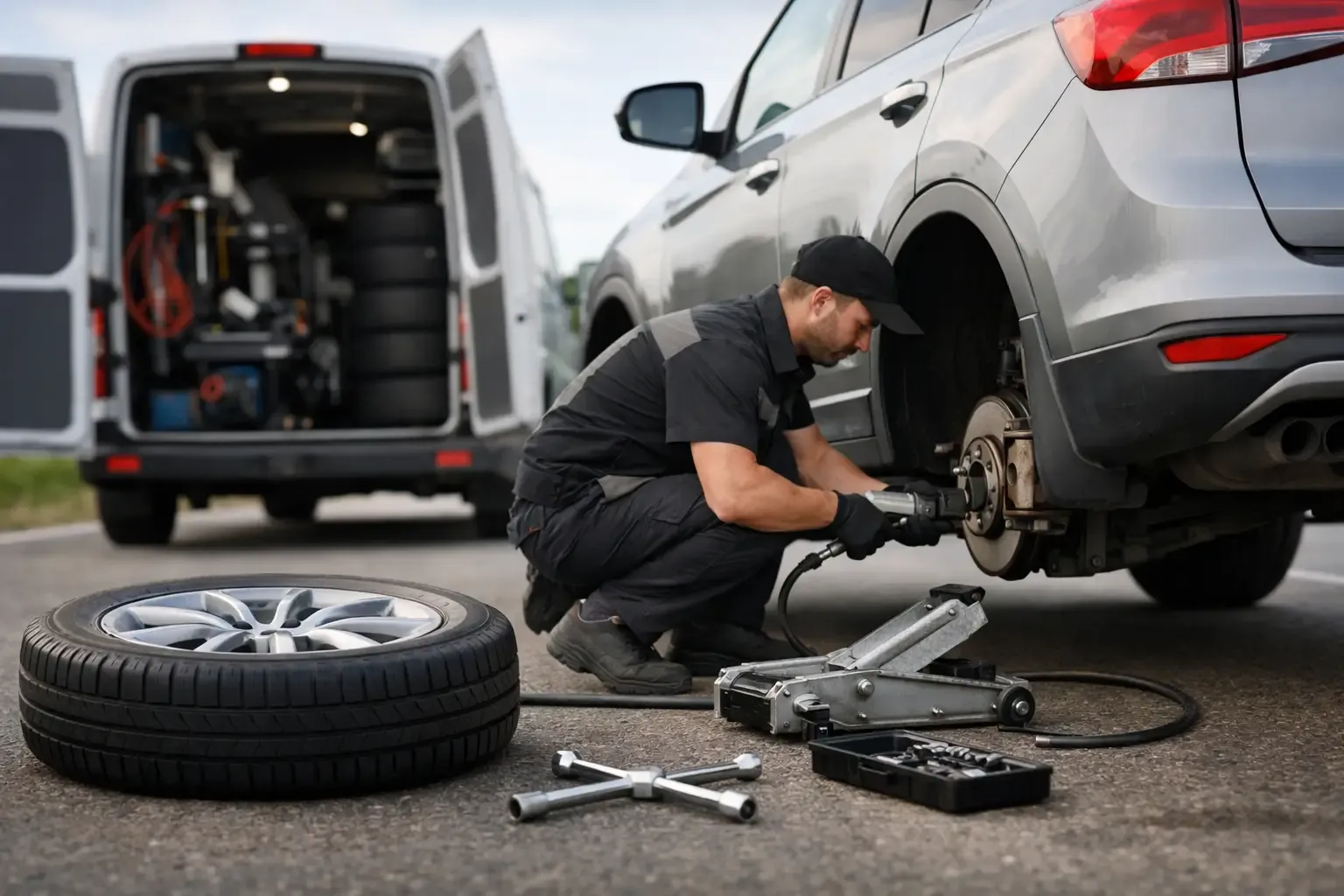
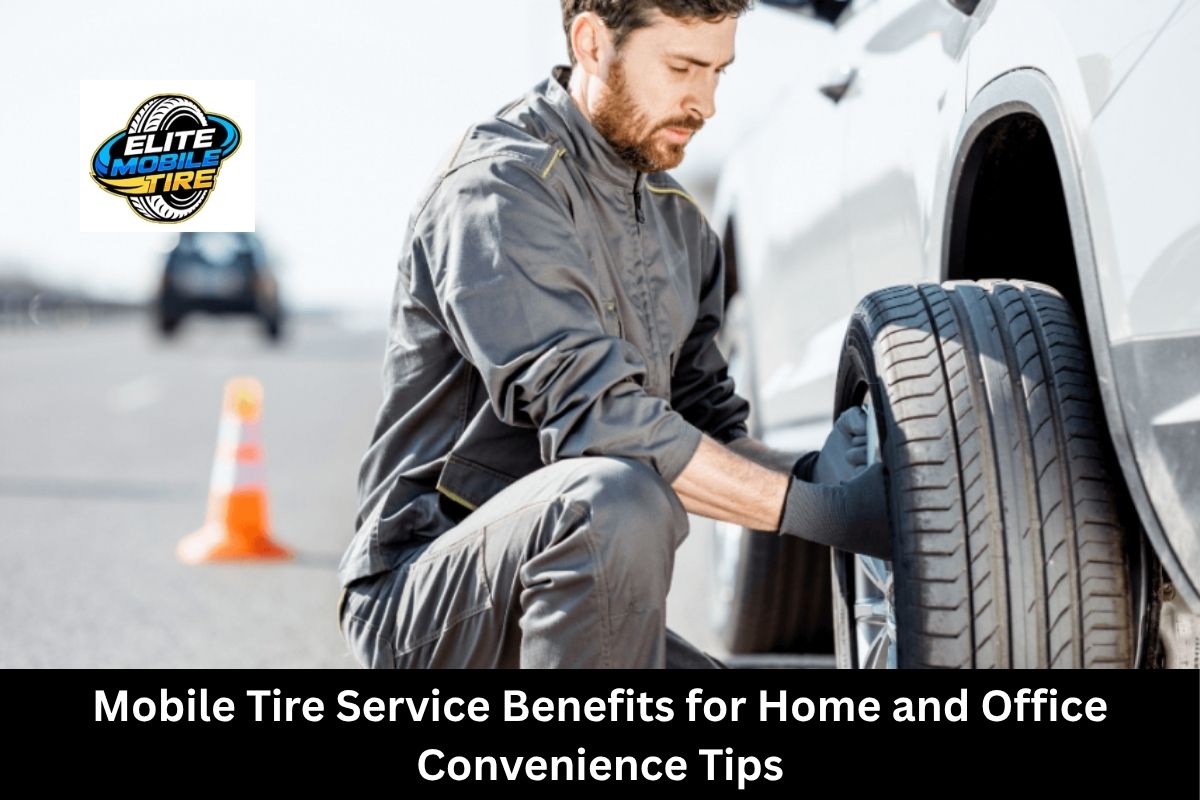
It depends on the location, traffic conditions, your equipment, and your comfort level. A spare tire can get you moving again, but only if the situation is actually safe enough for a roadside tire change.
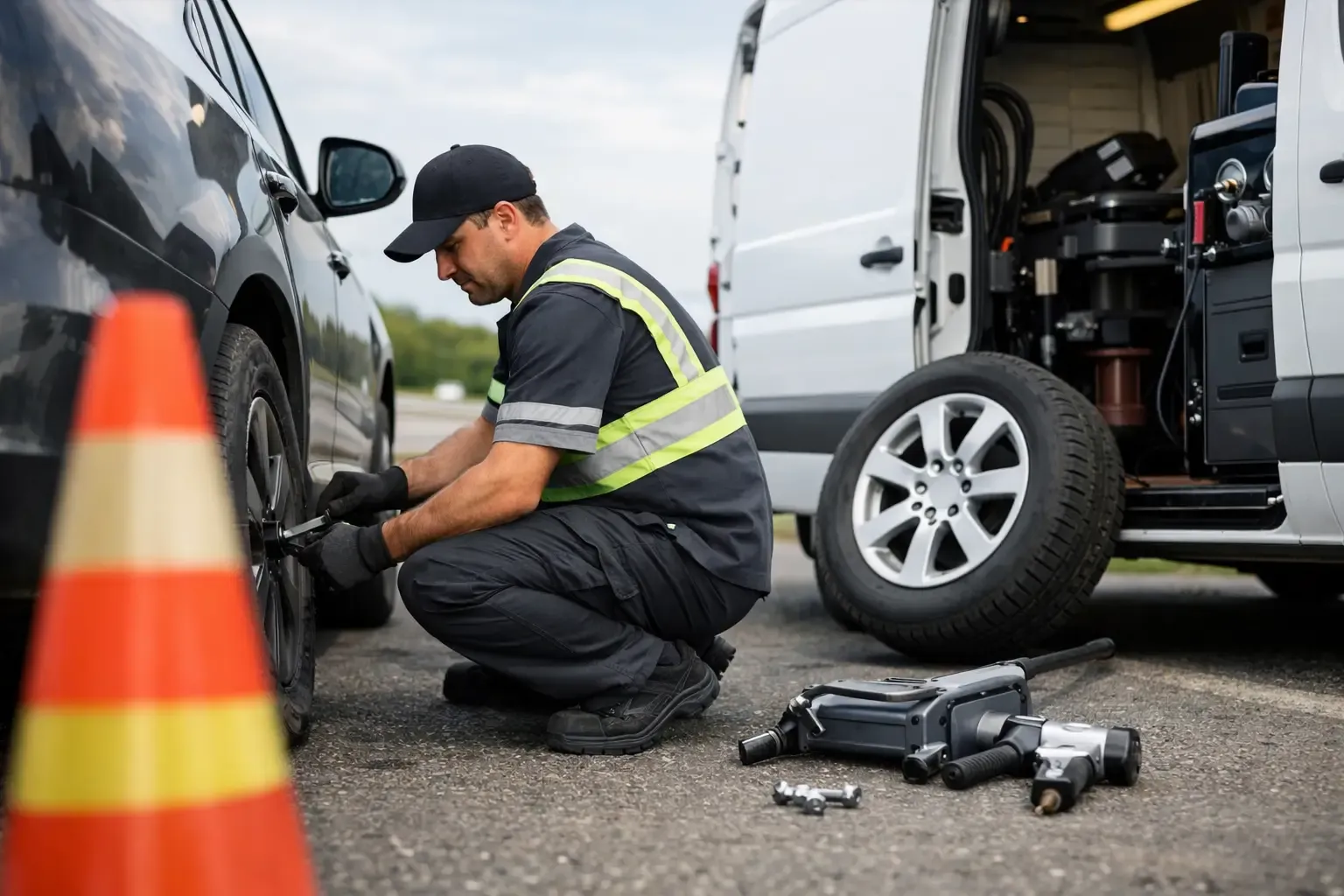
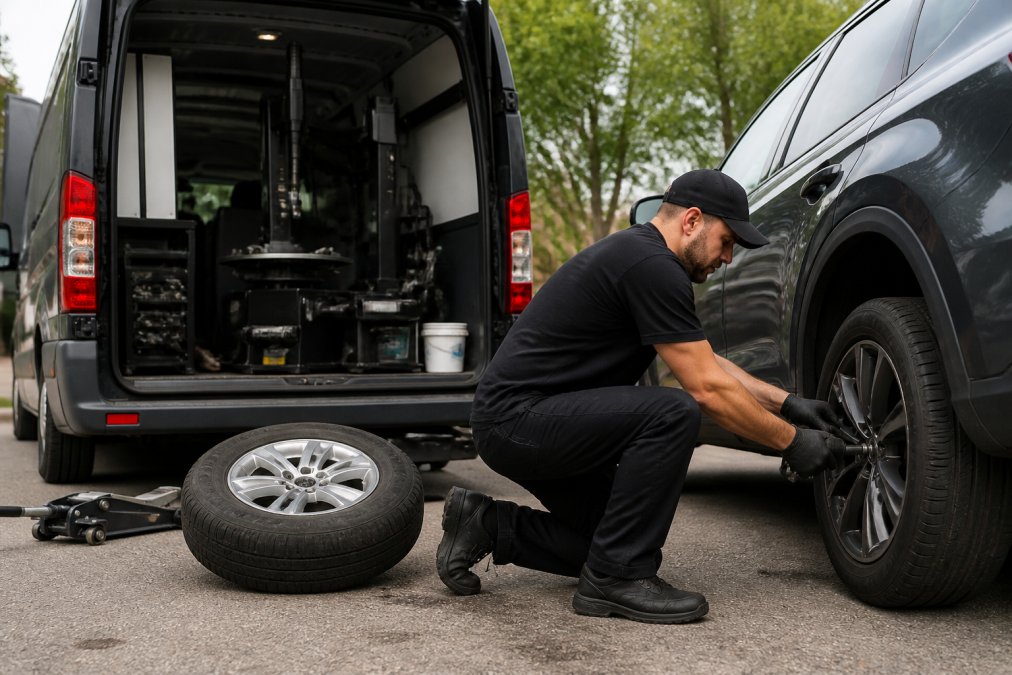
If you are in a busy area, on an uneven shoulder, during bad weather, or you simply do not feel confident, calling for professional roadside assistance is the better choice. Convenience matters, but safety matters more. For many drivers, having a trained technician come to the vehicle is faster and less stressful than attempting the change on the side of the road.
If you do use a spare, remember that many vehicles have temporary spares with speed and distance limits. Those are meant to get you to proper service, not to carry on with normal driving for days.
Why tire blowouts happen
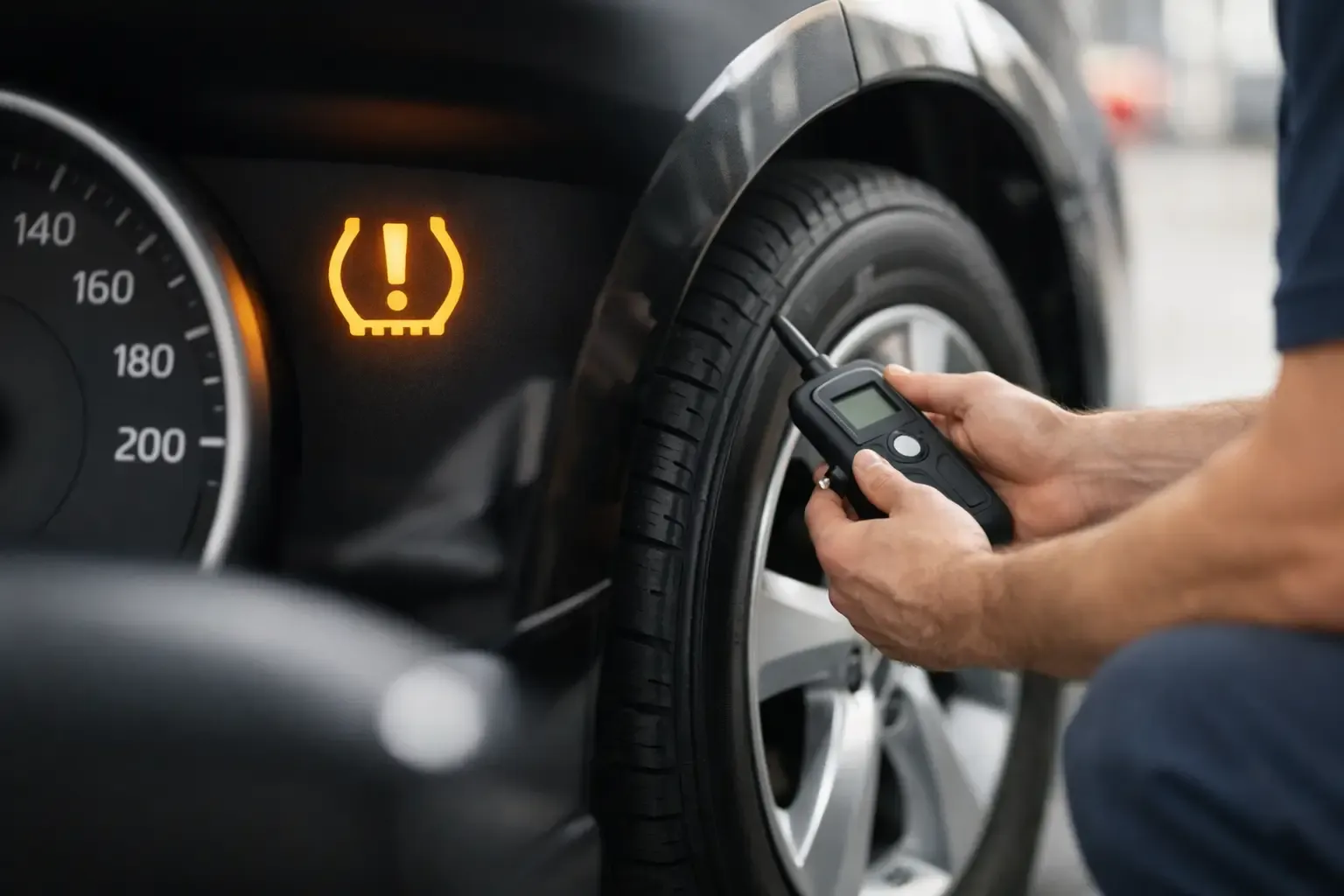
A blowout is usually the final result of a problem that has been building. Underinflation is one of the most common causes. When a tire runs low on air, the sidewall flexes more than it should, heat builds up, and the tire becomes more vulnerable to failure.
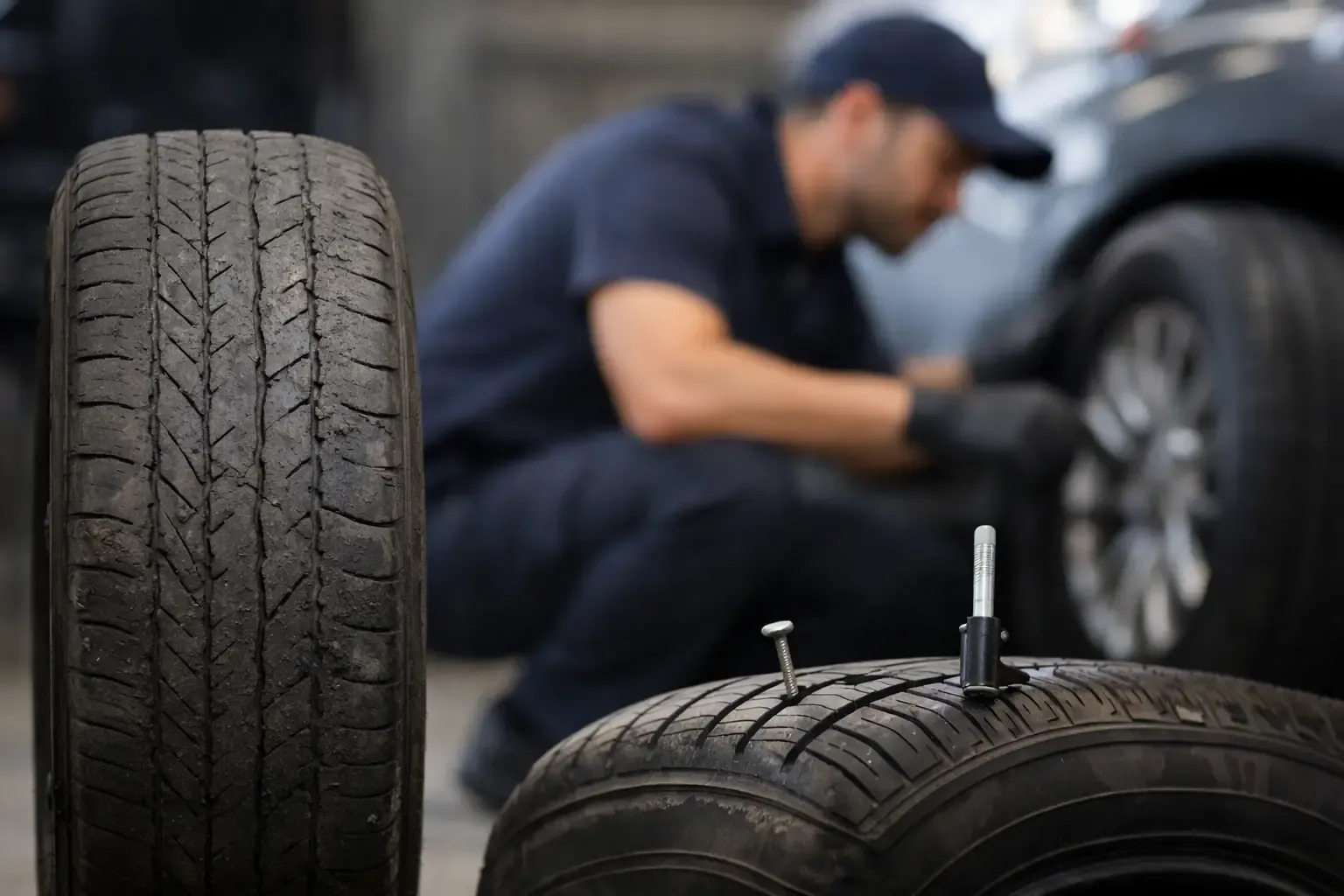
Road hazards are another major factor. Potholes, sharp debris, broken pavement, and curbs can weaken a tire even if the damage is not obvious right away. Sometimes the impact happens days before the actual blowout.
Worn tread, aging rubber, overloading the vehicle, and driving for too long on a damaged tire also raise the risk. Hot weather can make existing problems worse because heat increases internal tire stress. A tire usually does not fail for no reason.
How to reduce the chances of a blowout
The best prevention is regular tire attention, and it does not have to be complicated. Check tire pressure consistently, especially when temperatures change. Pressure that looks acceptable one month may be too low the next.
Look at your tires when you fuel up or before longer drives. Uneven wear, sidewall bulges, visible cracks, or objects lodged in the tread all deserve prompt attention. If the vehicle starts vibrating or pulling, do not assume it will work itself out.
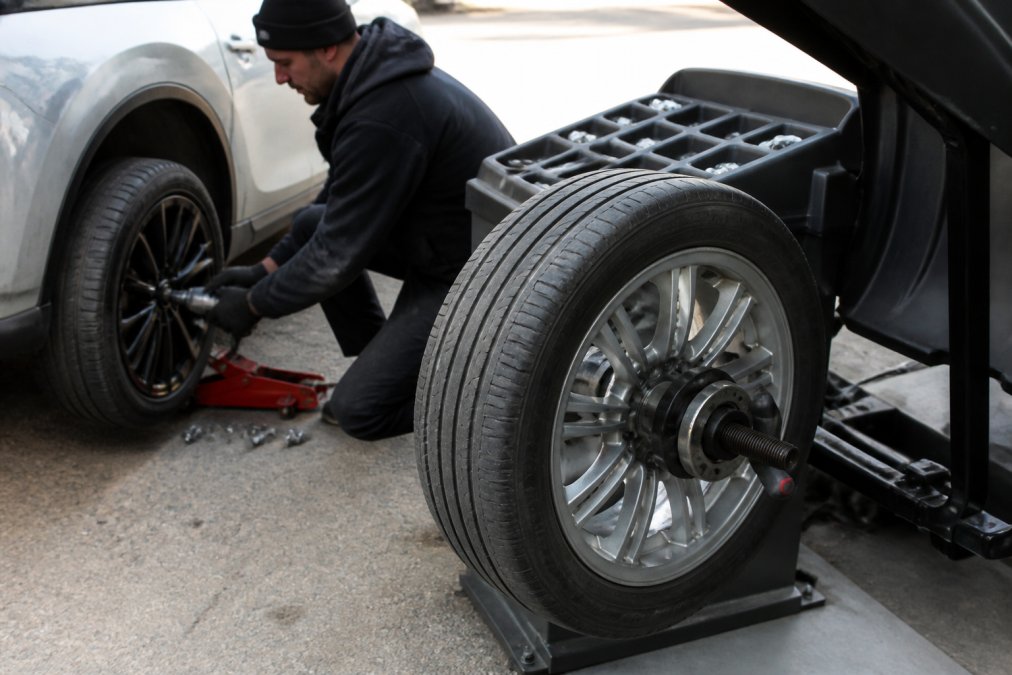
Routine rotation, balancing, and timely replacement also matter. Tires wear differently based on your vehicle, driving habits, and road conditions. Waiting too long can turn a manageable tire issue into a roadside emergency.
For drivers around Columbus, where highway commuting, seasonal temperature swings, and rough pavement can all affect tire condition, small maintenance checks go a long way.
How to handle tire blowout risk before a trip
Preparation changes your options. Before a road trip or a longer daily commute, check that your tires are inflated to the vehicle manufacturer's recommended pressure, not the number printed on the tire sidewall. Make sure your spare is present and properly inflated too.
It also helps to know whether your vehicle has a full-size spare, a compact spare, run-flat tires, or no spare at all. Many drivers do not find out until they are stuck on the roadside. Keep a jack and lug wrench in the vehicle if your setup requires them, and make sure you know where they are.
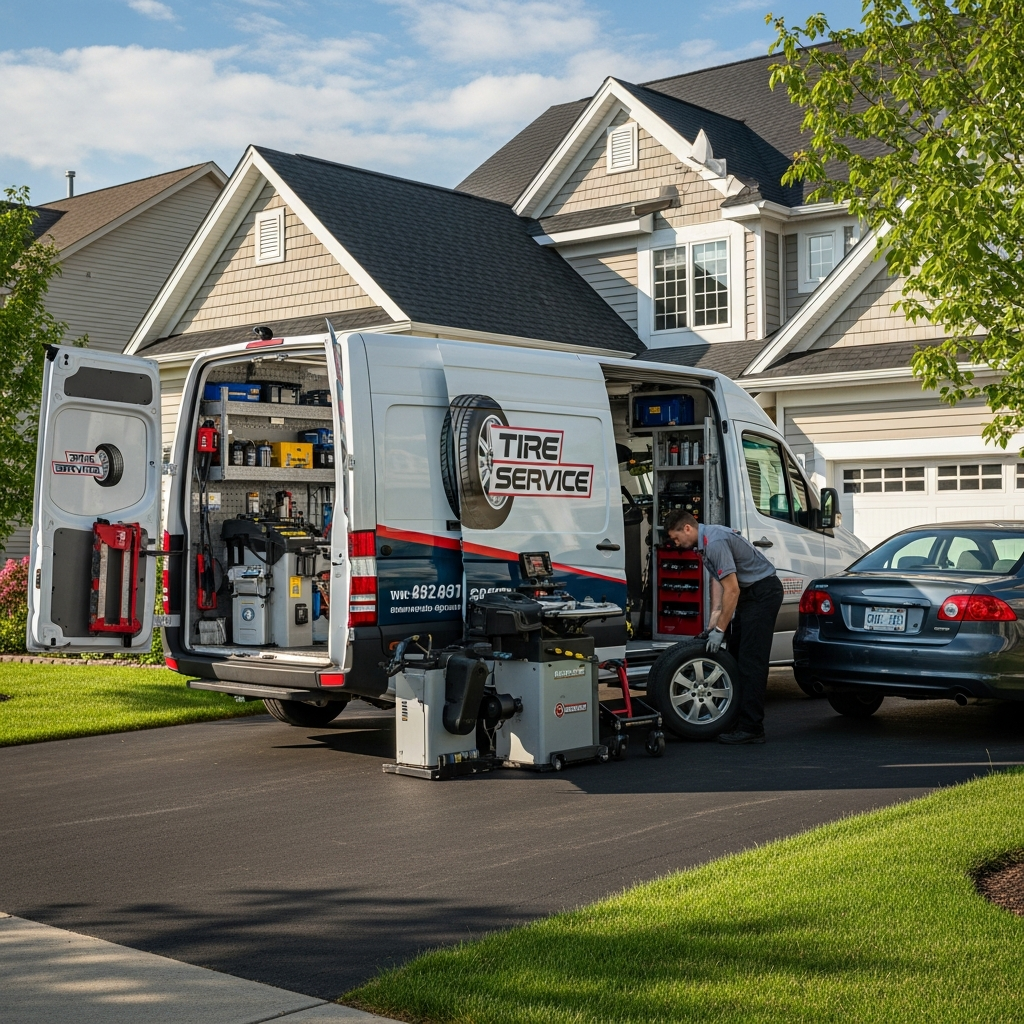
If your schedule is packed and you have been putting off tire service, that delay can catch up with you at the worst time. Having a local mobile tire service available can remove that friction and make it easier to address problems before they become emergencies.
When the tire is replaced, do not stop there
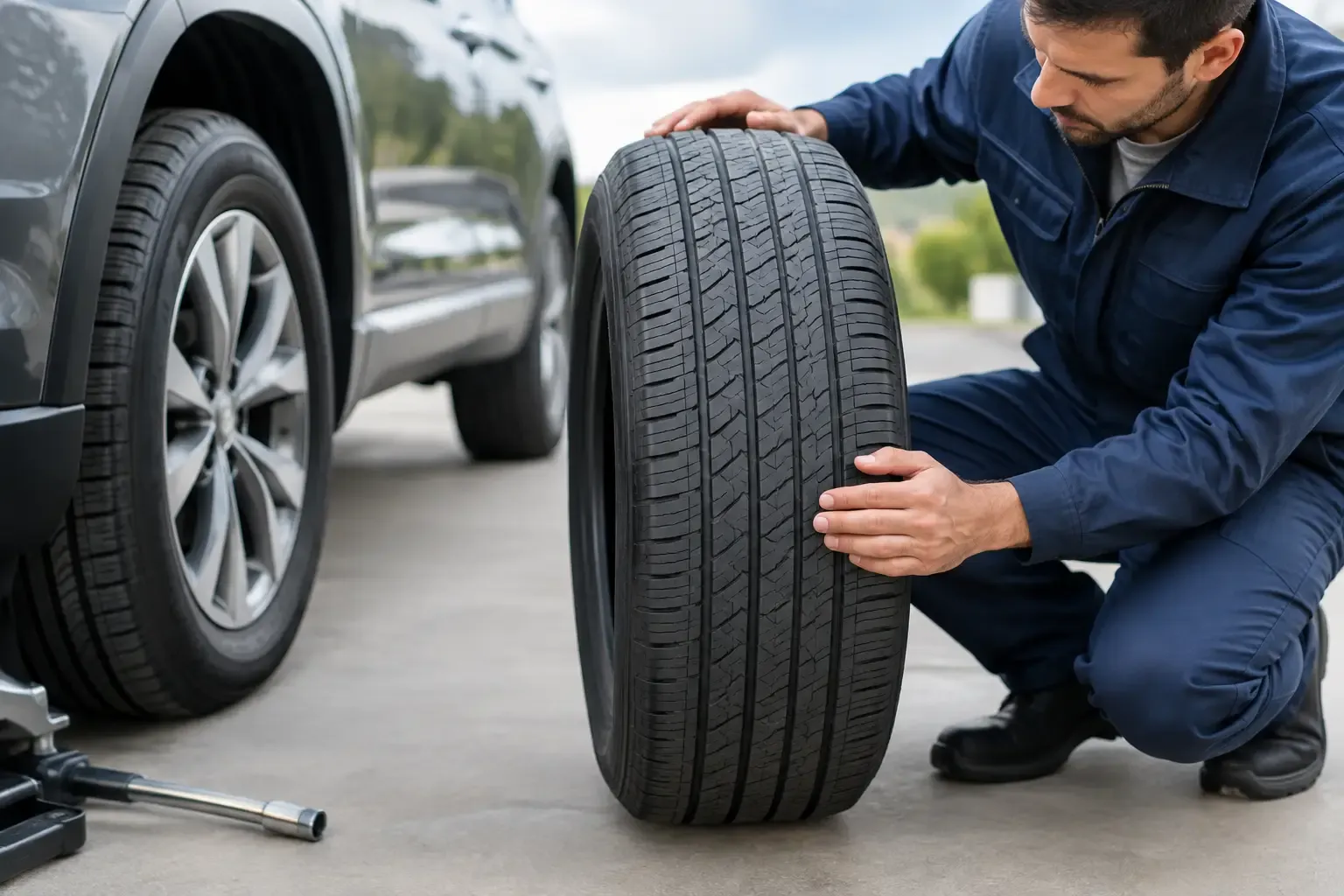
After a blowout, the tire itself is not the only concern. The wheel may be bent, and the vehicle may need to be checked for alignment issues or related damage. If the failed tire wore unevenly before it blew, that points to an underlying problem that should be corrected.
It is also smart to look at the other tires. If one failed because of age, wear, or neglected pressure, the others may not be far behind. A good service visit should answer more than whether one tire needs replacing.
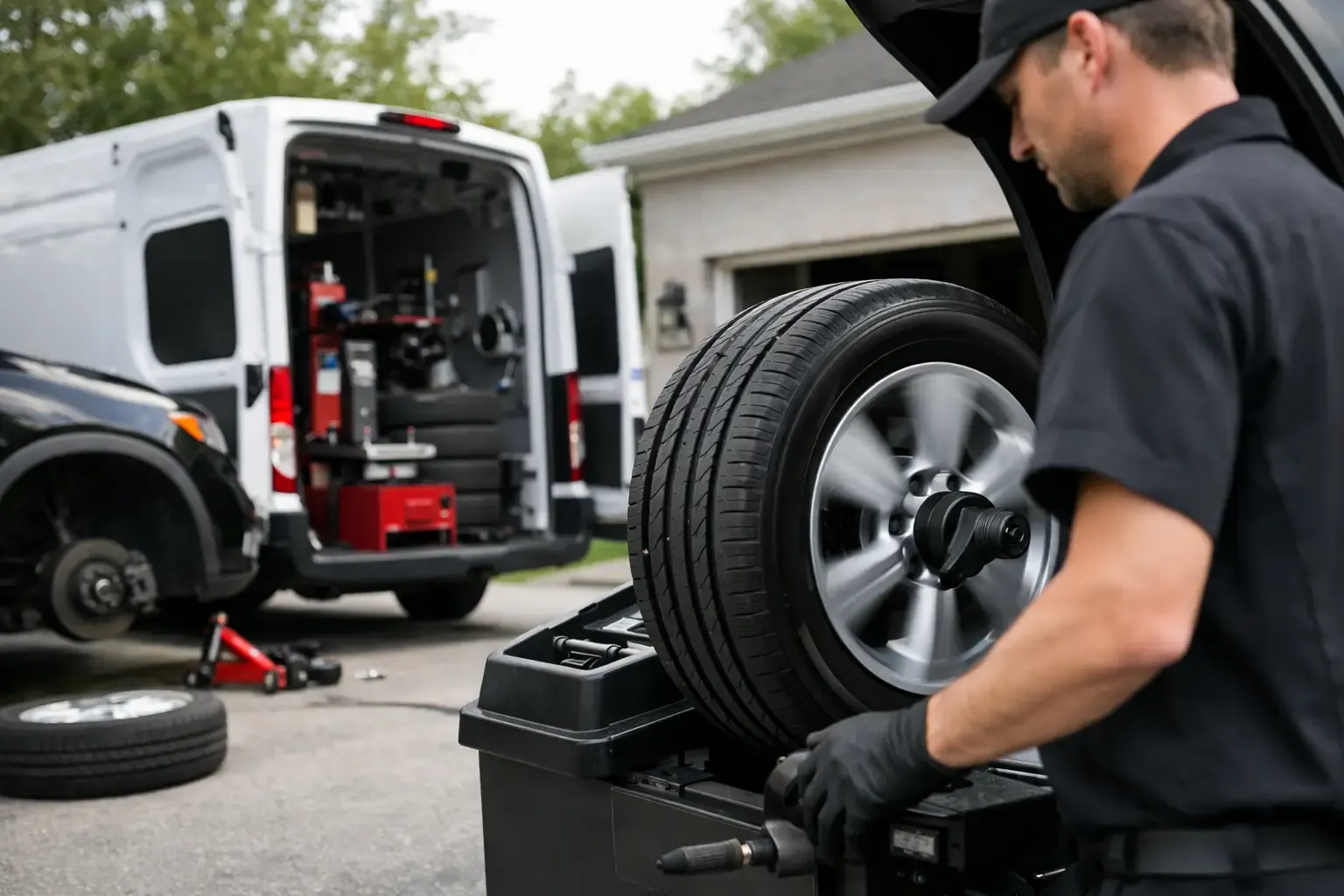
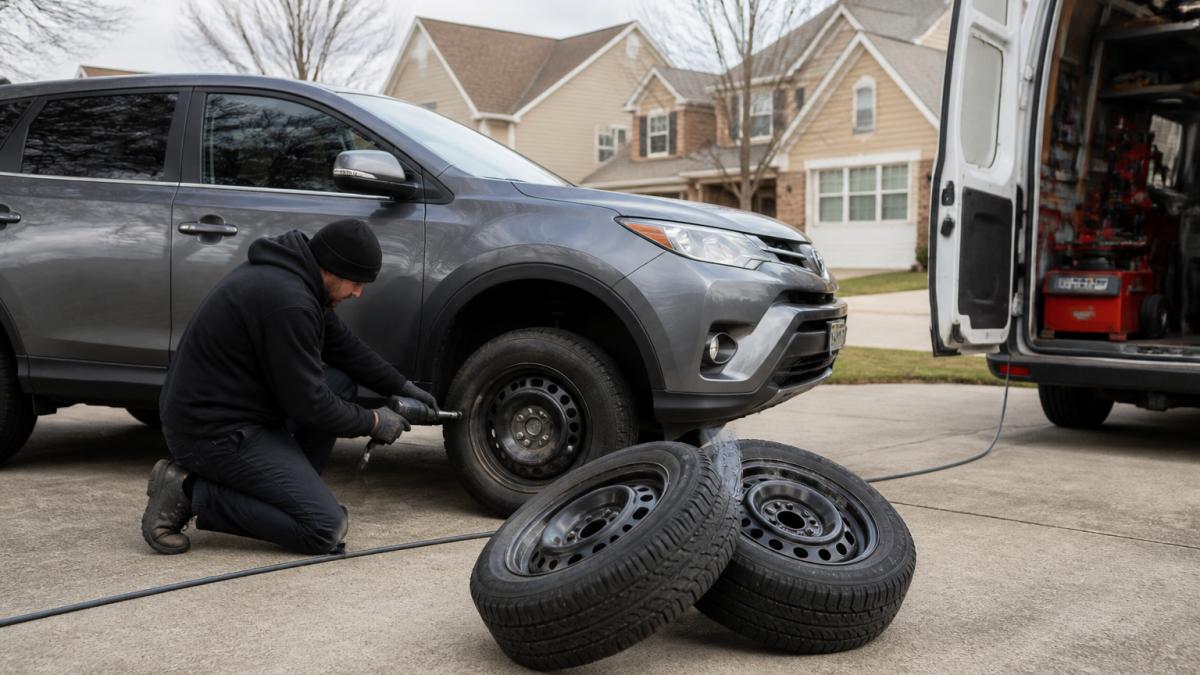
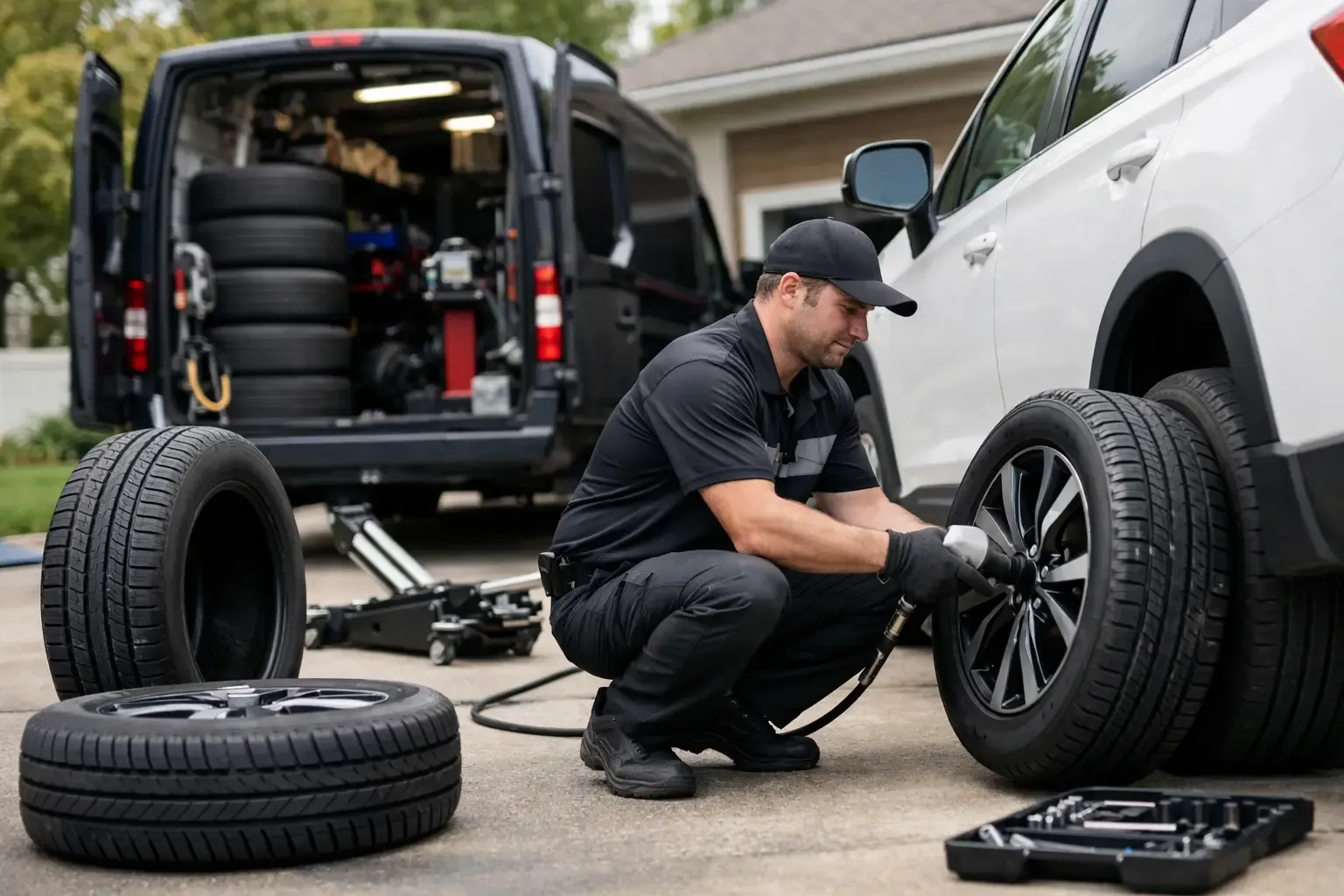
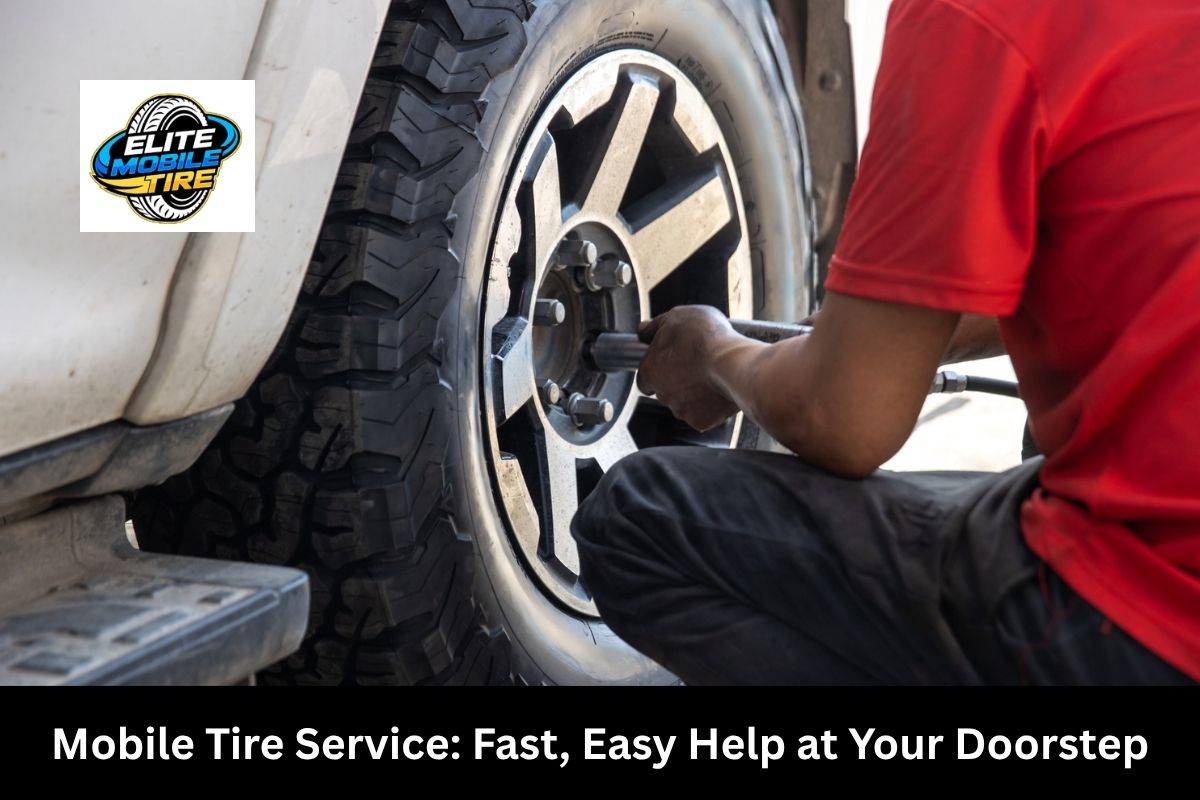
For drivers who want to avoid towing, waiting rooms, and schedule disruption, mobile service can be the practical next step. Companies like Elite Mobile Tire help drivers in Columbus get roadside tire help, replacement, and on-site installation without adding another stop to the day.
A tire blowout is loud, abrupt, and unsettling, but your response does not need to be. Keep the wheel steady, slow down with control, and get to a safe place. The calmer your actions are in those first few seconds, the better your chances of getting home with nothing worse than a damaged tire.
Ready for a new set? Elite Mobile Tire installs 2 or 4 new tires right in your driveway or parking lot anywhere around Columbus, Obetz, Groveport, Grove City, and Reynoldsburg. Financing is available through Afterpay and Acima with up to 24-month payment plans. Call 614-344-5010 or visit elitemobiletire.com to book.