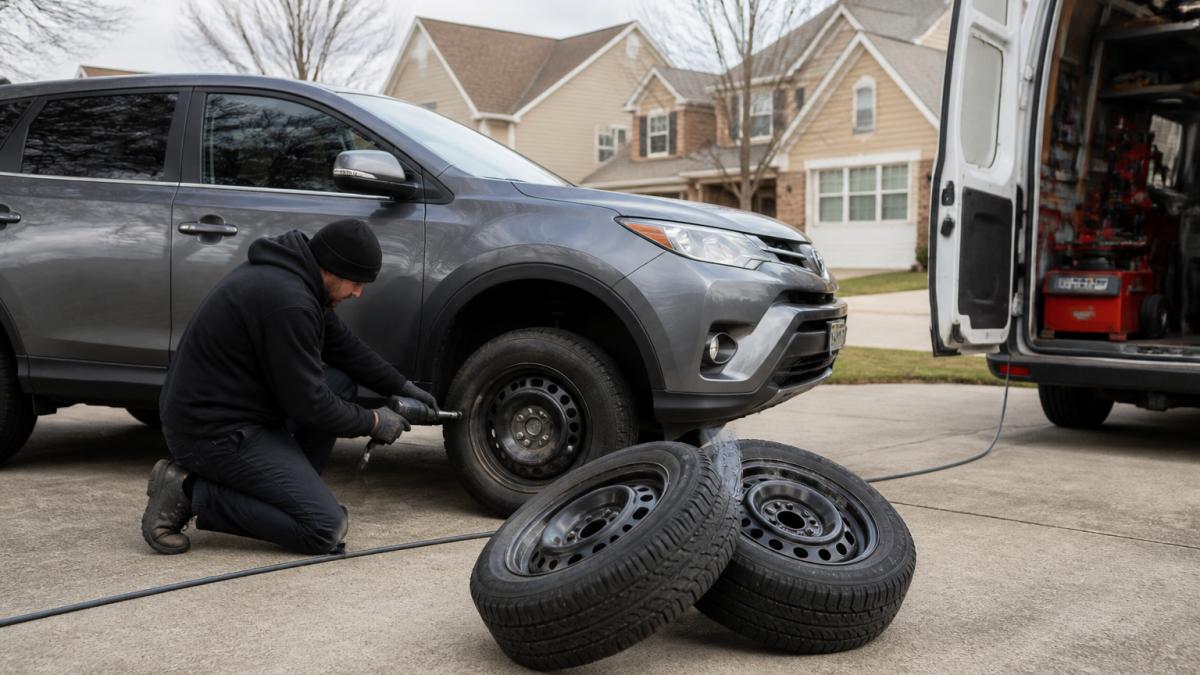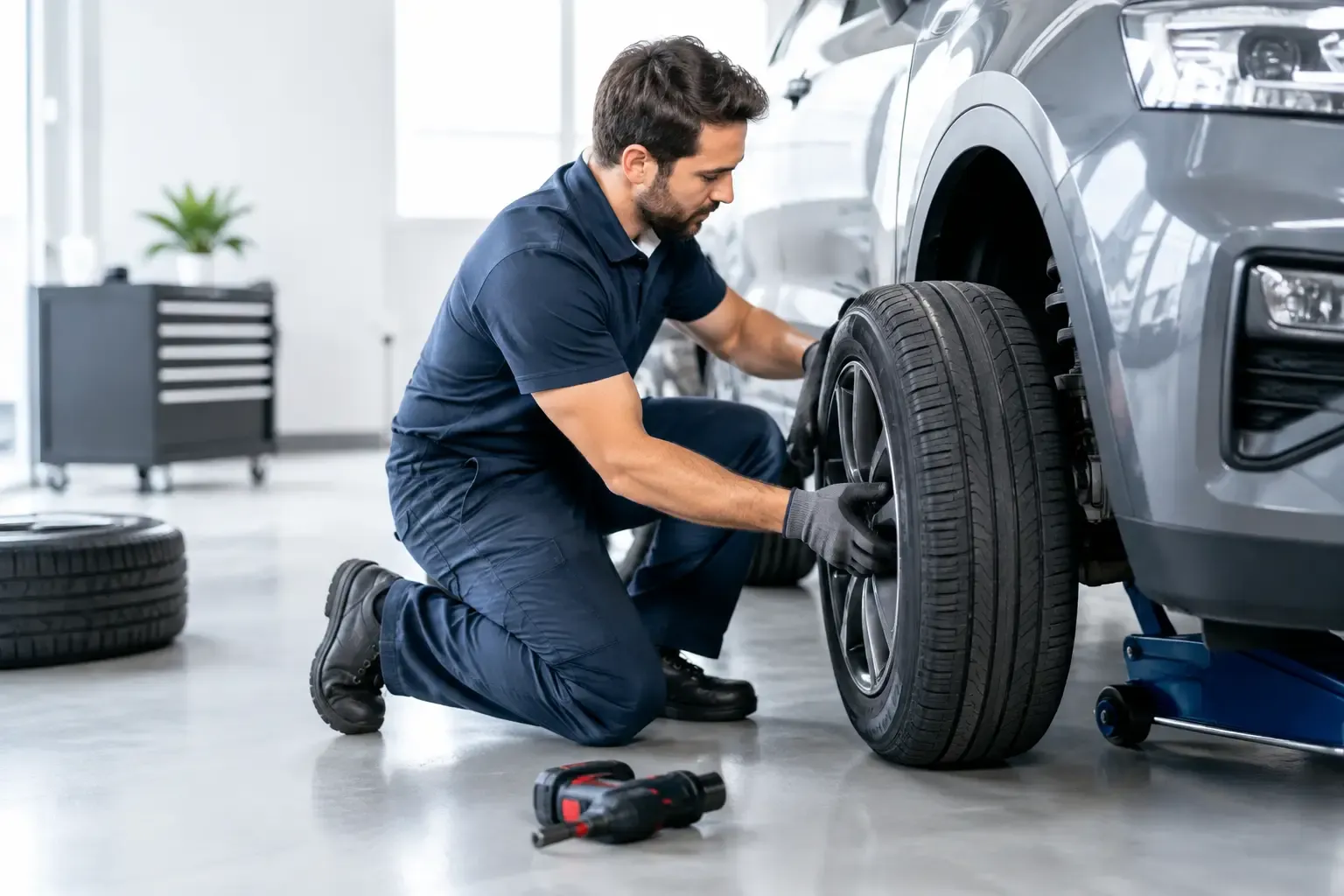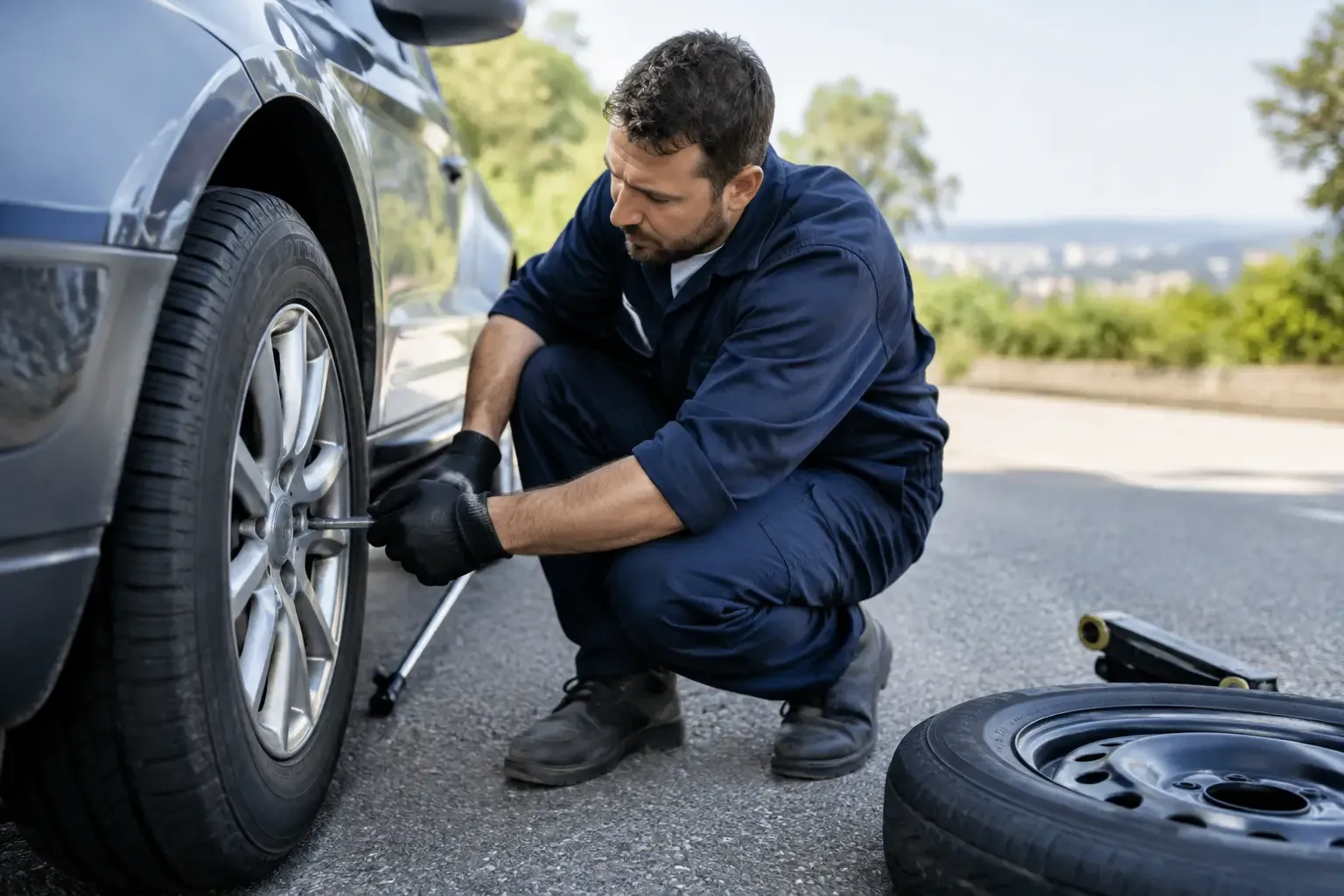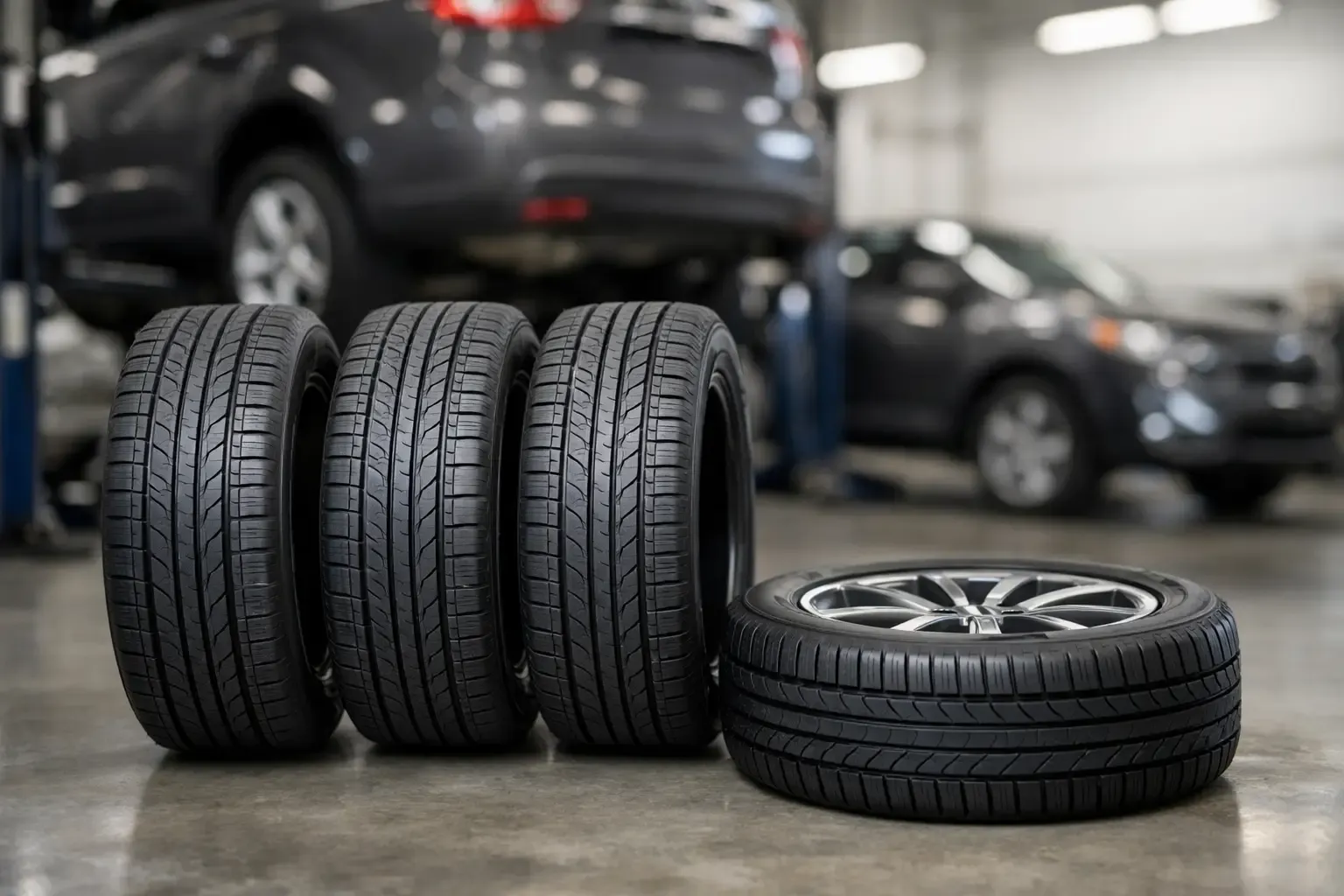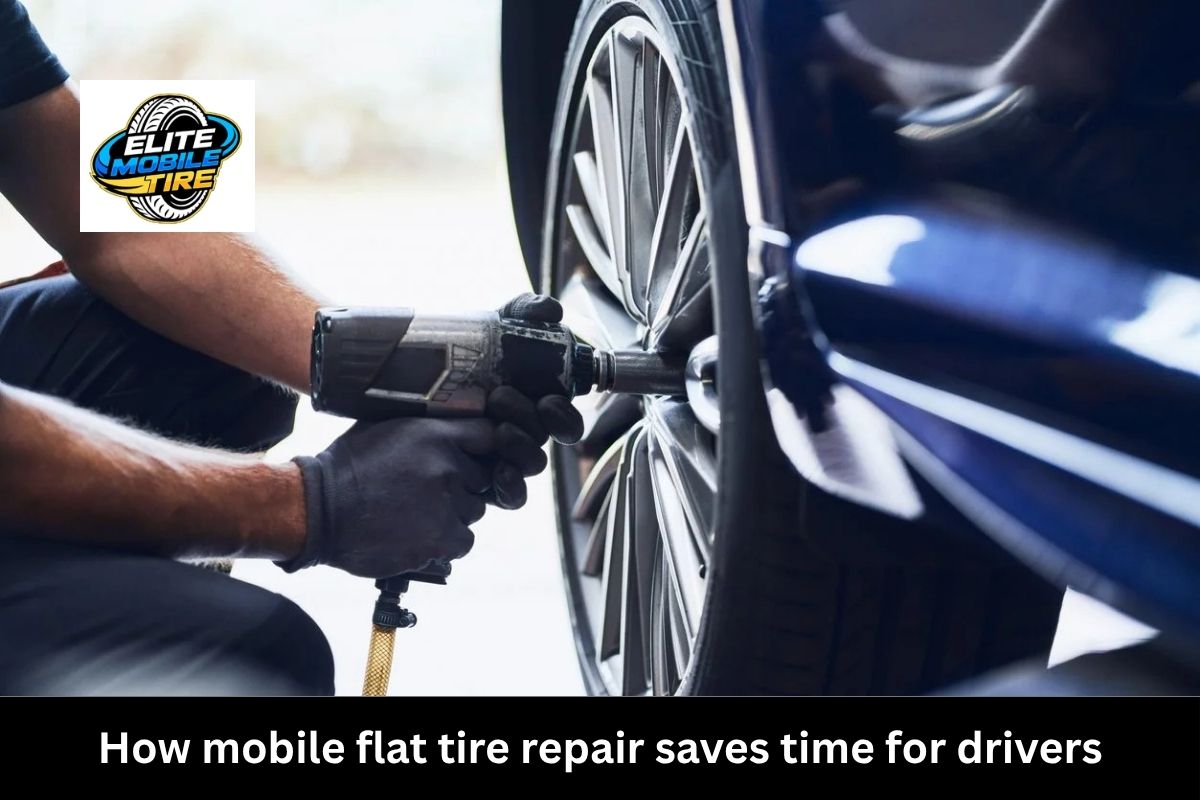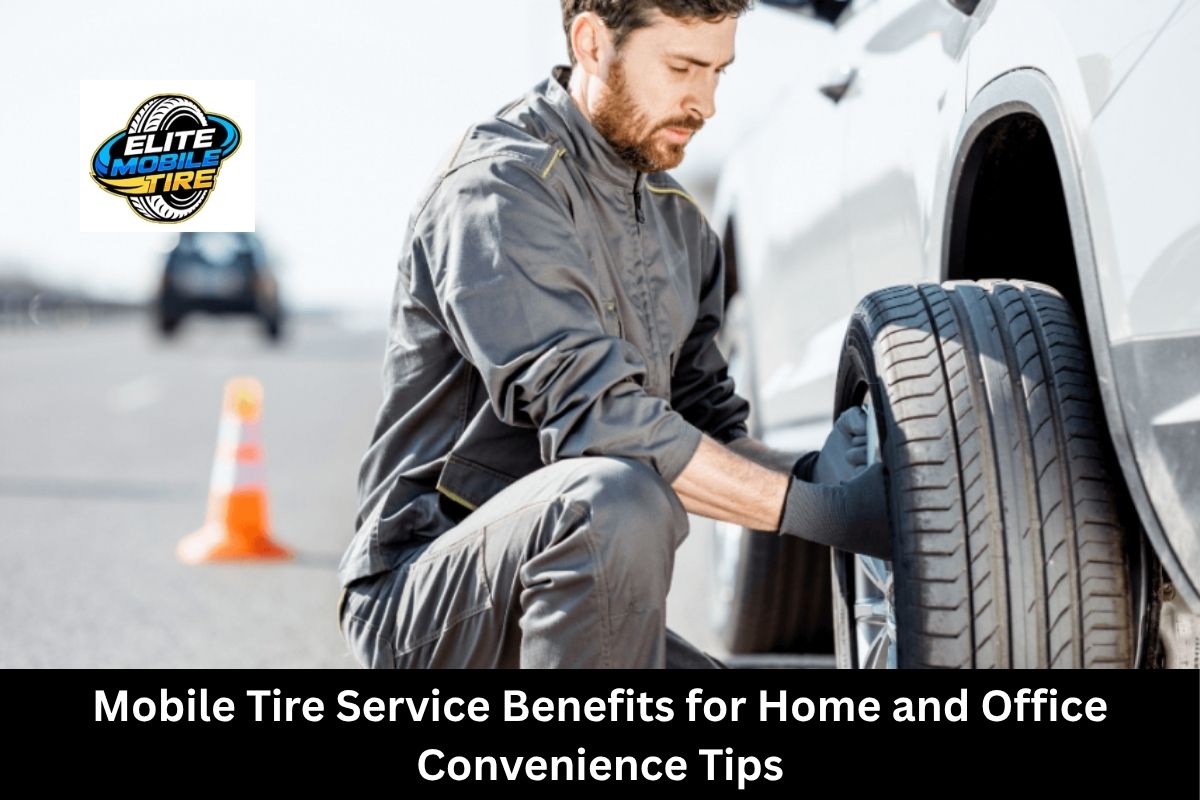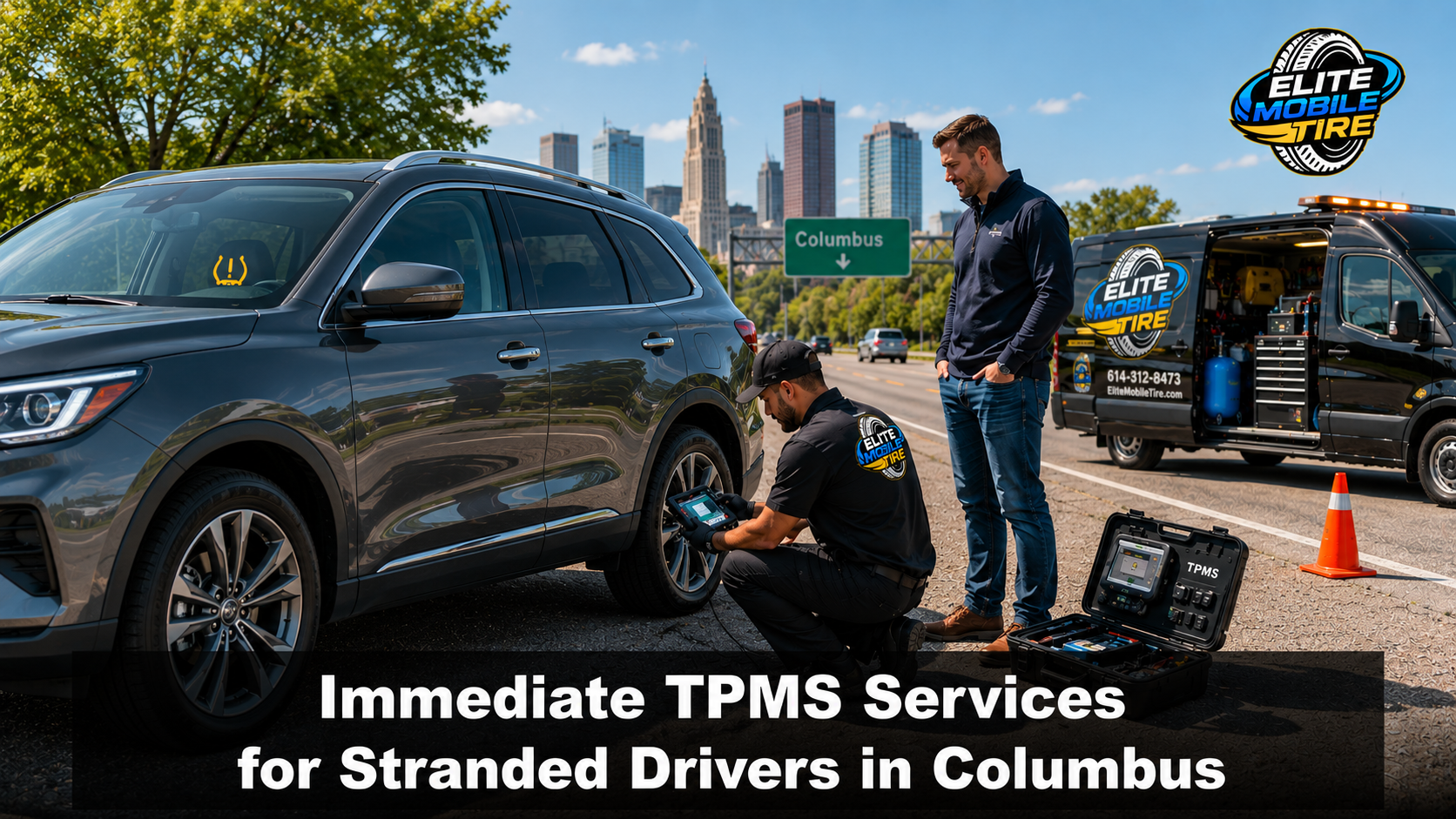
A tire problem rarely shows up when your schedule is clear. It happens before a commute, between school pickup and practice, or when your vehicle is parked at the office all day. Columbus tire installation does not have to mean rearranging your day around a waiting room, a ride home, and a return trip to the shop.
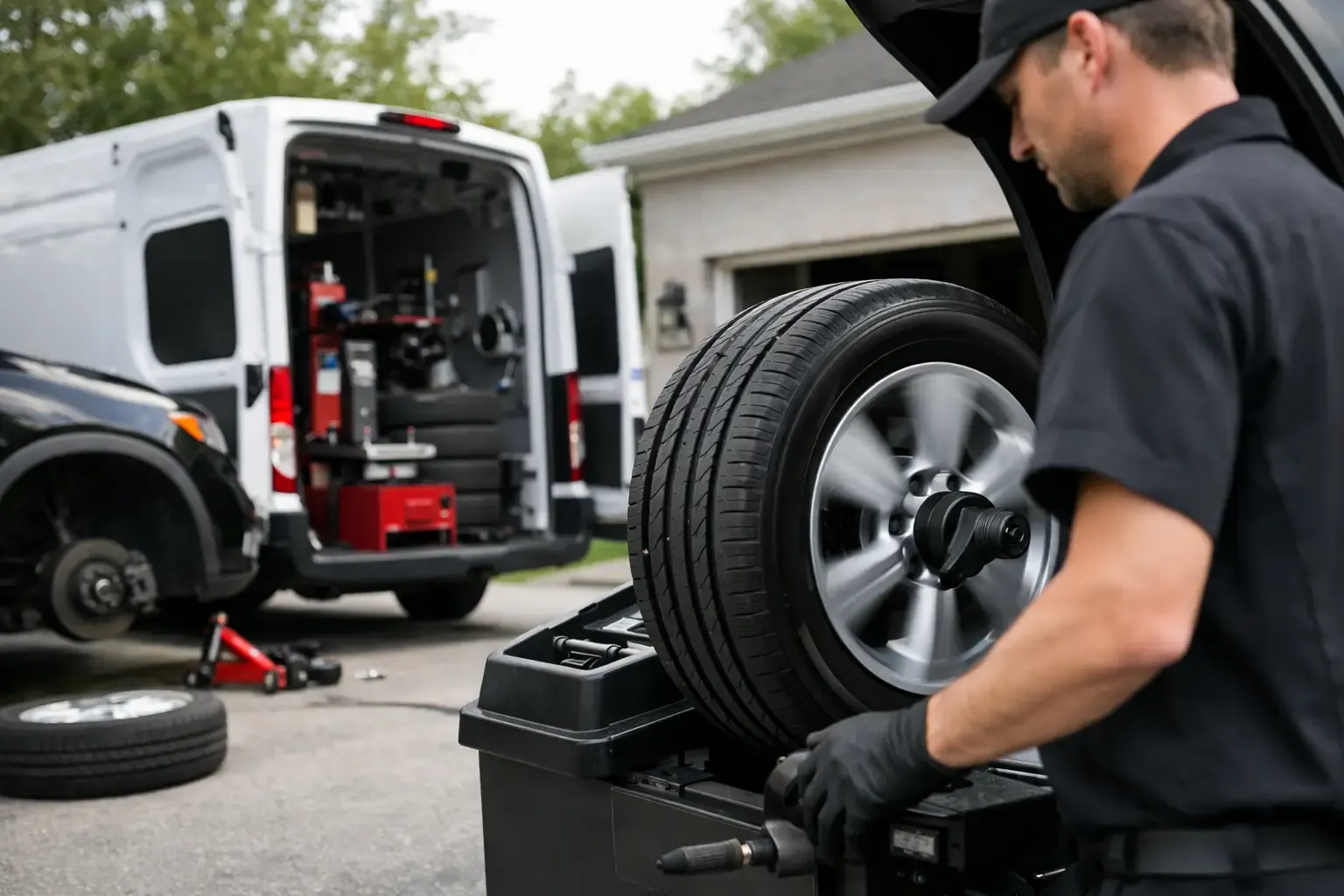
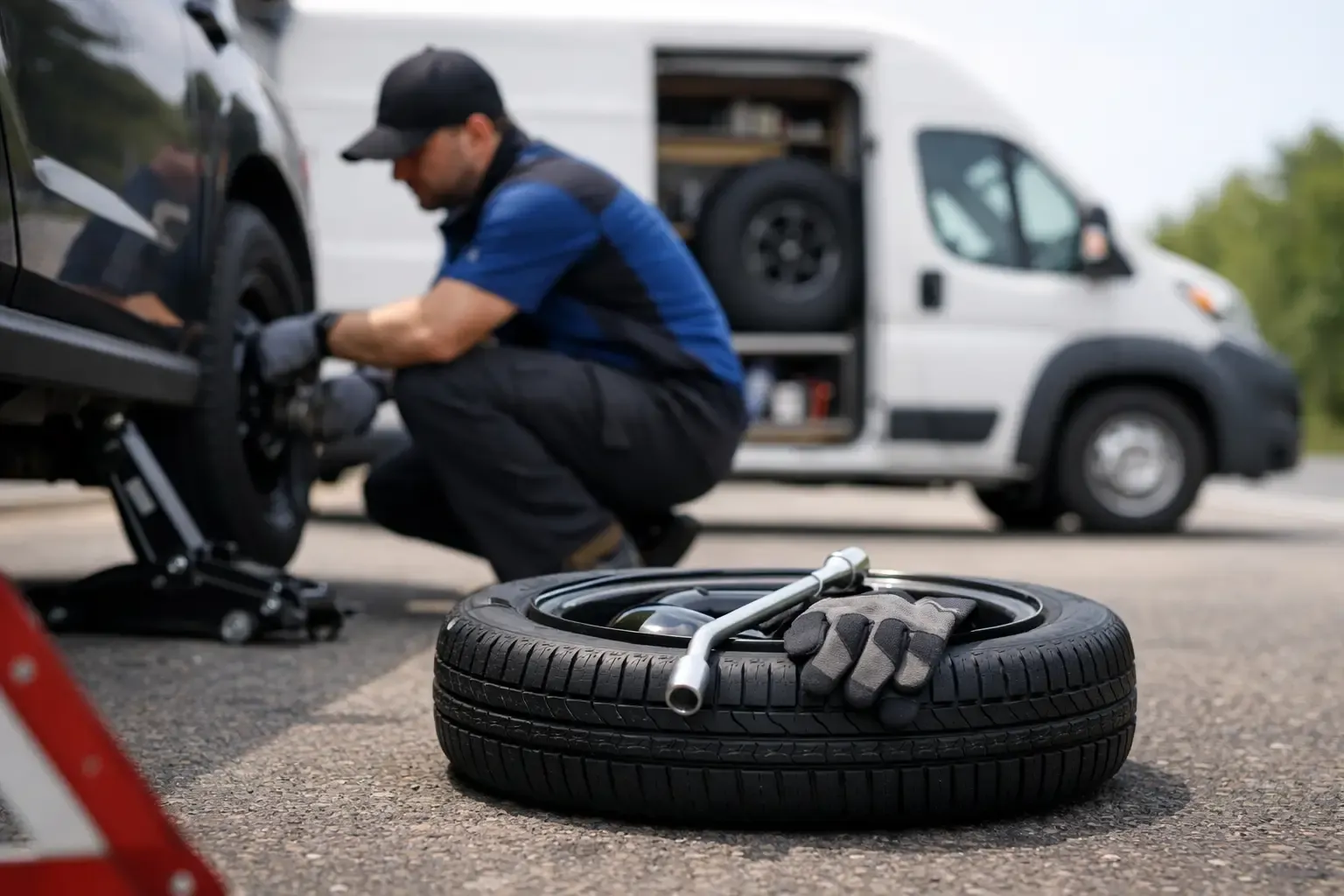
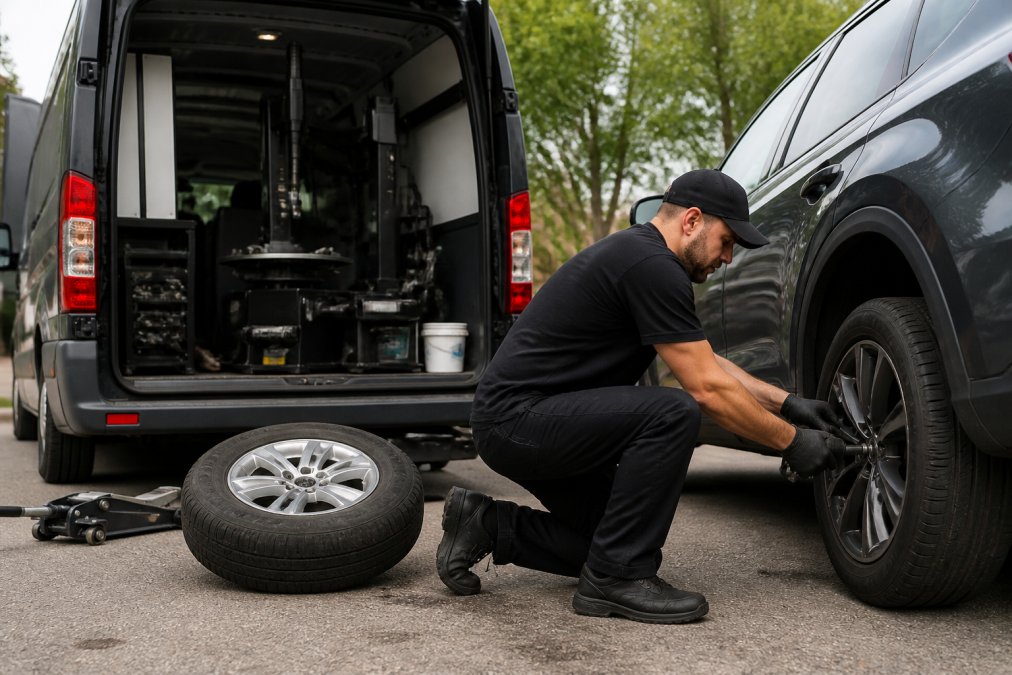
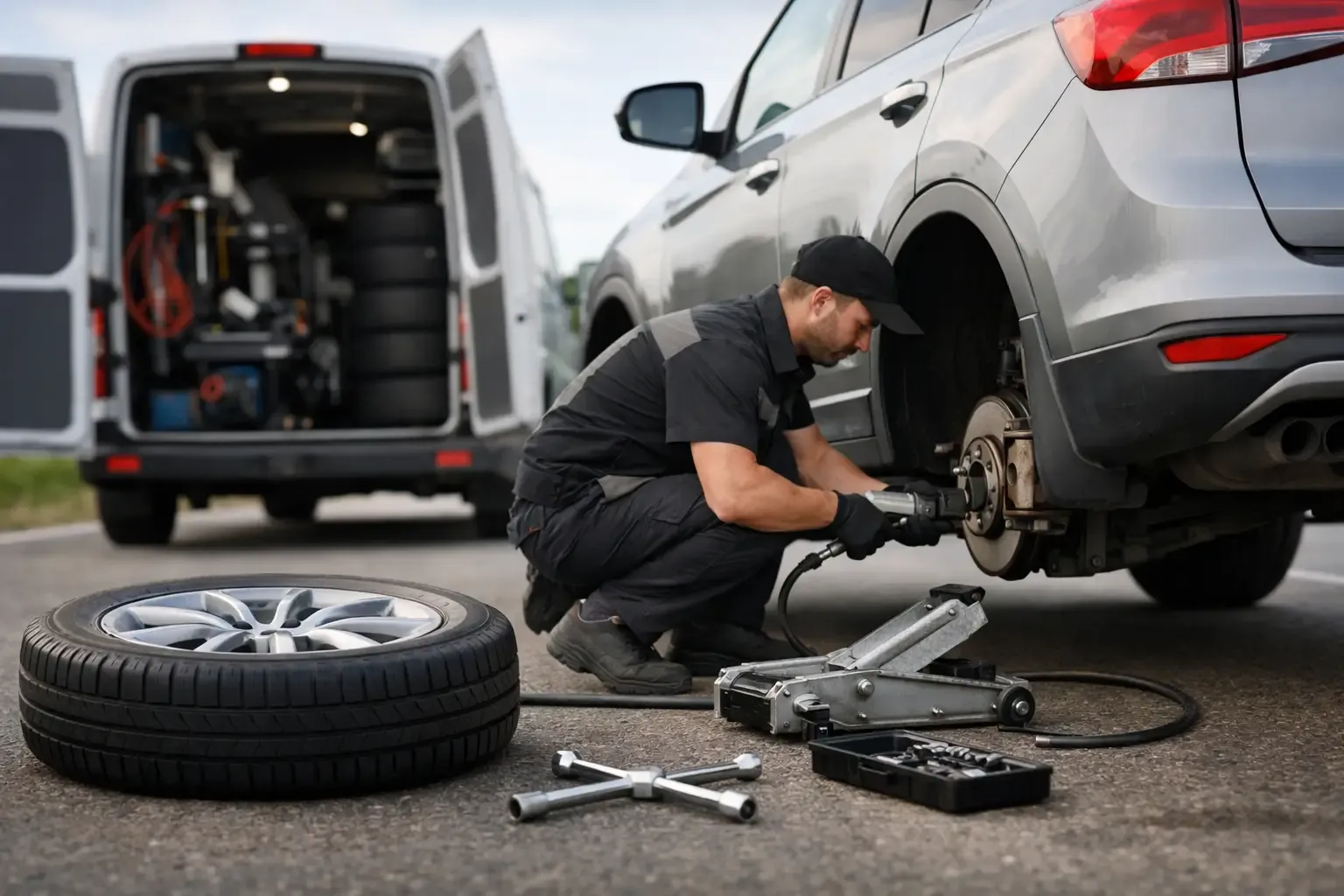
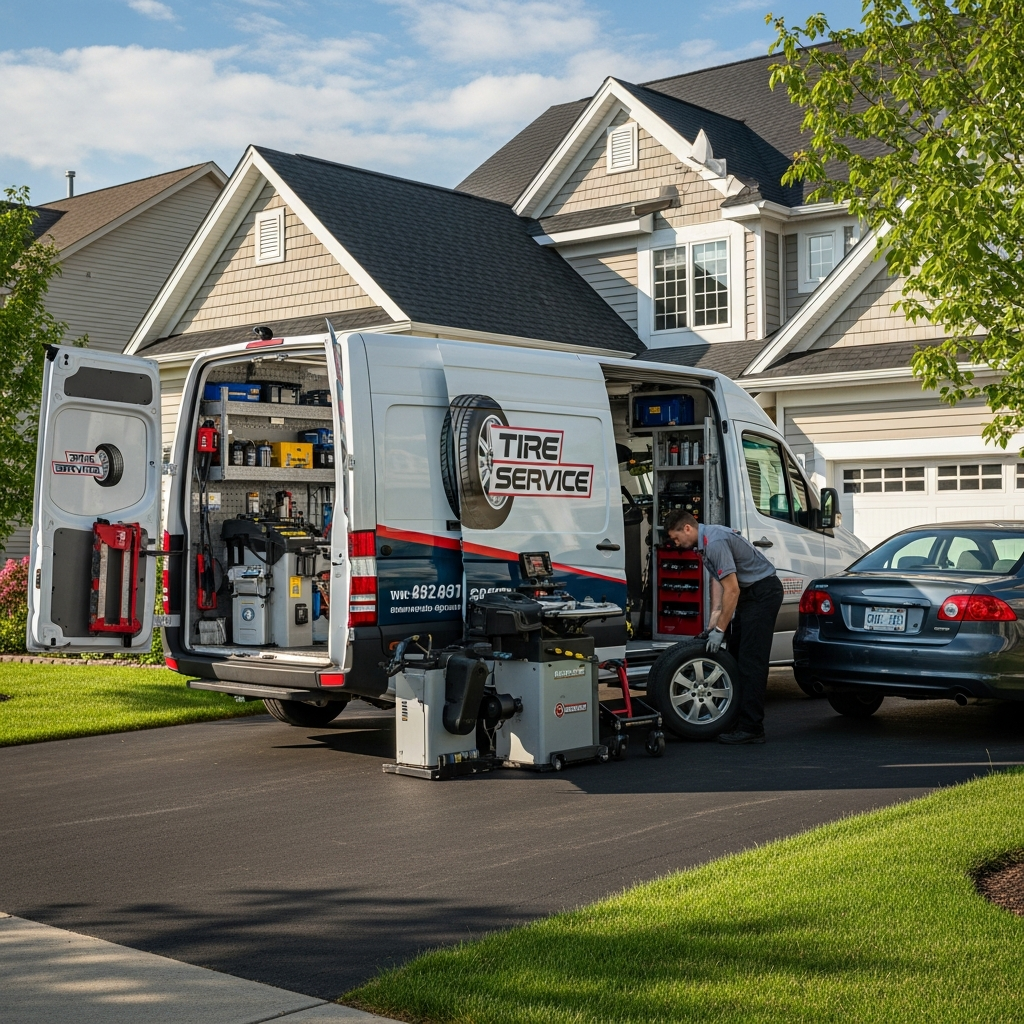
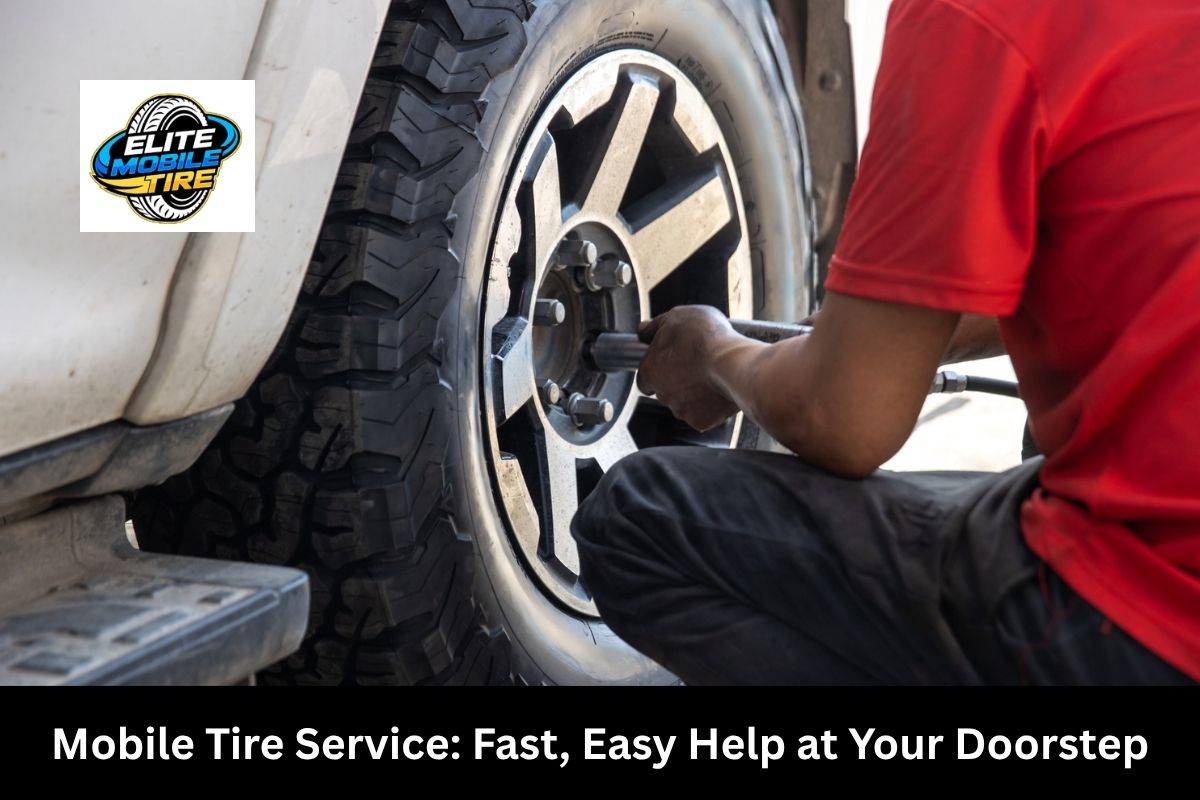
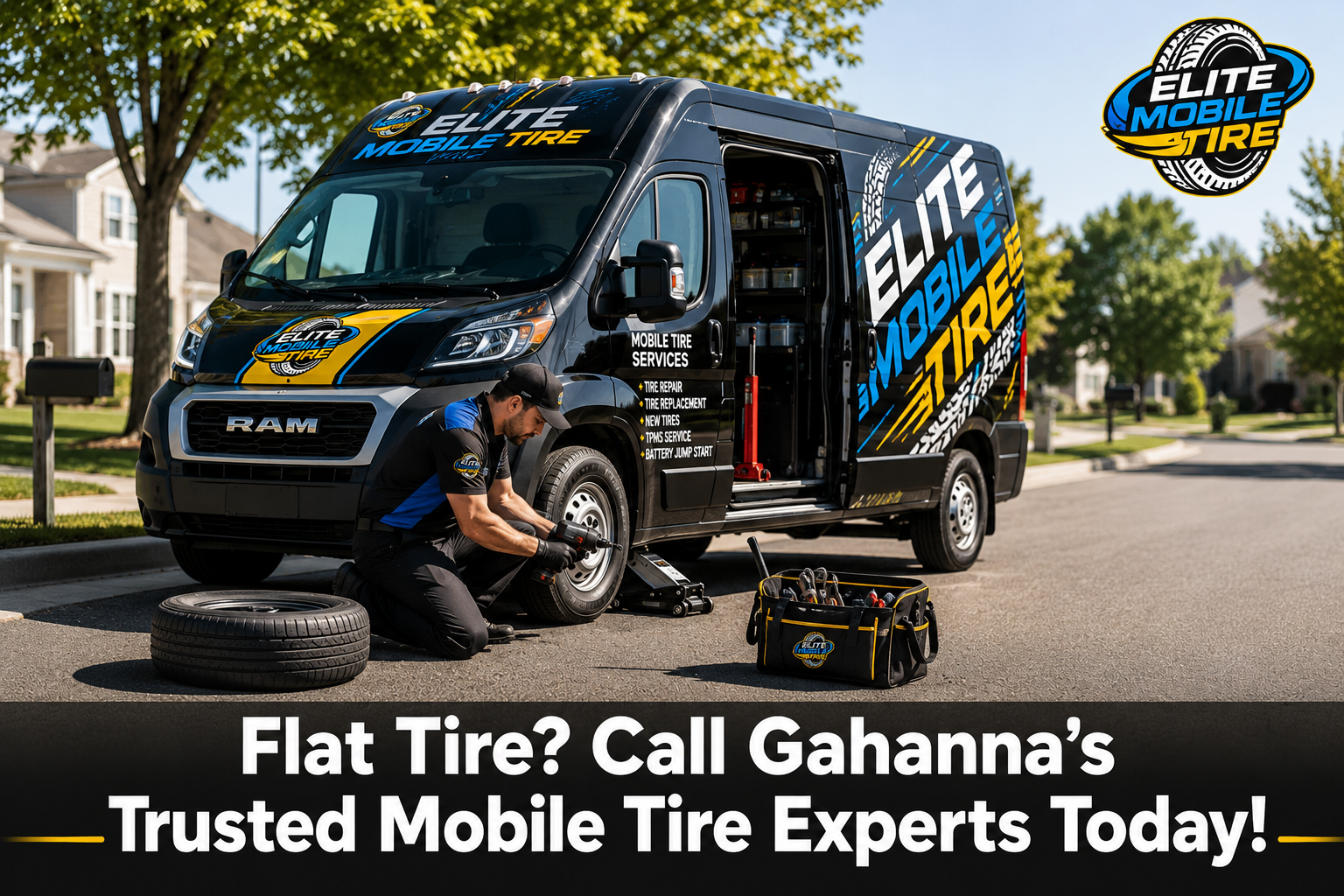
Mobile tire service brings the equipment and professional care to the vehicle instead. Whether you need new tires installed at home, a replacement after a roadside flat, or service for several work vehicles, the goal is simple: get the work done correctly where your vehicle already is.
Why Mobile Tire Installation Makes Sense
Traditional tire service asks the driver to do most of the work before the appointment even starts. You drive to a shop, check in, wait for an open bay, and hope the timing works with the rest of your day. If a tire is flat or damaged, getting there may require mounting a spare, arranging a tow, or taking time away from work.
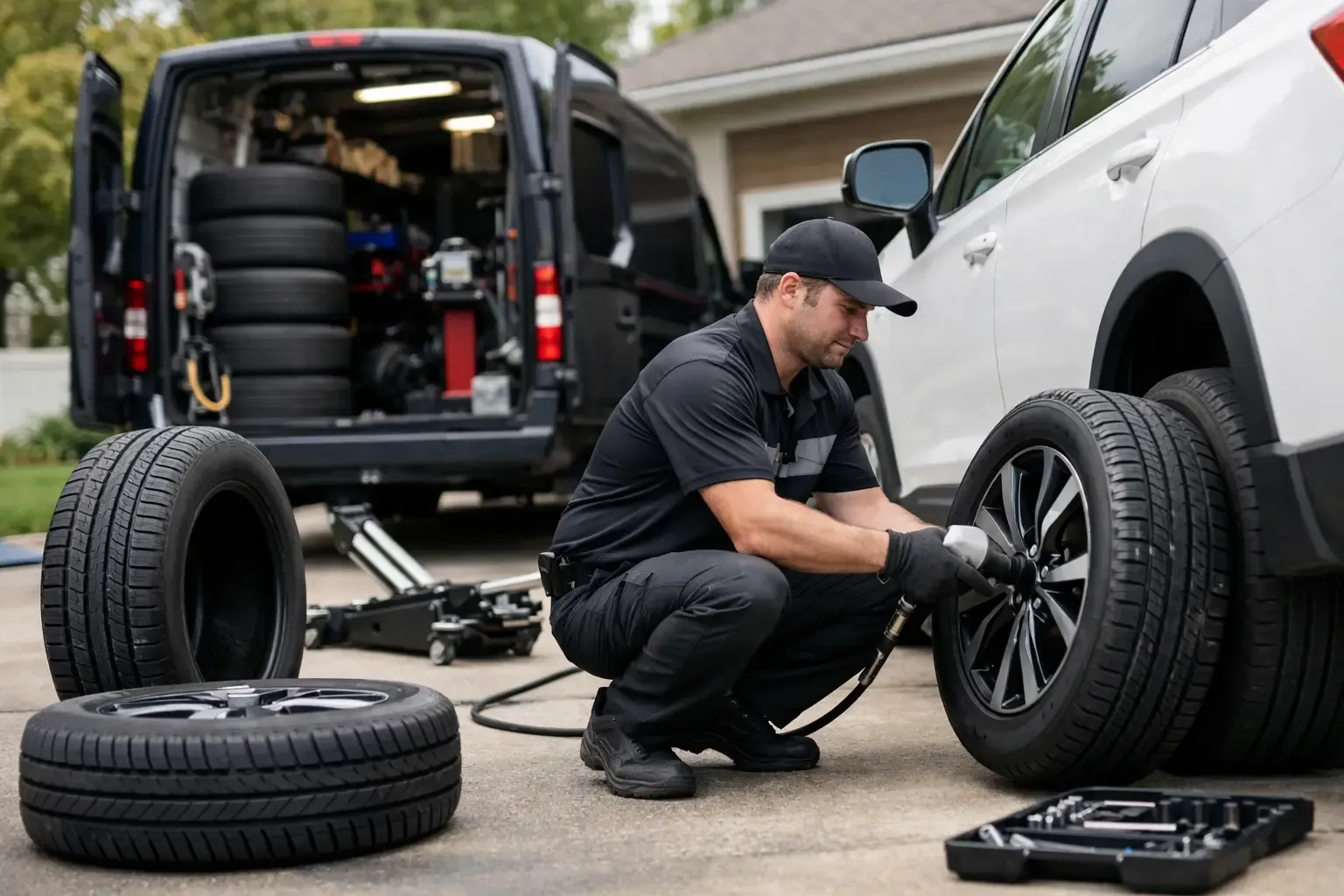
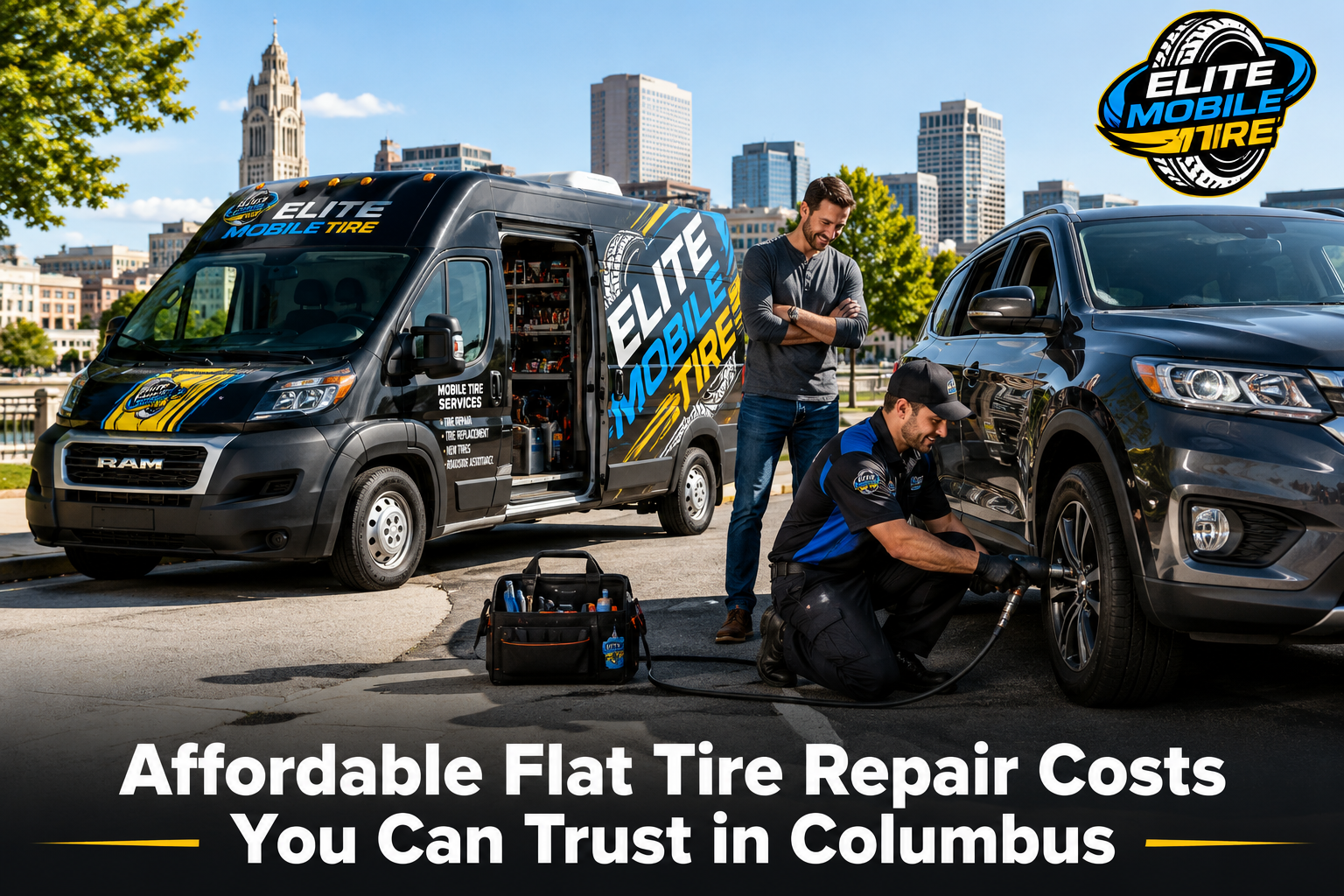
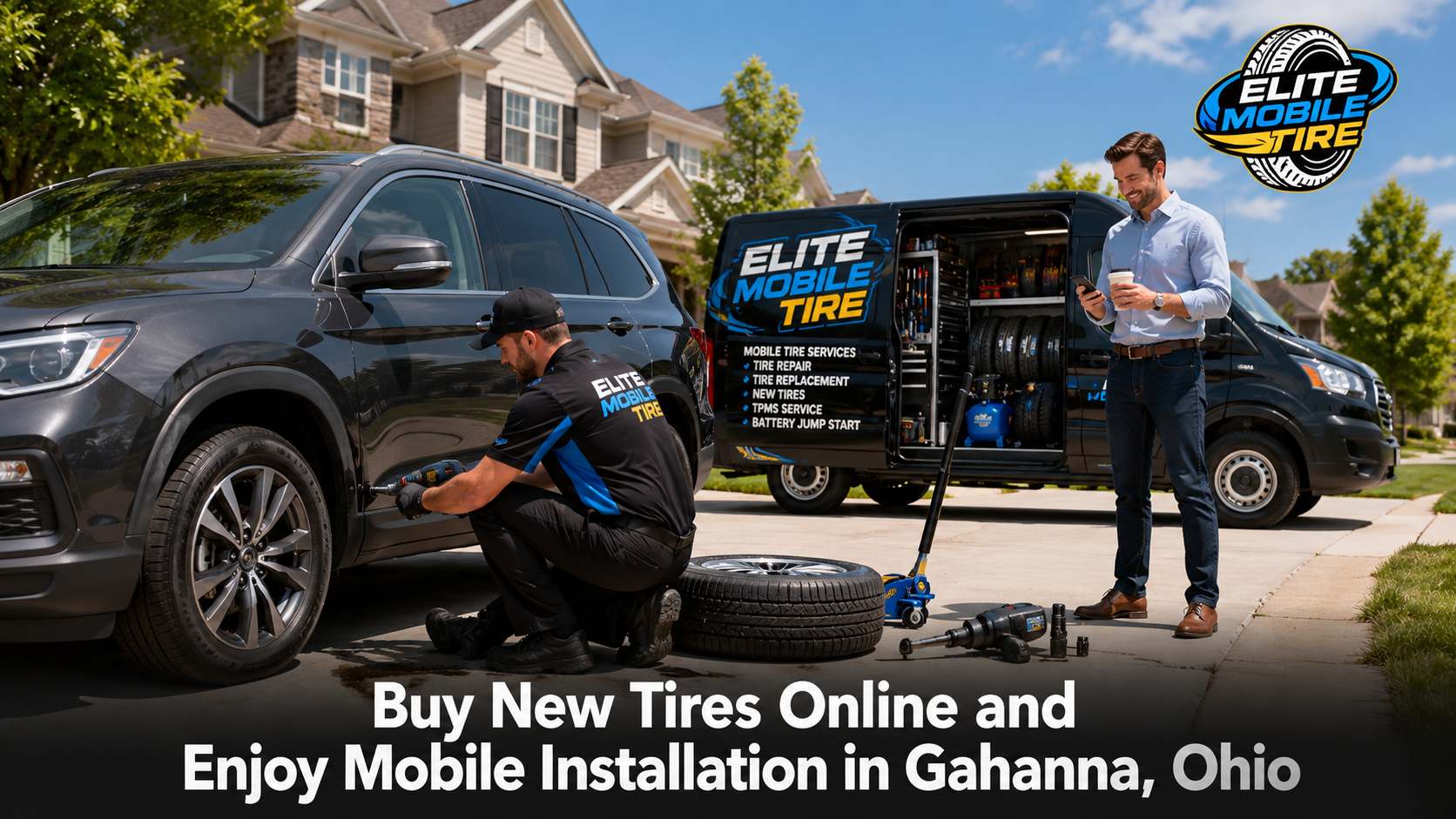
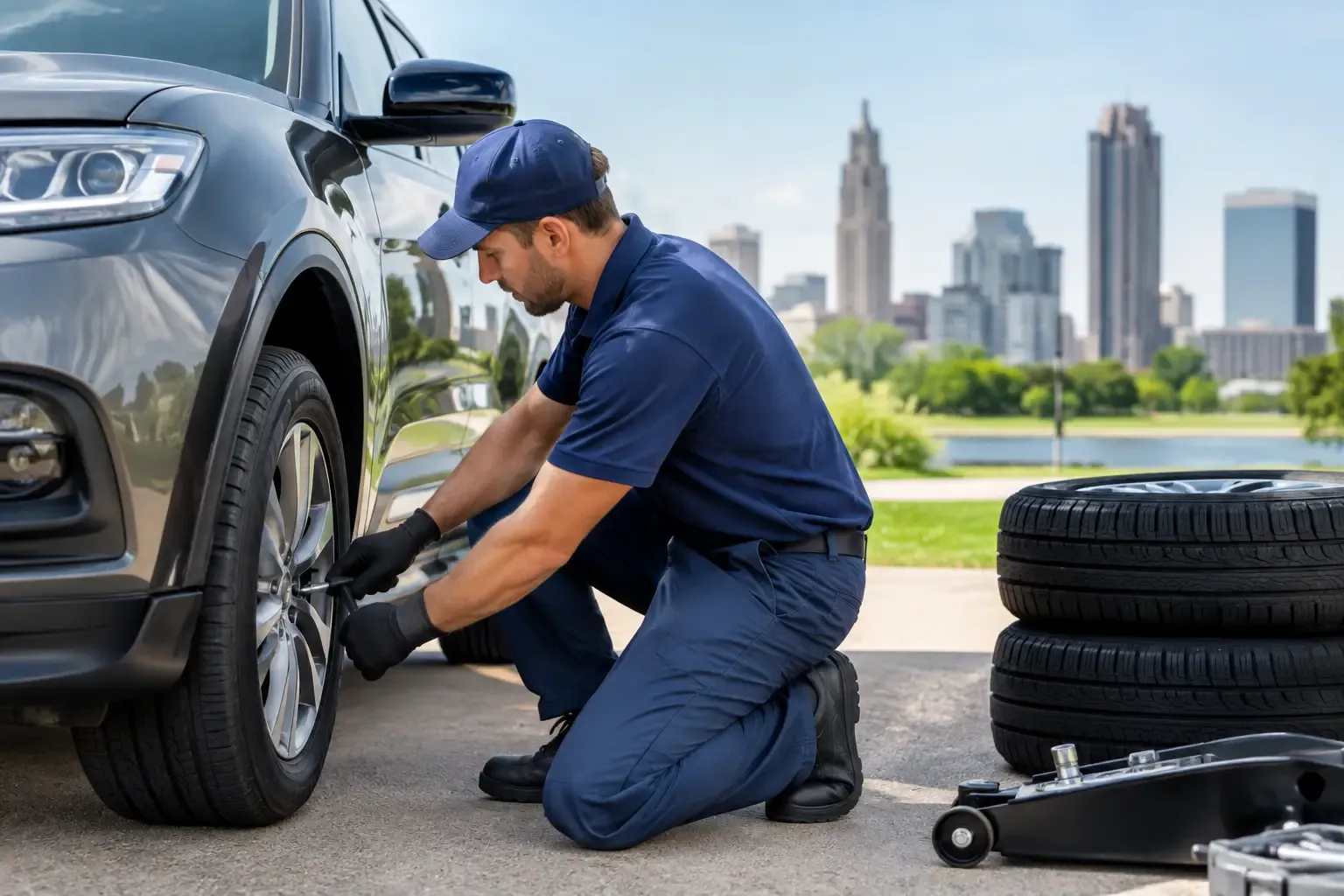
Mobile installation changes that sequence. A technician arrives at your home, workplace, or another safe location with the tools needed to remove the wheels, install the tires, balance them, and confirm the vehicle is ready for the road. For busy households, commuters, and professionals across the Columbus area, that time savings can be the difference between handling maintenance promptly and putting it off.
Convenience is not a substitute for proper workmanship. Tires are the only part of a vehicle that contact the road, so installation needs to be handled with care. Correct mounting, balancing, inflation, and torque all affect ride quality, tread life, braking, and handling.
What Columbus Tire Installation Should Include
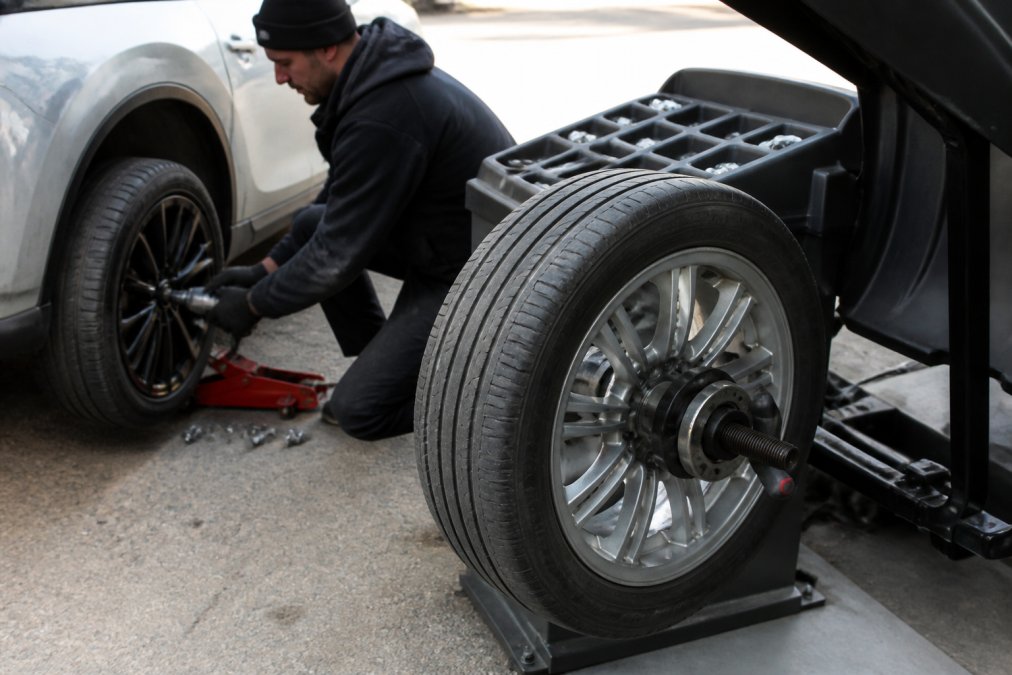
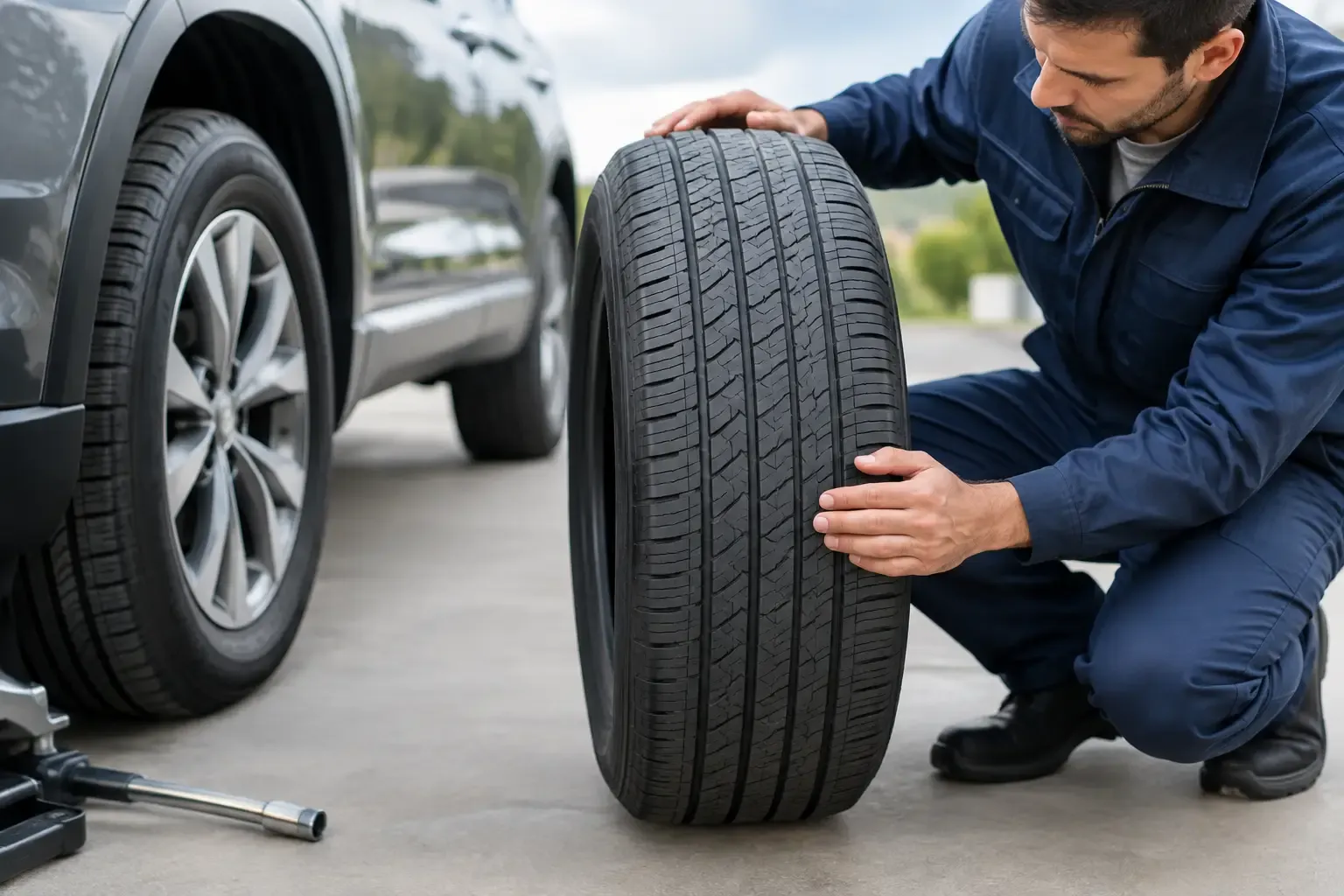
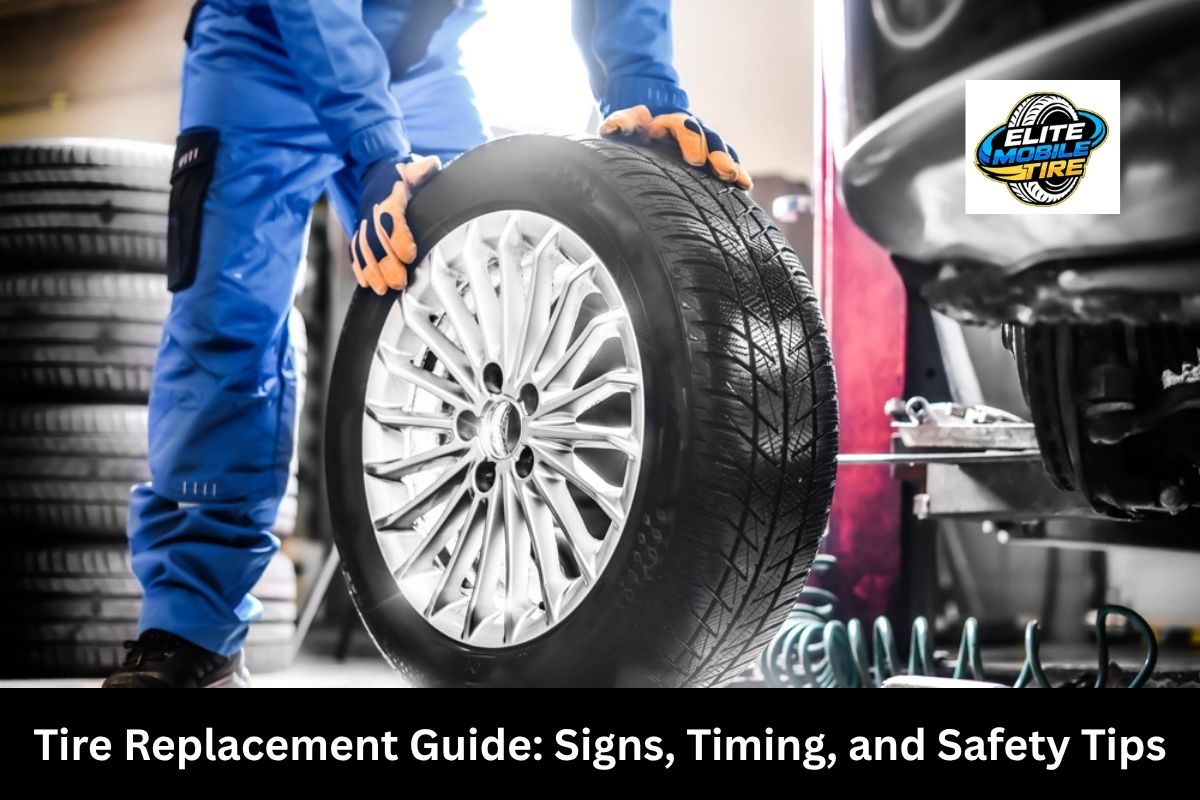
A complete tire installation is more than putting a new tire on a wheel. The technician should inspect the wheel and tire condition, remove the old tire safely, mount the replacement using appropriate equipment, and balance the assembly to help prevent vibration at driving speeds.
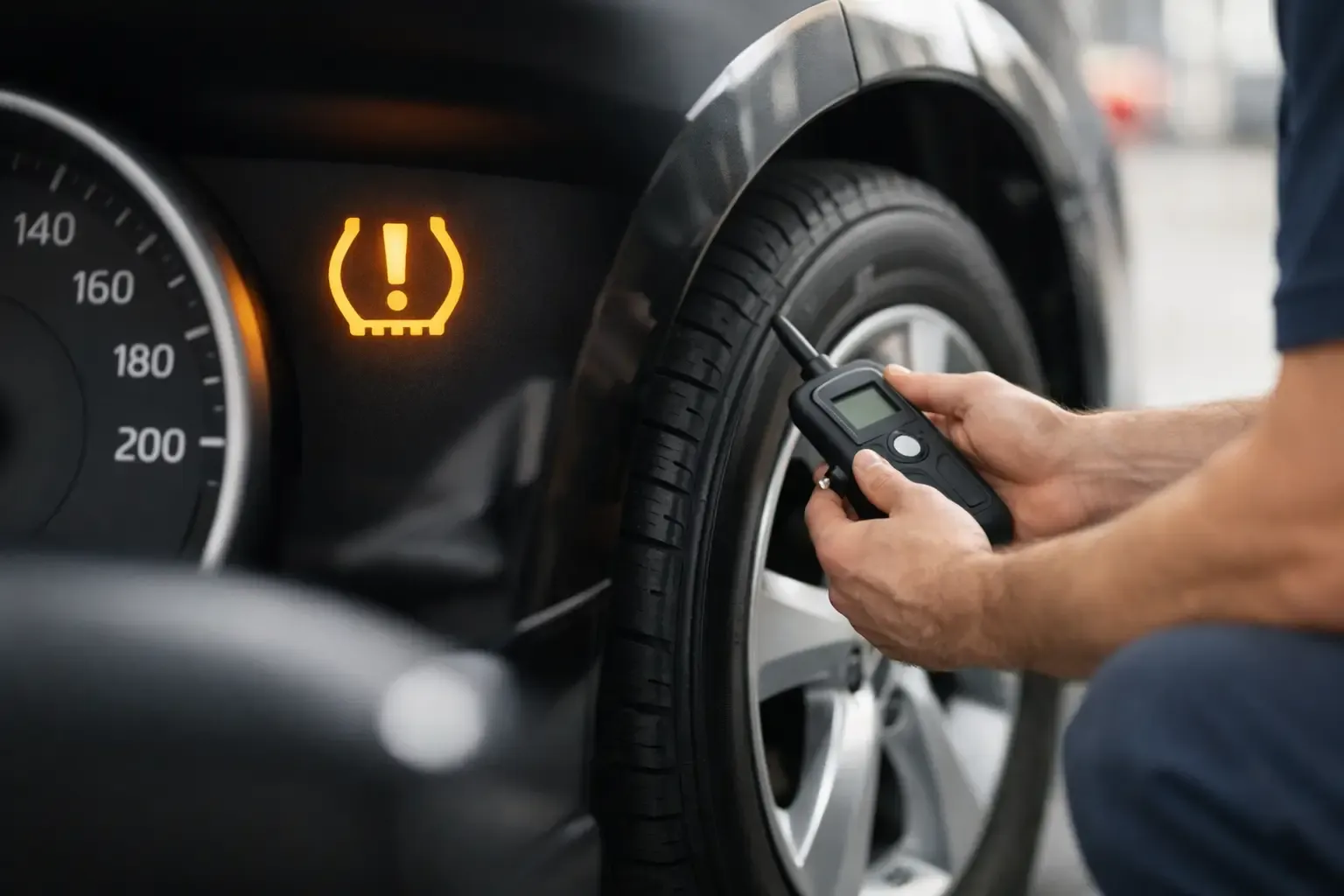
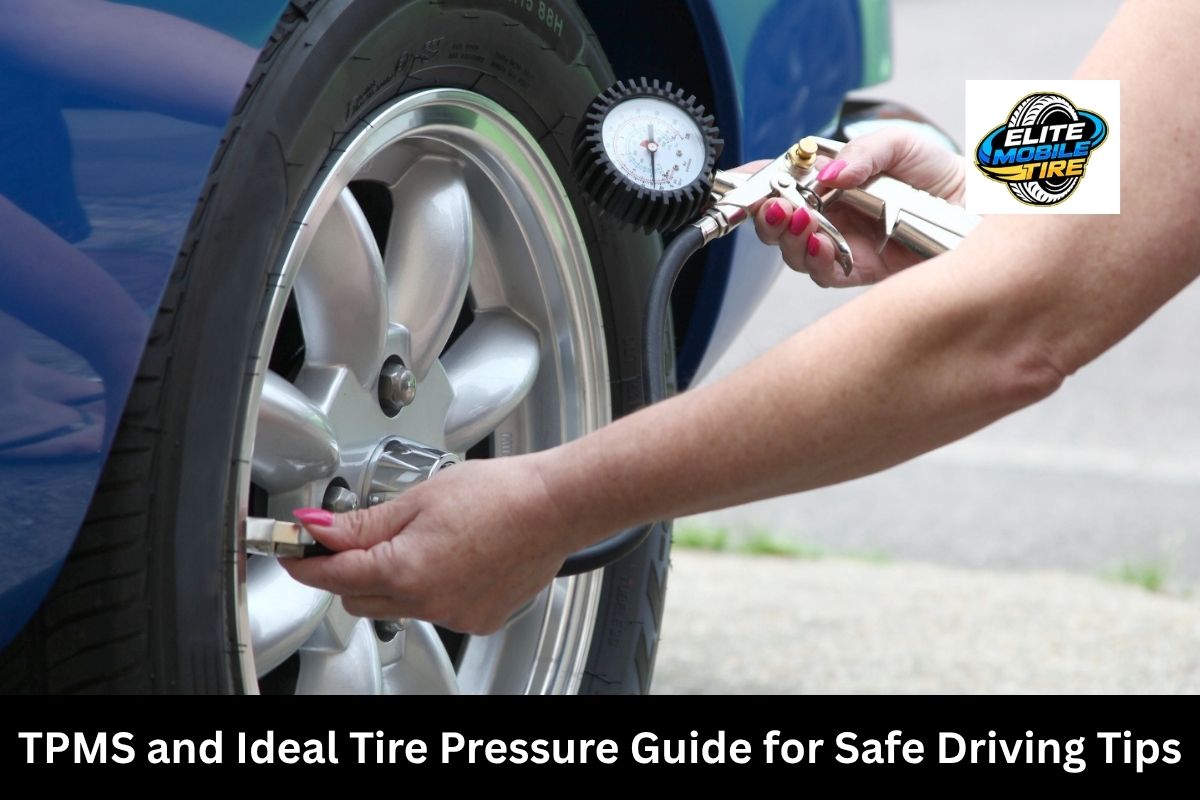
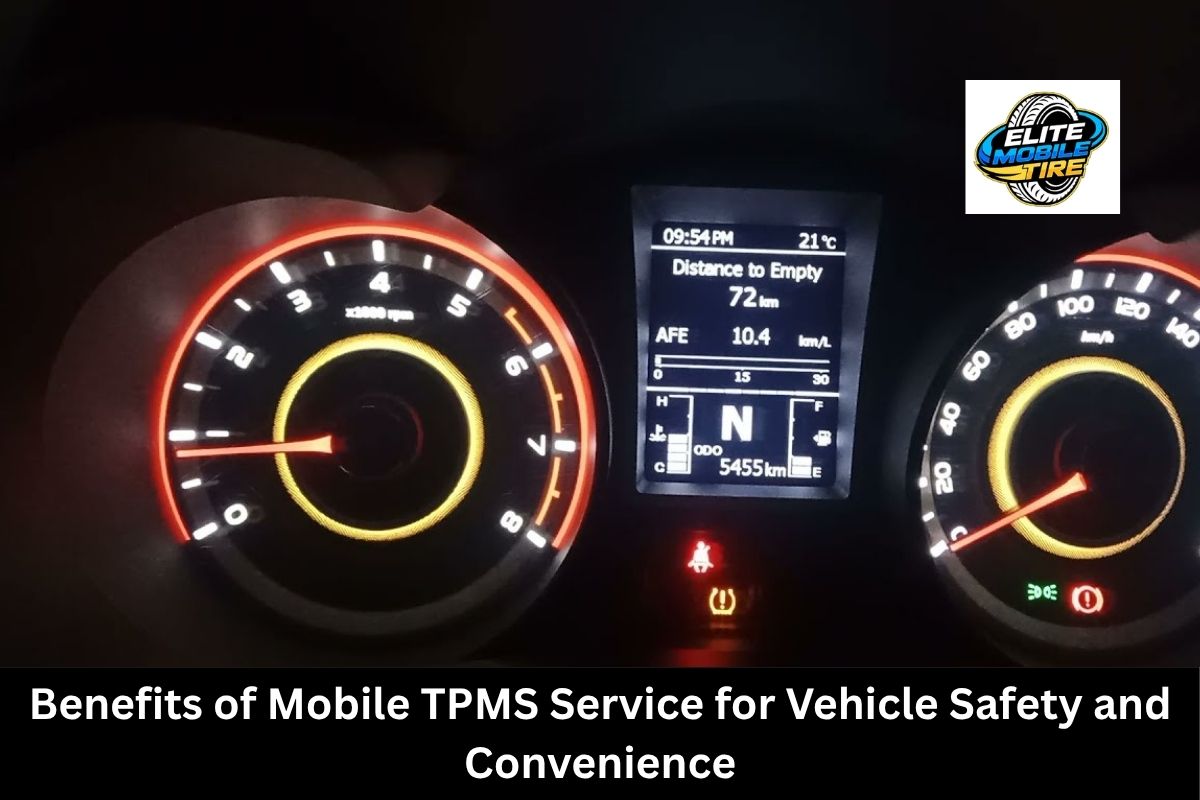
The final steps matter just as much. Tire pressure should be set to the vehicle manufacturer's recommended specification, not simply the maximum printed on the tire sidewall. Lug nuts need to be tightened to the proper torque specification, and the tire pressure monitoring system may need to be reset or relearned so the warning light can accurately alert you later.
If your vehicle uses specialty wheels, low-profile tires, or run-flat tires, make that clear when scheduling. These setups can require additional care and specific equipment. The right service provider will ask for your vehicle year, make, model, tire size, and service location before arriving so there are fewer surprises on appointment day.
Balancing Is Not Optional
A tire can be installed correctly and still feel wrong on the road if it is not balanced properly. Balancing compensates for minor weight differences around the tire and wheel assembly. Without it, you may notice steering wheel shake, seat vibration, uneven tread wear, or a rougher ride, often at highway speeds.
Not every vibration is caused by a balance issue. Bent wheels, worn suspension components, alignment problems, and internal tire damage can create similar symptoms. A professional inspection helps identify when tire balancing is the solution and when the vehicle needs further diagnosis.
Installation and Alignment Are Different Services
New tires do not automatically require an alignment, but they can make an existing alignment issue easier to notice. If your car pulls to one side, the steering wheel is off-center, or the old tires wore more heavily on one edge, schedule an alignment inspection soon. Installing new tires on a misaligned vehicle can shorten the life of an otherwise excellent set of tires.
Mobile tire installation is ideal for mounting, balancing, flat repair, and routine tire care. An alignment typically requires a shop-based alignment rack. That is not a drawback when it is explained clearly. Good service means recommending the next right step rather than treating every tire concern as the same problem.
Choosing Tires for Your Vehicle and Driving Needs
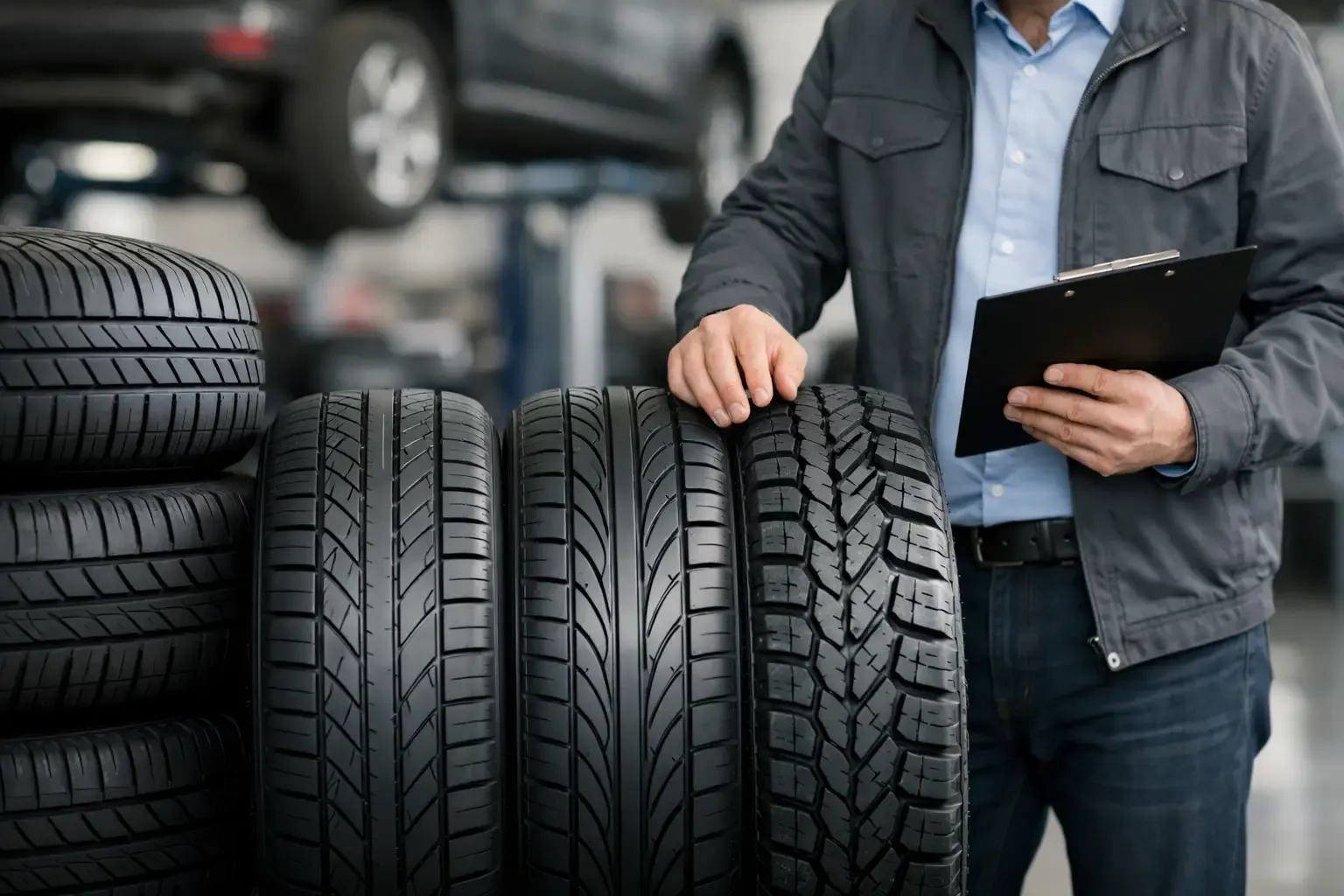
The best tire is not always the one with the most aggressive tread pattern or the highest mileage rating. Your vehicle requirements, driving habits, local weather, and priorities should guide the decision.
Start with the tire size shown on the driver's door placard or in the owner's manual. This information includes the width, aspect ratio, construction type, wheel diameter, load rating, and speed rating. Matching those specifications protects the vehicle's handling and safety systems.
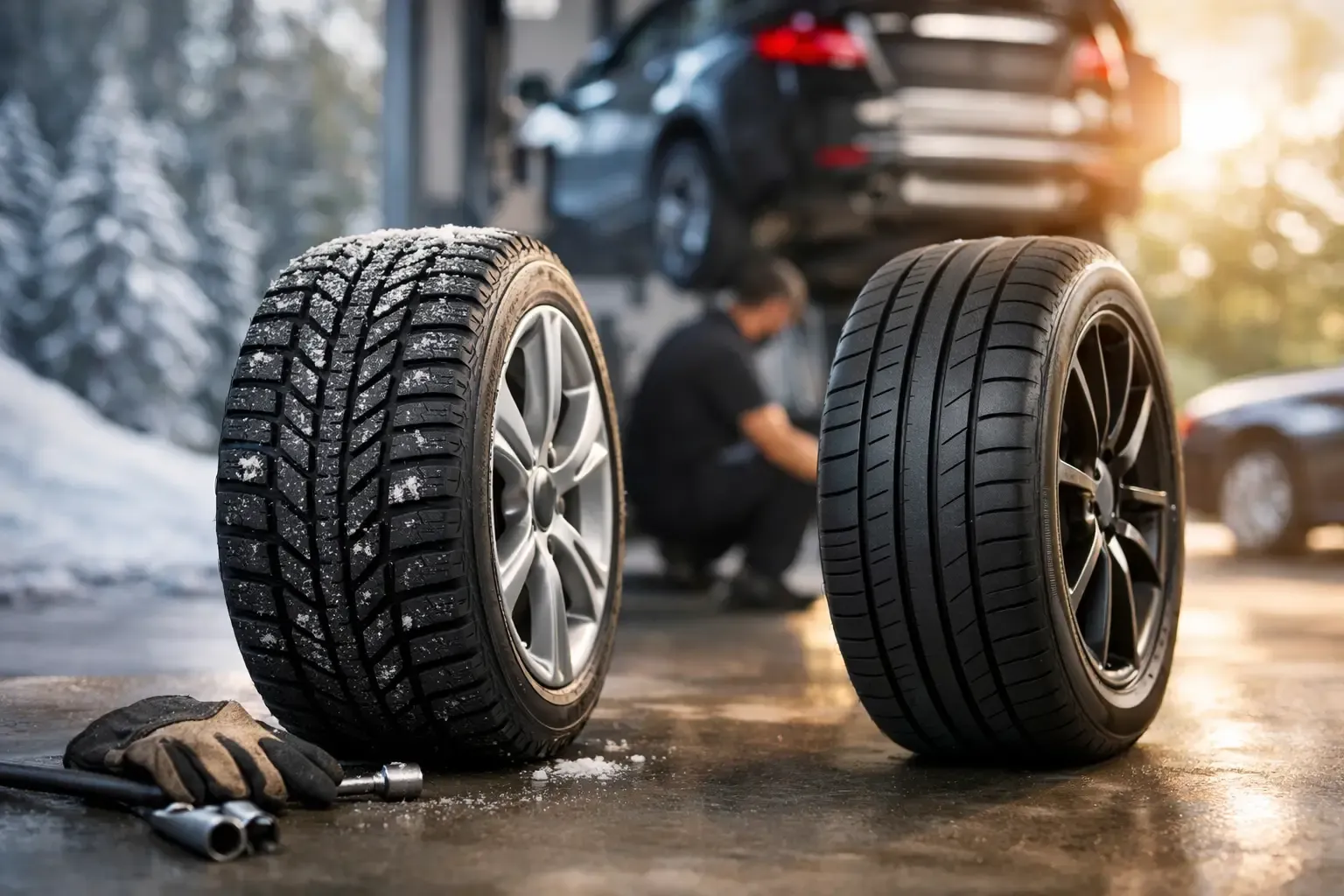
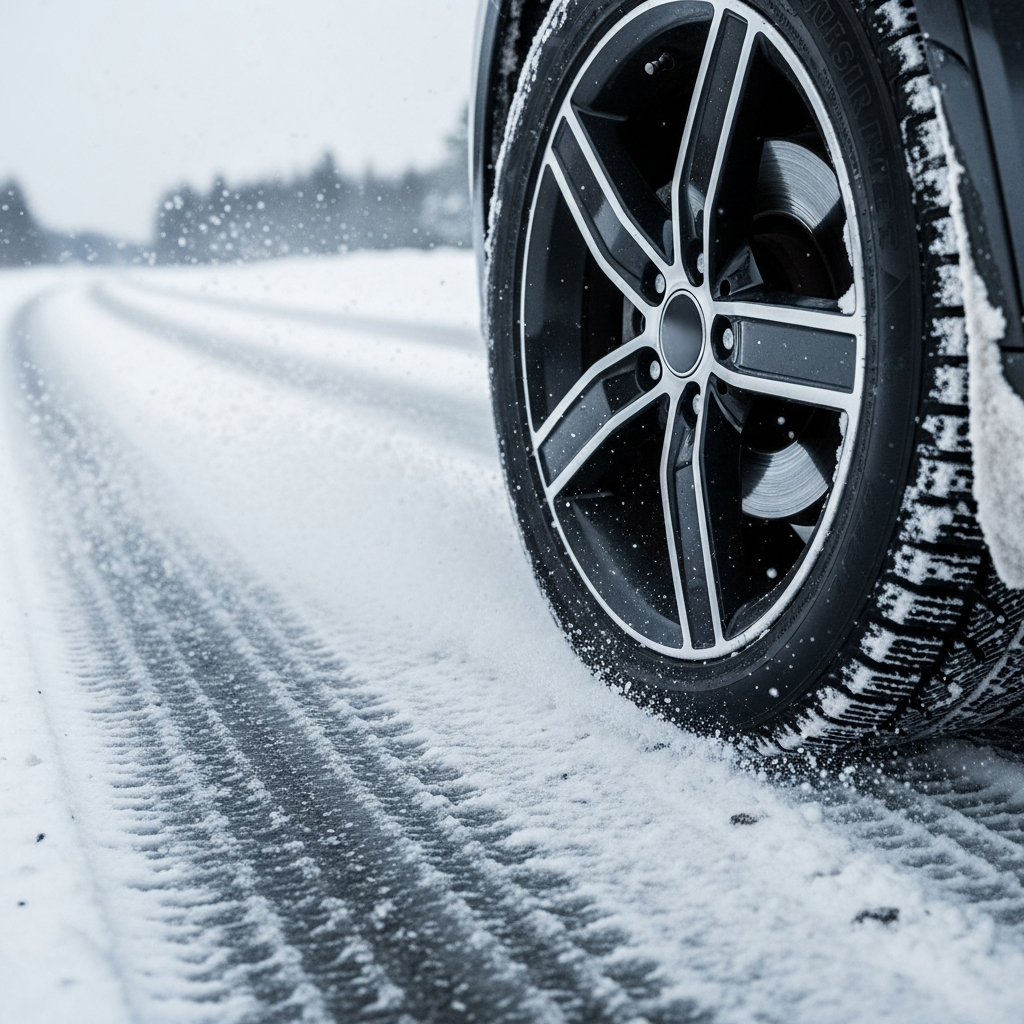
Then consider how you drive. A daily commuter may prioritize quiet ride quality, dependable wet traction, and long tread life. A family vehicle may benefit from strong all-season performance and confident braking in rain. Drivers who regularly encounter snow and ice may need a more winter-focused option. Performance-oriented vehicles may call for tires that deliver sharper response, although those choices can involve trade-offs in noise, ride comfort, tread life, or cold-weather capability.
If you are unsure, share how and where you drive with the technician or service team. A clear recommendation should account for your vehicle and your needs, not just what happens to be available.
Preparing for a Mobile Tire Appointment
A little preparation keeps the service efficient and safe. Choose a reasonably level, accessible place where the technician can work around the vehicle. Clear personal items from the trunk if the spare tire, wheel lock key, or cargo-area equipment may be needed. If your wheels use locking lug nuts, make sure the key is in the vehicle.
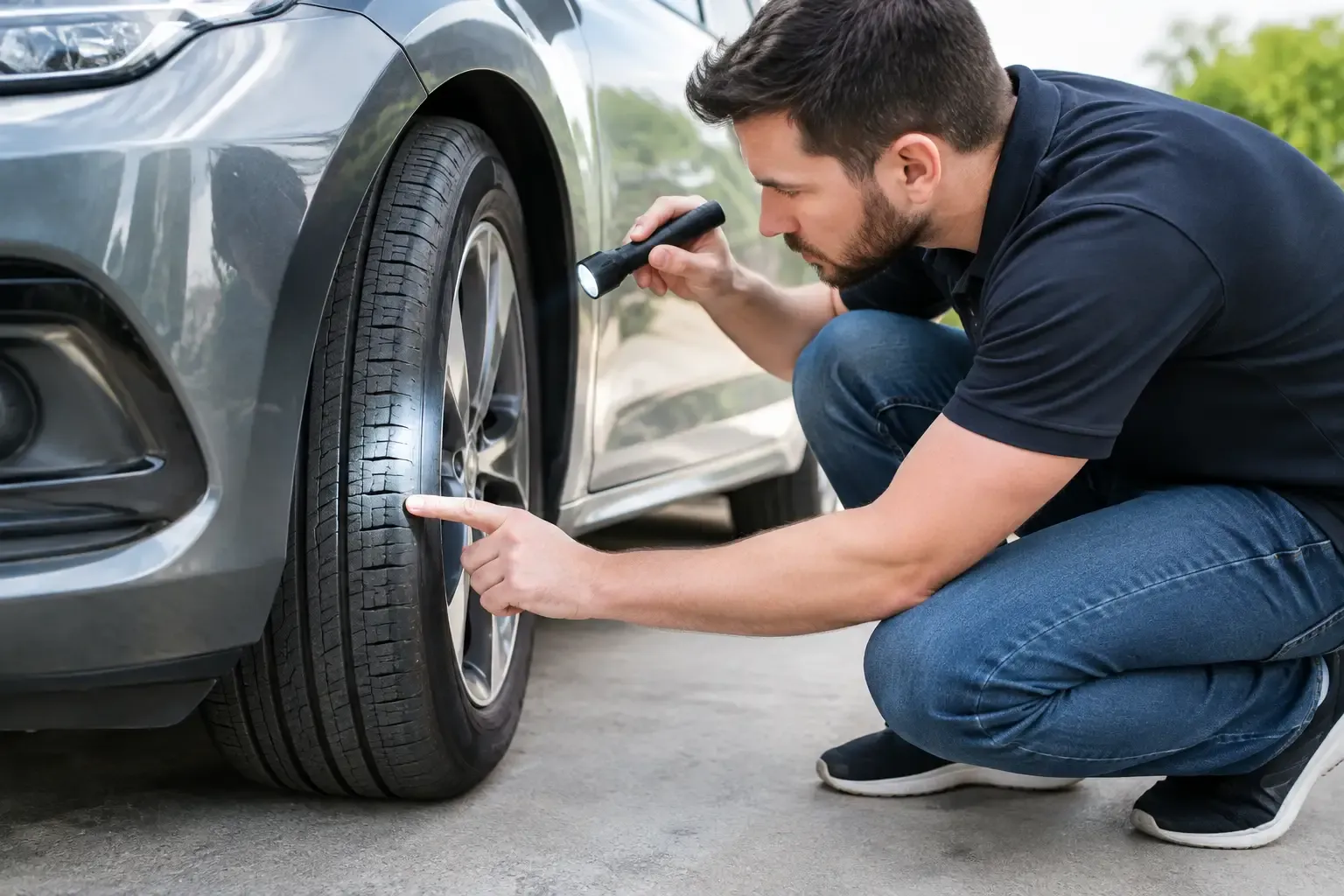
It also helps to mention any warning lights, recent vibration, slow air loss, curb impact, or unusual tire wear when booking. Those details give the technician a better starting point and may prevent a small issue from being missed.
For workplace appointments, confirm where the vehicle will be parked and whether the lot has any access or security requirements. A mobile appointment is designed to fit your schedule, but a clear location and reliable contact information help the technician arrive ready to work.
When a Flat Needs More Than Air
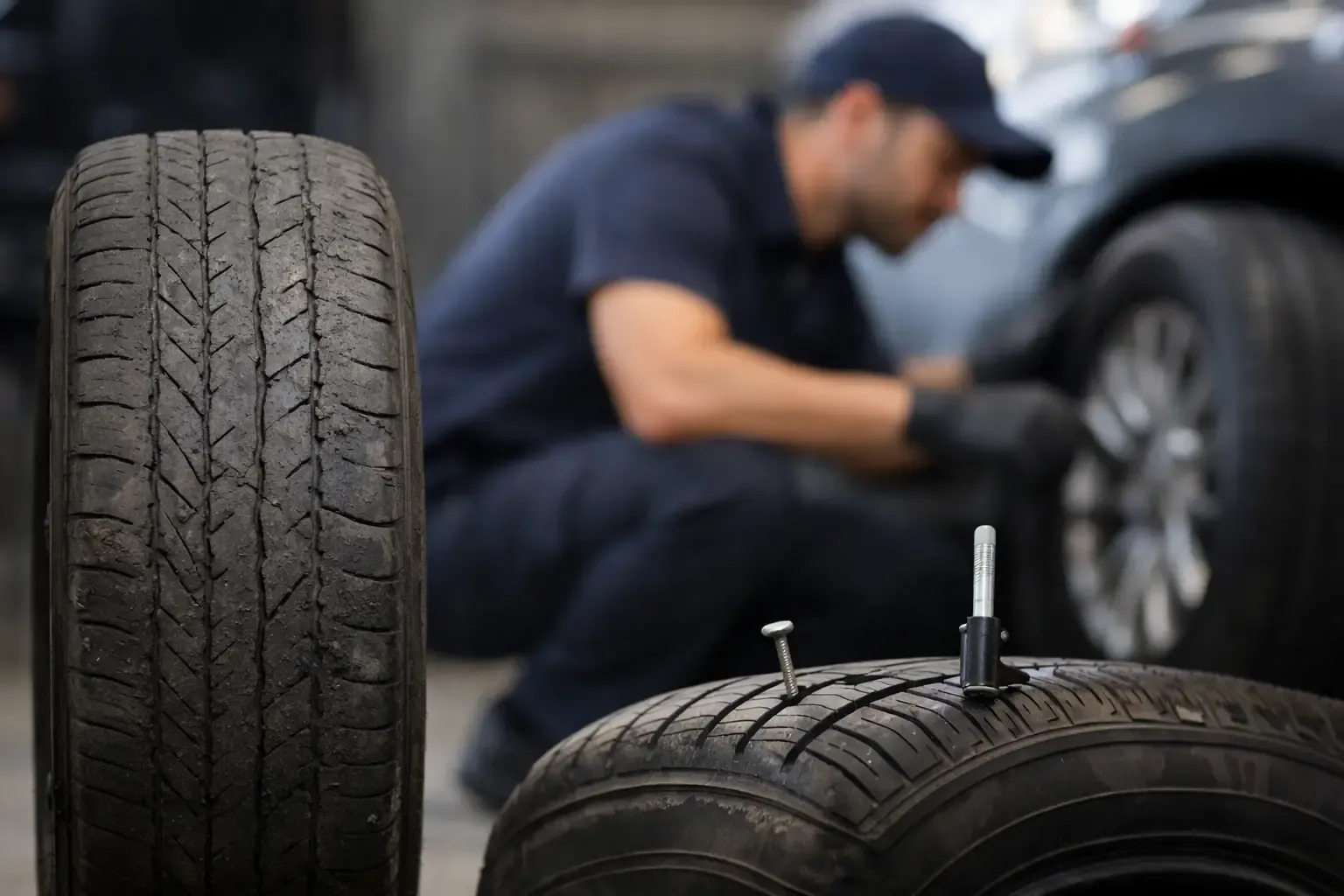
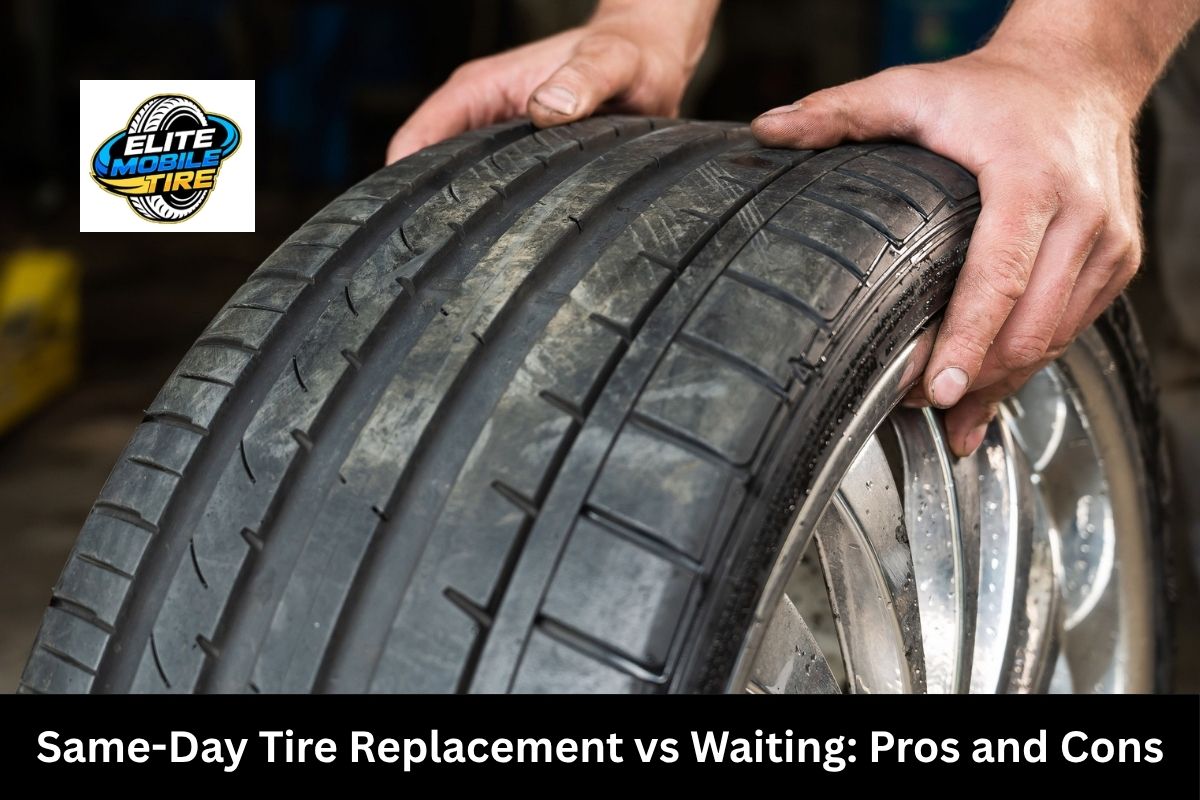
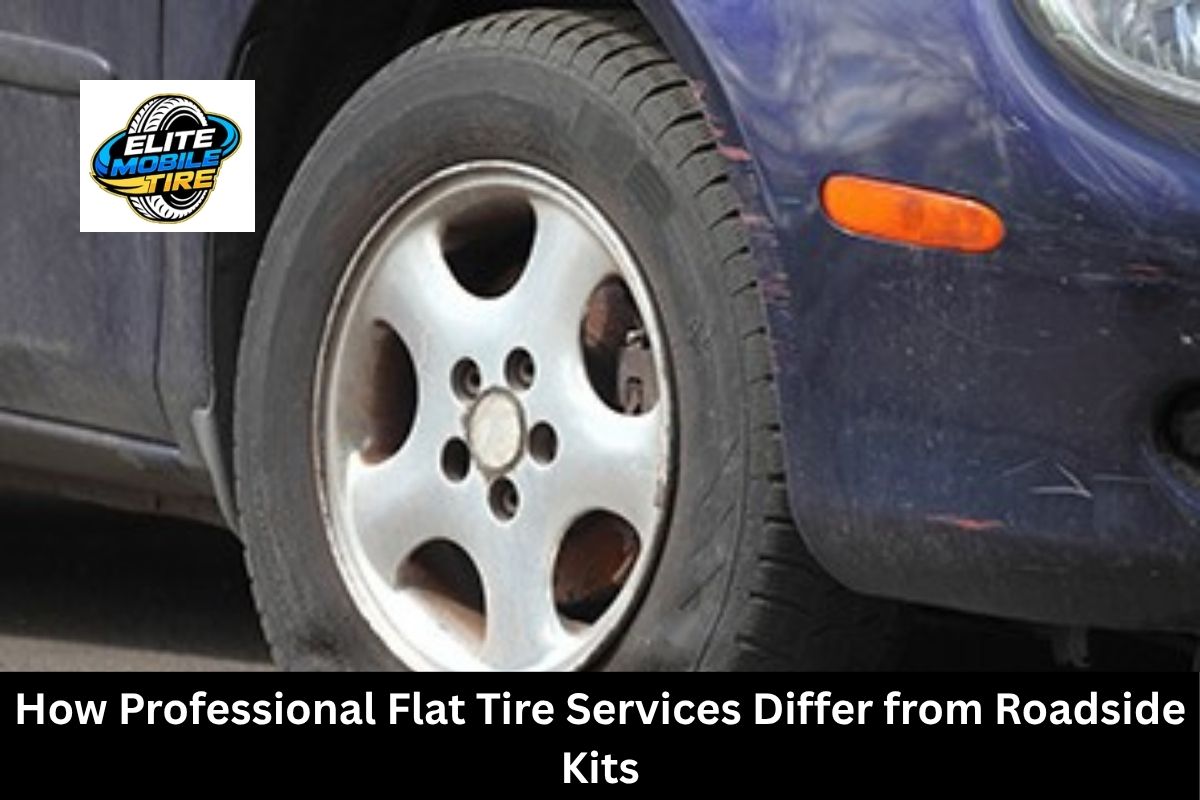
A low tire may be repairable, but not every puncture should be patched. Repairability depends on the location and nature of the damage. A small puncture in the central tread area is often a candidate for proper repair. Damage in the sidewall or shoulder area, a large hole, exposed cords, or signs that the tire was driven while severely underinflated may require replacement.
Avoid relying on a tire inflator or sealant as a long-term fix. It may get you moving temporarily, but it does not tell you why the tire lost air. A nail, valve issue, wheel leak, or damaged tire can return at the worst possible time. Prompt inspection gives you a clearer answer and protects the rest of the tire.
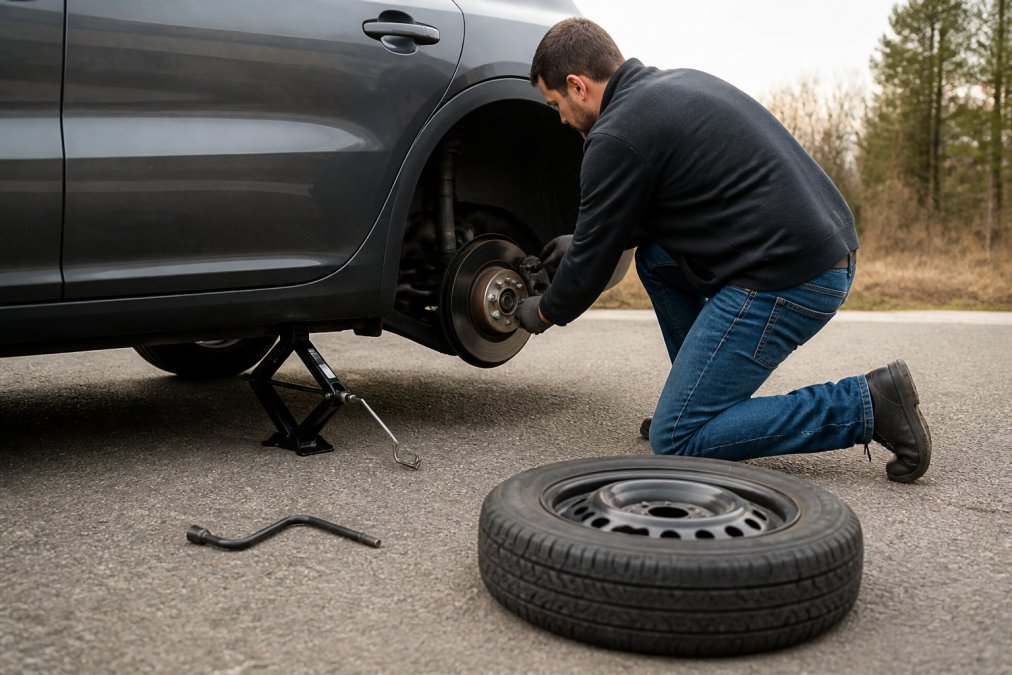
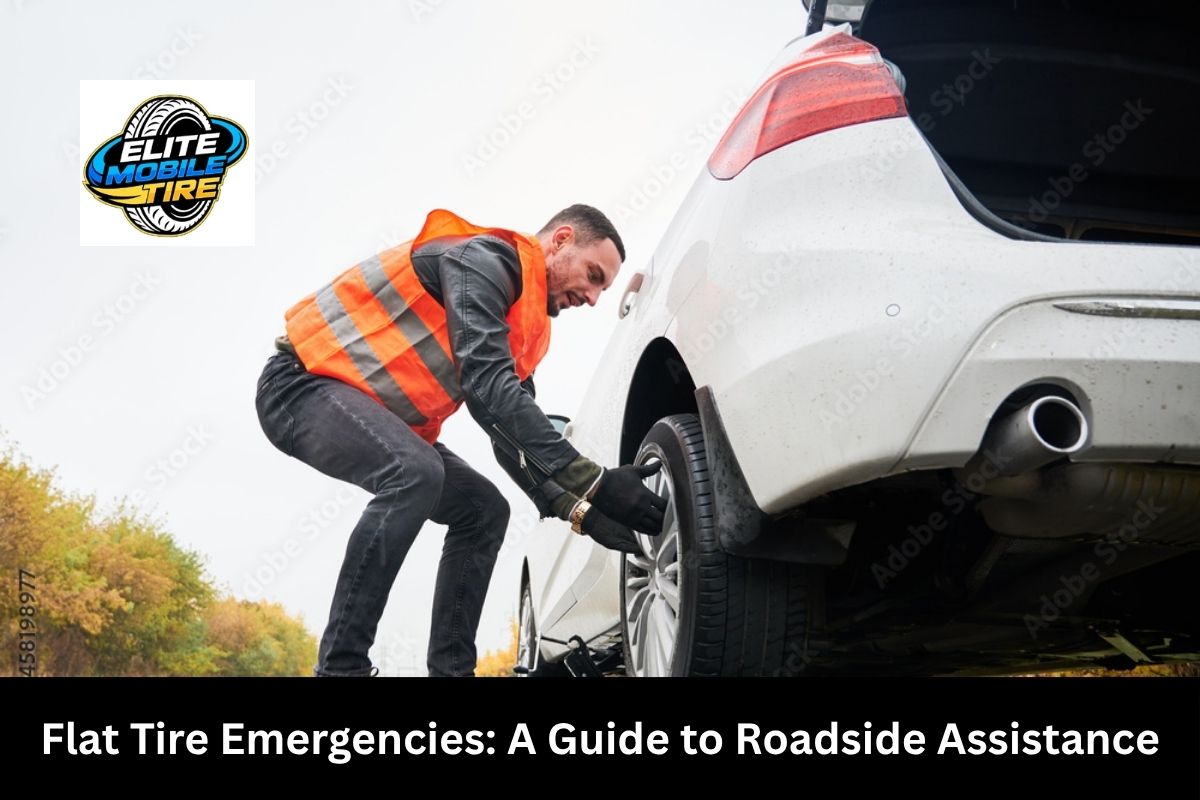
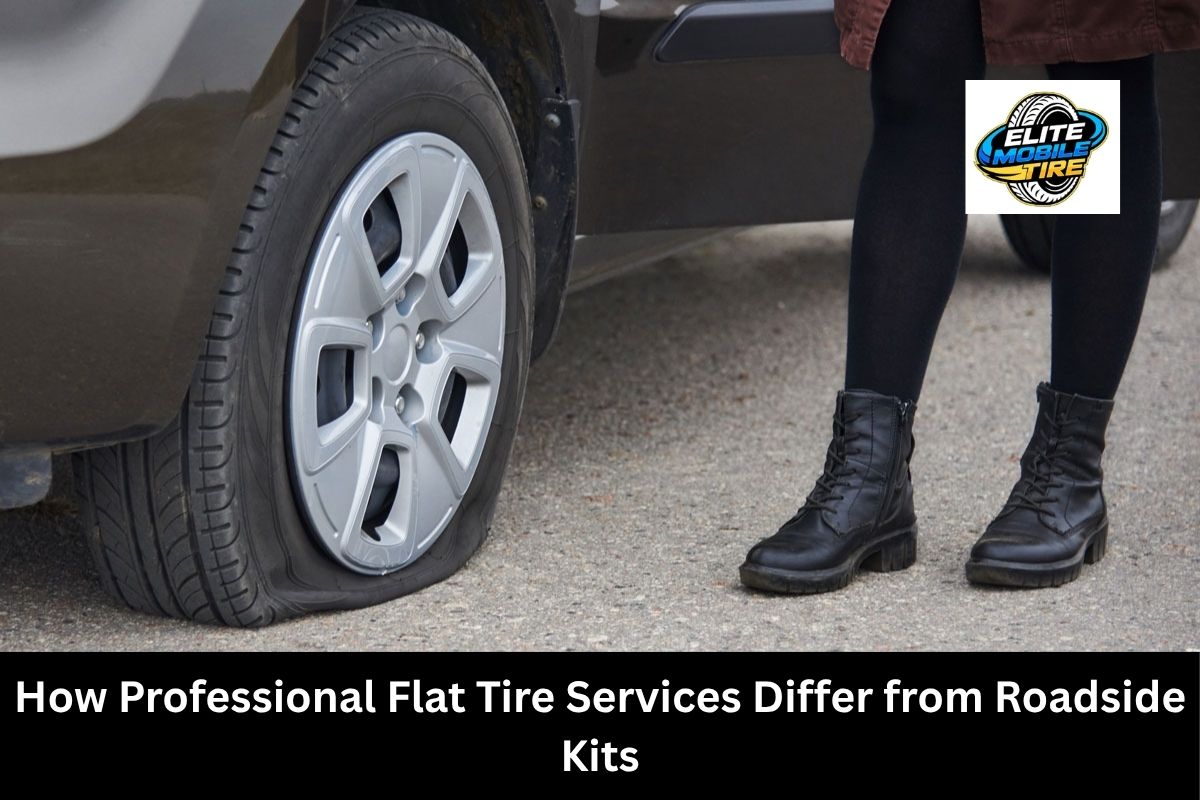
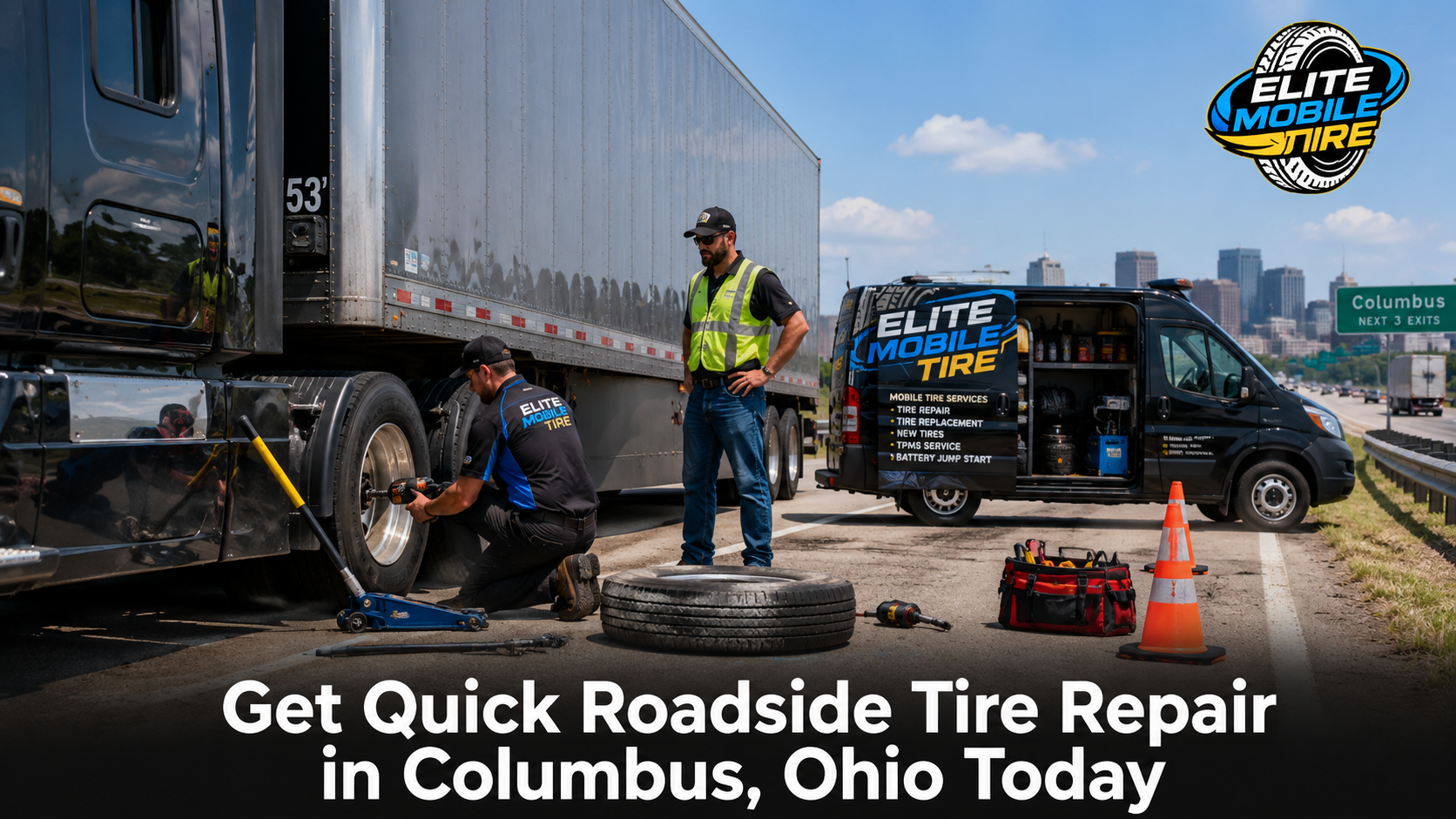
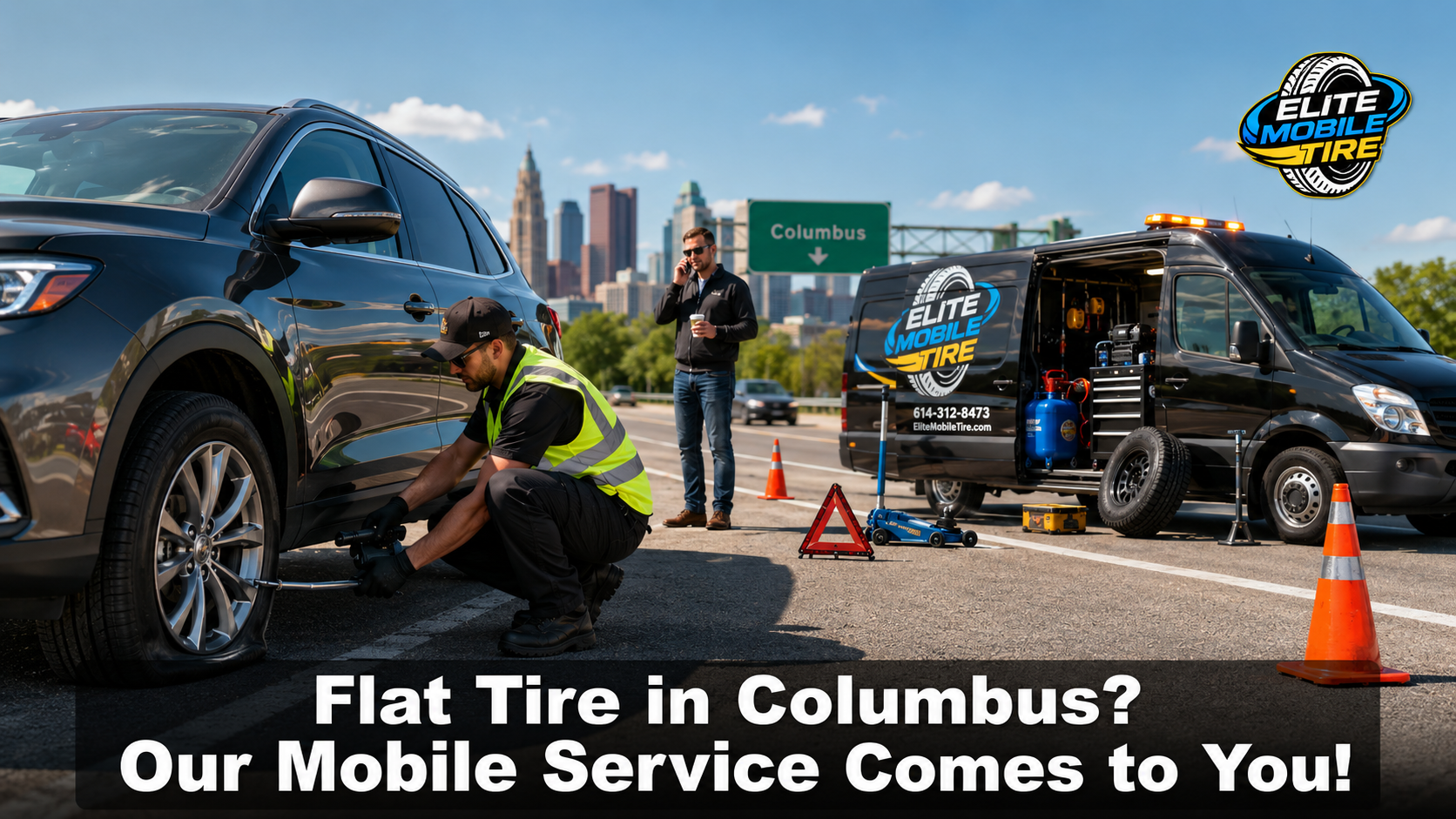
If a tire loses pressure quickly on the road, pull over safely as soon as practical. Driving on a flat can damage the tire beyond repair and may harm the wheel. Roadside assistance, a spare tire change, or mobile tire service can get you out of a stressful situation without taking unnecessary risks.
A Better Option for Families, Commuters, and Fleets
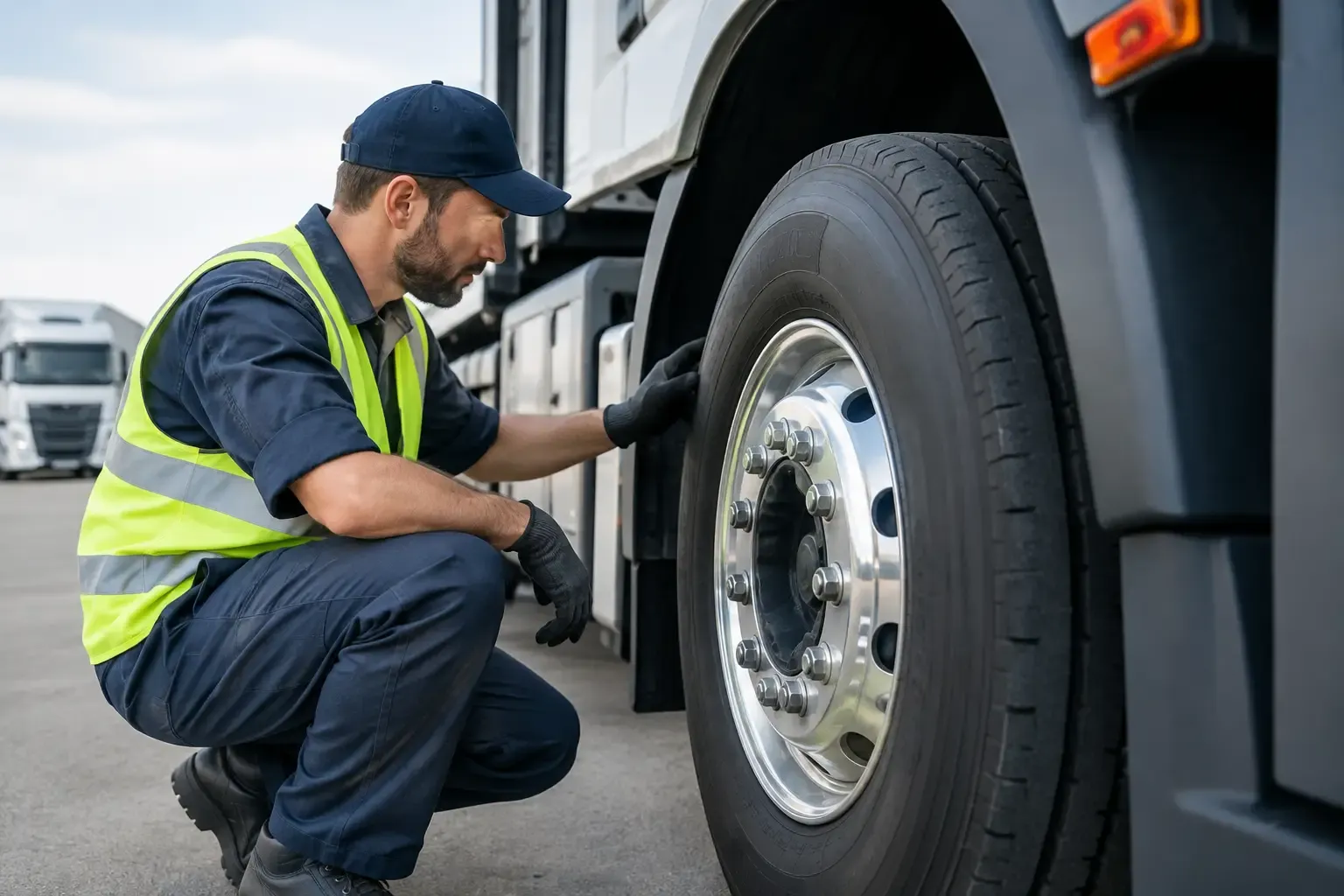
For one vehicle, mobile service removes an errand from a packed week. For a family with multiple vehicles, it can simplify seasonal tire needs and unexpected flat repairs. For commercial vehicles, on-location tire service helps reduce downtime that can disrupt deliveries, appointments, and daily operations.
Elite Mobile Tire is built around that practical advantage: professional tire care delivered where the vehicle is parked. The service is especially useful when a flat tire, worn tread, or failed spare would otherwise leave you coordinating a tow and losing hours of your day.
The right time to schedule tire service is before tread wear becomes an emergency. Check tire pressure monthly, inspect the tread regularly, and respond quickly to vibration, pulling, warning lights, or visible damage. When your tires need attention, having qualified help come to you can keep a routine job from taking over your entire day.
Ready for a new set? Elite Mobile Tire installs 2 or 4 new tires right in your driveway or parking lot anywhere around Columbus, Obetz, Groveport, Grove City, and Reynoldsburg. Financing is available through Afterpay and Acima with up to 24-month payment plans. Call 614-344-5010 or visit elitemobiletire.com to book.