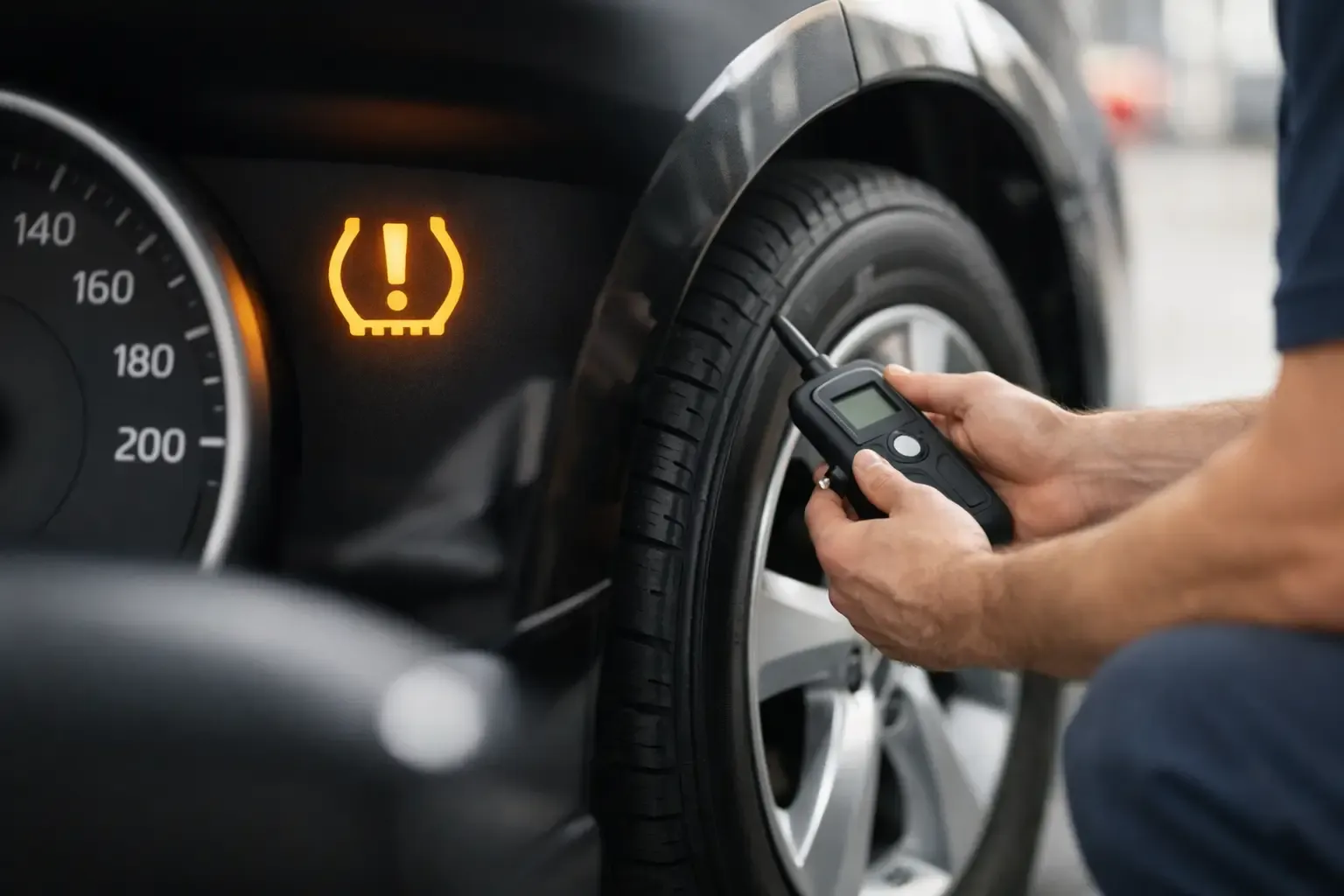
That TPMS warning can be frustrating because sometimes the tires look fine, you add air, and the light still stays on. If you are wondering how to reset TPMS light, the answer depends on why it came on in the first place. A reset can be simple, but it only works when the tire pressures are correct and the system itself is working properly.
TPMS stands for Tire Pressure Monitoring System. Its job is to alert you when one or more tires are significantly underinflated. That matters because low tire pressure affects braking, handling, tread wear, and fuel economy. It can also increase the risk of a blowout, especially during highway driving or major temperature swings.
Before you try to clear the light, treat it as a safety warning, not just a dashboard annoyance. The right reset process starts with checking the tires, not pushing buttons.
How to reset TPMS light step by step
In many vehicles, the TPMS light turns off on its own after you inflate all four tires to the correct pressure and drive for a few minutes. The system needs to see stable, accurate readings before it clears the warning. If one tire is still off by even a few PSI, the light may stay on.
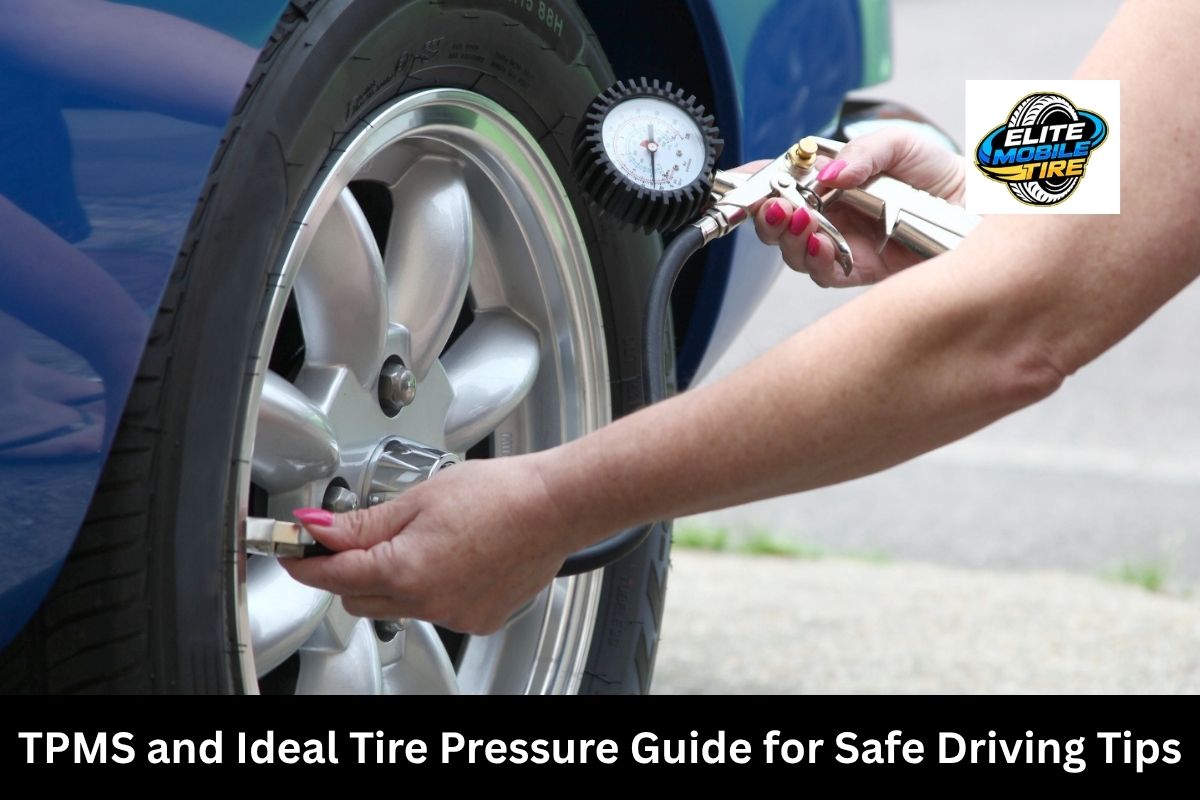
Start by finding the recommended tire pressure on the sticker inside the driver-side door jamb. Use that number, not the maximum PSI printed on the tire sidewall. The sidewall number shows the tire's upper limit, not the proper operating pressure for your vehicle.
Check each tire when the tires are cold, which usually means the car has been parked for at least three hours or driven less than a mile. Inflate or adjust all four tires to the recommended level. If your vehicle monitors the spare tire as part of the TPMS system, check that too.
Once the pressures are set correctly, drive the vehicle at normal road speeds for about 10 to 20 minutes. Many systems will automatically recognize the corrected pressures and turn the warning light off. If that happens, no manual reset is needed.
If the light stays on, your vehicle may have a manual TPMS reset button or a reset option inside the dash menu. On many models, the reset button is located under the steering wheel, in the glove box area, or near the center console. Turn the key to the on position without starting the engine, press and hold the TPMS reset button until the light blinks, then release it. Start the vehicle and give the system time to recalibrate.
Some newer vehicles do not use a physical reset button at all. Instead, the reset or relearn process is handled through the infotainment screen or instrument cluster settings. In that case, go to the tire pressure or vehicle settings menu and follow the prompts for calibration or relearn.
When a TPMS reset will not fix the light
A lot of drivers assume the warning just needs to be cleared. Sometimes that is true. Often, it is not.
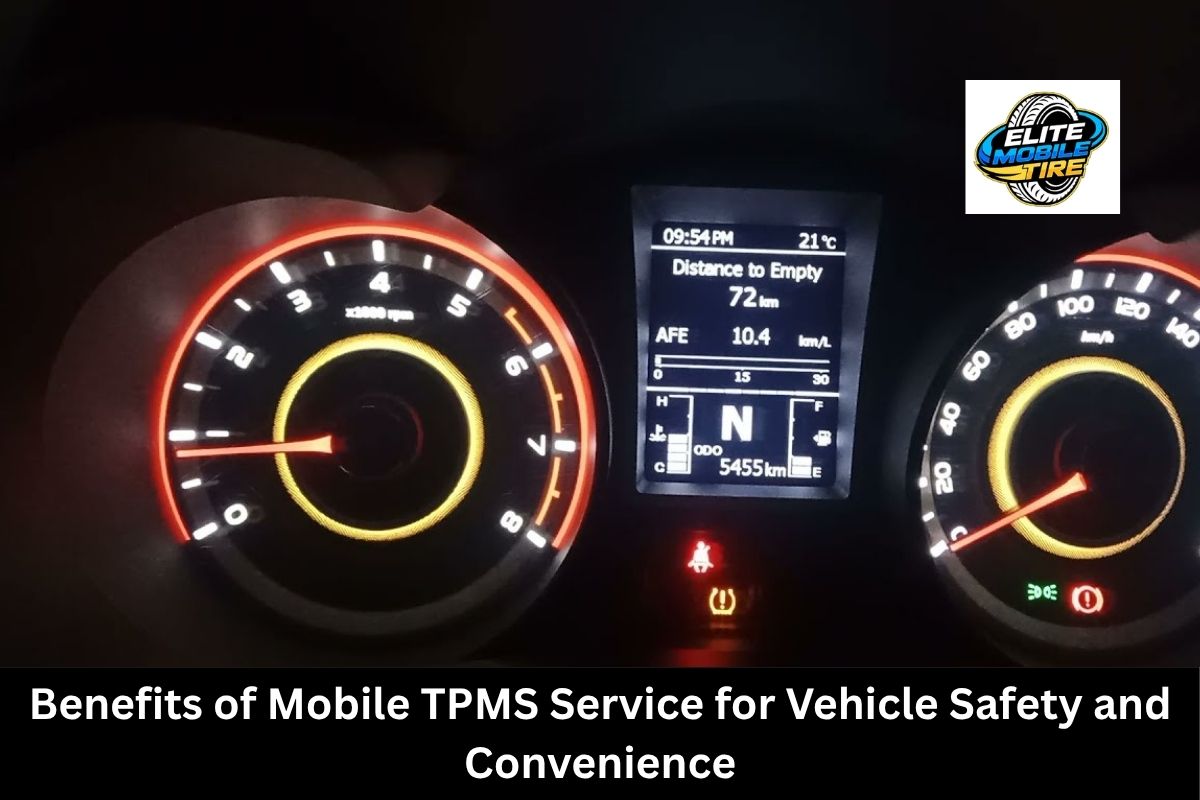
If the light is solid, the most common cause is low pressure in one or more tires. If the light flashes for about a minute and then stays on, that usually points to a system issue such as a failed sensor, a dead sensor battery, or a communication problem.
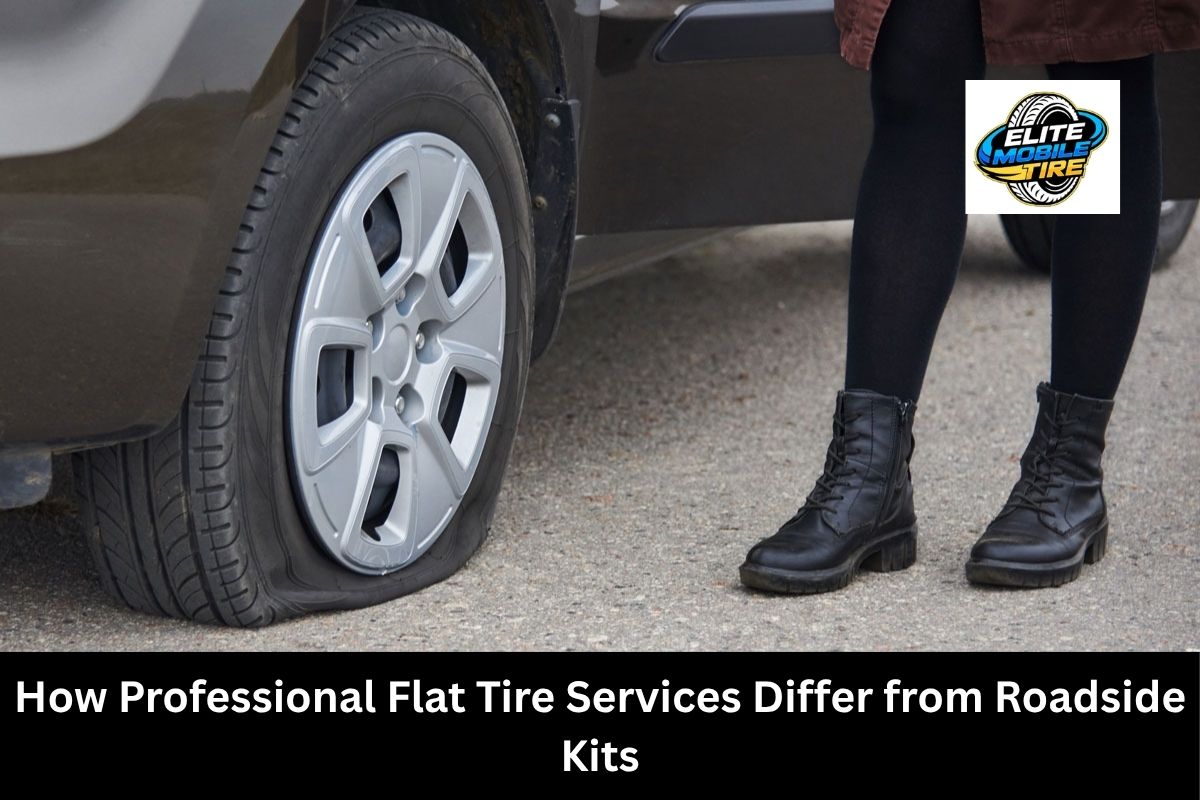
A reset also will not solve a puncture, a damaged valve stem, uneven tire pressure from recent weather changes, or a tire that is losing air slowly. If you fill the tire and the light returns a day or two later, that is a leak problem, not a reset problem.
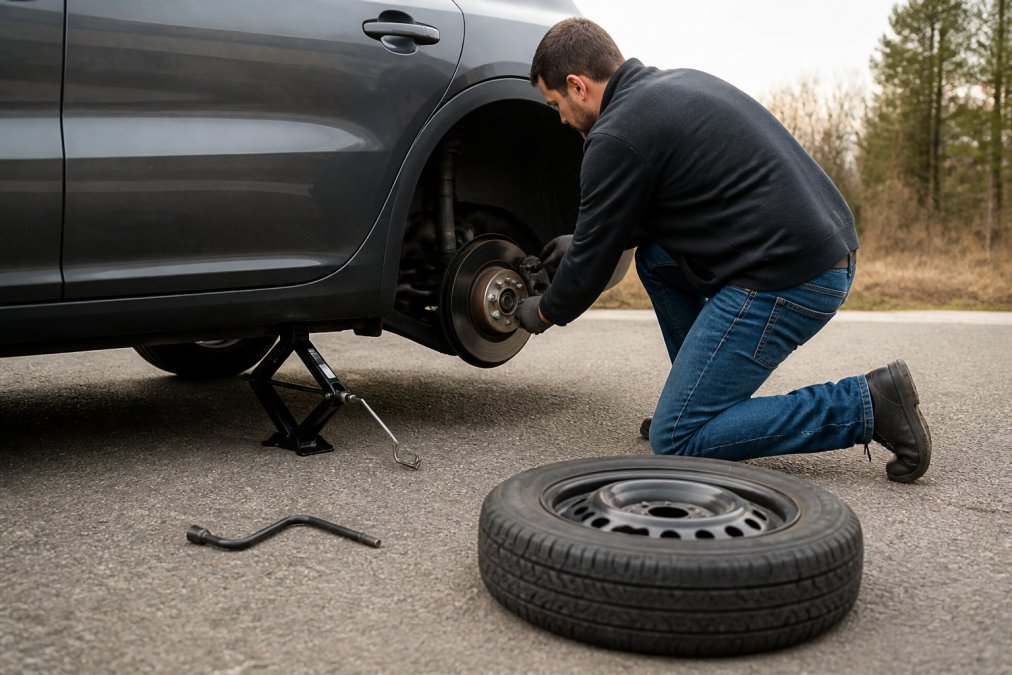
Recent tire service can also trigger the warning. If you had tires replaced, rotated, or repaired, the sensors may need to be relearned in the correct wheel positions. Some vehicles handle that automatically, while others need a scan tool or a specific relearn procedure.
This is where drivers can lose time trying the same reset steps over and over. If the pressures are correct and the light still stays on, the next step is diagnosis.
Why the TPMS light comes on after the weather changes
In Ohio, this happens a lot. A sharp overnight temperature drop can reduce tire pressure enough to trigger the warning even if there is no damage to the tire.
As a general rule, tire pressure drops about 1 PSI for every 10-degree decrease in temperature. That means a tire that was fine last week can be under the recommended range after a cold snap. Once the tires are inflated properly, the light may go off after driving, or it may need a manual reset depending on the vehicle.
The trade-off is that adding air on a warmer afternoon without checking the door sticker can leave you overinflated once temperatures rise again. That is why it is better to set pressures carefully rather than guessing.
How to reset TPMS light after tire rotation or replacement
After a tire rotation, some vehicles need to relearn which sensor belongs at each wheel position. If the car still thinks the front left sensor is now at the rear right, the system can display misleading warnings or keep the light on.
On relearn-capable vehicles, this may happen automatically after driving. On others, a technician needs to trigger each sensor in a specific sequence using a TPMS tool. The same issue can come up after installing new tires, replacing a damaged sensor, or swapping seasonal wheel sets.
If your light came on right after tire service, do not assume the sensor is bad. It may simply need to be registered correctly in the system. That is a common fix, but it is vehicle-specific.
Common mistakes drivers make
The biggest mistake is inflating the tires to the number on the tire sidewall. That number is not your target. The correct pressure is set by the vehicle manufacturer and listed on the door sticker.
Another common issue is checking pressure when the tires are hot after driving. Heat raises PSI, which can give you a false reading. You might think the tires are properly inflated, then wake up the next morning to the warning light again.
Some drivers also ignore the spare tire. On vehicles that monitor the spare, one low spare can keep the TPMS light on even when the four road tires are correct.
Then there is the sensor itself. TPMS sensors have internal batteries, and those batteries do not last forever. If your car is older and the light flashes before staying on, sensor replacement becomes more likely.
When to handle it yourself and when to call for help
If your tires are visibly low after a cold night, or you just topped them off and need the system to update, checking pressure and driving the vehicle may be all it takes. That is the straightforward version of how to reset TPMS light.
If the warning keeps returning, one tire keeps losing air, or the light flashes instead of staying solid, it makes sense to stop troubleshooting by trial and error. At that point, you are likely dealing with a leak, a damaged sensor, or a relearn issue tied to recent tire service.
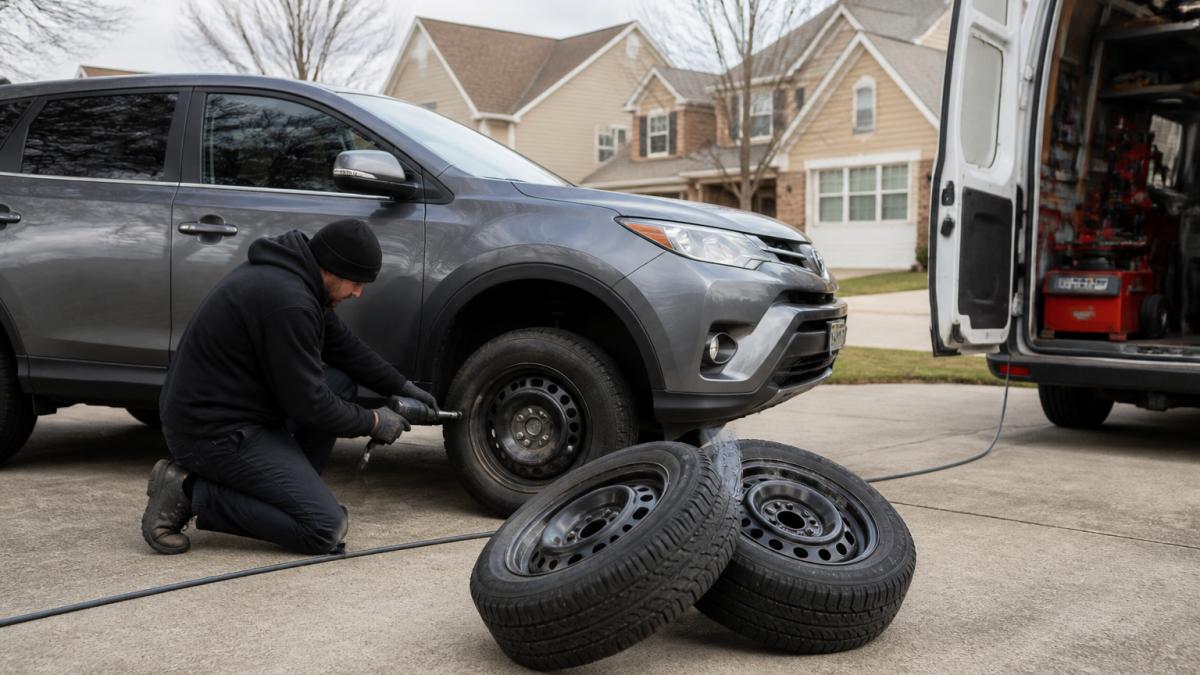
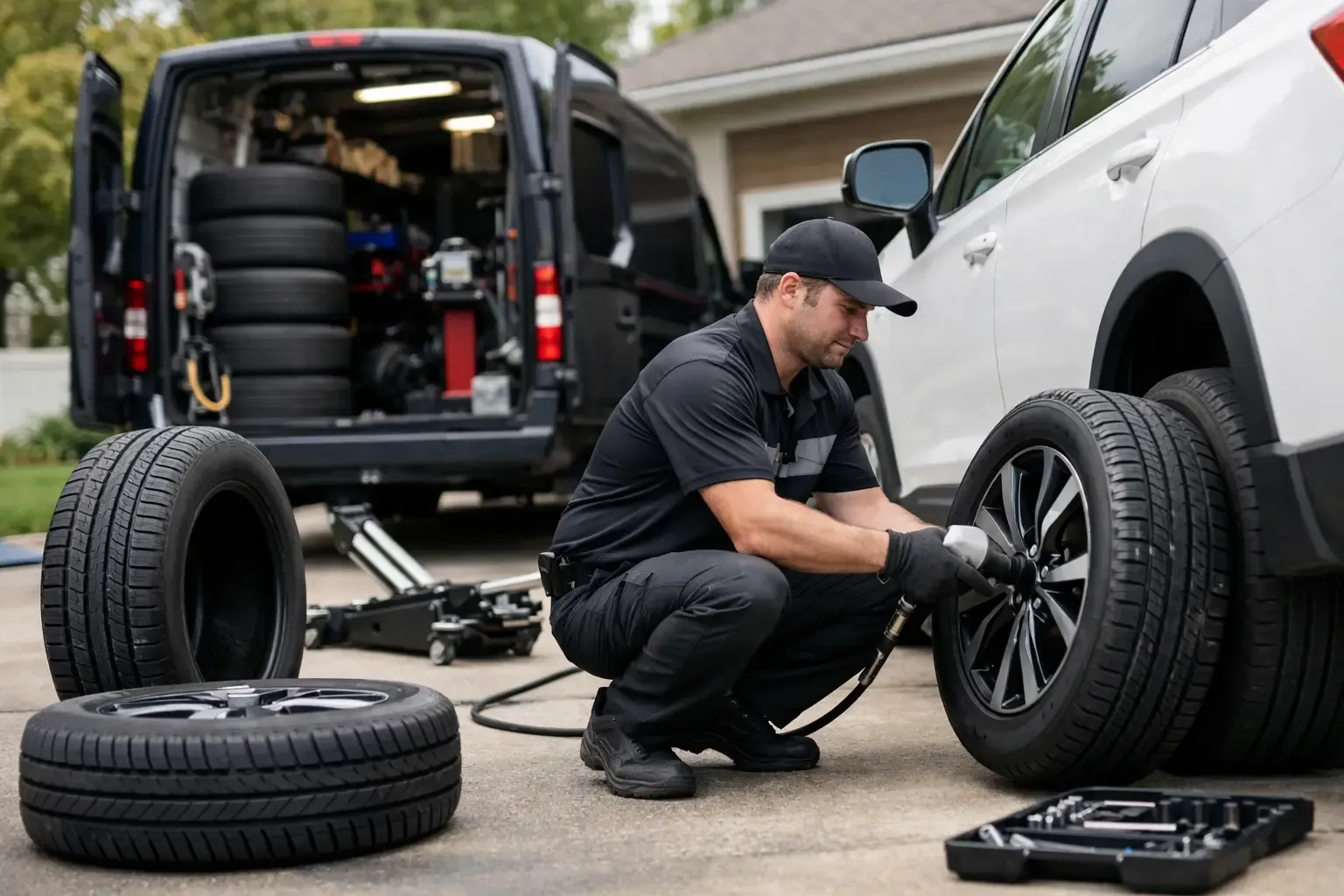
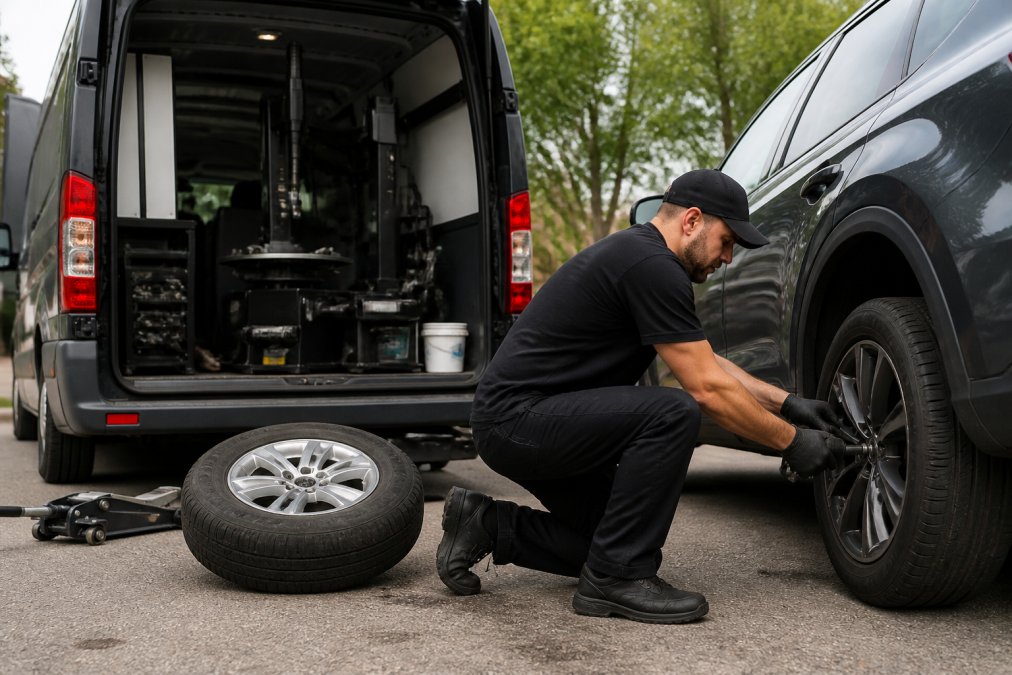
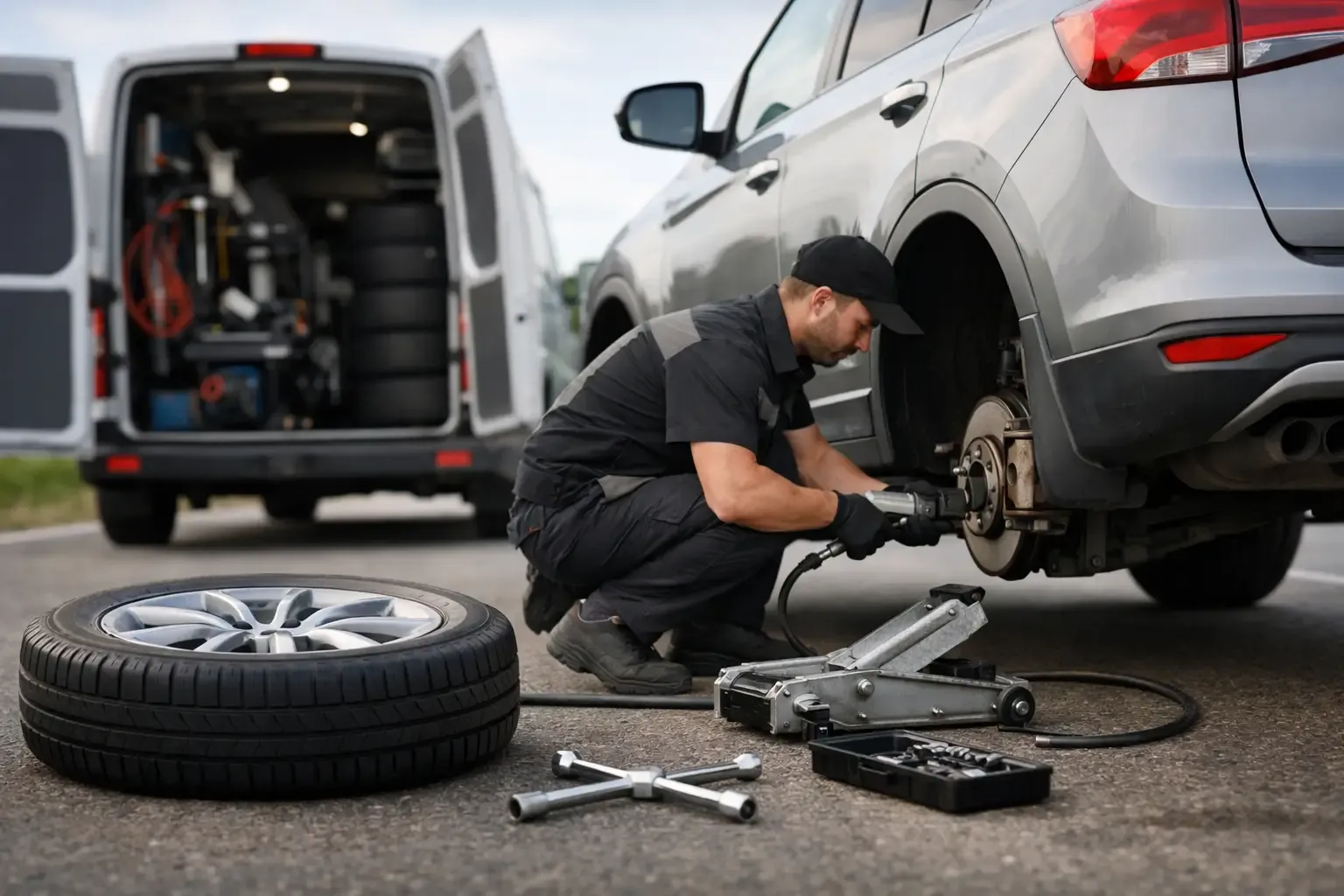
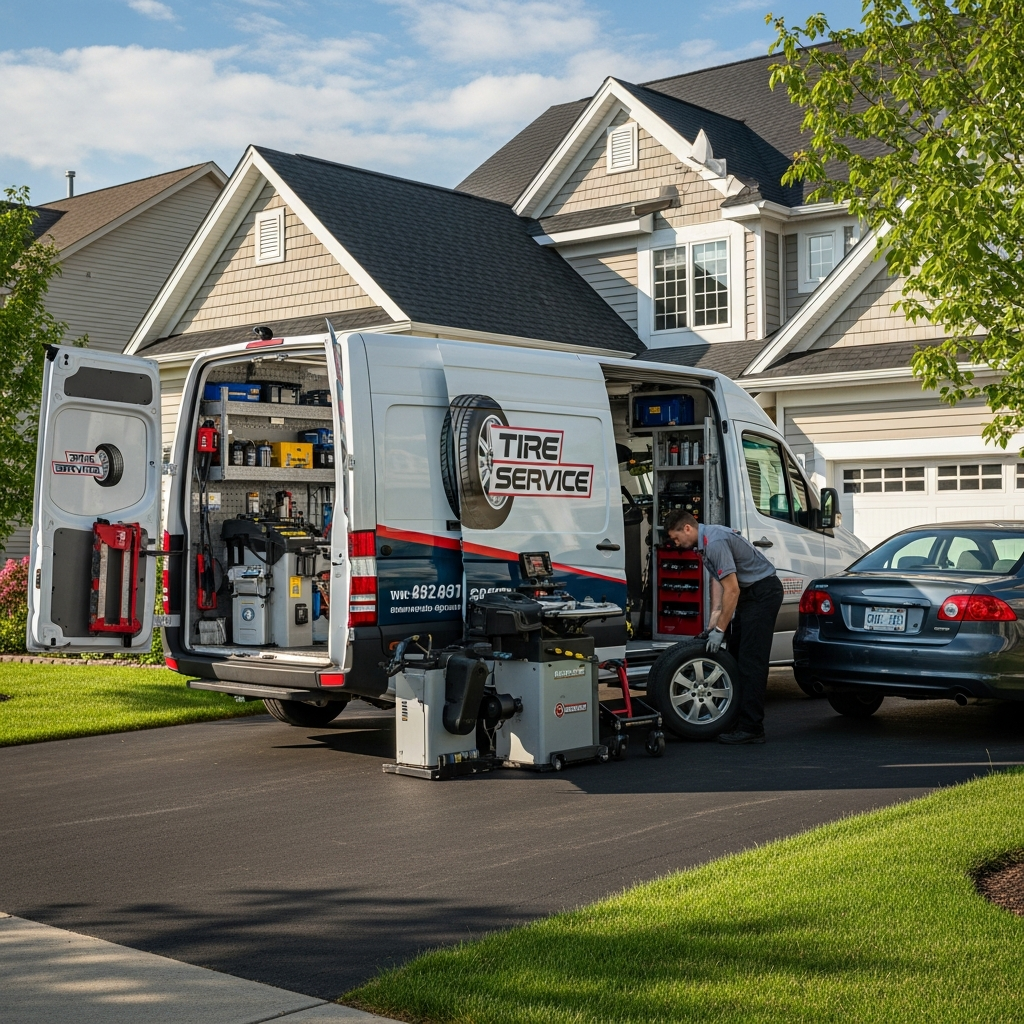
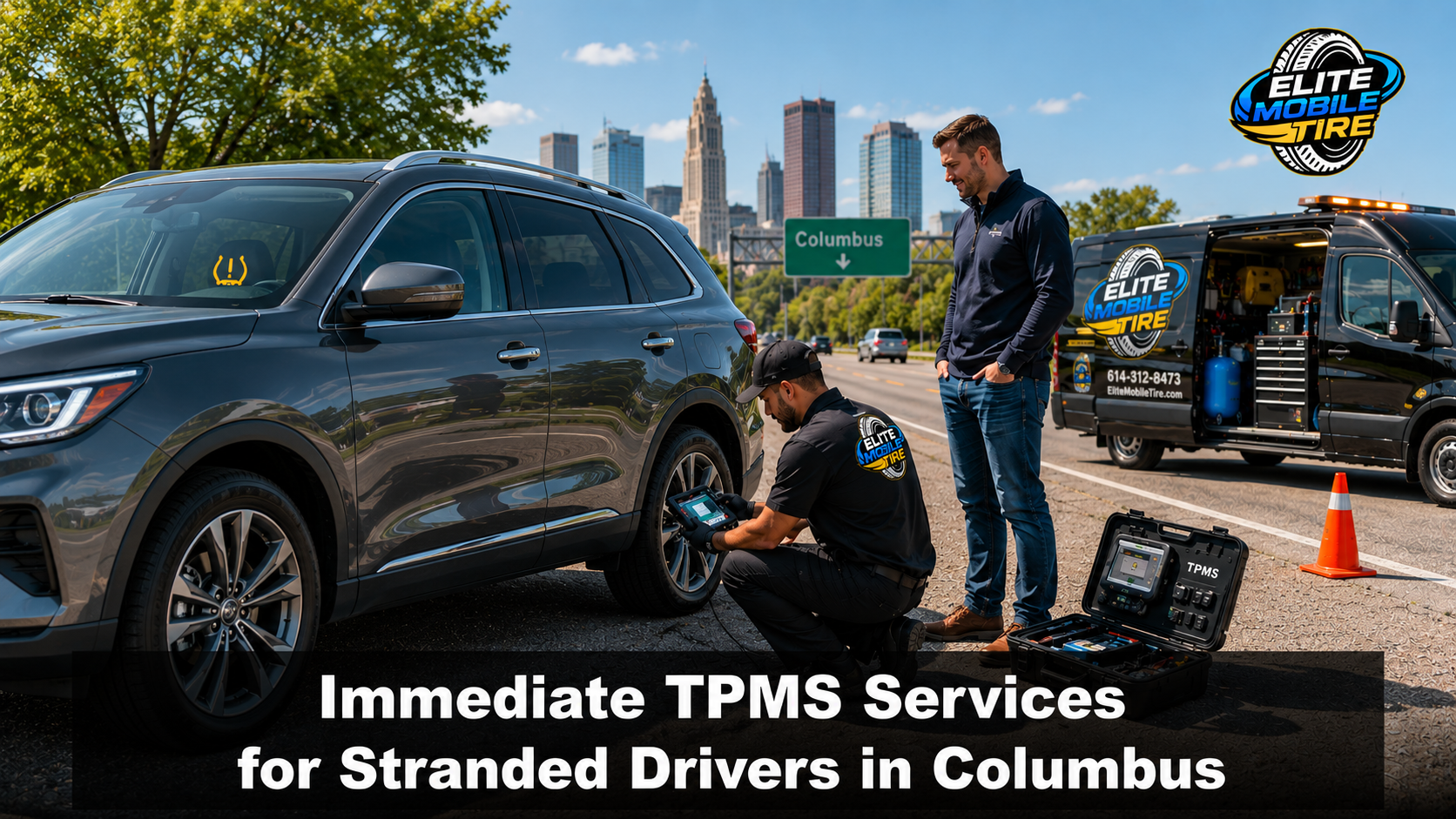
For busy drivers, the real problem is not just the warning light. It is the time lost trying to figure out whether the car is safe to drive, whether the tire is actually losing air, and whether the system needs a reset or repair. Professional mobile tire service can save that time by checking pressure, inspecting the tires, diagnosing the TPMS issue, and handling the reset or relearn at your home, office, or roadside location.
That is especially helpful when the warning comes on before work, during school pickup, or while the vehicle is parked somewhere inconvenient. In Columbus and nearby suburbs, mobile service can often solve the issue without adding another stop to your day.
A few signs the problem is more urgent
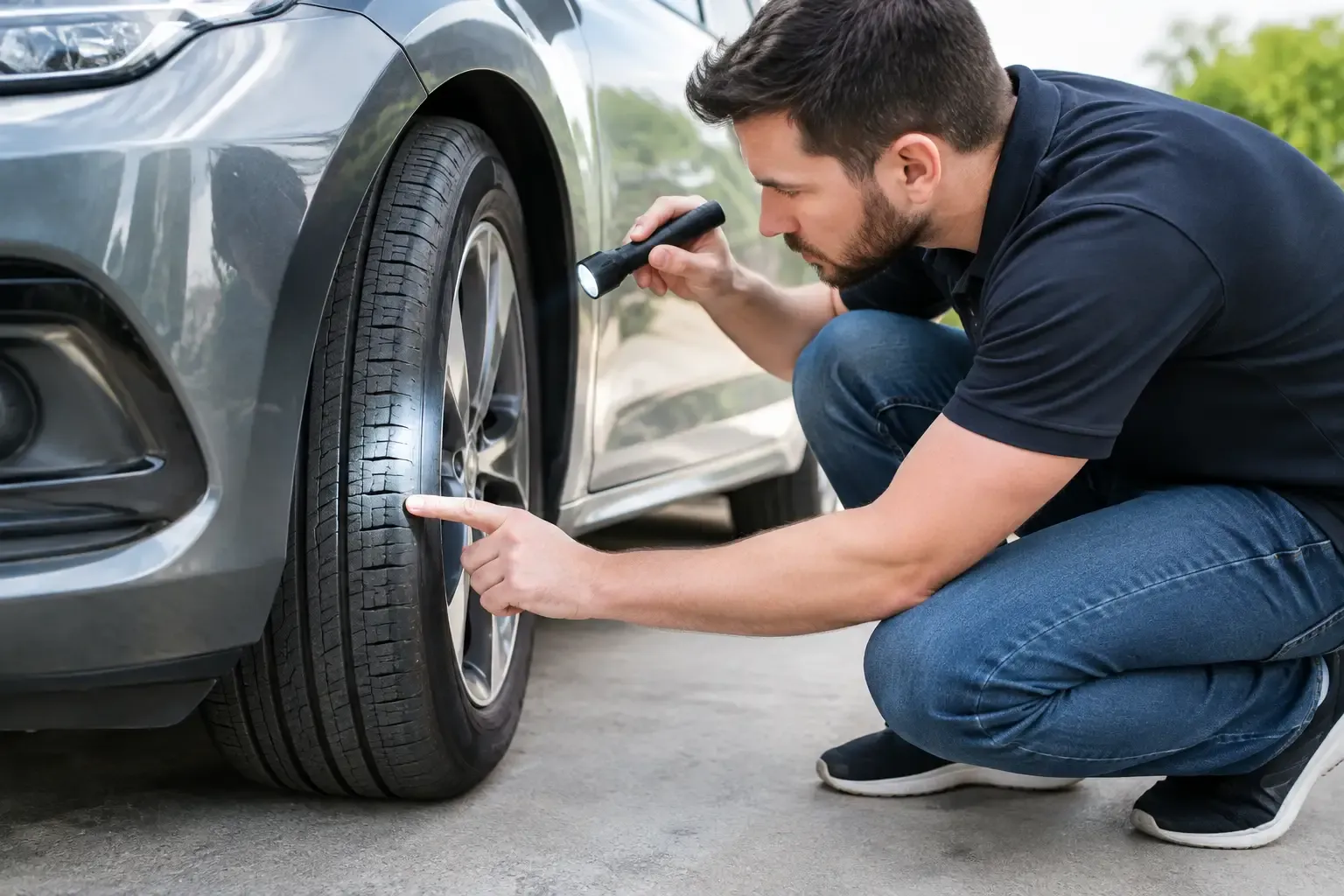
If the TPMS light comes on with a noticeable pull in the steering, a thumping sound, visibly low sidewall, or repeated pressure loss, do not rely on a reset. Those signs point to an actual tire problem that needs immediate attention.
The same goes for a warning that appears right after hitting a pothole. You may have wheel damage, a valve stem issue, or a puncture that is not obvious at a glance. A dashboard light cannot tell you the whole story. It only tells you the system detected something wrong.
A TPMS warning is useful when you respond to it early. If the pressure is low, correct it. If the light stays on, get the system checked. And if you are stuck trying to figure out whether you need air, a repair, or a relearn, the fastest fix is often having a qualified technician come to the vehicle instead of rearranging your whole day around a tire shop visit.
The best reset is the one that happens after the real issue is handled, because that means you can get back on the road with confidence instead of hoping the light stays off.
Ready for a new set? Elite Mobile Tire installs 2 or 4 new tires right in your driveway or parking lot anywhere around Columbus, Obetz, Groveport, Grove City, and Reynoldsburg. Financing is available through Afterpay and Acima with up to 24-month payment plans. Call 614-344-5010 or visit elitemobiletire.com to book.