
Quick Summary
Winter tire storage in a small garage works best when you move the set off the floor and against a side wall, either upright on a rolling rack or flat on a shelf rated for the load. Measure your wall length, ceiling height and door clearance before buying hardware, and keep tires dry, shaded and off bare concrete.
Why Small-Garage Tire Storage Goes Wrong
Winter tire storage for limited garage space fails for one simple reason: most drivers treat it as a stacking problem when it is really a planning problem.
The fix is not a bigger garage. It is choosing the right method for the space you have and protecting the rubber while it sits. Below, we will walk through how to store tires in a small garage, compare the storage options honestly, and explain when storing a set stops making sense at all.
How to Store Tires in a Small Garage Without Losing Your Parking Spot
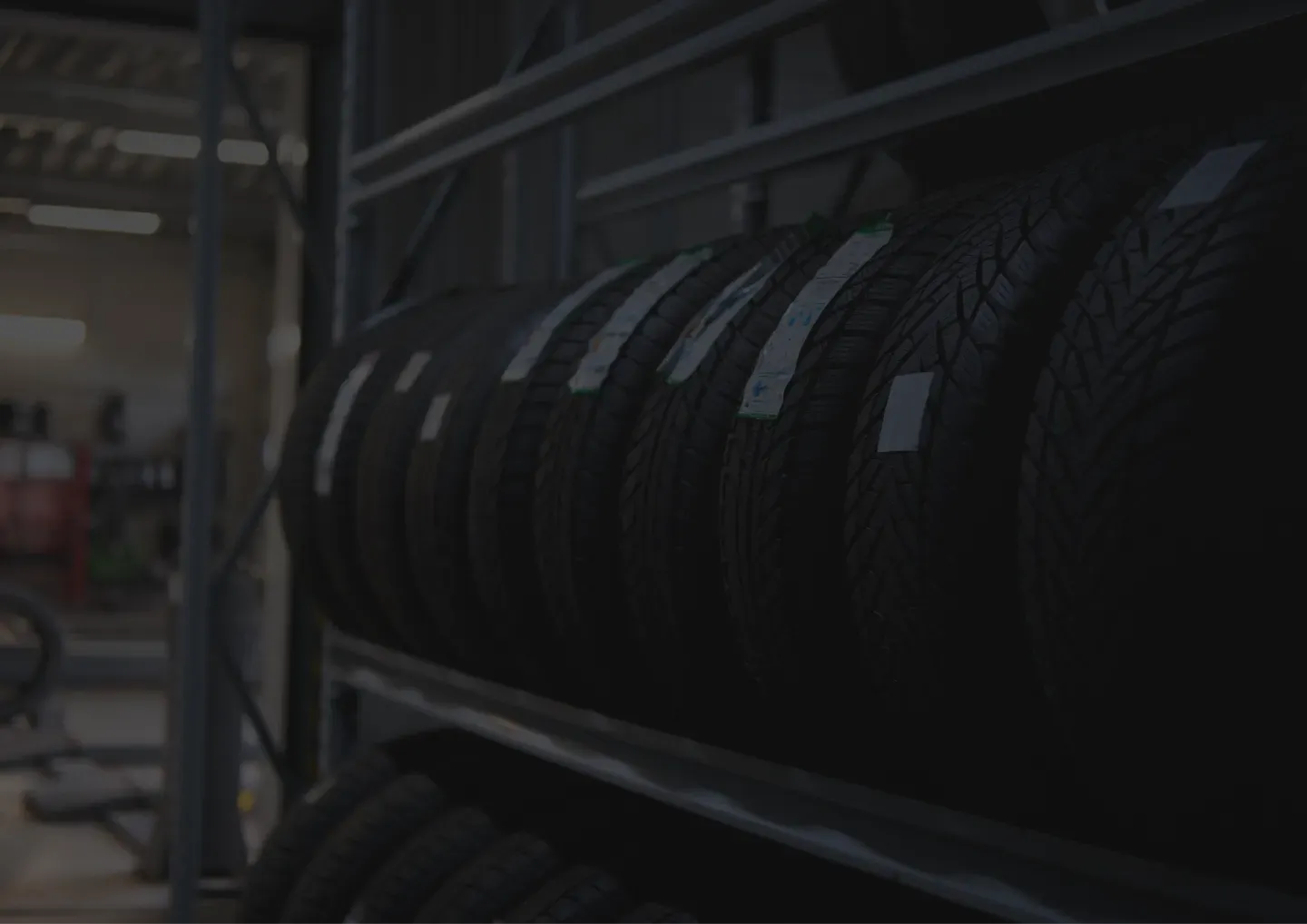
The best way to store tires in a small garage is to move them off the floor and against a wall, either upright on a rolling rack or flat on a shelf rated for the load. Floor space is the scarcest resource in a one-car or two-car garage, and tires stored on the ground almost always end up in the walking path.
Do the Footprint Math First
Passenger-car and SUV winter tires are bulky, and a set of four takes up more room than most people expect. Stacked flat, a set can stand taller than people picture, and stored upright side by side on a rack it still needs a meaningful wall run. Measuring the space first is the difference between losing a corner of the garage and losing the spot where the car actually parks.
Measure three things before you shop:
- Wall length you are willing to dedicate, end to end, including room for the rack's frame.
- Ceiling height above the parked car, most garage doors and openers leave 12 to 18 inches of usable headroom, which is enough for a low wall rack but not a ceiling hoist in a standard-height garage.
- Depth from wall to garage door track, you need the full swing of the door plus a walking path, so keep the rack shallow and mount it on a side wall rather than the wall the door rolls up against.
A quick rule of thumb: if the rack plus the parked car plus a 24-inch walking aisle does not fit across the garage width, go vertical on a side wall or switch to a rolling dolly you can tuck under a shelf.
Pick Upright, Flat, or Hanging
Three positions work in a tight garage. Upright on a rack keeps tires round and saves the most floor space. Flat stacking works on heavy-duty shelving but puts weight on the sidewalls. Hanging from a wall-mounted bar frees the floor completely but requires solid framing behind the mount. Whichever you pick, keep tires away from the garage door opening, where sunlight and moisture do the most damage.
The Renter and HOA Angle
A lot of people searching for small-garage storage are renters or live under HOA rules that forbid drilling into garage walls. If that is you, skip the wall rack entirely and use a freestanding vertical rack or a rolling dolly with a cover. These hold four tires upright, roll out of the way when the car comes in, and leave no holes to patch at move-out.
Midwest Climate Reality Check
A Columbus garage is not a climate-controlled warehouse. Summer humidity and winter freeze-thaw cycles push moisture into rubber, and a garage that faces the afternoon sun bakes the tires through a single-pane door. Keep the set off bare concrete, out of direct sun from the door or windows, and away from any space heater or chemical shelf. A breathable cover helps with dust and light without trapping condensation.
Racks, Wall Mounts, Dollies, and Totes Compared
Each storage method trades floor space against effort, and the right pick depends on how often you swap wheels. Here is how they stack up for a small garage.
Method | Floor Space Used | Best For | Main Drawback
Wall-mounted rack | None | Two-car garages with free wall | Needs solid studs and mounting hardware
Rolling dolly | Small, movable | Renters and shared garages | Still occupies floor when parked
Stacked shelving | Moderate | Sets stored flat for months | Weight on sidewalls if overloaded
Tire totes or bags | Small, stackable | Dust and light protection | No structural support
A wall-mounted tire rack wins on space efficiency, provided you anchor it into studs and respect its load capacity. For a deeper look at covers versus bags, see our comparison of tire storage bags versus covers.
Winter Tire Storage for Limited Garage Space DIY: Building It Yourself
A DIY winter tire storage for limited garage space setup is realistic for most homeowners, and a basic wall rack is a weekend project. You need two horizontal support arms, lag bolts long enough to bite into studs, and a rack rated for the combined weight of four wheels. Prefabricated steel racks cost less hassle than lumber and come with the mounting hardware.
Know the Load Before You Drill
A mounted winter tire and wheel can be quite heavy, so a full set of four adds up quickly, and that is before you add the rack's own weight. That load hangs over your car, so the wall has to carry it, not the drywall. Standard wood-frame garage walls have studs spaced 16 or 24 inches on center, and a rack that spans two studs distributes the load far better than one bolted to a single stud. If you cannot find studs with a stud finder, stop and use a freestanding rack or a dolly instead.
Safety and Structural Checks Before You Load a Rack
- Confirm the mount spans at least two wall studs, never drywall alone
- Use lag bolts long enough to reach the stud's center, not just the surface
- Check the rack's load capacity against the weight of four mounted tires plus the rack itself
Watch out: hanging a loaded rack from drywall anchors alone is a risky setup, and a falling set of wheels can damage a car or a person. If the wall is masonry, brick, or you cannot locate studs, use a freestanding rack or a dolly instead. Renters and HOA members should check whether wall mounts are permitted before drilling, and anyone in an older Columbus or Groveport garage should look for water damage or soft framing before trusting a wall with 250 pounds of rubber.
DIY vs. Prefab: An Honest Trade-Off
A lumber rack you build yourself can be cheaper in materials and sized exactly to your wall, but you own the engineering, the load rating, the fastener choice, and the failure mode. A prefabricated steel rack arrives with a stated capacity and mounting hardware, which makes it a practical choice for anyone who is not comfortable reading a stud finder and a load label.
When DIY Is the Wrong Call
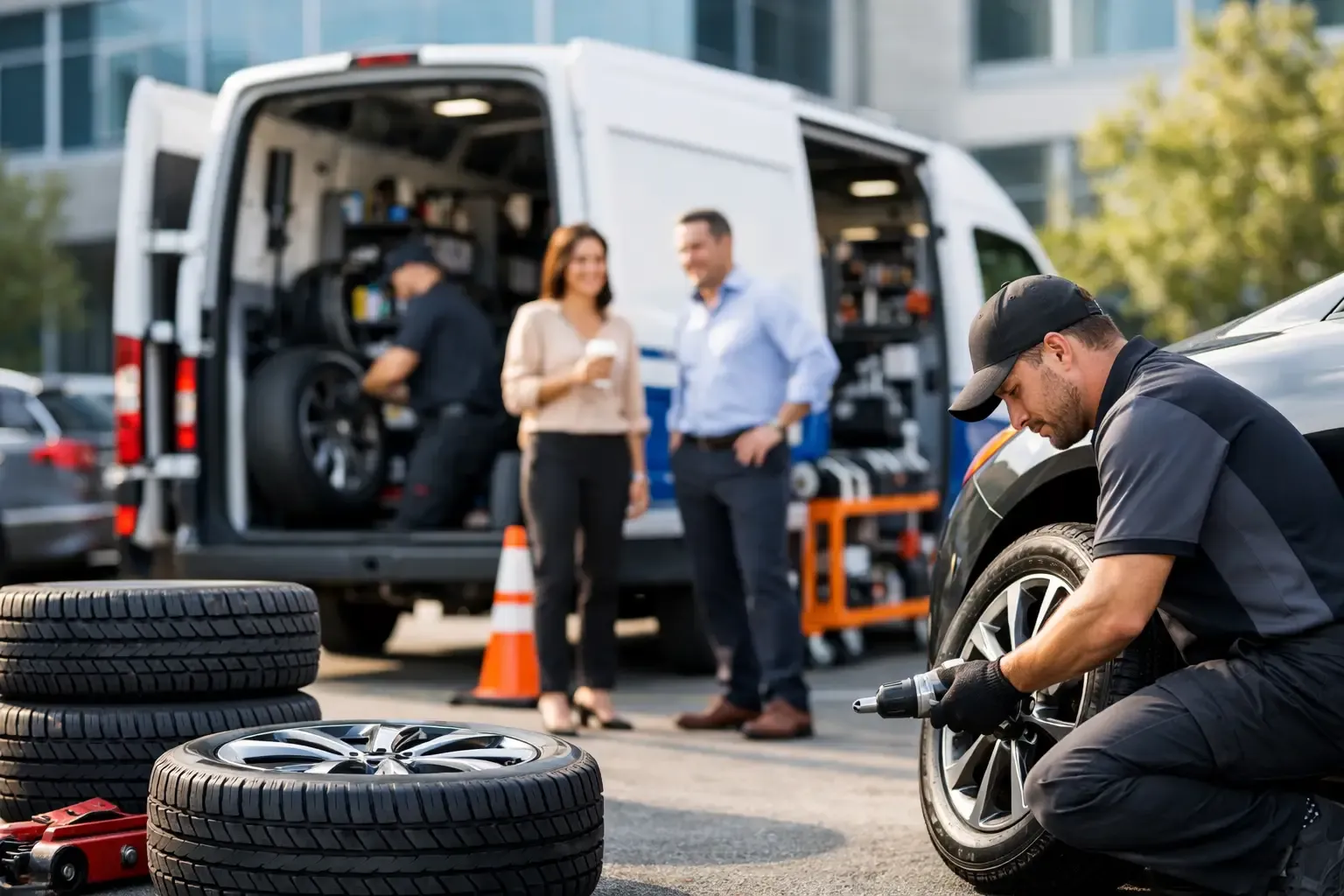
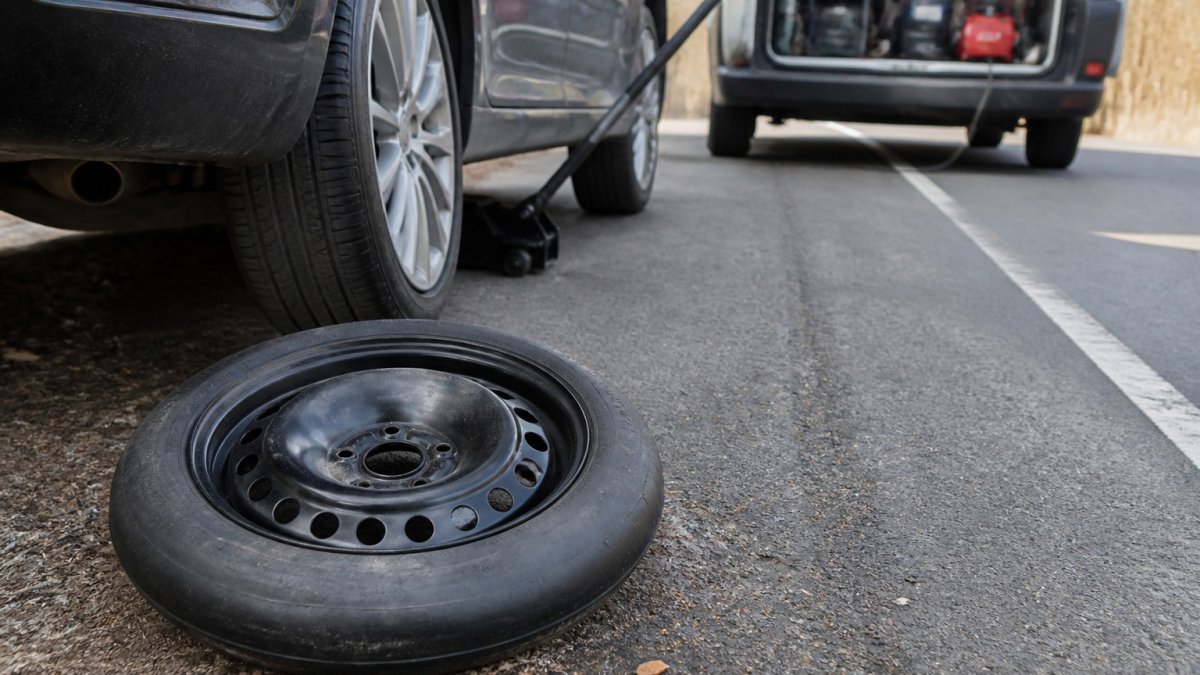
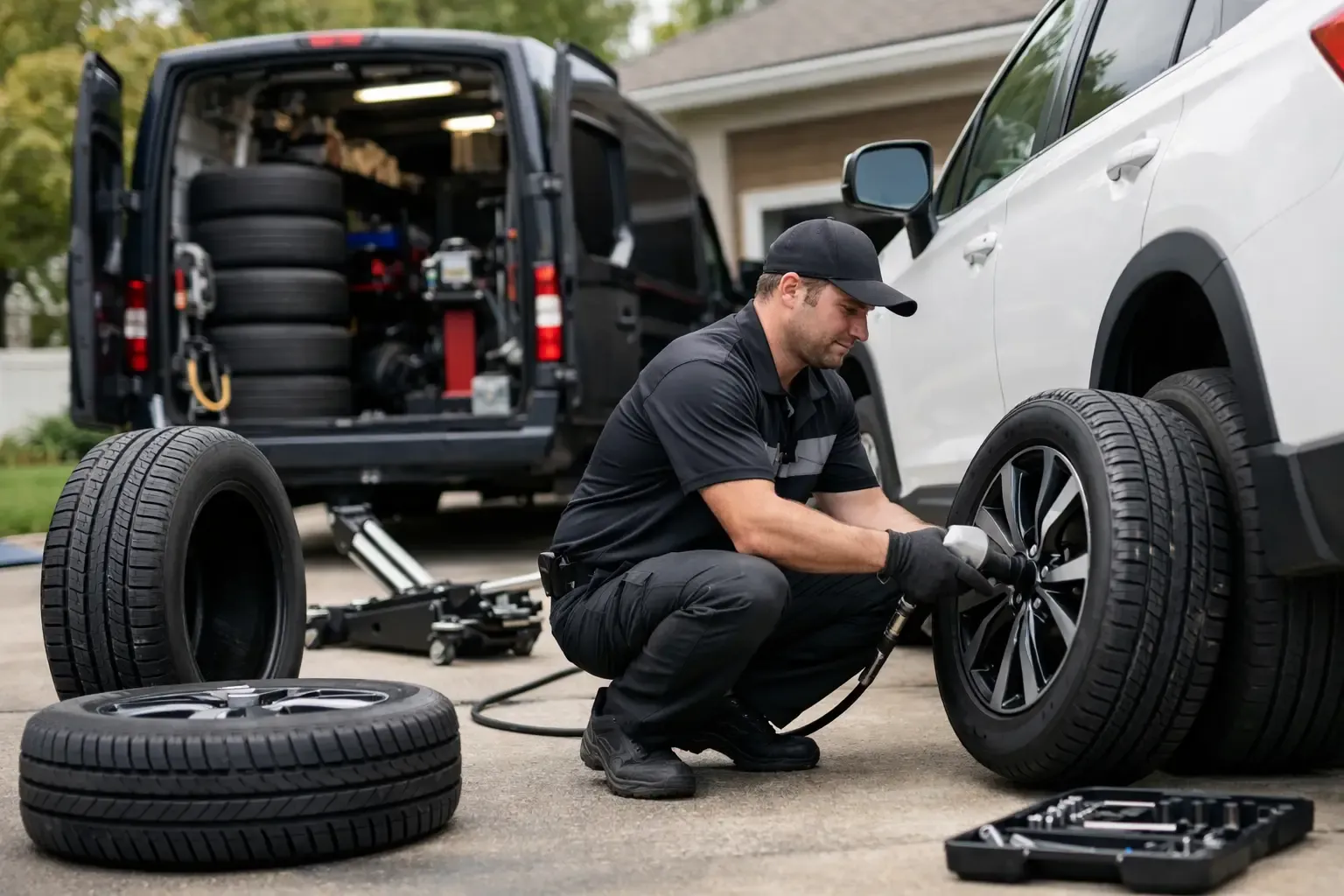
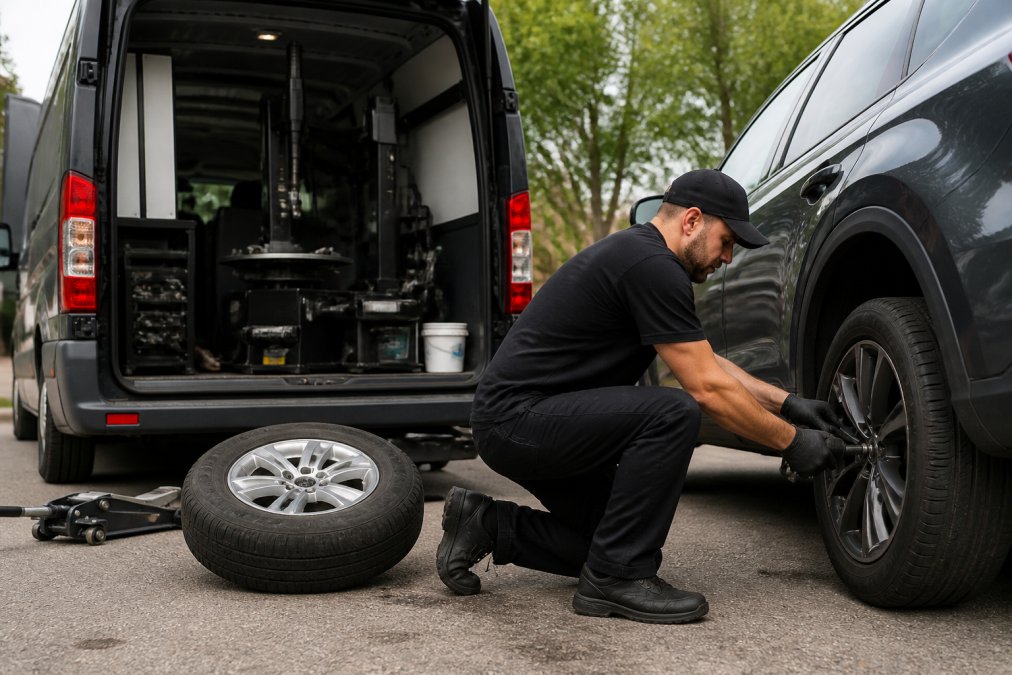
If your garage is shared, rented, masonry-walled, or already packed to the door track, a wall rack is not the answer. A rolling dolly or a freestanding vertical rack gives you the same off-the-floor protection without touching the structure. And if the seasonal swap itself is the hassle, not the storage, a mobile crew can mount, balance, and check all four tires at your driveway, with balancing around $50 per tire and financing through Afterpay and Acima available for a full set. You can also shop tires online with mobile install and have the set brought straight to your door.
Winter Tire Storage in an Unheated Garage: What the Cold Does
An unheated garage is fine for winter tire storage as long as the tires stay dry, shaded, and off bare concrete. Cold alone does not ruin tires. The real enemies are sunlight, ozone, and moisture, which speed up rubber oxidation and dry rot over months of sitting.
Midwest temperature swings matter here. A Columbus garage that thaws and refreezes pulls moisture into the rubber and can leave tires damp for weeks.
How to Store Tires With Rims So They Go Back On Clean
Tires mounted on rims need a little more care because the wheel itself can corrode. Clean each wheel with mild soap and water, dry it fully, and check the tire pressure before storage. Many manufacturers recommend a specific storage pressure, so check your owner's manual or door-jamb sticker for the spec.
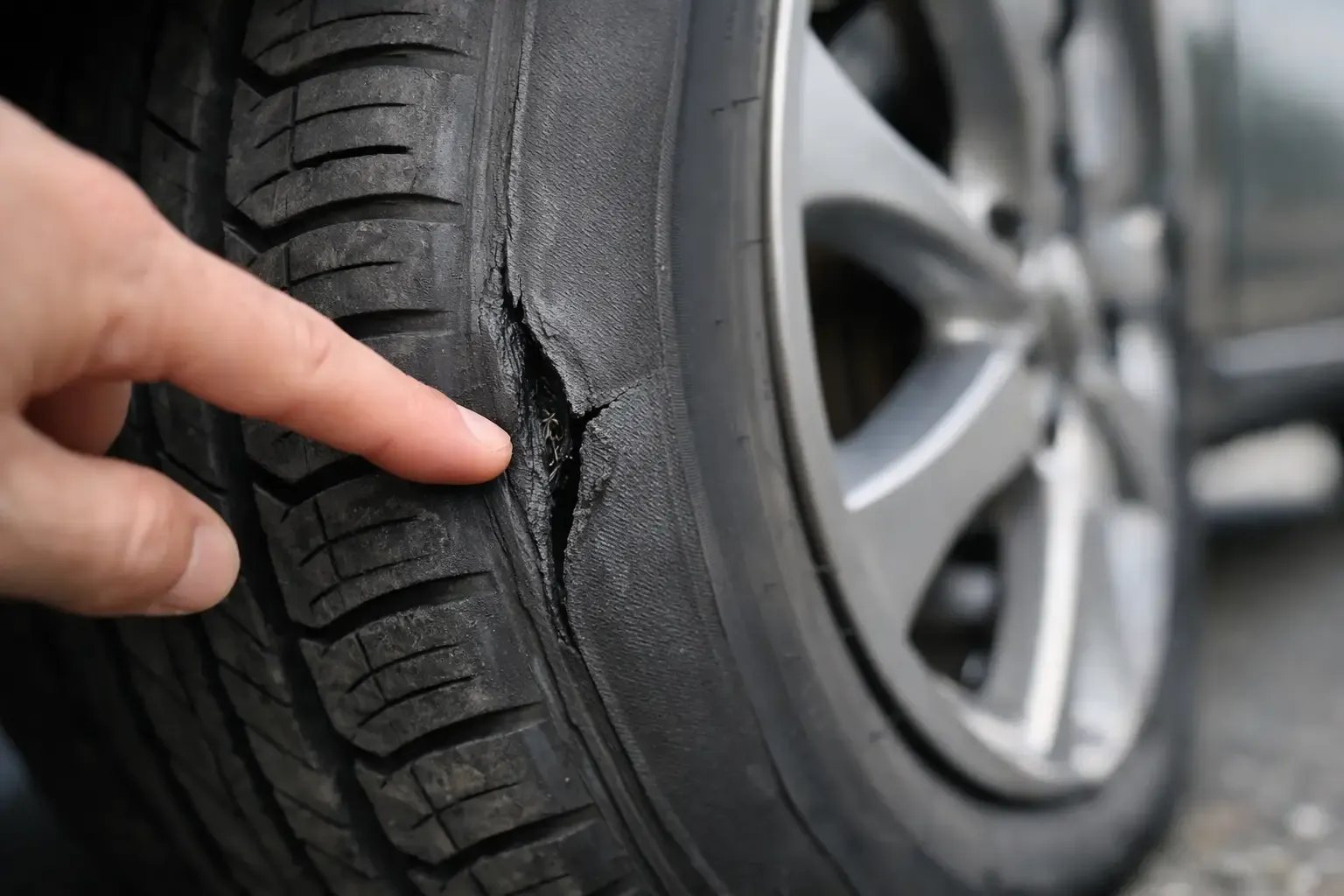
Store rim-mounted tires upright or hanging, never flat-stacked under heavy loads, and mark each one with its position so rotation stays consistent. If one tire shows a gash or uneven wear, the others deserve a look too, which is why our techs check all four tires on every job, and a TPMS sensor check and replacement at the same time catches sensors that sat idle all season.
When Storing a Set Stops Making Sense
Storage makes sense when you have the wall space, the set stays dry, and you plan to keep the vehicle for years.
Tread depth matching is the reason. Many manufacturers recommend keeping all four tires within a close tread depth of each other on AWD vehicles, since mismatched tires can strain the drivetrain. Our guide to seasonal tire changes covers timing and process in more detail.
Book Your Seasonal Tire Swap at Your Driveway
If storage has become more work than it is worth, the simplest answer is to stop storing tires and let a mobile crew handle the swap where you park. Read how mobile tire service replaces tires at home, or go straight to mobile tire service in Columbus to schedule. For off-season storage tips in the meantime, our guide on storing winter tires off season goes deeper.
A cramped garage does not have to mean damaged tires or a lost parking spot. Measure first, get the set off the floor, and protect the rubber from light and moisture. When the swap itself becomes the chore, call Elite Mobile Tire at 614-344-5010 or book online at elitemobiletire.com and we will bring the service to your driveway, any time of day or night, checking all four tires before we leave.
Frequently Asked Questions
Is it okay to store winter tires in an unheated garage?
Yes, in most cases. Cold itself does not ruin a winter tire, and many manufacturers expect winter tires to live in cold conditions. The bigger threats in an unheated garage are sunlight through a window, ozone from equipment, and damp concrete pulling moisture into the rubber. Keep tires off the floor, bag them or cover them, and keep them away from a garage door that lets in direct sun. If your garage floods or stays wet, raise the tires on a rack or dolly rather than stacking them on the slab.
Should winter tires be stored flat or upright?
It depends on whether they are mounted. Tires on rims should stand upright, because stacking them flat for months puts weight on the sidewall and can distort it. Bare tires without rims store better stacked flat, since an upright bare tire tends to slump. Whichever way you go, keep them off bare concrete, out of direct sun, and away from solvents or a running compressor. Mark each tire so it goes back on the same corner.
How do I store tires with rims without damaging them?
Clean them first, let them dry completely, then stand them upright on a rack or dolly. Deflate them slightly from full pressure, bag them if the garage is dusty, and note the position of each wheel so the set goes back on the same corners. Rims with TPMS sensors should be handled carefully, since a hard drop can damage a sensor. If a sensor was reading oddly before storage, have it checked when the set goes back on.
Can I just have my tires swapped at home instead of storing a second set?
That is often the better call when floor space is tight. A mobile service can mount and balance a set at your home, office, or job site, so you are not giving up a corner of the garage for eight months. Mobile tire balancing at Elite Mobile Tire runs around $50 per tire, and financing through Afterpay and Acima is available on a full set. Call 614-344-5010 or book at elitemobiletire.com to schedule.
Ready for a new set? Elite Mobile Tire is open 24/7 and installs 2 or 4 new tires right in your driveway or parking lot anywhere around Columbus, Obetz, Groveport, Grove City, and Reynoldsburg. Financing is available through Afterpay and Acima with up to 24-month payment plans. Call 614-344-5010 or visit elitemobiletire.com to book.