
A vehicle that ran perfectly on Friday but will not start on Monday is more than an inconvenience. When a car battery dies after sitting, the cause may be normal battery aging, a hidden electrical drain, a charging-system problem, or even the way the vehicle is being used. The right fix depends on what is draining the power - and guessing can leave you stranded again.
For Columbus-area drivers, this problem is especially common after a cold snap, a vacation, a work-from-home stretch, or several short trips that never give the battery time to recharge. Here is how to understand the issue, respond safely, and decide when it is time for professional help.
Why a Car Battery Dies After Sitting
A healthy, fully charged car battery should generally hold enough power to start the vehicle after sitting for a week or two. Some modern vehicles may use enough background power to shorten that window, but a battery that repeatedly goes dead overnight or after only a few days needs attention.
The most common explanation is battery age. Most automotive batteries last about three to five years, although extreme temperatures, short-trip driving, and charging issues can reduce that lifespan. As a battery ages, it loses its ability to store energy. It may show enough voltage to power interior lights, yet not have the cold-cranking power required to turn the engine over.
A weak battery is often exposed during winter. Cold weather slows the chemical reaction inside the battery while making the engine harder to crank. That is why a battery that seemed acceptable in mild weather can suddenly fail on a cold Ohio morning.
Short Trips Can Leave the Battery Undercharged
Starting a vehicle takes a significant burst of battery power. The alternator replaces that energy once the engine is running, but a quick five-minute drive may not fully replenish it, particularly if headlights, heat, rear defrosters, heated seats, phone chargers, and other accessories are operating.
If most of your driving consists of short commutes, school drop-offs, and errands, the battery can gradually lose its charge even though the vehicle is driven regularly. This is not necessarily a bad alternator. It can simply mean the battery is not getting enough run time to recover.
Parasitic Drain Can Empty a Good Battery
Every vehicle uses a small amount of electricity when parked. The clock, security system, computer memory, and keyless-entry system all need standby power. This normal draw is usually low enough that a healthy battery can handle it for an extended period.
A parasitic drain occurs when something continues drawing more power than it should after the vehicle is shut off. Common sources include a glove box, trunk, or vanity light that stays on; an accessory plugged into a power outlet; an aftermarket remote starter or stereo; a malfunctioning module; or a door that does not fully latch.
This type of issue often has a clear pattern. If your battery is dead after one night, but it starts normally when driven every day, an excessive electrical draw becomes more likely. Finding it may require a technician to test the vehicle's key-off electrical draw and isolate the circuit responsible.
The Alternator May Not Be Recharging It
The alternator charges the battery while the engine runs and supplies power to the vehicle's electrical systems. If it is weak or failing, the battery may be doing more work than it should. Eventually, it becomes depleted.
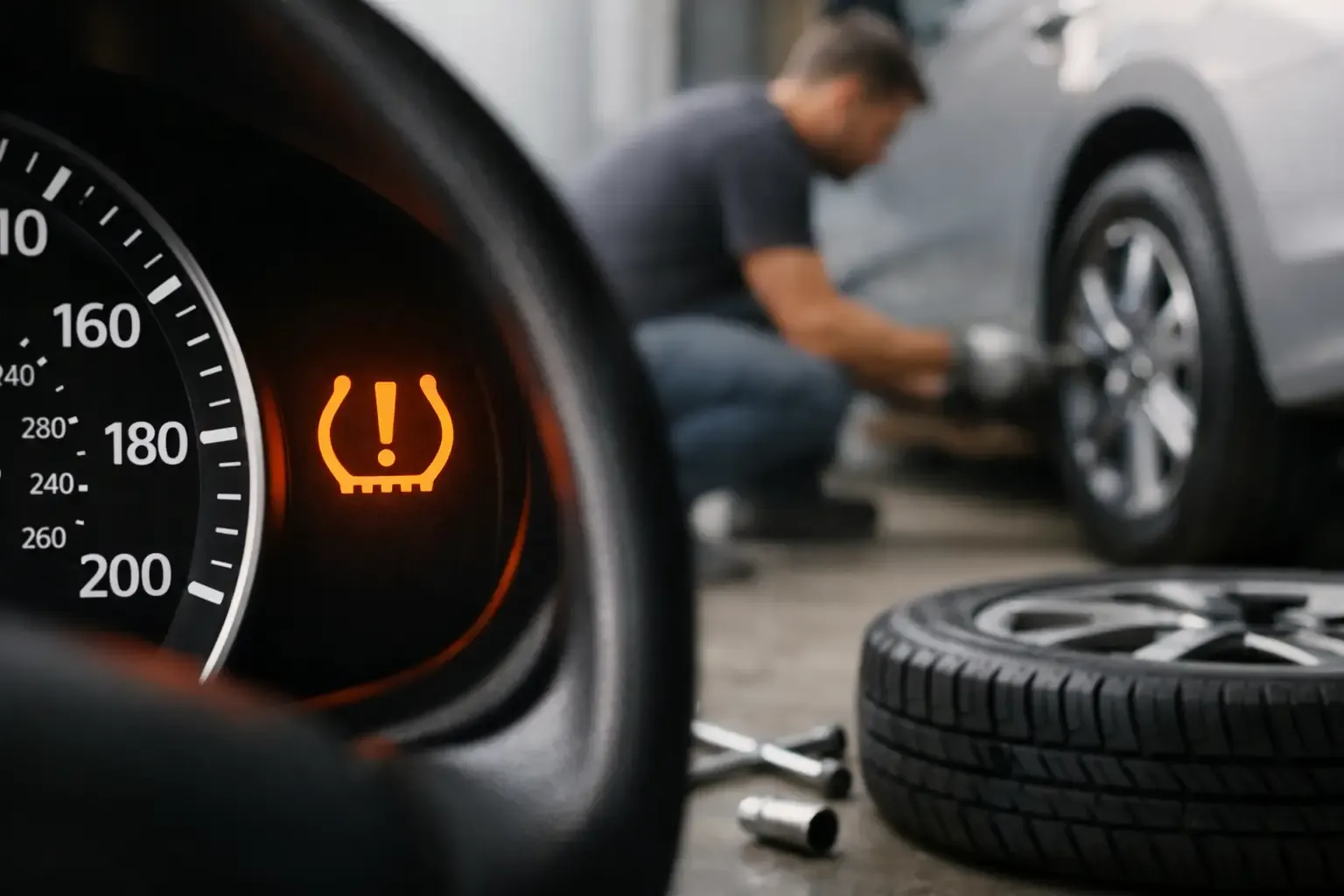
A battery warning light on the dashboard is a major clue, but it is not the only one. Dimming headlights, flickering interior lights, electrical accessories acting strangely, or a whining sound from the engine area can also point to a charging-system concern. A jumpstart may get the car moving temporarily, but it will not repair an alternator that cannot keep the battery charged.
What the Symptoms Can Tell You
The way your vehicle behaves can narrow down the likely cause. Rapid clicking when you turn the key or press the start button usually means the battery has too little power to engage the starter. A single heavy click can indicate a weak battery, poor battery connection, starter issue, or other electrical problem.
If the dash lights come on brightly but the engine will not crank, do not assume the battery is fine. Lights require far less power than starting an engine. On the other hand, if there is no interior lighting, no response from the locks, and no dashboard activity, the battery may be completely discharged or disconnected.
Look for obvious clues before attempting a jump. Corrosion around the battery terminals, loose cable connections, a swollen battery case, or a strong sulfur-like odor all deserve attention. Do not jumpstart a swollen, cracked, leaking, or visibly damaged battery. It should be inspected and replaced safely.
What to Do When Your Battery Is Dead
If you are parked safely at home or work, start by turning off all accessories and checking that doors, the trunk, and the hood are fully closed. If you have jumper cables and another vehicle available, a proper jumpstart can help confirm whether low battery power is the immediate issue.
Connect the positive cable to the positive terminal of the dead battery first, then to the positive terminal of the assisting vehicle. Connect the negative cable to the assisting vehicle's negative terminal, then attach the final negative clamp to an unpainted metal ground on the disabled vehicle, away from the battery. Start the assisting vehicle, wait a few minutes, then try starting the disabled vehicle.
Once it starts, do not treat the problem as solved. Letting the vehicle idle briefly is not a reliable way to restore a deeply discharged battery. A sustained drive may help, but a battery that has gone completely flat can be damaged and may need a proper charge and test. If it dies again shortly after the jump, the issue is likely more than a one-time drain.
If you are on the roadside, in a busy parking lot, or unsure about working around a battery, calling for a professional jumpstart is the safer option. A mobile technician can help get you moving while checking for basic signs of battery or connection failure.
How to Prevent Another No-Start
Prevention begins with knowing the battery's age. If it is approaching the three- to five-year range and has already needed a jump, arrange for a battery and charging-system test before the next cold morning or long trip. Replacing a failing battery on your schedule is easier than handling a no-start before work.
For vehicles that sit for long periods, drive them long enough to recharge periodically or use a quality battery maintainer designed for automotive use. A maintainer is particularly helpful for seasonal vehicles, second cars, or vehicles that are parked for several weeks at a time. It is a better choice than repeatedly allowing the battery to run down and jumpstarting it.
Also make a habit of unplugging accessories when parked. Dash cameras, chargers, portable coolers, and other devices can create unexpected draw, especially when a vehicle outlet remains powered after the ignition is off. Confirm that interior and cargo-area lights turn off when doors are closed.
Keep the terminals clean and secure as well. Corrosion interrupts the connection between the battery and the vehicle, which can mimic a weak battery and make starting less reliable. A technician can clean and inspect the connections during routine service.
When to Schedule a Battery Test
Schedule a test if your battery repeatedly needs a jump, the engine cranks slowly, the battery warning light comes on, or the vehicle will not hold a charge after a longer drive. A proper test should look at battery condition, terminal connections, alternator output, and potential parasitic draw when needed.
Do not wait for a complete failure if your schedule depends on your vehicle. For busy families, commuters, and professionals, a dead battery can mean missed appointments, delayed pickups, and an avoidable roadside problem. Elite Mobile Tire can provide a battery jumpstart at your home, workplace, or roadside location in the Columbus area when you need help getting back on the road.
A jump gets the engine running. Finding out why the battery lost power is what helps keep the next start dependable.
Ready for a new set? Elite Mobile Tire is open 24/7 and installs 2 or 4 new tires right in your driveway or parking lot anywhere around Columbus, Obetz, Groveport, Grove City, and Reynoldsburg. Financing is available through Afterpay and Acima with up to 24-month payment plans. Call 614-344-5010 or visit elitemobiletire.com to book.