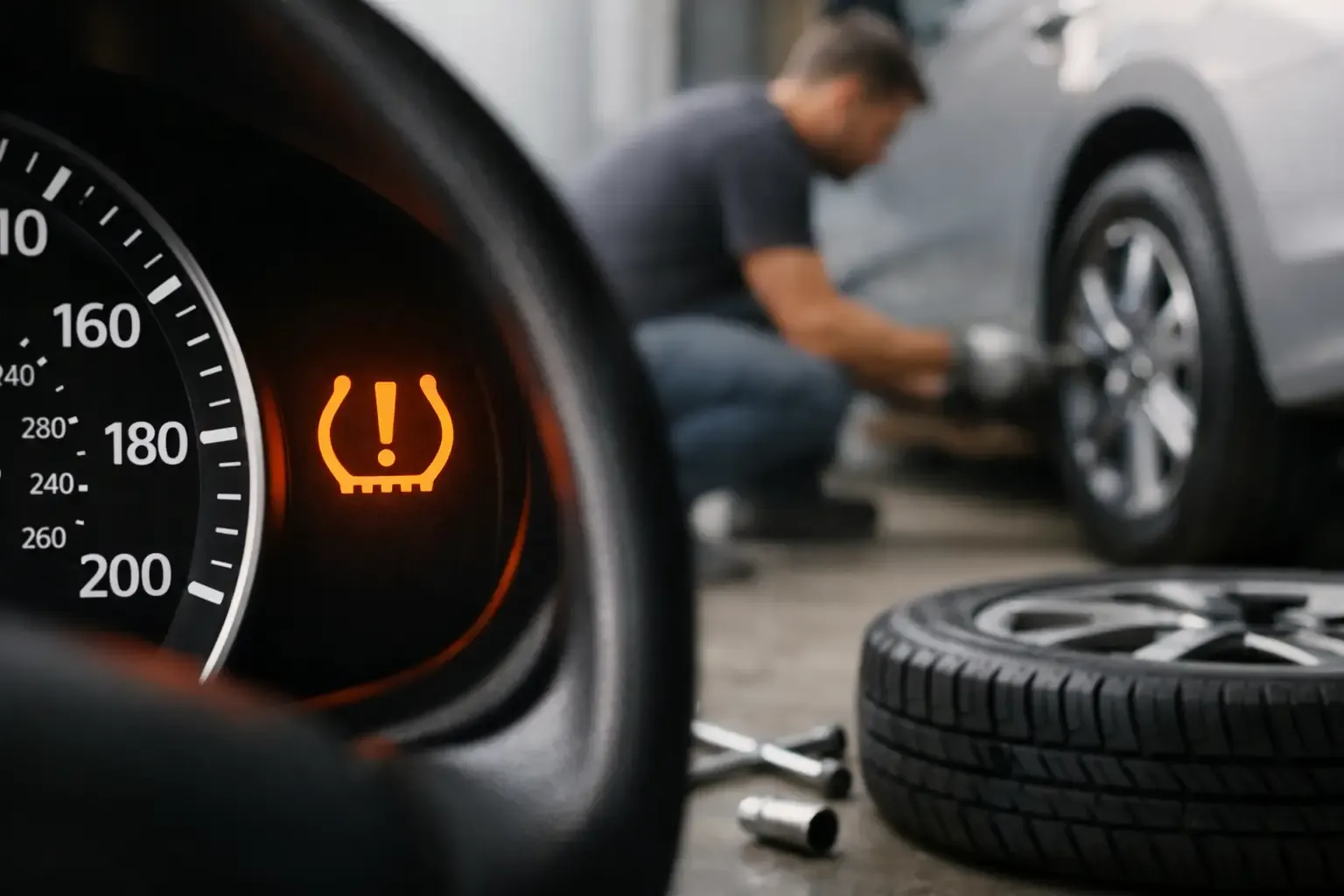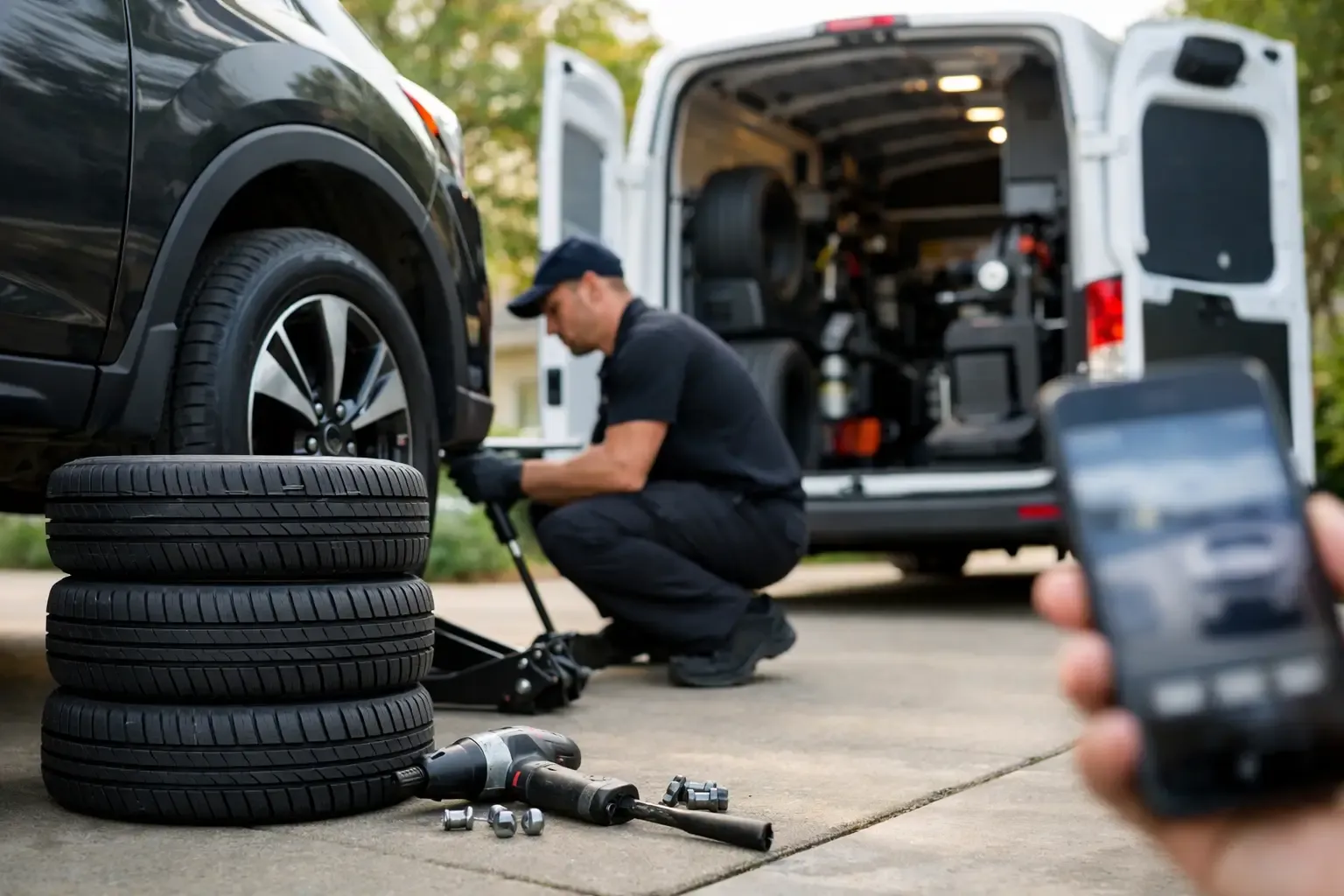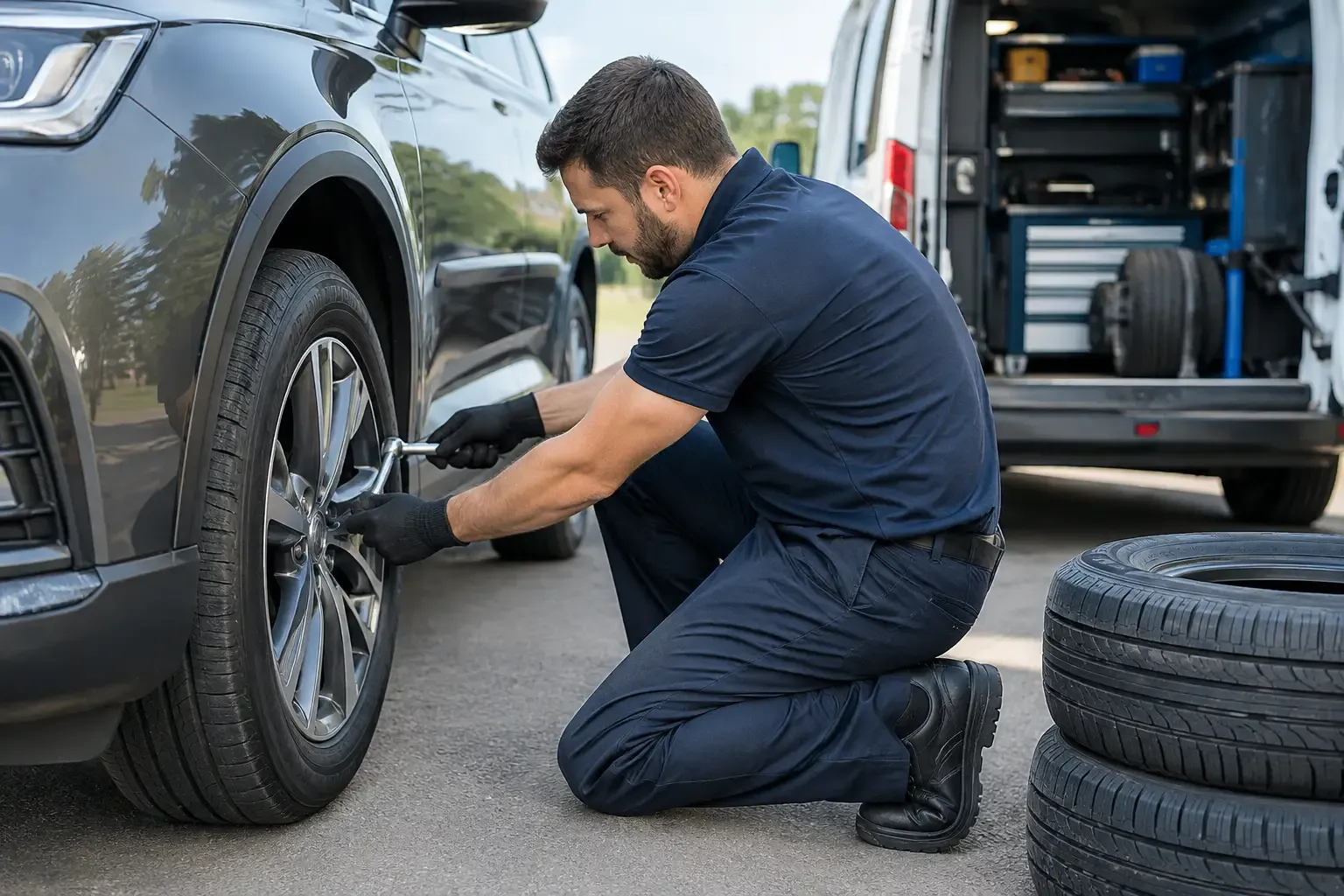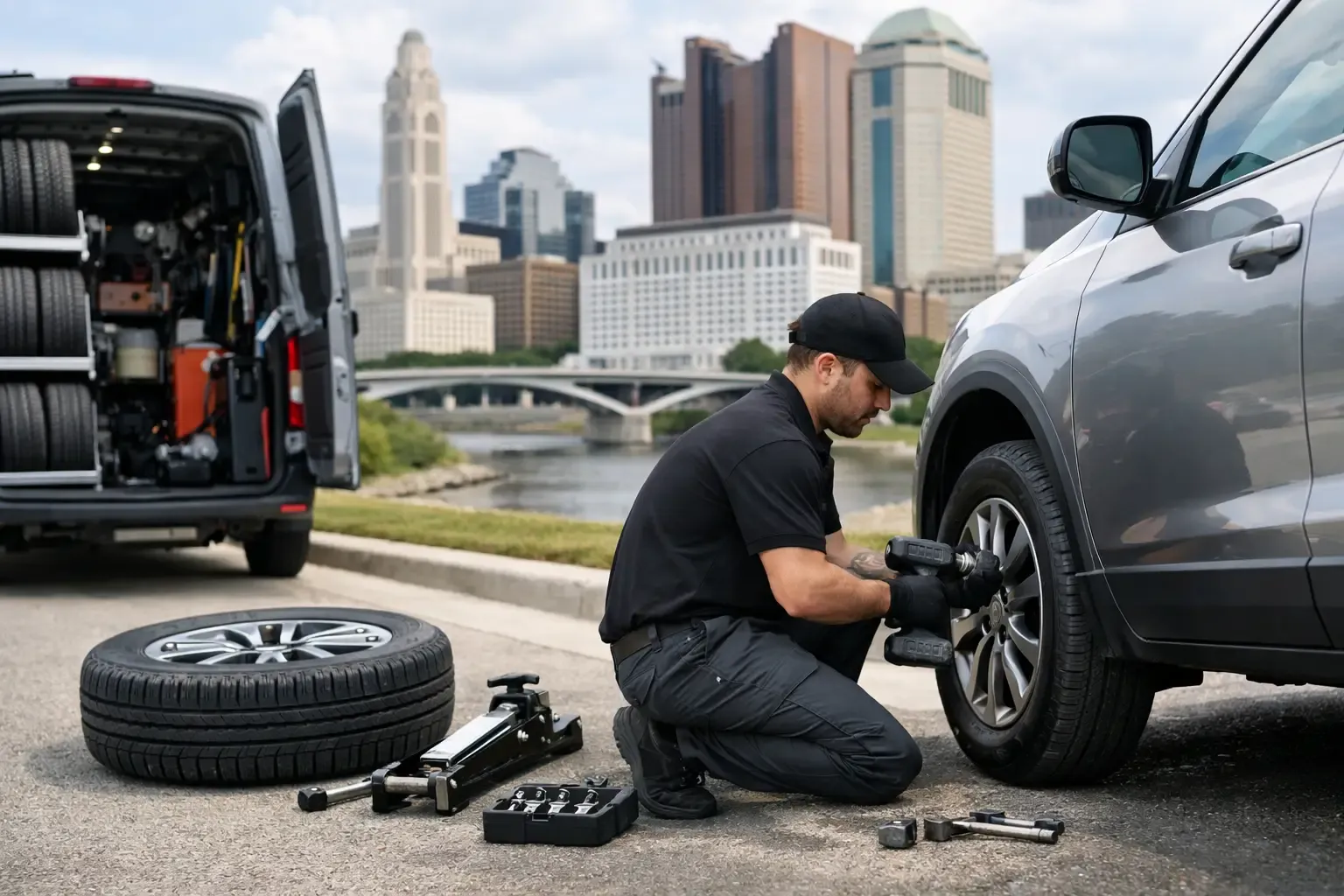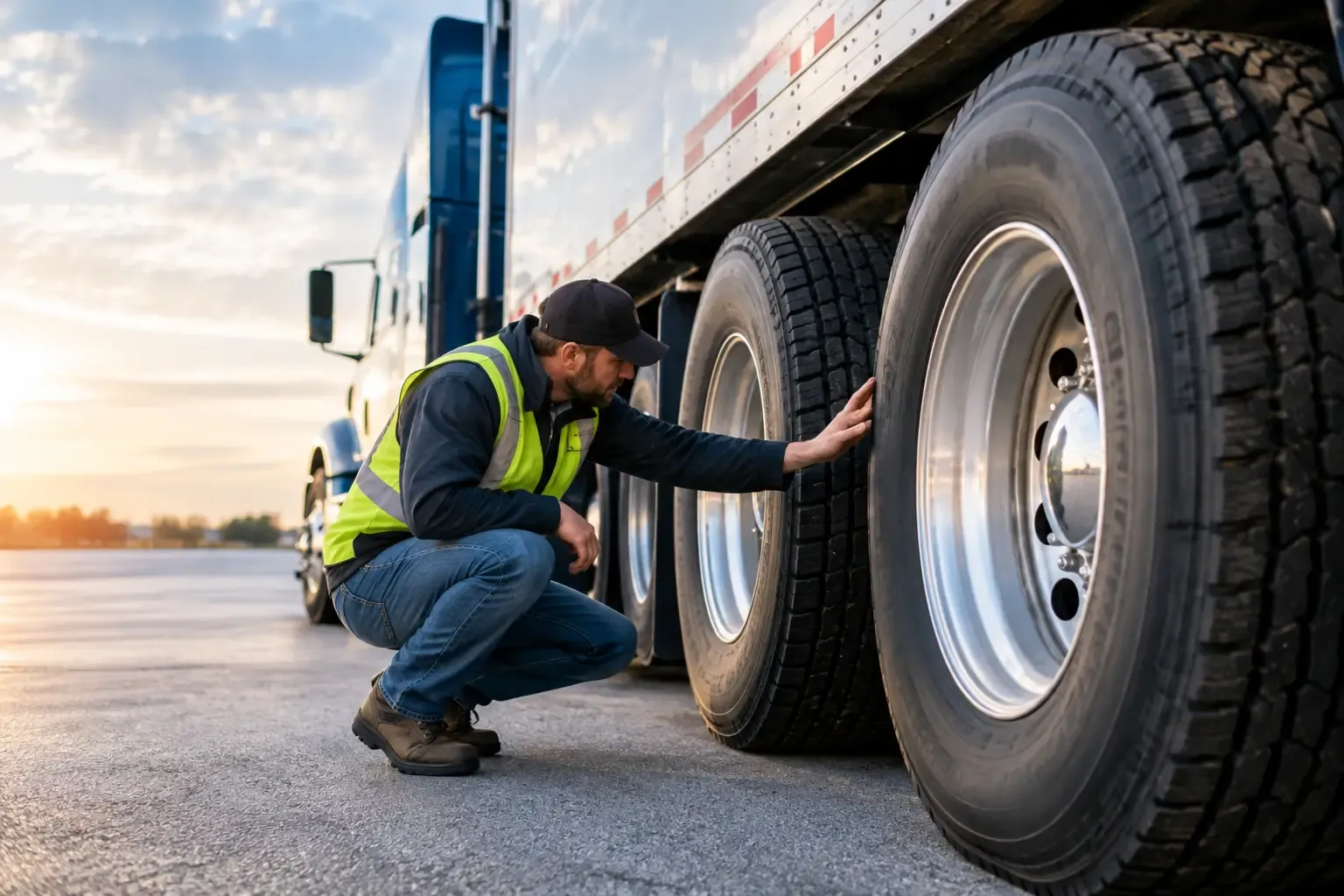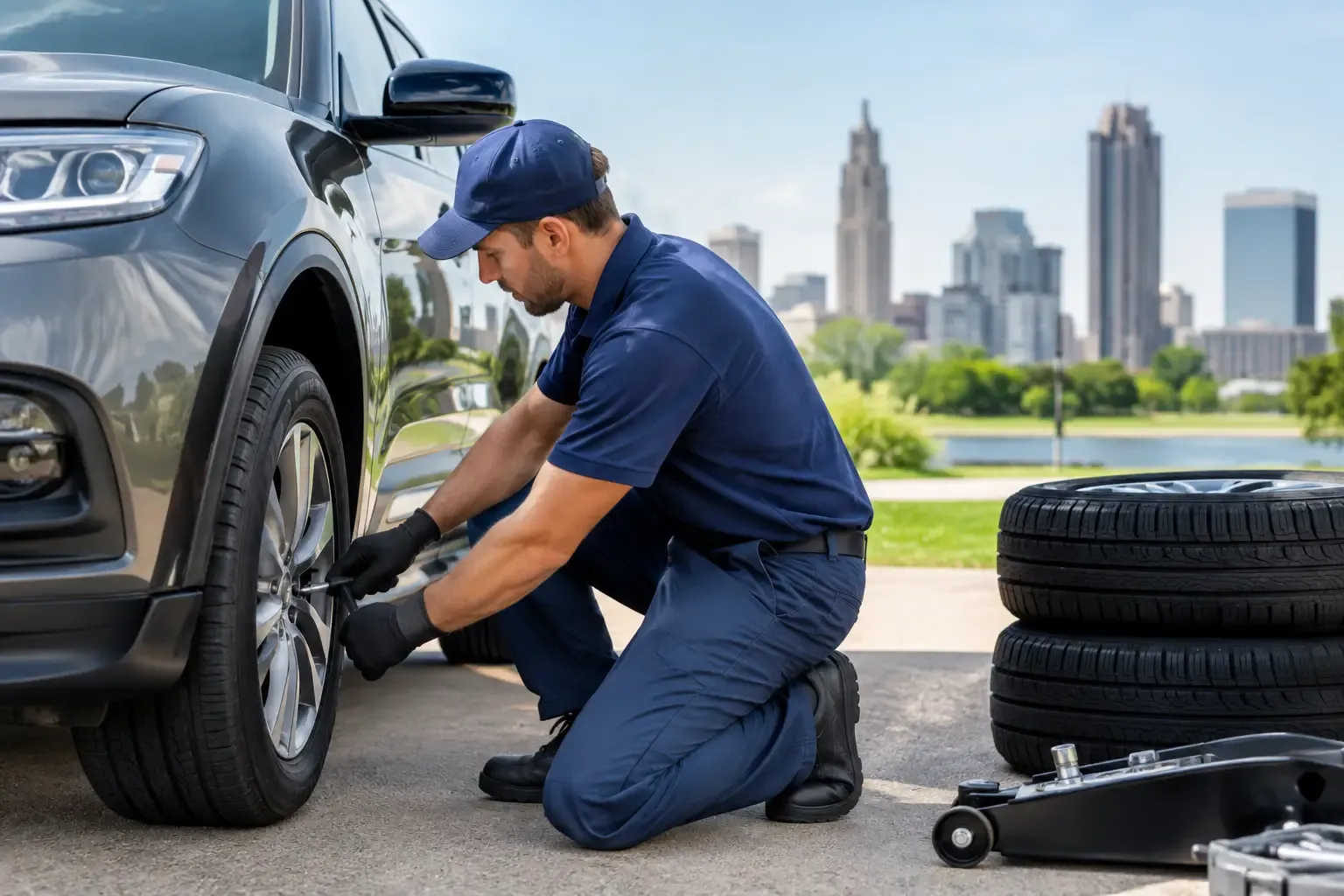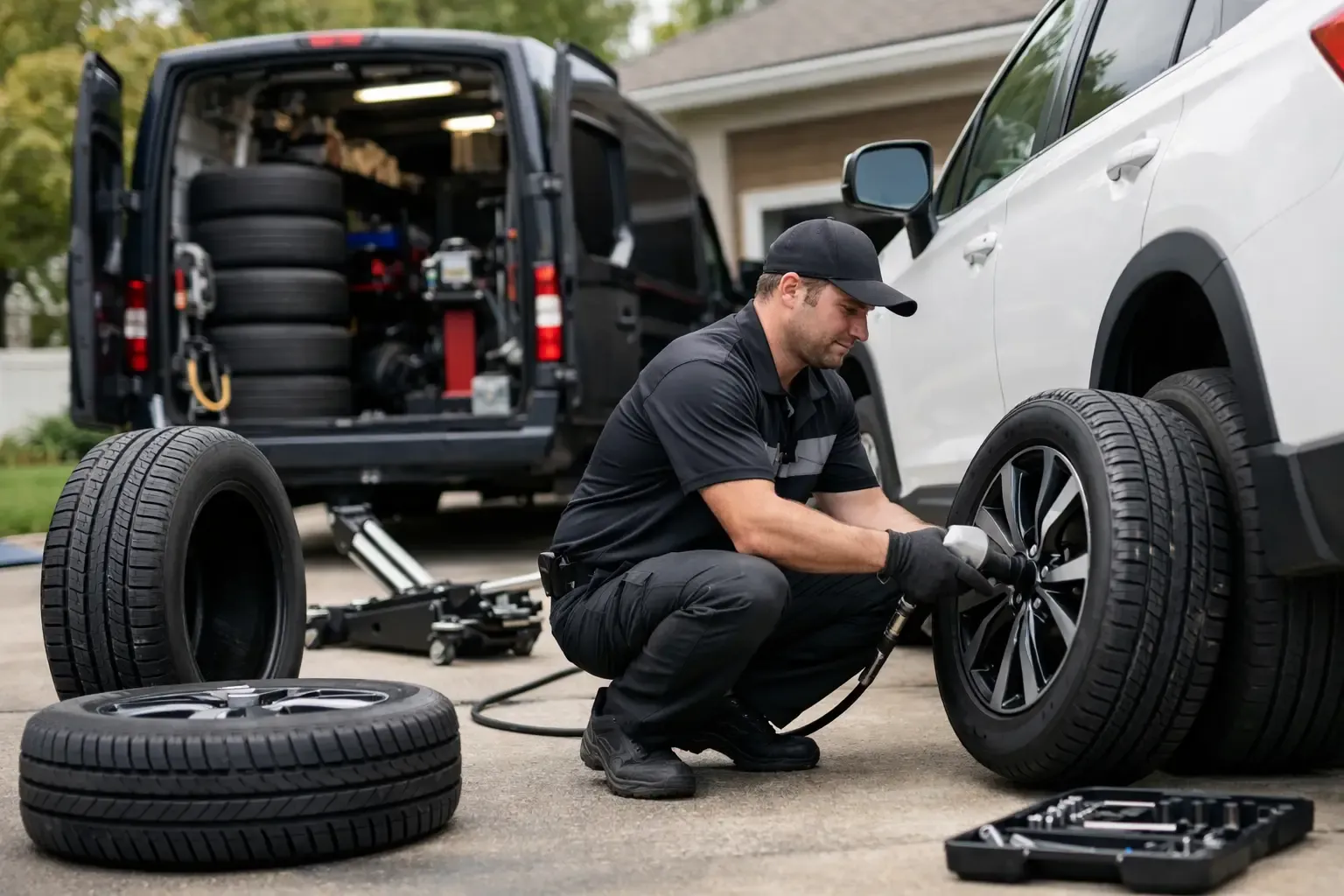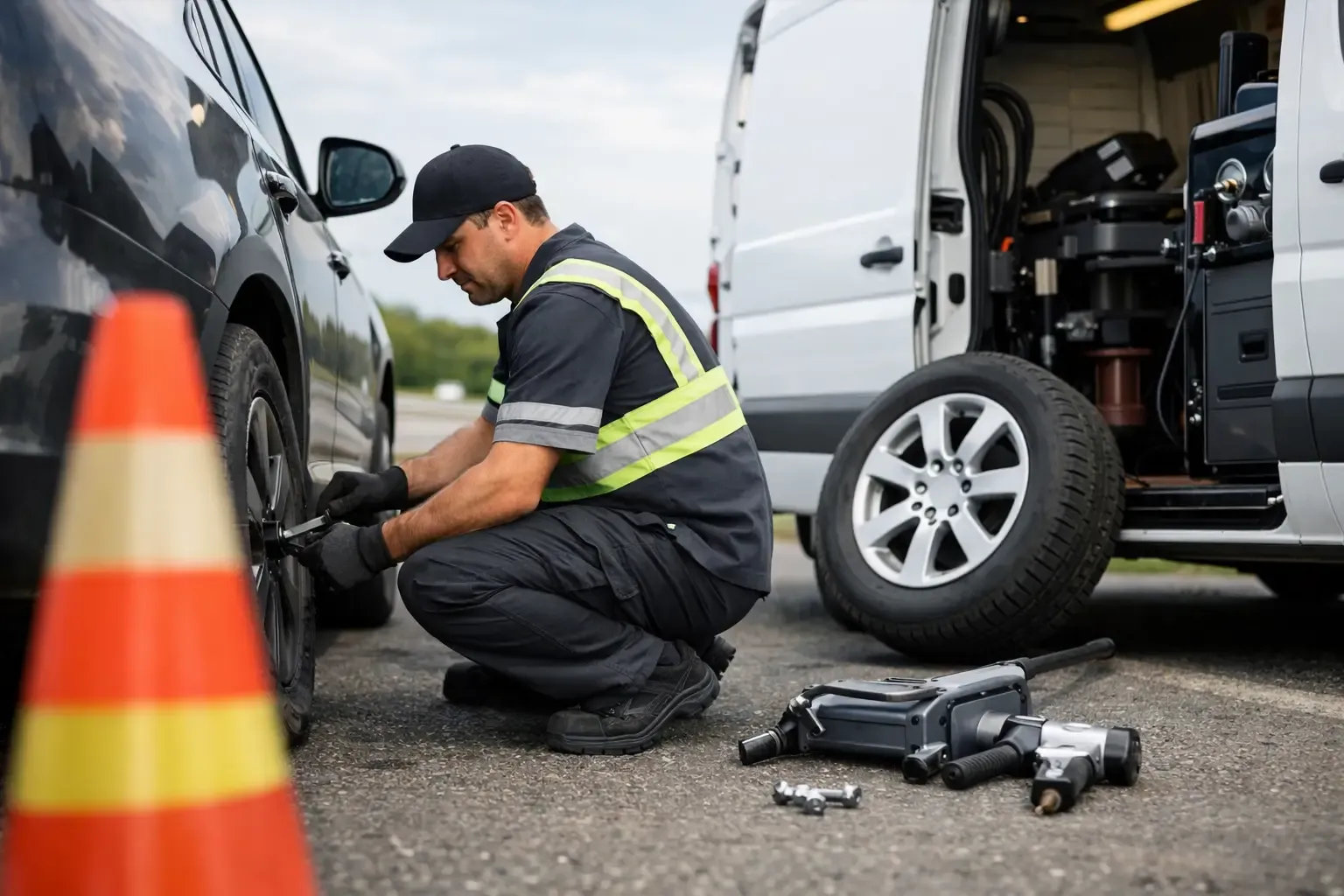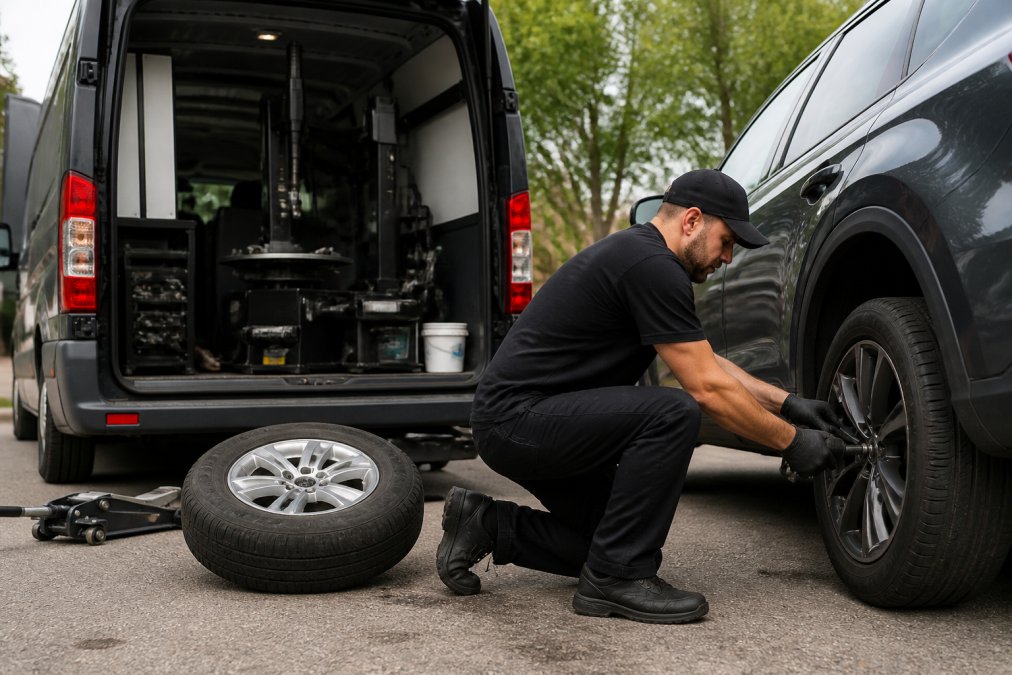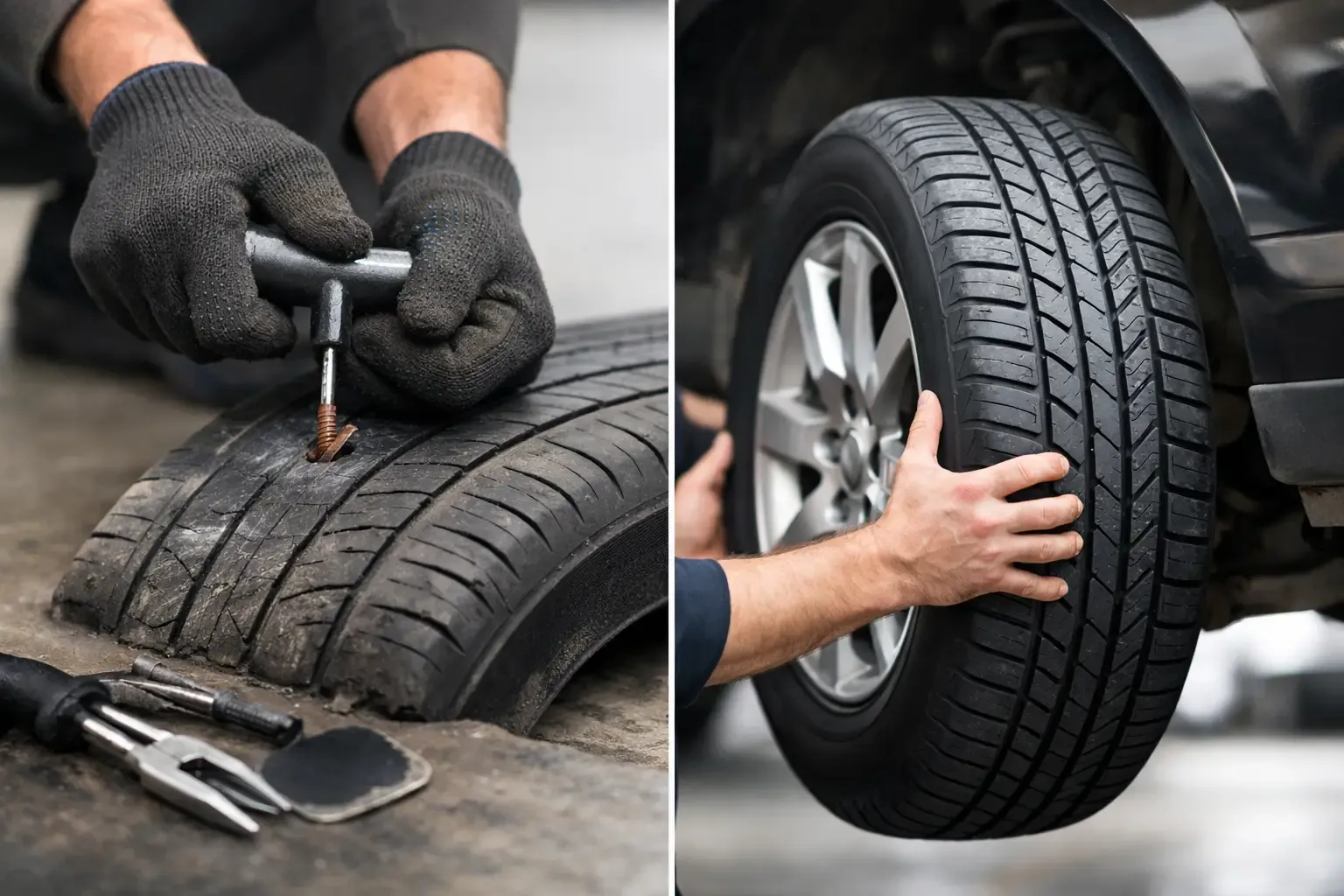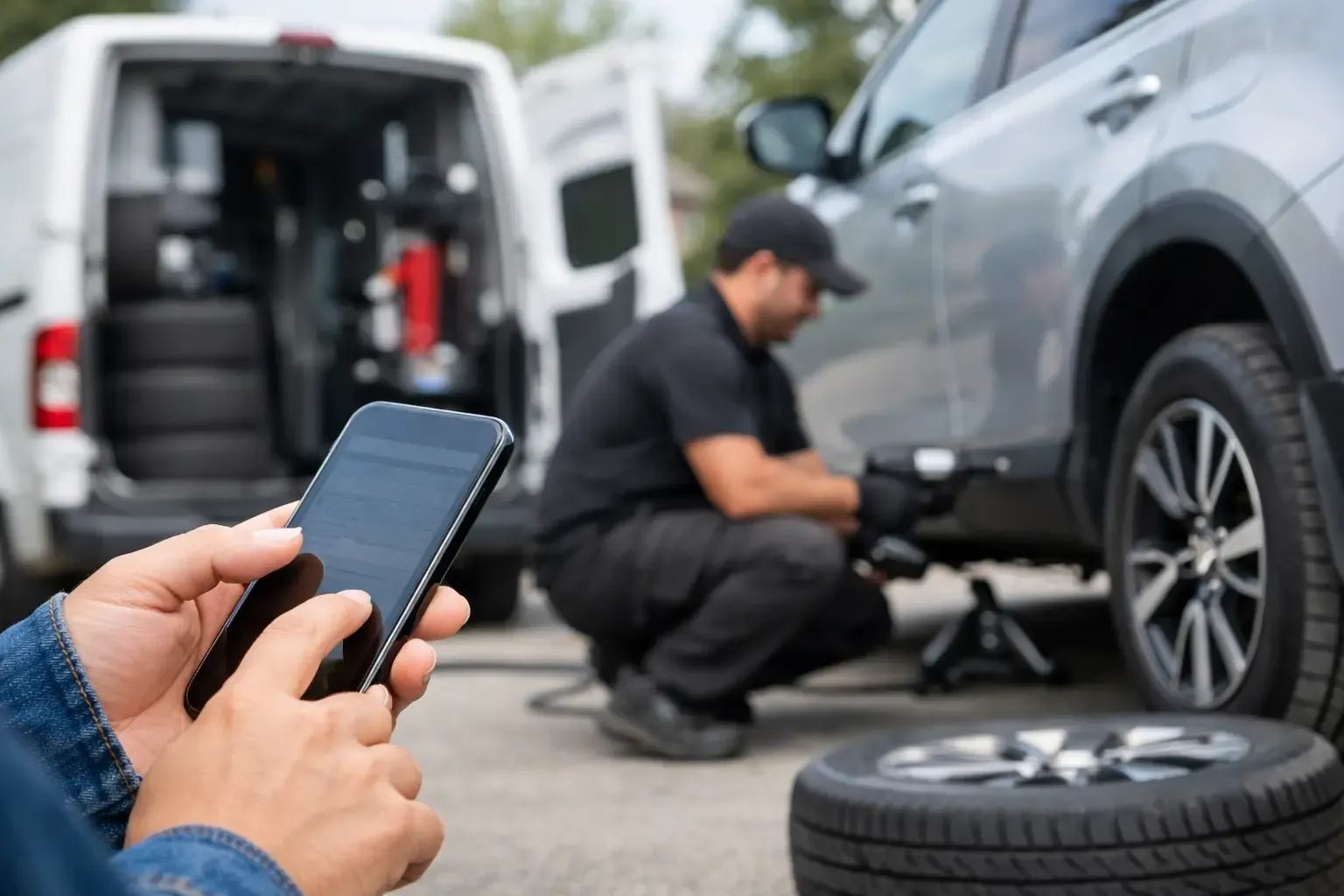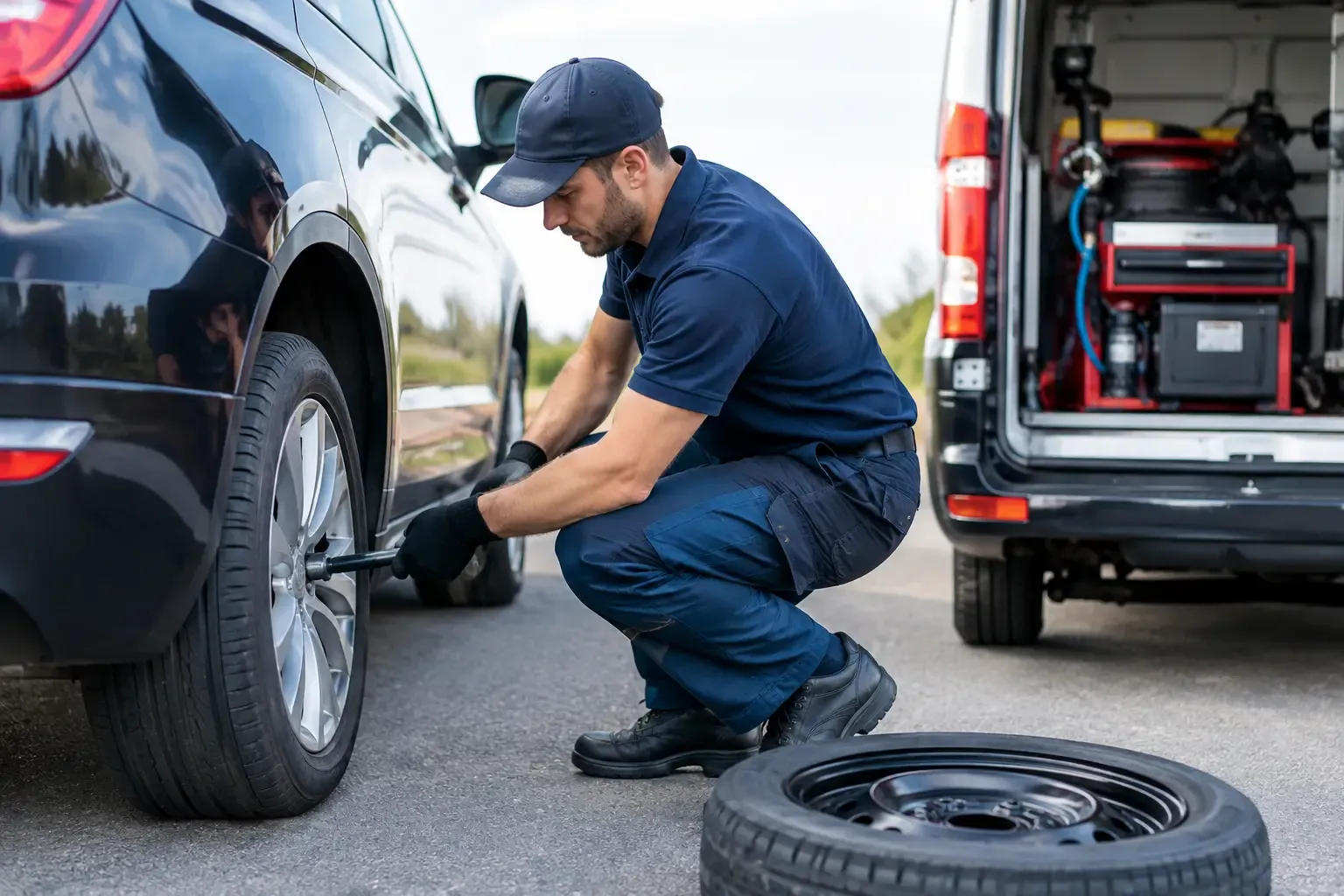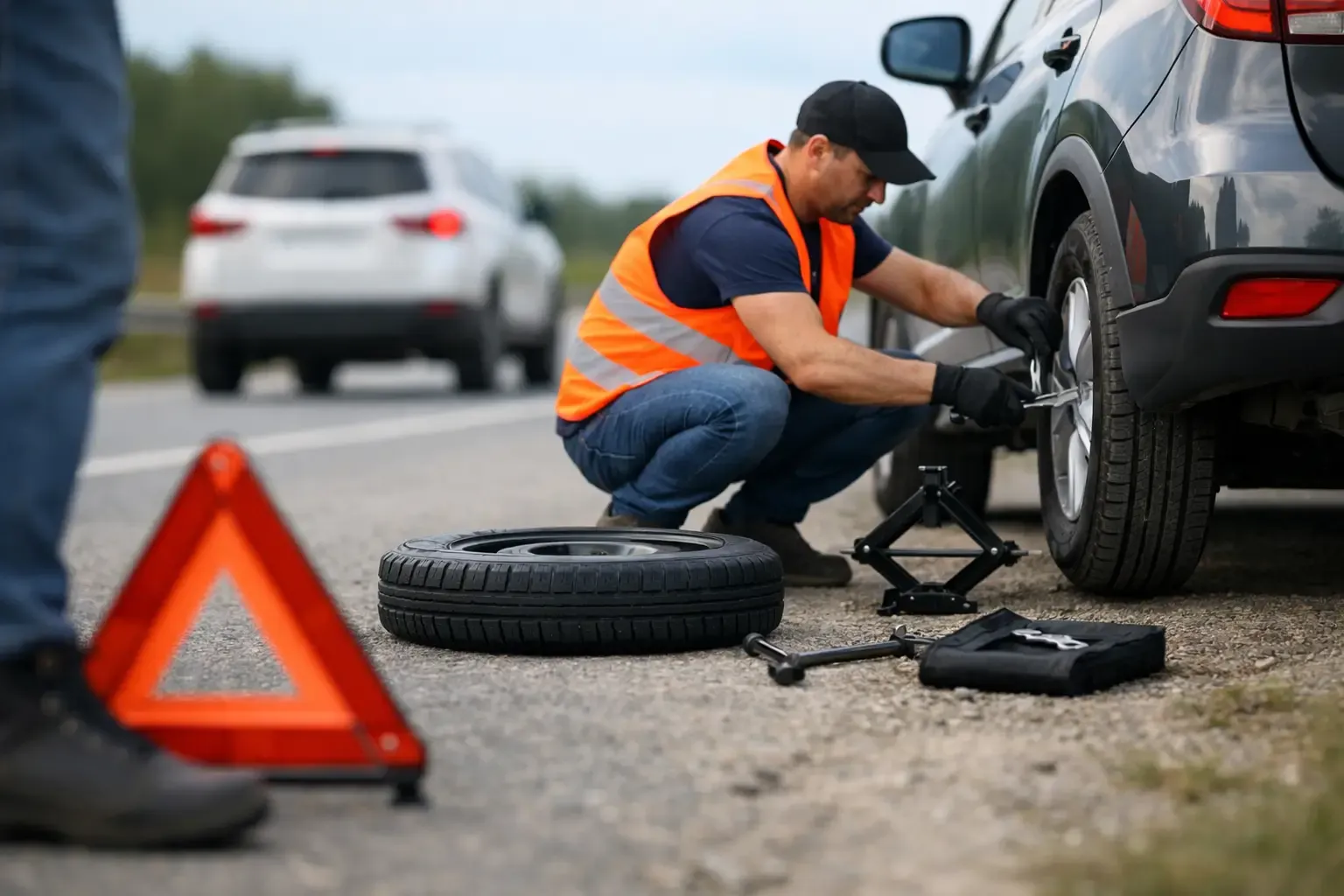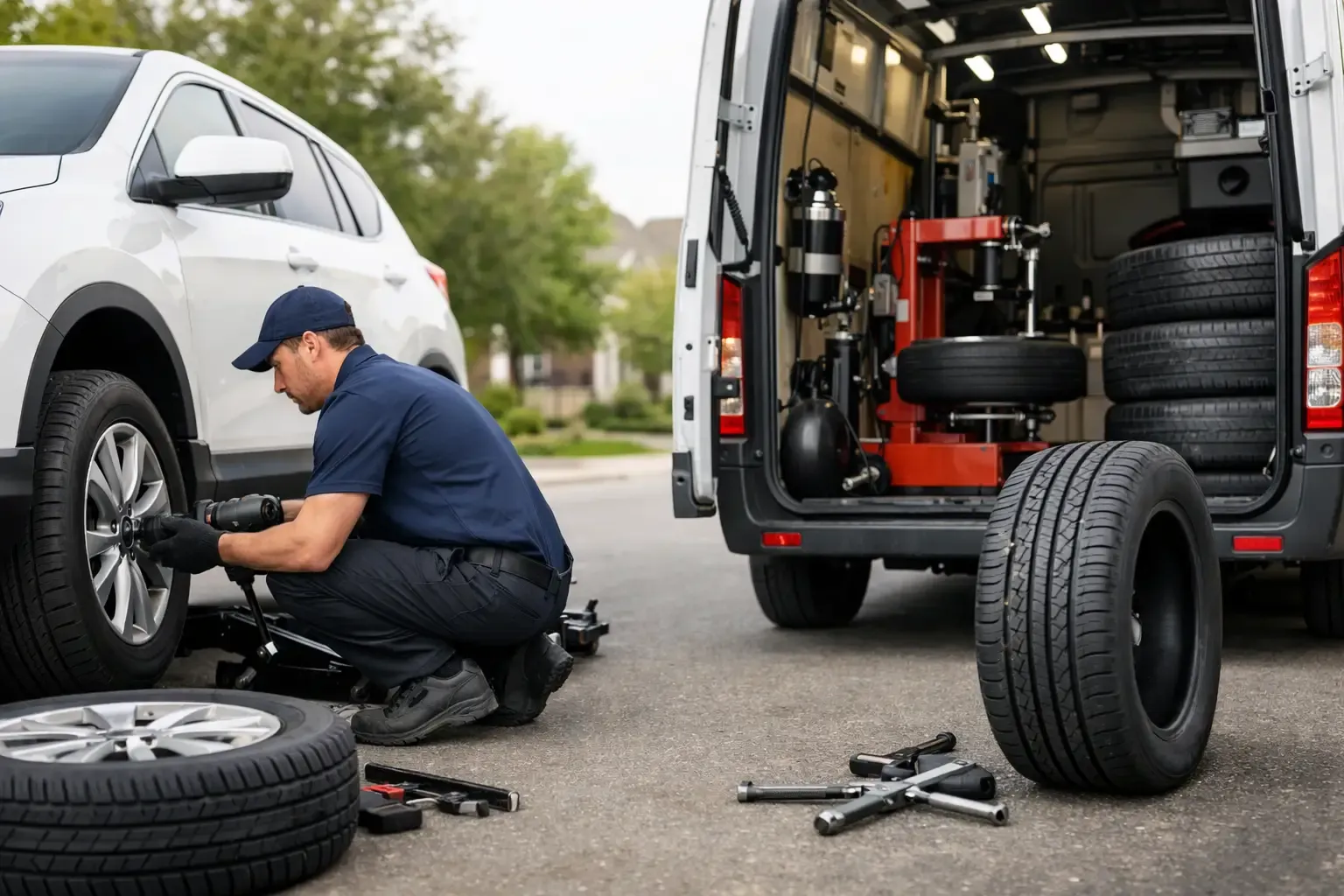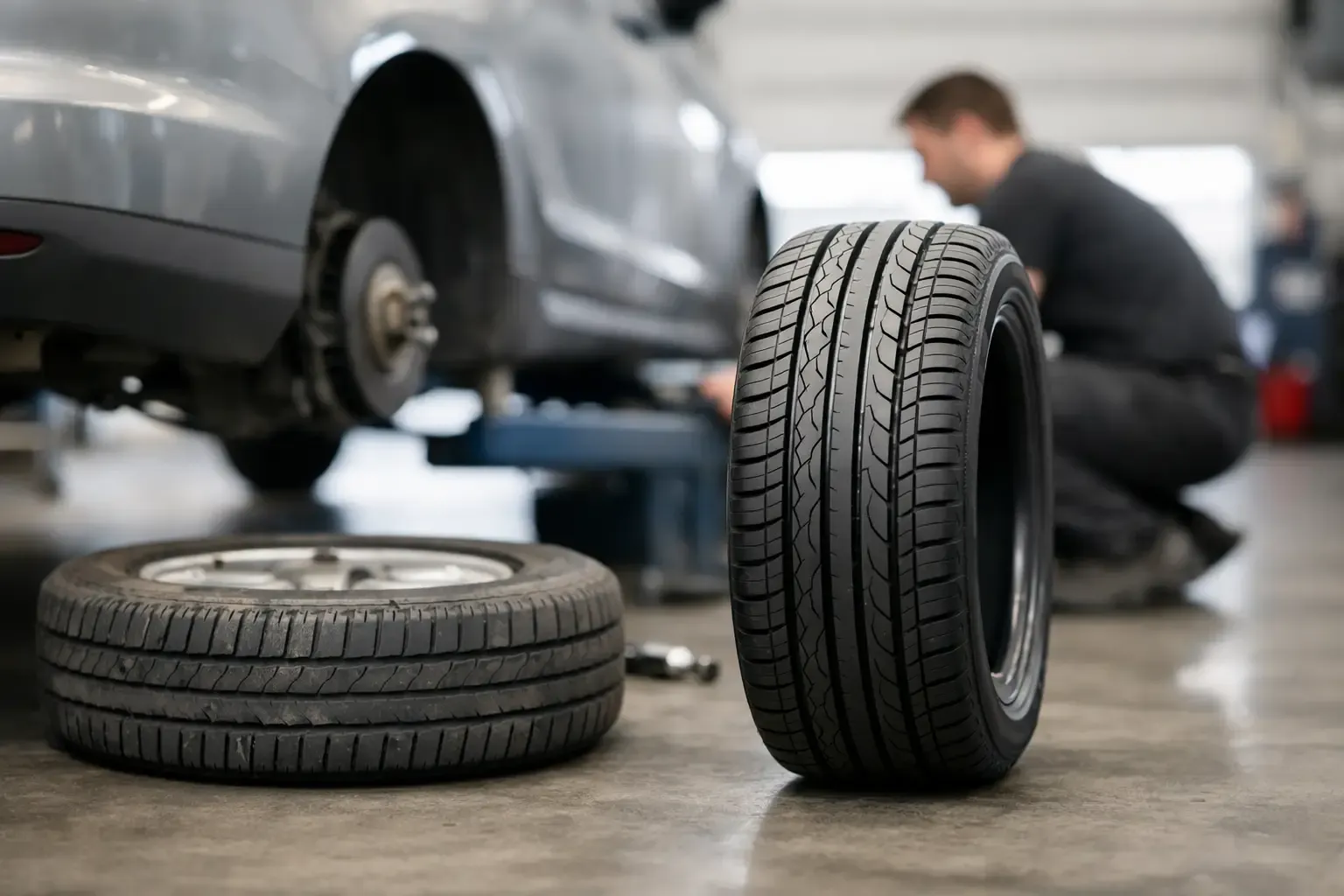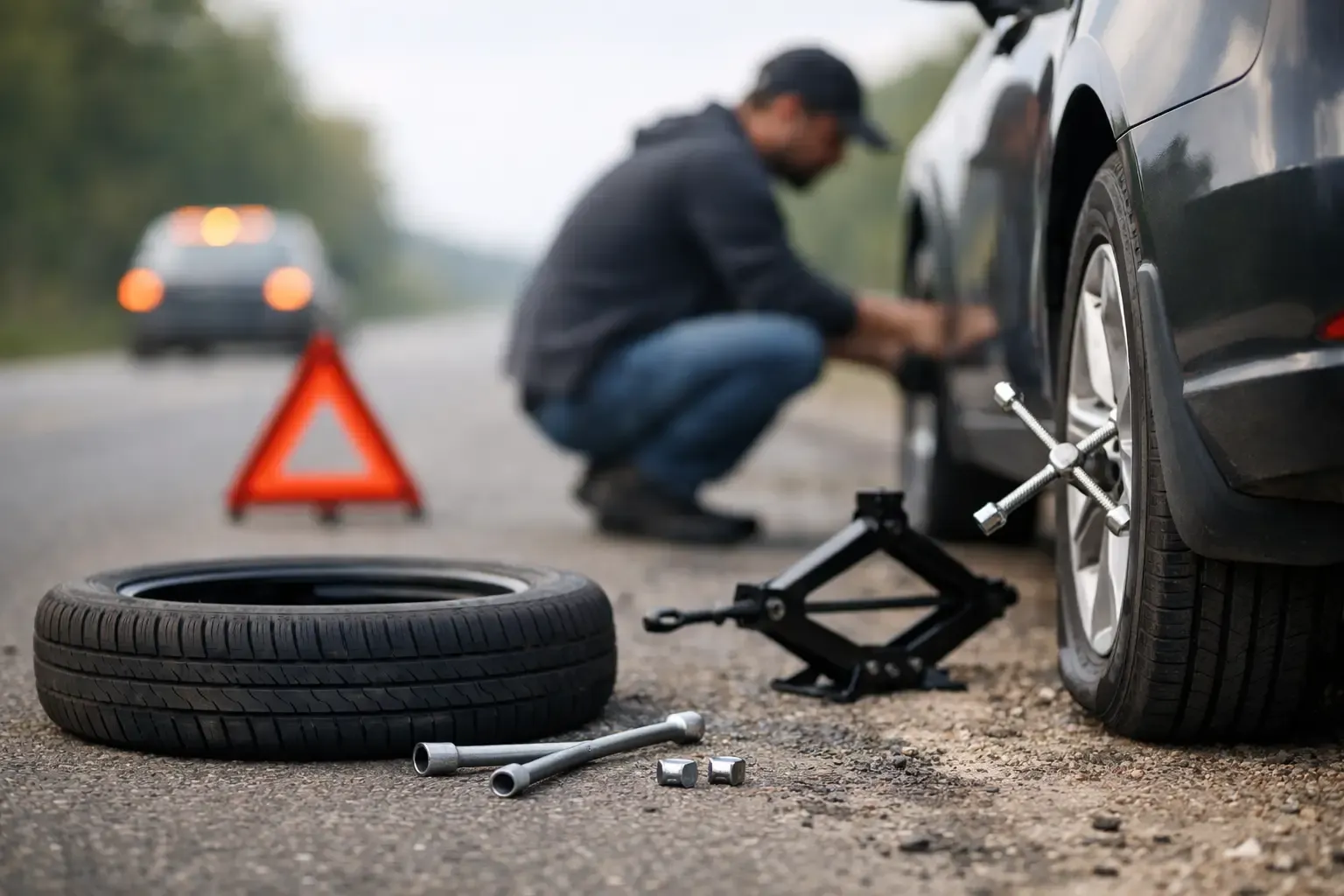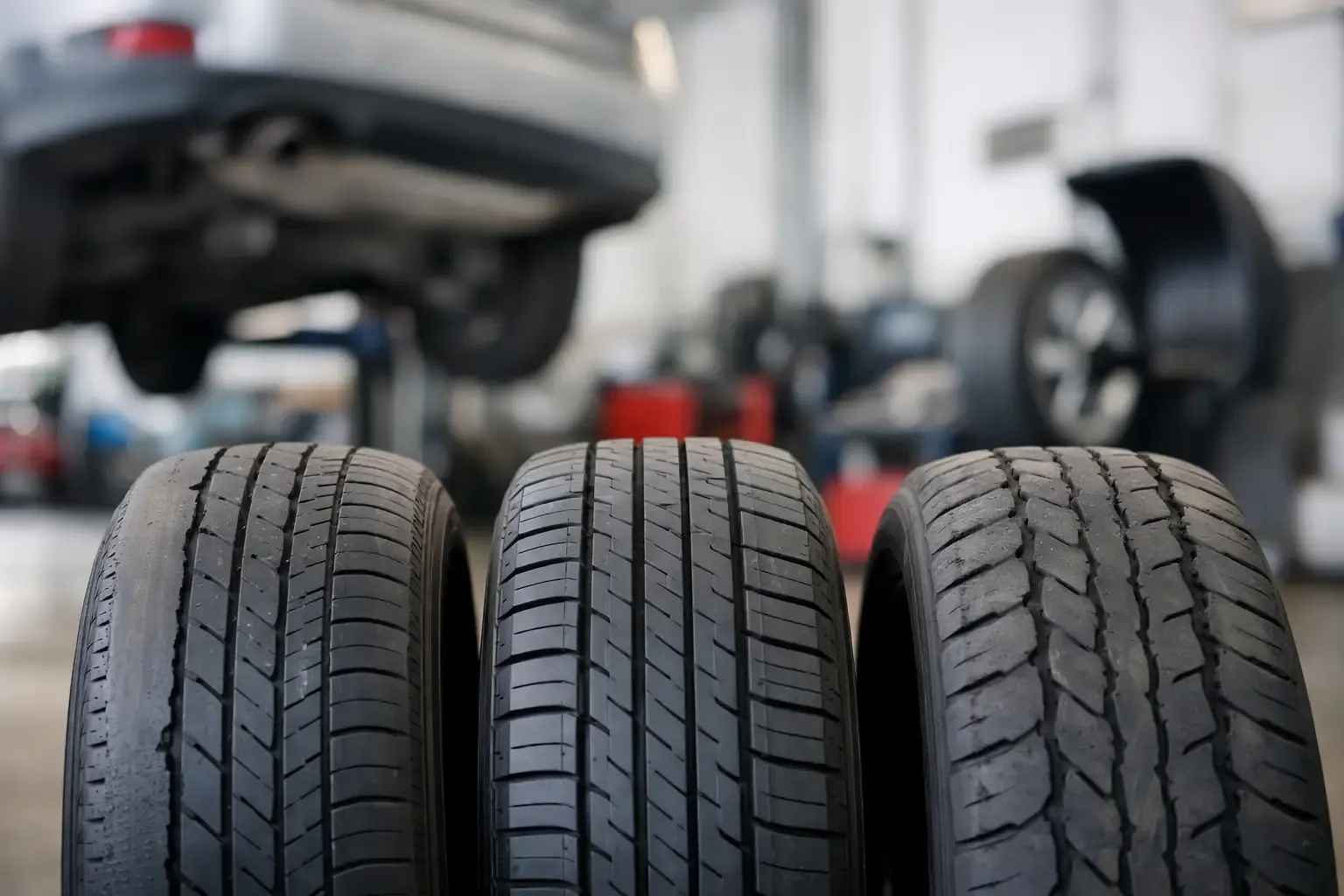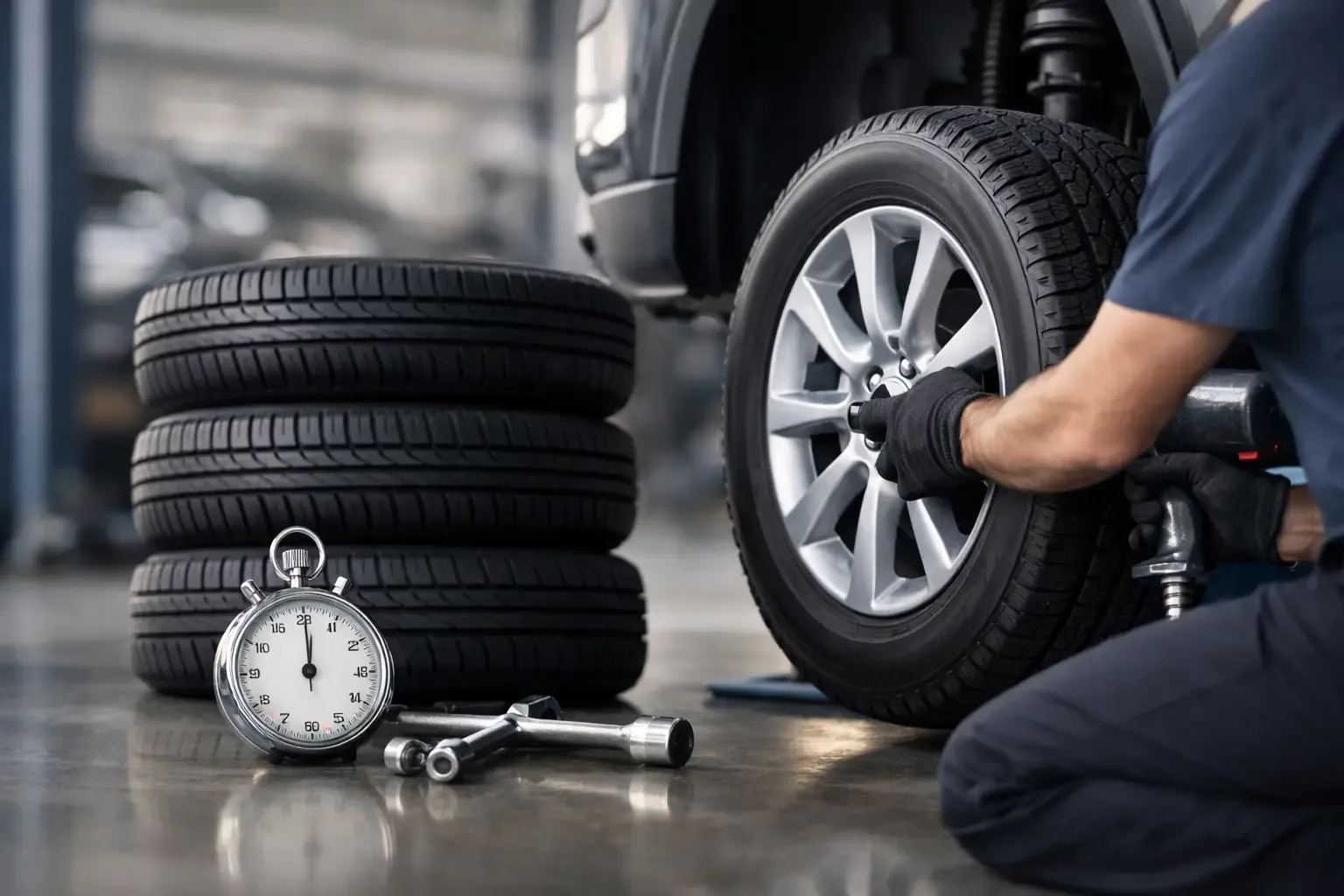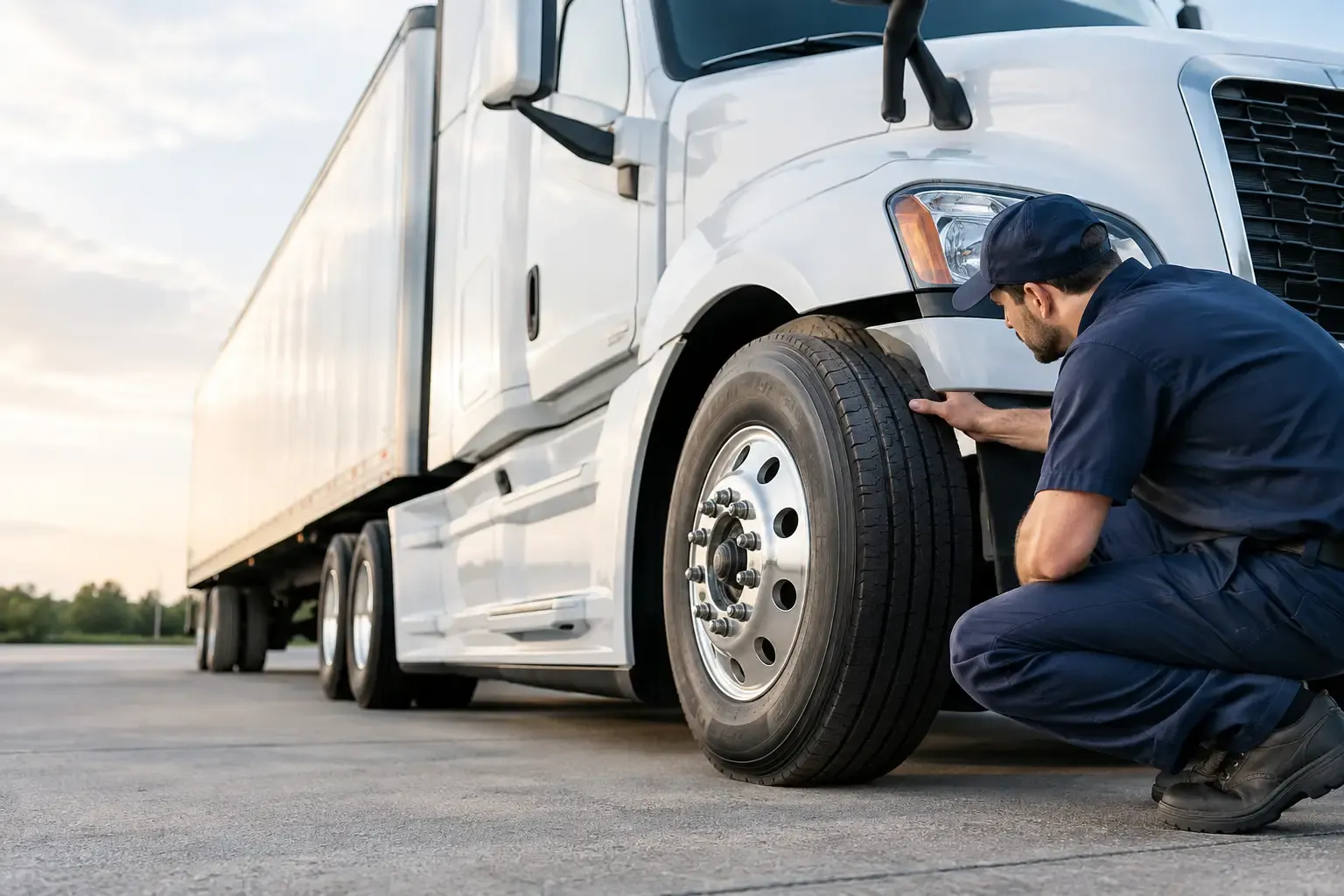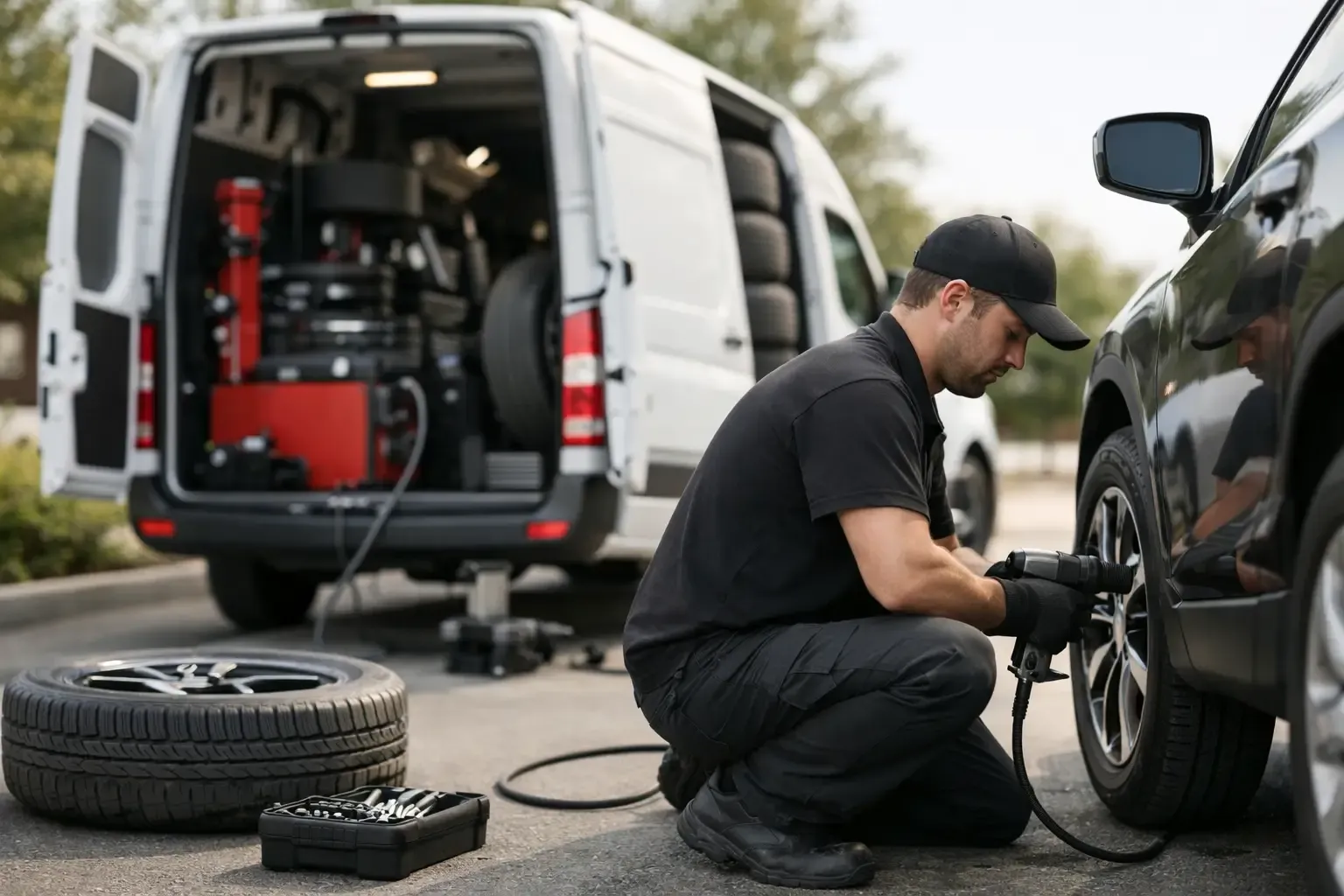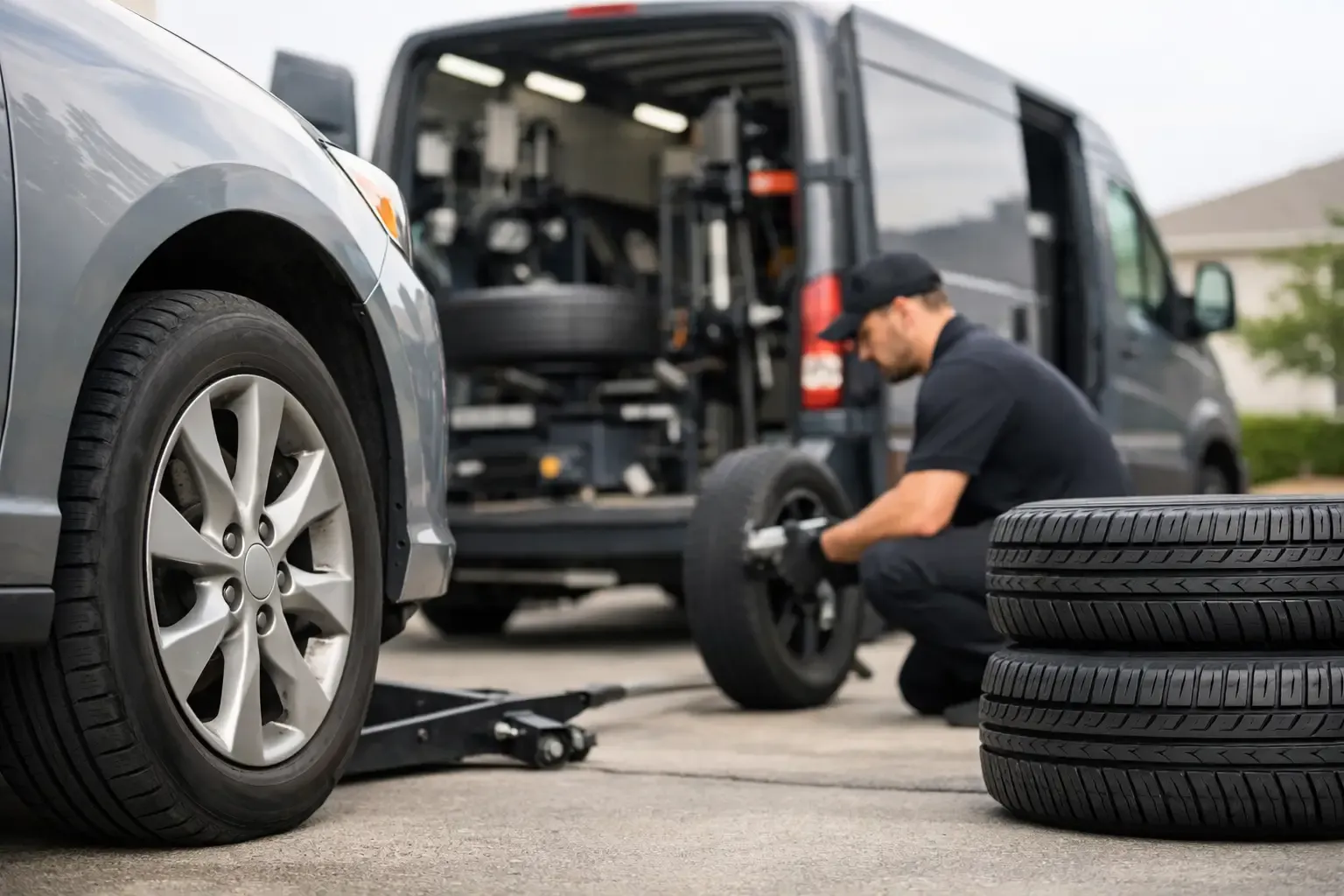
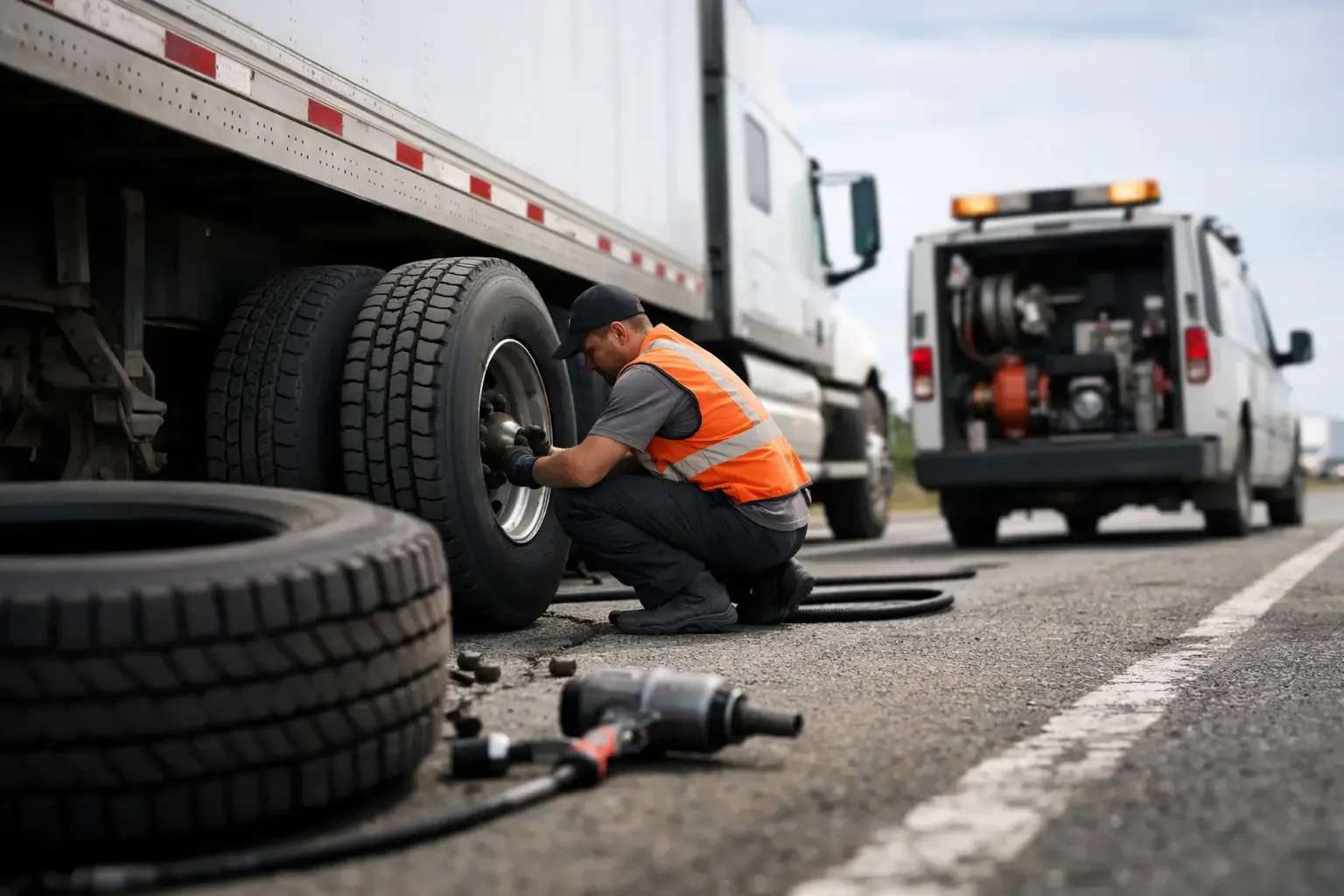
A tractor trailer tire problem can turn a normal delivery run into a safety issue within minutes. Tractor trailer tire roadside service is designed to get the vehicle assessed, secured, and moving again without adding an unnecessary tow, terminal delay, or missed delivery window.
For fleet managers and owner-operators, the goal is not simply to replace a damaged tire as fast as possible. The right response protects the driver, helps prevent additional equipment damage, and makes sure the replacement is appropriate for the wheel position, load, and operating conditions. That takes clear communication, qualified service, and a roadside plan that begins before a tire fails.
What Tractor Trailer Tire Roadside Service Covers
Roadside tire service for commercial vehicles starts with a careful assessment of the problem. A technician needs to know whether the issue is a puncture, a sidewall failure, a tread separation, a valve-related air loss, a damaged wheel, or a more serious problem affecting the axle or suspension.
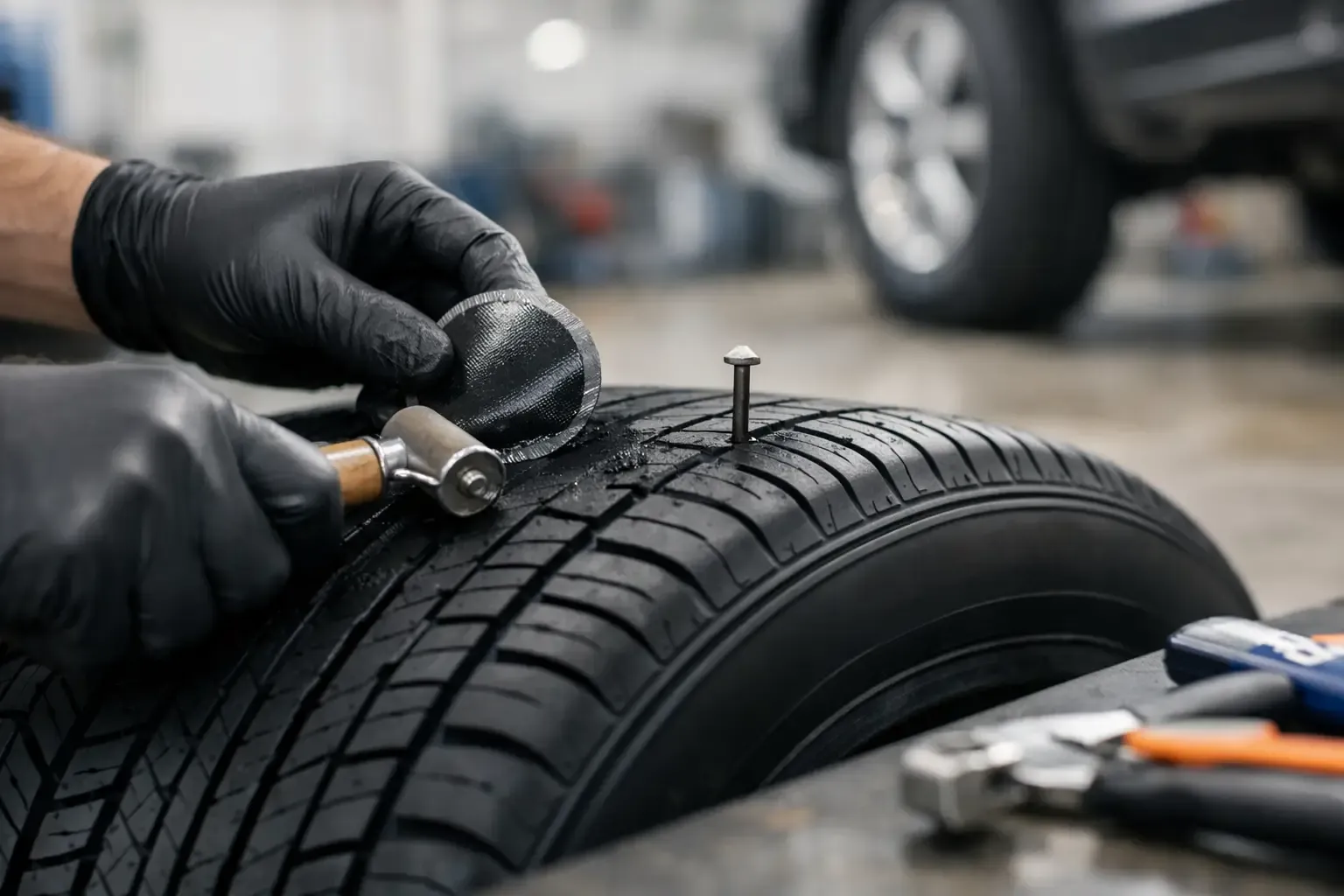
Depending on the condition of the tire and the service provider's equipment, the response may include installing a replacement tire, changing a wheel assembly, inspecting the remaining tires on that axle, checking inflation, or determining that the truck needs additional mechanical attention. A repair is not always the safe choice. Damage near the sidewall, visible cords, significant casing damage, or a tire driven while severely underinflated can require replacement rather than a roadside patch.
Service availability can also depend on the truck's location, tire size, wheel type, cargo conditions, and safe access to the vehicle. When requesting assistance, it helps to provide the tractor or trailer number, tire size, axle position, current location, and a brief description of the failure. Those details reduce dispatch delays and help the technician arrive prepared.
Why a Fast Response Still Has to Be Safe
A blowout on a loaded trailer is different from a flat on a passenger vehicle. The tire may have damaged airlines, mud flaps, fenders, wiring, or the trailer body. It may also leave debris near active traffic, especially on a highway shoulder where drivers and technicians have limited room to work.
The driver should move to the safest practical location, activate hazard lights, and follow company safety procedures. If moving the vehicle risks wheel damage or creates a greater hazard, stopping may be the better decision. The specific situation matters: a controlled stop in a safe area is preferable to continuing on a compromised tire and turning a tire call into a wheel-end repair.
A qualified technician should inspect more than the visible hole or shredded rubber. Tire failures often have a cause, and replacing one tire without checking the surrounding conditions can leave the same truck vulnerable to another stop later that day. Overloading, underinflation, dual-tire mismatch, brake drag, and road debris can all contribute to premature tire damage.
The Risk of Running on a Damaged Tire
Continuing to drive on a flat or badly damaged tire can ruin a casing that might otherwise have been evaluated for repair or retreading. It can also damage the wheel and put extra stress on the companion tire in a dual assembly. On a trailer, that added heat and load can create a second failure.
For drivers, the practical rule is simple: do not assume a tire can be safely limped to the next exit. Evaluate the tire condition, traffic conditions, and the location before moving. When there is any uncertainty, dispatching roadside support is usually the safer operational choice.
What to Do While You Wait for Tire Service
After the truck is in the safest available location, the driver should share accurate information with dispatch or the service provider. A clear location is essential. Highway direction, mile marker, nearest exit, cross streets, terminal entrance, or loading dock details can save valuable time.
The driver should also report whether the failed tire is on the tractor or trailer, which axle it is on, and whether it is an inside or outside dual. If the tire size and equipment details are available, provide them. Photos can help identify visible damage, but no one should stand in traffic or enter an unsafe area to take them.
Keep the area around the truck as clear as possible and follow company procedures for warning devices and driver safety. Avoid attempting a heavy-duty tire change without the correct tools, lifting equipment, training, and a safe work area. Commercial tire assemblies are heavy, and roadside conditions create risks that are easy to underestimate.
Choosing a Roadside Provider for Commercial Tires
Not every mobile tire provider is equipped for every tractor trailer call. Before a breakdown happens, fleets should confirm the service area, hours, tire sizes supported, commercial capabilities, and response process. It is also useful to ask how the provider handles replacement tire availability when a common size is not immediately on the service vehicle.
The best roadside relationship is built on transparency. A provider should clearly explain what they found, what work was completed, and whether the truck needs follow-up inspection. If a tire failure points to suspension, wheel, or brake concerns, that information should reach the fleet maintenance team quickly.
For Columbus-area fleets and owner-operators that need mobile semi truck and commercial tire service, Elite Mobile Tire can help make on-location service more practical. Always confirm the vehicle type, tire specifications, and roadside conditions when calling so the right level of support can be arranged.
Questions That Help Dispatch the Right Service
When you call for help, expect to answer a few practical questions. The provider may ask for the exact location, vehicle number, tire size, tire position, wheel type, and whether the truck is loaded. They may also ask whether the vehicle is parked at a customer site, on a highway shoulder, or in a restricted-access facility.
This is not unnecessary paperwork. It helps determine whether a mobile tire technician can safely complete the work on site, what replacement is needed, and how quickly the truck can return to service. A detailed first call usually means fewer surprises once the technician arrives.
Preventing the Next Roadside Tire Call
Roadside service is valuable when the unexpected happens, but preventive tire care reduces the number of emergency calls in the first place. Drivers should include a visible tire check in their pre-trip inspection, looking for low tires, objects in the tread, uneven wear, sidewall damage, missing valve caps, and signs of rubbing.
Inflation pressure deserves special attention. A tire can look acceptable and still be significantly underinflated. On commercial equipment, small pressure losses can build heat, reduce tire life, and increase the chance of a failure under load. Reliable pressure checks, properly maintained valve components, and attention to tire monitoring alerts all support safer operation.
Fleet maintenance teams should also track repeat failures by position and vehicle. If the same trailer axle keeps losing tires, the answer may not be another replacement. Suspension wear, bent components, wheel problems, or loading patterns may be part of the cause. Finding that pattern early protects both uptime and tire investment.
Roadside Service Is Part of Uptime Planning
A tire emergency does not have to become an all-day disruption. The fastest path back to work is usually a calm, accurate response: secure the vehicle, communicate the tire details, use qualified help, and make sure the cause is not overlooked.
For fleets, that approach turns roadside tire service from a last-minute scramble into a planned part of keeping drivers safe, cargo moving, and schedules under control.
Ready for a new set? Elite Mobile Tire installs 2 or 4 new tires right in your driveway or parking lot anywhere around Columbus, Obetz, Groveport, Grove City, and Reynoldsburg. Financing is available through Afterpay and Acima with up to 24-month payment plans. Call 614-344-5010 or visit elitemobiletire.com to book.