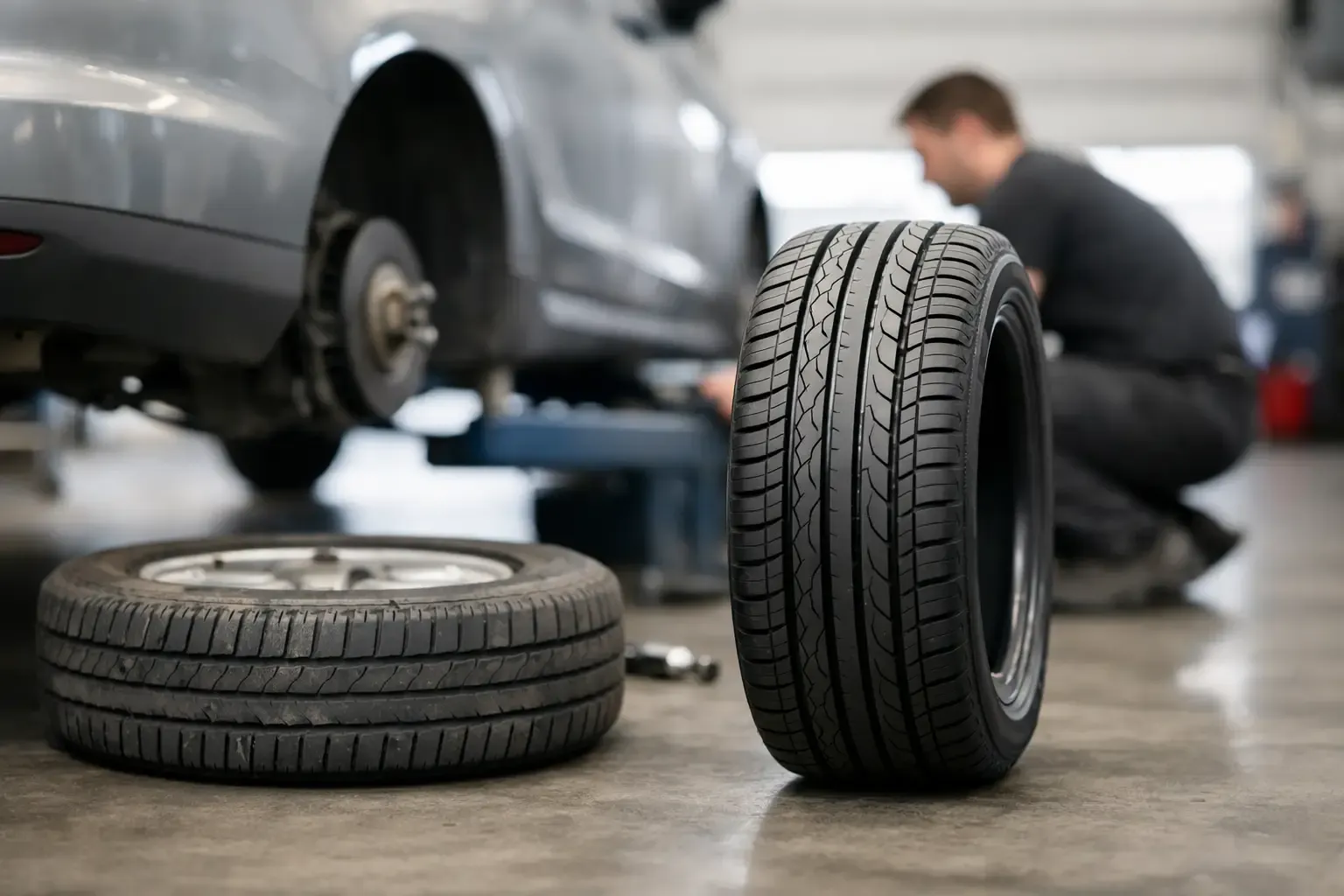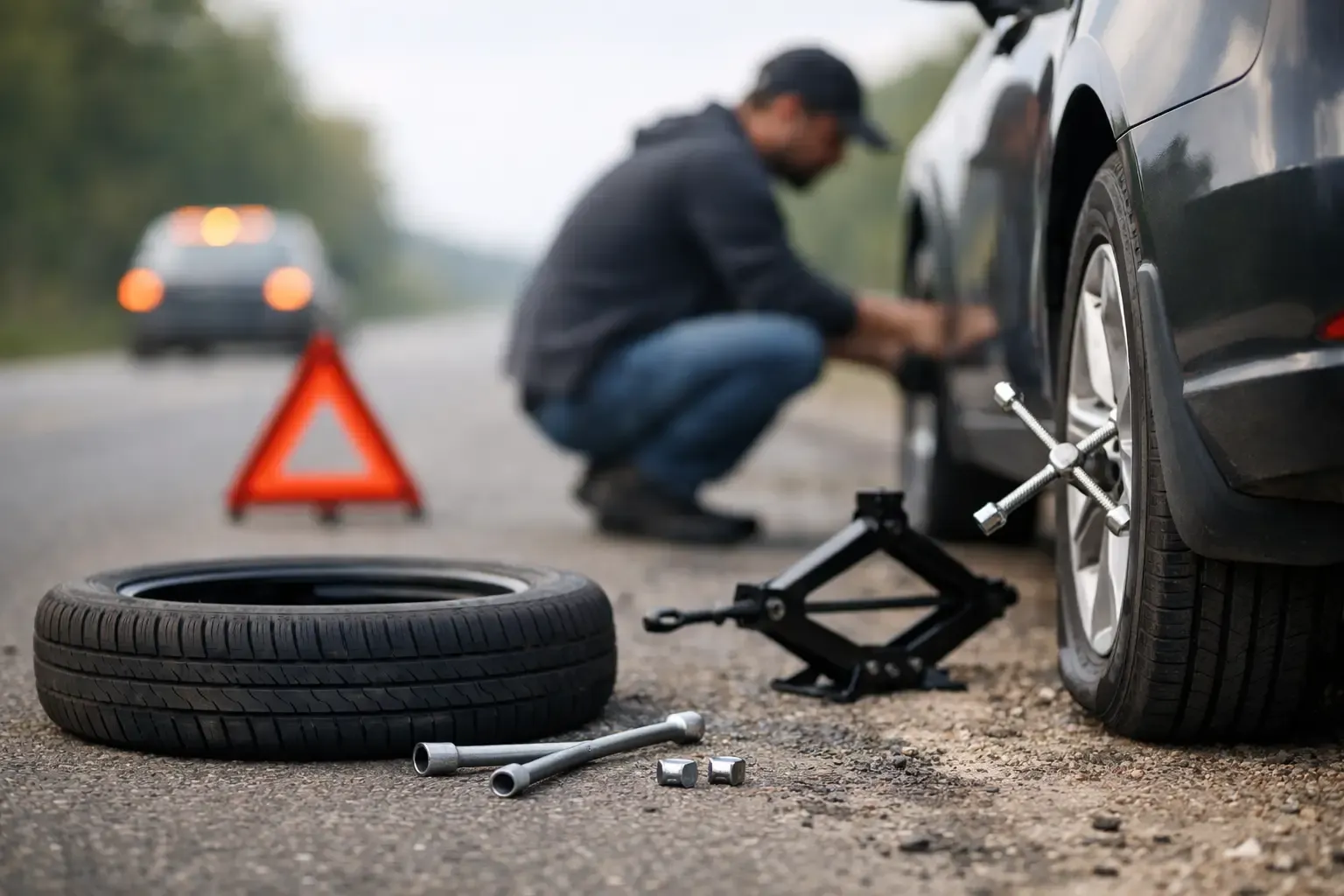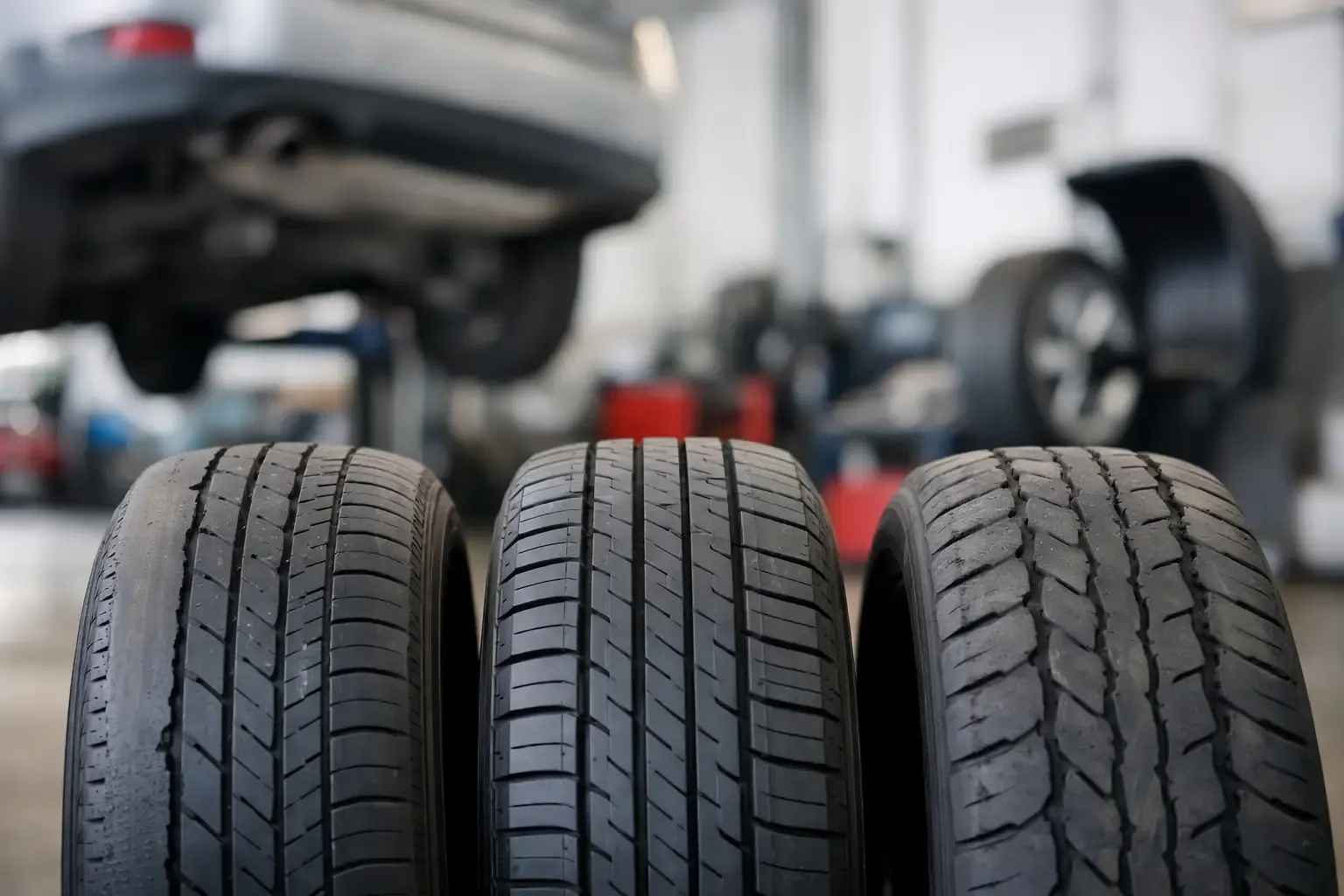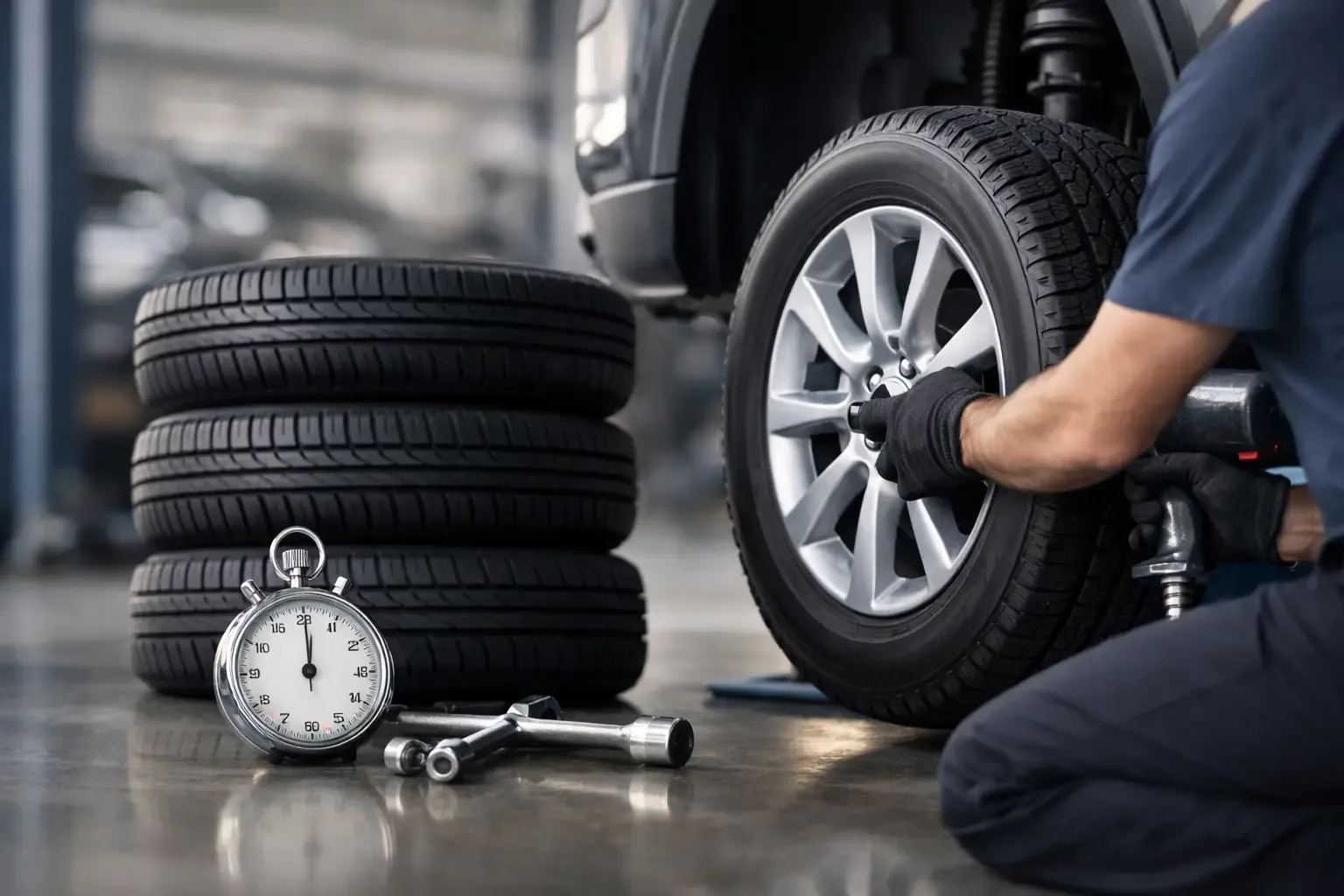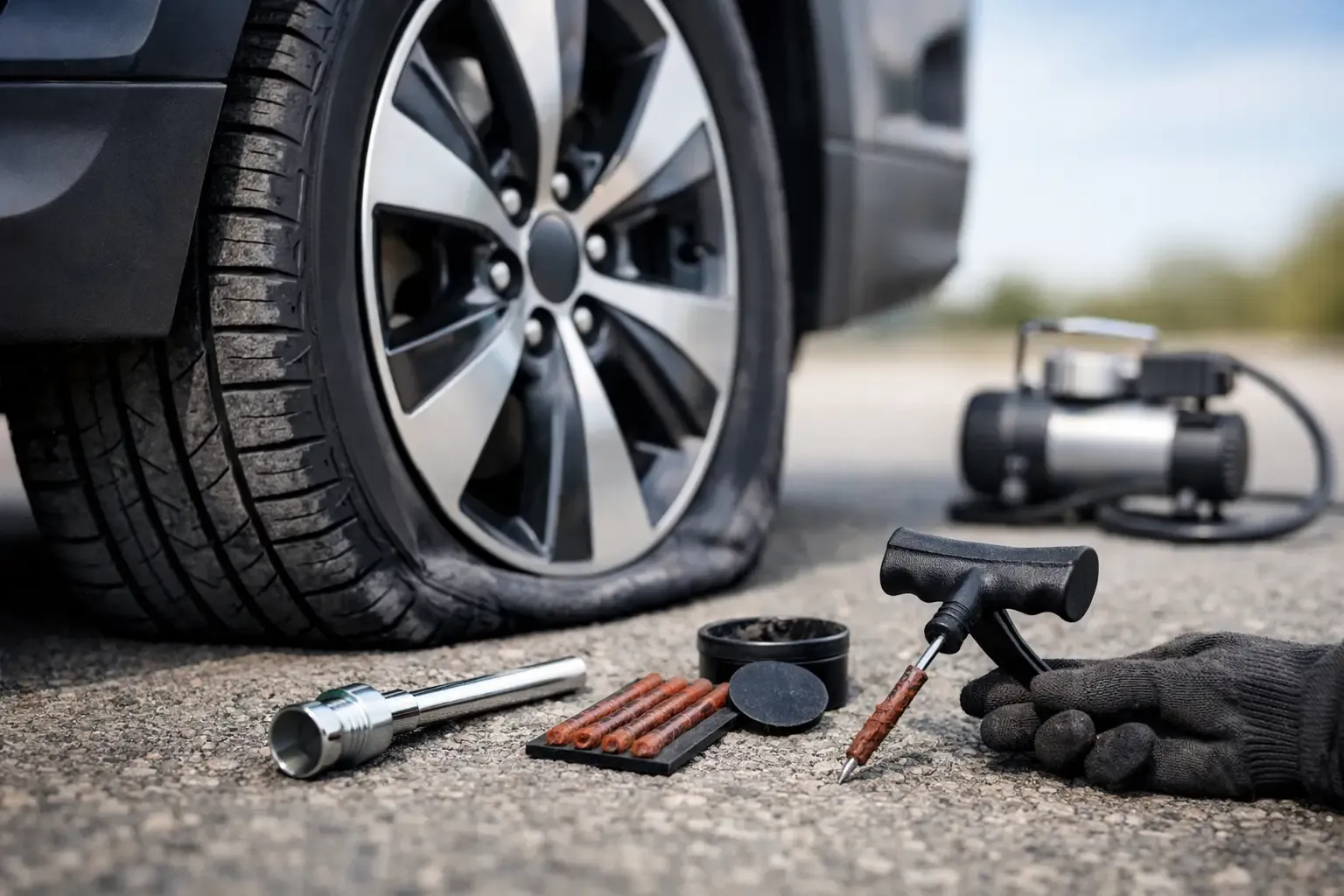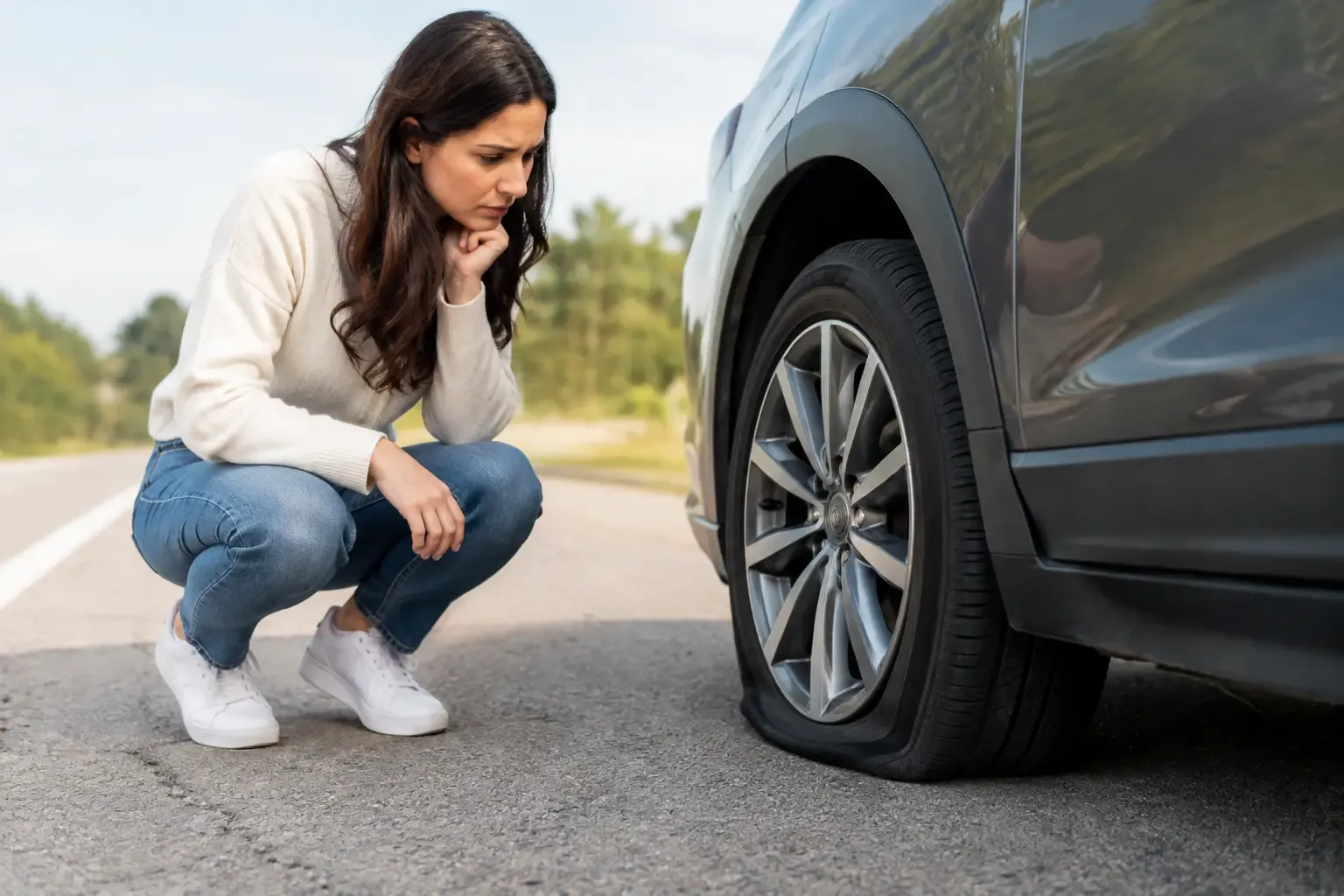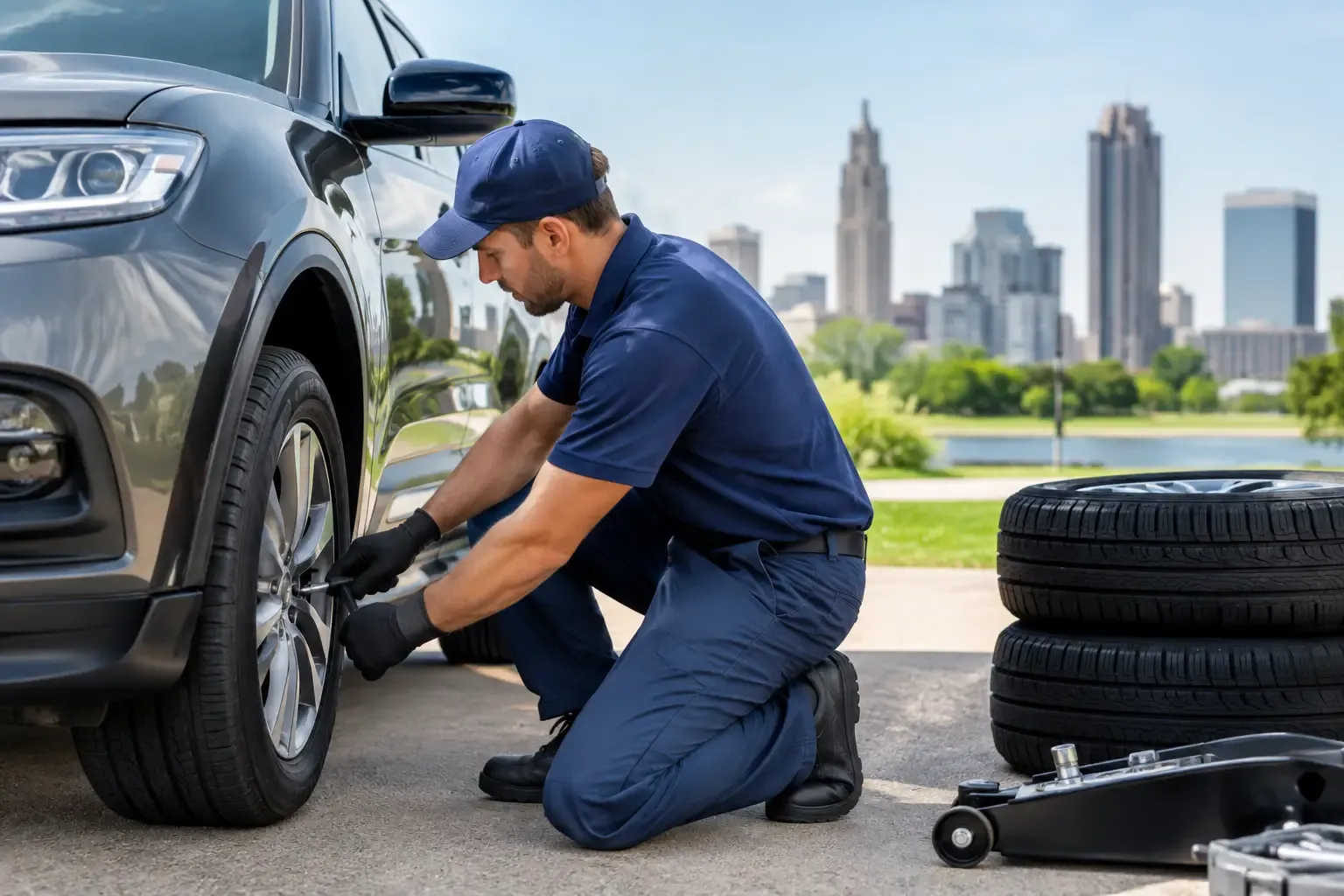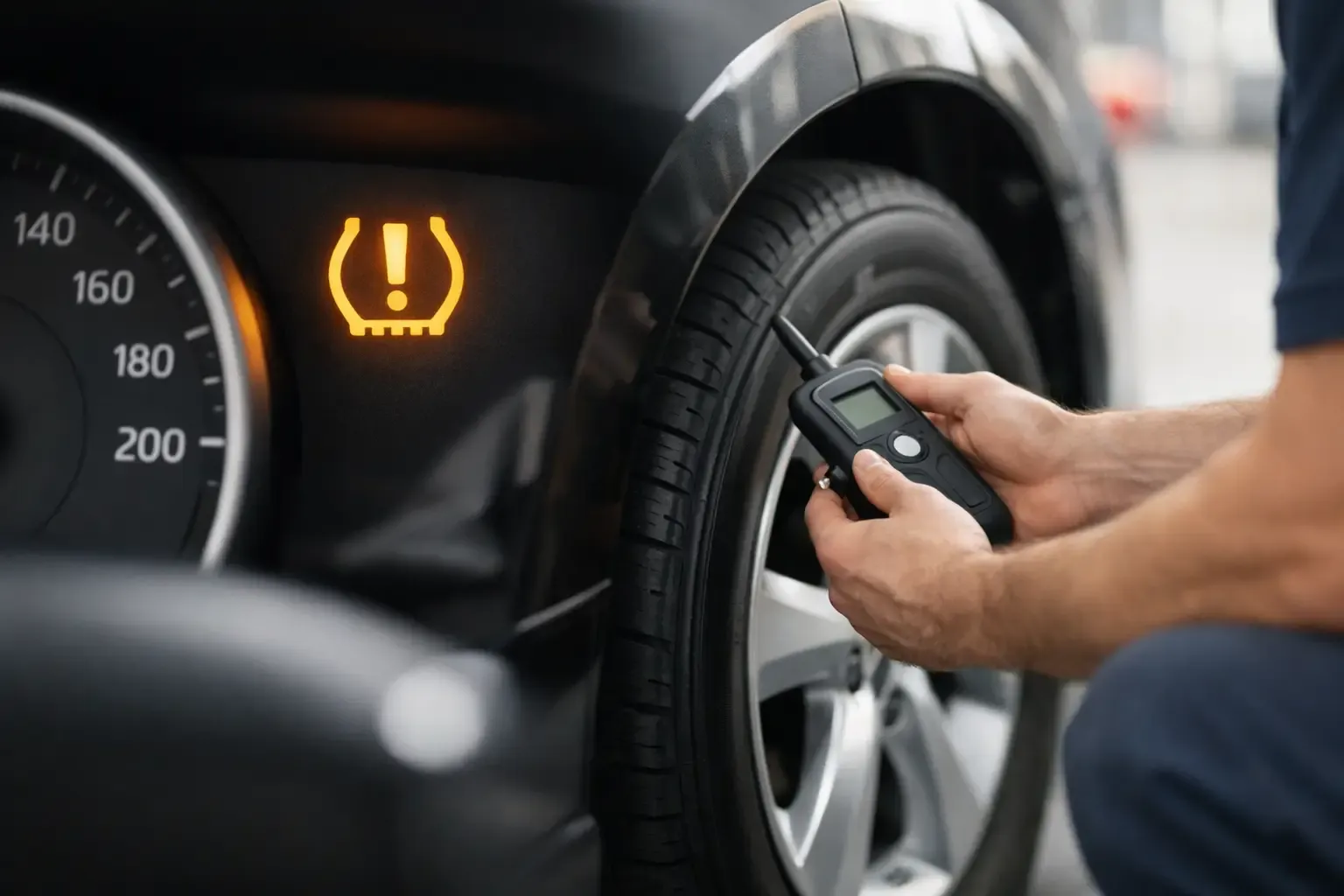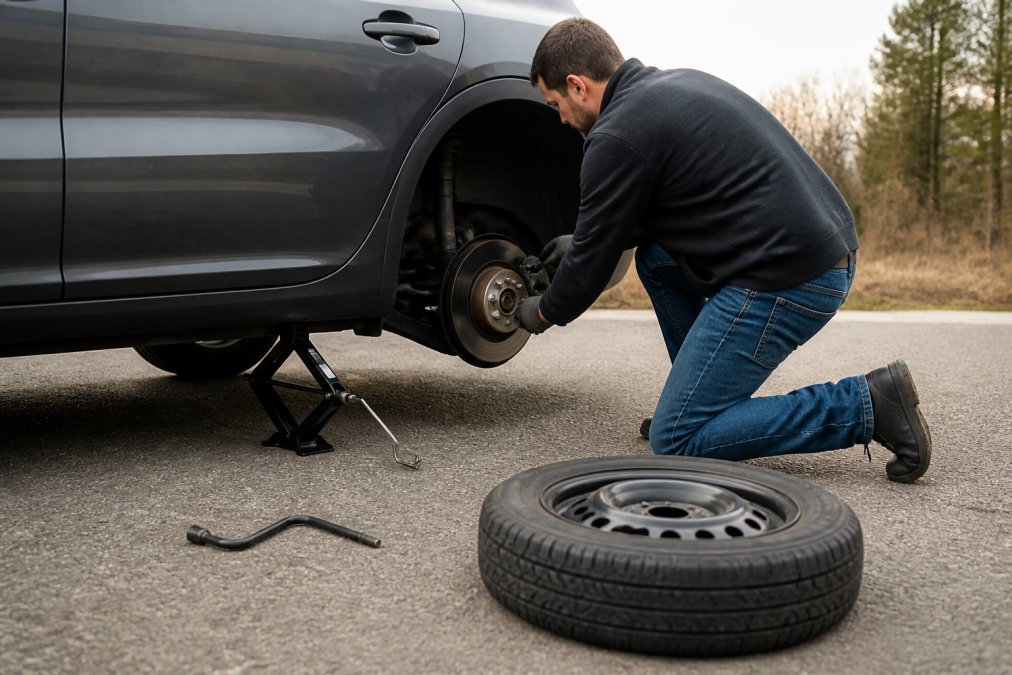
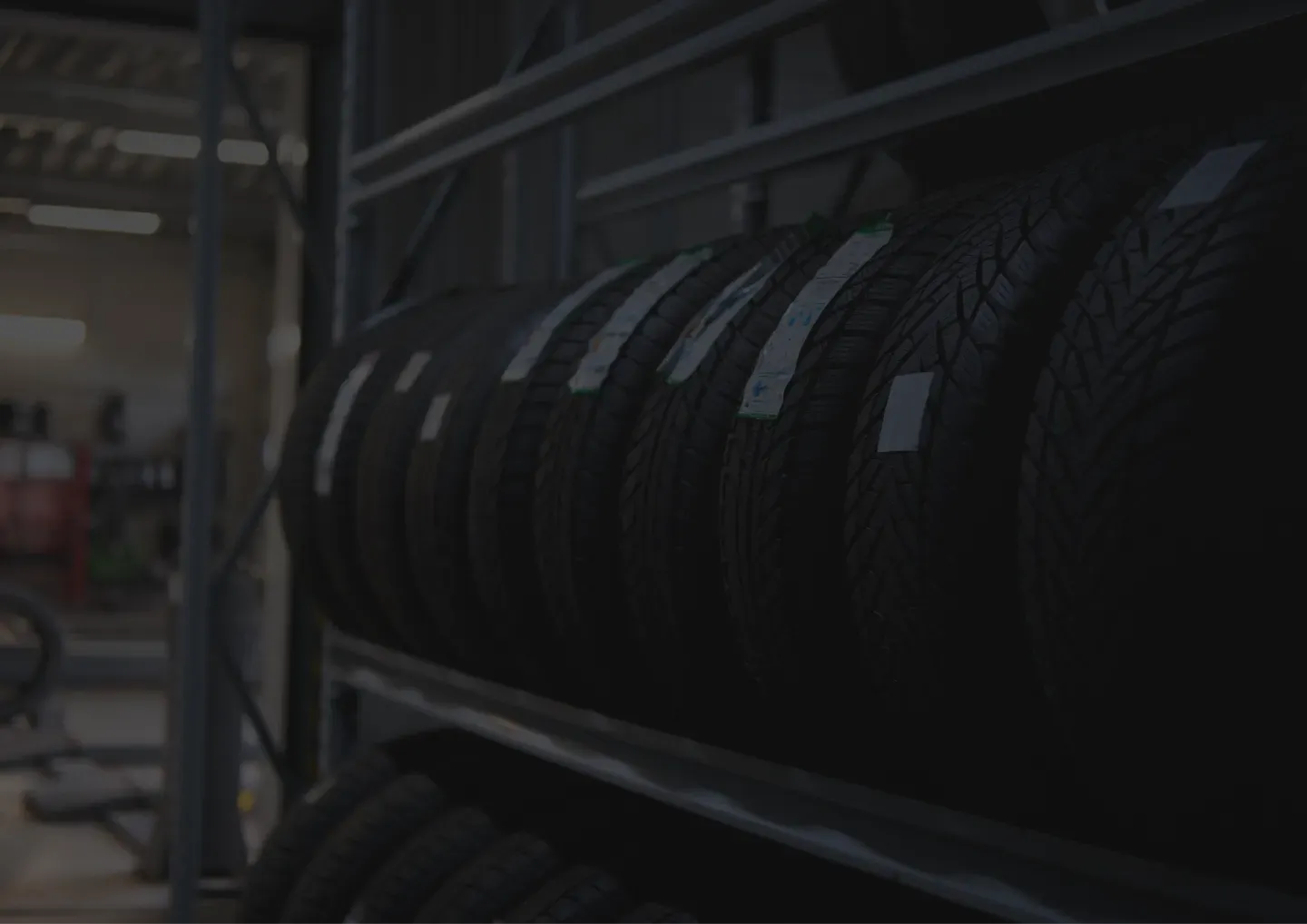
Most Columbus drivers replace tires the same way: something goes wrong first. A tire pressure light on a 25-degree morning, a slide through a turn on the first slushy commute, or a technician pointing out that the tread is nearly gone. By then the choice is rushed, and the tires you end up with are whatever can be installed fastest.
There is a better window, and it is right now. Late October through November is the smartest time to put a new set on your vehicle in central Ohio. Here is why timing matters, how to tell whether your current tires will make it through winter, and how to get a full set installed without losing a day to a tire shop.
Why the weeks before the first snow matter
Tires do their hardest work in winter. Cold pavement, wet leaves, freezing rain, and the occasional real snowfall all test the one thing tires are built for: grip. Deep tread channels water and slush away from the contact patch. Shallow tread can't, and that shows up as longer stopping distances and less steering control right when you need them most.
The problem is that worn tires often feel fine in October. Dry fall pavement hides a lot. The difference only becomes obvious on the first slick morning on I-70 or US-33, and by then every shop in town is booked with drivers who had the same realization at the same time.
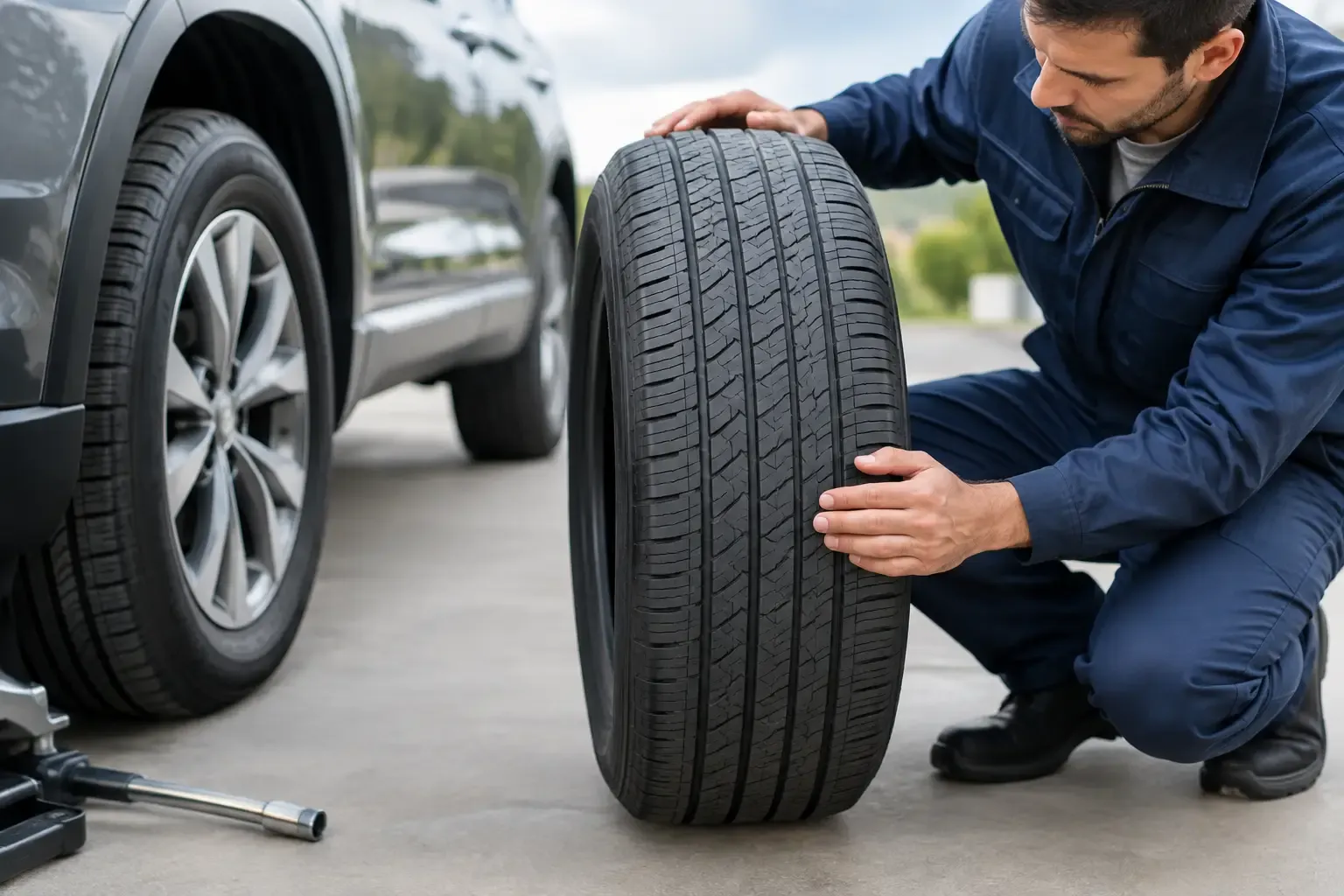
Replacing tires before that rush means you choose the set you actually want, instead of the set that happens to be in stock the week after the first storm.
How to tell if your tires will make it through winter
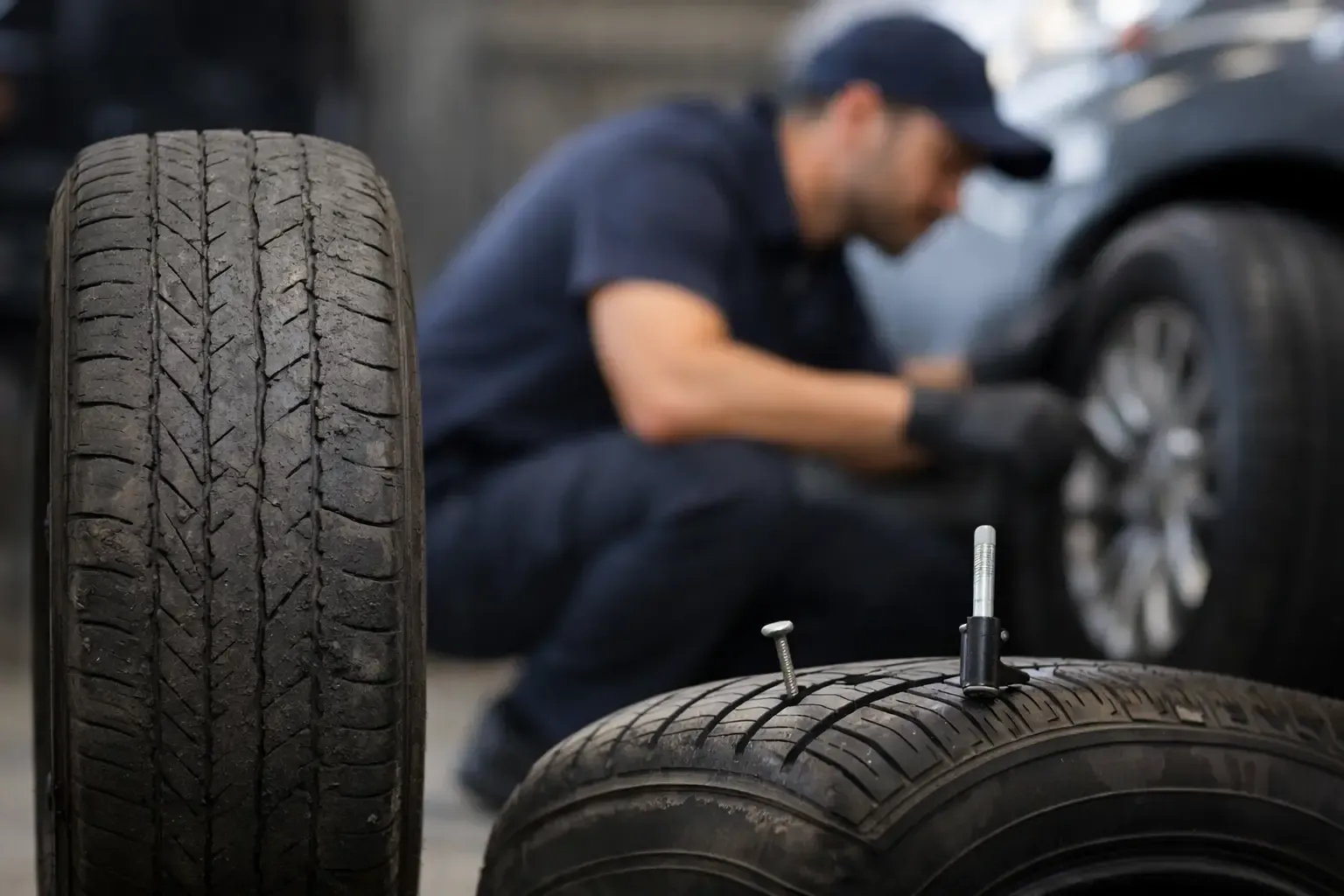
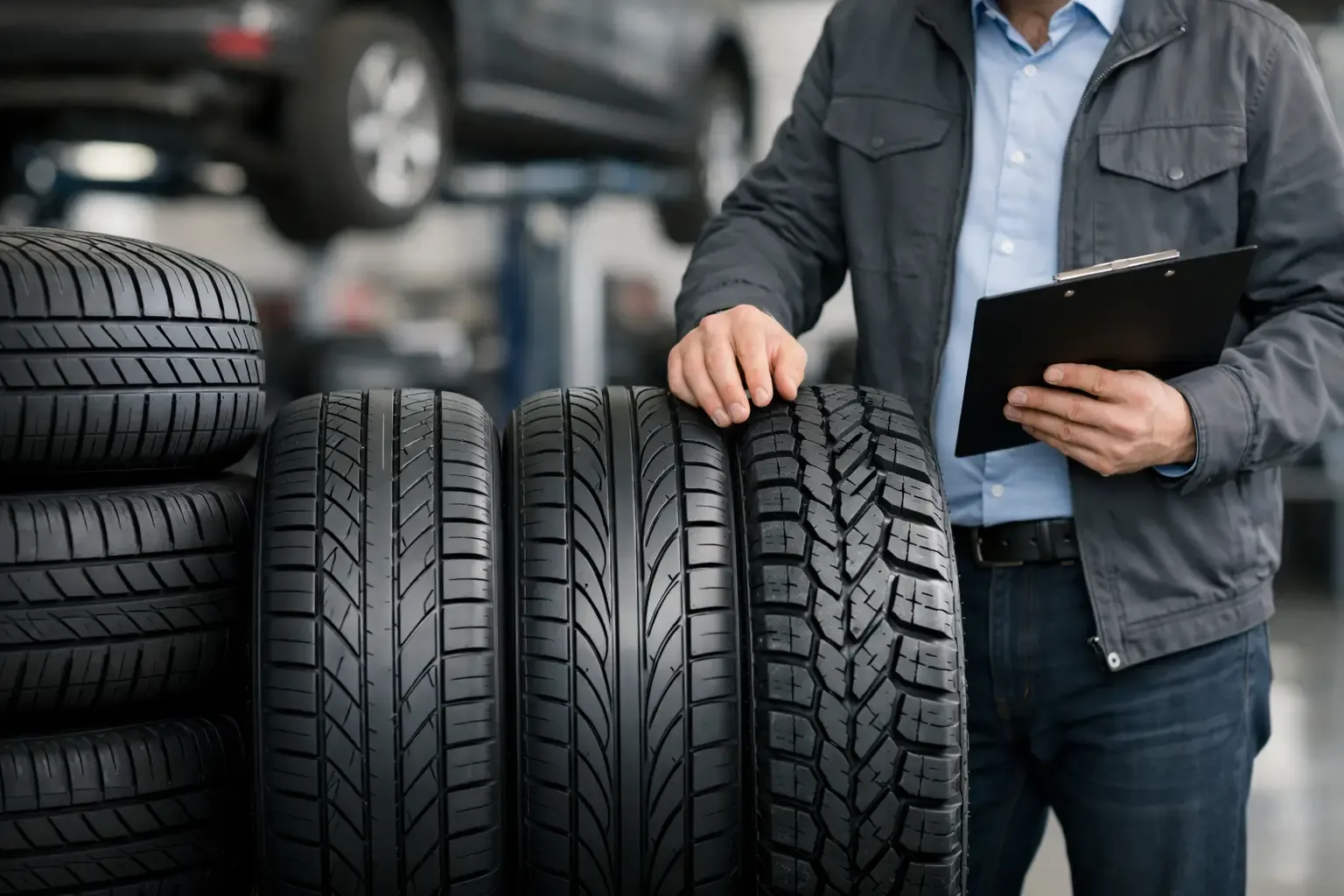
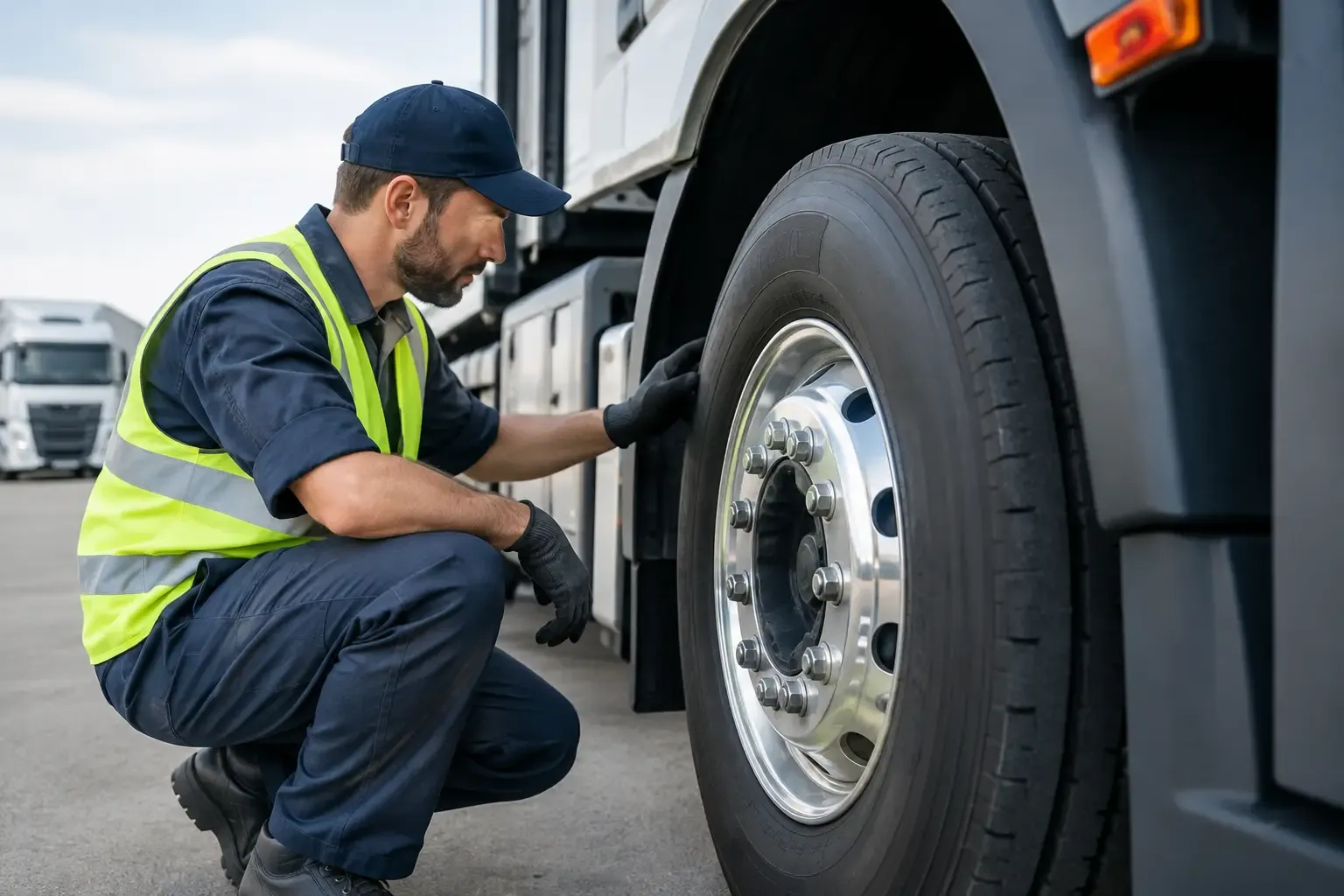
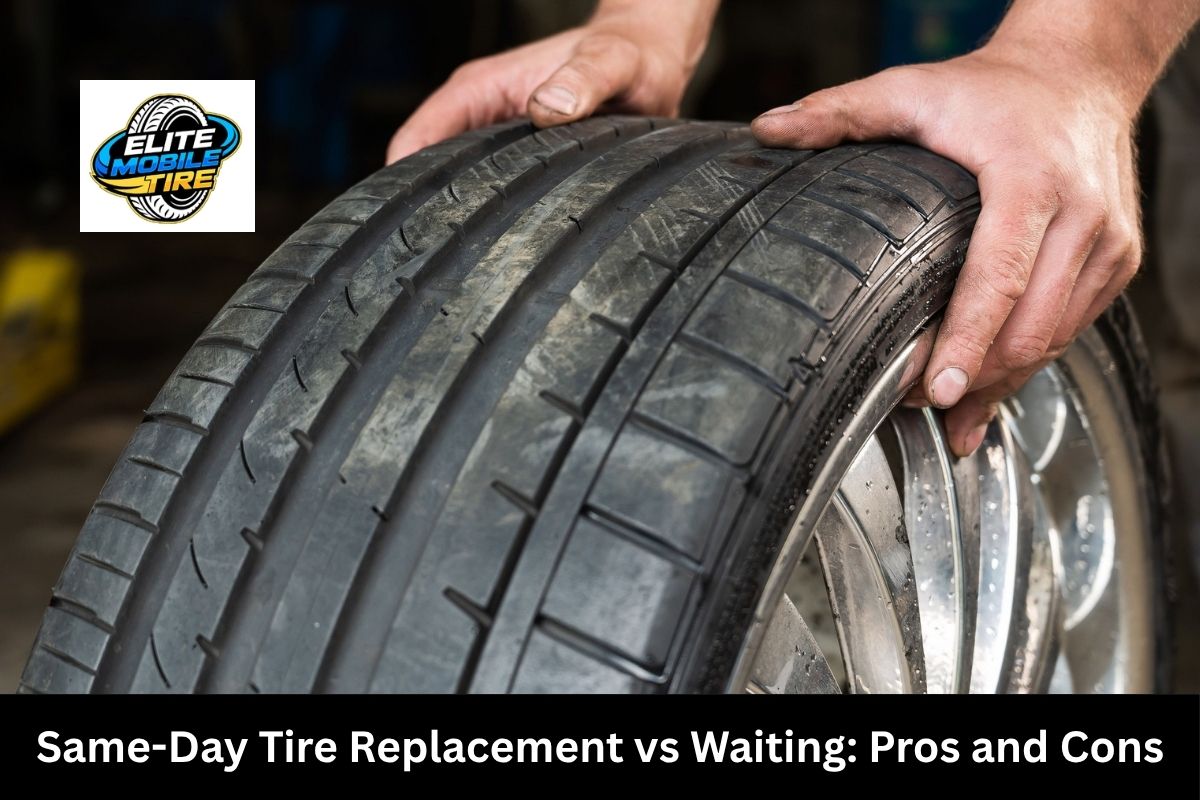
Legal minimum tread and winter-ready tread are not the same thing. Many tire experts suggest replacing tires before they reach 4/32 of an inch if you drive in snow and slush, well before the 2/32 wear bars molded into the grooves.
A quick at-home check:
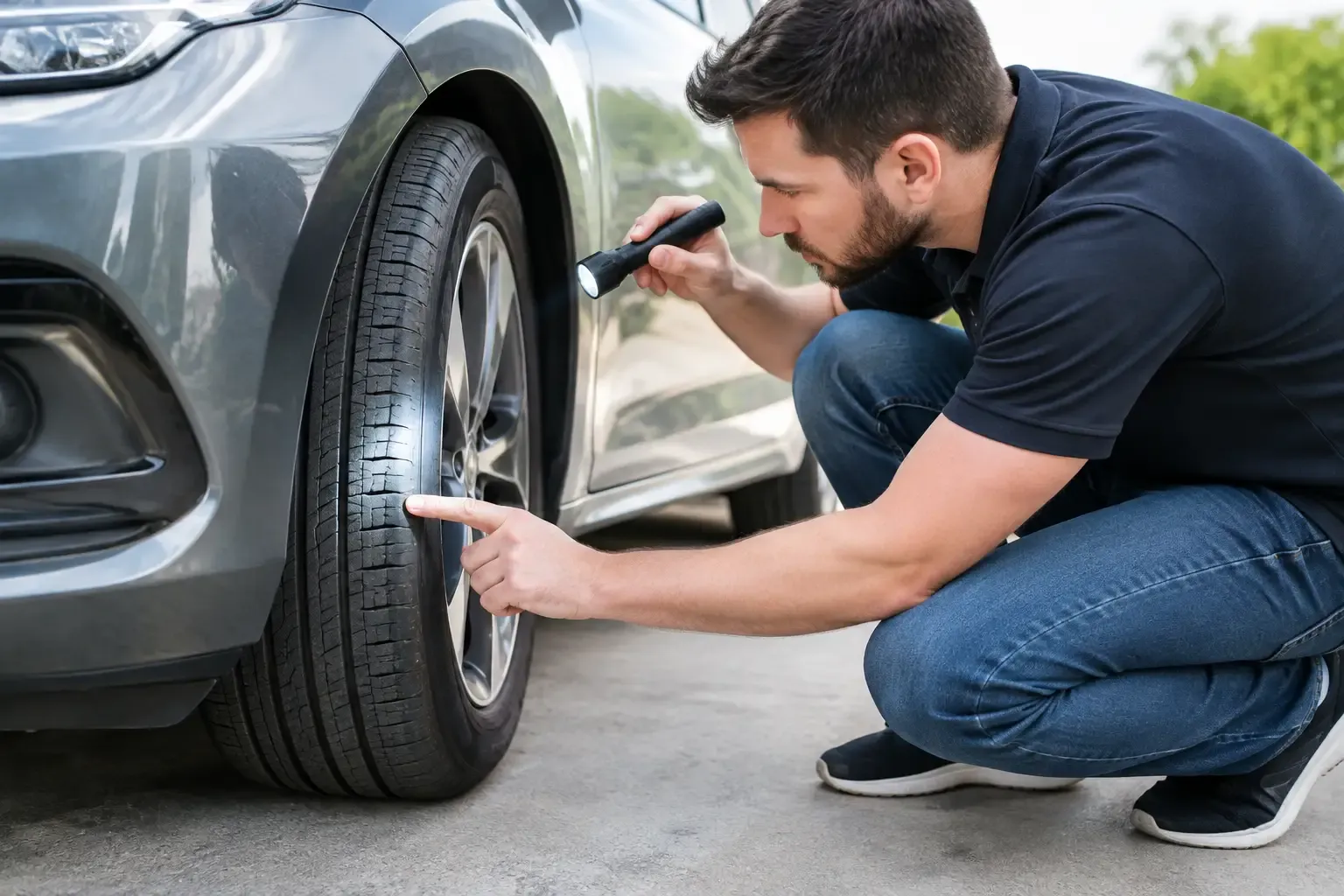
- The quarter test: Put a quarter upside down in a tread groove. If you can see the top of Washington's head, you're at roughly 4/32 or less and close to the point where winter traction drops off.
- Check all four, not just the obvious one: Front tires on most front-wheel-drive cars wear faster. If the fronts are low, the rears may not be far behind.
- Look at the date code: The last four digits of the DOT code on the sidewall show the week and year the tire was made. Older rubber hardens over time and loses grip in the cold, even with tread left.
- Look for cracks, bulges, and uneven wear: Any of these are reasons to replace rather than gamble on another season.
If you're not sure how to read the markings, our guide on how to read a tire sidewall walks through every number.
Cold weather makes weak tires weaker
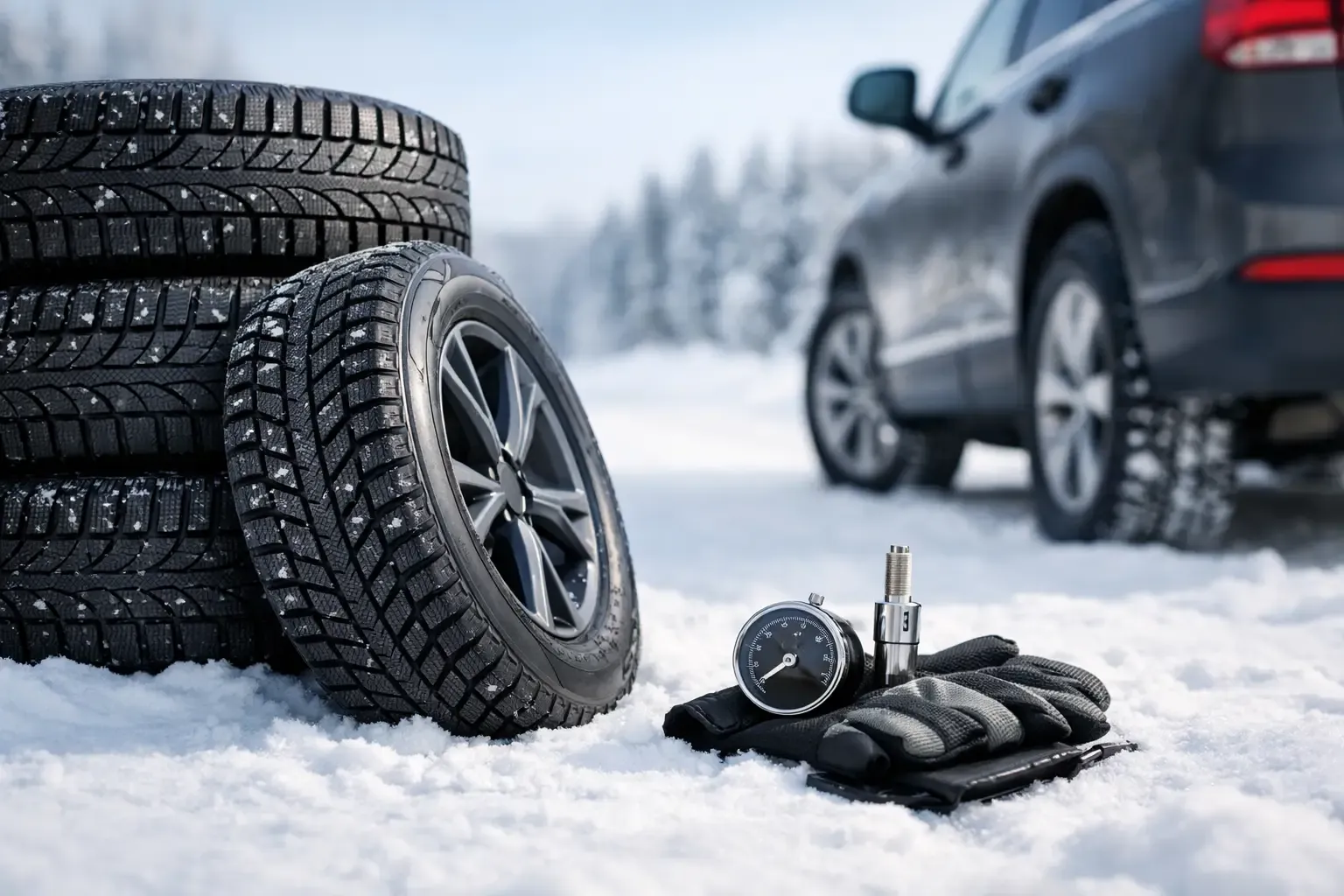
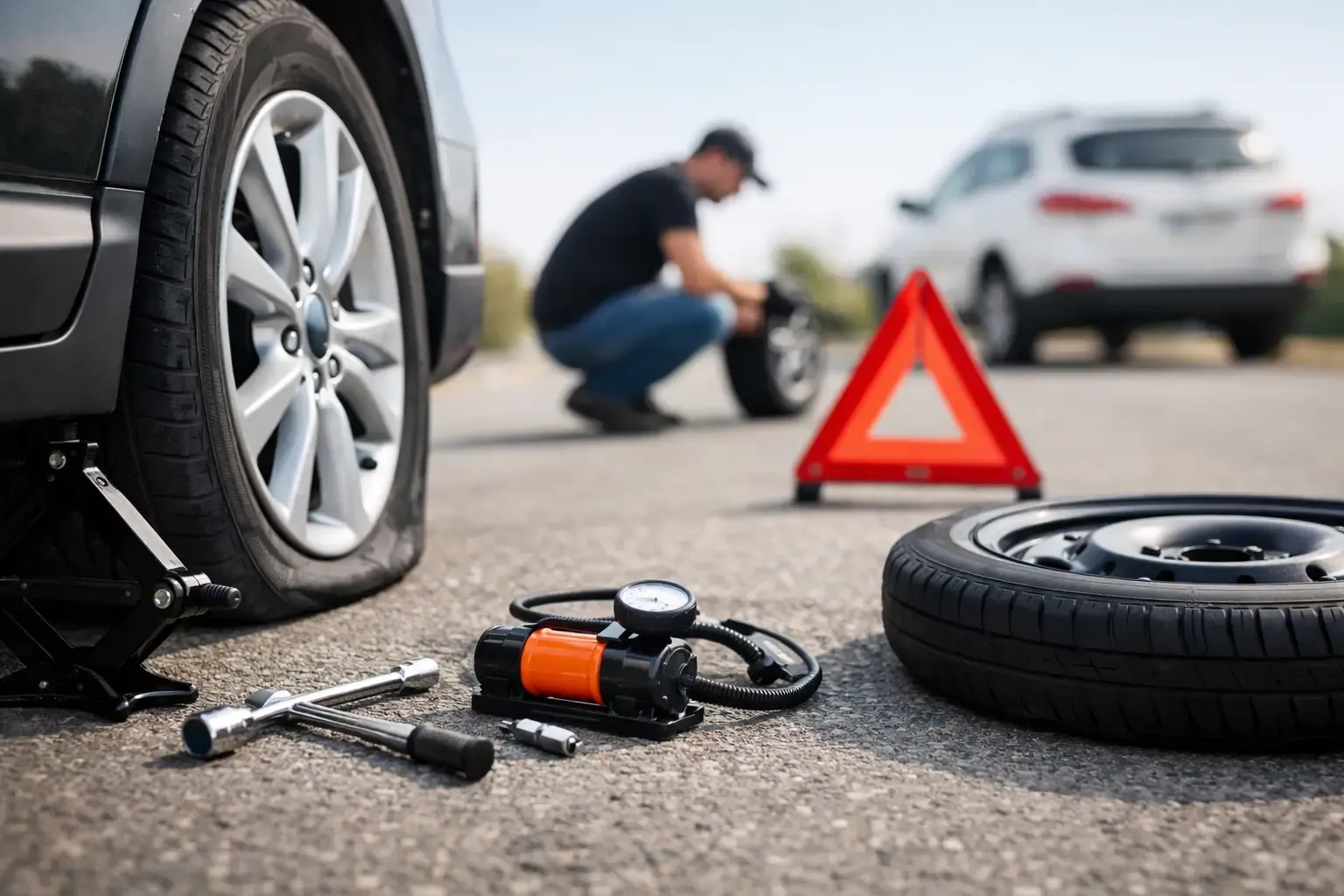
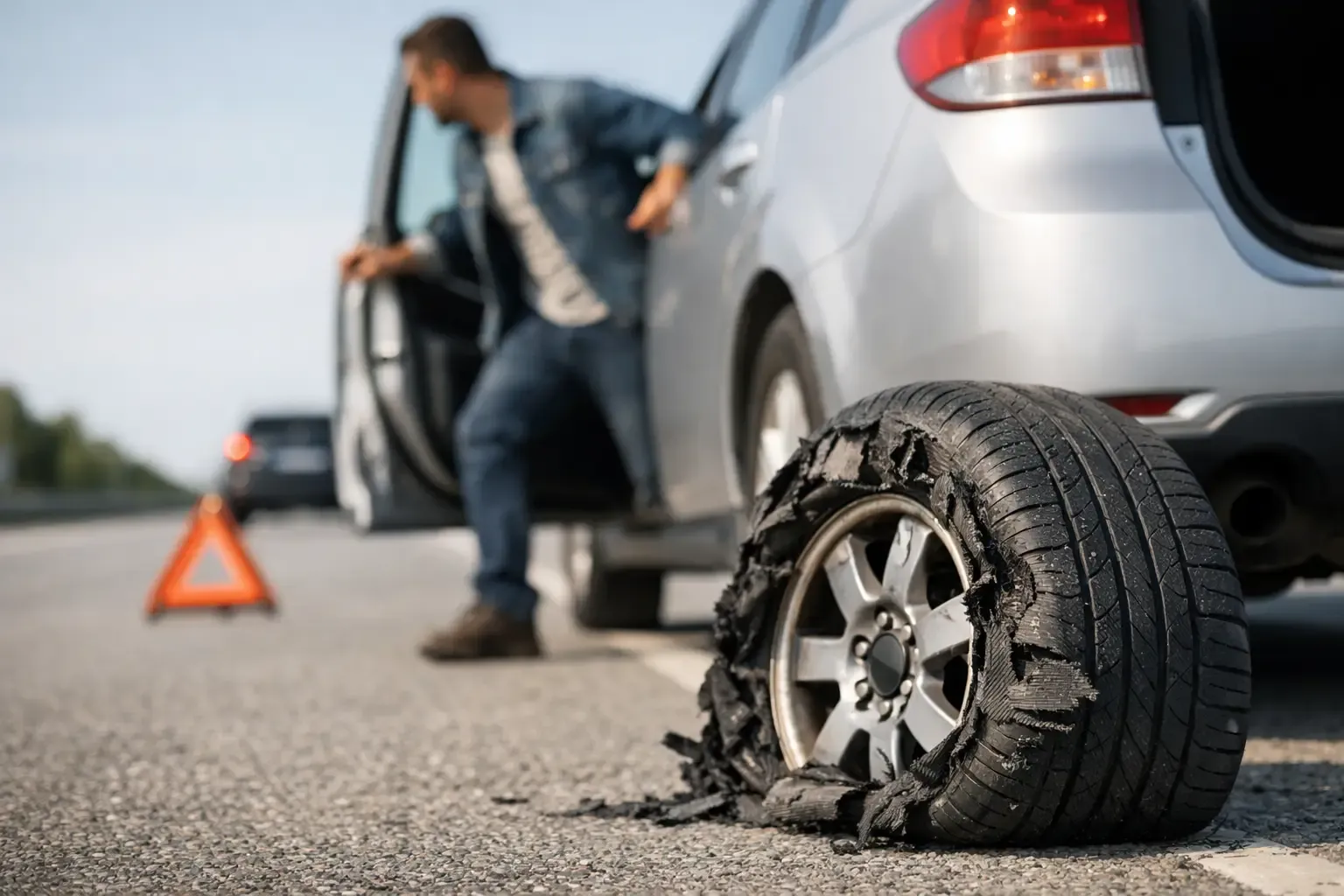
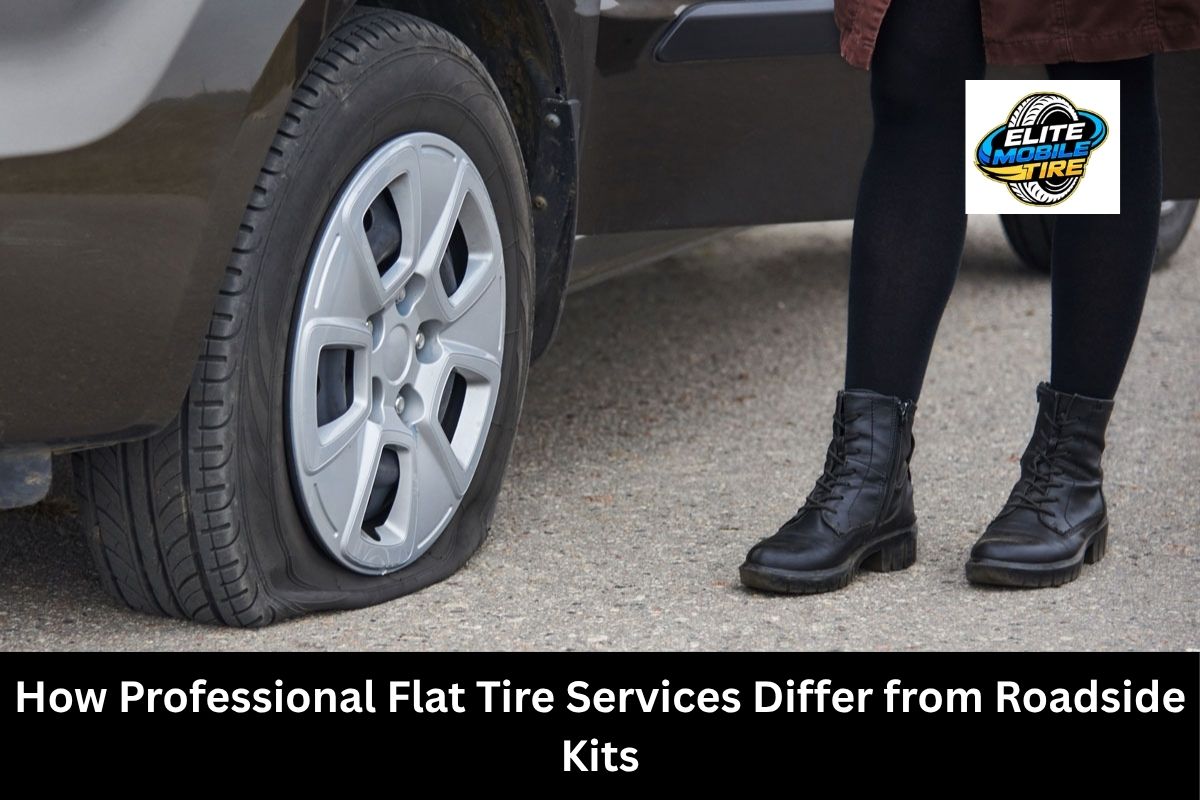
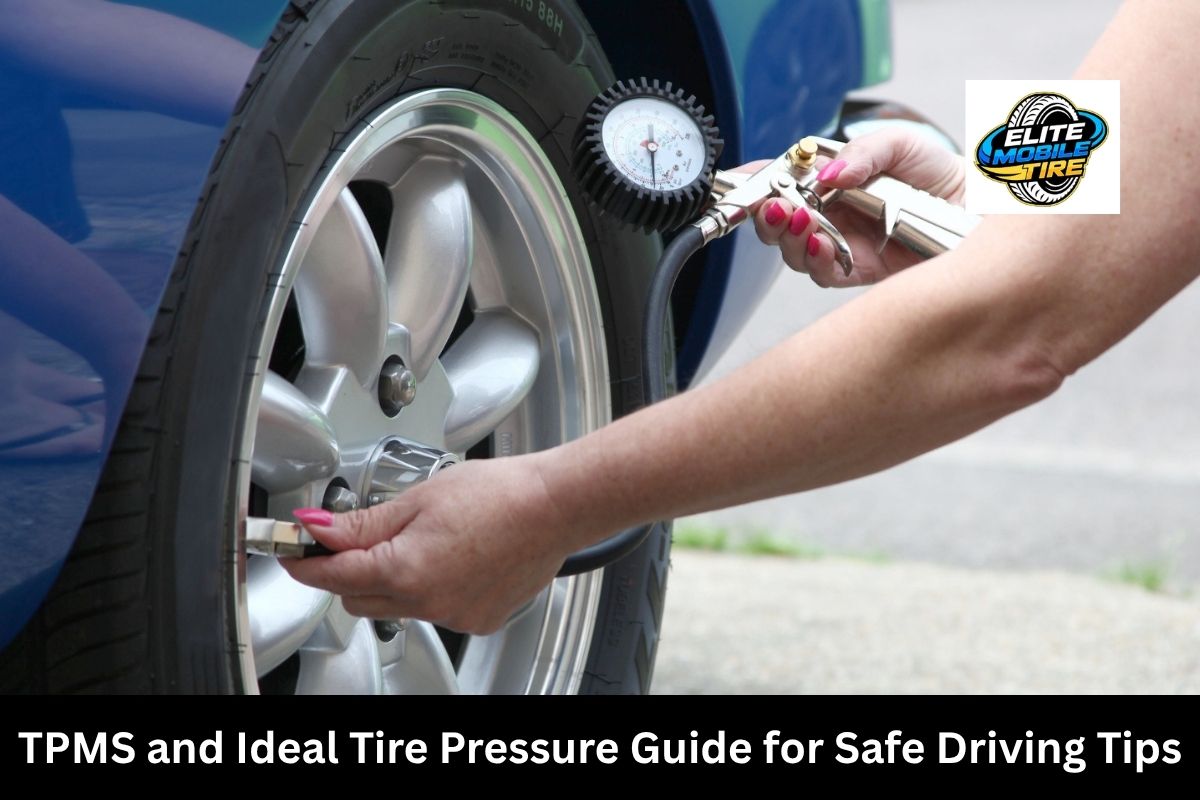
Tire pressure drops as temperatures fall, roughly 1 PSI for every 10 degrees Fahrenheit. A tire that was set correctly on a 70-degree afternoon in September can be noticeably underinflated on a 30-degree December morning. Underinflated tires flex more, build heat, and wear the edges faster. On a tire that is already near the end of its life, that extra stress is often what leads to a flat or a blowout.
The NHTSA tire safety page recommends checking pressure at least once a month and before long trips, using the number on the placard inside the driver's door, not the maximum printed on the tire.
Why a full set beats replacing one or two at a time
When drivers wait until a tire fails, they usually replace just that one. It feels cheaper in the moment, but it often leaves the vehicle with mismatched tread for the rest of the winter.
That matters more than many people realize. Many all-wheel-drive manufacturers recommend keeping all four tires within a narrow range of tread depth, because a new tire paired with three worn ones can put extra strain on the drivetrain. And on any vehicle, mismatched tires grip differently side to side and front to rear, which you feel most on wet or icy roads.
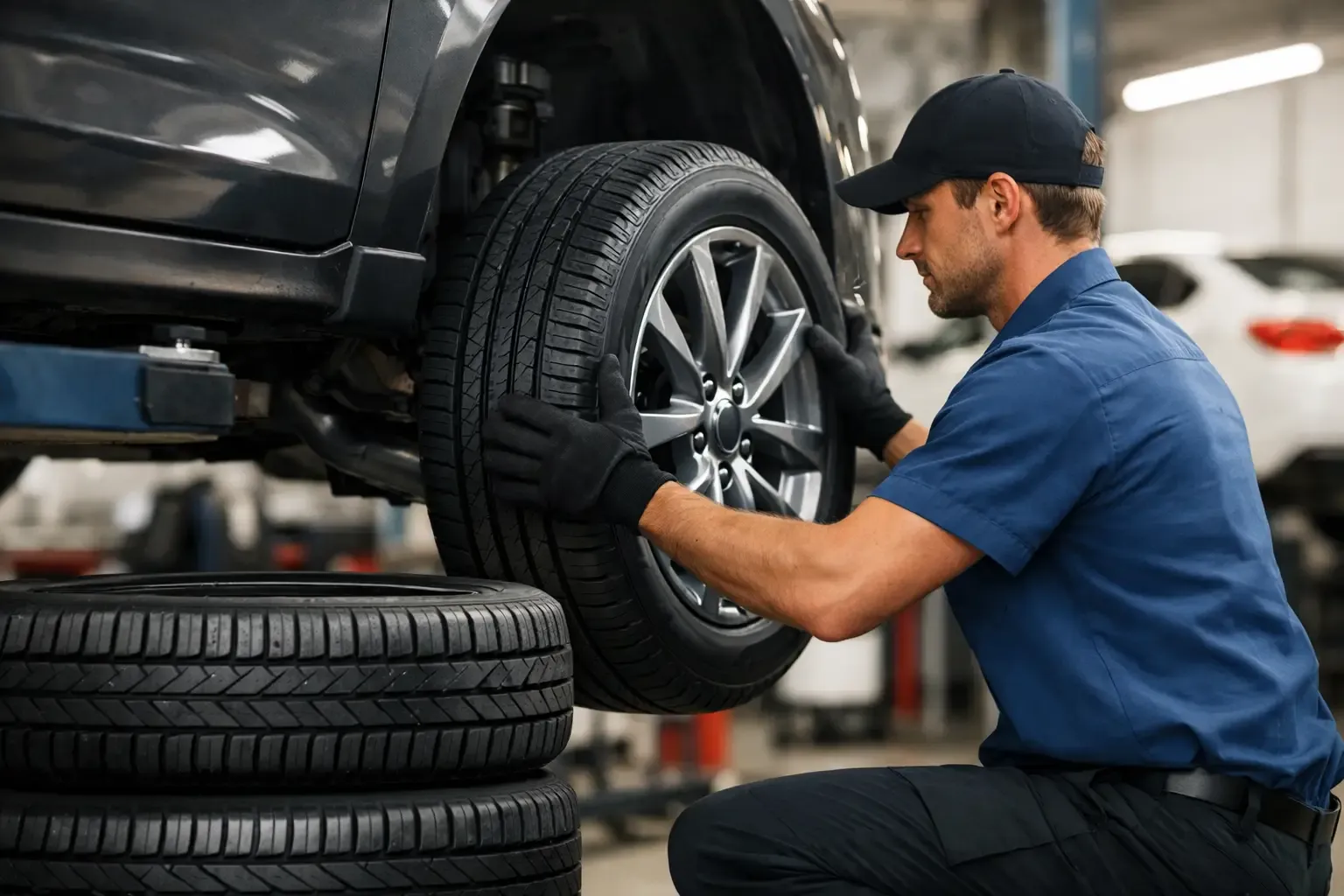
Replacing all four before winter gives you:
- Even grip at every corner for braking and turning
- Matched tread depth that keeps AWD systems happy
- One appointment instead of a string of emergency calls
- A clean starting point for rotations, so the set wears evenly for years
If two of your tires are still in great shape, a pair can make sense too. In that case, many manufacturers recommend putting the new tires on the rear axle for stability. Our guide on replacing 2 tires or 4 covers when each option fits.
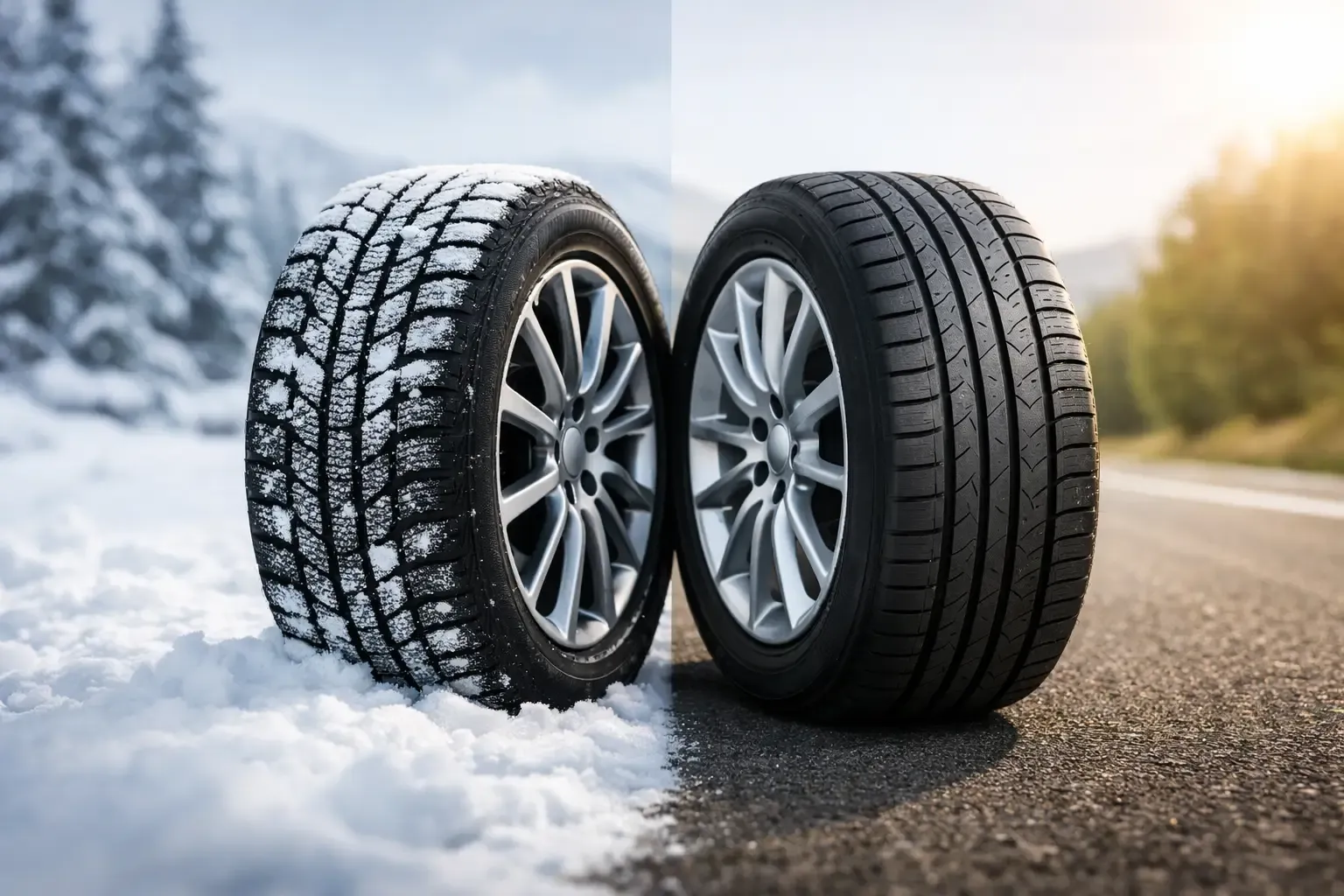
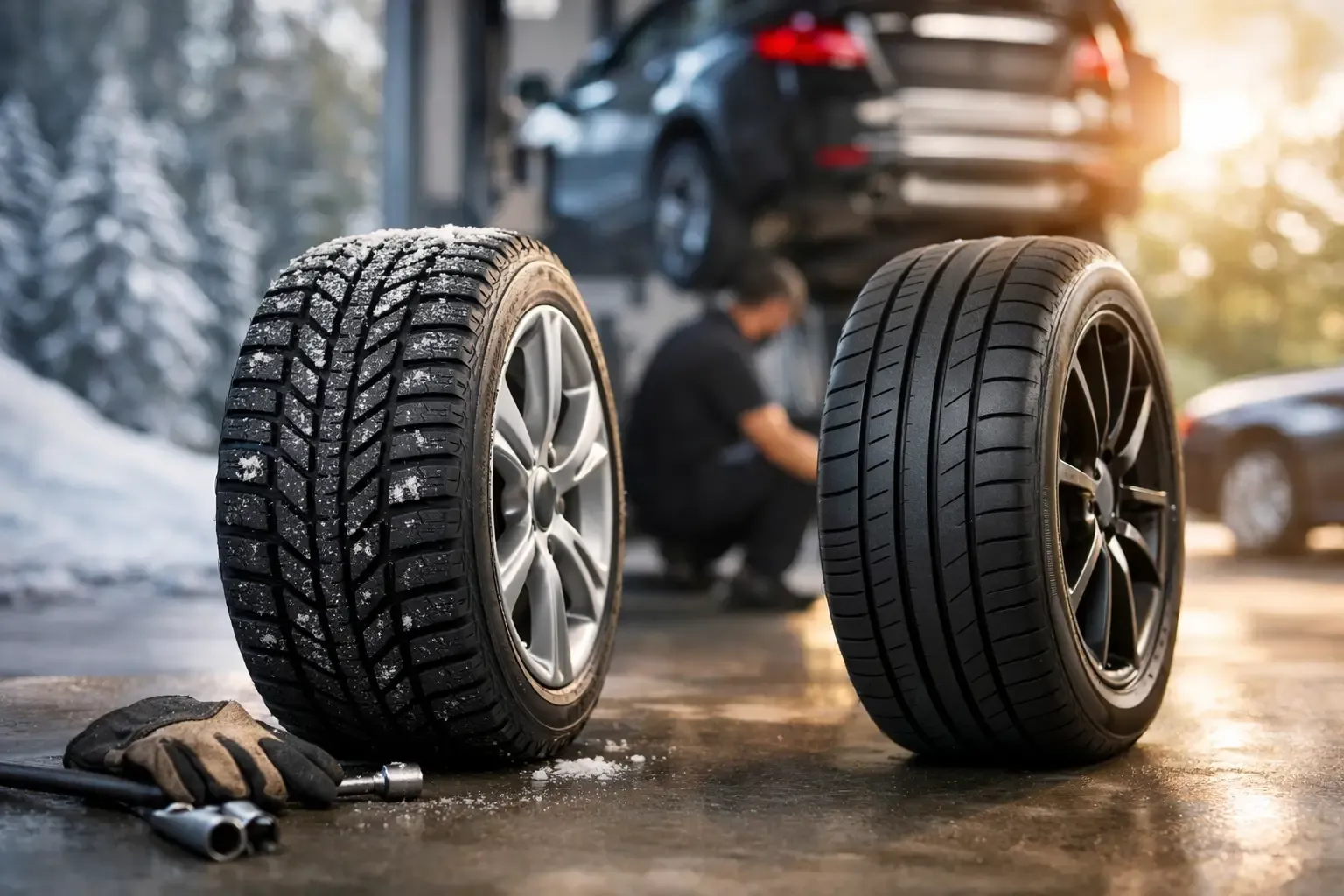
All-season, all-weather, or winter tires?
For most Columbus commuters, a quality all-season or all-weather tire is the practical choice. Central Ohio gets real winter days, but plenty of the season is cold rain and dry, salted pavement. All-weather tires carry the three-peak mountain snowflake symbol, which means they meet an industry standard for snow traction while still working year-round.
Drivers who face early commutes on untreated back roads, or who live out toward Ashville, Lithopolis, or Etna where plows arrive later, may want dedicated winter tires. Either way, the key is getting fresh tread on before the cold sets in.
Getting a set installed without the shop wait
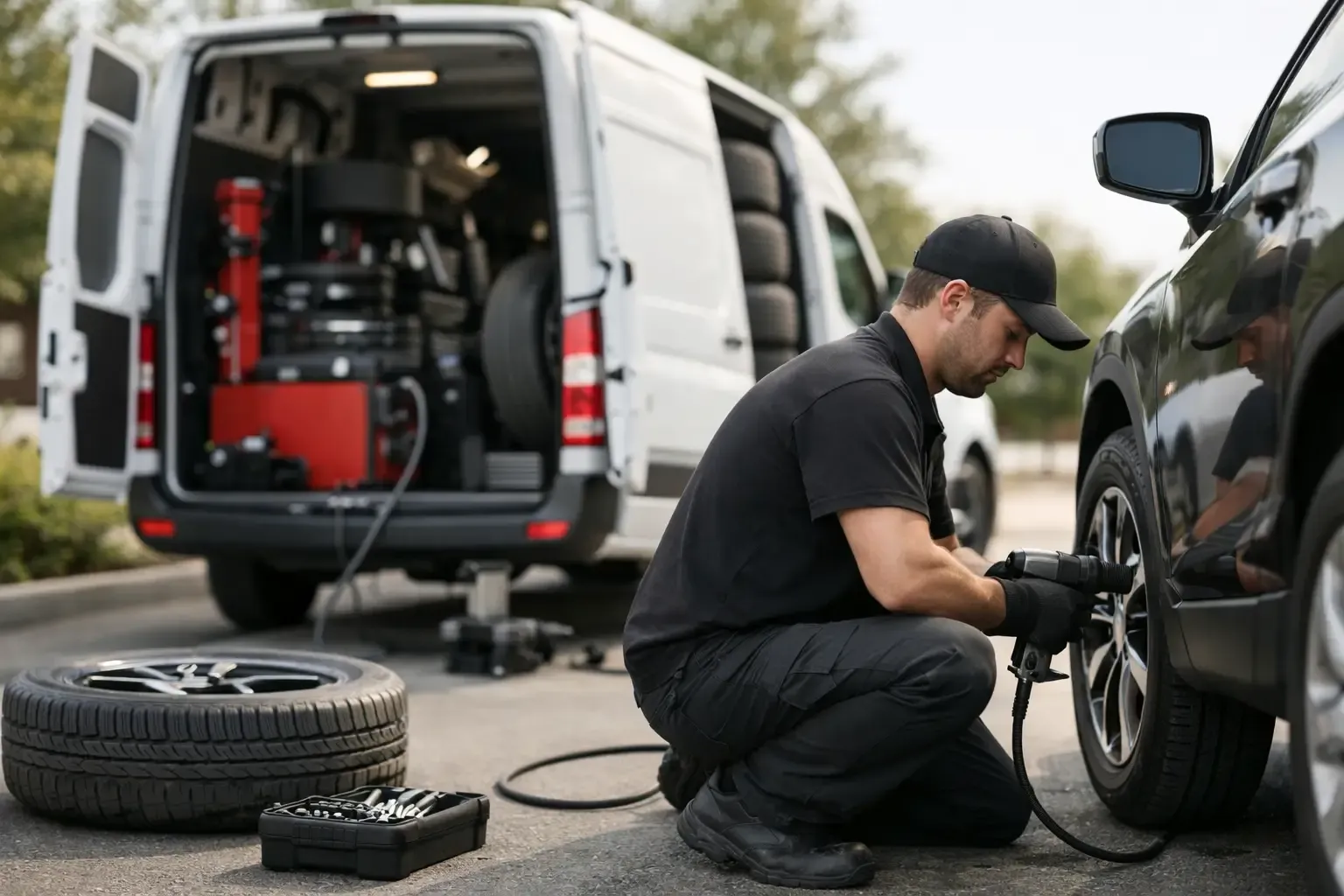
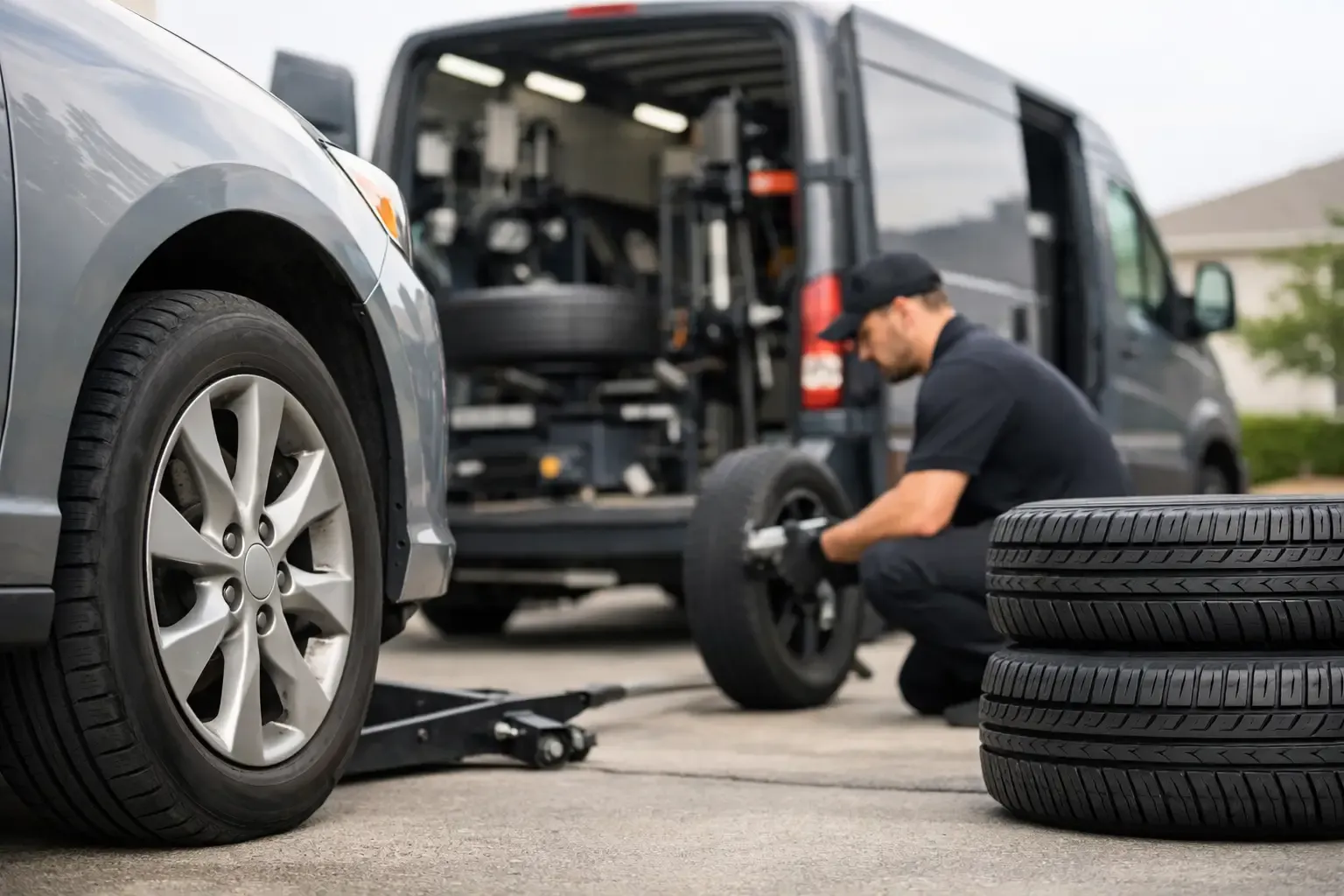
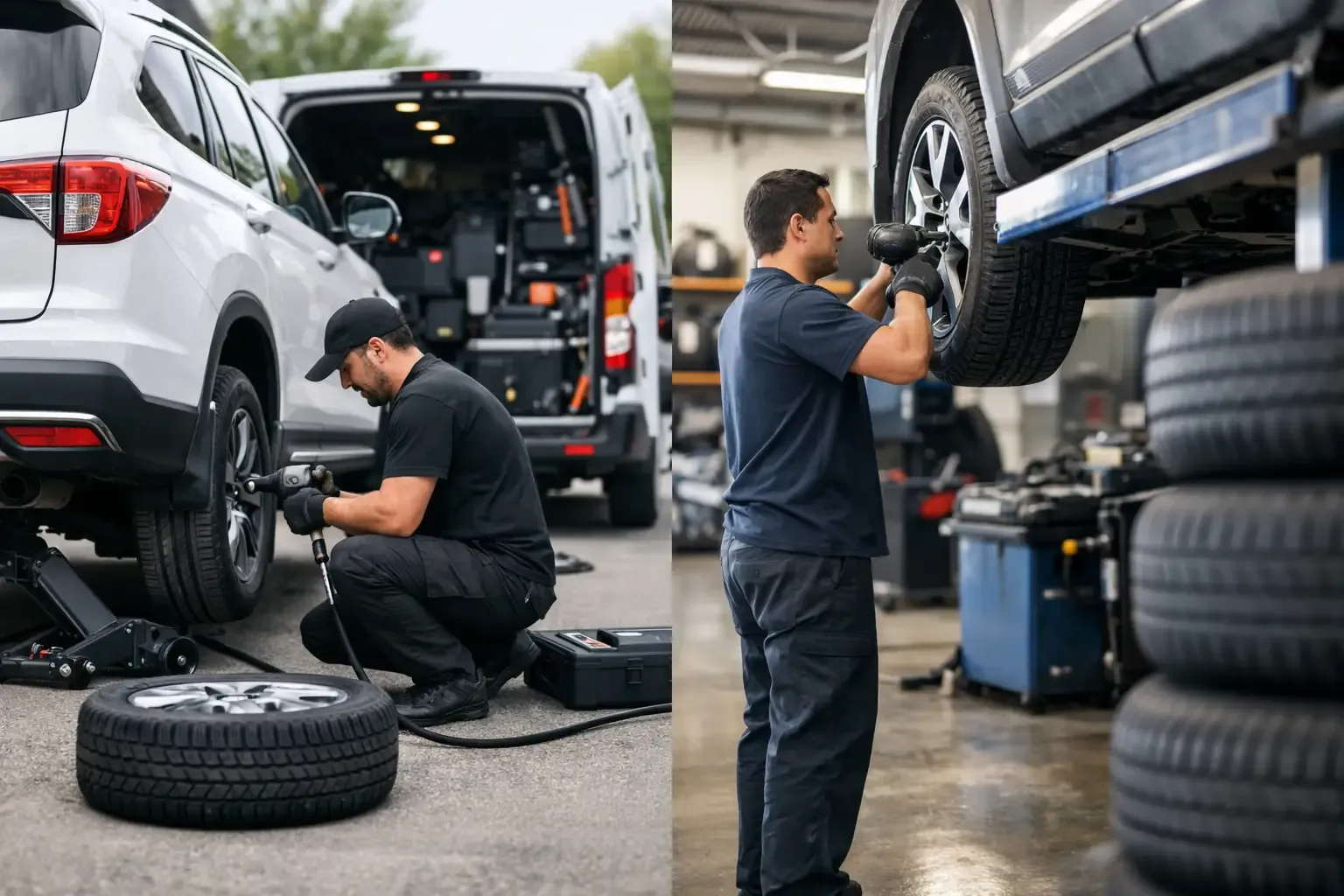
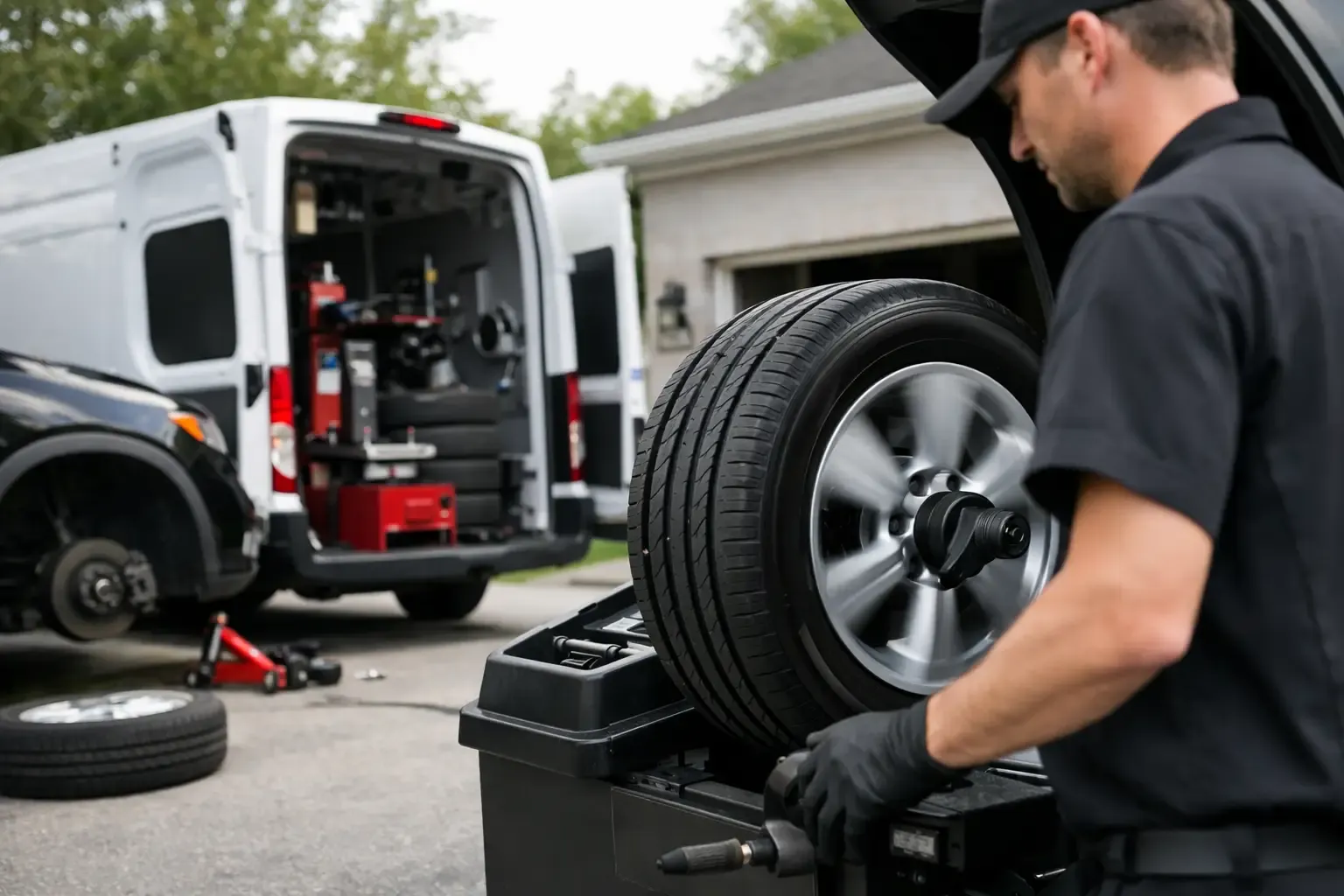
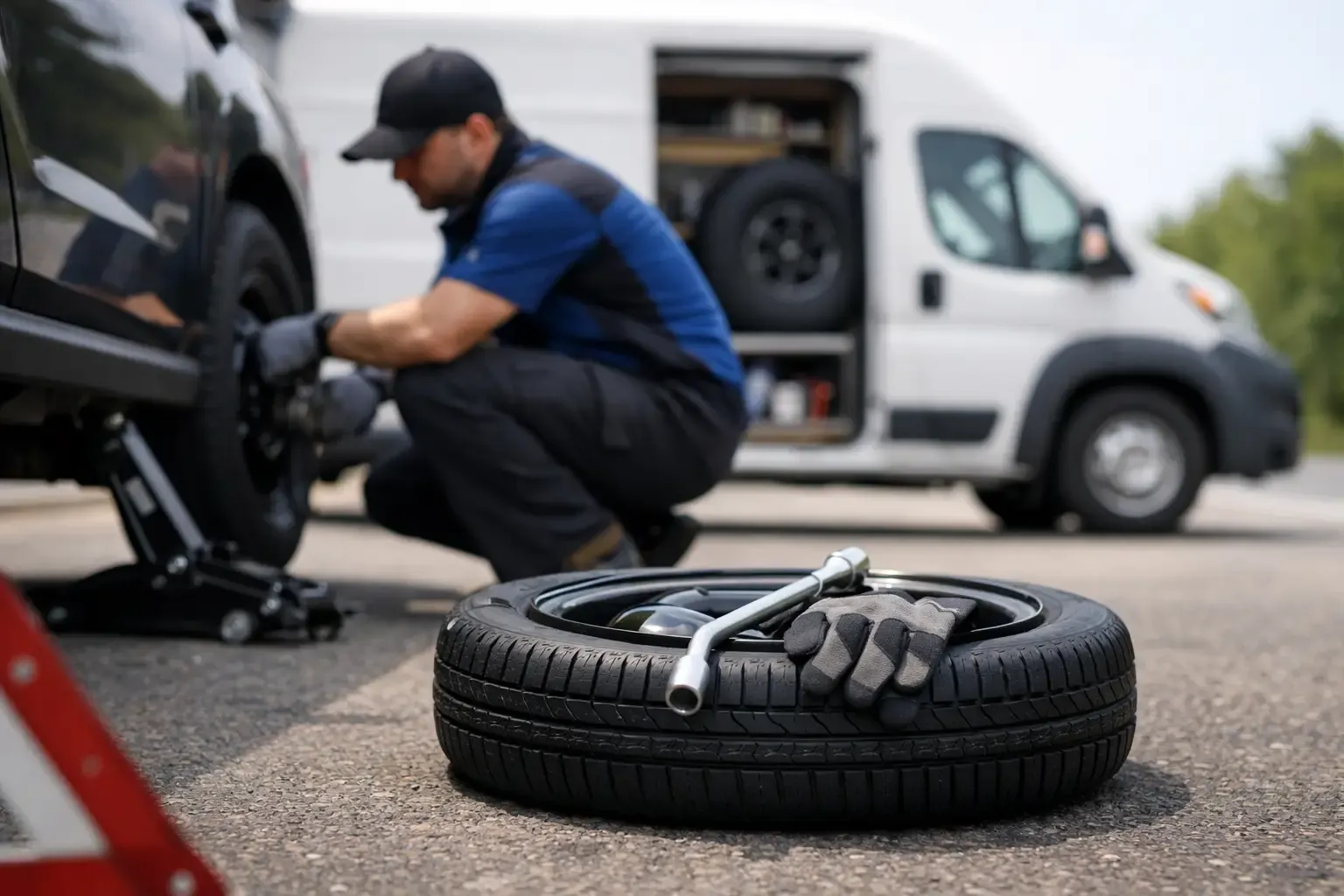
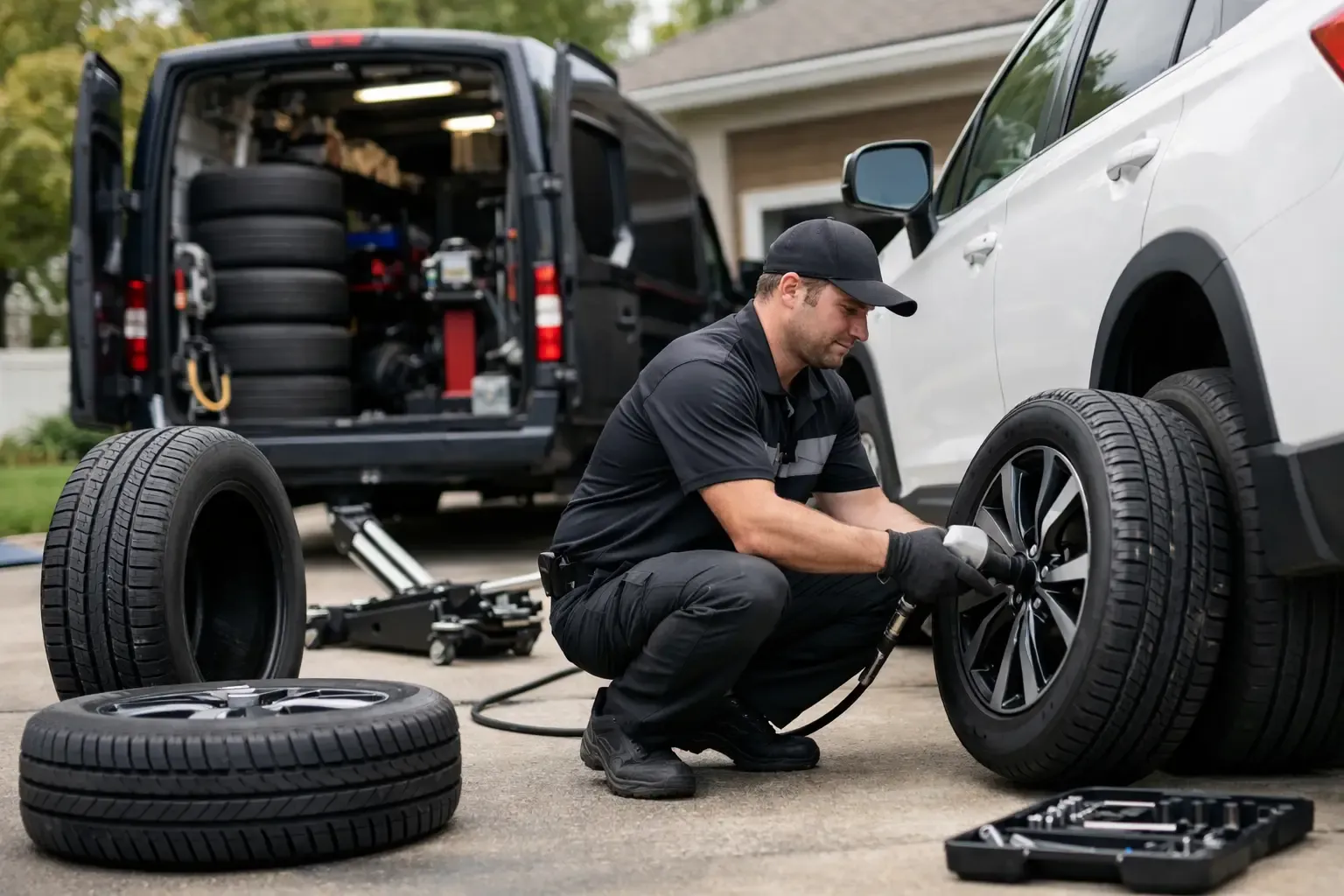
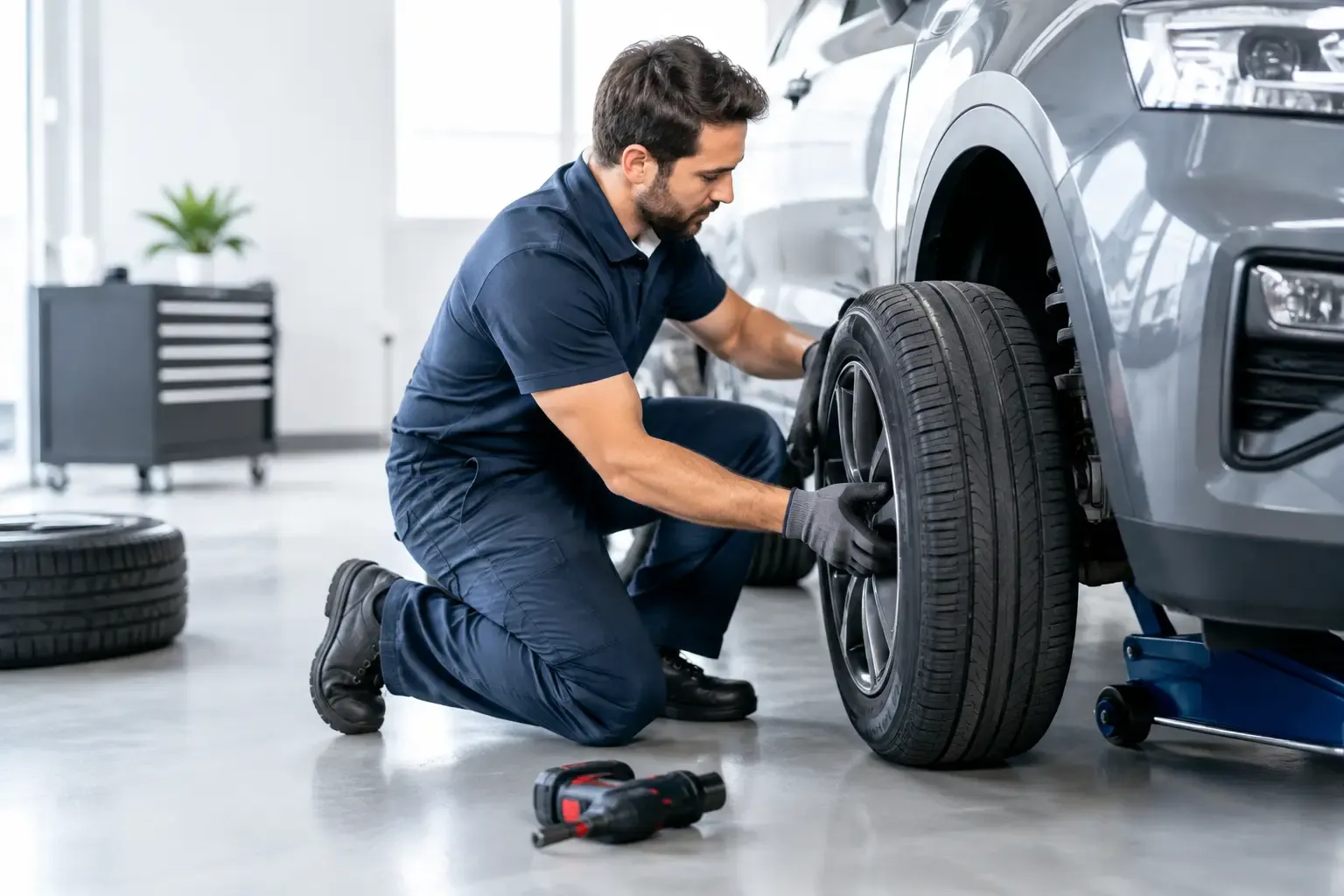
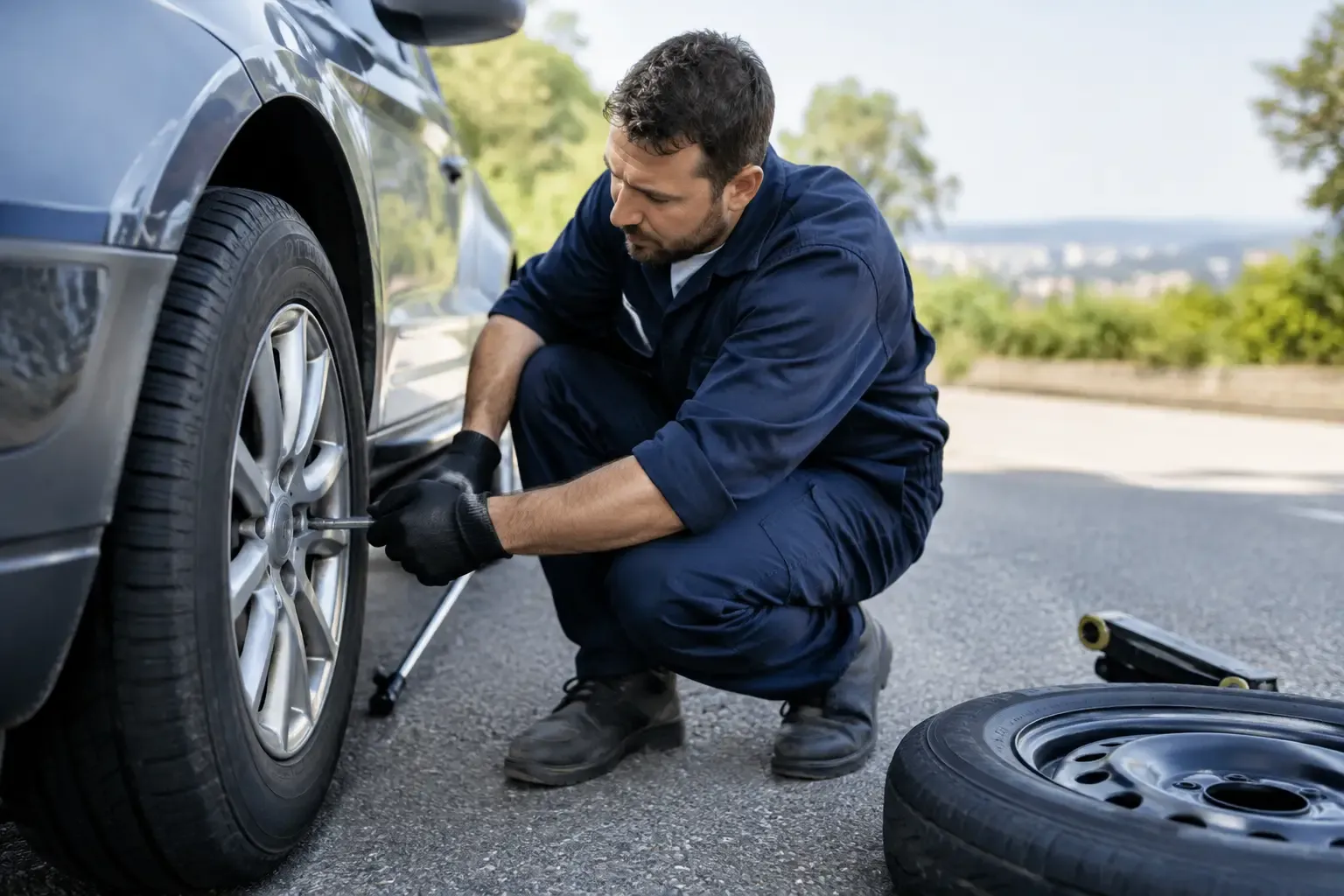
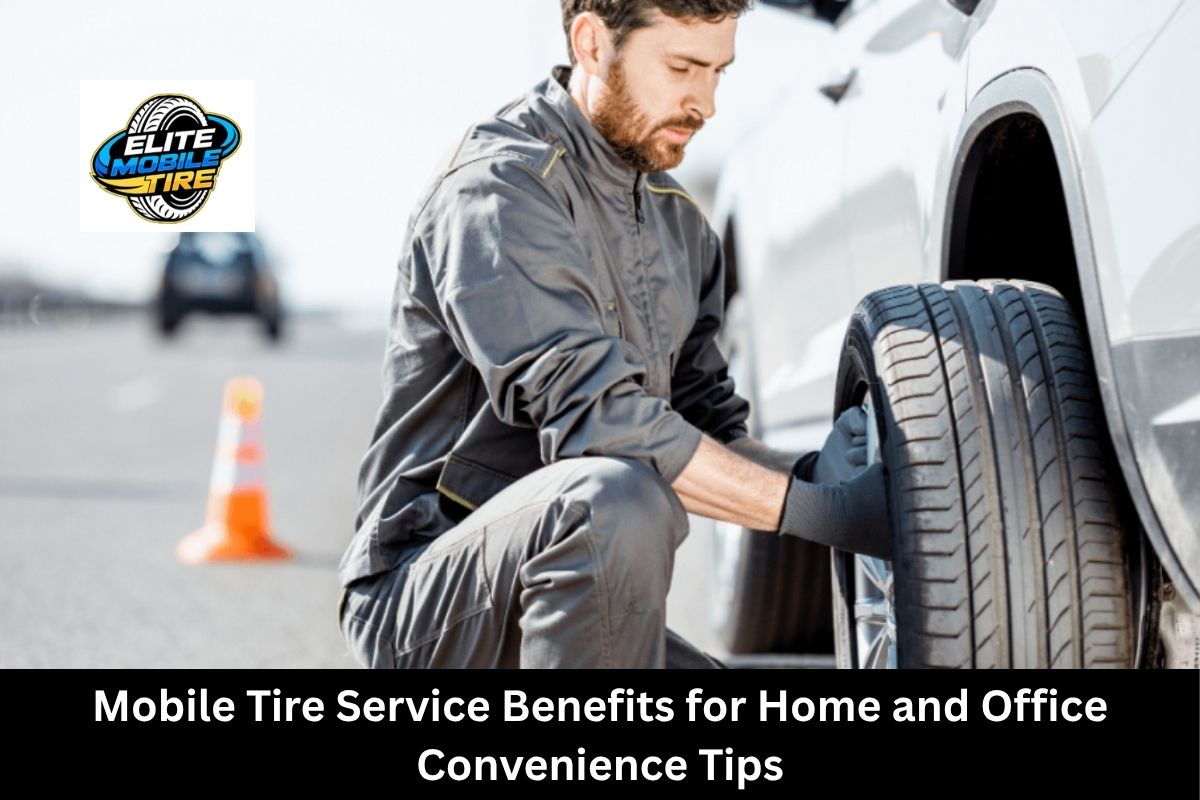
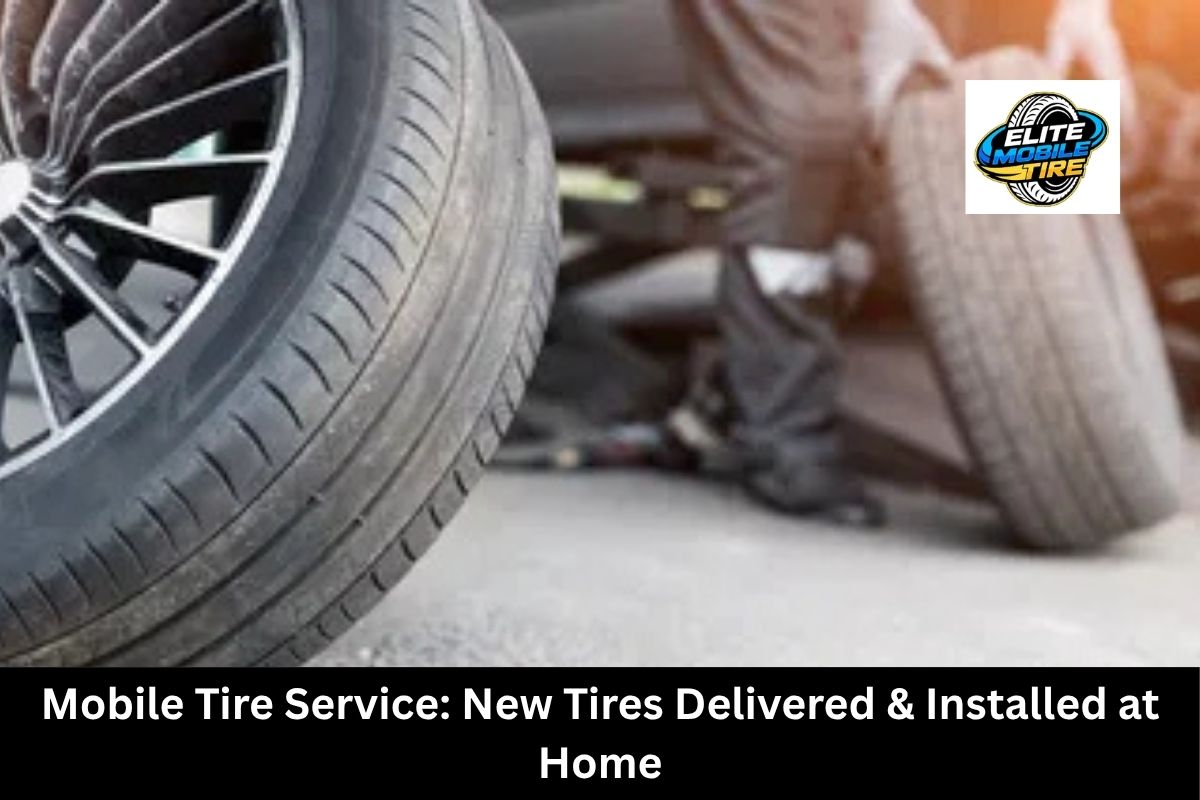
The biggest reason people put off tires is time. Driving to a shop, waiting for a bay, and sitting in a lobby for a couple of hours is hard to fit into a workweek. Mobile installation removes that step entirely.
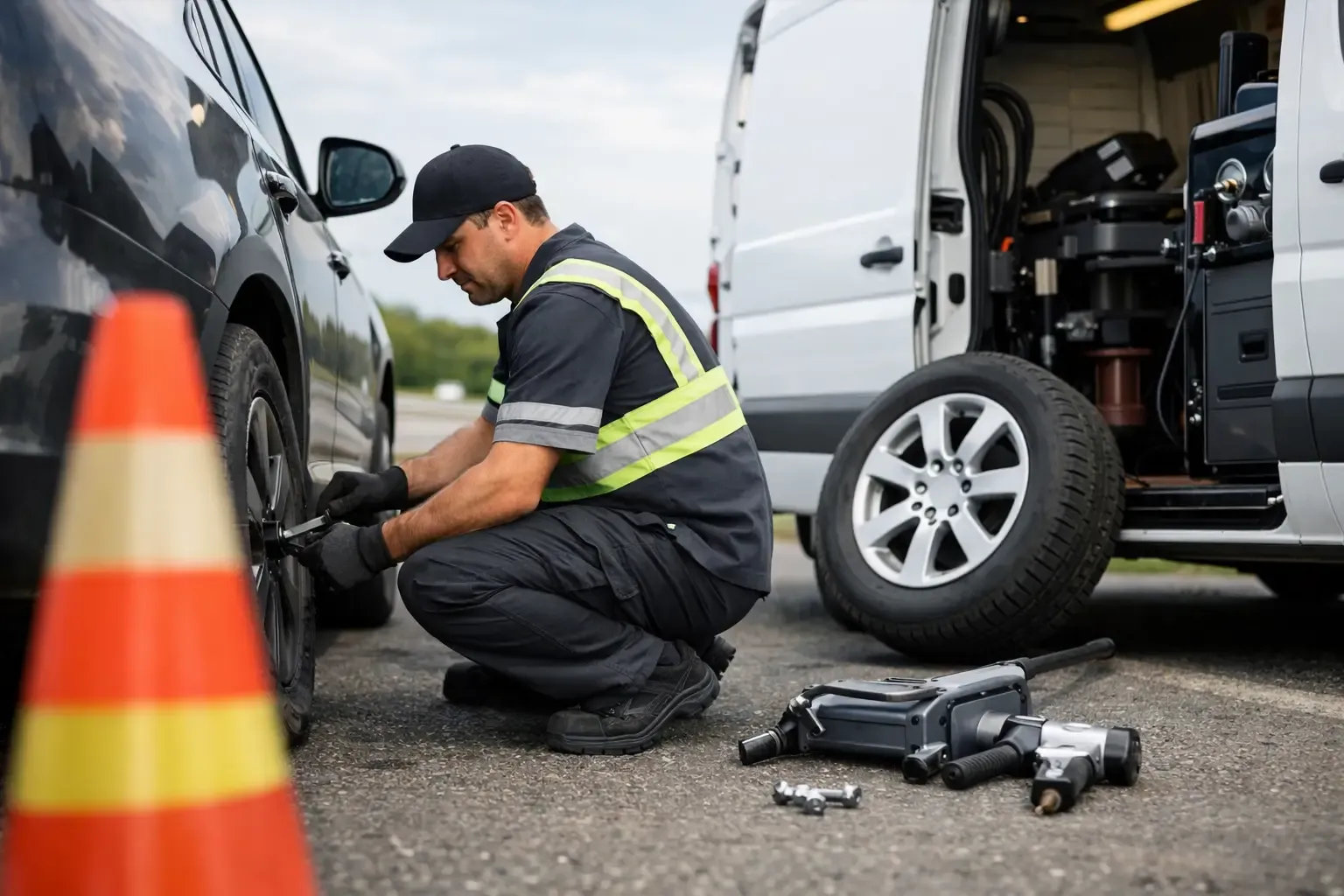
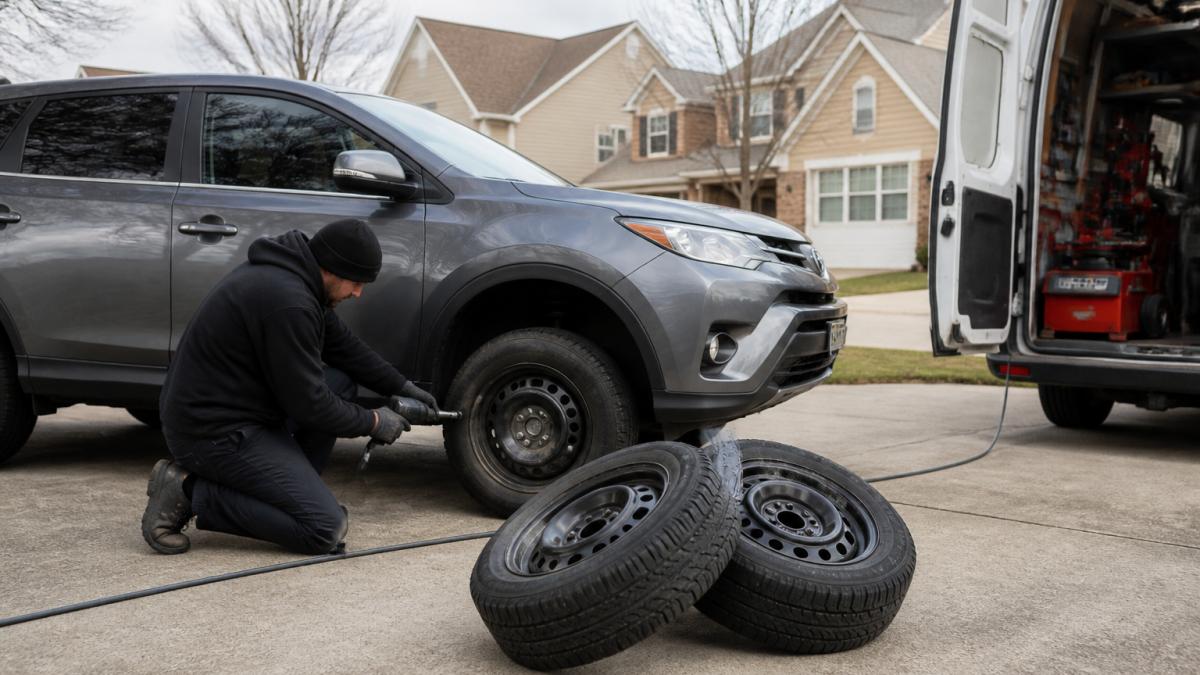
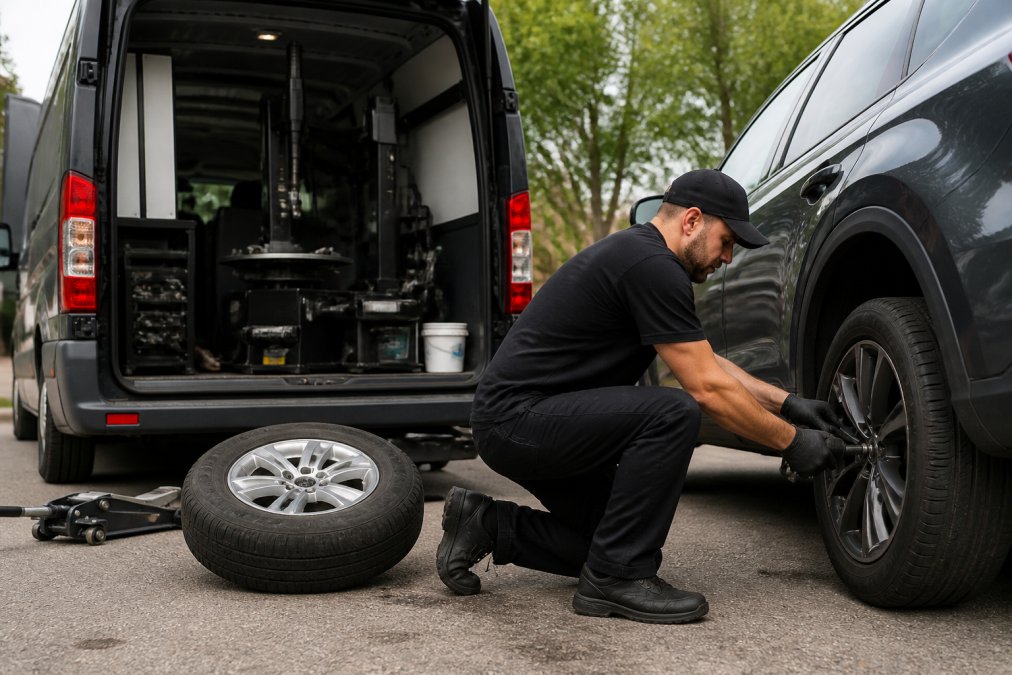
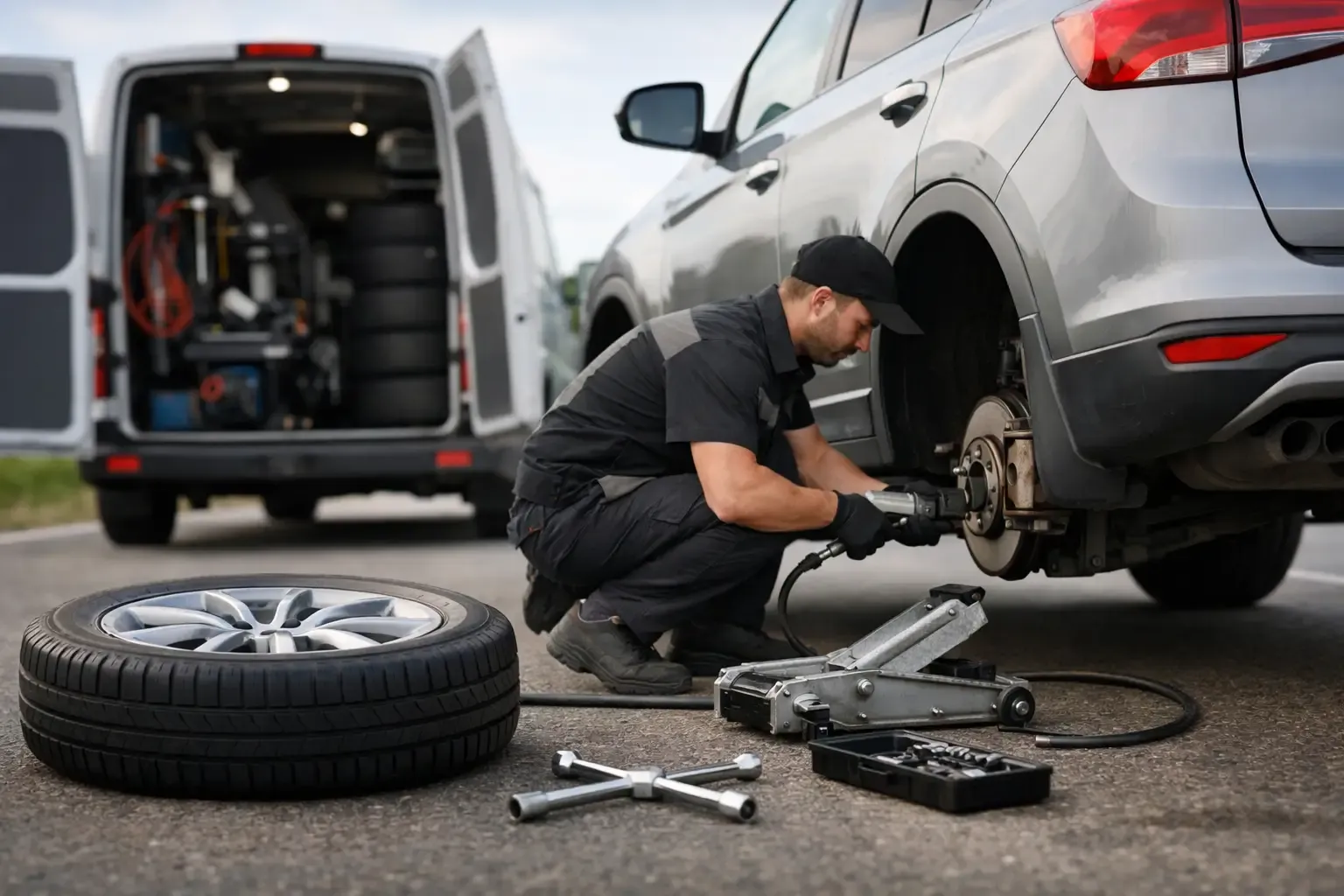
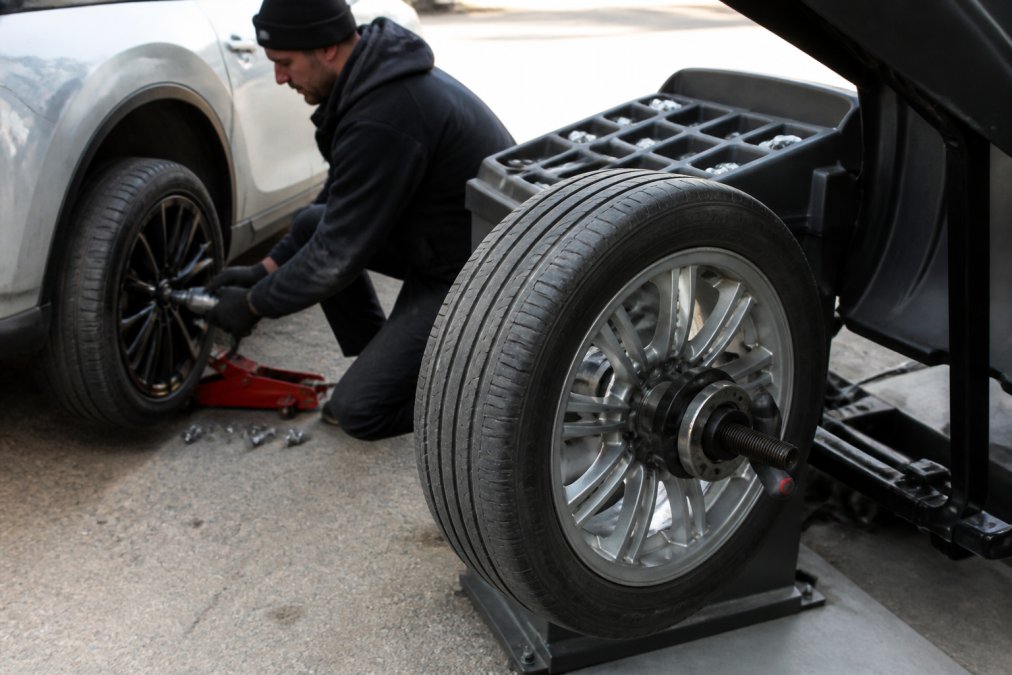
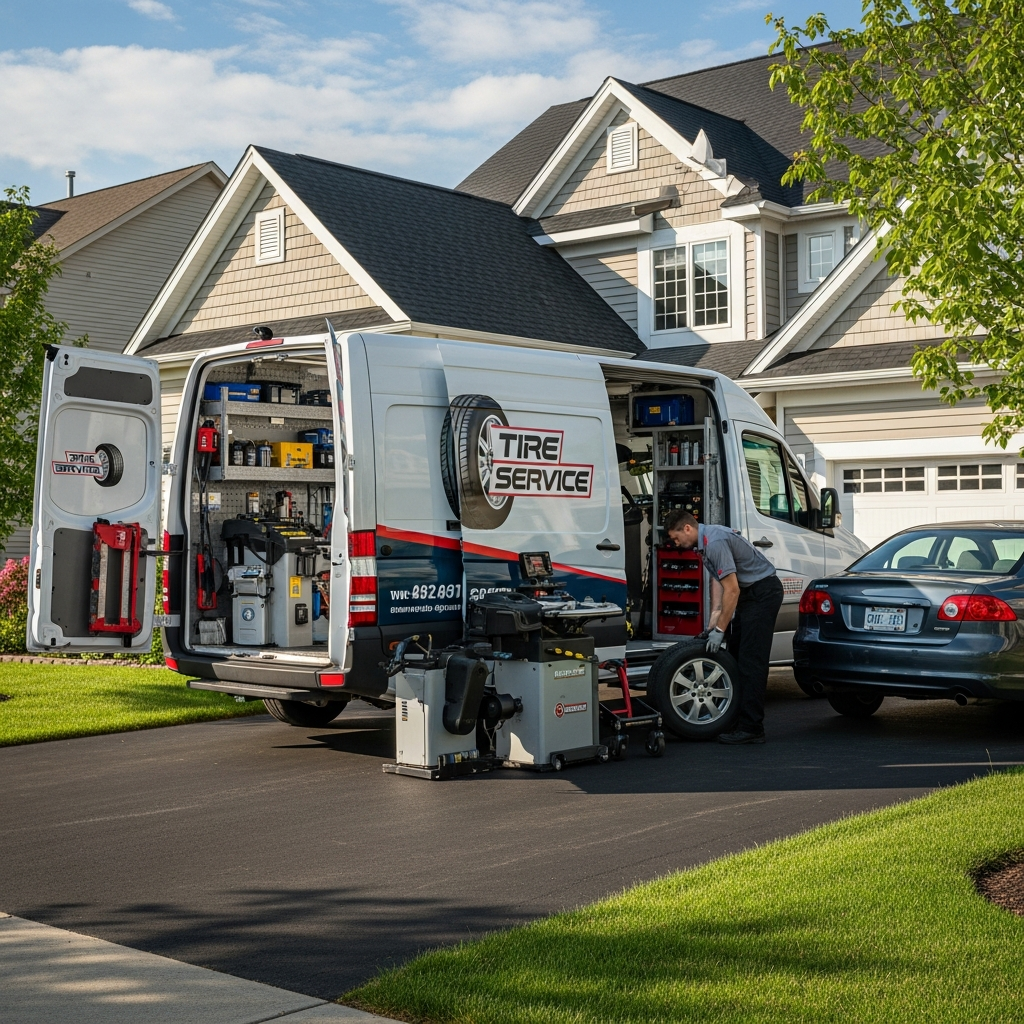
Elite Mobile Tire brings the tires and the equipment to you. We mount, balance, and check TPMS right in your driveway in Pickerington or Canal Winchester, or in your office parking lot in Gahanna or downtown Columbus, while you keep working. See our services for everything we handle on site. Mobile tire balancing is around $50 per tire, and we can quote a full set once we know your tire size.
We work weekdays, so the best move is to book now while the calendar is open, rather than the week after the first storm when everyone calls at once.
The bottom line
New tires are one of the few car repairs you can plan ahead for. Check your tread and date codes this week, and if your tires are near 4/32 or getting old, replace them before winter rather than during it. You get the tires you want, matched across all four corners, installed where your car already sits.
Ready for a new set? Elite Mobile Tire installs 2 or 4 new tires right in your driveway or parking lot anywhere around Columbus, Obetz, Groveport, Grove City, and Reynoldsburg. Financing is available through Afterpay and Acima with up to 24-month payment plans. Call 614-344-5010 or visit elitemobiletire.com to book.