Before you even hit the road, your tires are already working harder than you think. They carry the full weight of your vehicle, handle road shocks, and directly impact your fuel efficiency and safety. Yet, many drivers still overlook one critical factor, proper tire pressure, and how modern technology like TPMS helps maintain it. Whether you’re commuting daily in city traffic or planning a long highway drive, understanding TPMS tire pressure and how it works can completely change your driving experience.
In today’s world, vehicles are smarter, and so are safety systems. One of the most important yet often ignored features is the tire pressure monitoring system, commonly known as TPMS. It silently monitors your tire health and alerts you before anything goes wrong. However, many drivers still misunderstand what it means when the TPMS light turns on or how to respond properly.
So, let’s break it all down in a simple, practical, and easy-to-follow guide that blends both formal insights and everyday driving language. You’ll learn how to maintain ideal tire pressure, understand TPMS sensors, reset warnings, and adopt smarter driving habits that keep you safe and stress-free on the road.
Why TPMS Matters More Than You Think
Your vehicle doesn’t just rely on fuel and engine power; it heavily depends on tire performance. That’s where tire pressure monitoring becomes a game-changer. TPMS is designed to alert you when your tire pressure drops below or rises above safe limits, helping prevent accidents and tire damage.
In real-world driving, even a small drop in pressure can affect braking distance, fuel economy, and vehicle stability. That’s why ignoring TPMS alerts can lead to costly repairs or unsafe driving conditions.
Here are some key reasons TPMS is essential:
- Improves overall road safety
- Helps reduce fuel consumption
- Extends tire lifespan
- Prevents unexpected blowouts
- Provides real-time pressure alerts
On a practical level, TPMS acts like your car’s “early warning system.” Instead of guessing tire conditions, you get instant updates that help you act quickly.
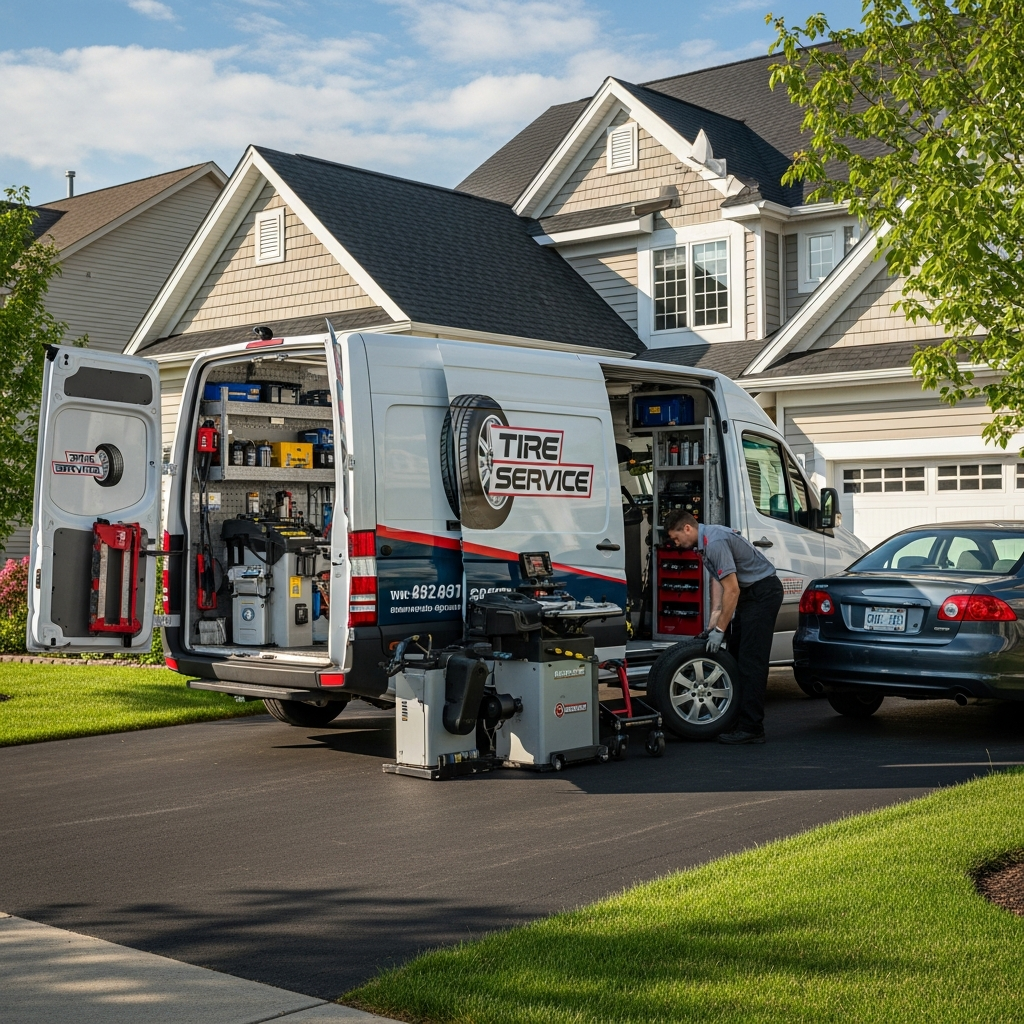
For more automotive care insights and professional services, you can explore trusted solutions here: Elite Mobile Tire Services.
Understanding TPMS Tire Pressure Basics
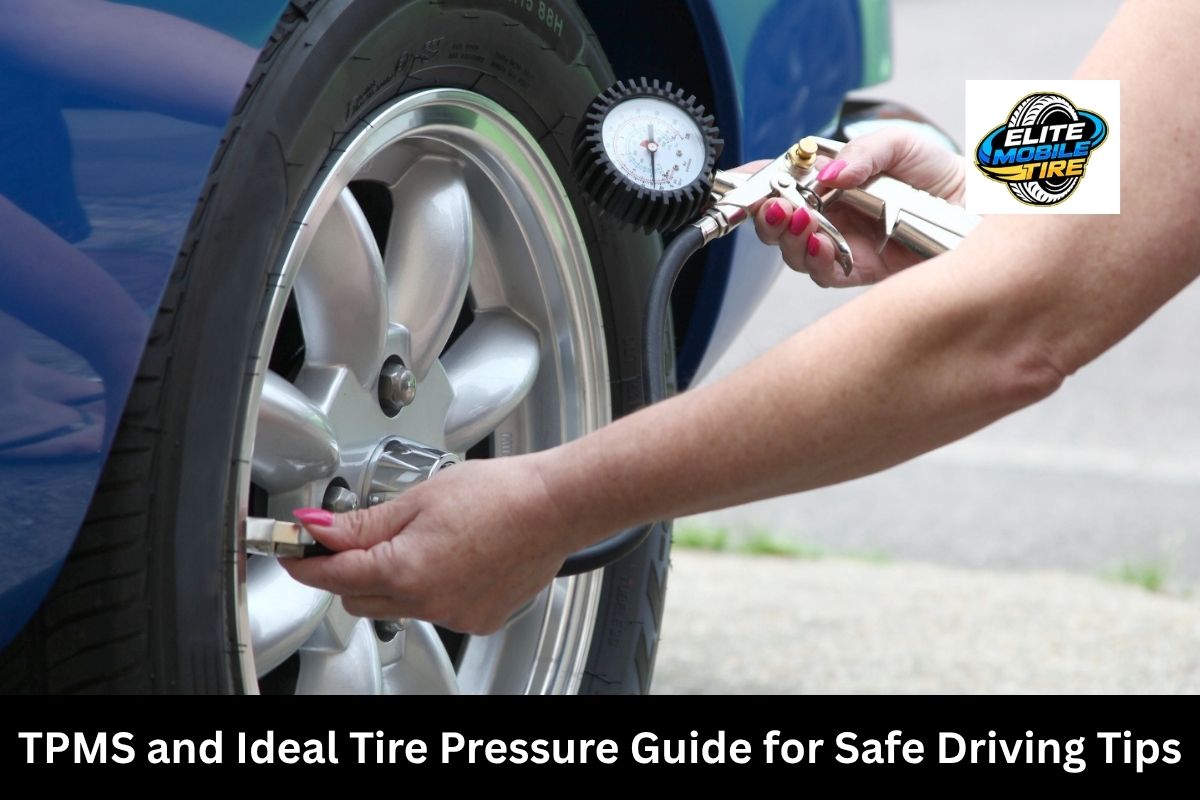
To truly understand TPMS, you first need to understand tire pressure itself. Every vehicle has a manufacturer-recommended PSI (pounds per square inch) to ensure optimal performance.
The TPMS (tire pressure monitoring system) continuously monitors this level and alerts you if anything goes out of balance.
There are two main types of systems:
- Direct TPMS (uses sensors inside each tire)
- Indirect TPMS (uses wheel speed sensors)
Direct systems are more accurate because TPMS sensors measure real air pressure inside each tire. Indirect systems, on the other hand, estimate pressure based on wheel rotation.
Some important points to remember:
- Cold tires give the most accurate readings
- Pressure naturally changes with temperature
- Underinflation is more dangerous than overinflation
- Regular manual checks are still necessary
Even though TPMS is smart, it should always be supported with physical tire checks.
How Tire Pressure Monitoring Systems Work in Real Life
The tire pressure monitoring system works quietly in the background while you drive. It constantly checks pressure levels and sends data to your car’s onboard computer.
When everything is normal, you won’t even notice it. But when pressure drops significantly, the system immediately triggers a warning.
Here’s what typically happens behind the scenes:
- Sensors detect pressure changes in real time
- Data is transmitted to the vehicle’s ECU
- The warning light activates if the pressure is unsafe
- The driver receives a dashboard notification
Key benefits of this system include:
- Instant safety alerts
- Reduced risk of tire failure
- Better fuel efficiency tracking
- Early detection of slow leaks
In simple terms, TPMS works like a digital safety assistant, always watching your tires while you focus on driving.
TPMS Light Explained: What Your Dashboard Is Telling You
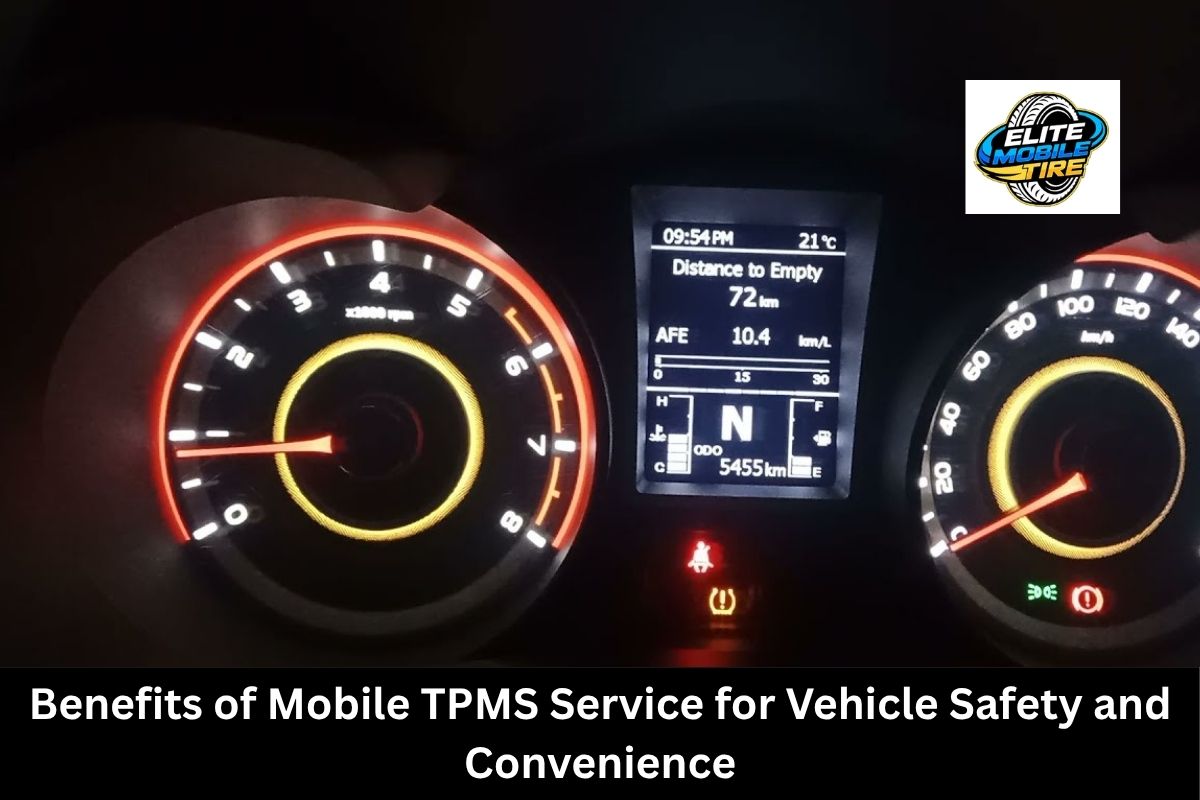
When the TPMS light turns on, many drivers panic or ignore it completely. Neither reaction is ideal. Instead, you should treat it as a helpful warning, not a failure message.
Usually, the TPMS light indicates:
- One or more tires are underinflated
- Sudden temperature changes affected pressure
- A slow leak is present
- A TPMS sensor issue exists
Here’s what you should do immediately:
- Check all tire pressures manually
- Inflate tires to the recommended PSI
- Inspect for visible damage or punctures
- Drive cautiously until the issue is resolved
Additional quick tips:
- Do not ignore a blinking TPMS light
- Recheck pressure after long drives
- Visit a technician if the light stays on
Understanding this simple dashboard symbol can save you from major tire damage and unsafe driving conditions.
Ideal Tire Pressure: Finding the Sweet Spot for Your Vehicle
Finding the ideal tire pressure is not about guessing—it’s about following manufacturer recommendations. Usually, this information is located on the driver’s door sticker or in the vehicle manual.
Maintaining correct pressure ensures:
- Better traction and handling
- Improved braking performance
- Reduced tire wear
- Enhanced fuel economy
Here are general guidelines drivers often follow:
- Check pressure at least once a month
- Measure when tires are cold
- Adjust according to load conditions
- Avoid overinflation and underinflation
Helpful reminders:
- SUVs and sedans have different PSI requirements
- Seasonal changes affect pressure levels
- Highway driving may require slightly adjusted pressure
When in doubt, always stick to manufacturer specs rather than visual estimation.
TPMS Sensors Maintenance and Common Issues
TPMS sensors are small but extremely important devices installed inside your wheels. They monitor air pressure and send real-time data to your dashboard.
However, like any electronic component, they can wear out or malfunction over time.
Common issues include:
- Sensor battery failure
- Signal transmission errors
- Damage during tire replacement
- Corrosion or dirt buildup
Maintenance tips:
- Inspect sensors during tire rotation
- Replace sensors every 5–7 years (on average)
- Avoid rough handling during tire service
- Keep valve stems clean
Bullet-point summary of good habits:
- Schedule regular tire inspections
- Replace faulty sensors promptly
- Use professional installation services
- Keep tires properly balanced
Taking care of TPMS sensors ensures accurate readings and safer driving overall.
TPMS Reset Guide After Inflation or Tire Change
After inflating or replacing tires, you may need to reset the TPMS. This ensures the system recalibrates and reads new pressure levels correctly.
Reset methods vary depending on the vehicle, but common steps include:
- Turning the ignition to “on” mode
- Pressing the TPMS reset button
- Driving at a moderate speed for calibration
- Using onboard menu settings
Quick reset checklist:
- Confirm all tires are properly inflated
- Check for dashboard warnings
- Follow the manufacturer's reset instructions
- Recheck pressure after reset
Important tips:
- Not all cars have a manual reset button
- Some systems reset automatically after driving
- An incorrect reset may trigger false warnings
If you’re unsure, a professional tire service can handle the reset quickly and safely.
Smart Driving Habits for Long-Term Tire Health
Good tire care doesn’t stop at TPMS; it continues with your driving habits. Small changes can significantly extend tire life and improve safety.
Here are smart habits every driver should follow:
- Avoid sudden braking and acceleration
- Maintain consistent tire pressure checks
- Rotate tires regularly
- Drive carefully over potholes and rough roads
Additional safety practices:
- Keep tires aligned and balanced
- Avoid overloading your vehicle
- Inspect tread depth frequently
- Adjust pressure for long trips
Bullet highlights for daily driving:
- Check the TPMS warning before every long drive
- Monitor fuel efficiency changes
- Stay alert to vibration or pulling
- Respond quickly to TPMS alerts
When combined with TPMS technology, these habits create a strong safety foundation for any driver.
Final Thoughts
Understanding TPMS and ideal tire pressure is not just about vehicle maintenance; it’s about safety, savings, and smarter driving. The tire pressure monitoring system helps you stay ahead of potential tire issues, while proper maintenance ensures your car performs at its best.
Whether it’s responding to the TPMS light, performing a TPMS reset, or maintaining accurate TPMS sensors, every step plays a role in safer driving. When you combine technology with responsible habits, you significantly reduce road risks and improve driving comfort.
For professional tire support and mobile assistance, you can always rely on expert services like Elite Mobile Tire Services to keep your vehicle in top condition.
FAQs
1. What does TPMS mean in a car?
TPMS stands for Tire Pressure Monitoring System. It tracks tire pressure and alerts you when levels are unsafe.
2. Why is my TPMS light on even when the tires look fine?
Sometimes, temperature changes or sensor errors can trigger the light even if the tires appear normal.
3. How often should I check tire pressure manually?
At least once a month and before long trips, for the best safety and performance.
4. Can I drive with a TPMS warning light on?
You can, but it’s not recommended. Check pressure immediately to avoid tire damage or accidents.
5. How long do TPMS sensors last?
Typically, TPMS sensors last between 5 and 7 years, depending on usage and conditions.