
A delivery van with one underinflated tire can lose fuel efficiency, wear out early, and turn a routine route into an unexpected service call. This guide to commercial tire maintenance gives fleet owners and managers a practical way to prevent those interruptions, protect drivers, and get more dependable service from every tire.
For businesses that rely on vans, pickups, box trucks, trailers, or service vehicles, tires are not a minor maintenance item. They carry the load, affect stopping distance, influence fuel use, and determine whether a vehicle can complete its next job safely. The goal is not simply to replace tires when they wear out. It is to spot problems early, make informed service decisions, and keep each vehicle available for work.
Why Commercial Tire Maintenance Deserves a Schedule
Commercial tires experience conditions that personal vehicles may not. They often carry heavier loads, make frequent stops, idle at job sites, run through construction areas, and accumulate miles quickly. A tire can look acceptable during a quick walk-around while having low pressure, a slow leak, or uneven wear that shortens its usable life.
A consistent maintenance schedule reduces surprises. It also gives managers useful information: which vehicles need alignment work, whether certain routes create more tire damage, and whether drivers are regularly operating with incorrect pressure. That visibility helps control costs without compromising safety.
The right schedule depends on the fleet. A lightly used sales vehicle will not need the same inspection frequency as a local delivery van or a contractor truck carrying equipment every day. Still, every commercial vehicle benefits from a documented inspection routine and prompt attention to changes in handling, pressure, or tread wear.
Start With Tire Pressure and Load Requirements
Pressure is one of the most common causes of preventable tire damage. Underinflation creates excess heat and causes the outer edges of the tread to wear faster. It can also reduce handling stability and increase the likelihood of a tire failure under load. Overinflation may make the ride harsher and concentrate wear in the center of the tread.
Check tire pressure when the tires are cold, ideally before the vehicle has been driven for the day. Use a reliable gauge rather than relying on how a tire looks. For commercial vehicles, the correct pressure should be based on the vehicle manufacturer's specifications, the tire's load capacity, and the actual loads the vehicle carries.
Do not assume the pressure listed on the tire sidewall is the default setting for every situation. That number is generally the maximum cold pressure for the tire, not necessarily the recommended operating pressure for the vehicle. When vehicles are regularly loaded near capacity, confirm that the tires have the proper load rating and that inflation is appropriate for that workload.
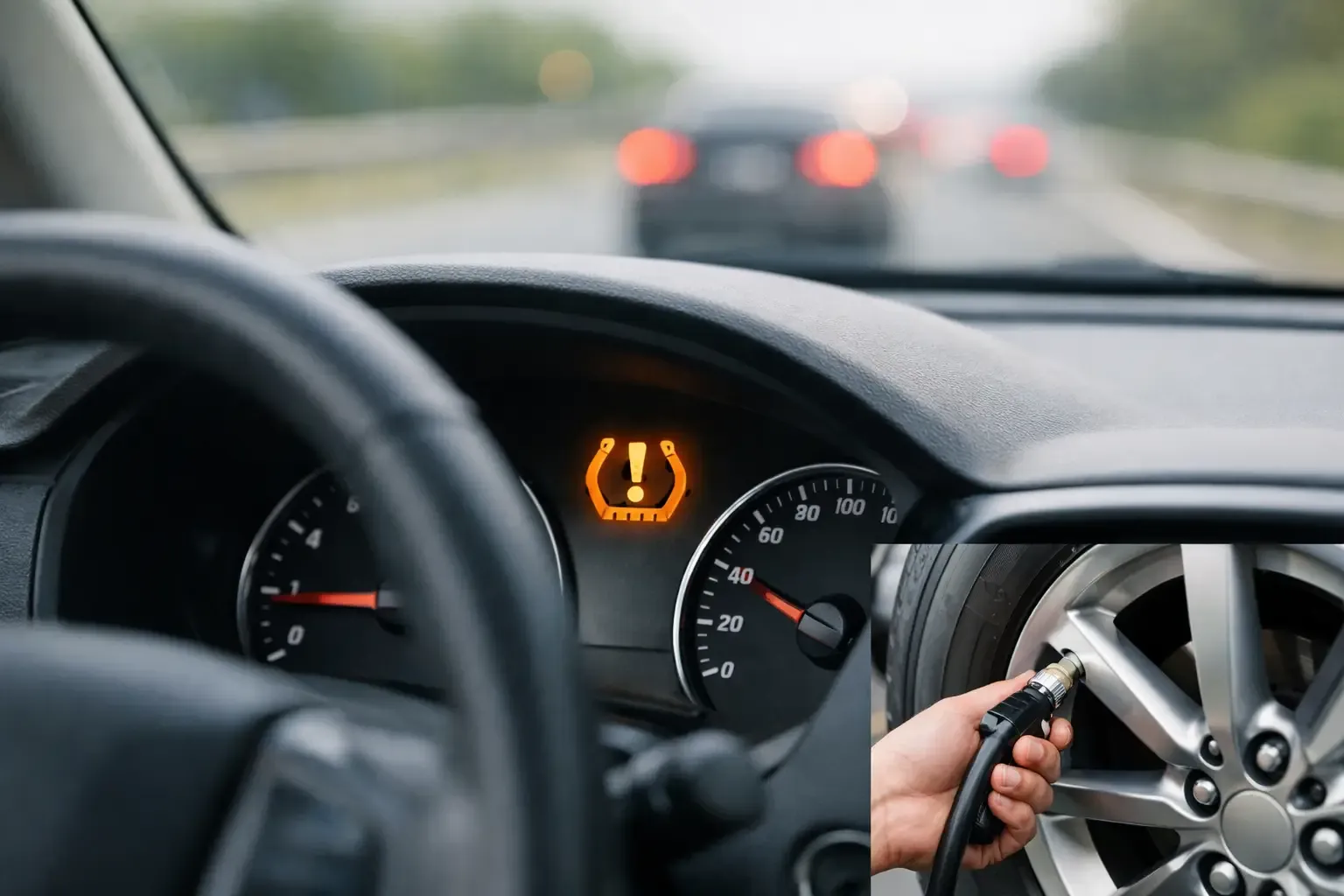
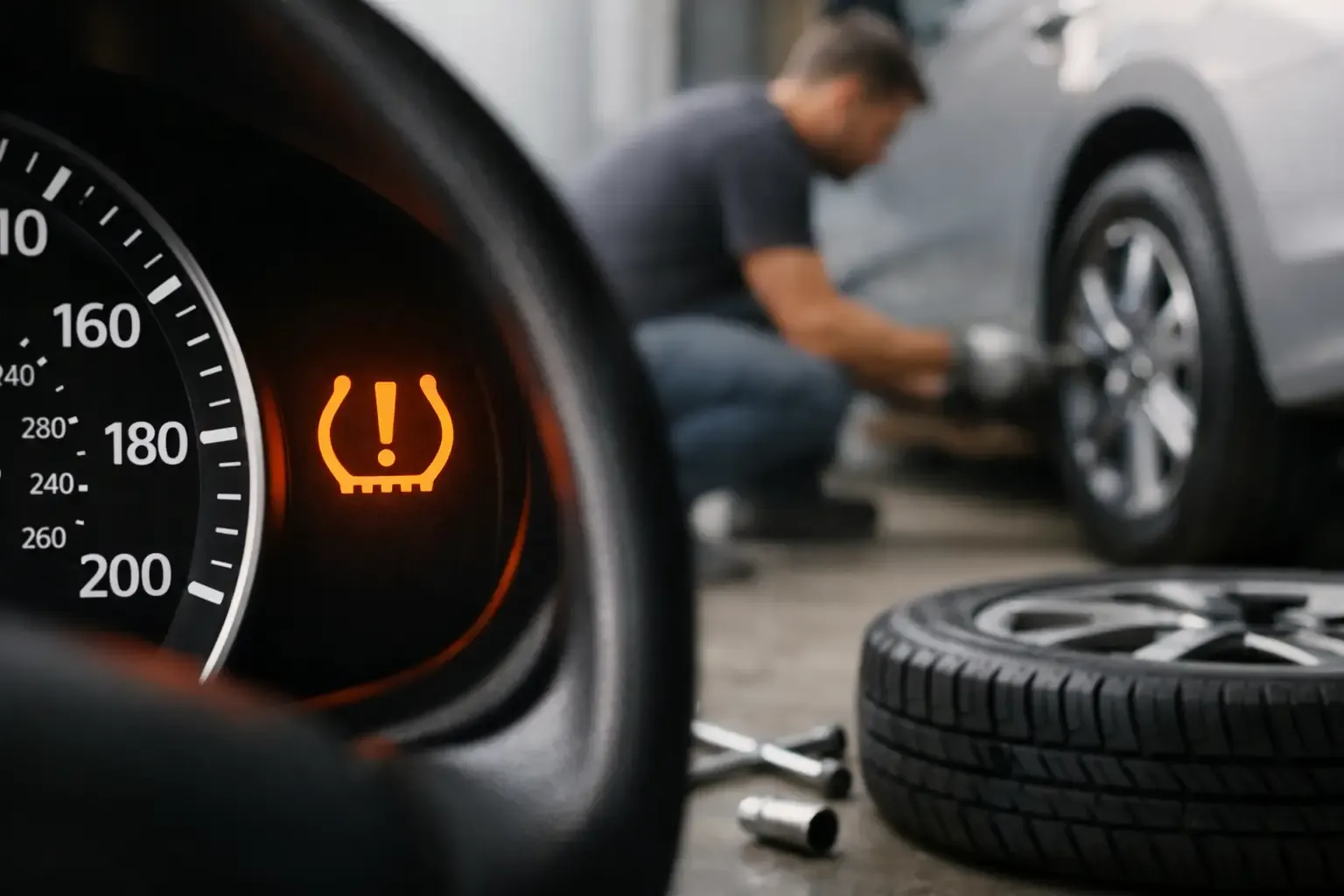
TPMS warnings deserve attention, but they should not replace manual checks. A warning light often means pressure has already dropped below a set threshold. Regular inspections catch gradual losses sooner, especially when a tire has a small puncture or a leaking valve stem.
Inspect Tread, Sidewalls, and Wear Patterns
Tread depth matters because it affects traction, braking, and wet-weather performance. Federal minimum tread depth is a legal baseline, but waiting until a tire reaches that point is not always the best business decision. For vehicles that run frequent routes in rain, carry crews, or travel on highways, replacing tires before traction becomes marginal can be the safer choice.
During inspections, look beyond the remaining tread depth. Uneven wear patterns often point to an underlying mechanical issue:
- Wear on both outer tread edges can indicate chronic underinflation.
- Excess wear in the center often suggests overinflation.
- One-sided wear may indicate alignment or suspension concerns.
- Cupping, scalloping, or patchy wear can be related to worn suspension components, imbalance, or inconsistent rotation.
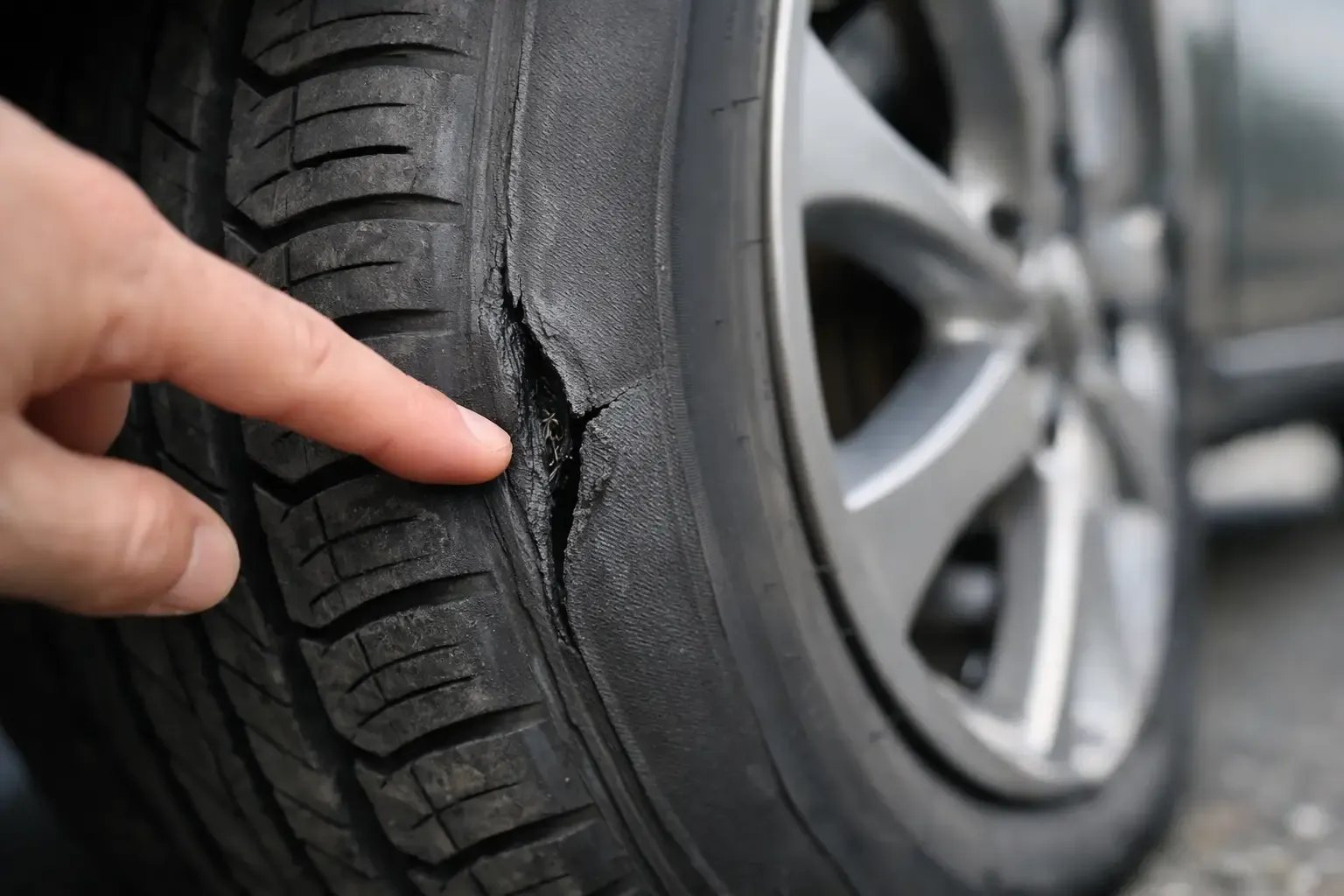
Also inspect sidewalls for cuts, cracking, bulges, or exposed cords. A bulge can mean internal structural damage, often caused by a pothole or curb strike. It is not a condition to monitor until the next service interval. Take the vehicle out of service and have the tire evaluated promptly.
In Columbus, winter potholes and road debris can be especially hard on commercial vehicles. A quick post-route check after a severe impact can prevent a damaged tire from becoming a roadside breakdown the next morning.
Rotate, Balance, and Check Alignment for the Work You Do
Rotation helps distribute wear across the tire set, but the correct rotation pattern depends on tire type, drivetrain, and whether the tires are directional. Following the vehicle and tire manufacturer recommendations is the safest approach. For many fleets, rotation is scheduled with oil changes or another recurring service interval so it does not get missed.
Balancing is equally practical. An out-of-balance tire can cause vibration, accelerate irregular wear, and make a driver less comfortable during long shifts. If a driver reports steering wheel vibration, seat vibration, or a new shake at highway speed, arrange an inspection rather than assuming the problem will resolve itself.
Alignment should be checked whenever uneven wear appears, after a significant pothole or curb impact, or when the vehicle pulls to one side. Alignment is not just about a straight steering wheel. It helps the tire meet the road at the intended angle, which can make a meaningful difference in tire life across a fleet.
Build Driver Checks Into Daily Operations
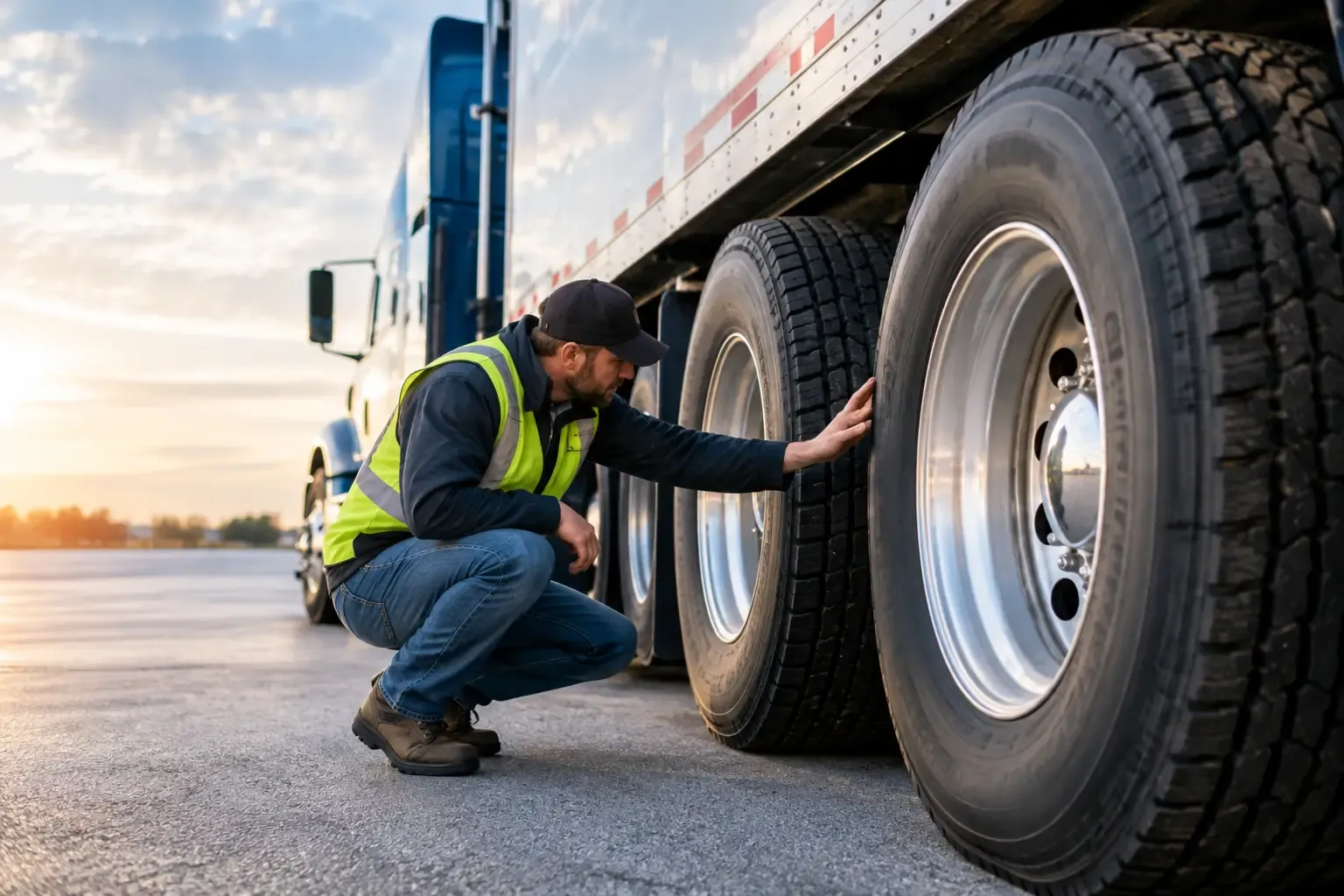
Drivers are the first people to notice a tire problem, so make daily checks simple and specific. A short pre-trip inspection should include a visual look at all tires, obvious damage, low pressure, objects embedded in the tread, and the condition of valve caps. Drivers should also pay attention to changes in vehicle pull, vibration, noise, or handling.
The most effective fleet programs make reporting easy. Give drivers a clear process for reporting a warning light or suspected tire issue, and encourage them to speak up before a vehicle becomes unsafe. Waiting until the end of a shift may be reasonable for a minor concern, but a visible bulge, rapidly losing air, severe vibration, or damaged sidewall requires immediate action.
Keep records by vehicle, not just by invoice. Track tire pressure findings, tread measurements, puncture repairs, rotations, alignment work, and replacements. Over time, those records reveal patterns that can improve purchasing, route planning, and maintenance timing.
Know When a Tire Can Be Repaired
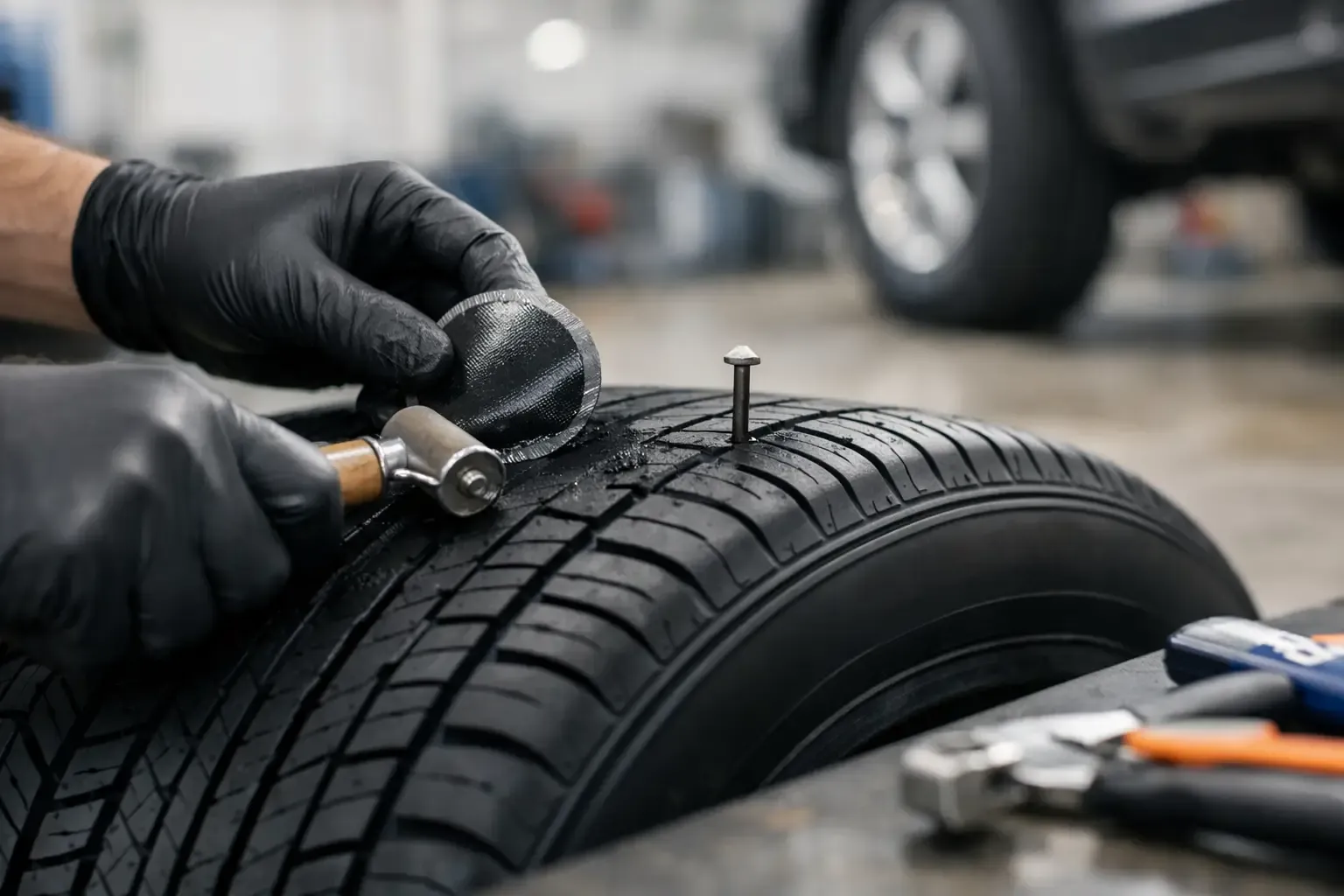
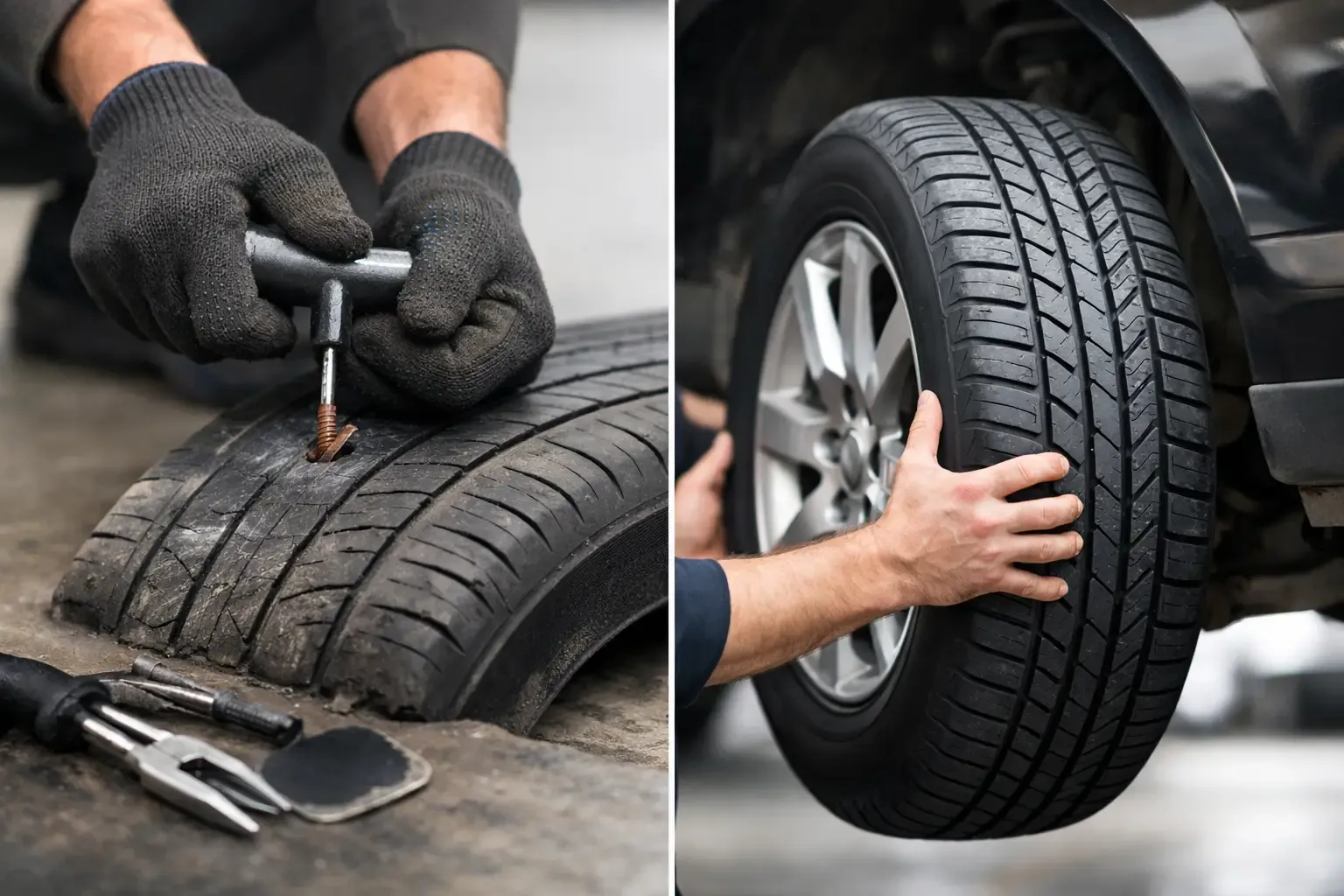
A puncture does not automatically mean replacement, but not every damaged tire is repairable. A qualified technician should inspect the tire from the inside to determine whether the puncture is in a repairable tread area and whether it was driven while severely underinflated.
Damage to the shoulder or sidewall generally cannot be safely repaired. Nor should a tire with internal damage be returned to service just because the puncture itself appears small. For commercial vehicles, the cost of an improper repair can be far greater than the cost of addressing the issue correctly the first time.
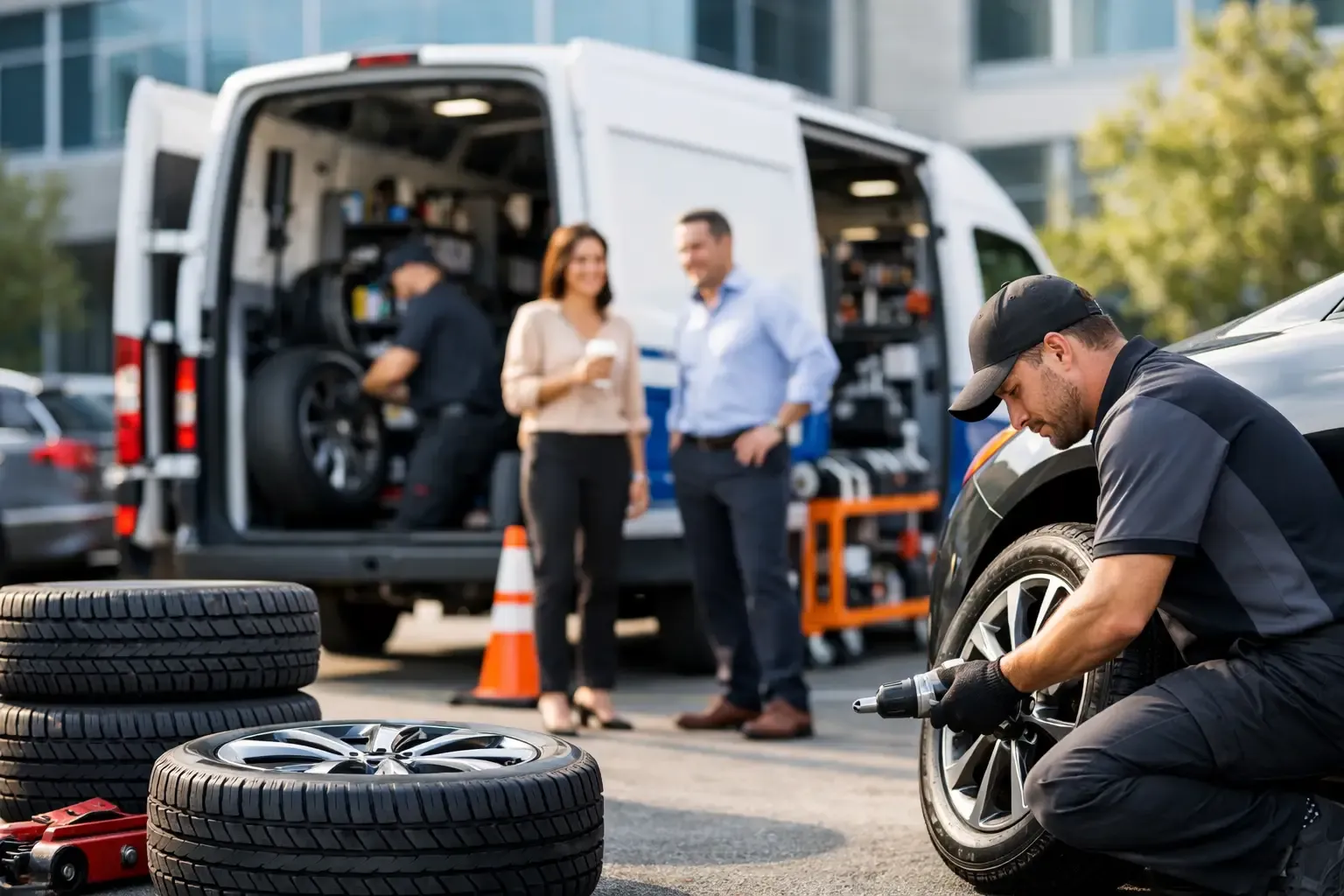
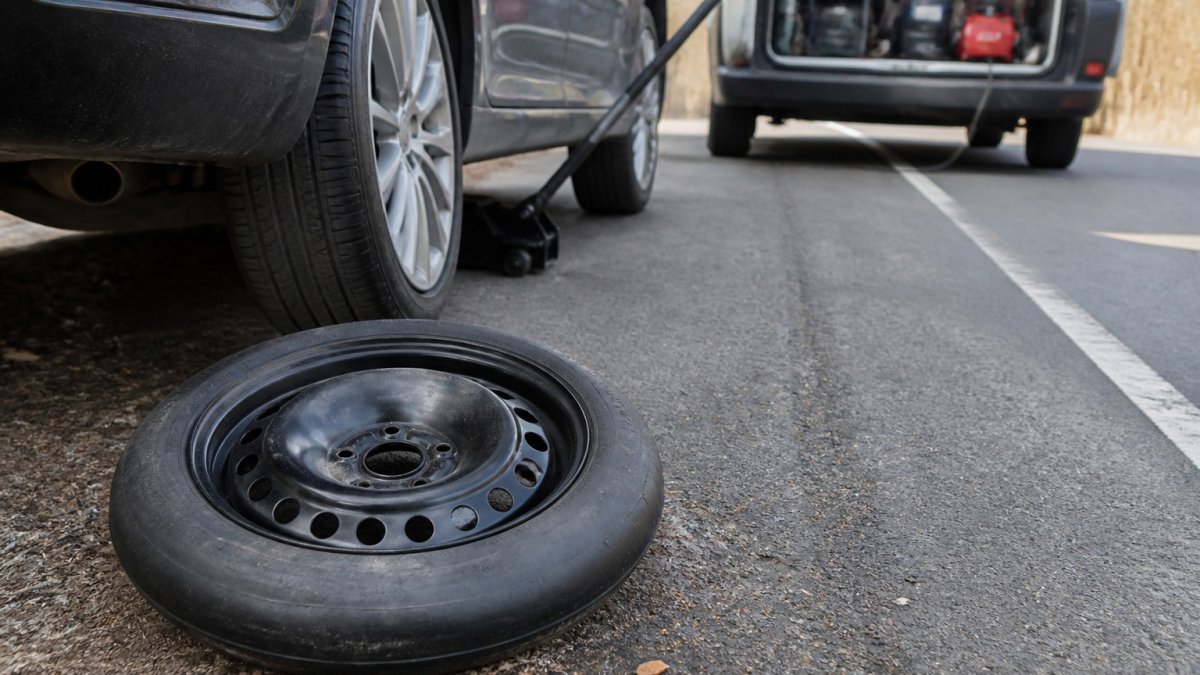
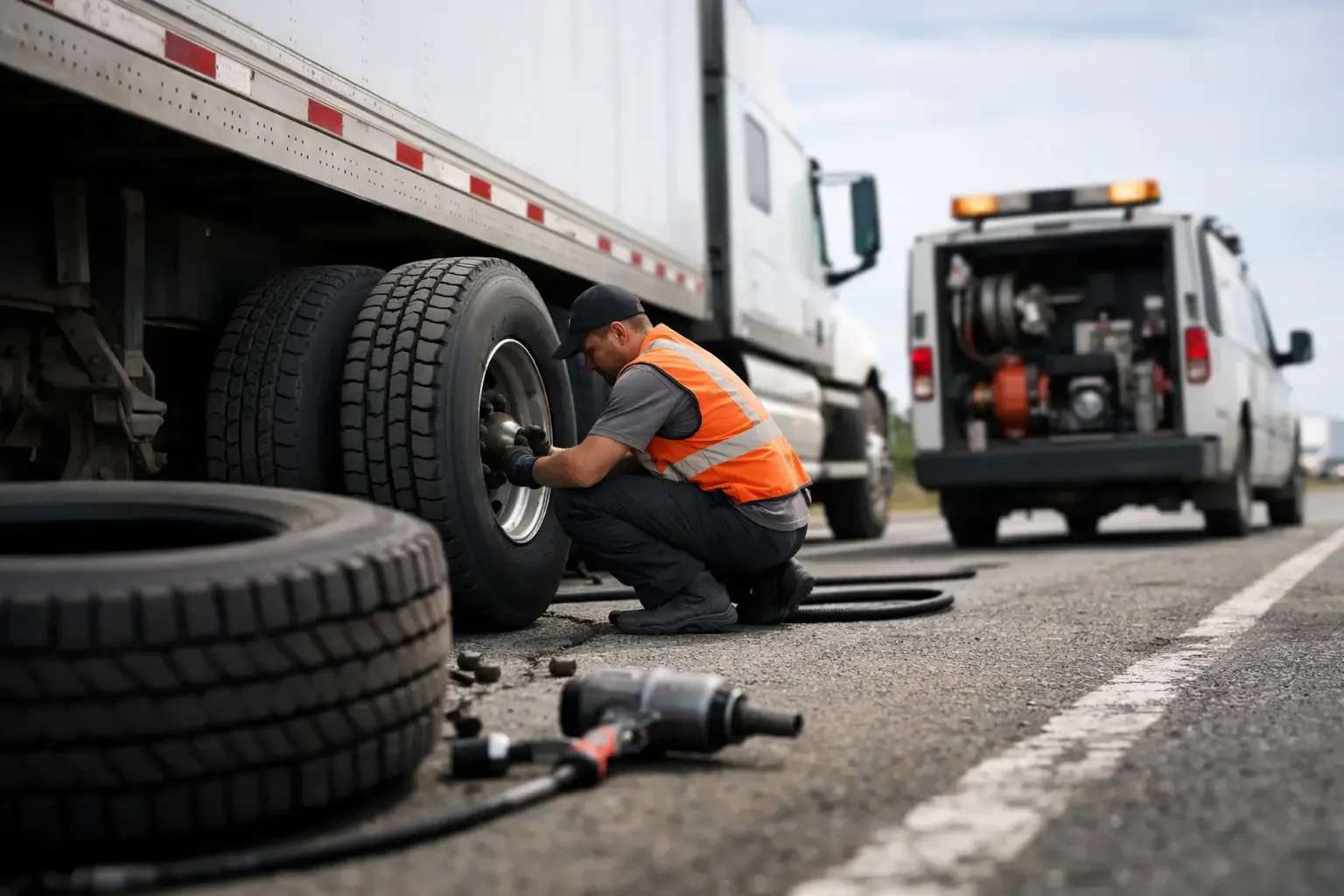
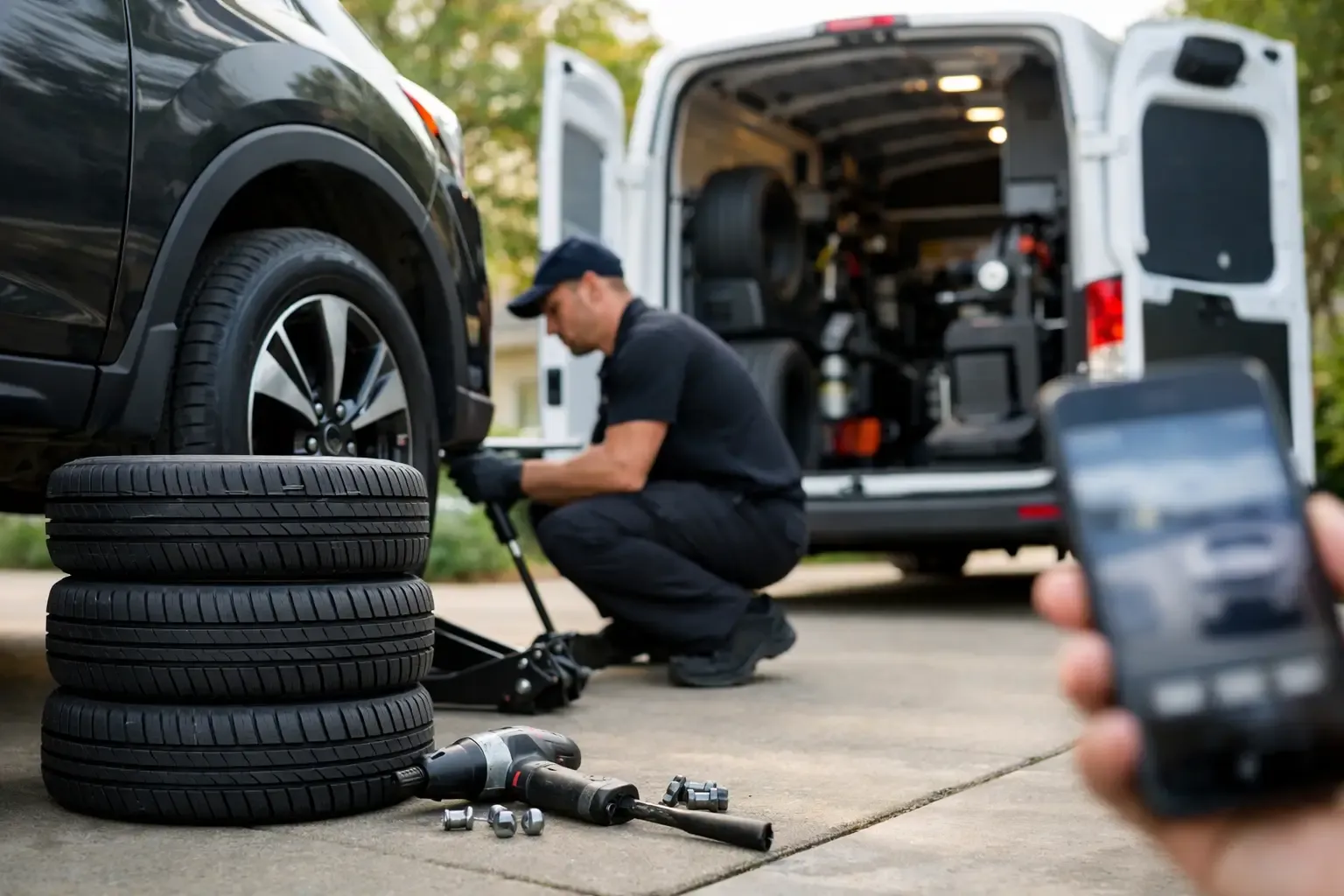
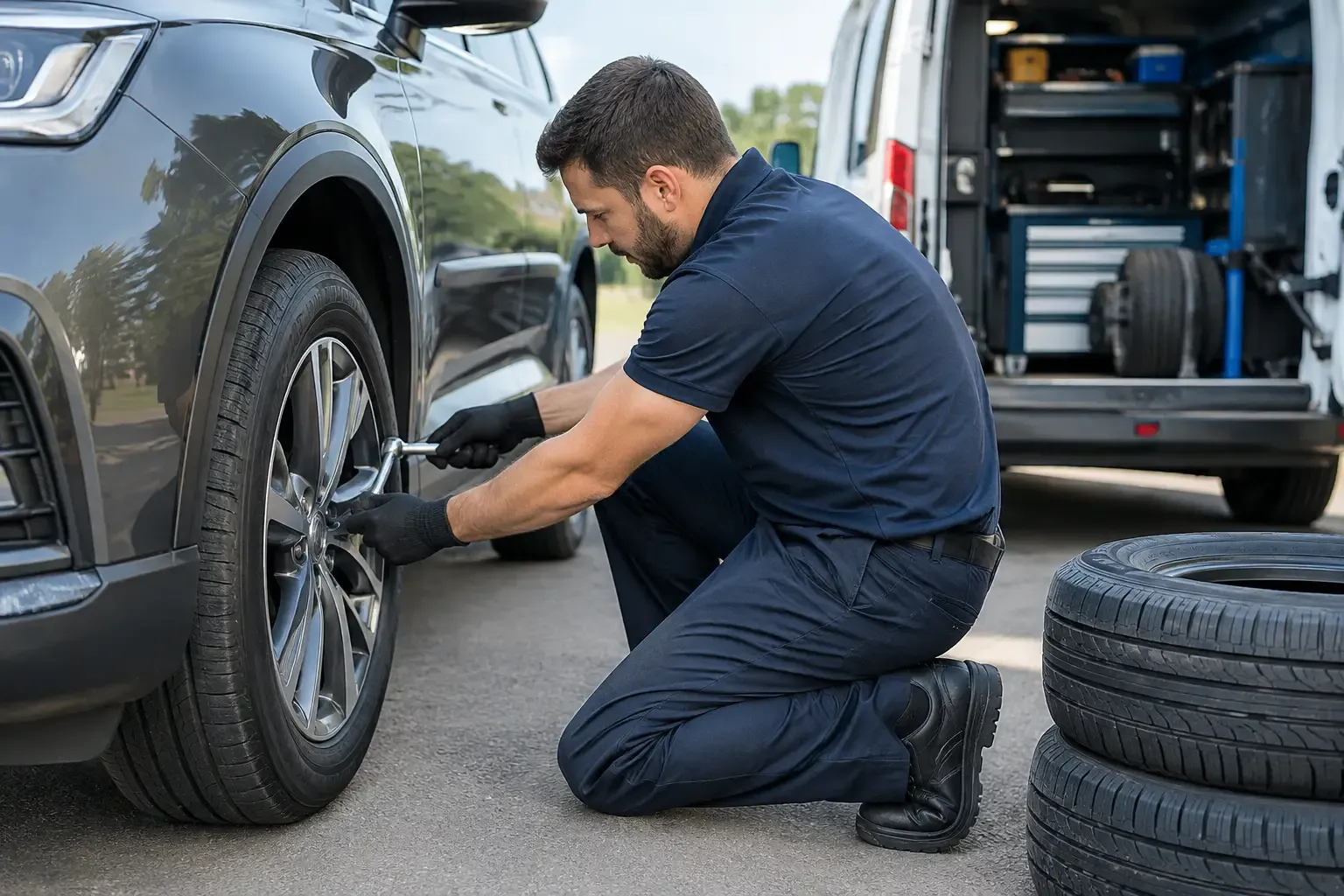
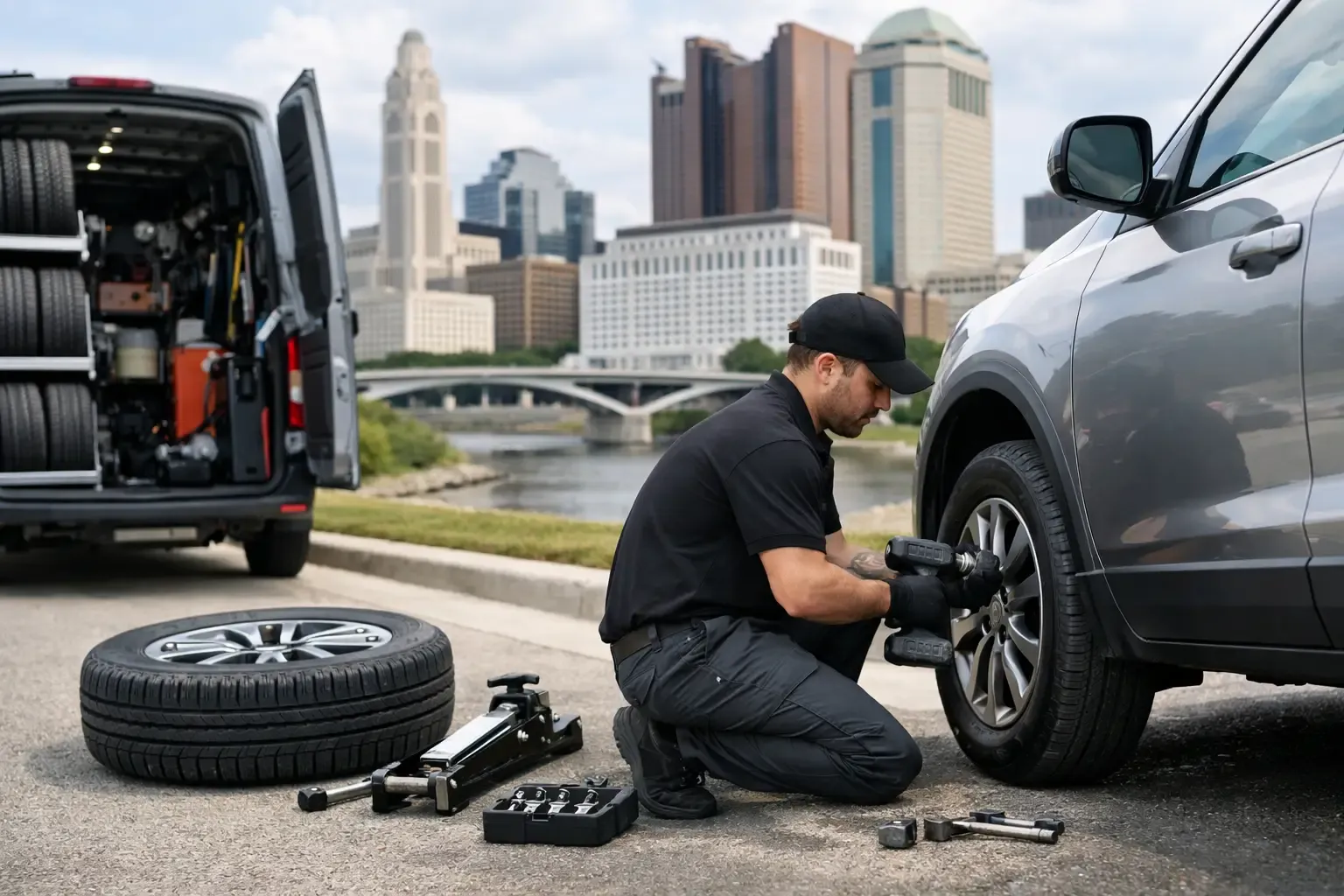
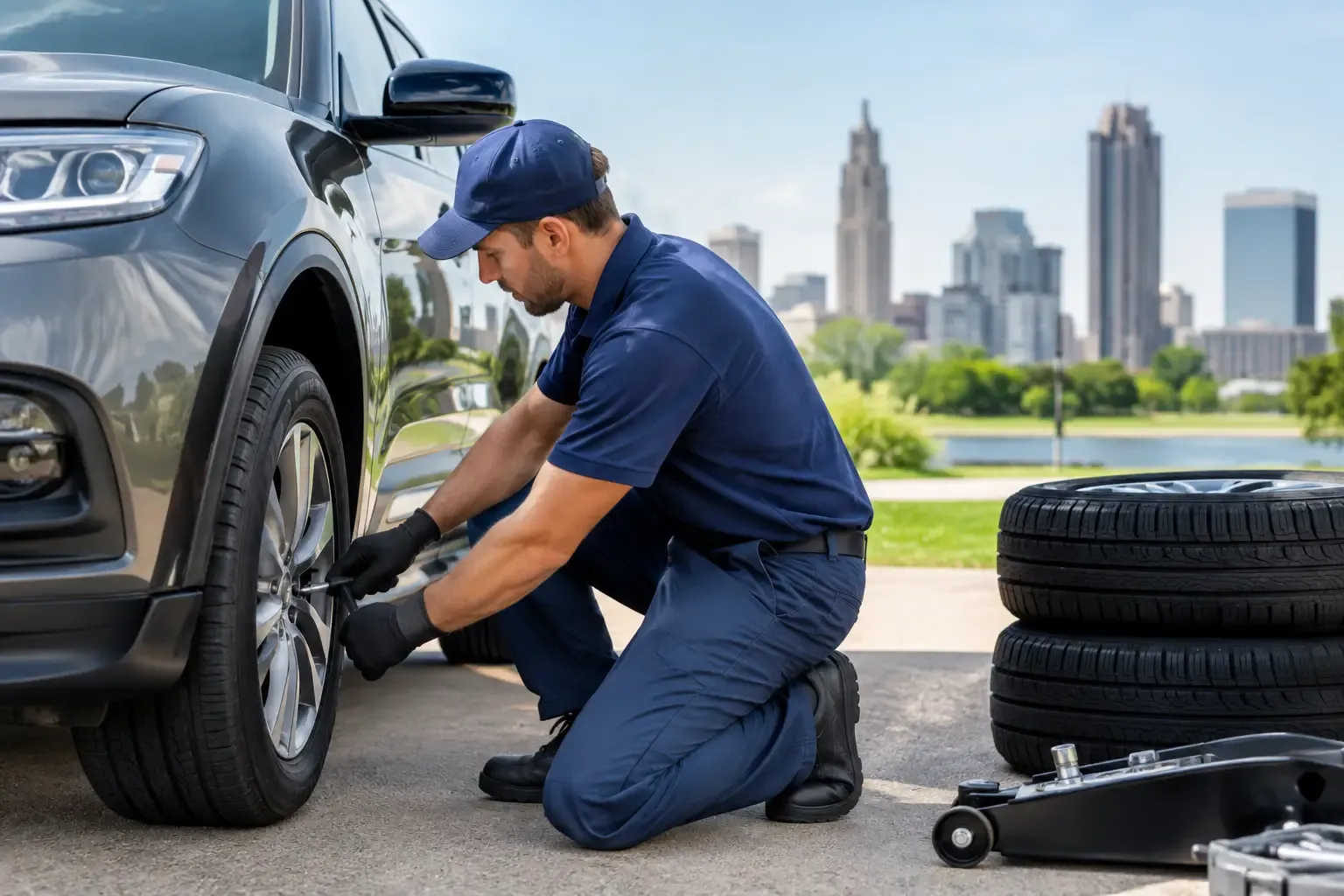
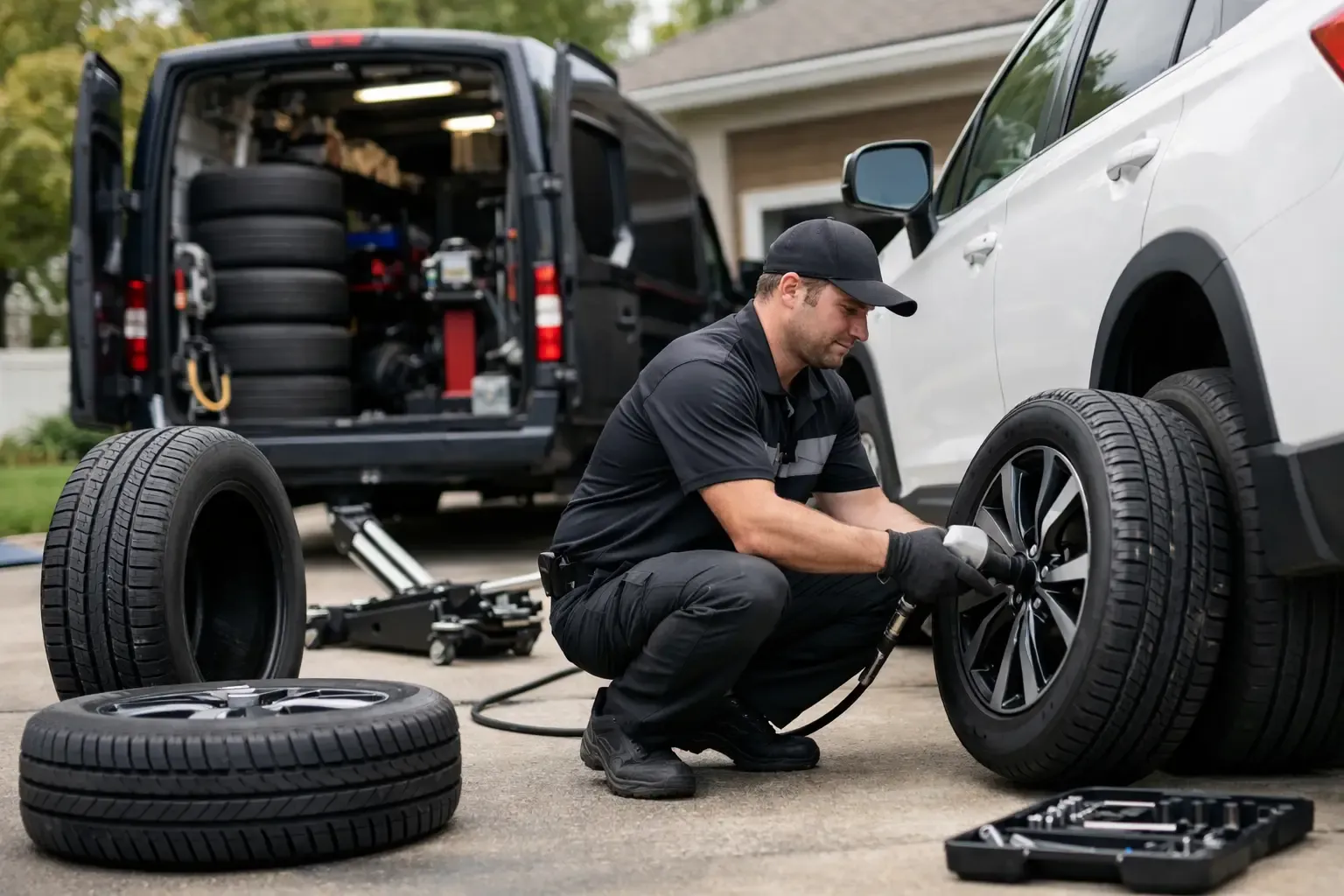
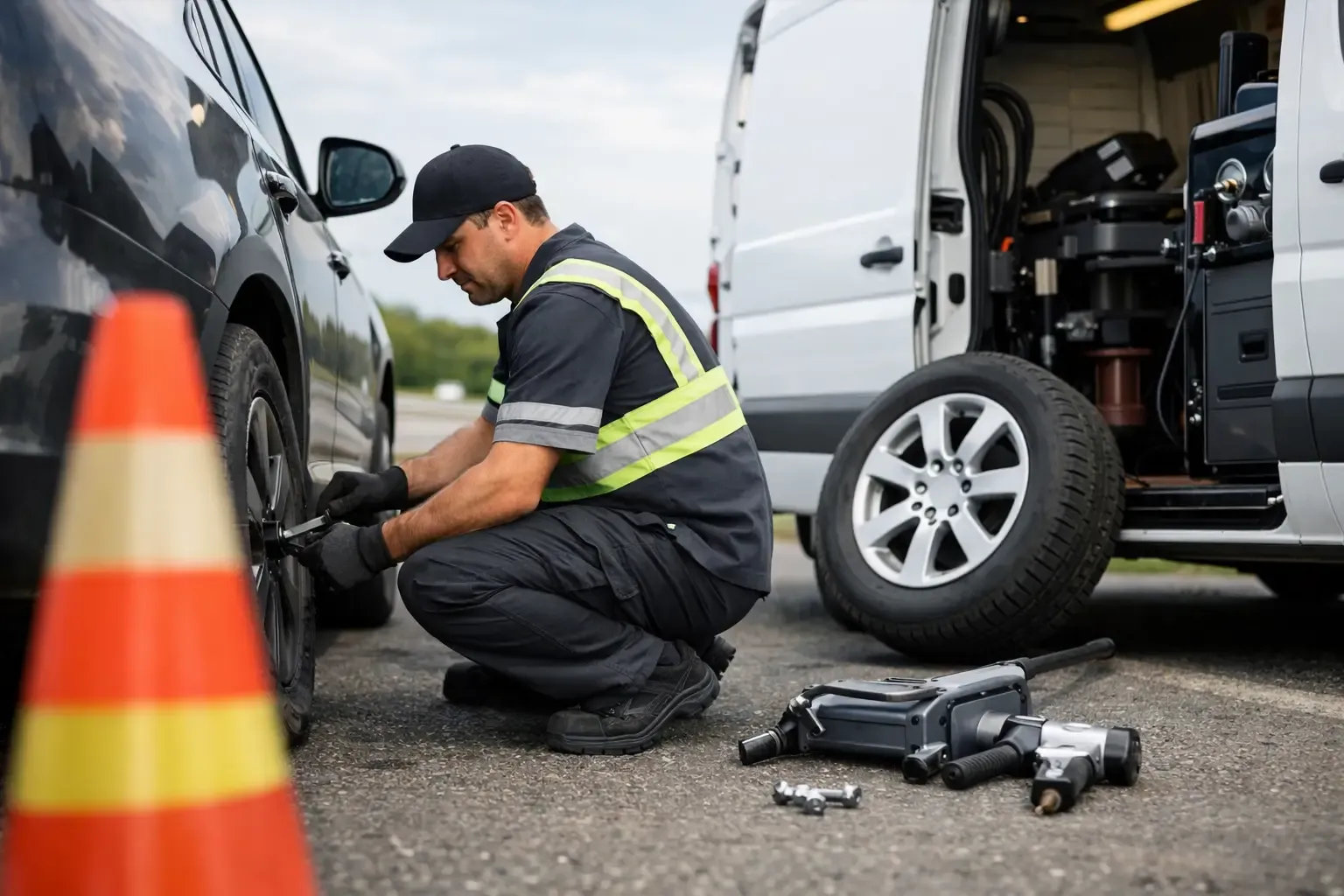
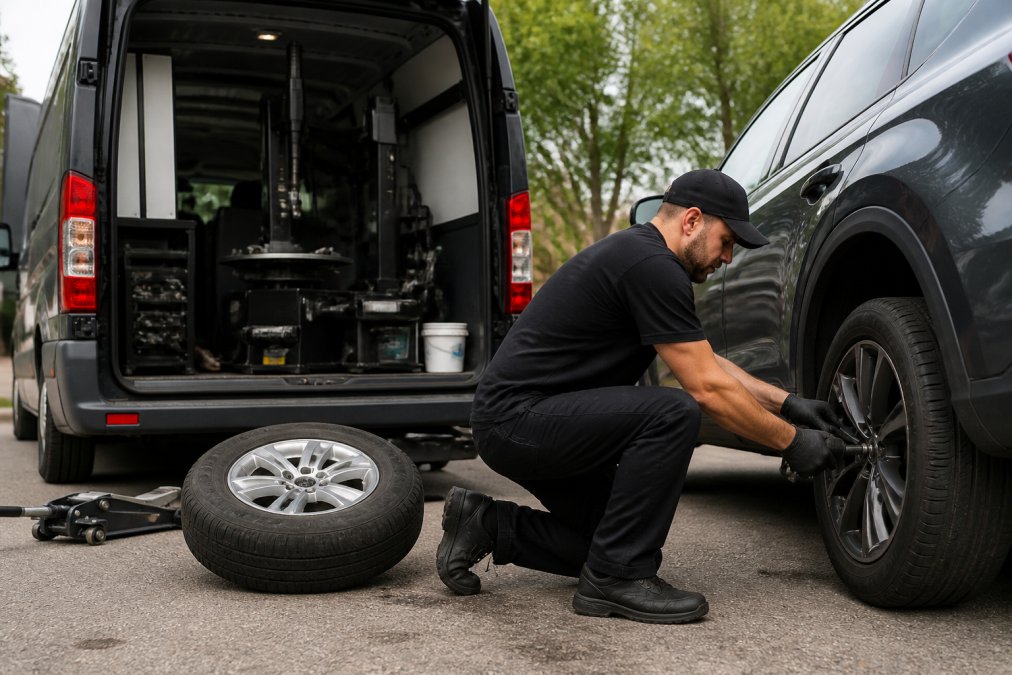
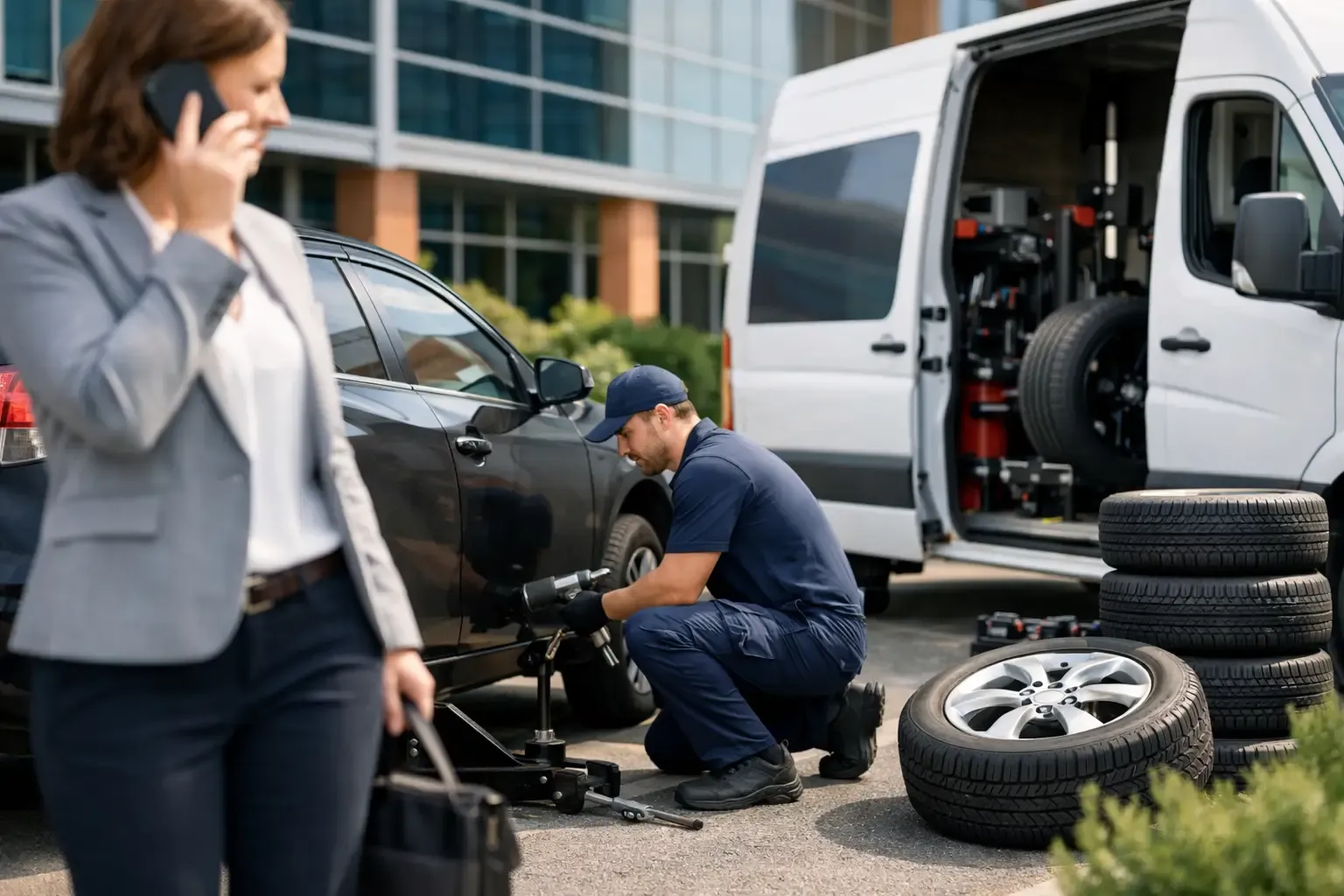
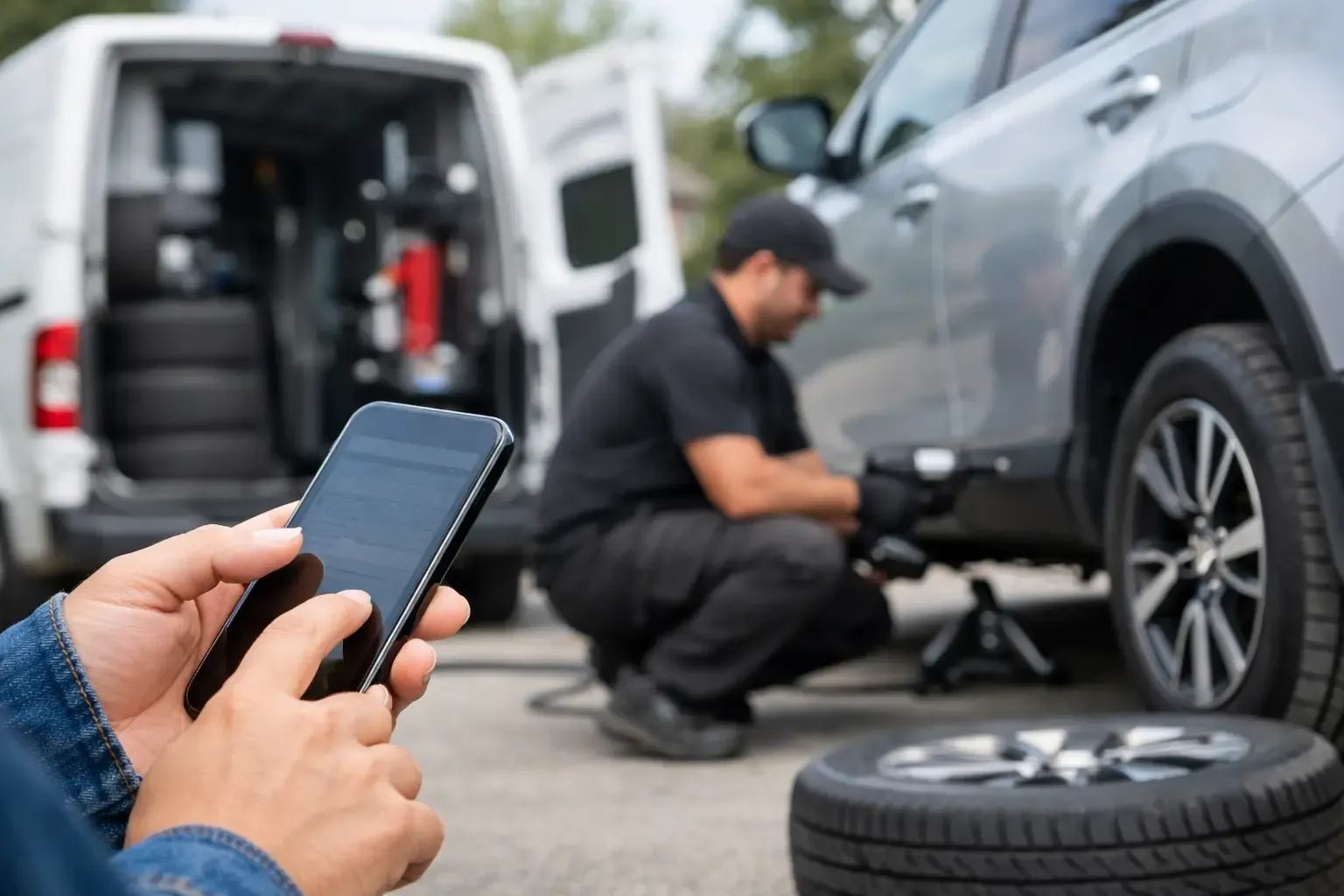
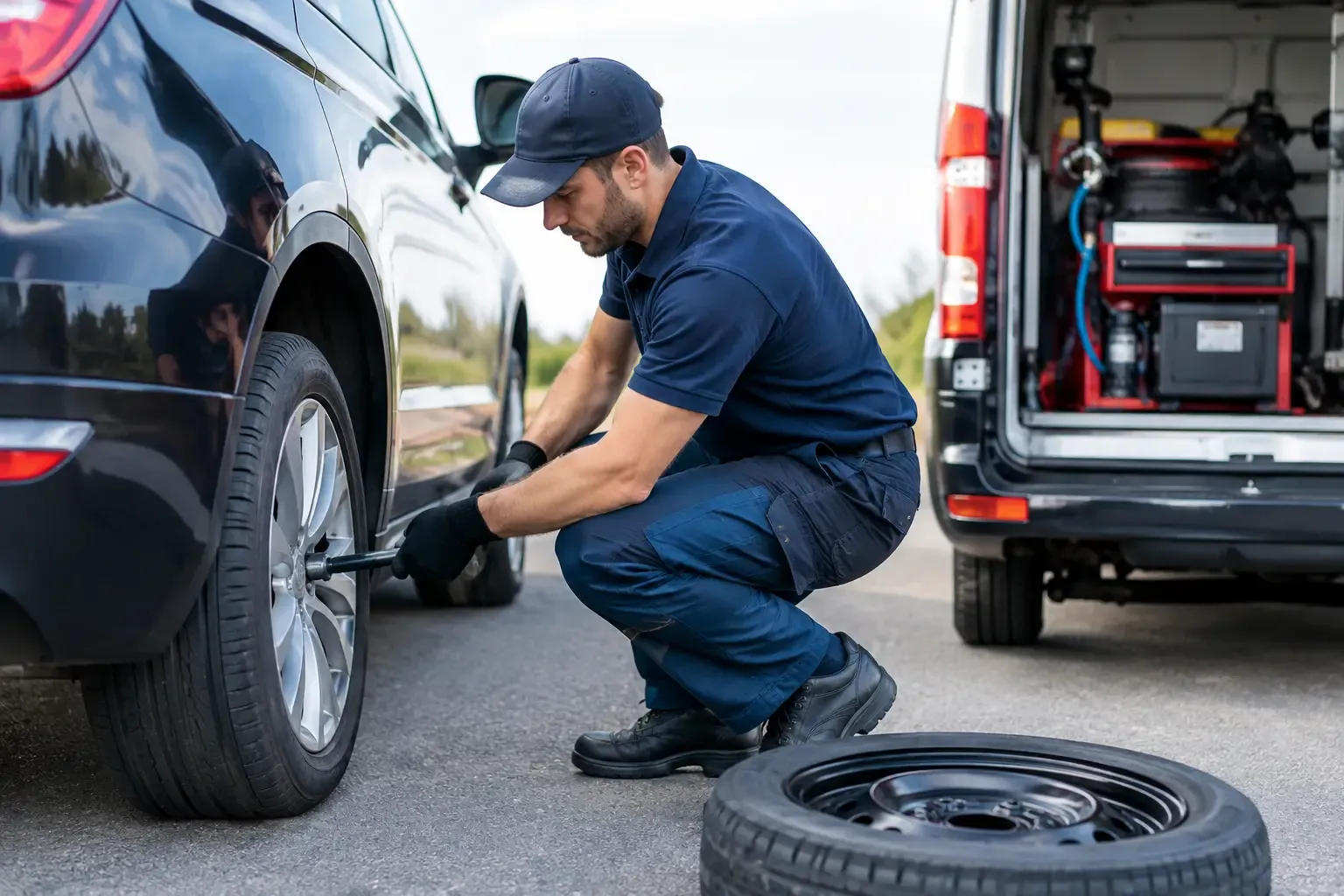
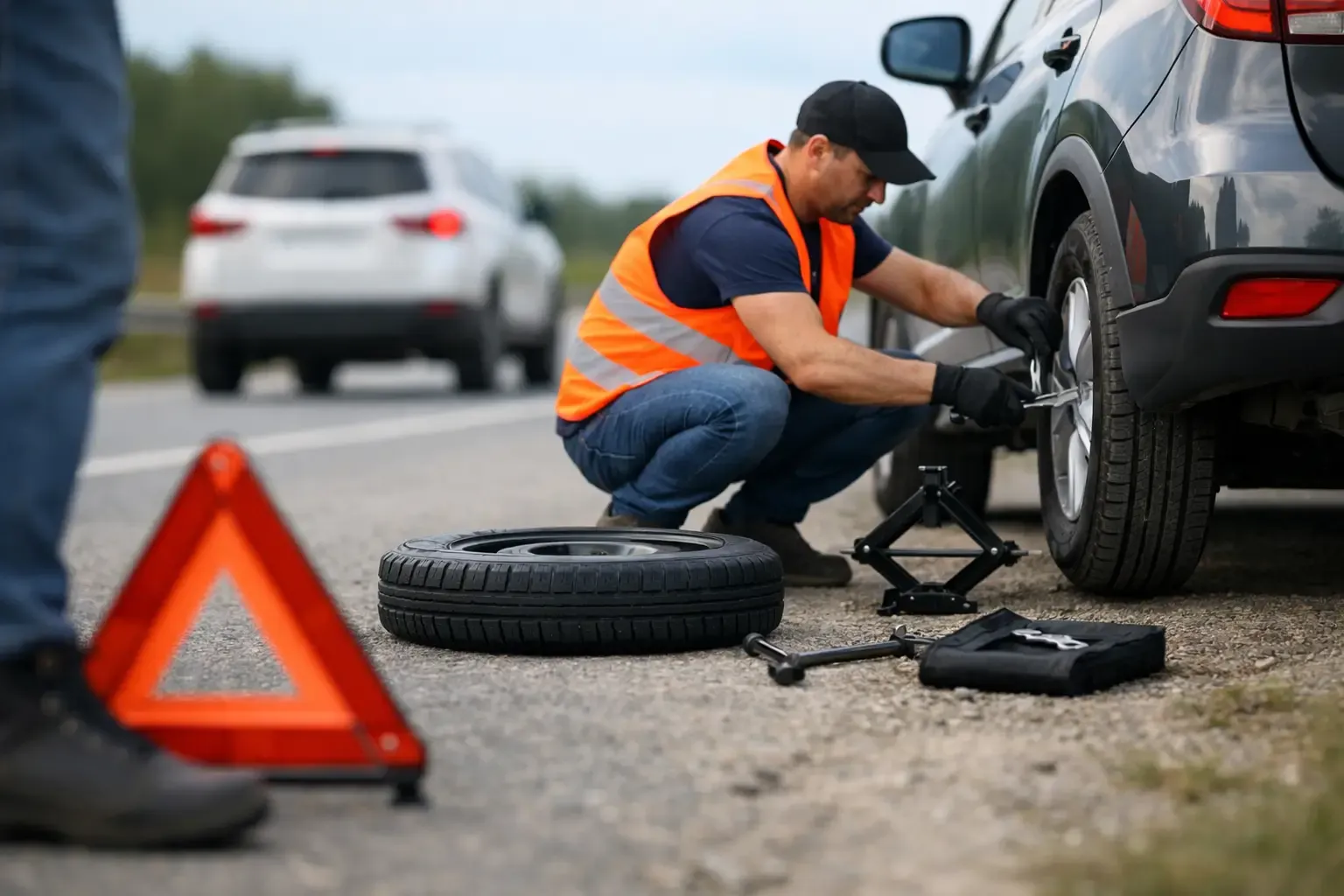
When a vehicle is down at a job site, office, or roadside location, mobile tire service can reduce the disruption of moving the vehicle to a shop. Elite Mobile Tire helps Columbus-area fleets handle tire installation, repair, balancing, and roadside support where the vehicle is located, which can keep employees focused on their scheduled work.
Create a Maintenance Calendar That Works
A useful guide to commercial tire maintenance should end in a routine your team can actually follow. Daily driver checks, weekly pressure checks, scheduled tread inspections, and service records create a dependable foundation. Add rotation, balancing, and alignment based on mileage, wear findings, and vehicle use rather than treating every unit exactly the same.
Set a clear standard for when drivers should stop operating a vehicle and call for help. Then make time for preventive service before a busy season, major delivery period, or long-distance job. A tire program works best when it is part of fleet operations, not something addressed only after a vehicle is already parked.
A few minutes spent checking tires before the route can protect a full day of work. Keep the process consistent, respond quickly to warning signs, and let every vehicle leave ready to do its job safely.
Ready for a new set? Elite Mobile Tire is open 24/7 and installs 2 or 4 new tires right in your driveway or parking lot anywhere around Columbus, Obetz, Groveport, Grove City, and Reynoldsburg. Financing is available through Afterpay and Acima with up to 24-month payment plans. Call 614-344-5010 or visit elitemobiletire.com to book.