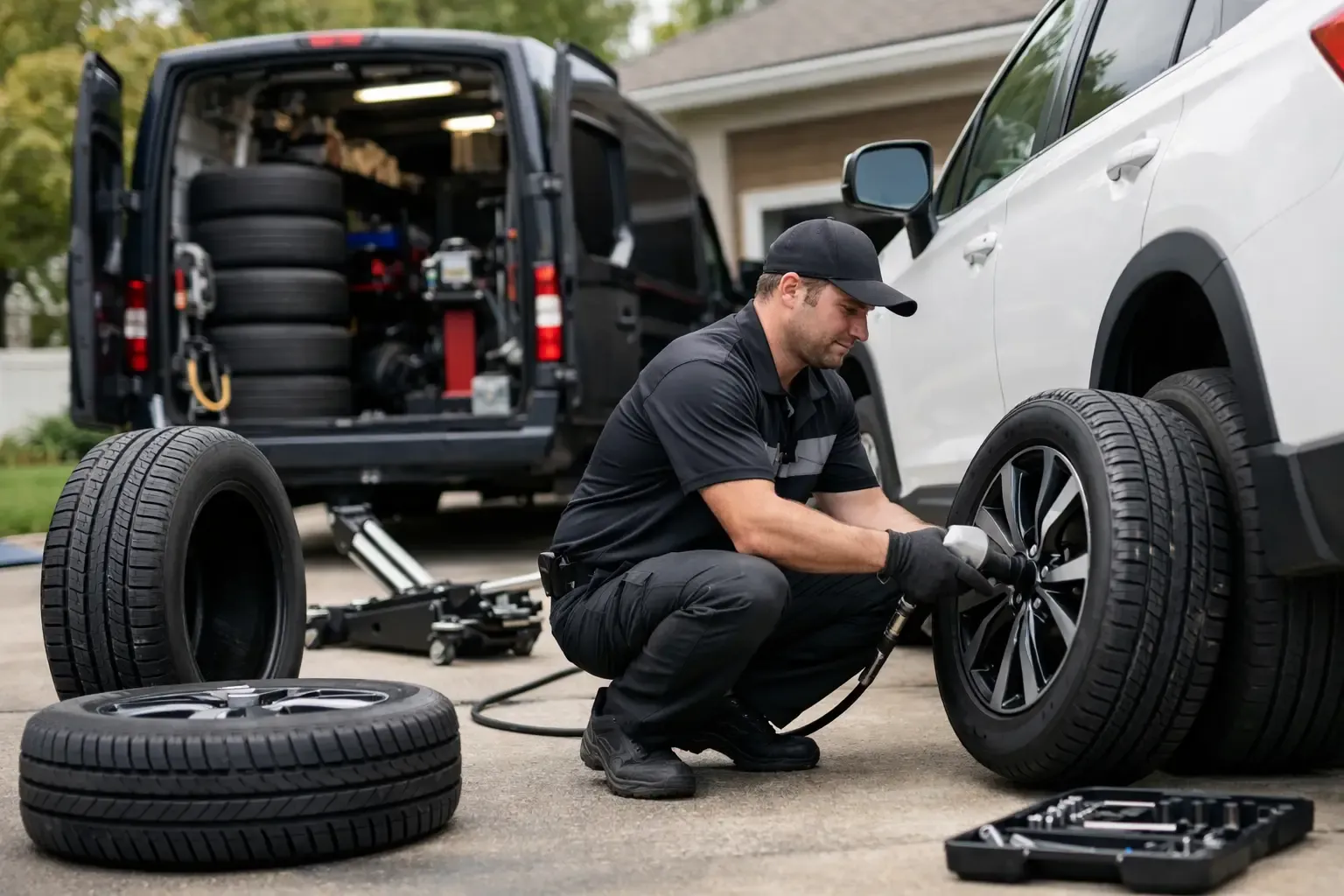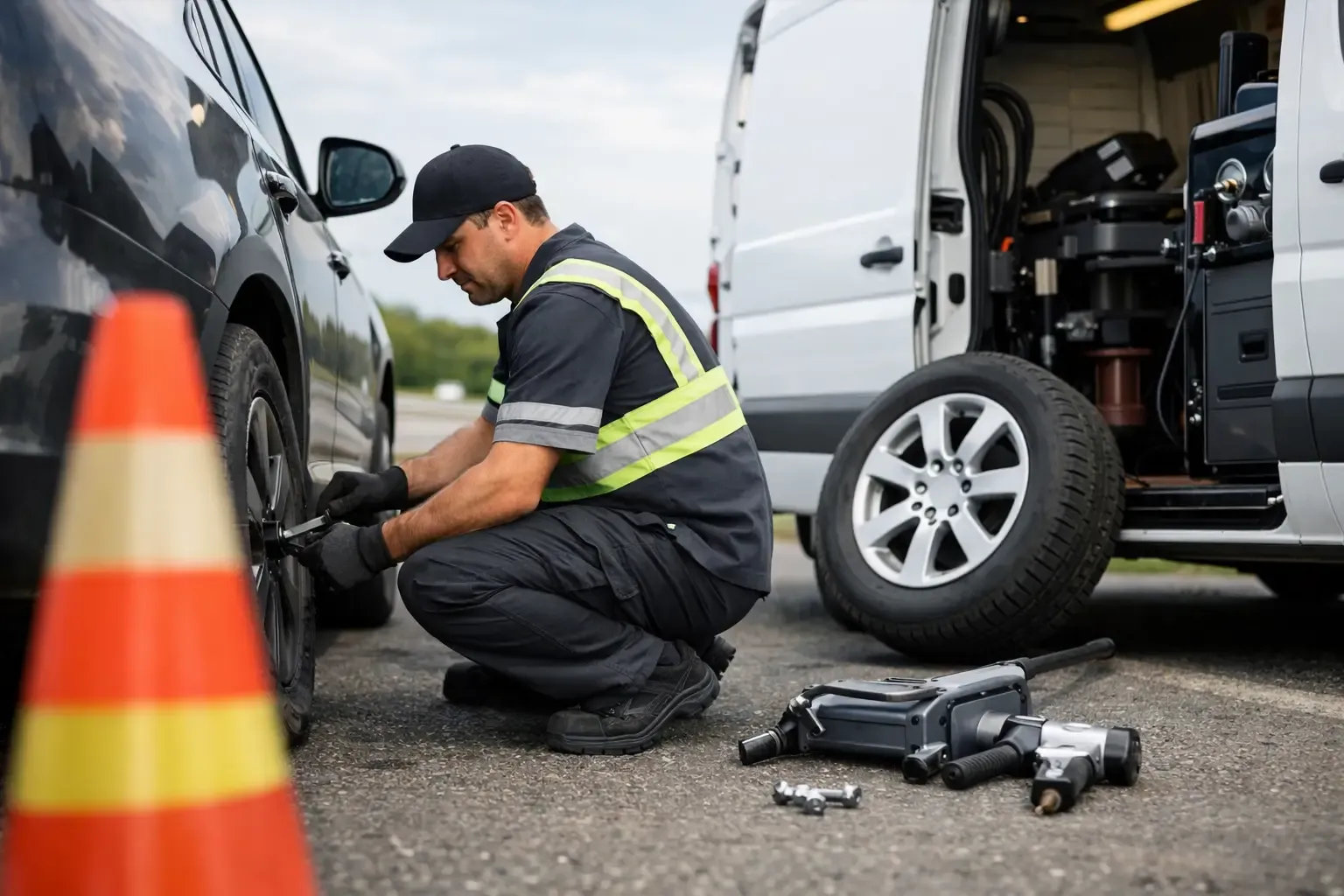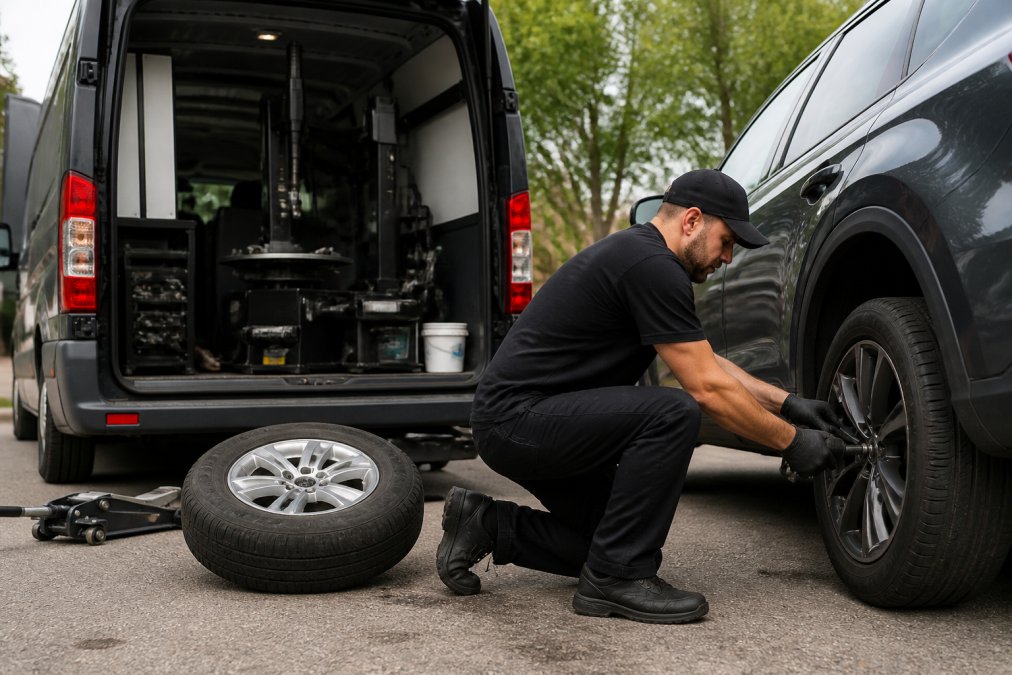

A vibration that starts at 55 mph on I-270, shakes the steering wheel on a neighborhood street, or suddenly appears after a pothole is your vehicle asking for attention. Drivers often ask why tires vibrate, but the answer depends on where you feel the shake, when it occurs, and whether it is getting worse. Some causes are simple to correct. Others can affect handling, tire life, and safety if they are ignored.
The useful first step is not guessing. Notice the speed, the location of the vibration, and whether it happens while cruising, braking, turning, or accelerating. Those details help narrow down the problem quickly.
Why Tires Vibrate at Certain Speeds
A vibration that comes and goes with vehicle speed is often related to tire and wheel balance. Every tire and wheel assembly has small weight differences around its circumference. During balancing, a technician uses precise weights to offset those differences so the assembly rotates smoothly.
When a wheel is out of balance, it may feel perfectly normal at low speeds and then begin to shake within a specific range, often around 45 to 70 mph. The vibration may lessen again at a different speed, but that does not mean the issue has gone away. Continued driving can cause uneven tread wear and add stress to suspension components.
A lost wheel weight is one common reason balance changes. So is mud, packed snow, or debris lodged inside a wheel. In central Ohio, winter road conditions and changing weather can leave material where it should not be. A proper inspection identifies whether the wheel simply needs cleaning and rebalancing or whether a deeper issue is involved.
Steering Wheel Shake Usually Points to the Front
If the steering wheel moves side to side, the source is often one of the front tire and wheel assemblies. An out-of-balance front wheel is a frequent cause, but it is not the only possibility. A bent wheel, uneven tire wear, loose steering or suspension parts, and a damaged tire can create a similar feeling.
The steering wheel is a helpful clue, not a final diagnosis. A professional should inspect the tire condition, wheel runout, inflation pressure, lug nut tightness, and related components before recommending a repair.
Vibration in the Seat or Floor Can Point to the Rear
When the steering wheel feels steady but the seat, floor, or rear of the vehicle shakes, the issue may be coming from a rear tire or wheel. Rear-wheel imbalance often sends vibration through the body of the vehicle instead of directly through the steering wheel.
This distinction can help, but modern vehicles transfer forces in different ways. The most dependable approach is to inspect all four tires and wheels, especially if the vehicle has not been rotated or balanced recently.
Tire Problems That Can Cause Vibration
Not every tire vibration is a balancing issue. The tire itself may be worn, damaged, or out of round. These conditions deserve prompt attention because they can worsen without much warning.
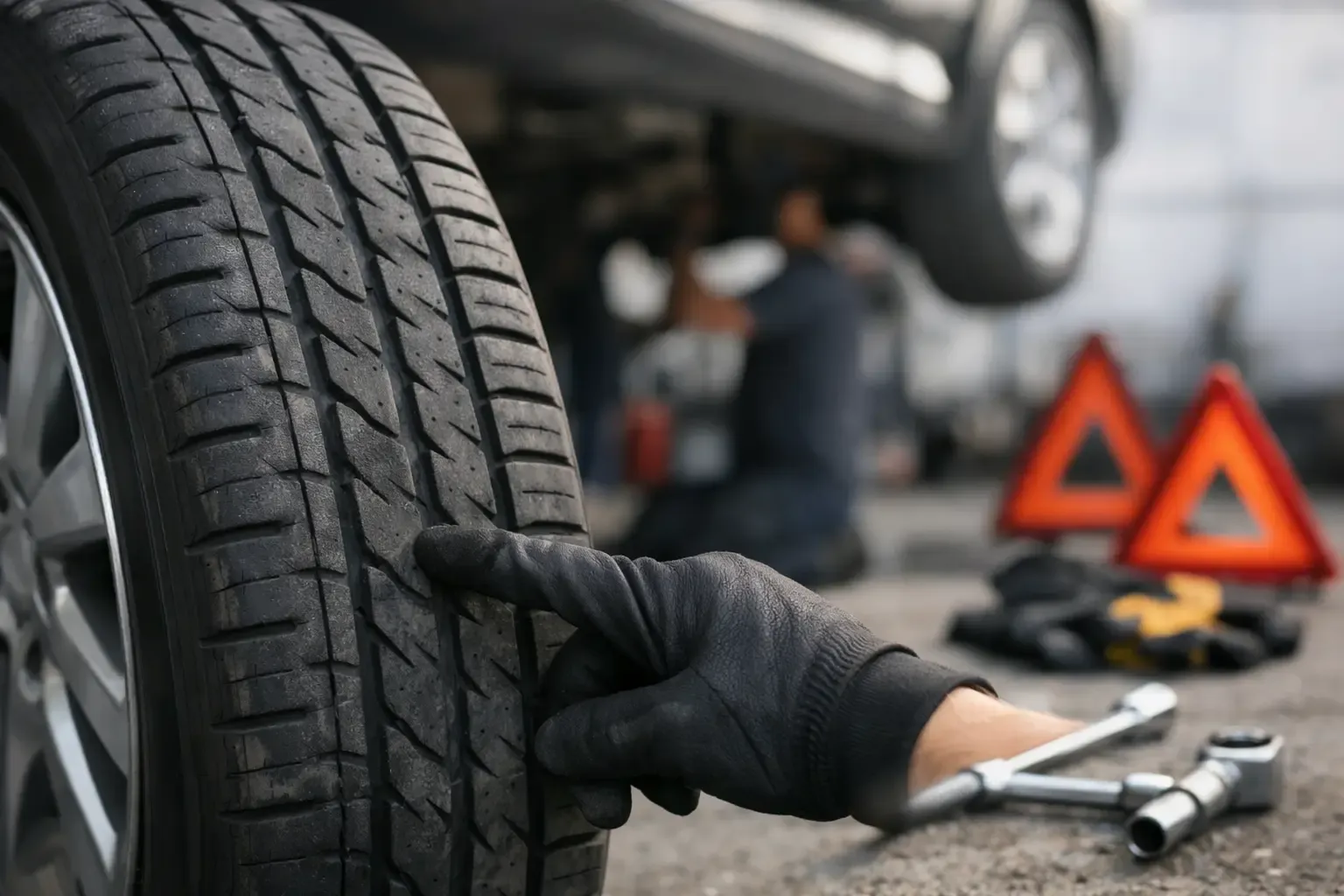
Uneven tread wear can create a repeating thump or rumble. Cupping, which looks like scalloped dips around the tread, may be tied to worn suspension parts, poor balance, incorrect inflation, or alignment concerns. Once the tread is uneven, balancing alone may reduce the feeling but cannot restore the tire’s original shape.
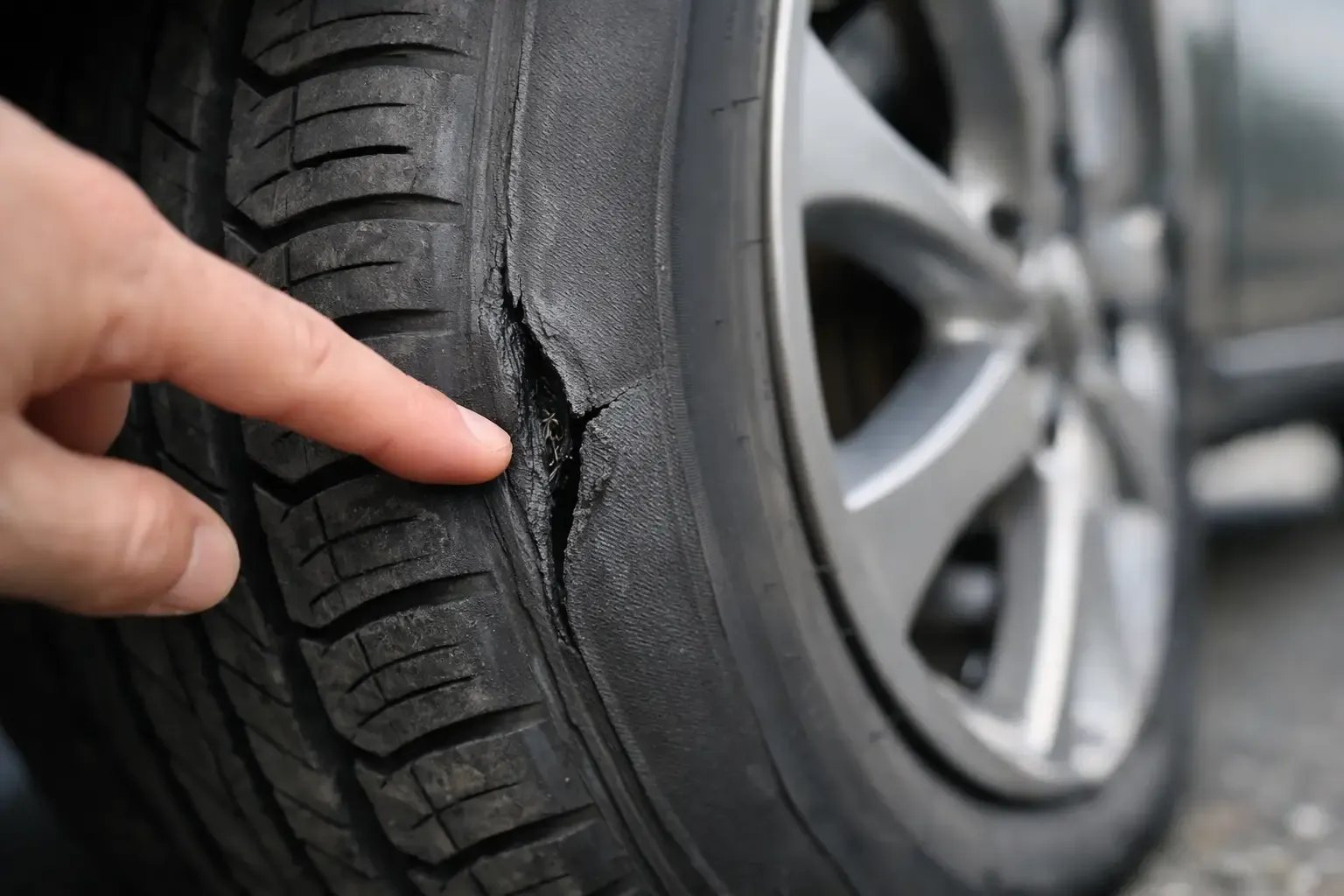
A separated belt is more serious. Inside a tire, steel belts help the tread hold its shape. If a belt separates, the tire may develop a bulge, high spot, or wobble as it rolls. Drivers may notice a rhythmic thumping sensation that becomes more pronounced with speed. Do not continue driving on a tire with a visible bulge or suspected internal damage. It needs immediate professional evaluation and, in many cases, replacement.
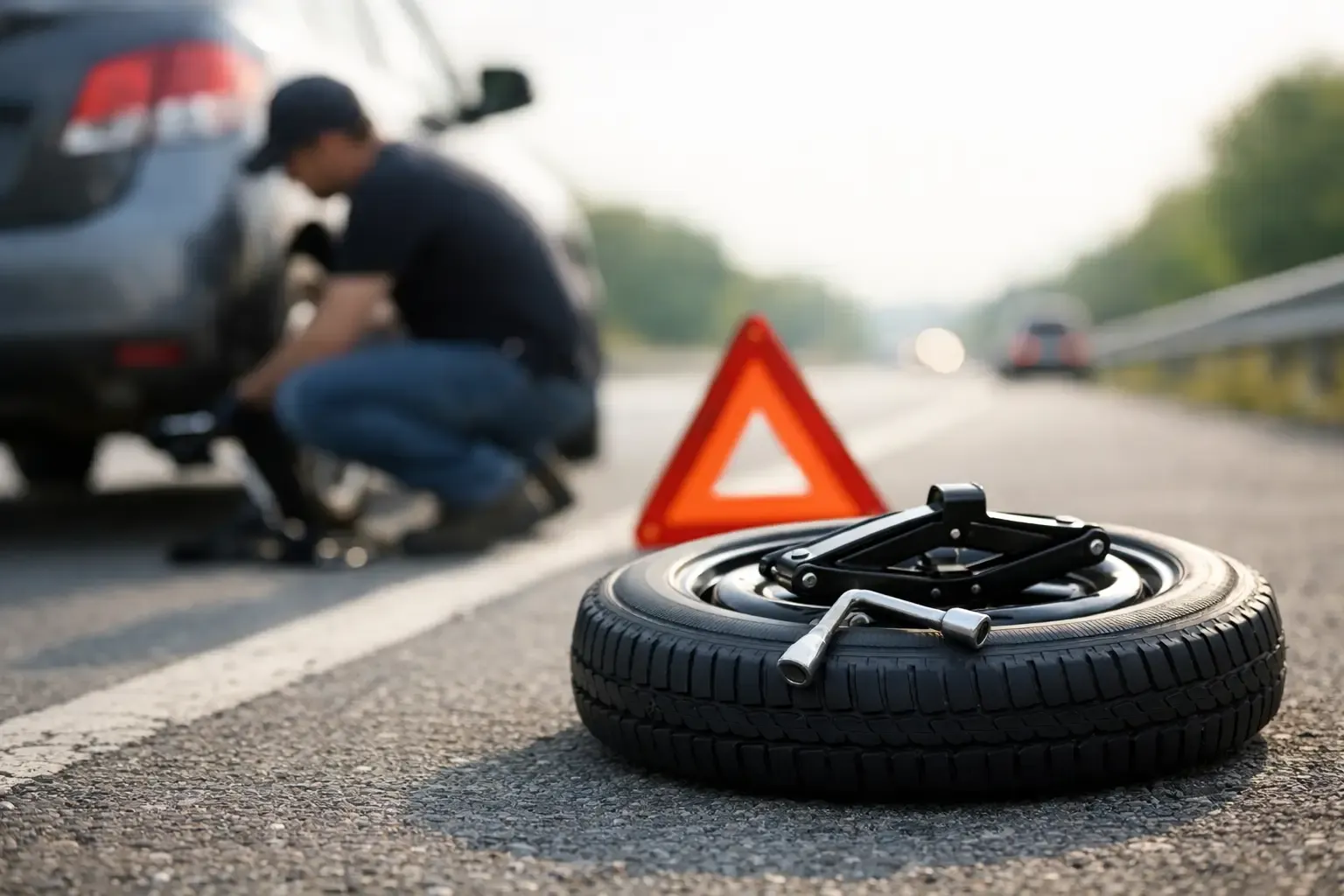
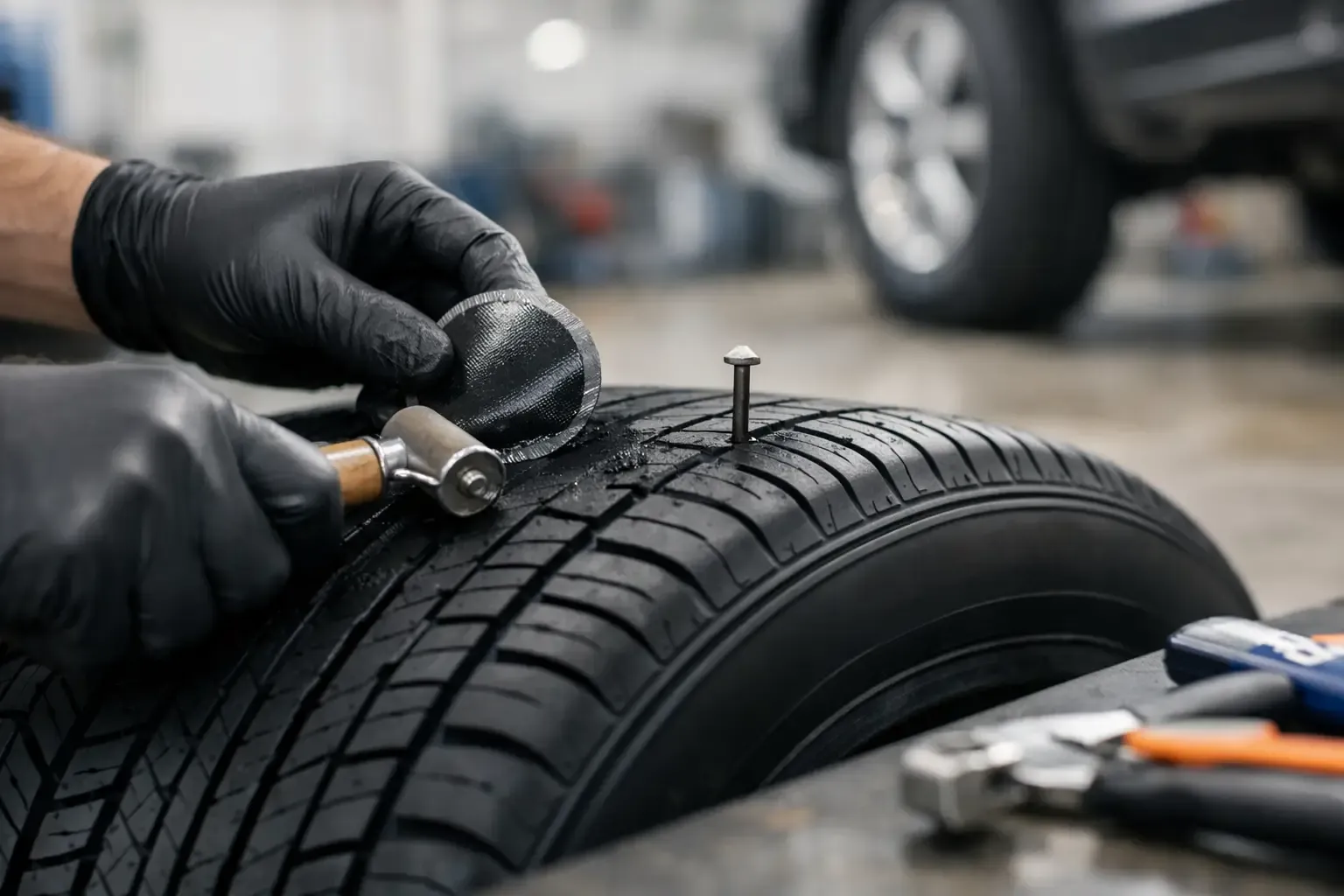
Road hazards can also damage a tire or wheel. A hard pothole strike can bend a wheel, pinch the tire sidewall, or knock a wheel out of balance. If the vibration began immediately after an impact, avoid assuming it will work itself out. Check for low pressure, sidewall damage, and visible wheel damage before driving farther than necessary.
When the Vibration Happens Matters
The timing of a vibration can separate tire concerns from brake, suspension, or drivetrain concerns.
If the vehicle shakes primarily when you apply the brakes, warped or uneven brake rotors may be involved. This commonly creates a pulsing brake pedal or steering wheel shake during braking, especially from highway speed. The tires may be fine, but the condition still warrants service.
If vibration appears during acceleration and improves when you let off the gas, the cause could involve driveline components, engine mounts, or axle issues. This is more common on certain vehicles and is not usually corrected by tire balancing.
A shake that occurs only while turning can point to a tire rubbing issue, damaged suspension part, wheel bearing concern, or a problem with a constant-velocity axle. Clicking while turning and vibration under power are especially useful details to share with a technician.
Alignment Is Related, But Not Always the Cause
Wheel alignment is often blamed whenever a vehicle feels unsettled, but alignment by itself does not usually create a speed-specific vibration. Instead, poor alignment tends to cause pulling, an off-center steering wheel, and uneven tire wear over time.
Still, alignment can contribute indirectly. If alignment angles are off, the tires can wear unevenly. That uneven wear can eventually create noise and vibration. The right repair may involve replacing a damaged tire, correcting the underlying suspension concern, then having the vehicle aligned so the new tire wears properly.
This is why a clear inspection matters. Rebalancing a tire with severe cupping may provide only limited improvement. Replacing a tire without addressing a worn suspension component can lead to the same problem again.
What to Do When Your Tires Start Vibrating
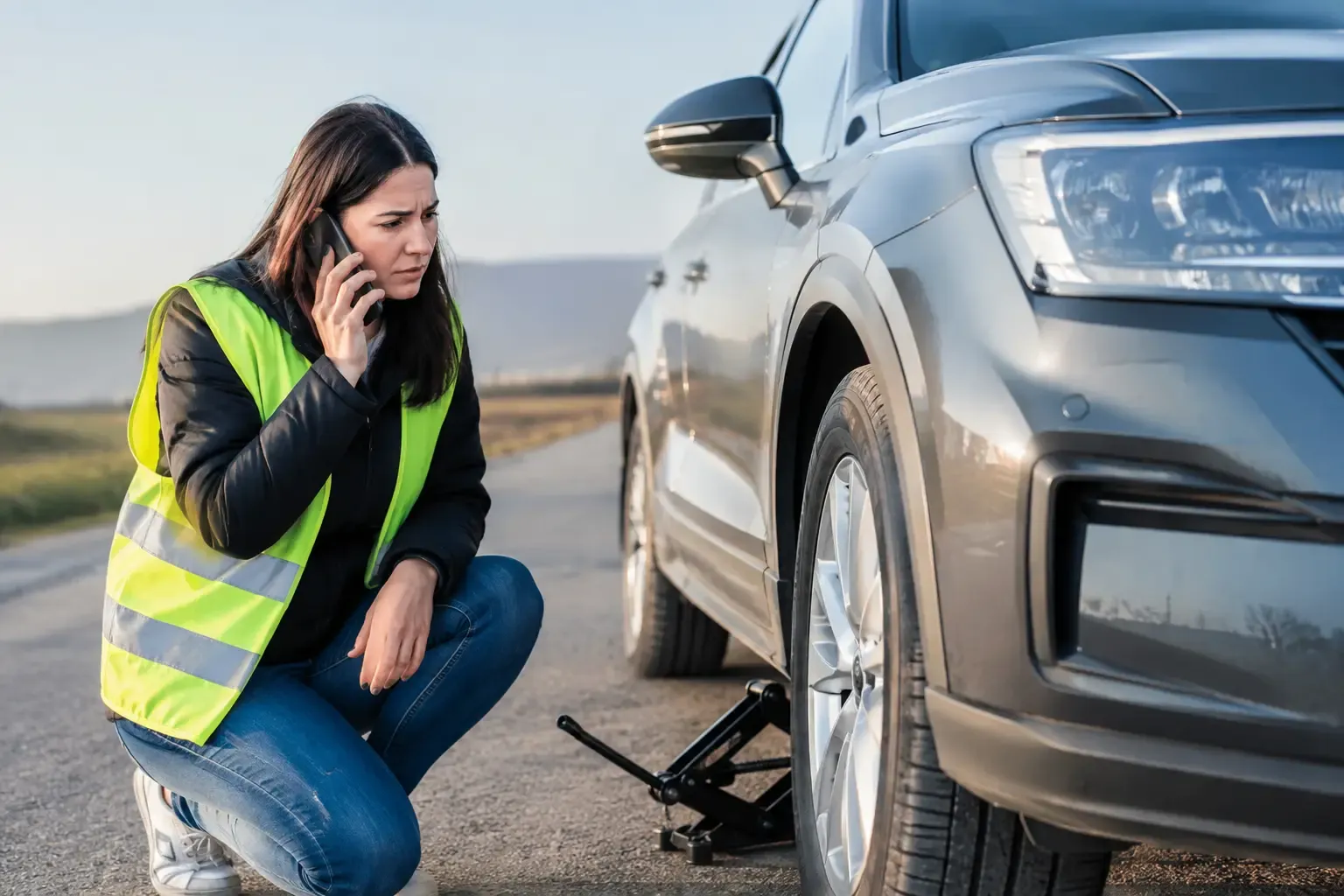
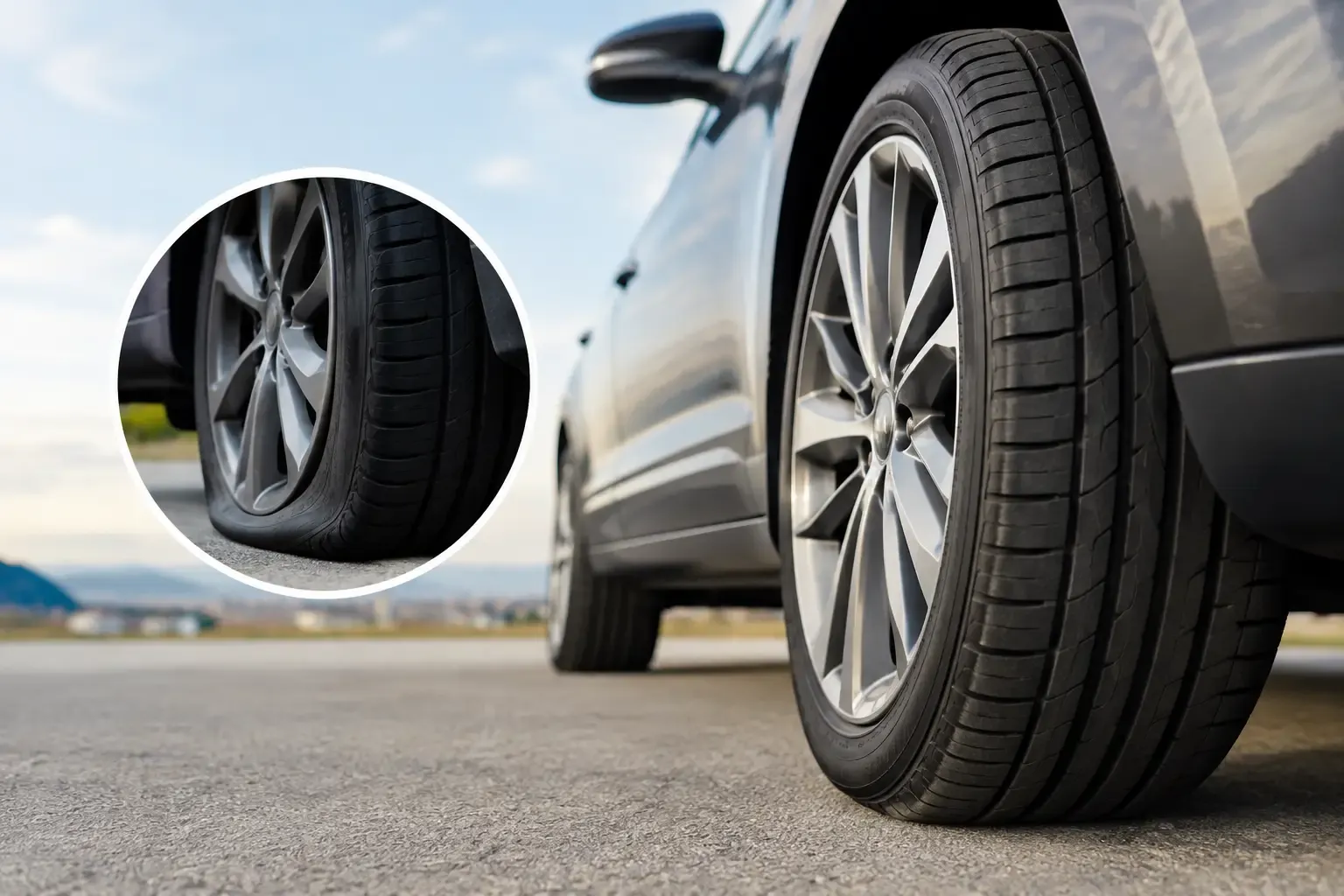
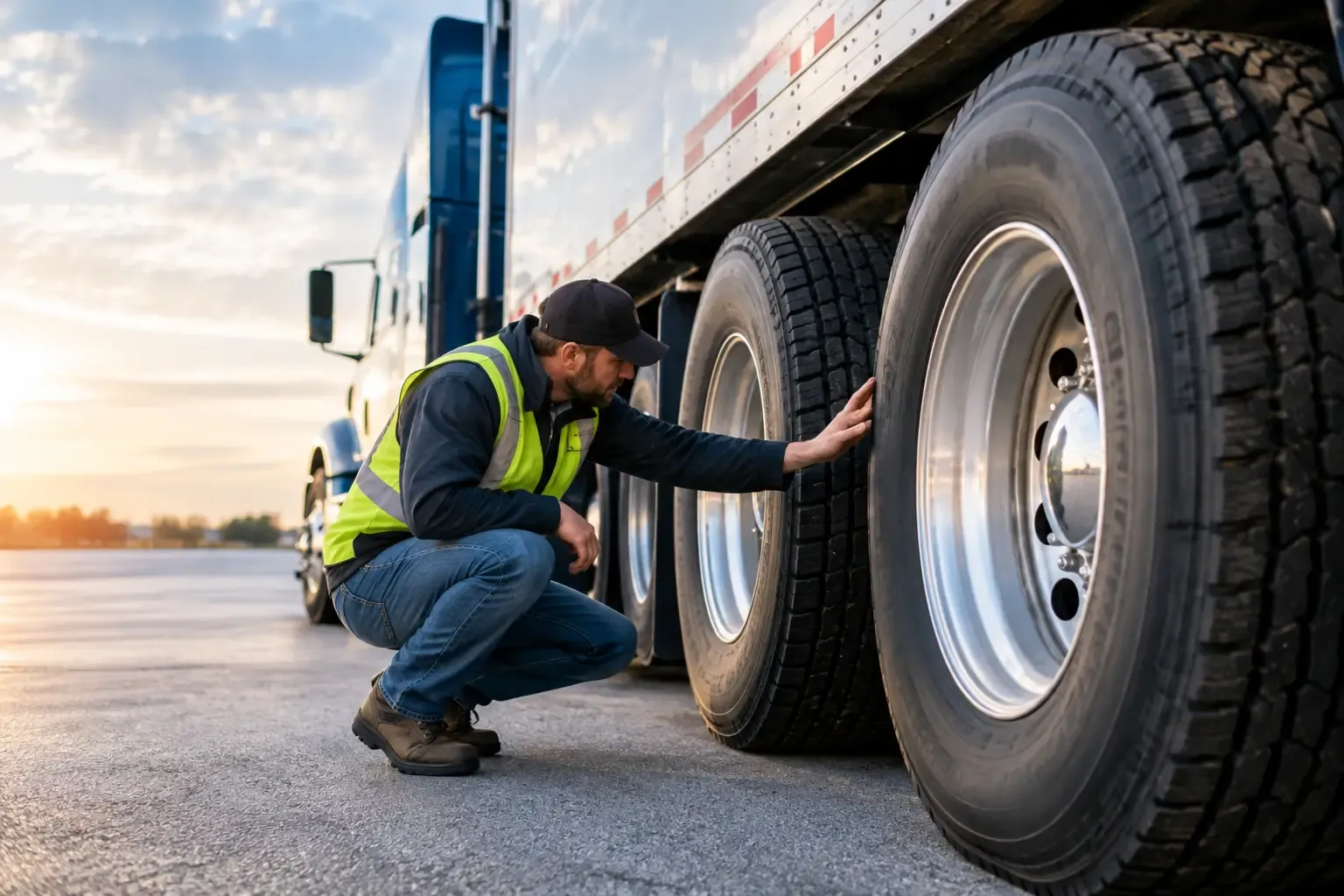
Start with a quick visual check when the vehicle is parked safely. Look for a low tire, a sidewall bulge, exposed cords, an object in the tread, or obvious wheel damage. If any of these are present, avoid highway driving and arrange service as soon as possible.
Next, pay attention to the pattern. Note the approximate speed where the vibration begins, whether it is felt in the wheel or seat, and whether braking or acceleration changes it. Those observations make diagnosis more efficient and help avoid unnecessary work.
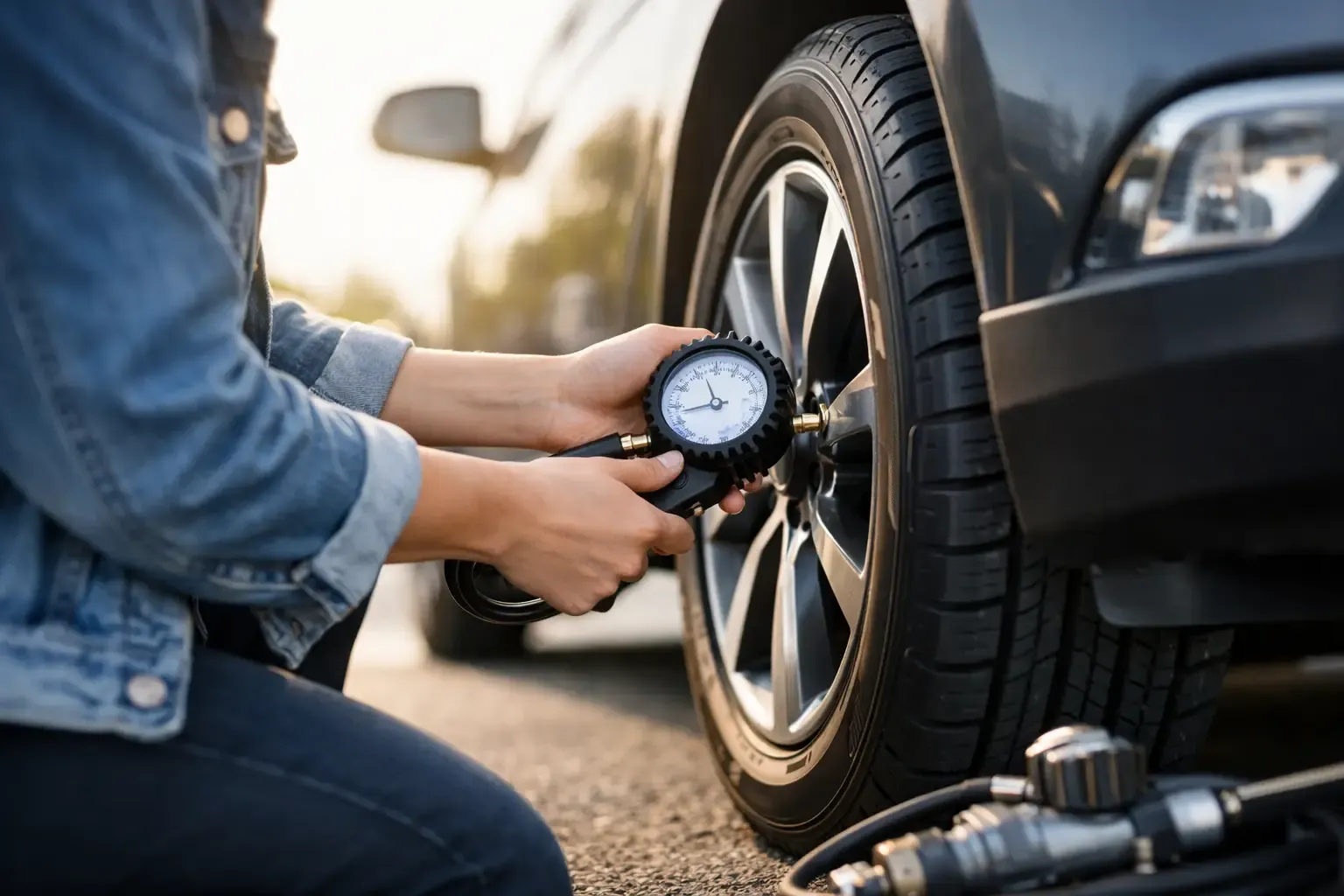
Do not overlook tire pressure. Underinflation and overinflation can affect ride quality and accelerate uneven wear, although they do not typically cause a sharp high-speed vibration on their own. Check pressures when the tires are cold and follow the pressure listed on the vehicle’s driver-side door placard, not the maximum pressure printed on the tire sidewall.
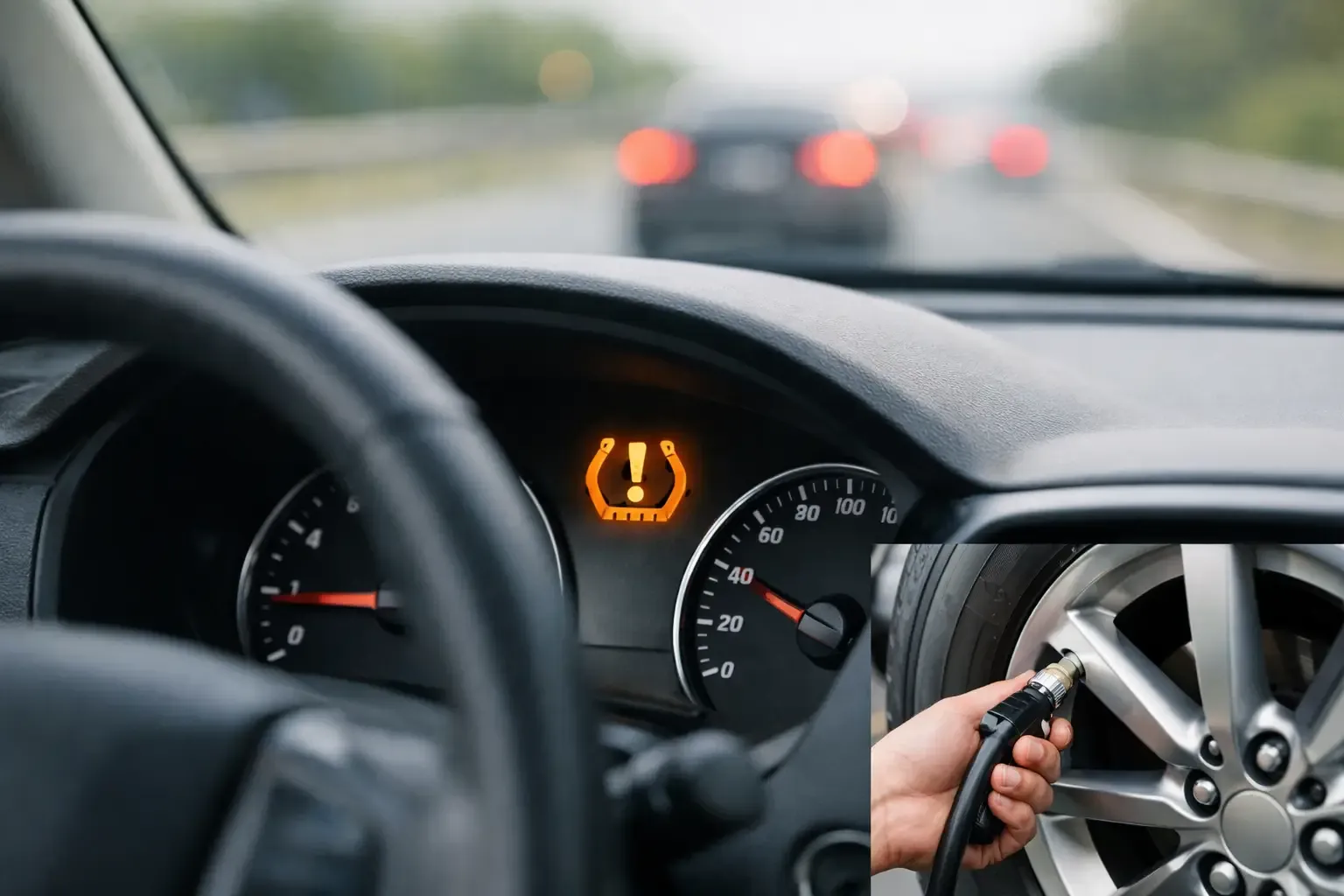
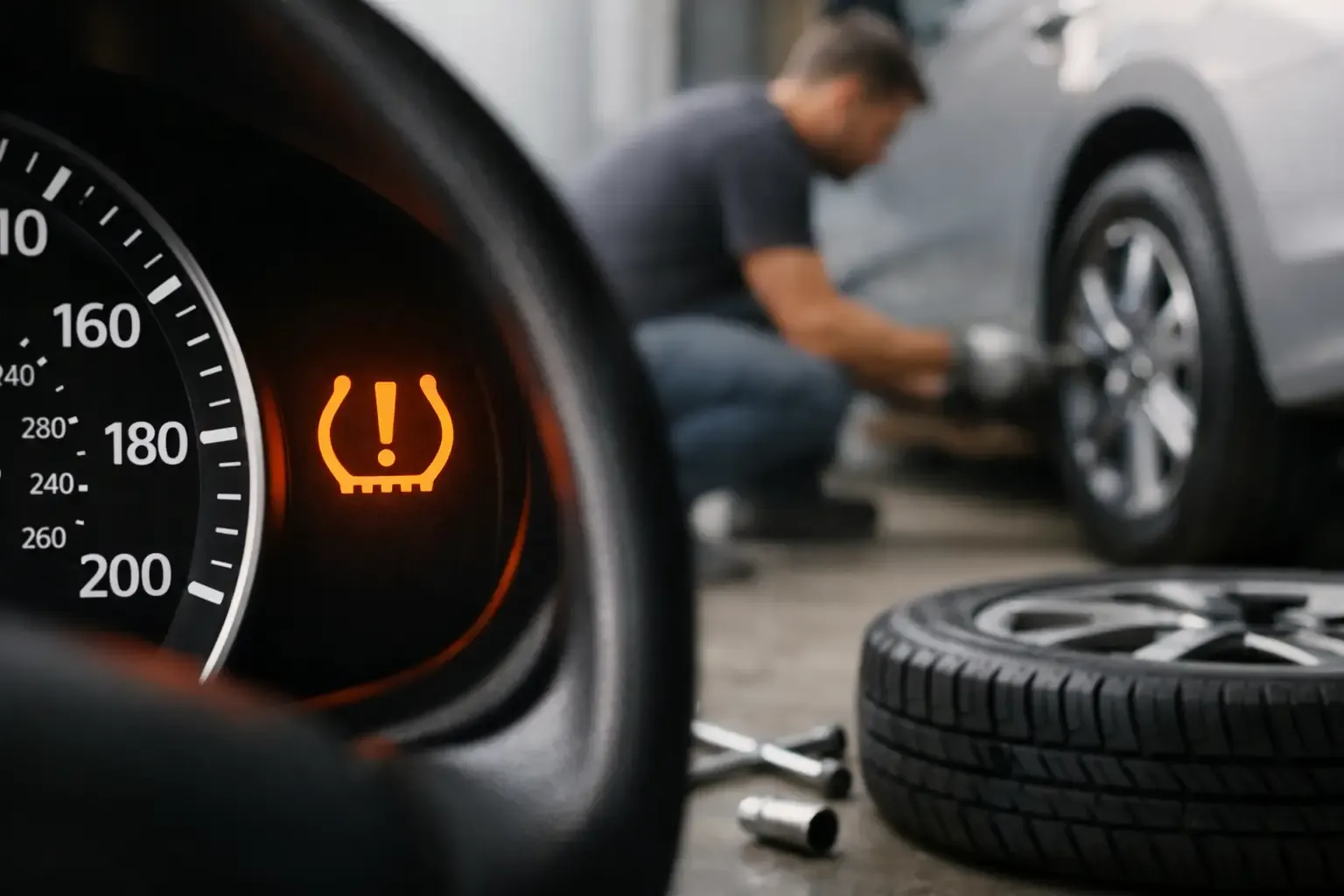
If the shake is mild and there is no visible damage, schedule an inspection soon rather than waiting for the next oil change. If it is severe, begins suddenly, or is paired with a bulge, steering difficulty, grinding noise, or a flashing tire pressure warning, stop driving when it is safe to do so and get help.
How Professional Tire Service Solves the Problem
A proper diagnosis goes beyond attaching weights to a wheel. The technician should inspect tread wear, tire condition, wheel damage, inflation, balance, and signs of suspension or brake concerns. If a balance is needed, the wheel assembly is balanced with appropriate equipment and then rechecked for a smooth result. Mobile tire balancing is around $50 per tire.
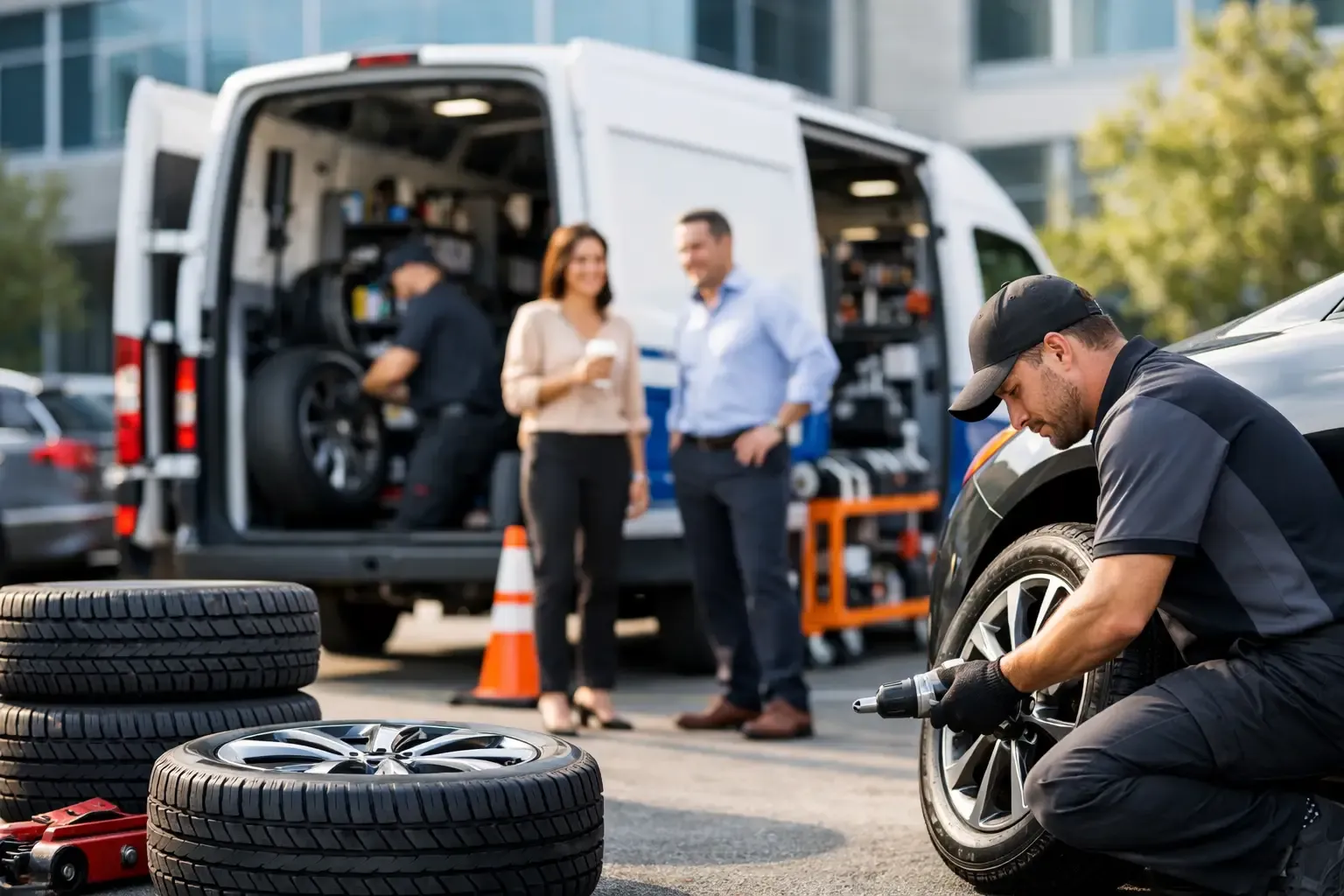
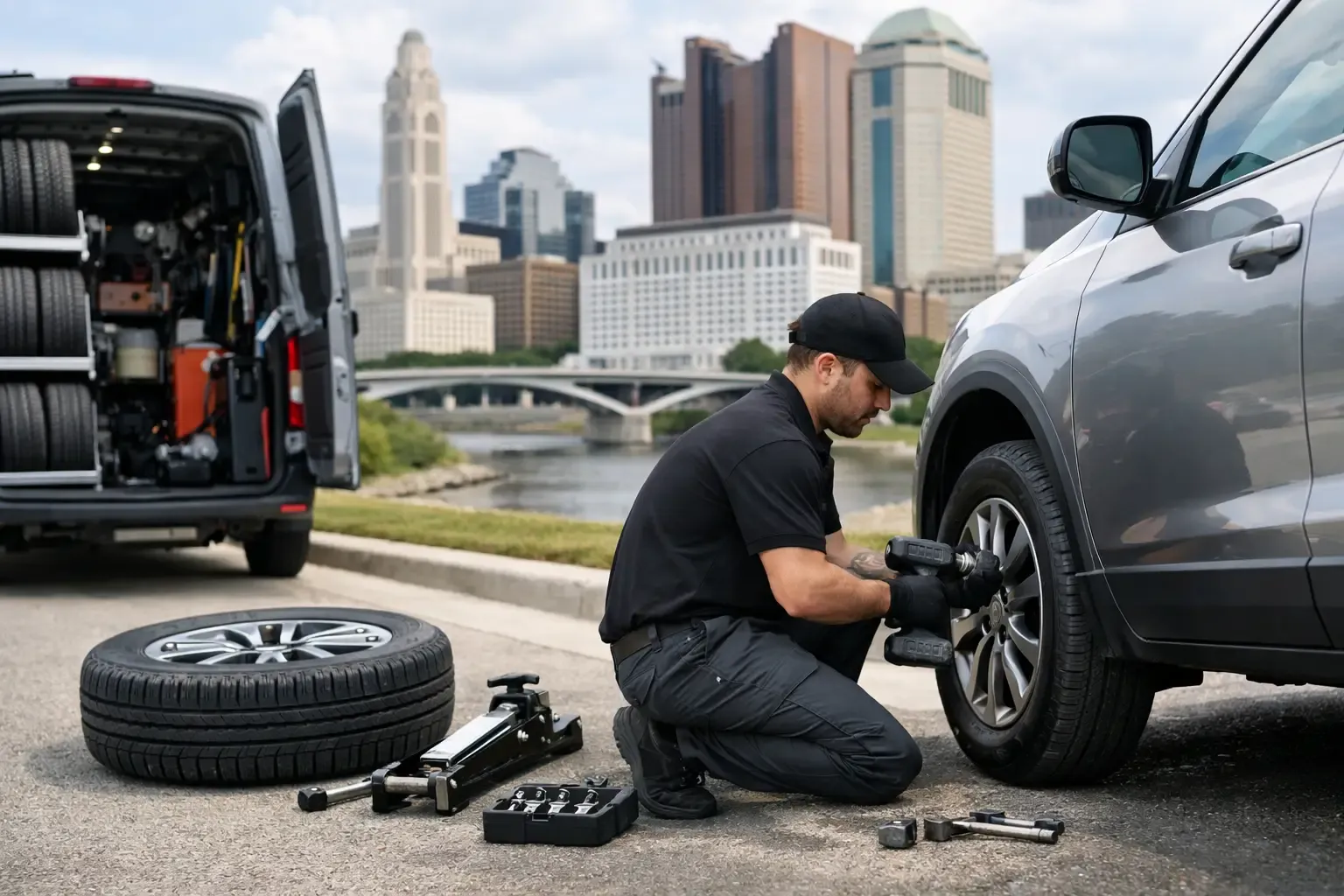
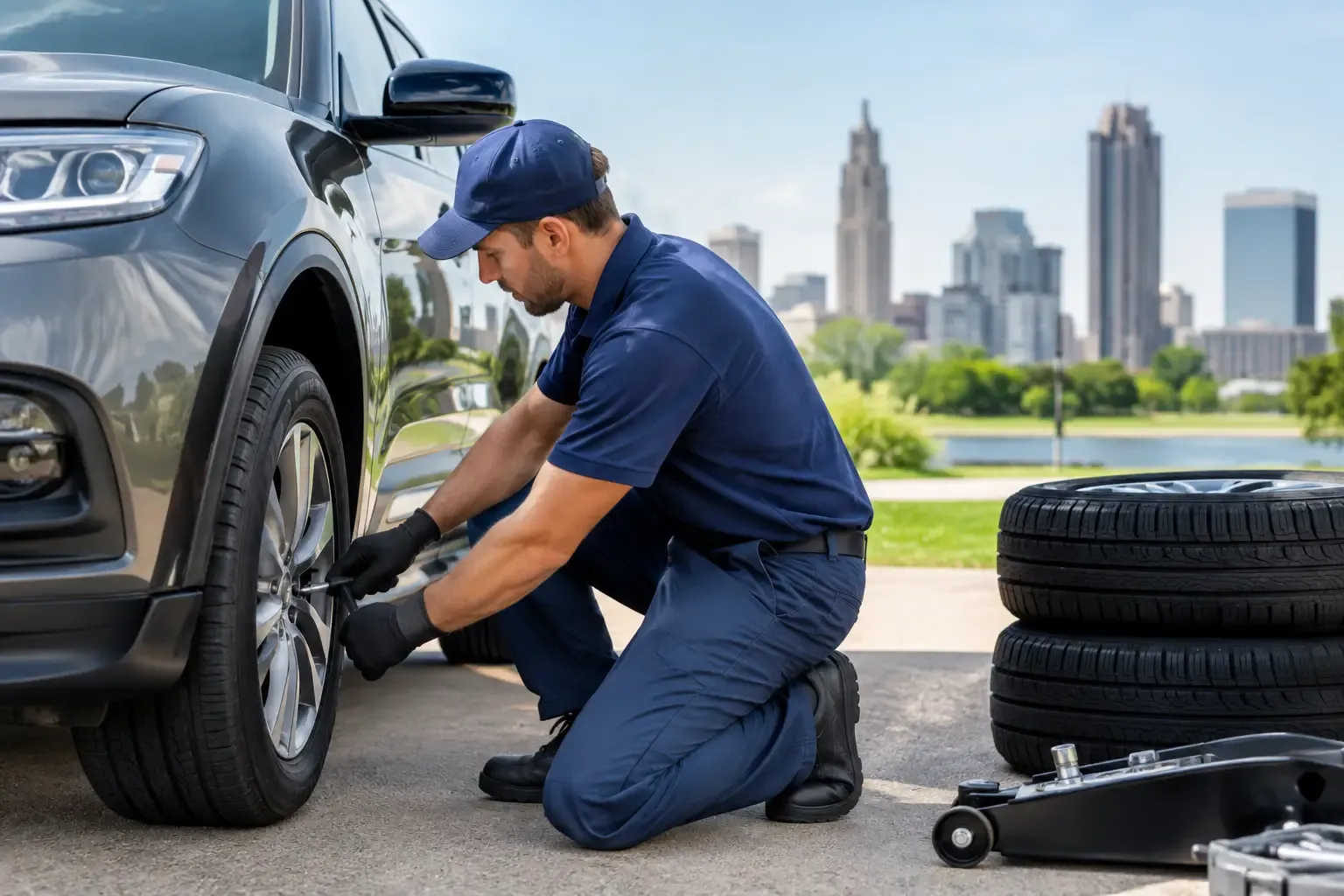
For busy drivers, the practical challenge is often finding time to get that inspection done. Mobile tire service can bring tire balancing, repair, replacement, and support to your home, workplace, or roadside location when the service can be safely performed there. That means less time in a waiting room and a faster path back to a vehicle that feels stable and predictable.
Elite Mobile Tire helps Columbus-area drivers 24/7, including weekends and overnight, addressing tire concerns where their day is already happening. A vibration may be a straightforward balance issue, or it may reveal damage that should not be ignored. Acting early protects your tires, improves comfort, and gives you more confidence every time you get behind the wheel.
Ready for a new set? Elite Mobile Tire is open 24/7 and installs 2 or 4 new tires right in your driveway or parking lot anywhere around Columbus, Obetz, Groveport, Grove City, and Reynoldsburg. Financing is available through Afterpay and Acima with up to 24-month payment plans. Call 614-344-5010 or visit elitemobiletire.com to book.