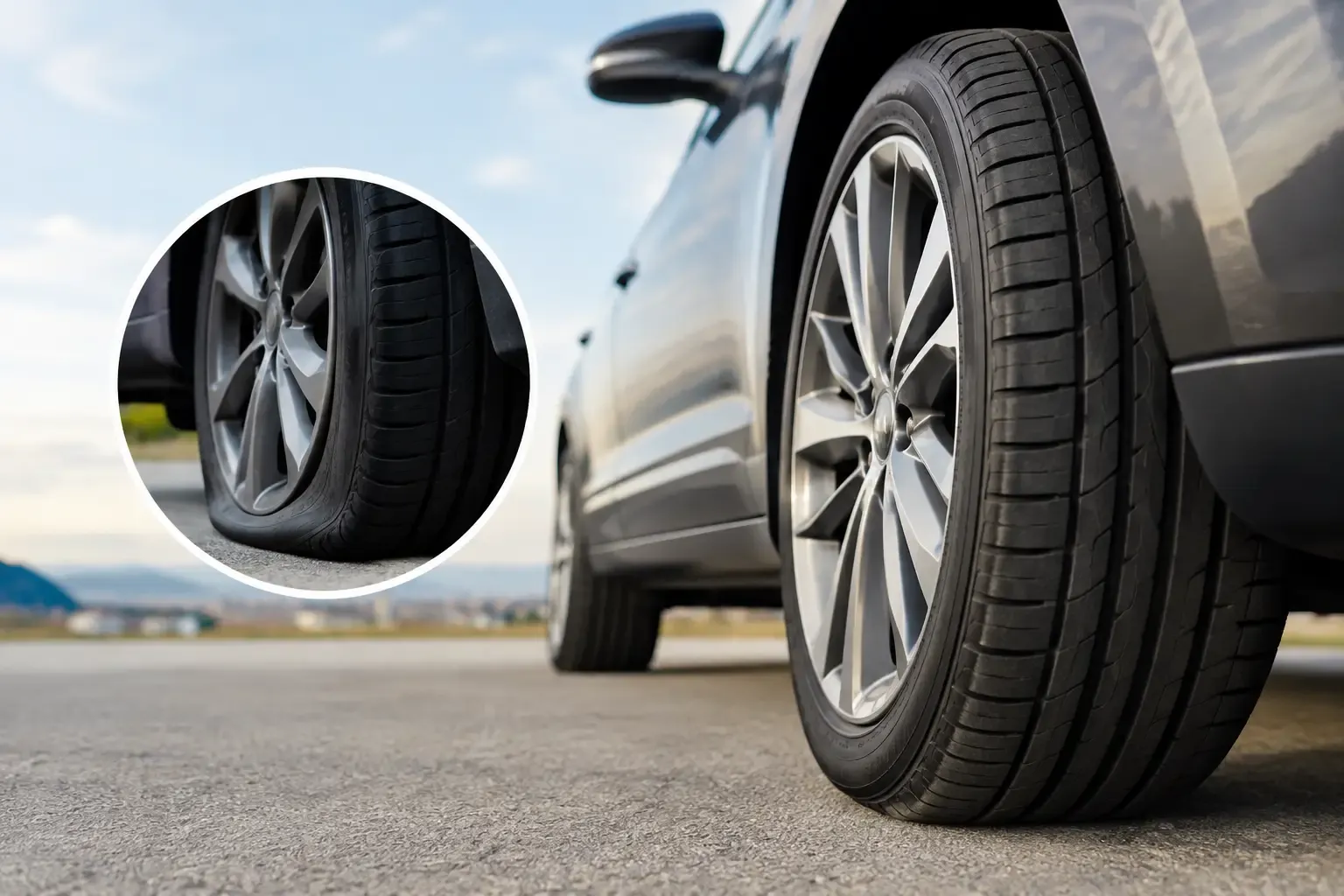
A flat tire on I-270 during rush hour is not the time most drivers want to test their emergency plan. That is the appeal behind this run flat tire review: a run-flat tire can keep supporting your vehicle after a pressure loss, giving you time to get out of traffic and arrange professional service instead of stopping immediately on the shoulder.
For many Columbus-area commuters, families, and professionals, that added margin of safety is meaningful. But run-flat tires are not automatically the best choice for every vehicle or every driver. They cost more, can ride firmer, and still need prompt attention after a puncture. The right decision depends on your vehicle, the roads you drive, and how much you value the ability to continue driving after a sudden flat.
What Is a Run-Flat Tire?
A run-flat tire is designed to temporarily carry the weight of a vehicle even after it loses air pressure. Conventional tires rely on compressed air to hold their shape. When pressure drops significantly, the sidewall can collapse, the tire can separate internally, and continued driving can damage both the tire and wheel.
Most run-flat passenger tires use reinforced sidewalls. Those thicker, stronger sidewalls support the vehicle for a limited distance at a reduced speed when the tire has lost pressure. Some systems use a support ring inside the tire instead, although reinforced-sidewall designs are far more common on everyday cars and SUVs.
The key word is temporary. Many run-flat tires are rated to travel up to about 50 miles at no more than 50 mph after a complete loss of pressure. The exact distance and speed limit vary by tire and vehicle manufacturer. Heat, vehicle load, road conditions, and how long the tire was driven while underinflated can all reduce that usable range.
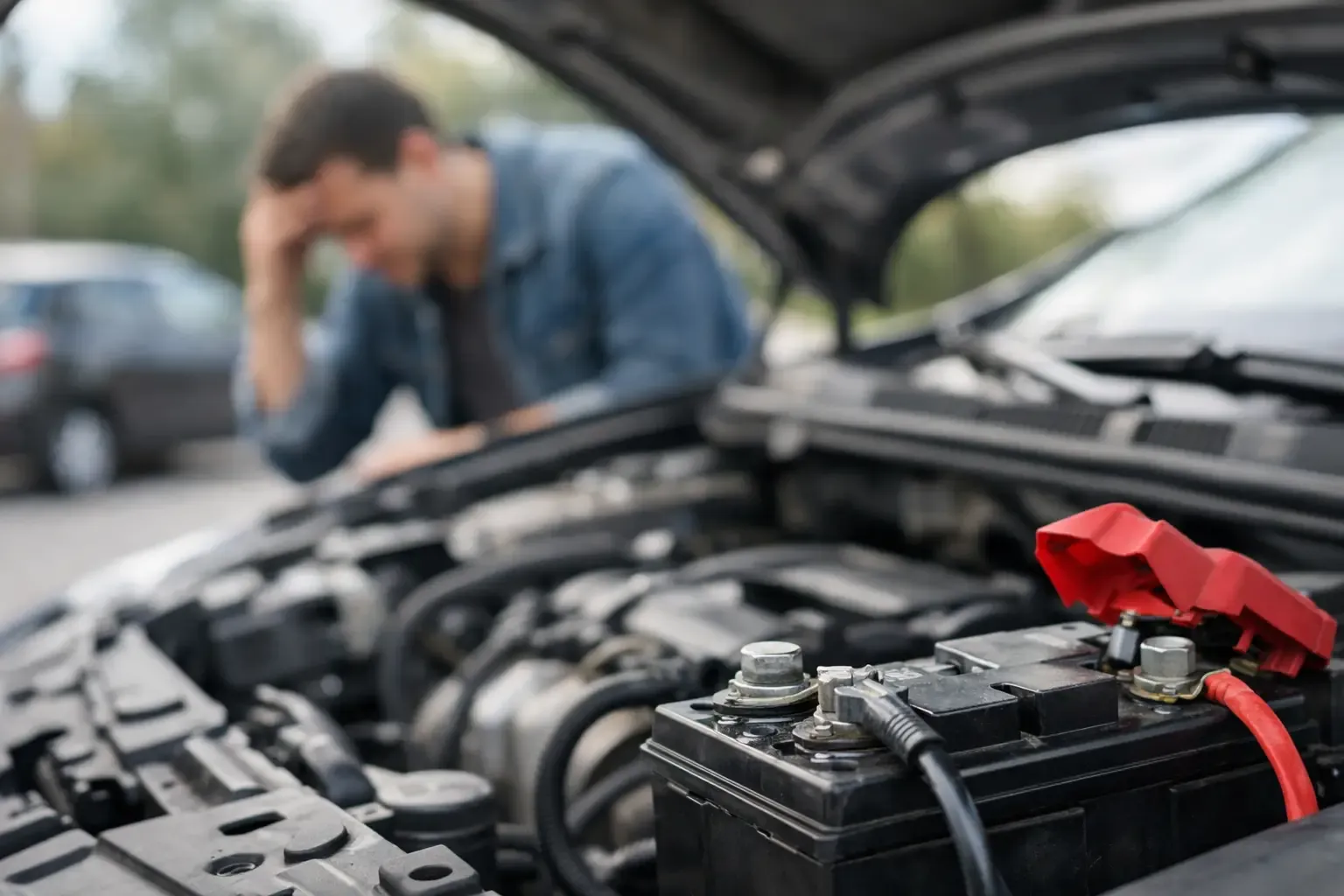
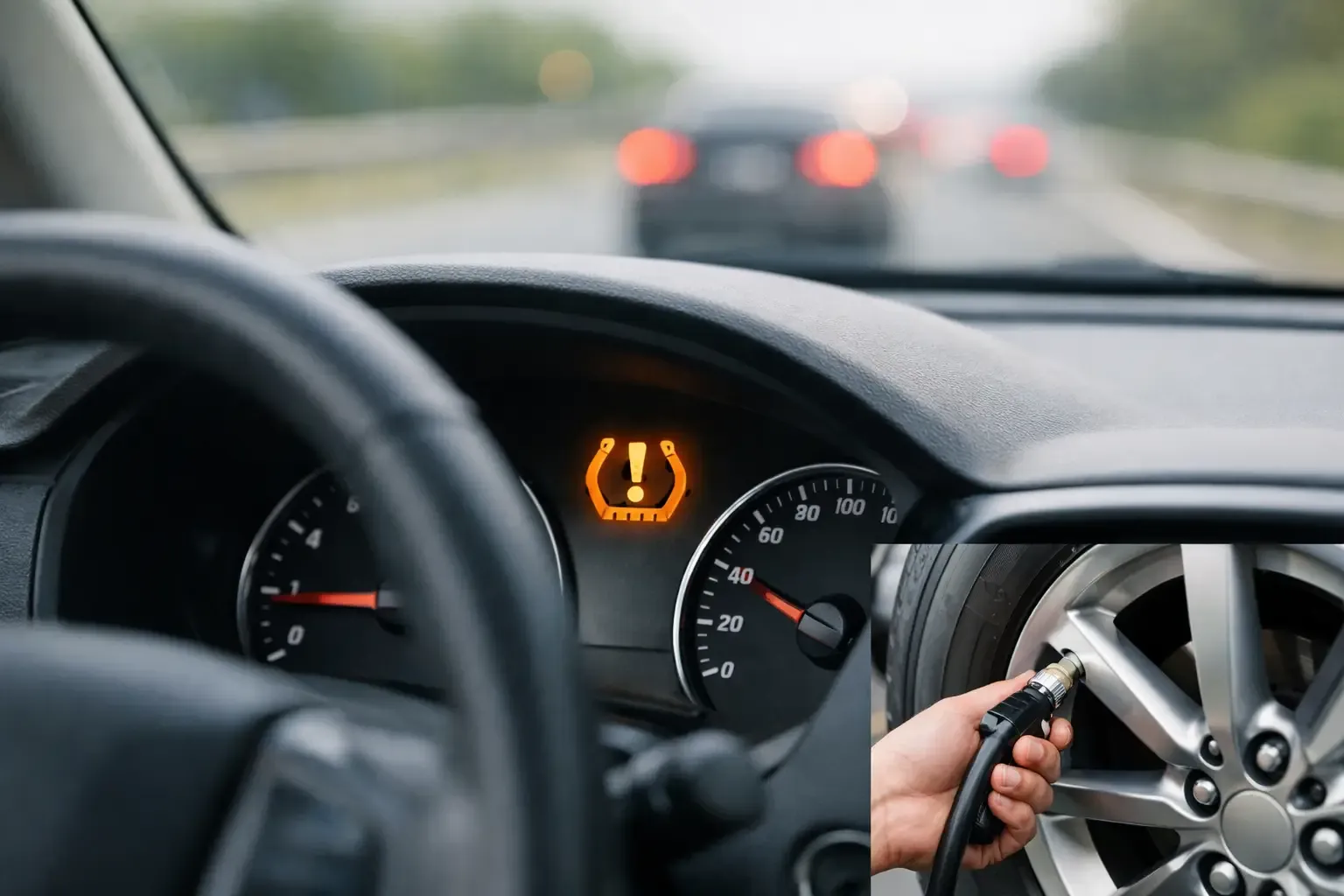
A run-flat tire also depends on a functioning Tire Pressure Monitoring System, or TPMS. Because the tire may still look relatively normal after losing air, the warning light is what tells the driver there is a problem. Do not ignore that light simply because the car feels drivable.
Run Flat Tire Review: The Benefits That Matter
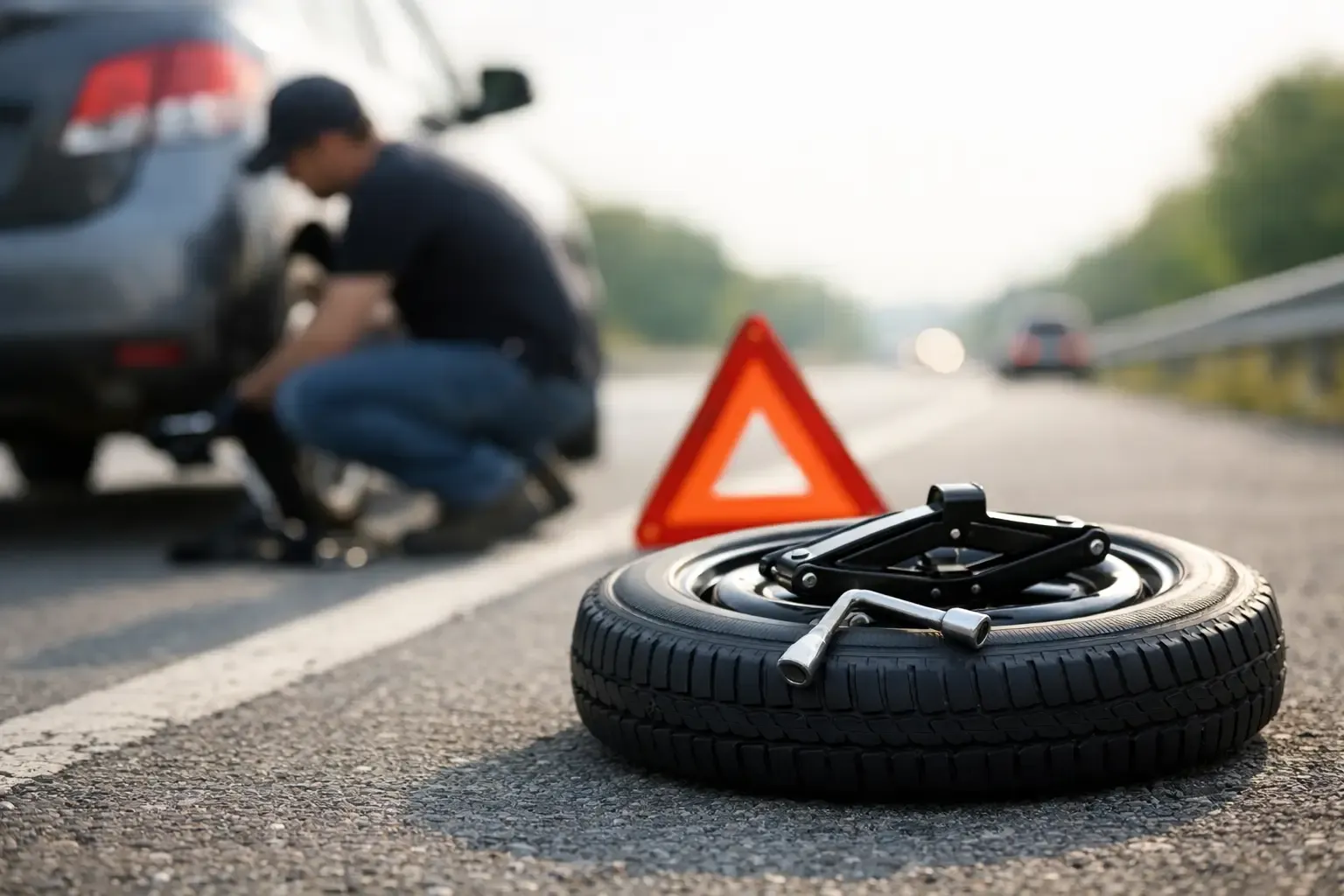
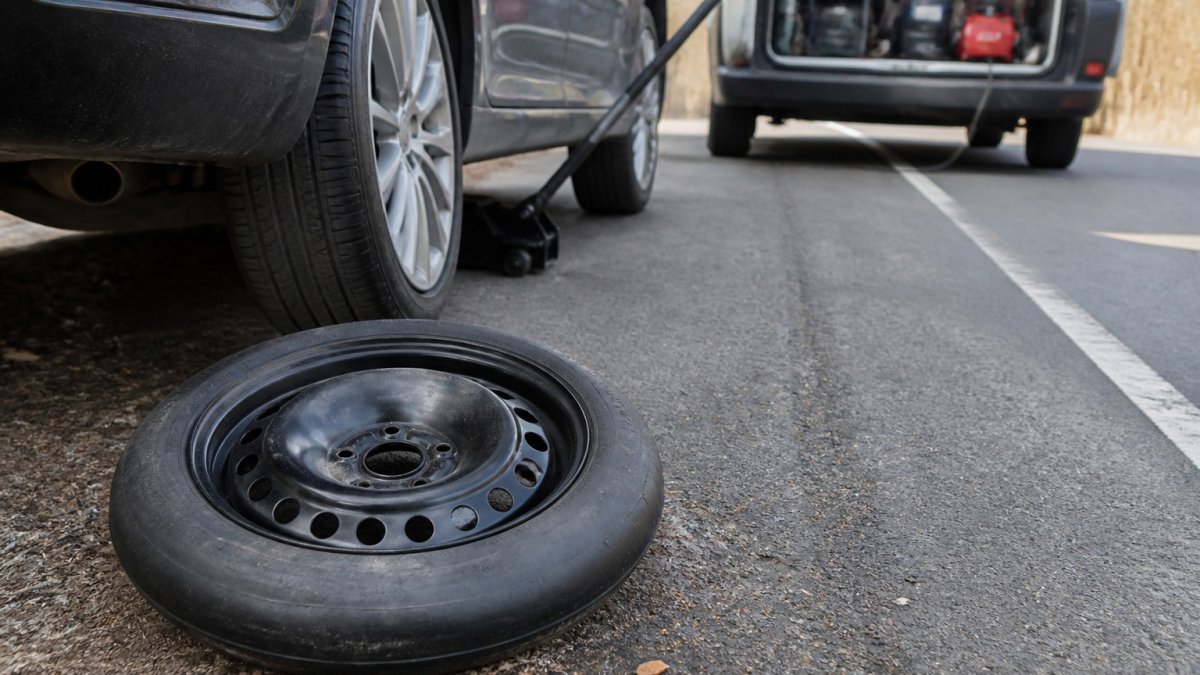
The strongest benefit is control during a stressful moment. A standard tire failure can force an immediate stop in an unsafe location. With a run-flat tire, you can often leave an active traffic lane, reach a parking lot, get home, or drive to a nearby service location without installing a spare beside the road.
That can be especially valuable for drivers who commute on busy routes, travel with children, or regularly drive at night. It can also reduce the need to carry a full-size spare tire and the tools needed to install it. Some vehicles equipped with run-flats do not include a spare at all, which can create more cargo space and reduce vehicle weight.
Run-flats can also provide stability during a sudden pressure loss. The reinforced structure helps the tire maintain its shape long enough for the driver to slow down safely and avoid abrupt steering changes. That does not make a puncture harmless, but it can make the first few minutes after a failure more manageable.
For drivers who prioritize convenience, the value is simple: a puncture does not have to immediately derail the day. You still need service, but you may have more control over where and when that service happens.
The Trade-Offs to Consider Before Buying
Ride quality is the most common complaint. Reinforced sidewalls do not flex as easily as conventional tire sidewalls, so some vehicles feel firmer over potholes, expansion joints, and rough pavement. Ohio roads can be demanding after winter, and drivers who prefer a softer, quieter ride may notice the difference.
Price is another consideration. Run-flat tires typically cost more than comparable conventional tires, and replacement choices may be narrower depending on your wheel size and vehicle. Availability matters too. If a specific run-flat model is not stocked locally, getting an exact match may take longer than replacing a common conventional tire.
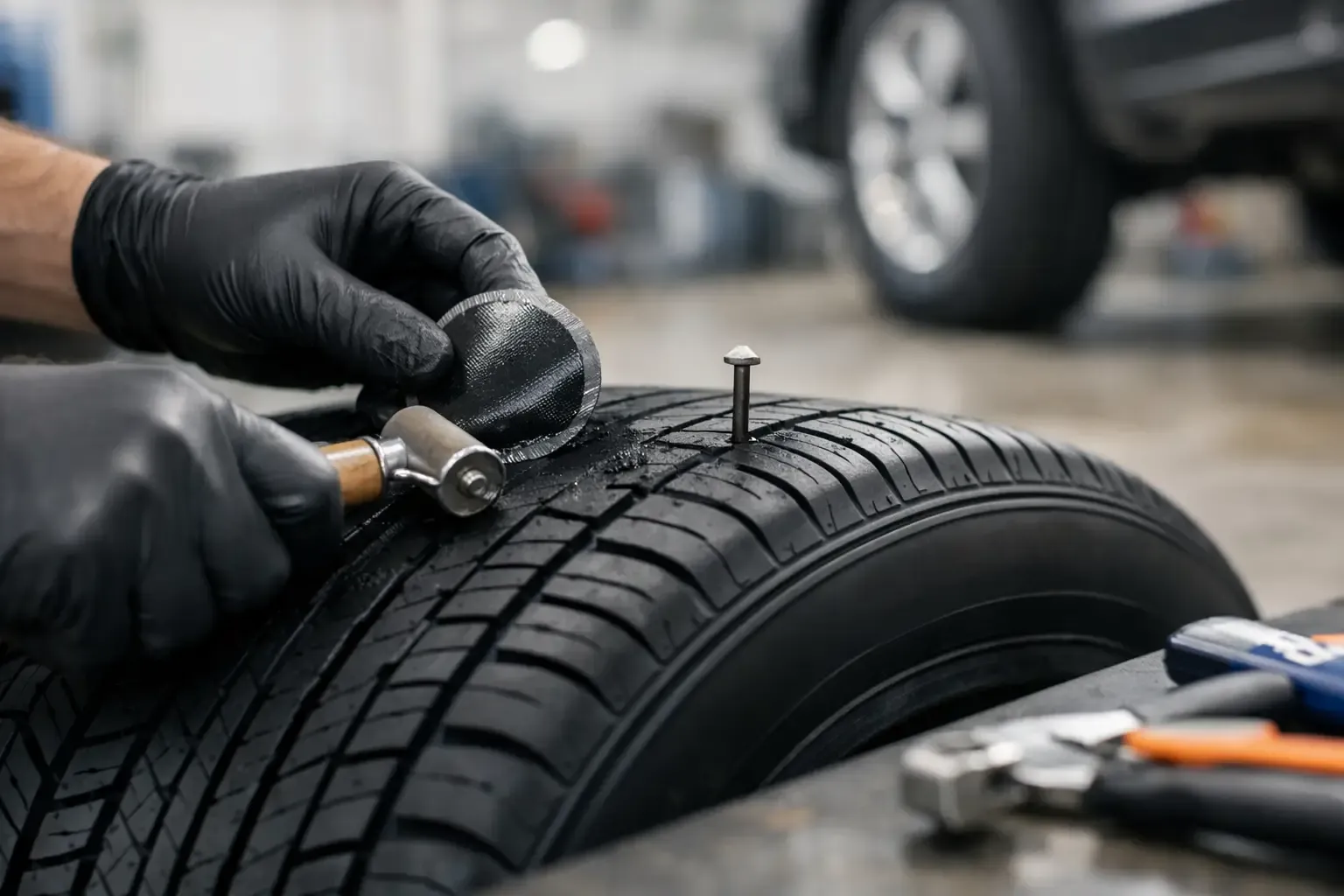
Repairability can be limited. A puncture in the tread area may sometimes be repairable, but only after the tire is removed and inspected internally by a qualified technician. If the tire was driven too long without air, the internal sidewall may have heat damage that cannot be seen from the outside. In that situation, replacing the tire is the safer recommendation.
This is one reason drivers should not treat the 50-mile range as a goal. It is an emergency allowance, not permission to continue a normal day. Once the TPMS warning appears, reduce speed, avoid sharp turns and hard braking, and make a plan for tire inspection as soon as possible.
Are Run-Flat Tires Worth It for Your Vehicle?
They can be worth it if your vehicle came from the manufacturer with run-flat tires and you value the security of being able to drive a short distance after a flat. Many performance vehicles, luxury cars, and late-model SUVs are engineered around their handling characteristics. Staying with the manufacturer-recommended tire type often preserves the way the vehicle rides, handles, and responds.
They are also a practical fit for drivers who do not want to change a tire roadside or who frequently drive in areas where stopping quickly is difficult. A commuter traveling through heavy Columbus traffic may reasonably place a high value on reaching a safer location before dealing with a tire problem.
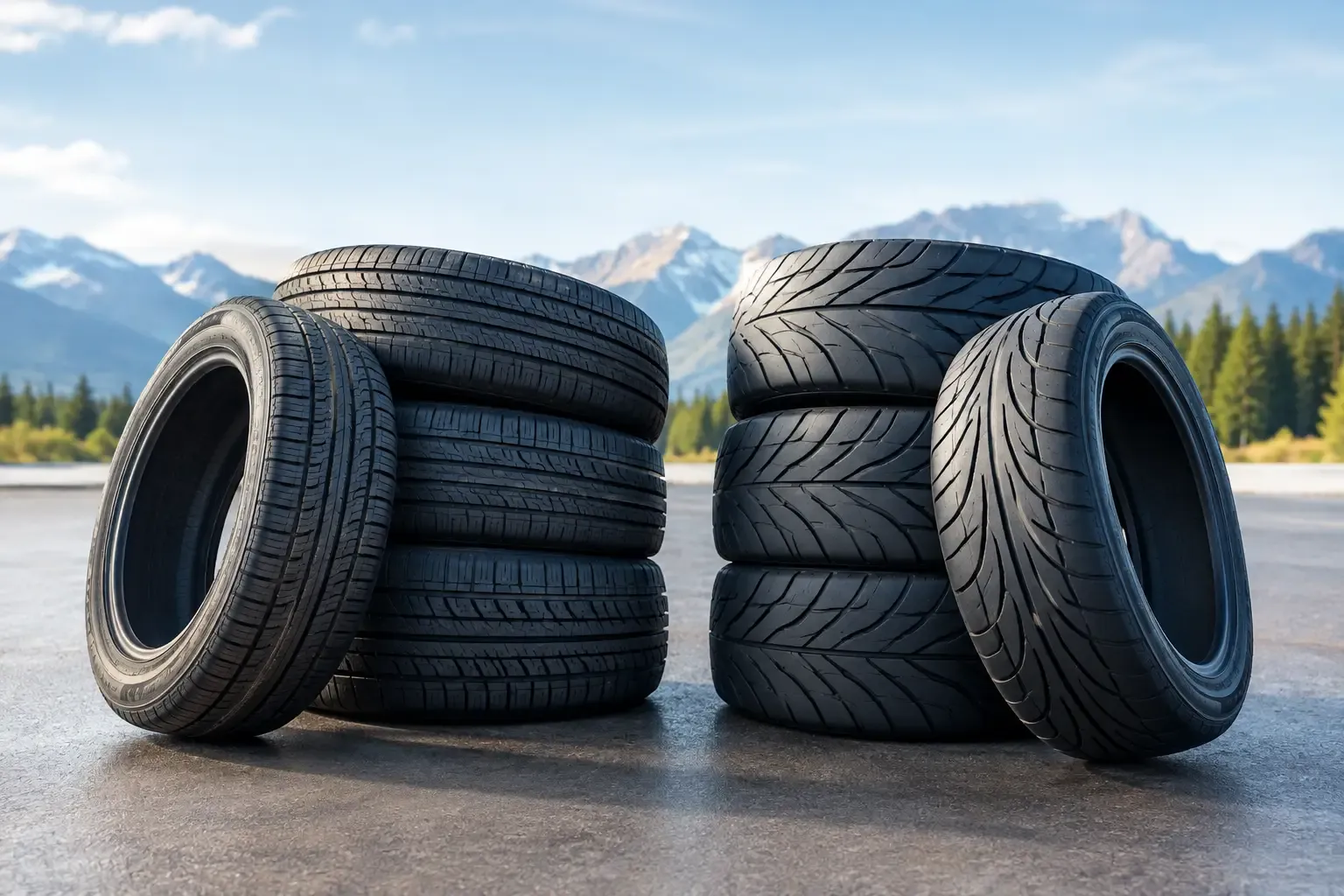
On the other hand, conventional tires may make more sense if ride comfort, a wider selection of replacement options, or maximum repair flexibility matters most to you. Some drivers who switch away from run-flats report a smoother ride, but that decision should not be made casually. Your vehicle may need a spare tire or a mobility kit, and the replacement tires must meet the correct size, load index, and speed rating.
Do not mix run-flat and conventional tires without confirming that the combination is appropriate for your vehicle. Tires should generally match across an axle, and manufacturer guidance should always be considered. A technician can help you compare options based on your vehicle, driving habits, and available tire sizes rather than choosing solely by price or brand name.
What to Do When a Run-Flat Tire Loses Pressure
Start by checking the TPMS warning and paying attention to how the vehicle feels. If there is vibration, pulling, thumping, or a sudden change in handling, slow down safely. Avoid continuing at highway speed just because the tire is technically capable of limited travel.
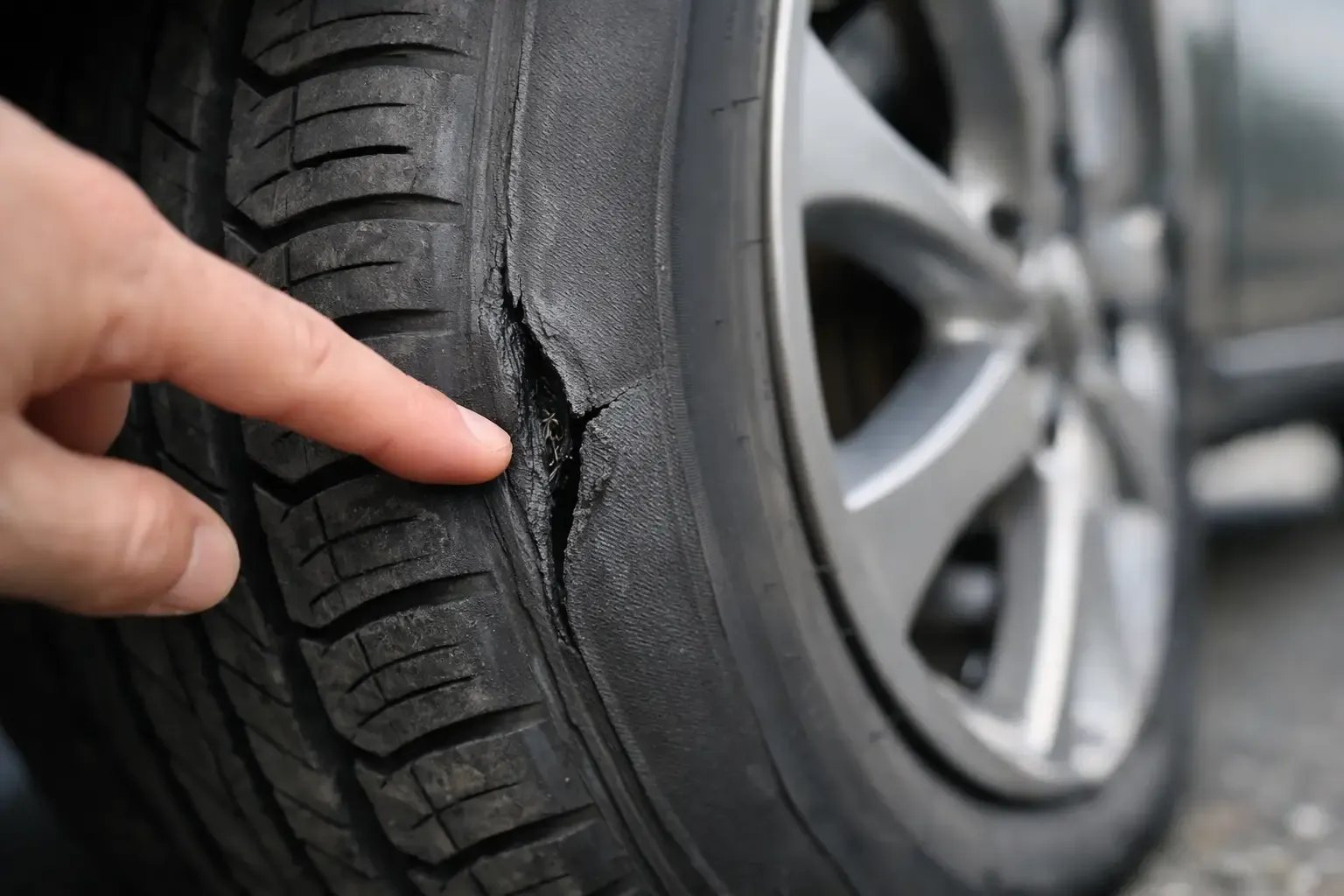
Move toward a safe, nearby location. Keep your speed under the tire manufacturer's run-flat limit, usually 50 mph or less, and avoid adding unnecessary miles. If the sidewall is visibly damaged, the wheel is contacting the road, or the vehicle does not feel stable, stop and request roadside help instead of driving farther.
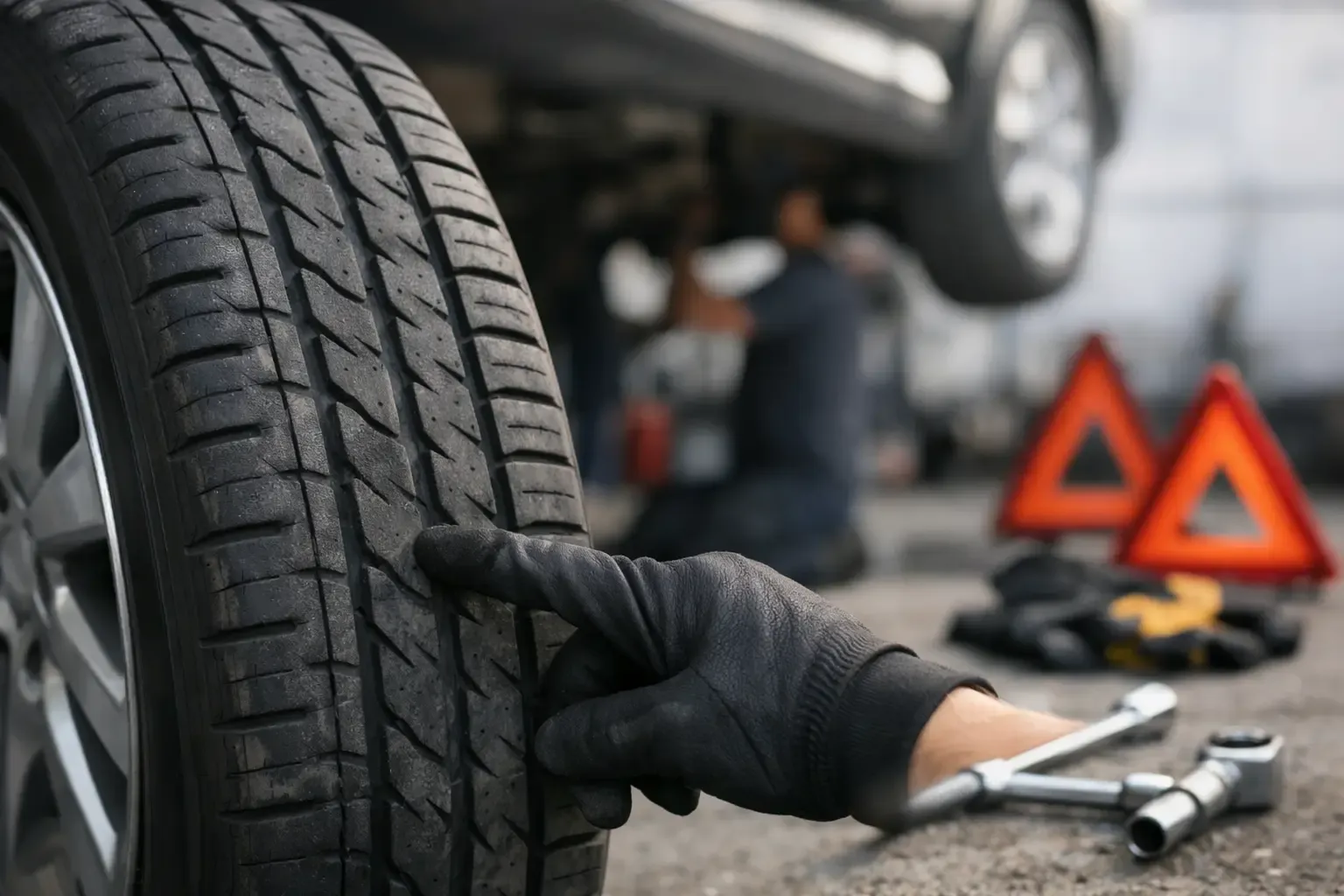
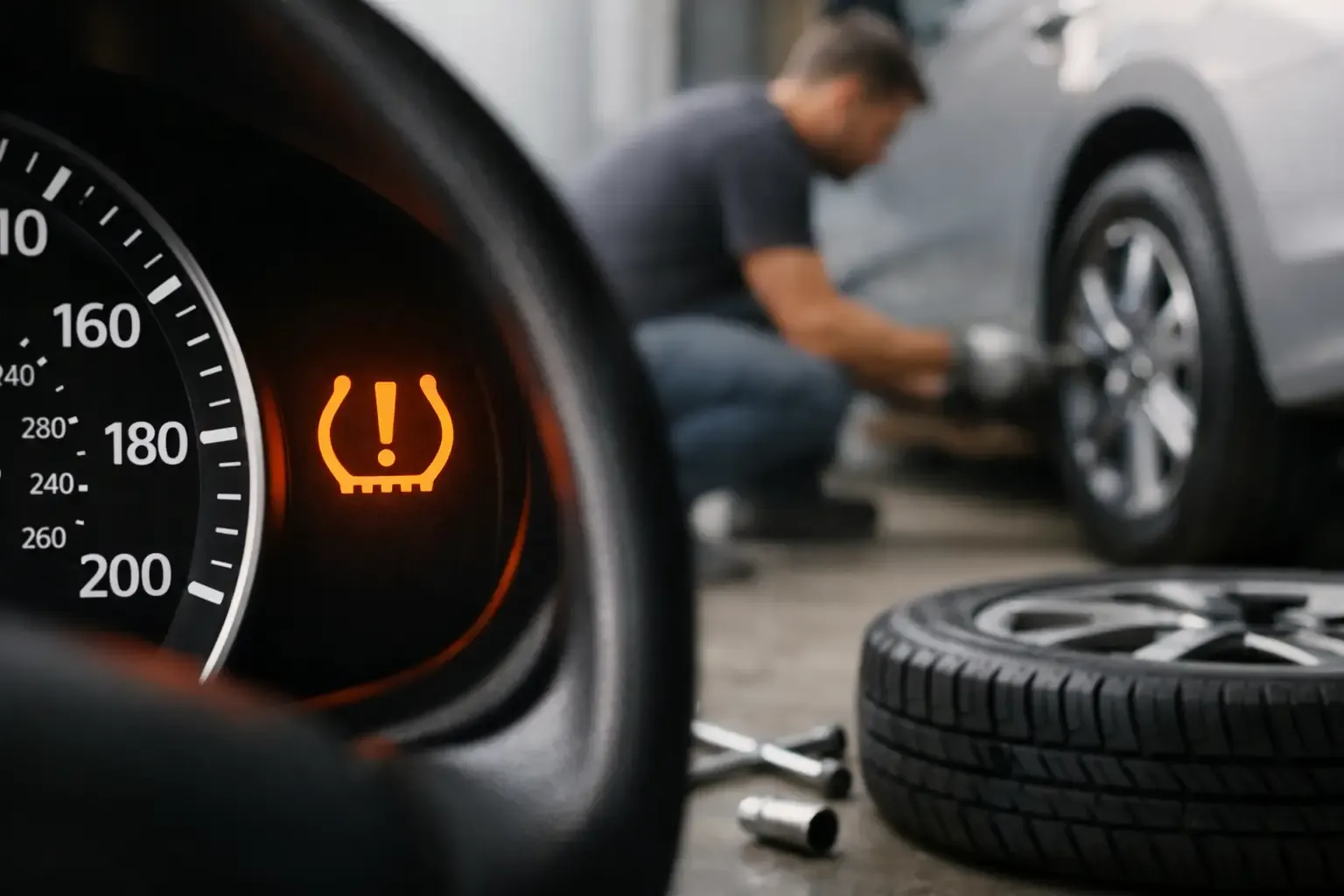
Once you are safely parked, the tire needs a professional inspection. A technician will check the puncture location, tread condition, sidewall condition, internal damage, wheel damage, and TPMS sensor. A simple nail in the repairable tread area may not require a replacement, but no one can make that call accurately without removing and inspecting the tire.
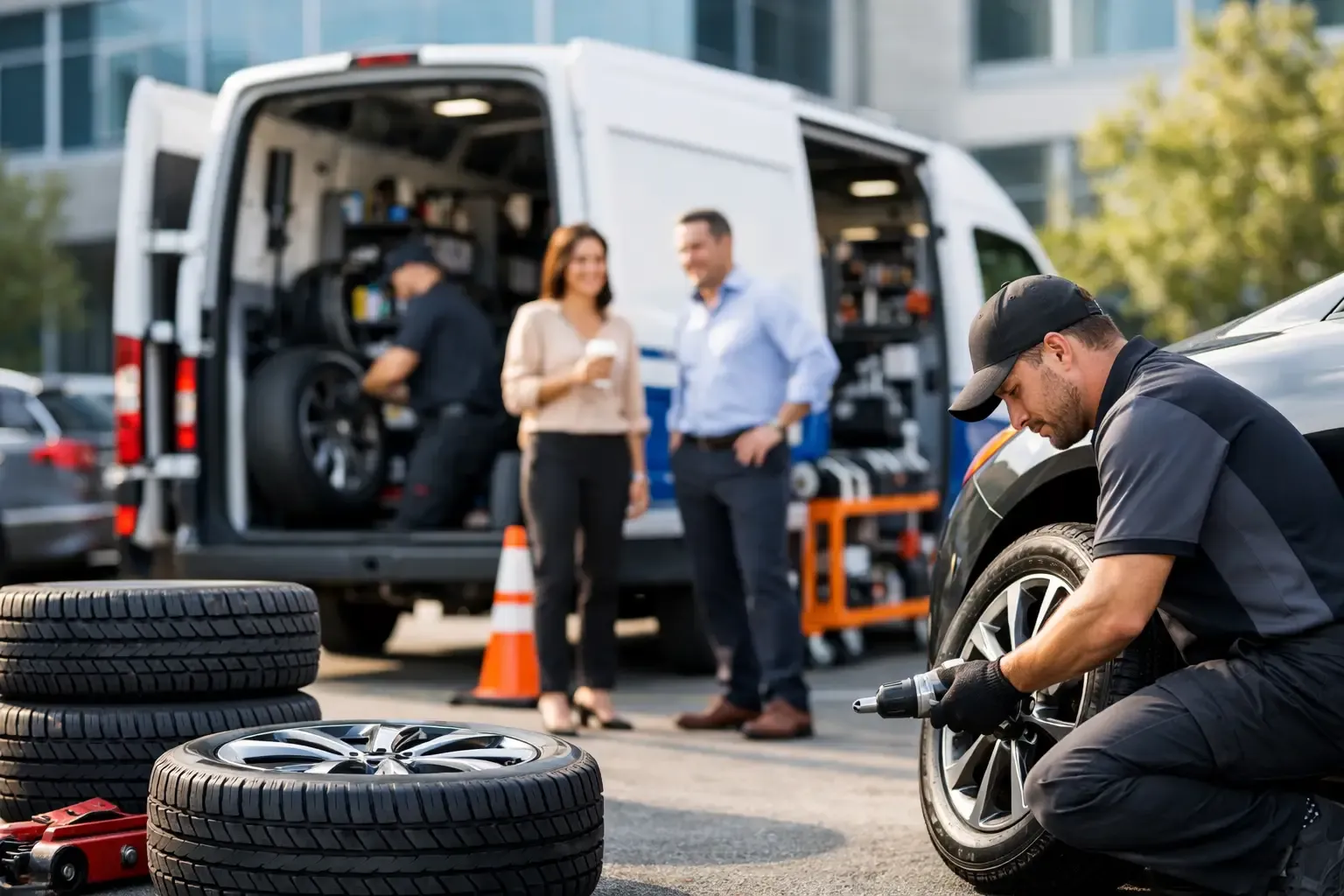
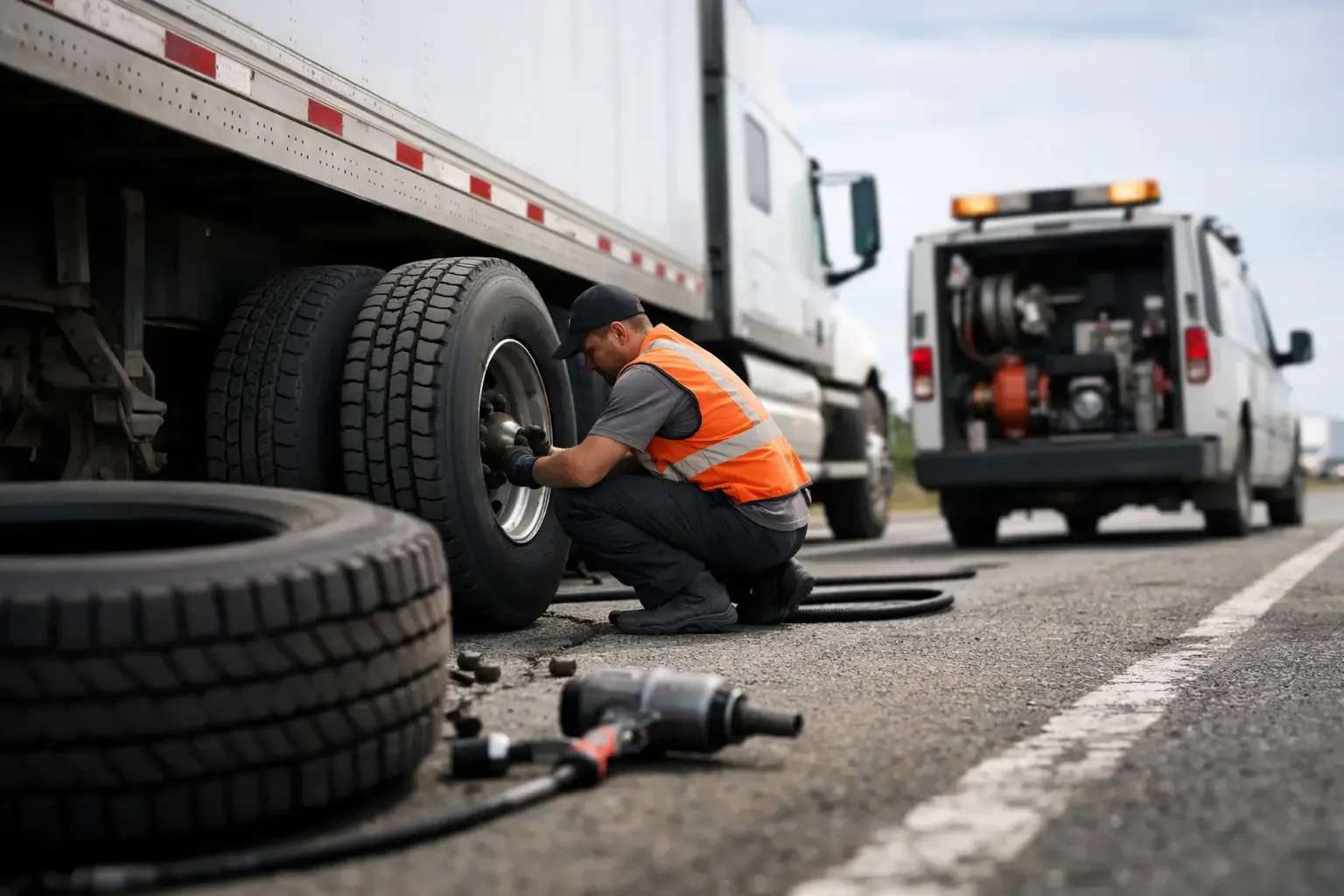
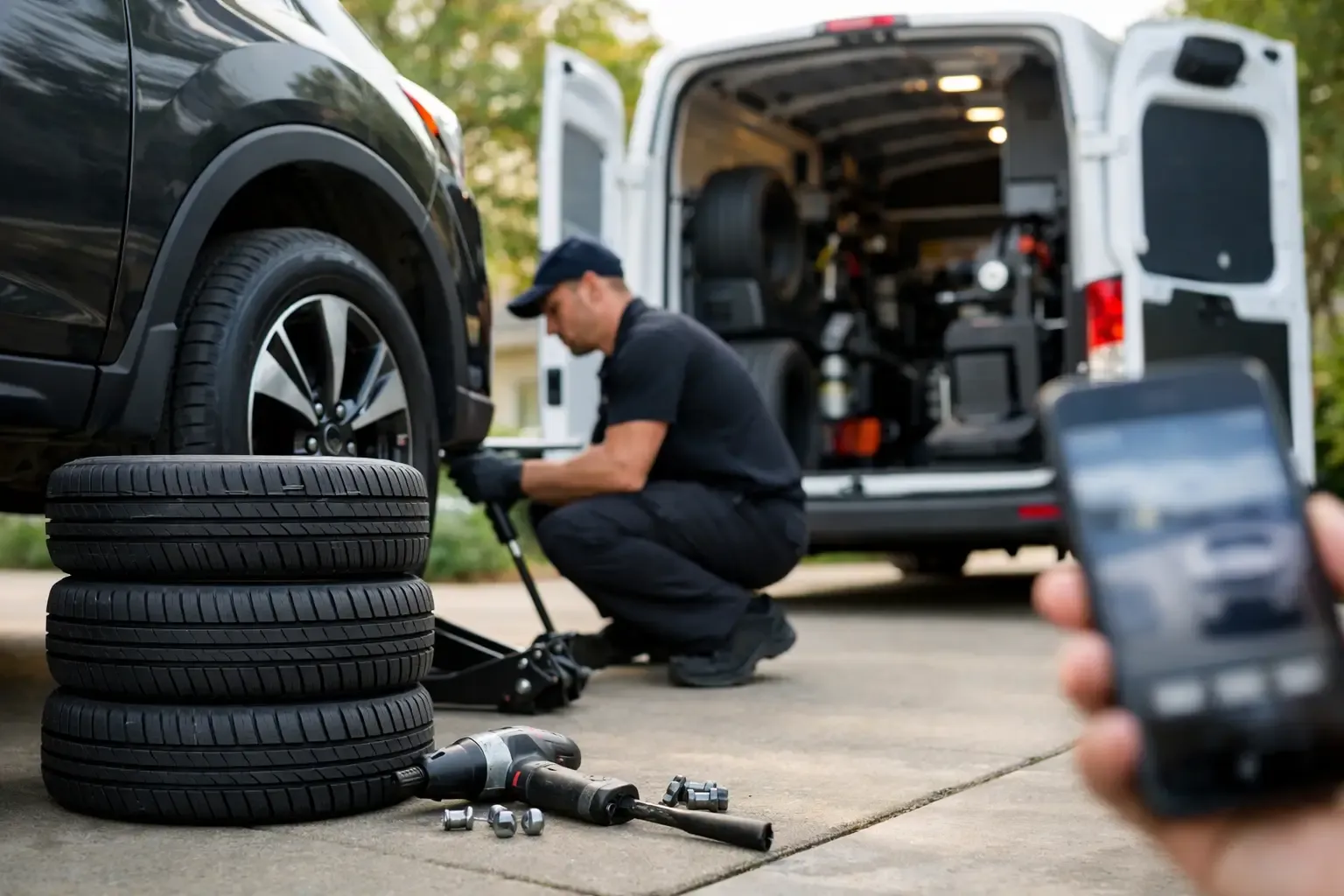
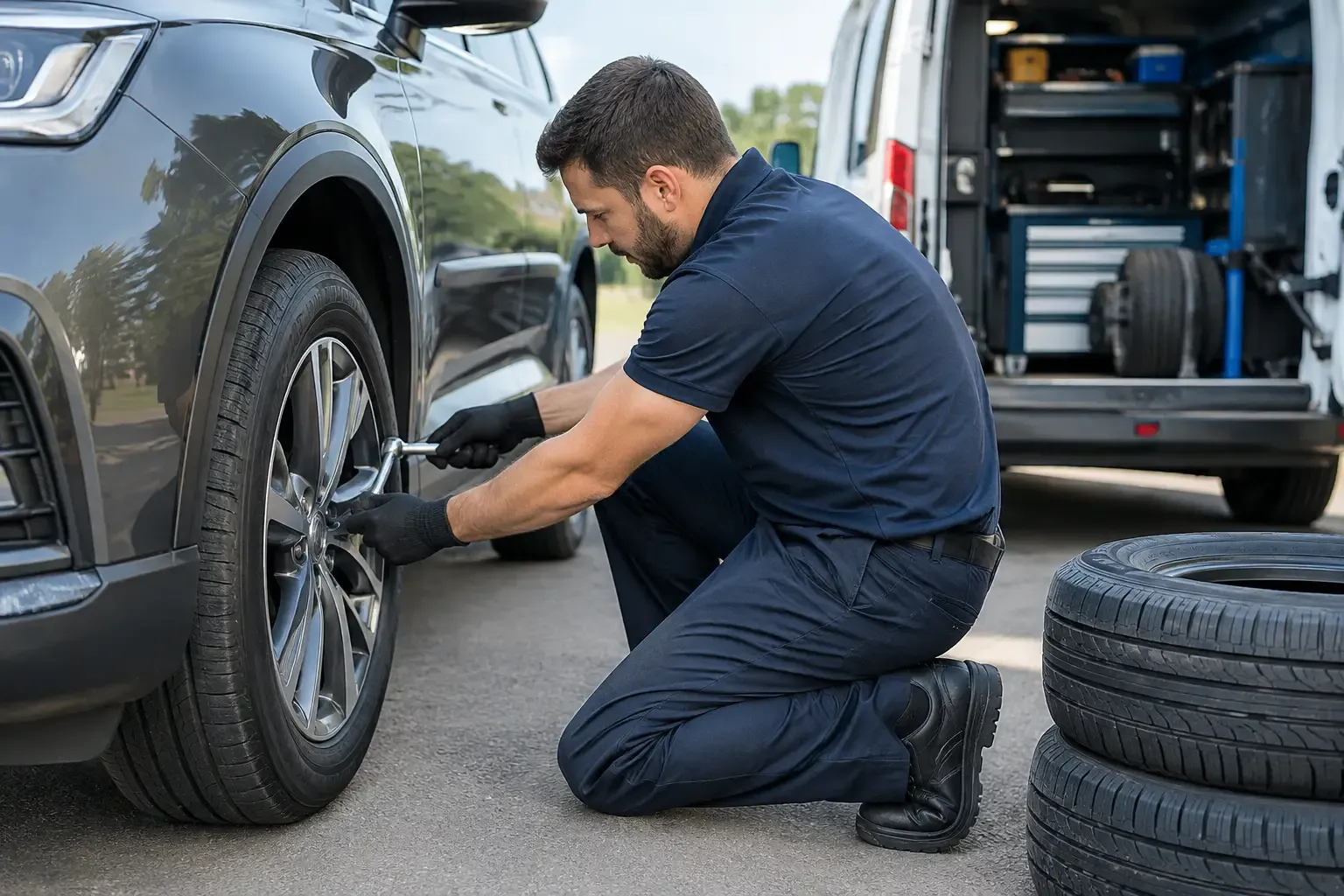
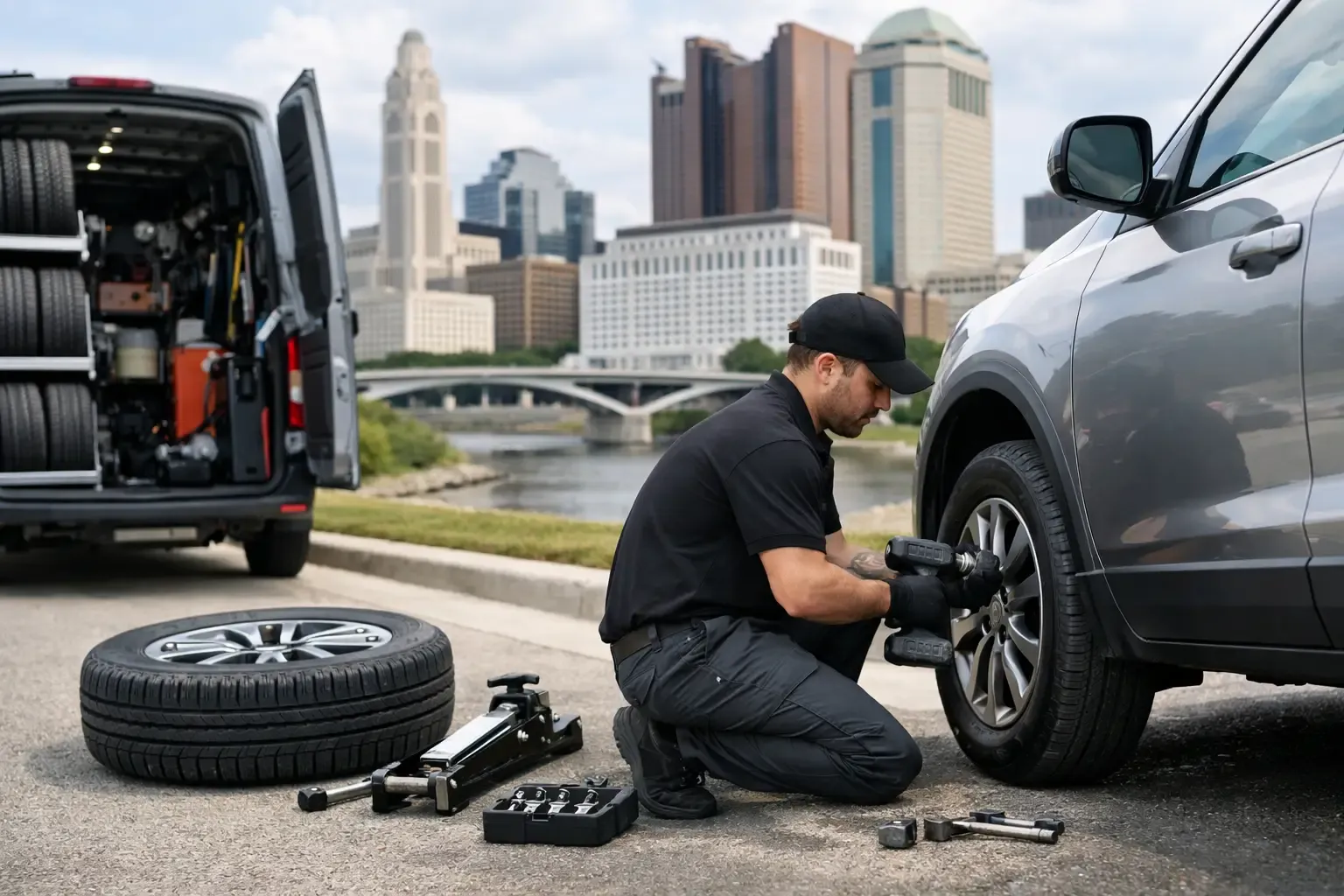
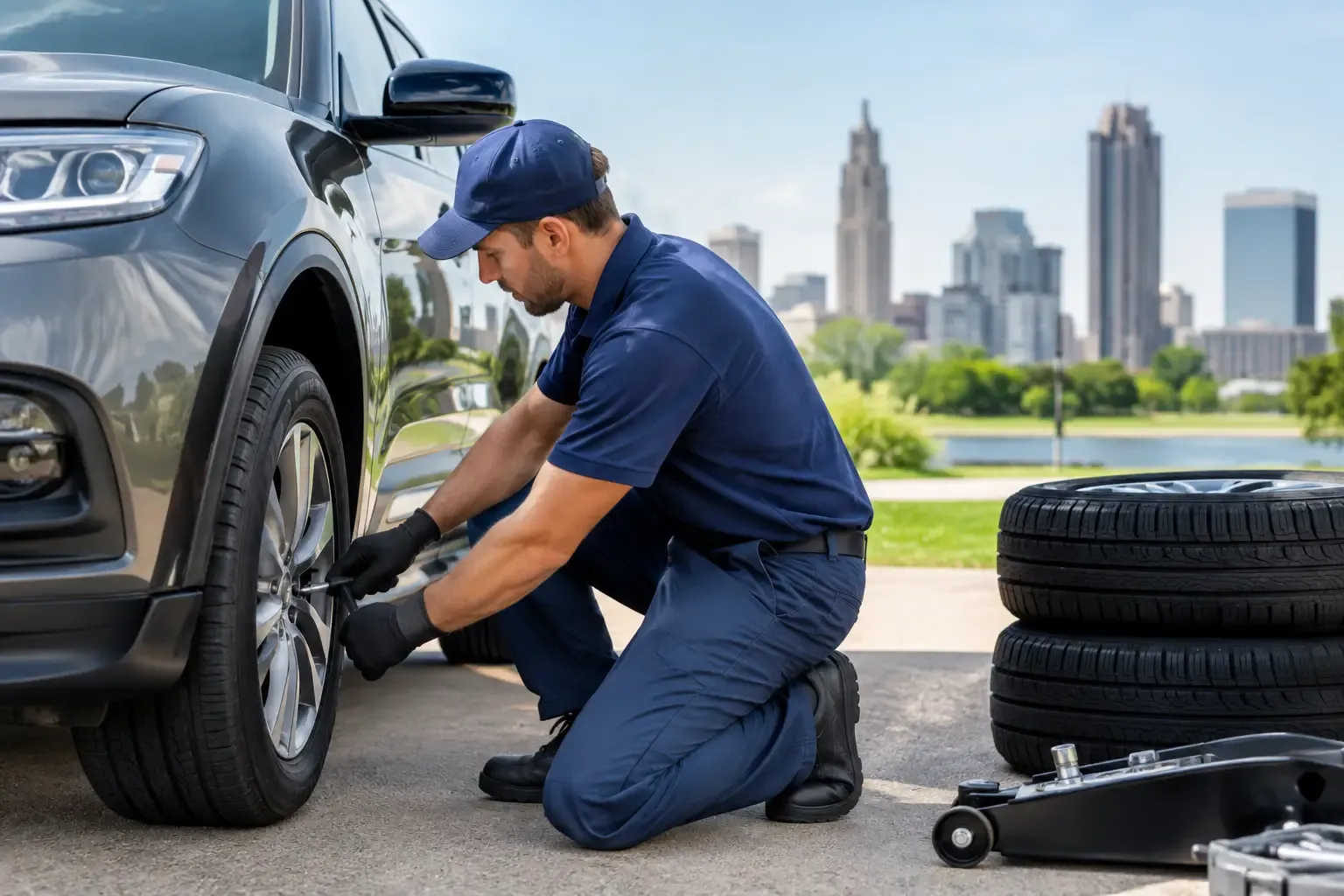
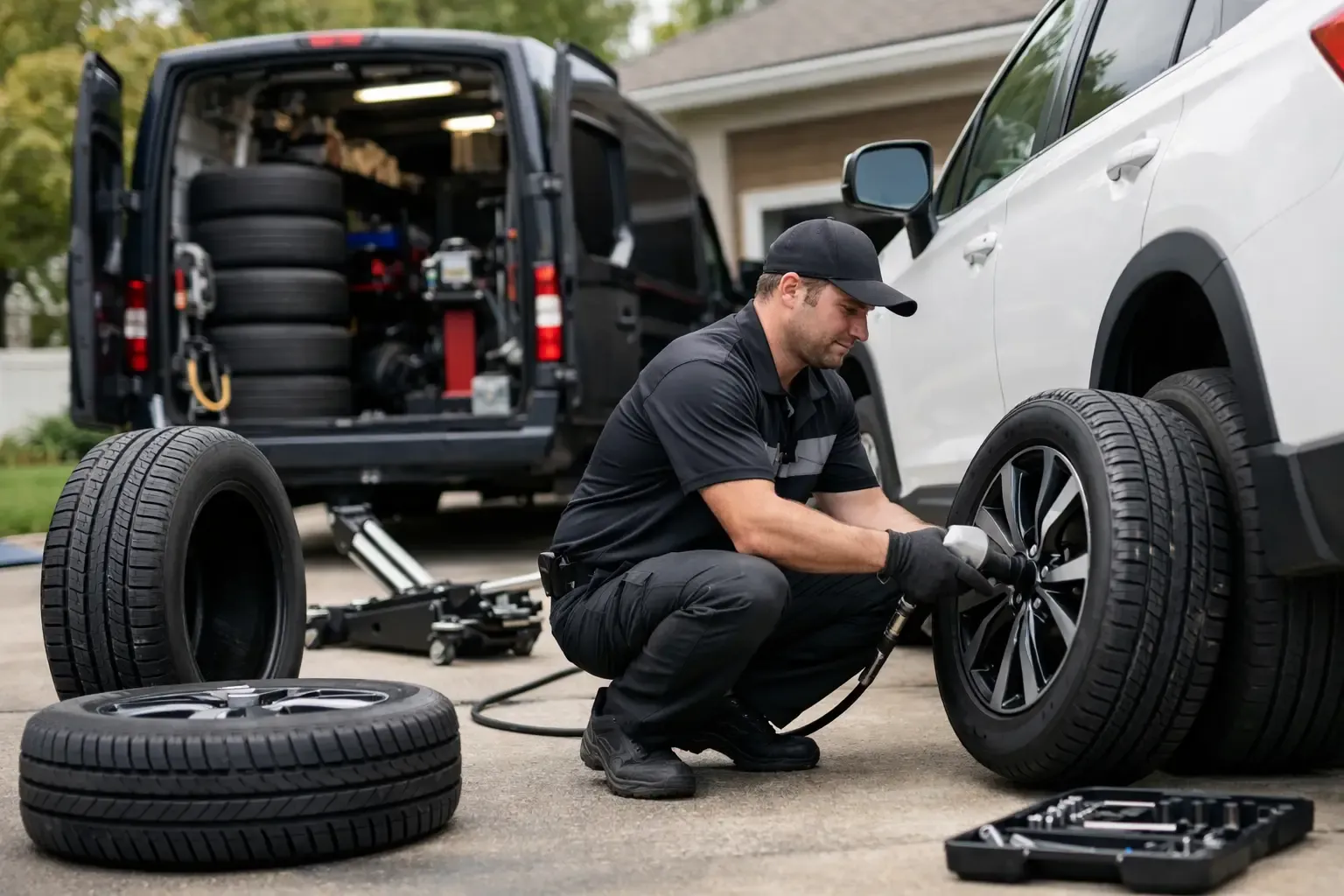
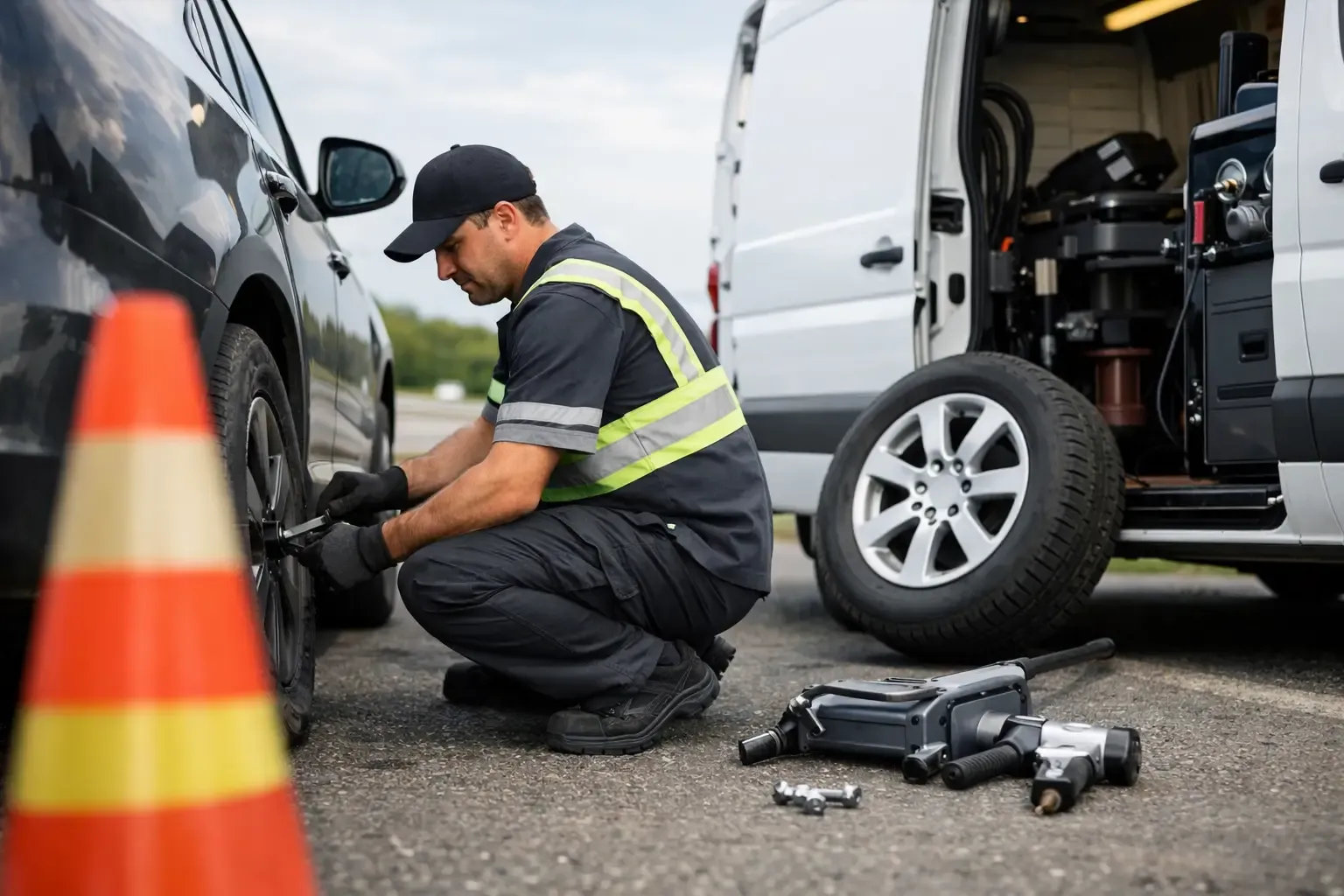
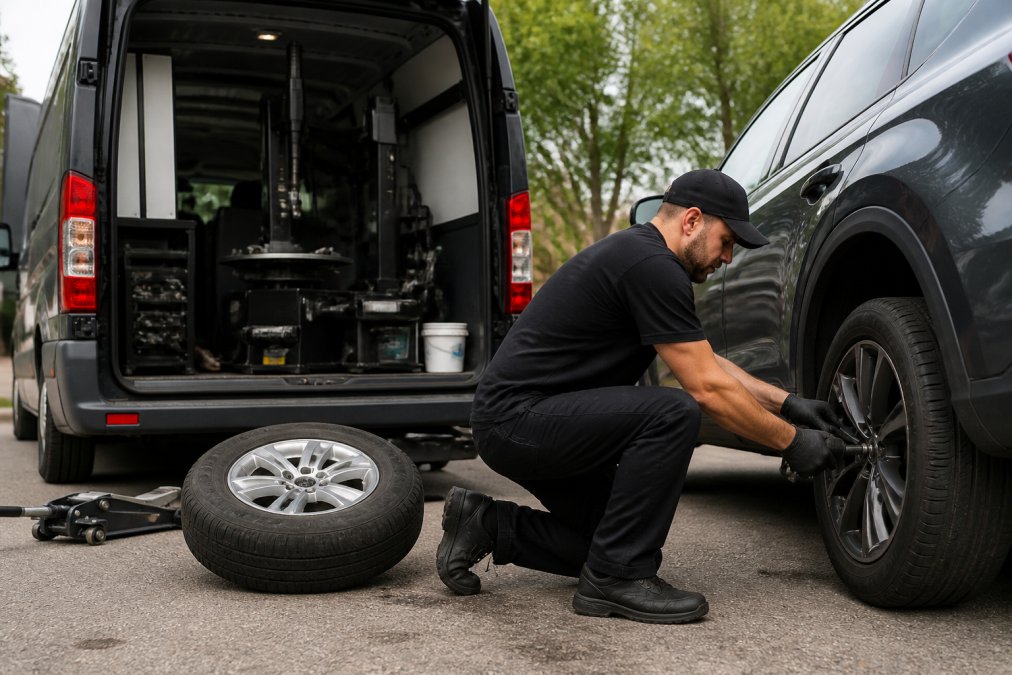
Mobile tire service can be particularly helpful when the vehicle is at home, at work, or stranded in a parking lot. Elite Mobile Tire services customers 24/7, including weekends and overnight, so we can inspect the situation where your vehicle is located, replace a damaged tire when needed, and help get the TPMS system back in order without adding a trip to a waiting room.
Maintenance Makes Run-Flats More Reliable
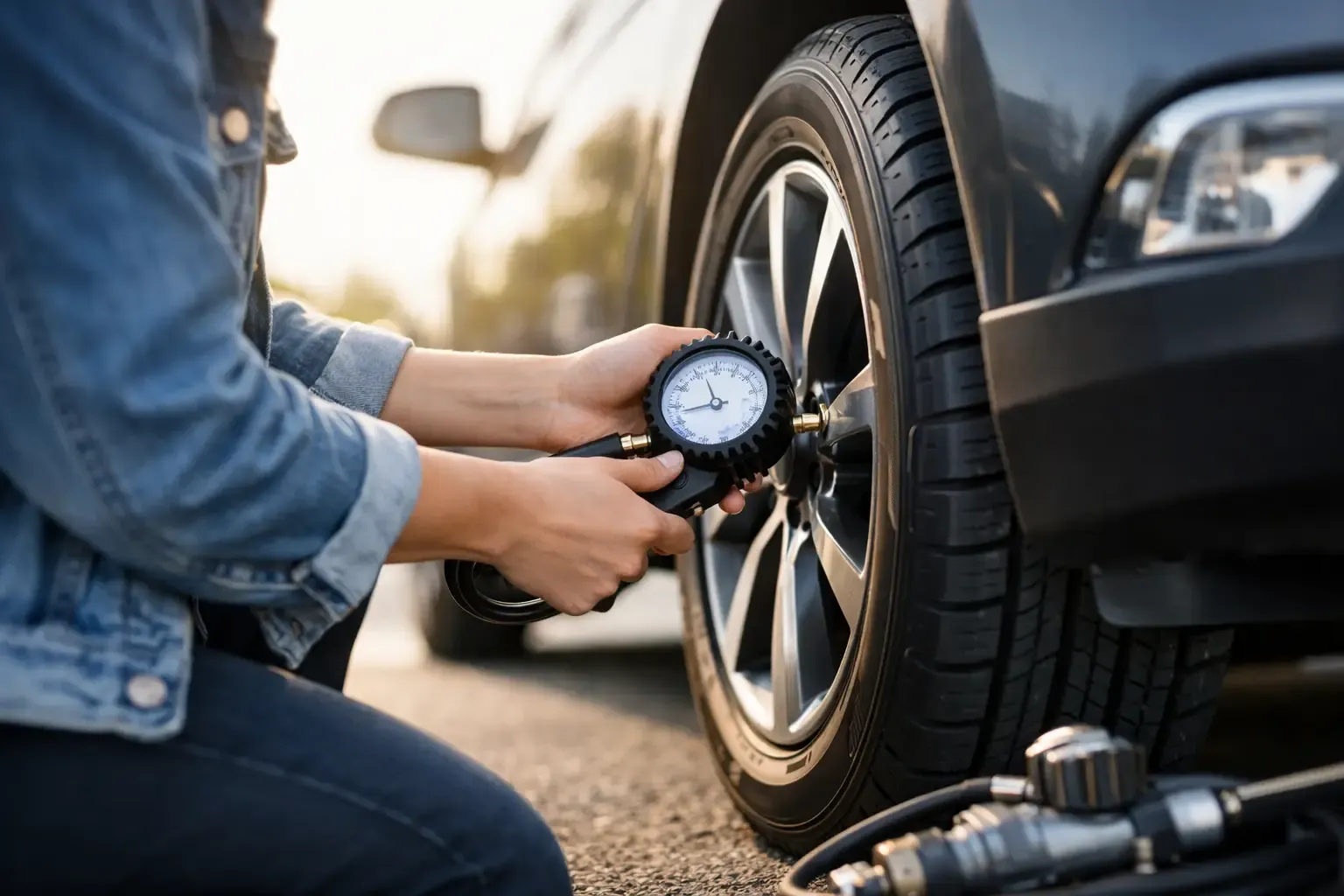
Run-flat technology does not eliminate the need for routine tire care. Check tire pressure monthly when tires are cold, follow the vehicle's recommended pressure label, and pay attention to TPMS alerts. Underinflation can shorten tire life even when there is no complete puncture.
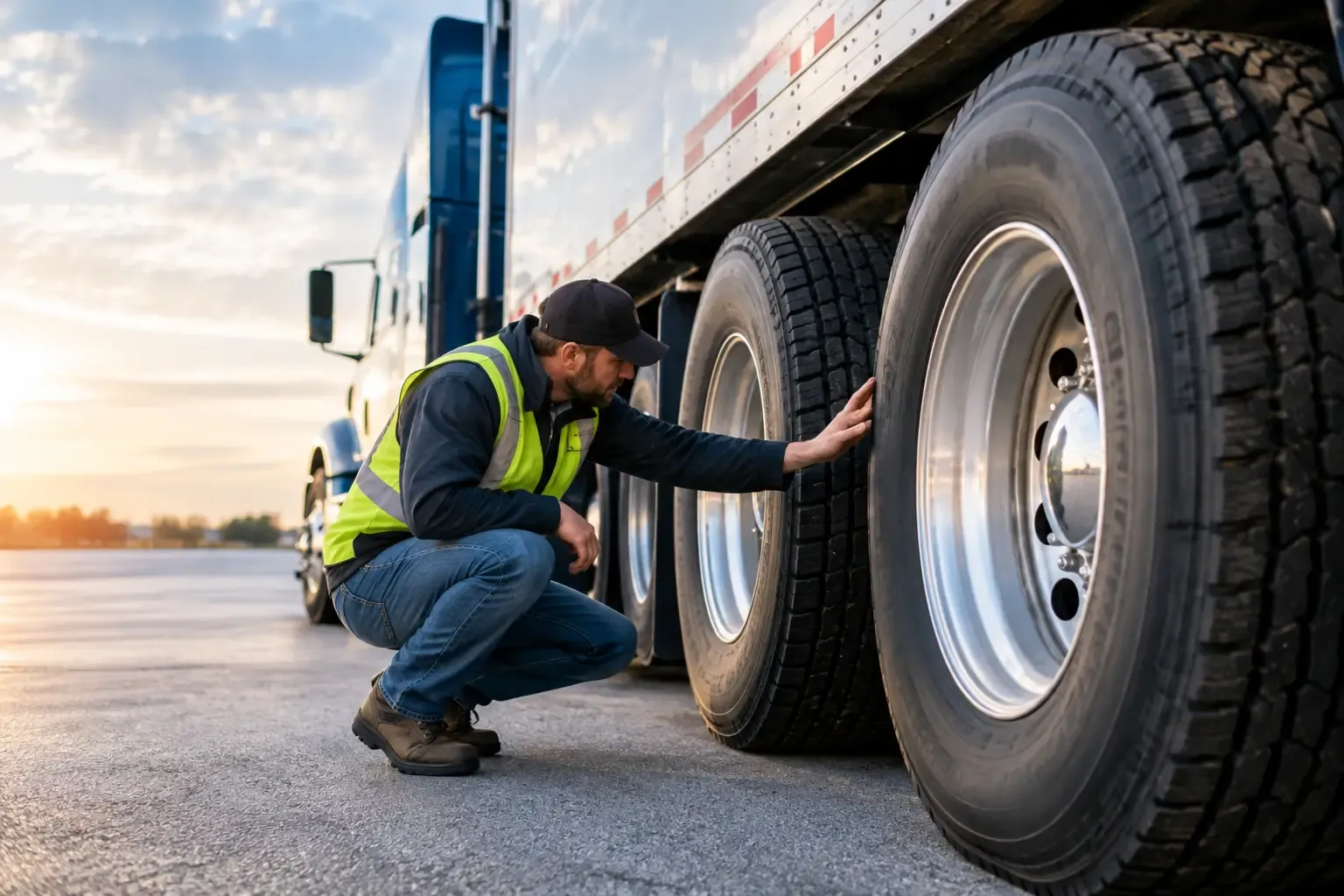
Regular tire rotations also matter. Uneven wear reduces traction and can make it harder to identify developing tire problems before they become urgent. After a hard pothole impact, inspect the tire and wheel for bulges, cuts, cracks, or a new vibration.
The best run-flat setup is one you do not have to think about until you need it. Choose the correct tire for your vehicle, know the reduced-speed limits before an emergency happens, and treat every pressure warning as a reason to act promptly. That preparation turns a sudden flat from a roadside crisis into a manageable service call.
Ready for a new set? Elite Mobile Tire is open 24/7 and installs 2 or 4 new tires right in your driveway or parking lot anywhere around Columbus, Obetz, Groveport, Grove City, and Reynoldsburg. Financing is available through Afterpay and Acima with up to 24-month payment plans. Call 614-344-5010 or visit elitemobiletire.com to book.