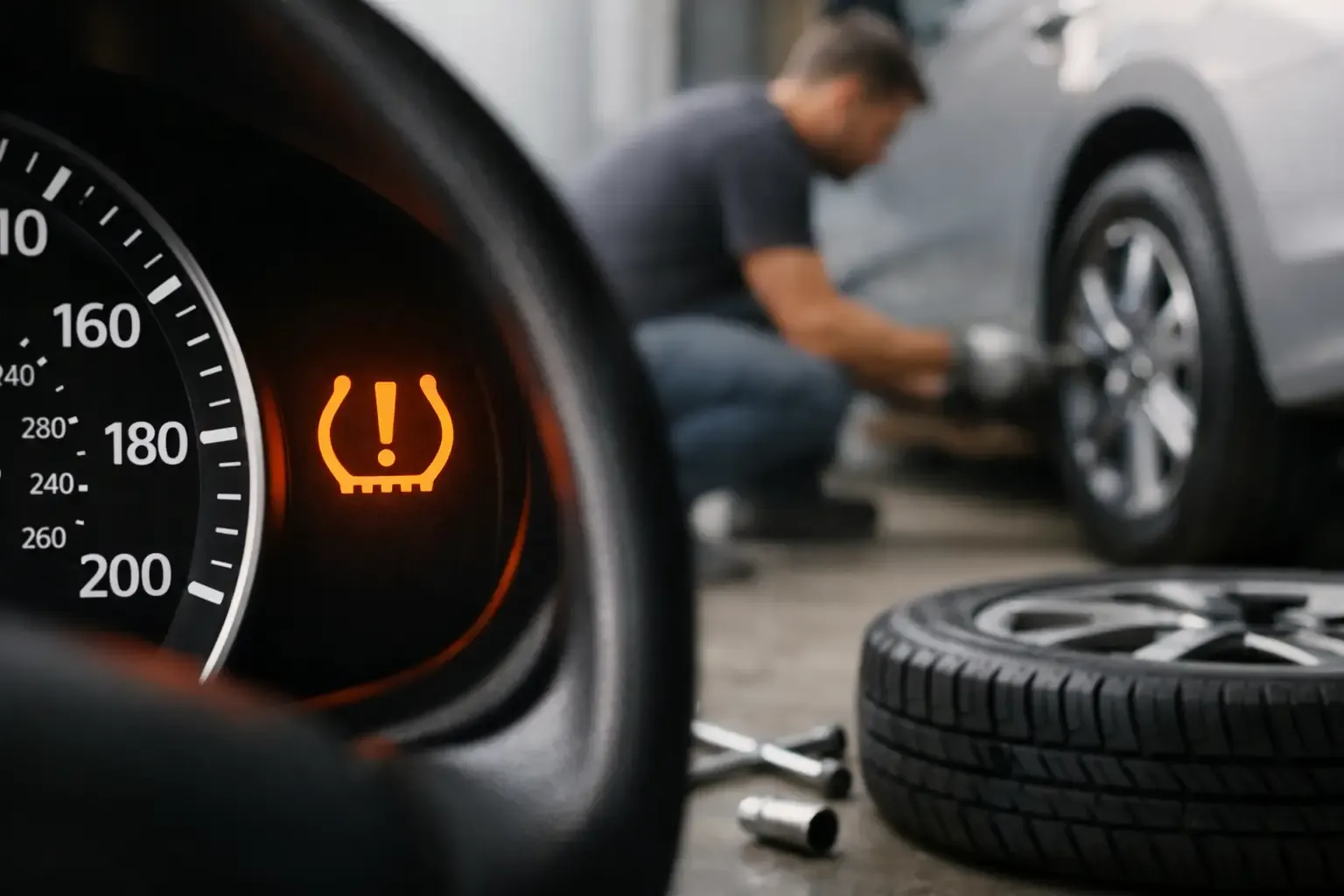

You leave work with tires that look fine, then walk out the next morning to find one sitting low in the driveway. If you are wondering why tires lose air overnight, the answer is usually a small air leak that has become noticeable after hours of sitting. It may be a simple repair, but driving on an underinflated tire can damage it quickly and affect your vehicle's handling.
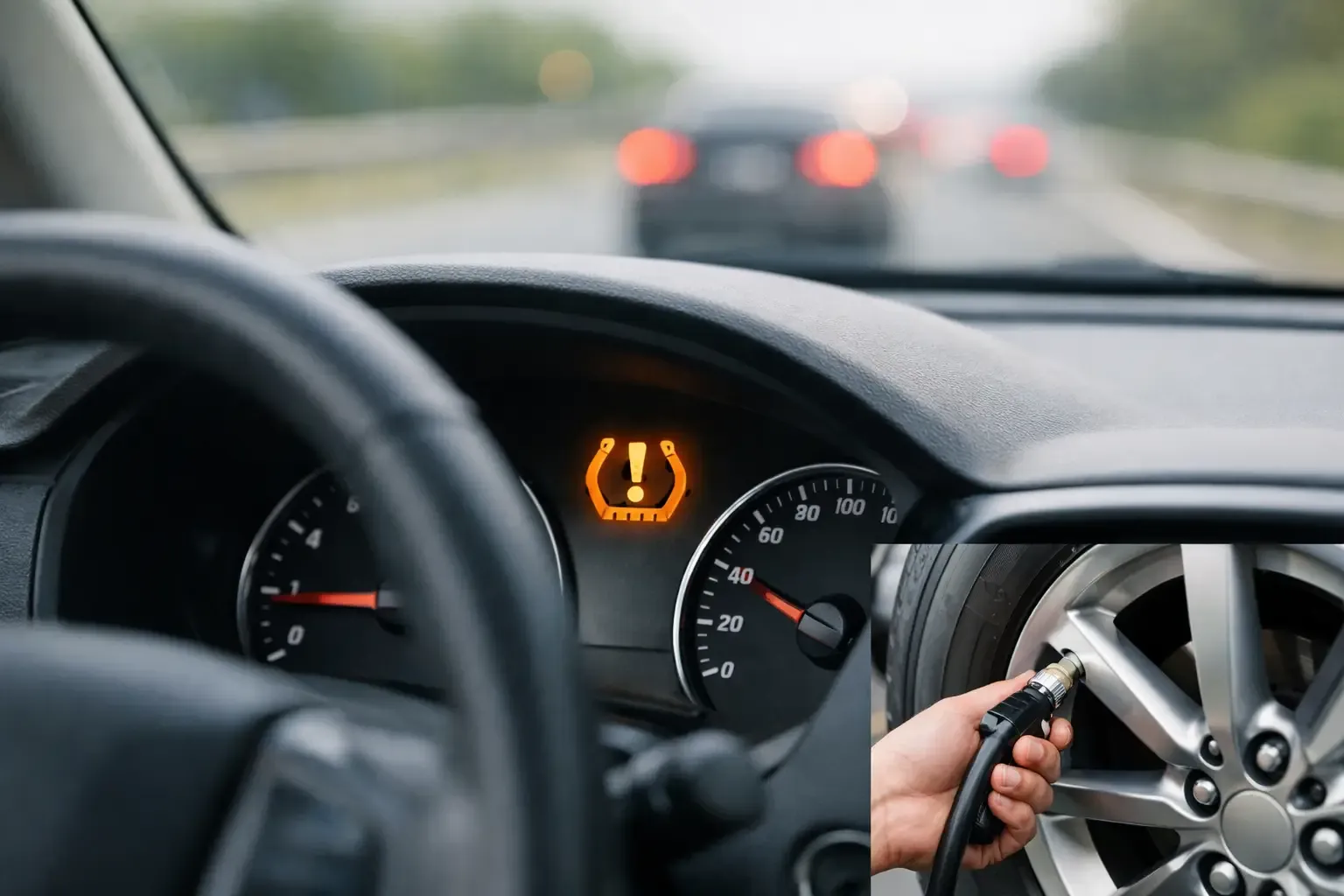
A tire does not need to be completely flat to need attention. Even a pressure loss of a few PSI can trigger a TPMS warning light, reduce fuel efficiency, and create uneven wear. The key is knowing what is causing the pressure drop and whether the tire is safe to drive on.
Why Tires Lose Air Overnight
Tires naturally lose a small amount of air over time. Rubber is slightly porous, so gradual pressure loss over many weeks or months is normal. A tire that loses visible pressure overnight, however, usually has a specific issue that needs to be found.
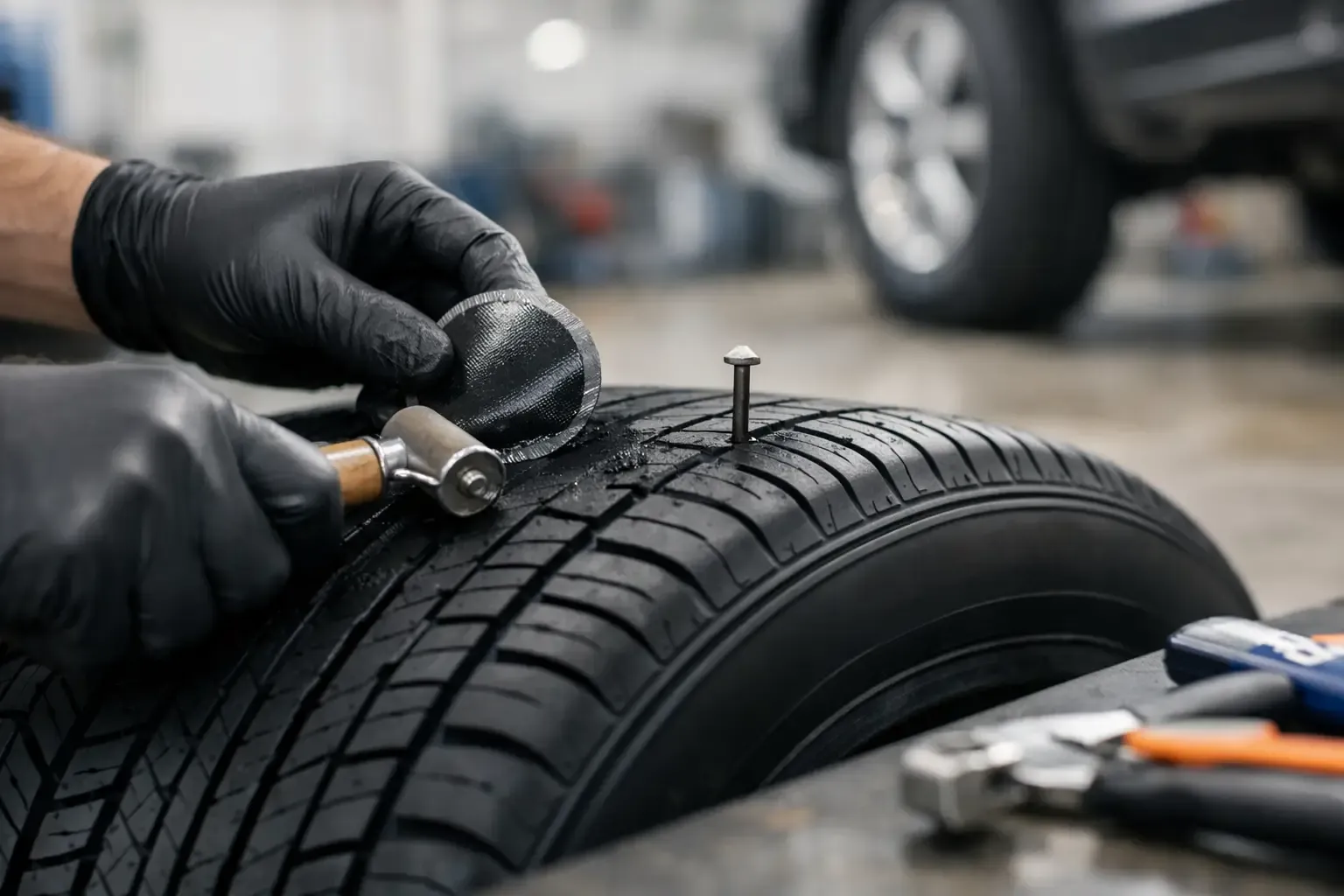
The most common cause is a puncture in the tread from a nail, screw, or other road debris. The object may still be embedded in the tire, plugging much of the hole while allowing air to escape slowly. Pulling it out yourself can turn a slow leak into a rapid flat, so it is better to leave it in place until a technician can inspect the tire.
A leak can also occur where the tire seals against the wheel. This is called a bead leak. Corrosion, dirt, old adhesive wheel weights, or minor damage around the rim can prevent the tire bead from sealing completely. Columbus-area roads, winter moisture, and road salt can all contribute to wheel corrosion over time, particularly on older steel or alloy wheels.
The valve stem is another frequent source of overnight pressure loss. Valve stems can crack with age, and the small valve core inside can loosen or fail. If air escapes from the valve stem, the tire may look normal after filling but be noticeably low again by morning.
Less commonly, the wheel itself may be bent or cracked. A hard pothole impact can damage a rim enough to create a leak, even if the tire does not look obviously damaged. This type of problem often causes repeated air loss after the tire has been checked for a simple puncture.
Cold Weather Can Make a Low Tire Look Worse
A sudden temperature drop does not create a puncture, but it can make an existing low-pressure condition much more obvious. Tire pressure generally changes by about 1 PSI for every 10-degree change in outside temperature. When Ohio temperatures fall overnight, a marginally low tire can trigger the TPMS light by morning.
If the tire returns to its normal pressure after temperatures rise, check all four tires with an accurate gauge anyway. The weather may explain the pressure change, but it does not eliminate the need to set the tires to the pressure listed on your vehicle's door-jamb label.
Do not use the maximum pressure molded into the tire sidewall as your target. That number is the tire's maximum allowable pressure, not usually the vehicle manufacturer's recommended cold pressure.
How to Tell Whether It Is a Slow Leak
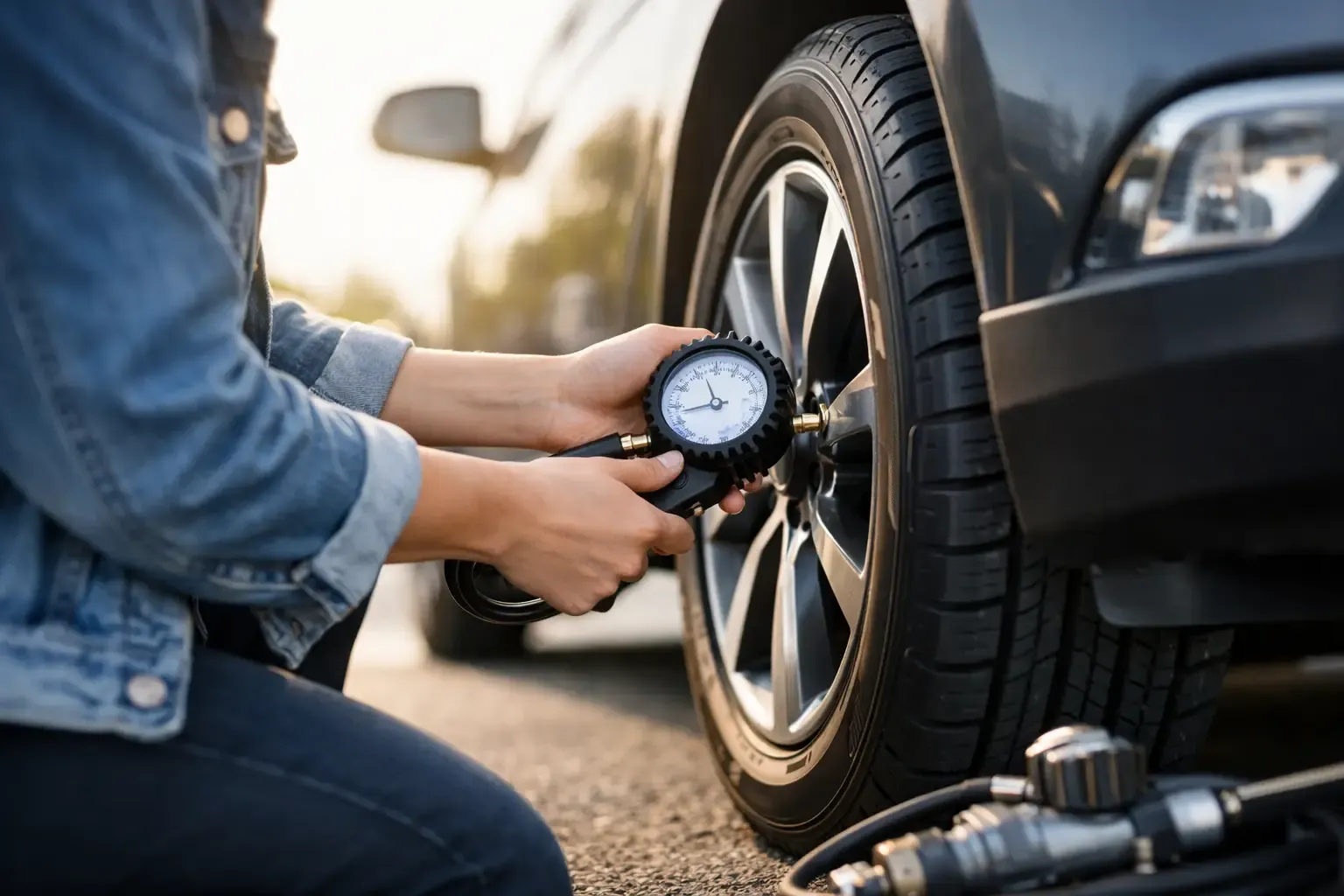
A slow leak can be frustrating because it may not leave the tire visibly flat. Start by checking tire pressure when the tires are cold, before driving more than a short distance. Write down the reading, inflate the tire to the recommended pressure, and recheck it the next morning.
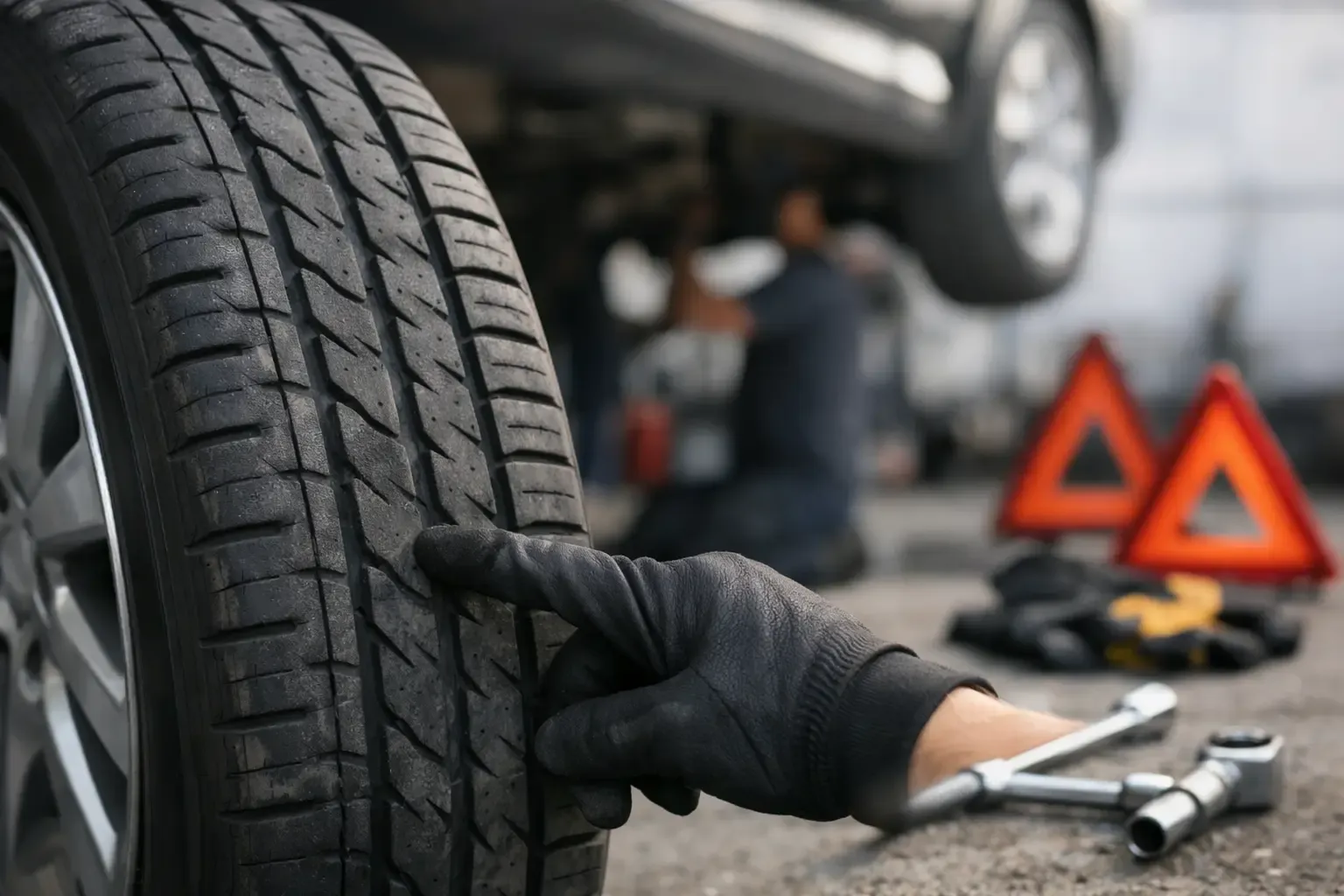
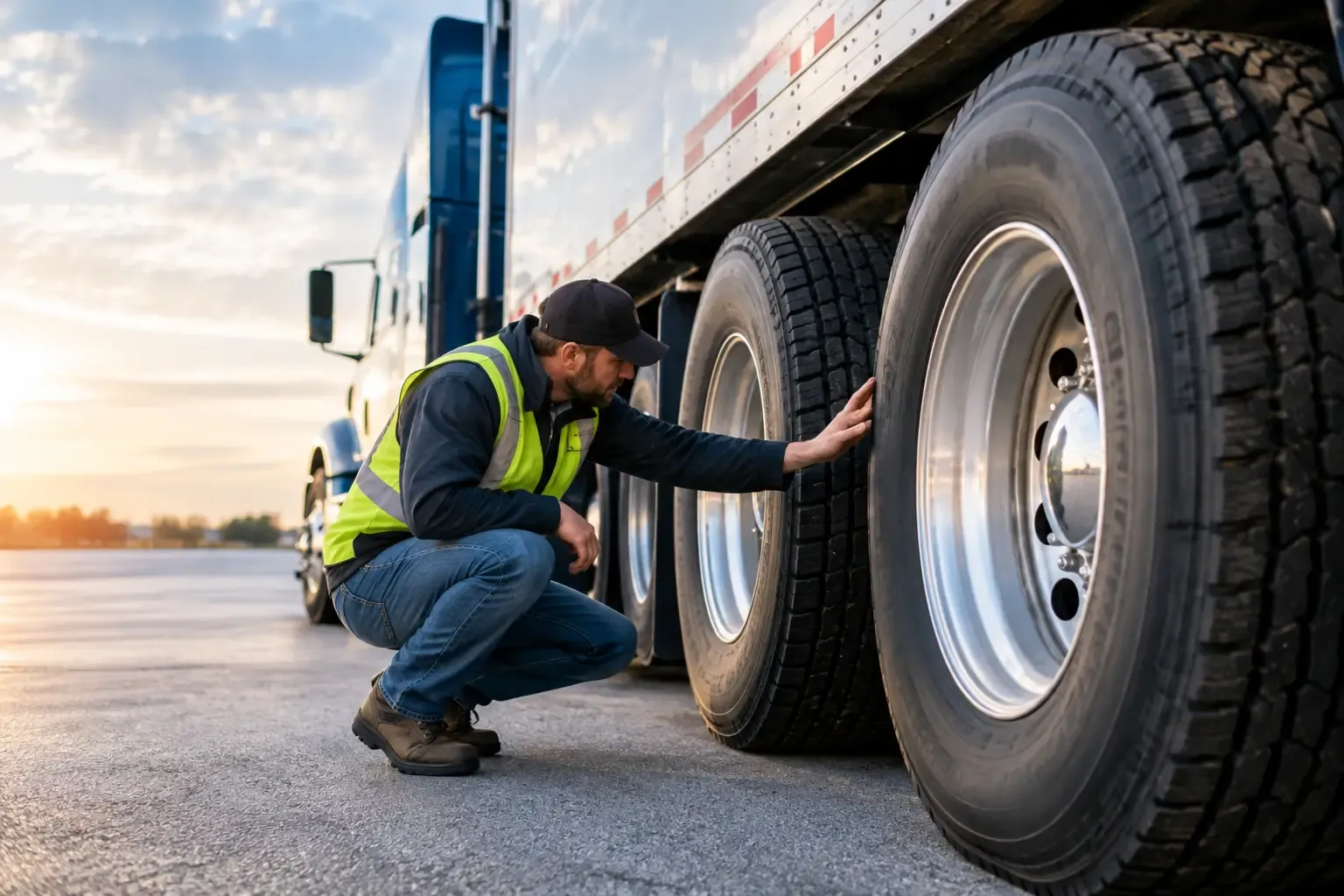
A tire that repeatedly loses several PSI in a day or two should be inspected. You can look for obvious nails or screws in the tread, cuts in the sidewall, or damage to the wheel. A mixture of soap and water sprayed around the valve stem, tread area, and rim edge may produce bubbles where air is escaping. This can help identify a leak, but it is not a substitute for a full tire inspection.
Pay attention to these warning signs:
- The TPMS warning light returns soon after you add air.
- One tire is consistently lower than the other three.
- You hear a faint hissing sound near the tire or valve stem.
- The vehicle pulls, feels soft in turns, or rides differently.
- The tire has a visible object, sidewall bulge, deep cut, or rim damage.
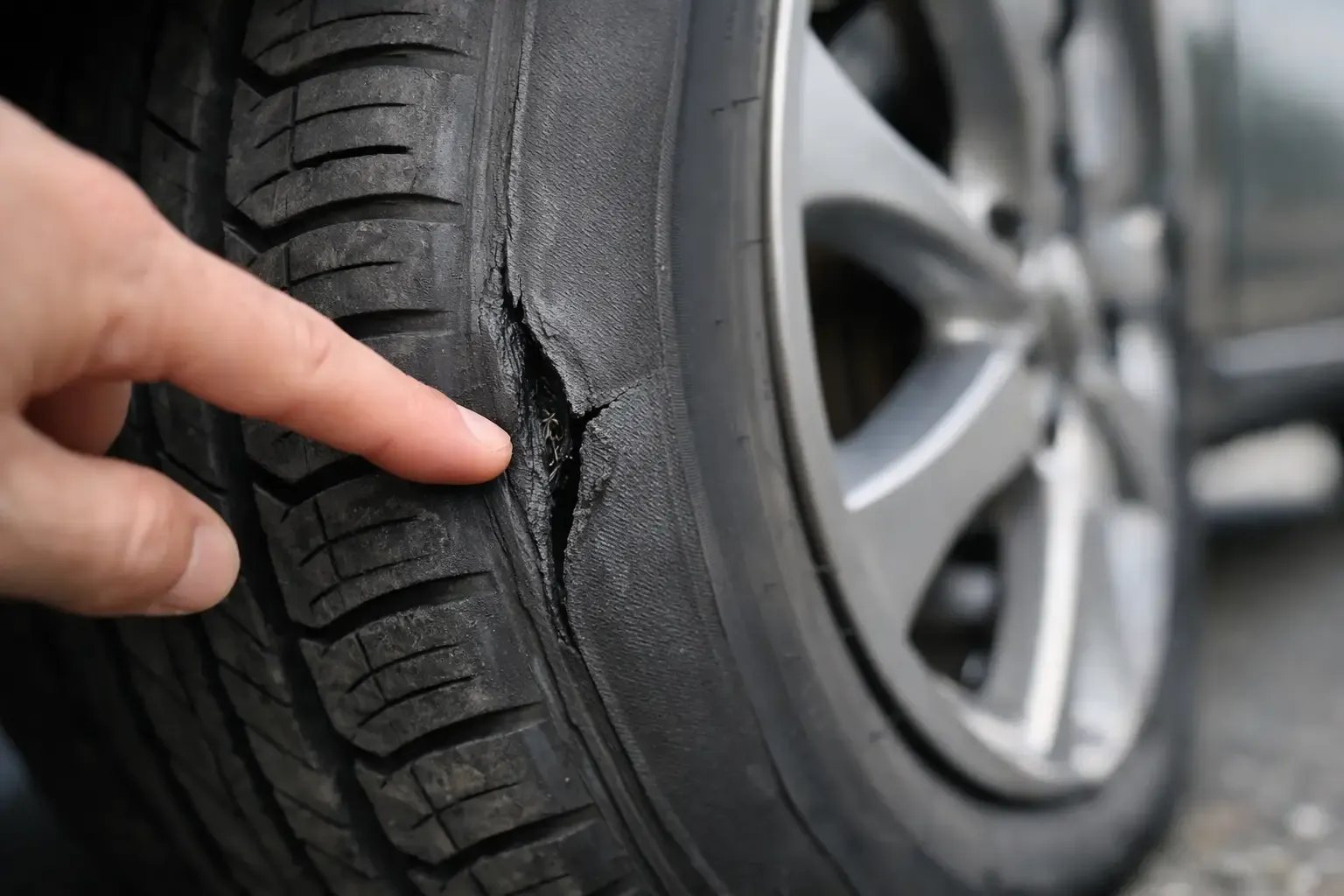
A sidewall bulge or deep sidewall damage is more serious than a typical tread puncture. Sidewalls flex constantly while driving, and they generally cannot be safely repaired. In that situation, the tire should be replaced rather than patched.
Is It Safe to Drive on a Tire That Lost Air Overnight?
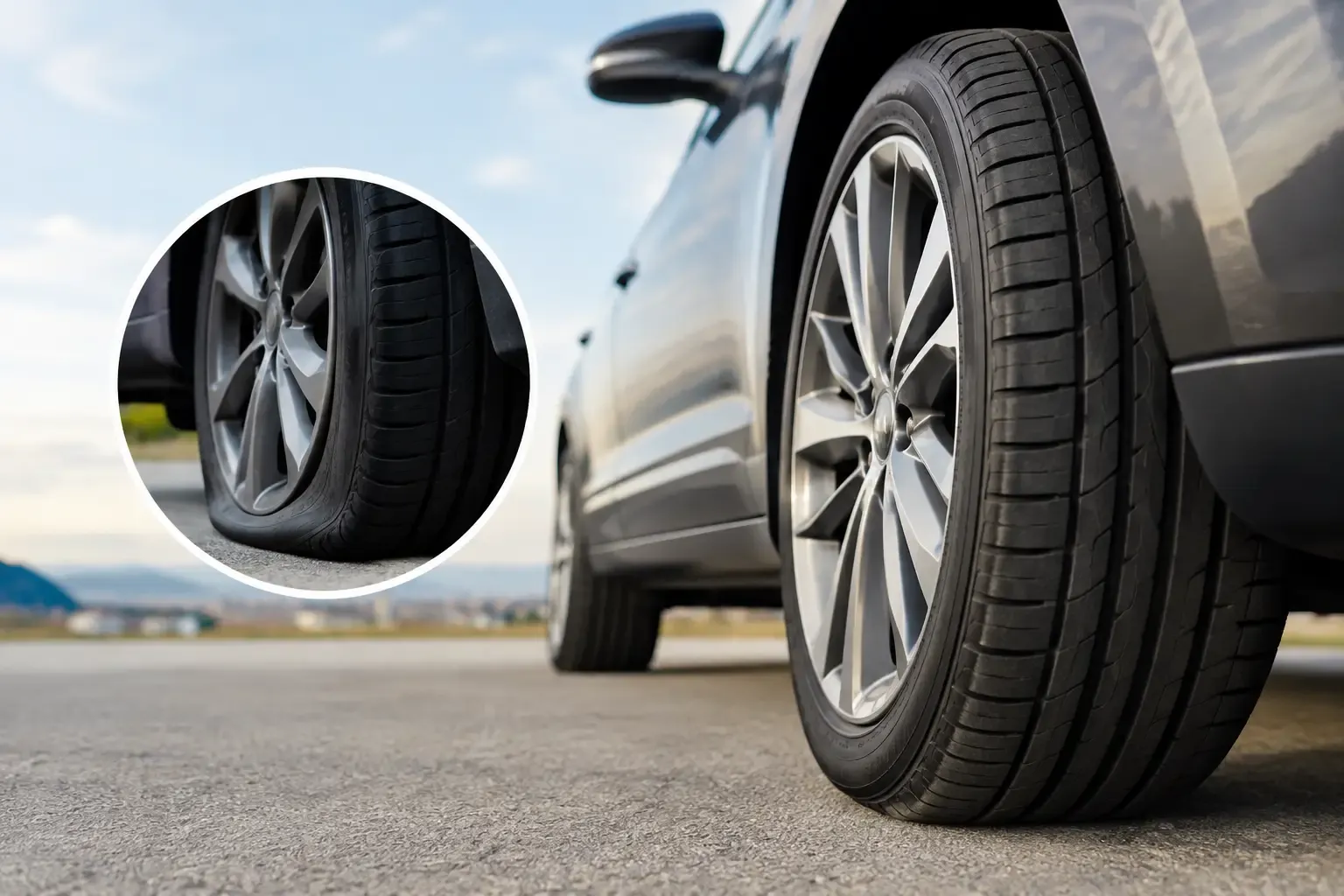
It depends on how low the pressure is, how quickly it is leaking, and what caused the leak. If the tire is only a few PSI low and holds pressure after being properly inflated, you may be able to drive a short distance to have it inspected. Still, avoid high speeds, long trips, heavy loads, and aggressive cornering until the issue is resolved.
If the tire is visibly low, nearly flat, or below the pressure needed to support the vehicle safely, do not drive on it. Driving on a flat or severely underinflated tire can crush the sidewall between the wheel and road. What could have been a repairable tread puncture may become irreversible internal tire damage.
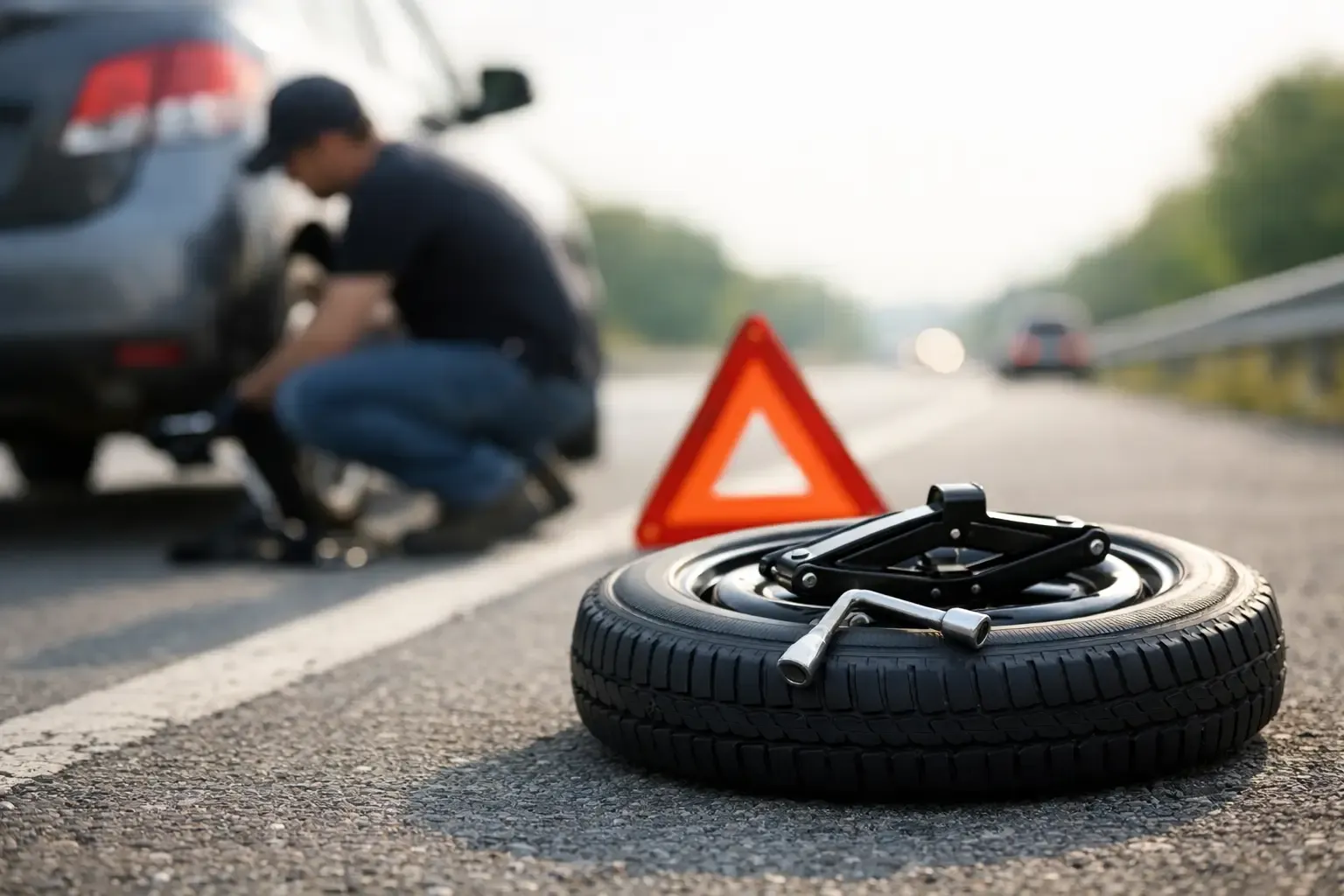
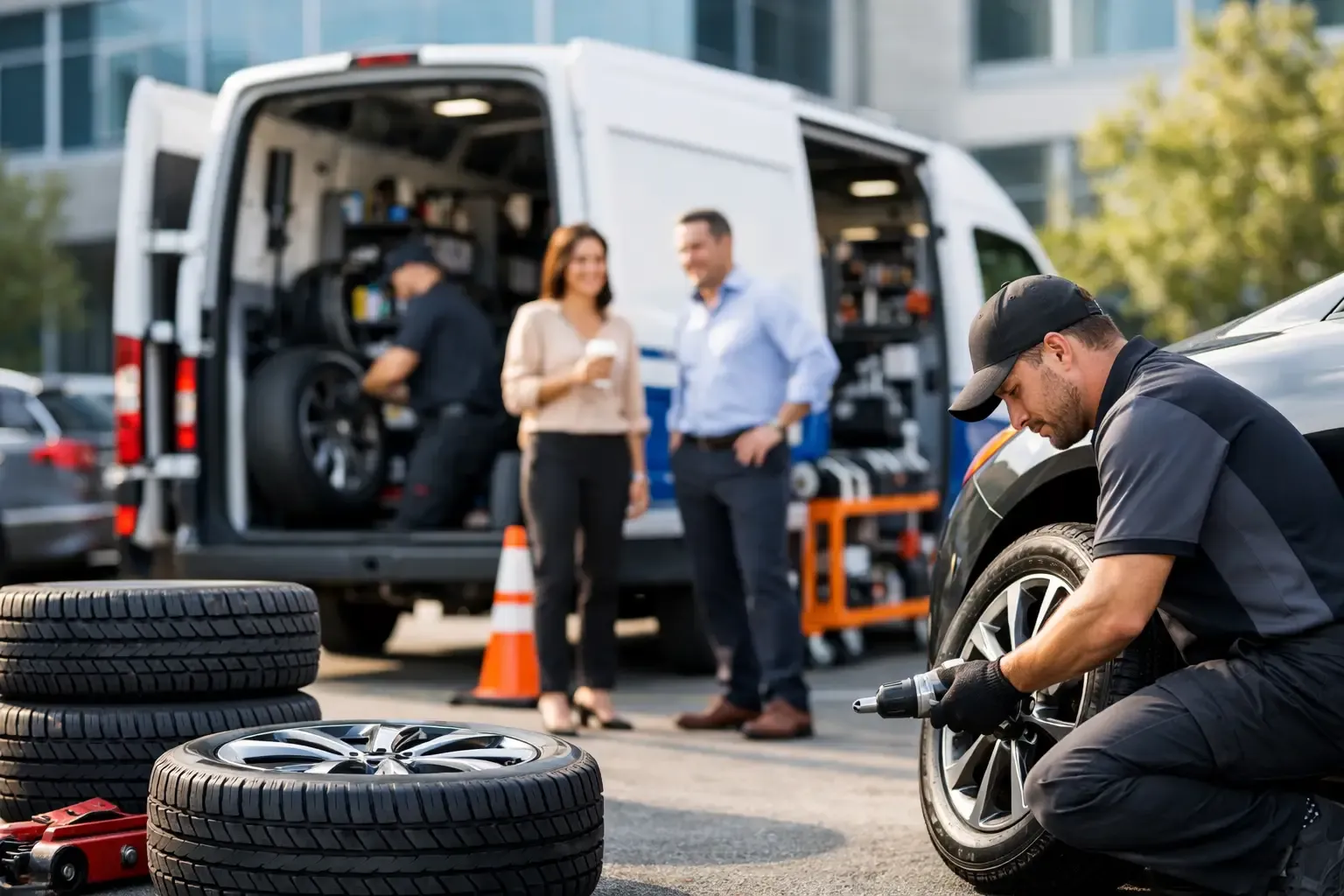
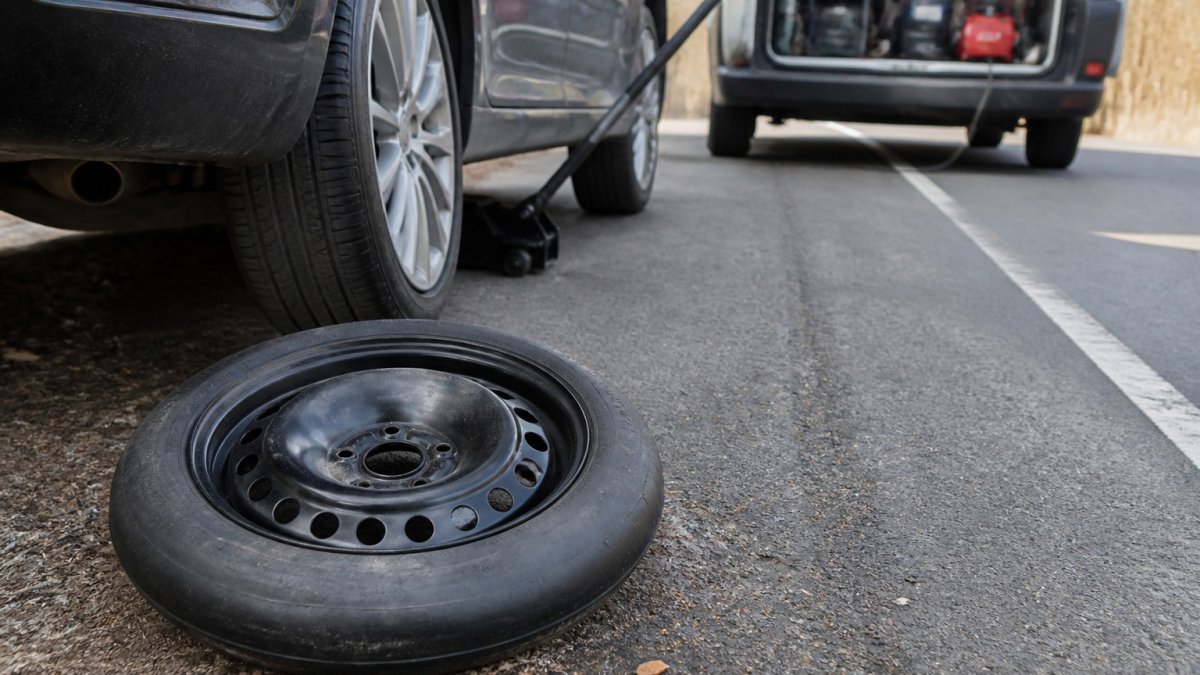
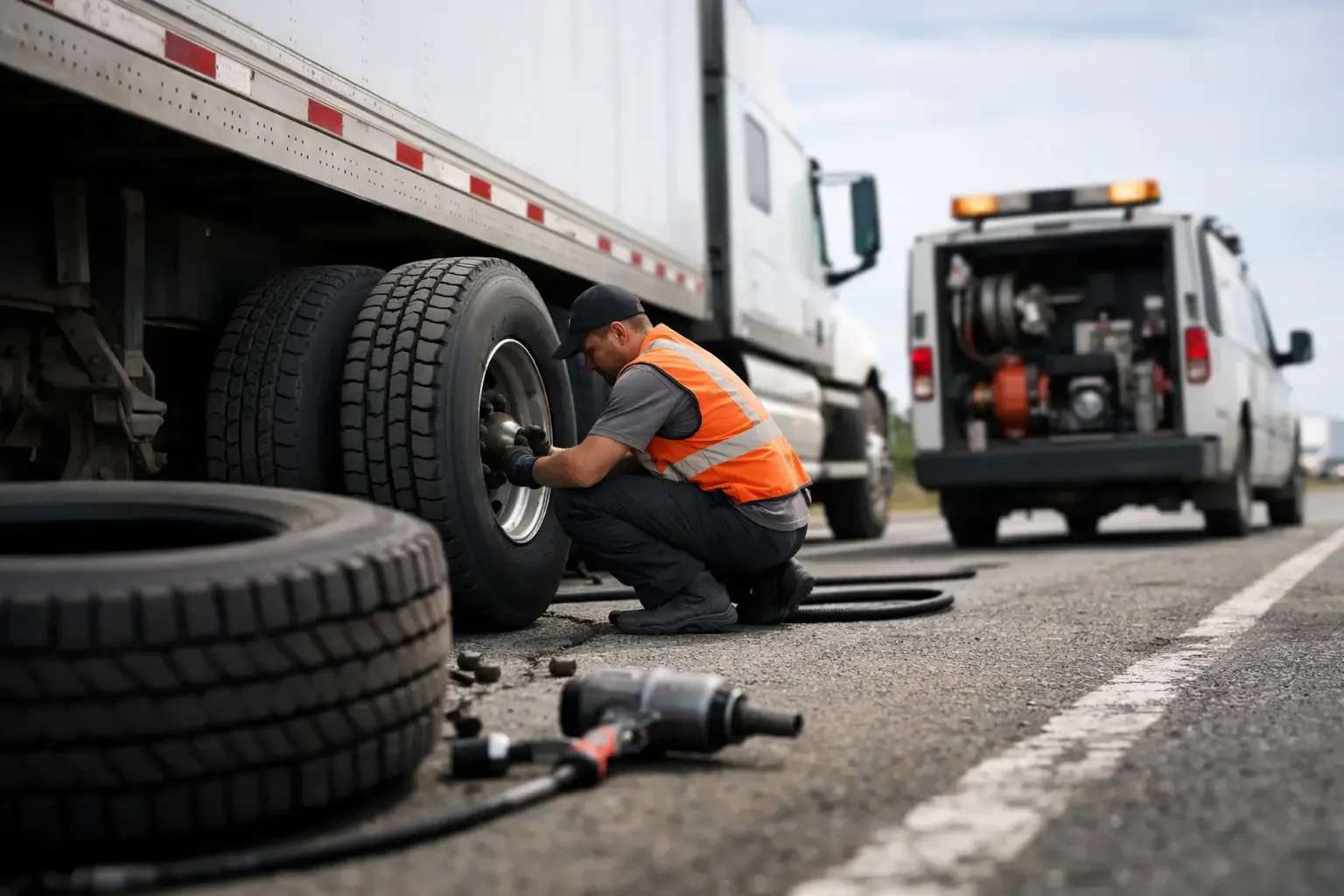
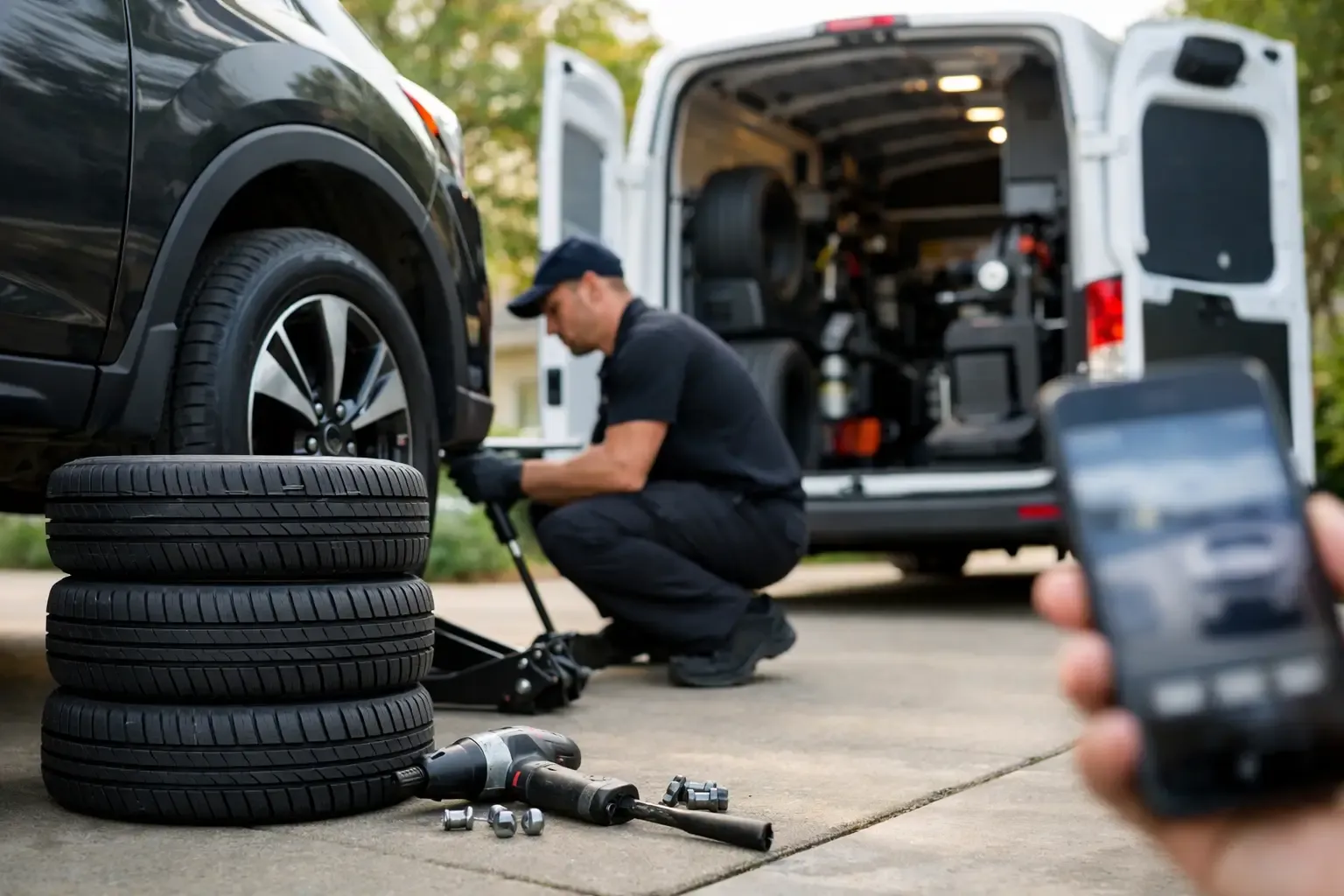
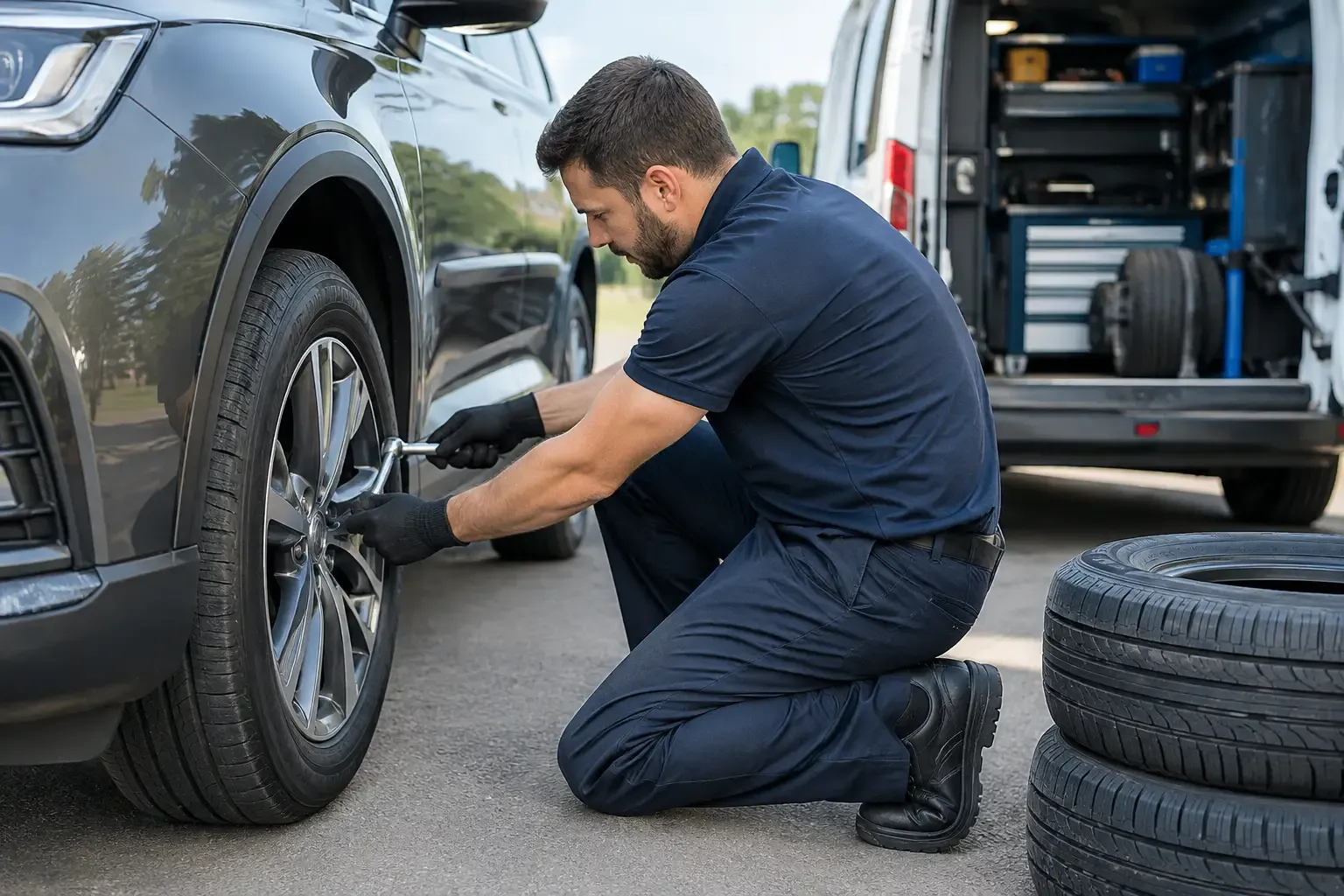
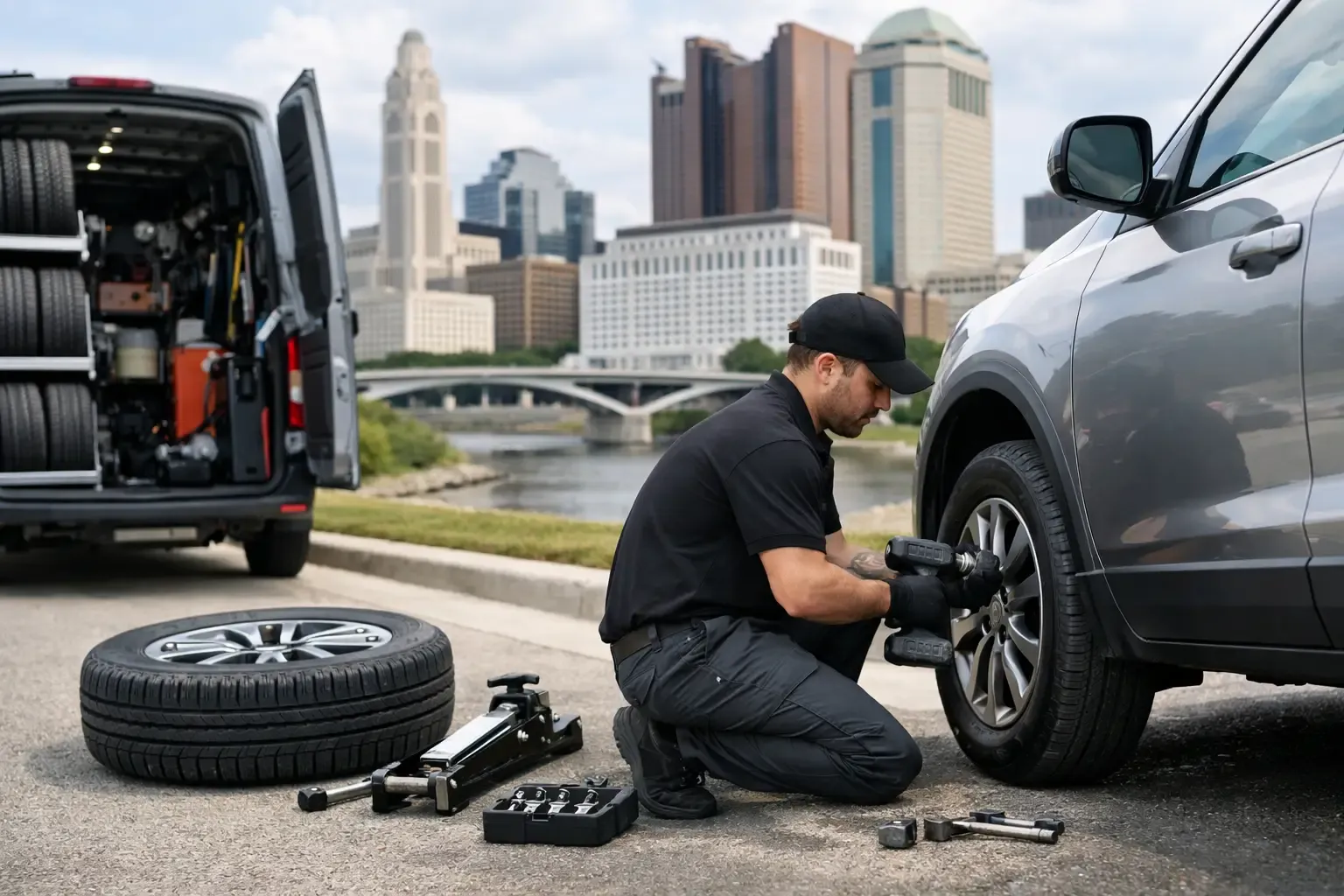
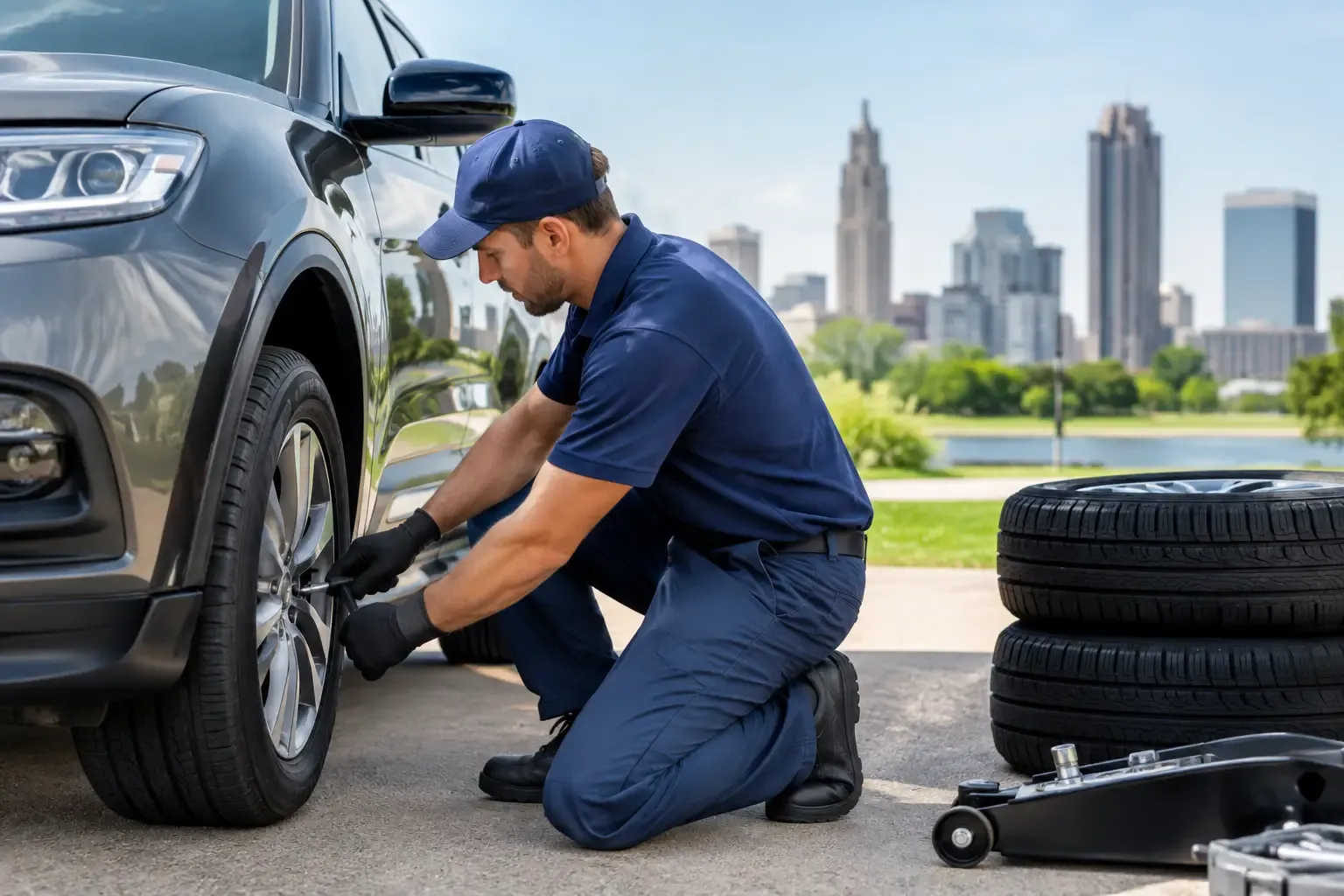
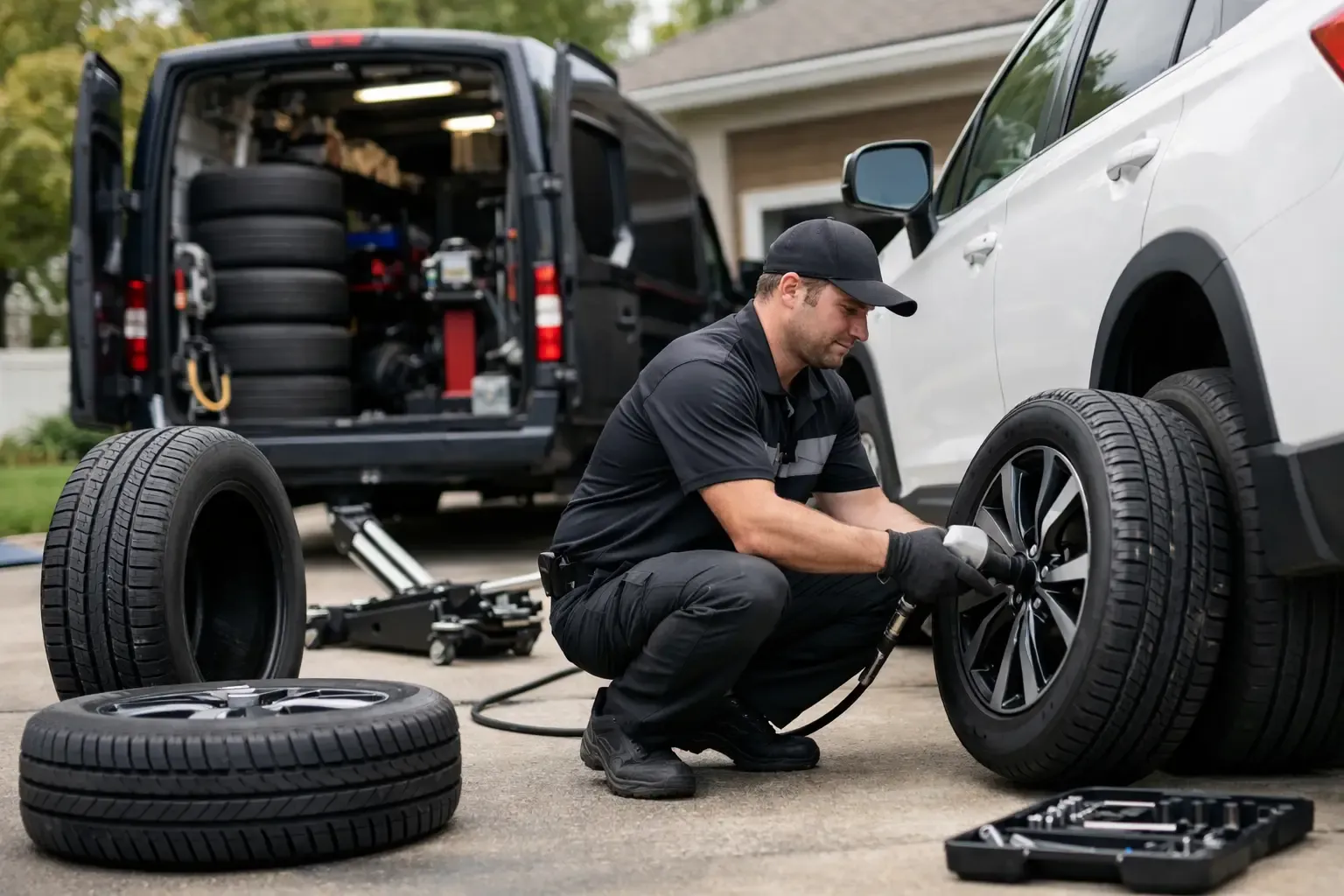
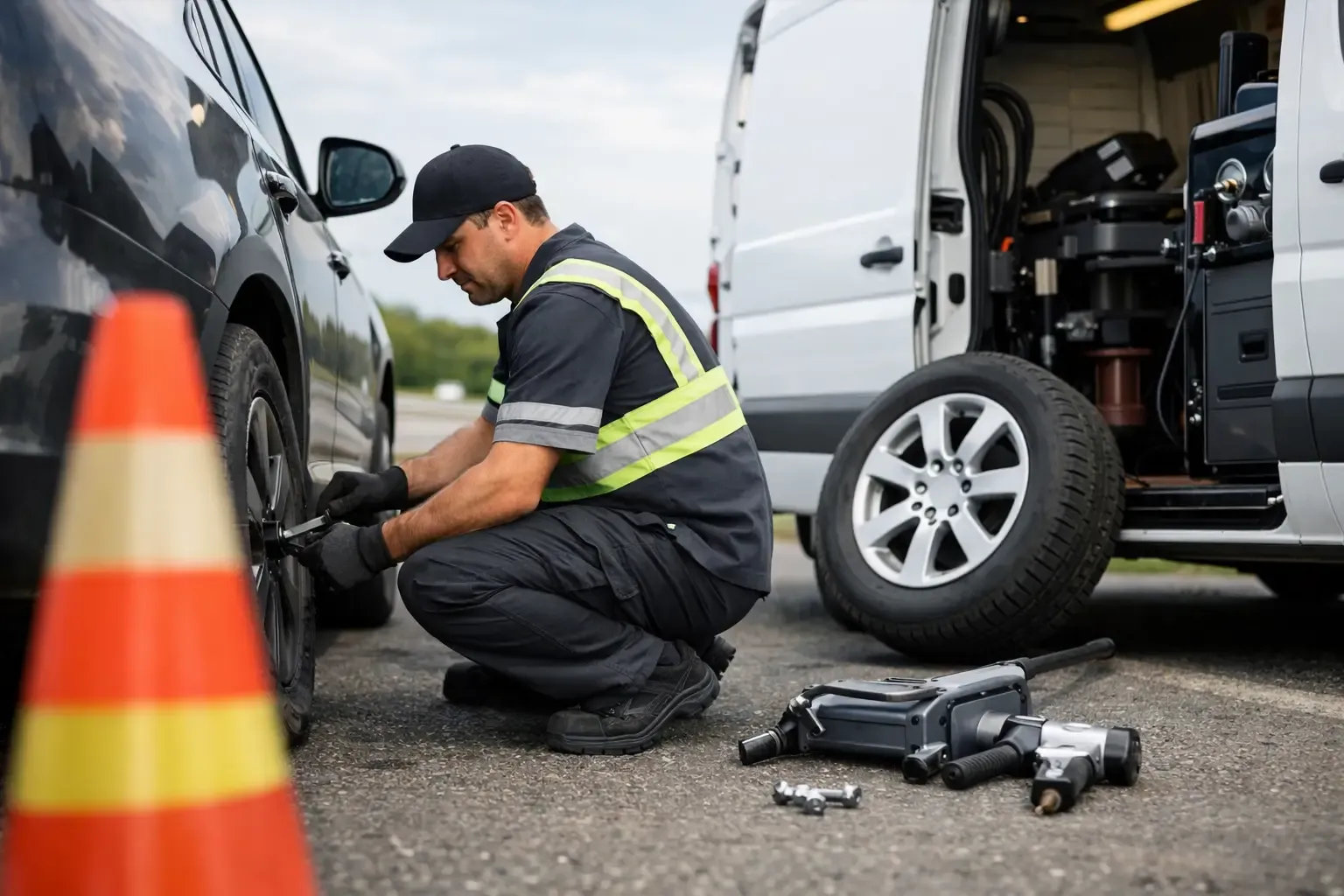
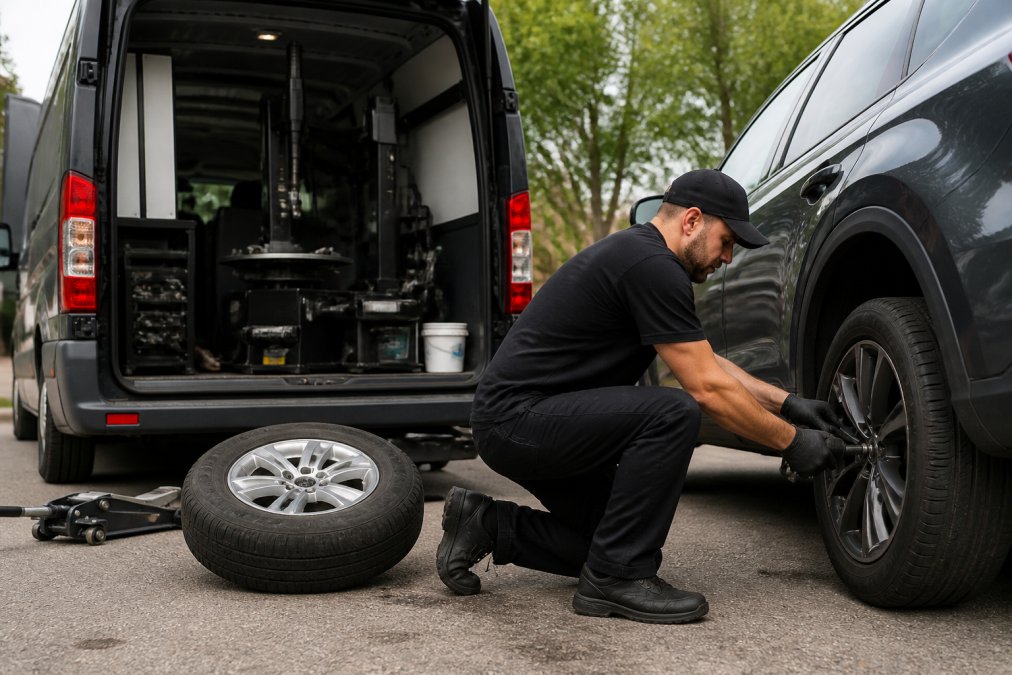
Use your properly inflated spare if your vehicle has one and you know how to install it safely. If you are on a busy road, in poor weather, or do not have a safe place to change a tire, roadside assistance is the safer choice. A mobile tire technician can inspect the problem where your vehicle is located, whether that is your driveway, office parking lot, or roadside location.
What a Professional Tire Inspection Checks
A proper inspection does more than locate the hole. The technician checks the tread, sidewalls, bead area, wheel condition, valve stem, and tire pressure. When a puncture appears repairable, the tire should be removed from the wheel so the inside can be inspected for damage caused by low-pressure driving.
A safe repair is generally limited to the repairable tread area and must meet the tire manufacturer's guidelines. A professional repair commonly uses both an internal patch and a plug-style fill for the puncture channel. Quick external plugs may seem convenient, but they do not allow an inspection of the tire's inner liner or reveal whether the tire was damaged while underinflated.
If the wheel bead is leaking, the wheel may need to be cleaned and resealed. A leaking valve core or aging valve stem can often be replaced during the same visit. If the TPMS light remains on after pressure is corrected, the sensor or system may need diagnosis and a reset.
Prevent Overnight Tire Pressure Loss
You cannot avoid every nail or pothole, but regular checks make small problems easier to catch before they become inconvenient or unsafe. Check tire pressures at least once a month and before long drives. Inspect the tread when washing your vehicle or loading groceries, especially if you have recently driven through construction zones or rough roads.
Keep valve caps installed. They help protect the valve stem from moisture and debris, even though the valve core is what actually seals in the air. After a hard pothole strike, inspect the tire and wheel as soon as possible, even if the vehicle seems to drive normally.
Rotating tires on schedule and maintaining correct inflation also helps reveal unusual wear patterns. A tire that repeatedly loses pressure, wears unevenly, or needs air every few days deserves prompt attention rather than another refill.
For drivers in Columbus and nearby communities, Elite Mobile Tire brings tire inspection, repair, replacement, and TPMS service directly to your home, workplace, or roadside location 24/7, including weekends and overnight. That means you can address a low tire before it disrupts your day or leaves you stranded.
A tire that loses air overnight is your vehicle asking for attention early. Check the pressure, avoid driving on a visibly low tire, and have the cause identified before a small leak turns into a damaged tire and an unexpected stop.
Ready for a new set? Elite Mobile Tire is open 24/7 and installs 2 or 4 new tires right in your driveway or parking lot anywhere around Columbus, Obetz, Groveport, Grove City, and Reynoldsburg. Financing is available through Afterpay and Acima with up to 24-month payment plans. Call 614-344-5010 or visit elitemobiletire.com to book.