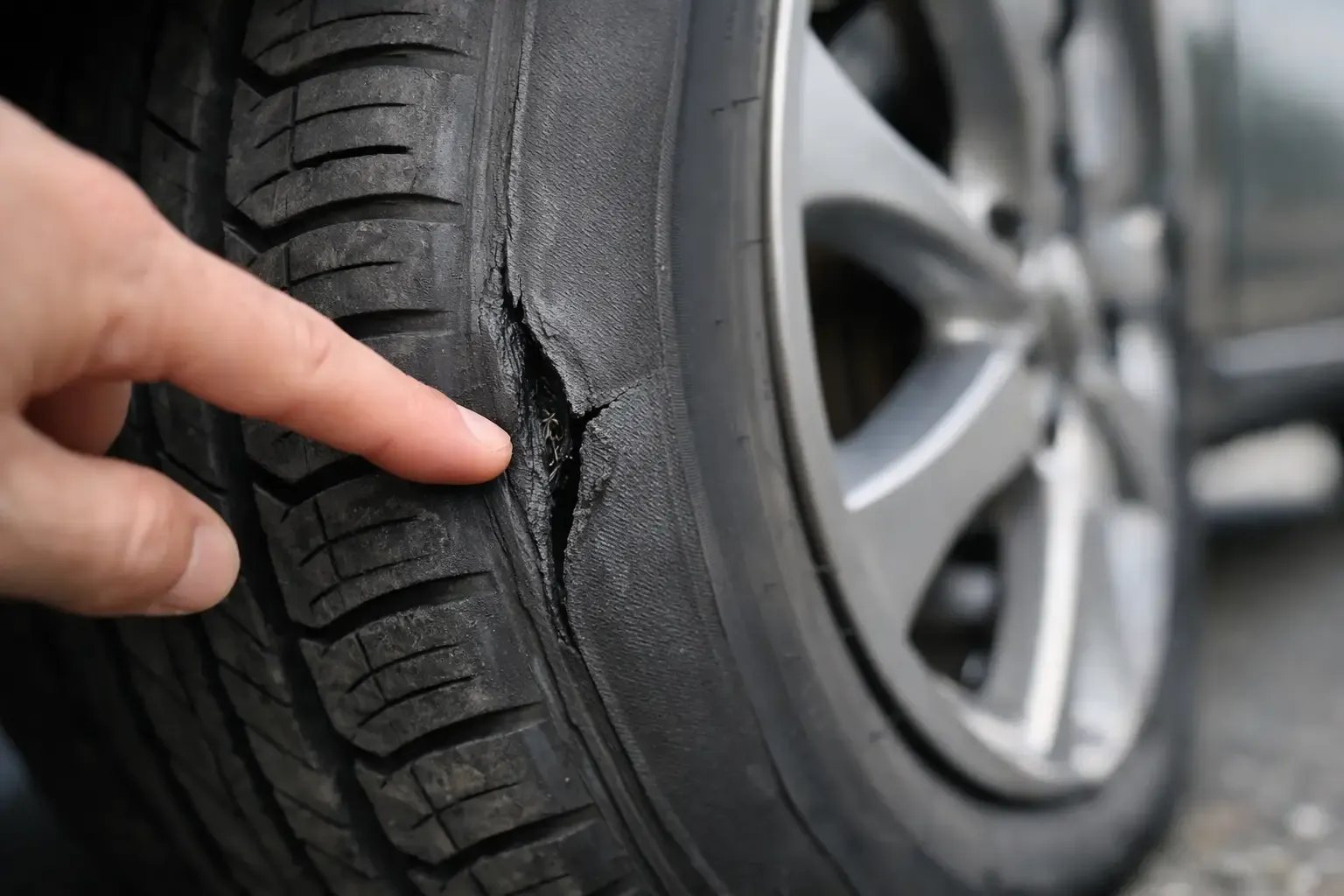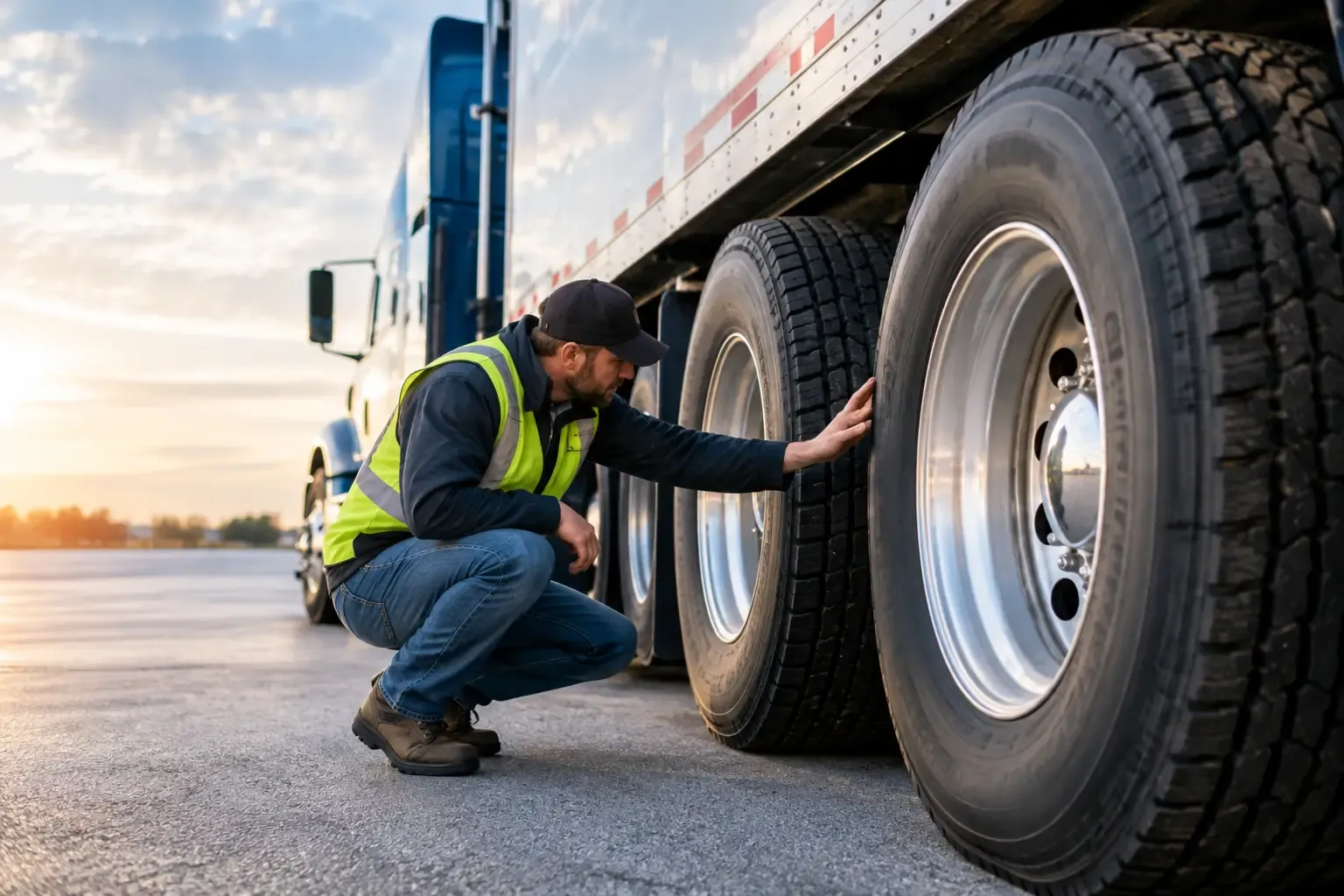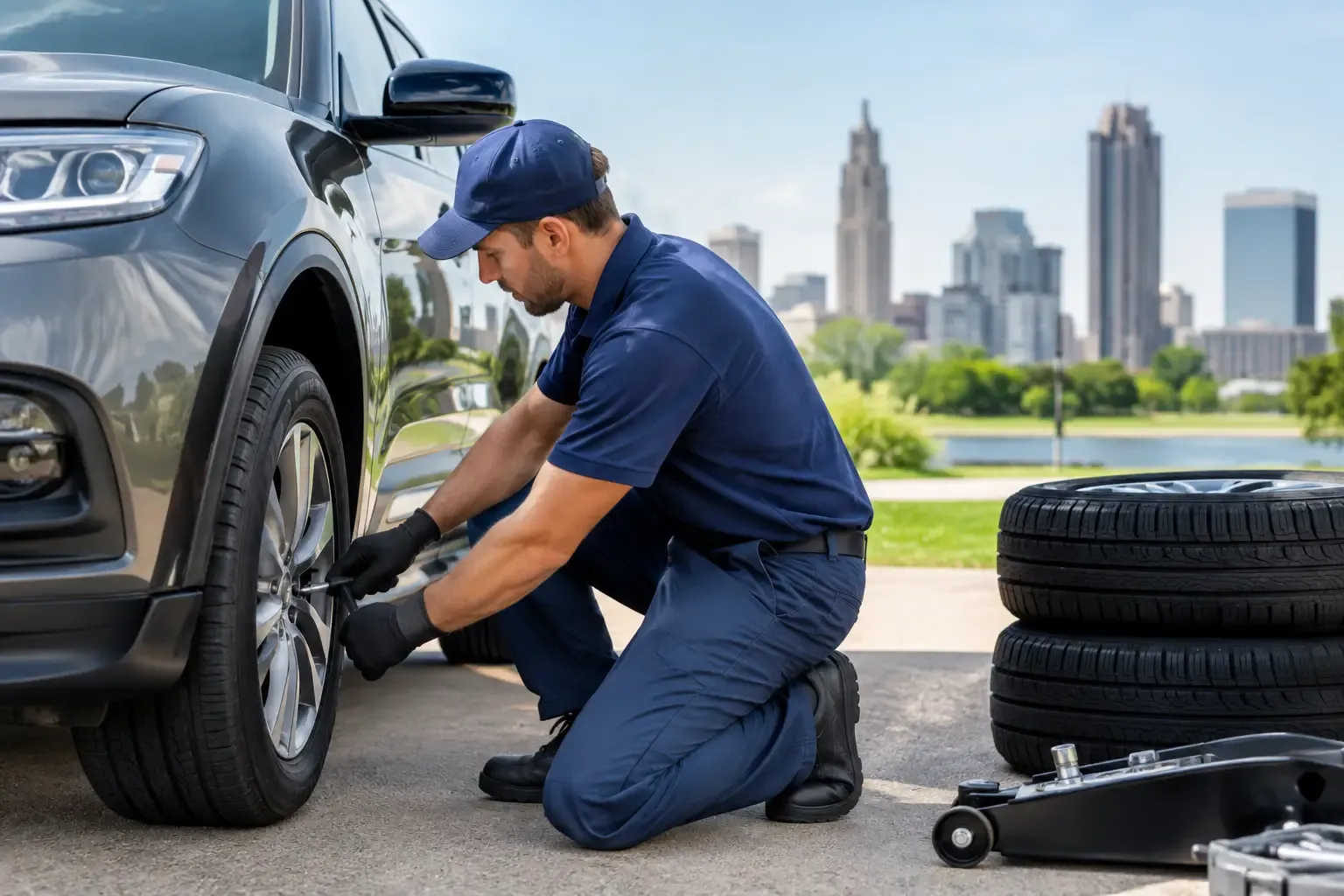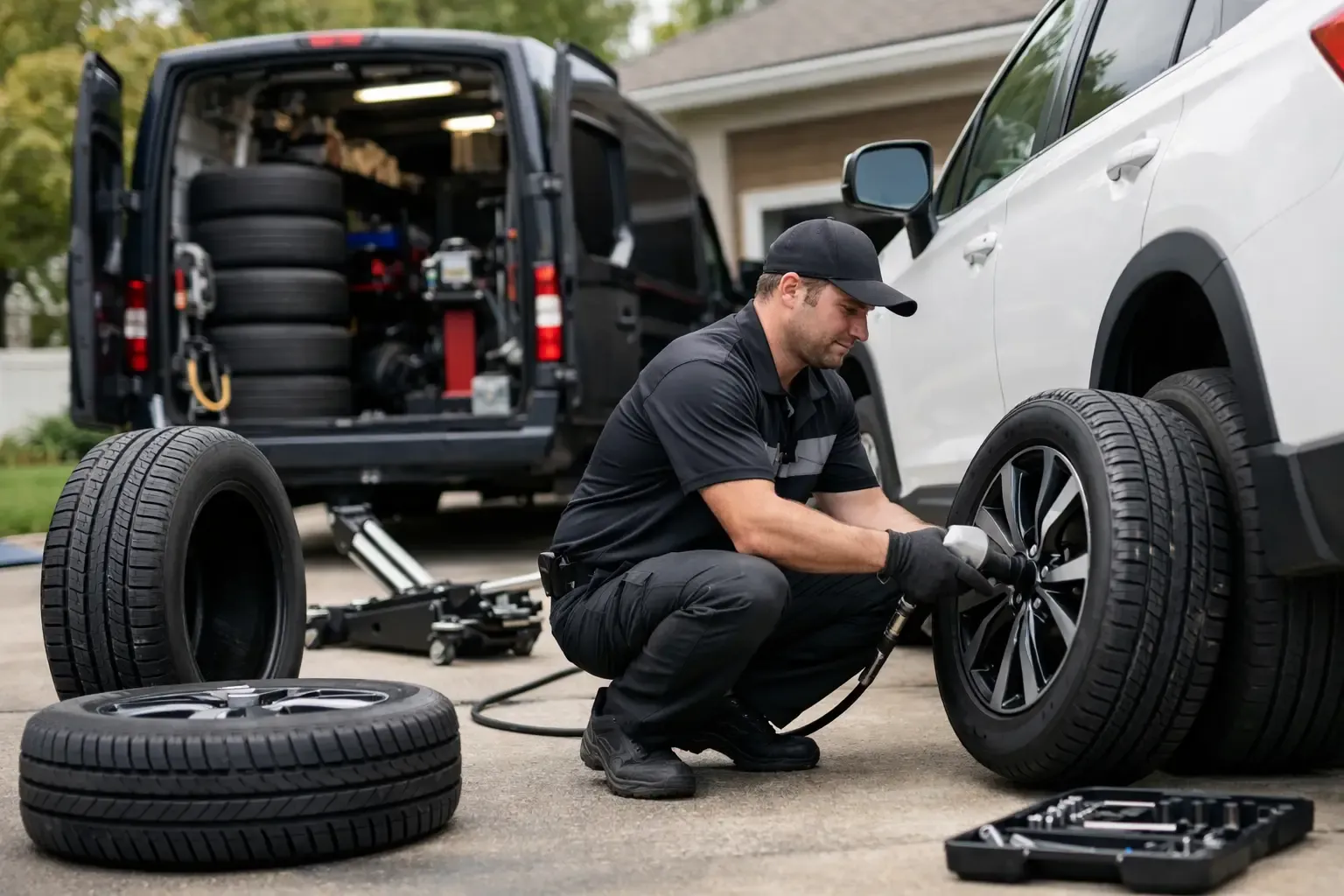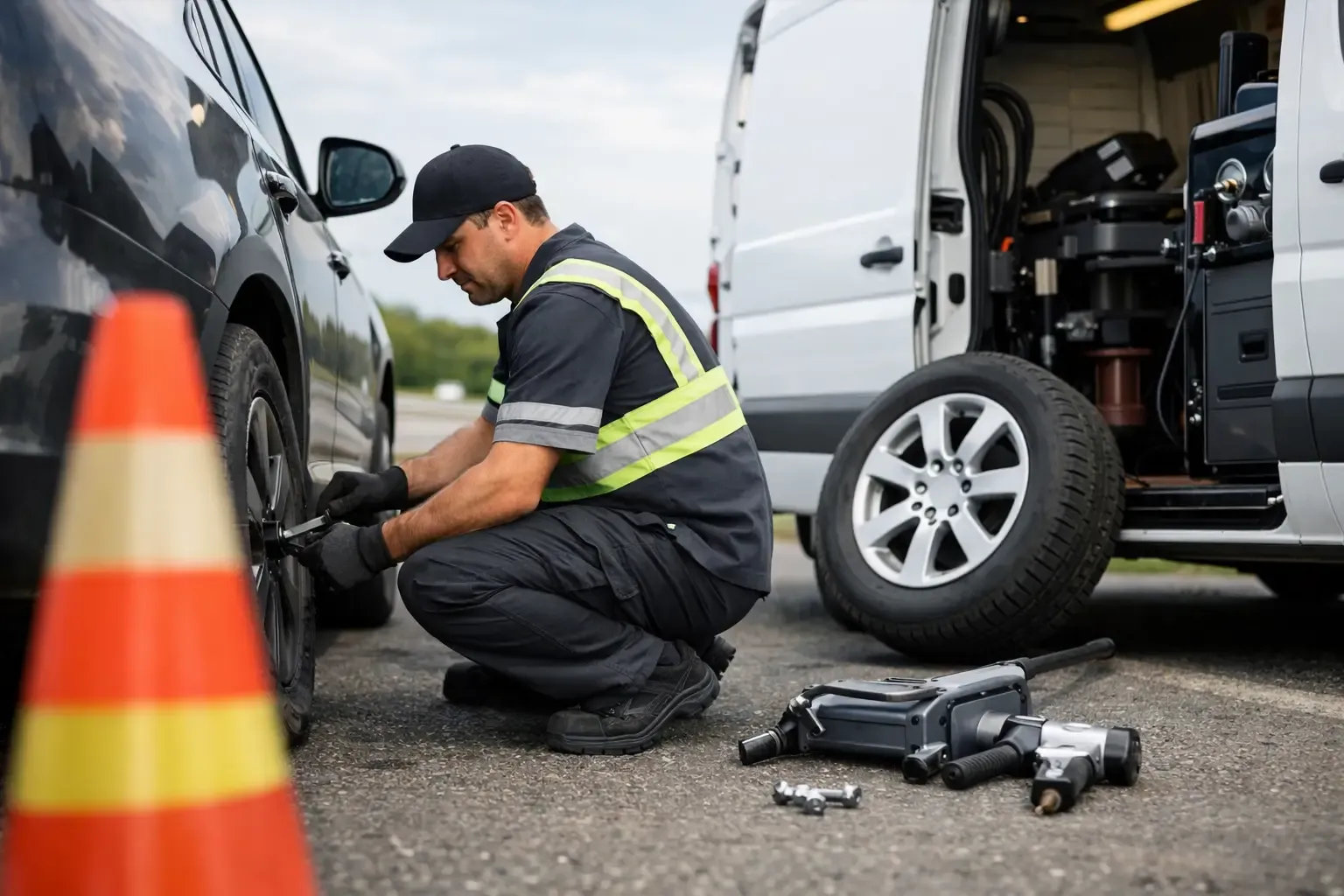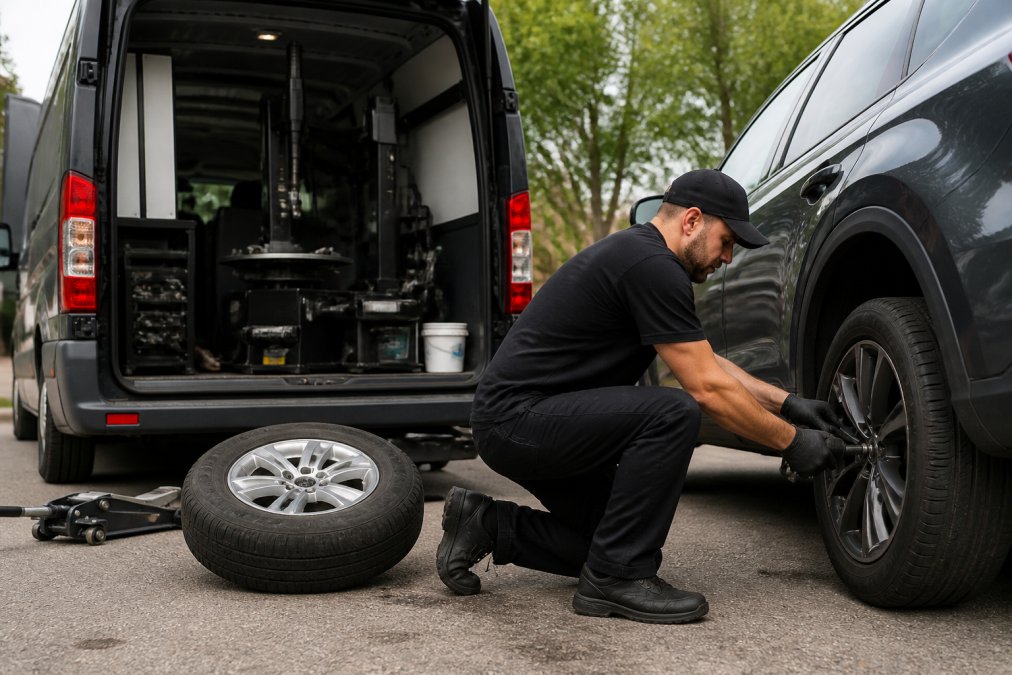

That slightly worn outer edge on one tire may not seem urgent, but it can shorten the usable life of an entire set. Tire rotation for longer tread life is one of the simplest ways to keep wear even, protect handling, and avoid replacing tires sooner than expected. For busy drivers, it is routine maintenance that pays off in real miles.
Why Tire Rotation Extends Tread Life
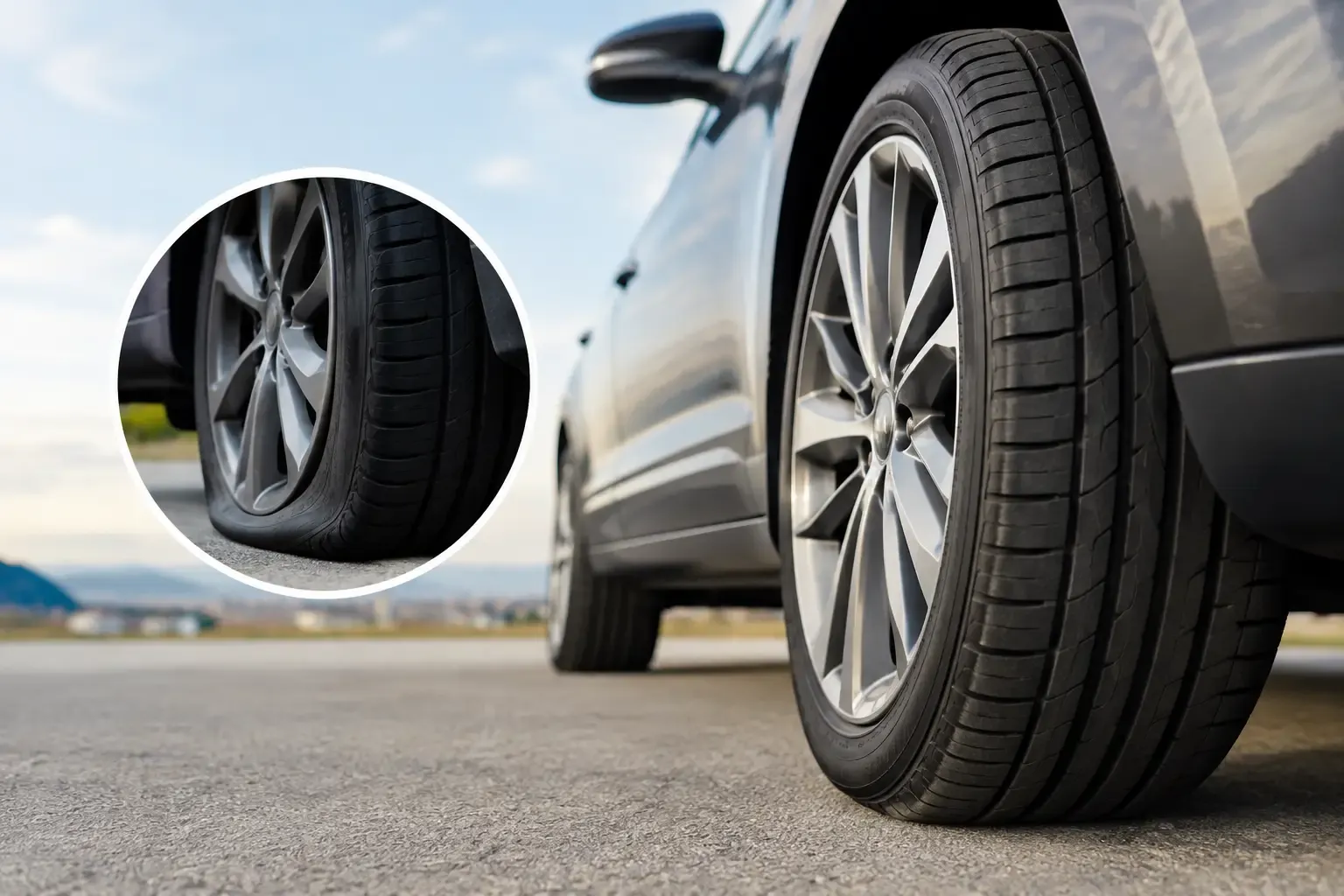
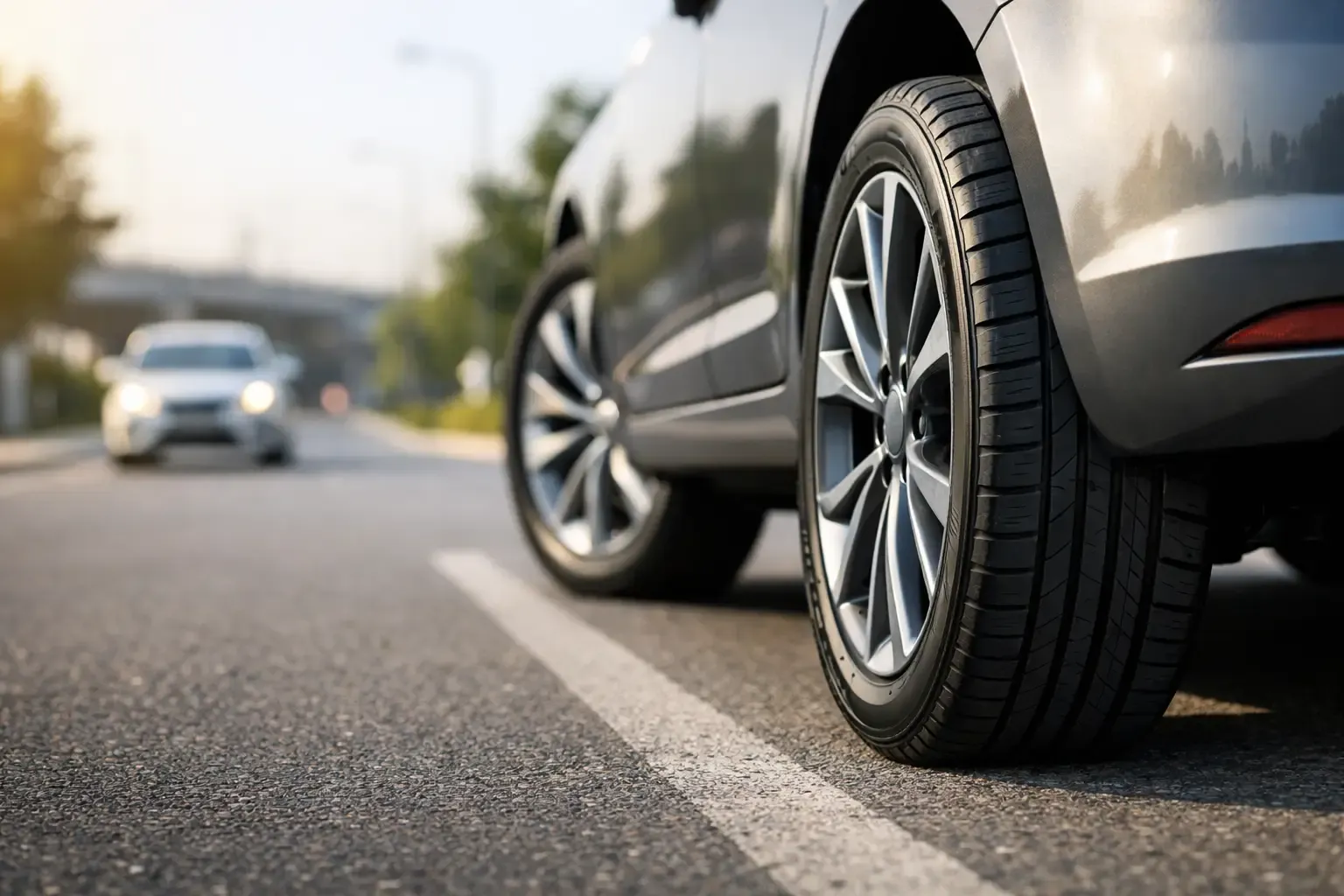
Your tires do not all do the same job. On a front-wheel-drive vehicle, the front tires handle steering, much of the braking force, and the power sent to the road. They commonly wear faster than the rear tires. Rear-wheel-drive and all-wheel-drive vehicles distribute forces differently, but they can still develop uneven wear based on driving habits, vehicle weight, suspension condition, and road surfaces.
Rotation moves each tire to a new position so no single tire carries the same workload for its entire life. Instead of allowing two tires to wear down quickly while the other two retain more tread, rotation helps the set wear at a more consistent rate. That can improve the value you get from your tire investment while helping your vehicle remain predictable in rain, snow, and emergency braking situations.
Even wear also makes it easier to recognize a developing mechanical problem. If a tire continues to wear heavily on one edge after it has been rotated, the vehicle may need an alignment inspection or suspension repair. Without regular rotation, that warning sign can be easier to miss.
How Often Should You Rotate Tires?
A practical starting point is every 5,000 to 7,500 miles, although the vehicle owner's manual and tire manufacturer guidance should take priority. Many drivers schedule a rotation with an oil change, but that only works if the oil-change interval lines up with the recommended tire service interval.
Columbus-area drivers may benefit from staying closer to the shorter end of that range when they make frequent stop-and-go trips, carry family or work equipment, commute on rougher roads, or regularly encounter potholes. Hard acceleration, abrupt braking, and long highway miles can also change how quickly a tire wears.
Do not wait until the tires look visibly worn to schedule service. By the time uneven wear is obvious, some of the lost tread life may not be recoverable. A rotation is most effective when it happens before a wear pattern becomes established.
Rotation Patterns Are Not One-Size-Fits-All
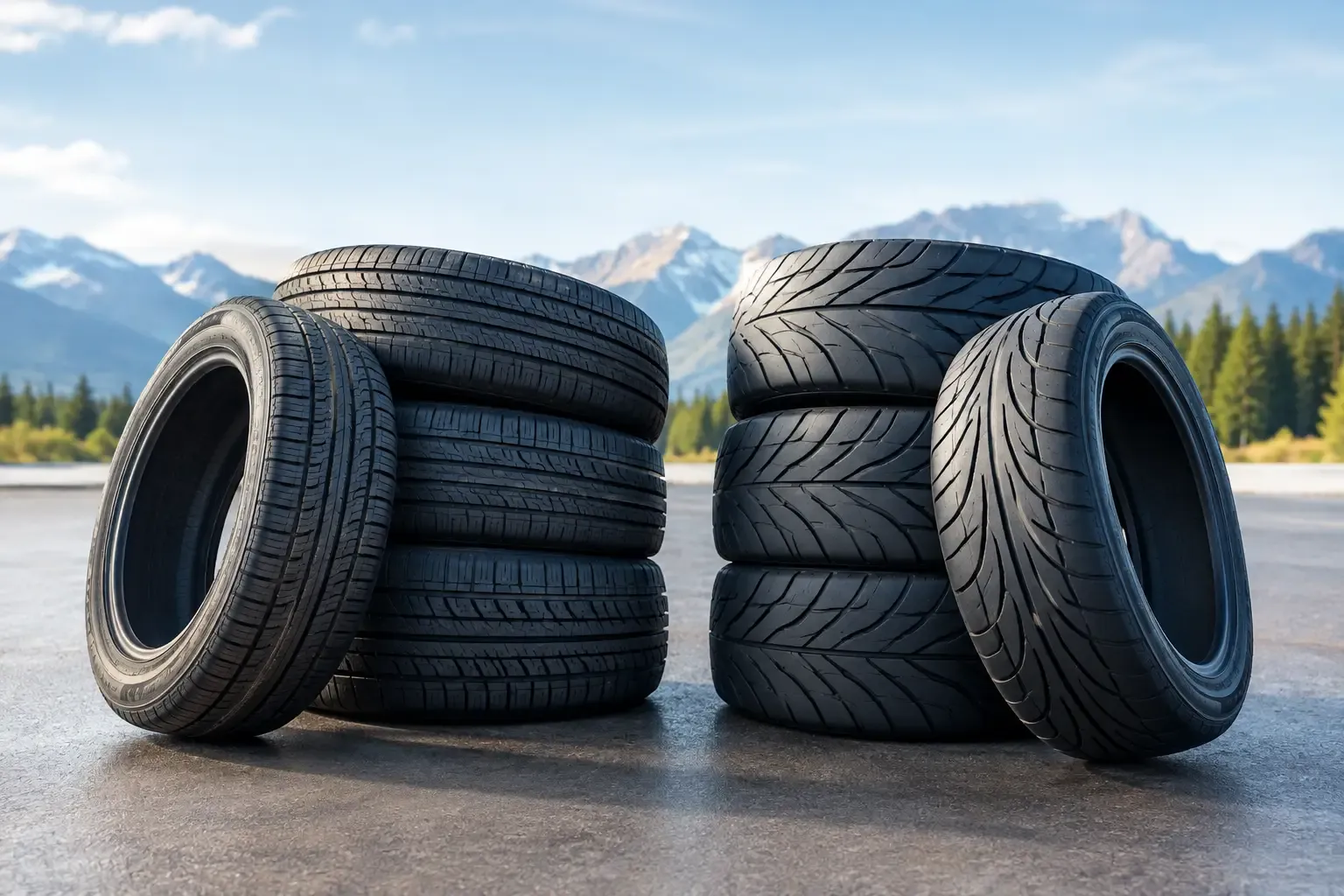
The correct pattern depends on the vehicle and the tires. A technician considers whether the vehicle is front-, rear-, or all-wheel drive, along with whether the tires are directional, staggered, or different sizes between the front and rear axles.
Many standard tire setups can be moved front to rear and crossed from side to side in a specific pattern. Directional tires, identified by their designed direction of travel, generally stay on the same side of the vehicle unless they are removed from the wheel and remounted. Staggered performance setups often cannot rotate front to rear because the front and rear tires have different dimensions.
This is why simply moving tires around without confirming the correct pattern is not the best approach. Proper rotation protects the tire design, preserves intended handling, and helps prevent unnecessary wear.
Tire Rotation for Longer Tread Life Starts With Inspection
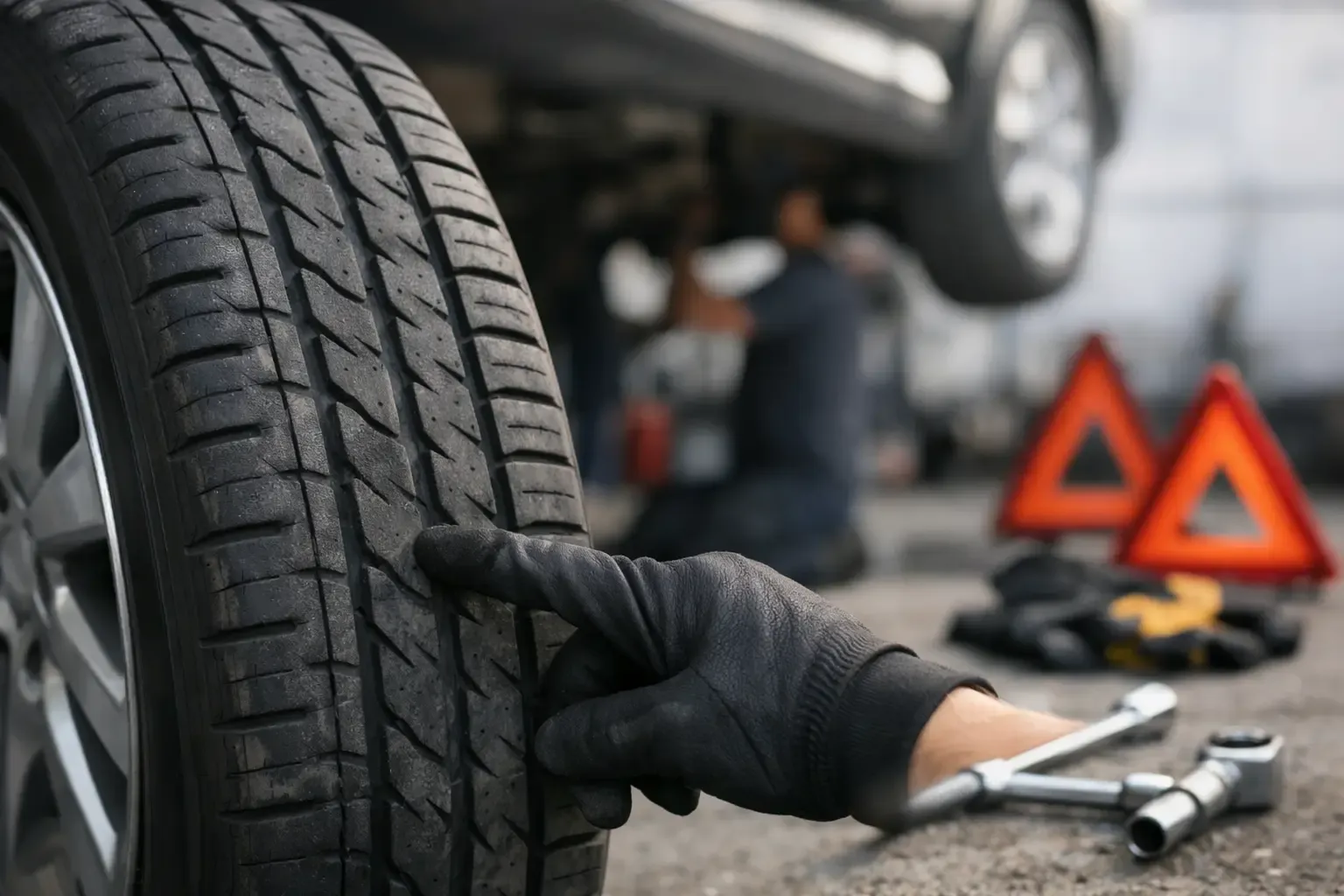
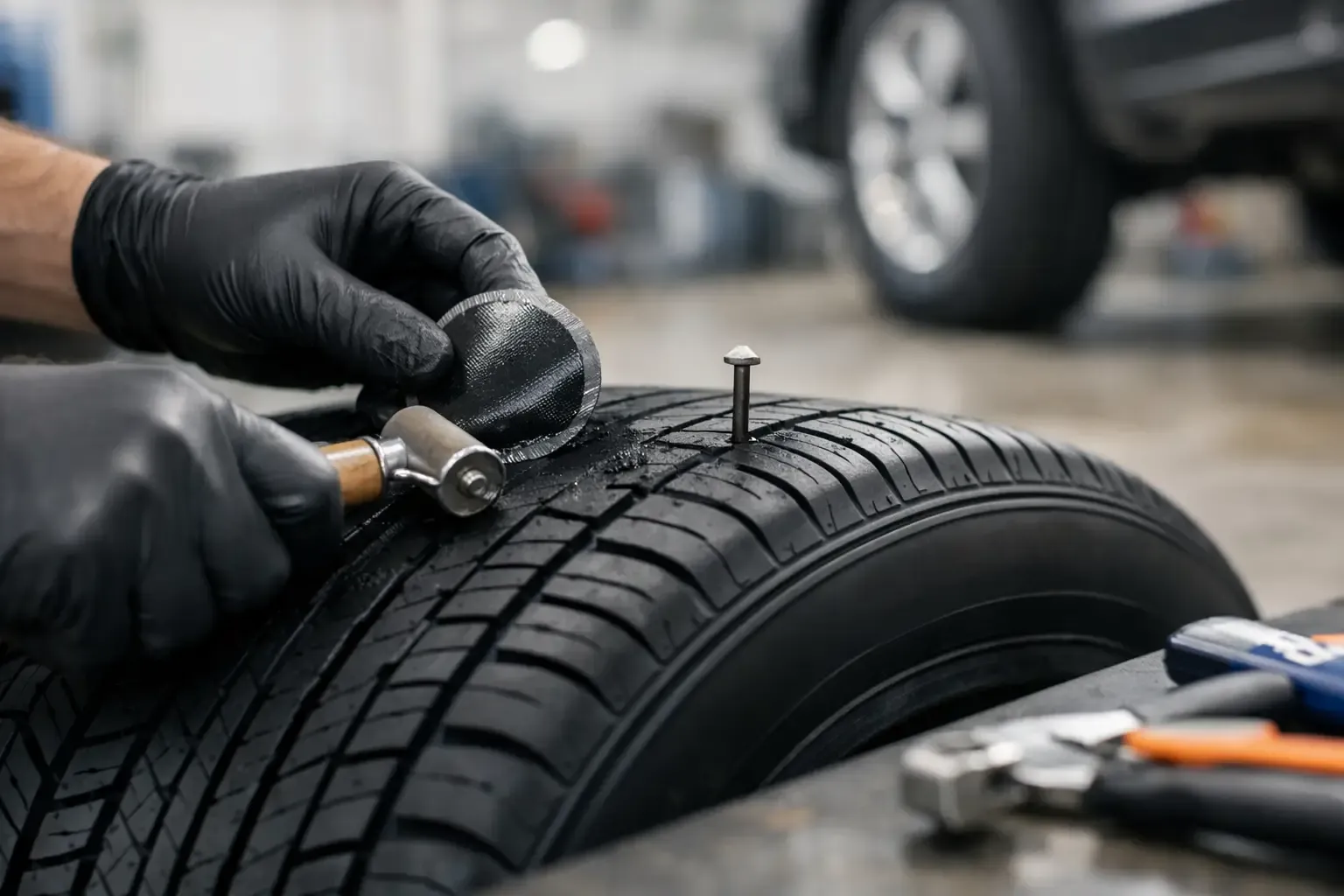
A good rotation appointment should involve more than changing tire positions. Before moving the tires, the technician should inspect tread depth across each tire, look for nails or other puncture concerns, check sidewalls for damage, and verify inflation pressure. The condition of the valve stems and tire pressure monitoring system sensors also matters.
Uneven tread can tell a useful story. Wear concentrated in the center may point to overinflation. Excessive wear along both outer shoulders can indicate low pressure. Feathering, cupping, or one-sided wear may be connected to alignment, worn suspension components, or an imbalance issue.
Rotation cannot correct those conditions by itself. It can prevent wear from becoming concentrated in one location, but it does not replace wheel balancing, alignment, proper inflation, or repairs to worn steering and suspension parts. Treating a rotation as part of a complete tire check is the better way to protect tread life.
Balancing, Alignment, and Rotation Serve Different Purposes
These services are often grouped together, but they solve different problems. Wheel balancing addresses weight distribution around the tire and wheel assembly. A wheel that is out of balance may create vibration, especially at highway speeds, and can contribute to irregular tread wear.
Wheel alignment adjusts the angles at which the tires meet the road. If the steering wheel is off-center, the vehicle pulls to one side, or one edge of a tire is wearing faster than the other, an alignment inspection at an alignment shop is a smart next step.
Rotation spreads normal wear, balancing smooths out vibration, and alignment corrects geometry that can rapidly damage tread.
If you feel a new vibration, notice pulling, or see uneven tread after a recent pothole strike, do not assume a rotation alone will solve it. Addressing the underlying issue early can save a tire that still has plenty of usable tread remaining.
Keep Tire Pressure Consistent Between Visits
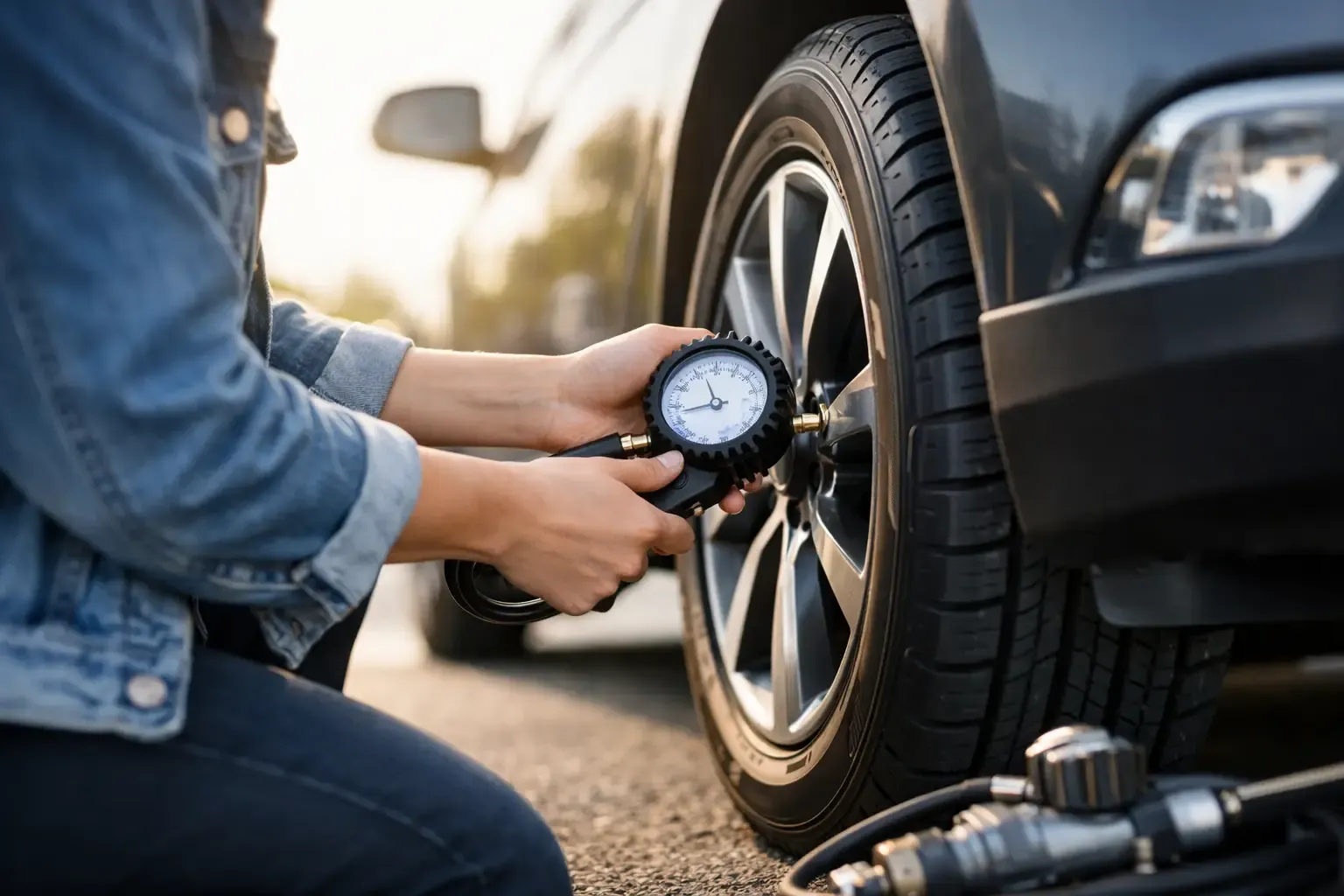
Tire pressure has a direct effect on tread wear, fuel efficiency, ride quality, and braking performance. Check it at least once a month and before long trips, using the pressure listed on the vehicle's driver-side door placard. That number, not the maximum pressure molded onto the tire sidewall, is typically the correct cold inflation target for your vehicle.
Temperature swings can lower tire pressure without an obvious visual change. A tire can be underinflated enough to wear its shoulders faster while still appearing normal at a glance. The opposite is true of overinflation, which can place more of the vehicle load on the center of the tread.
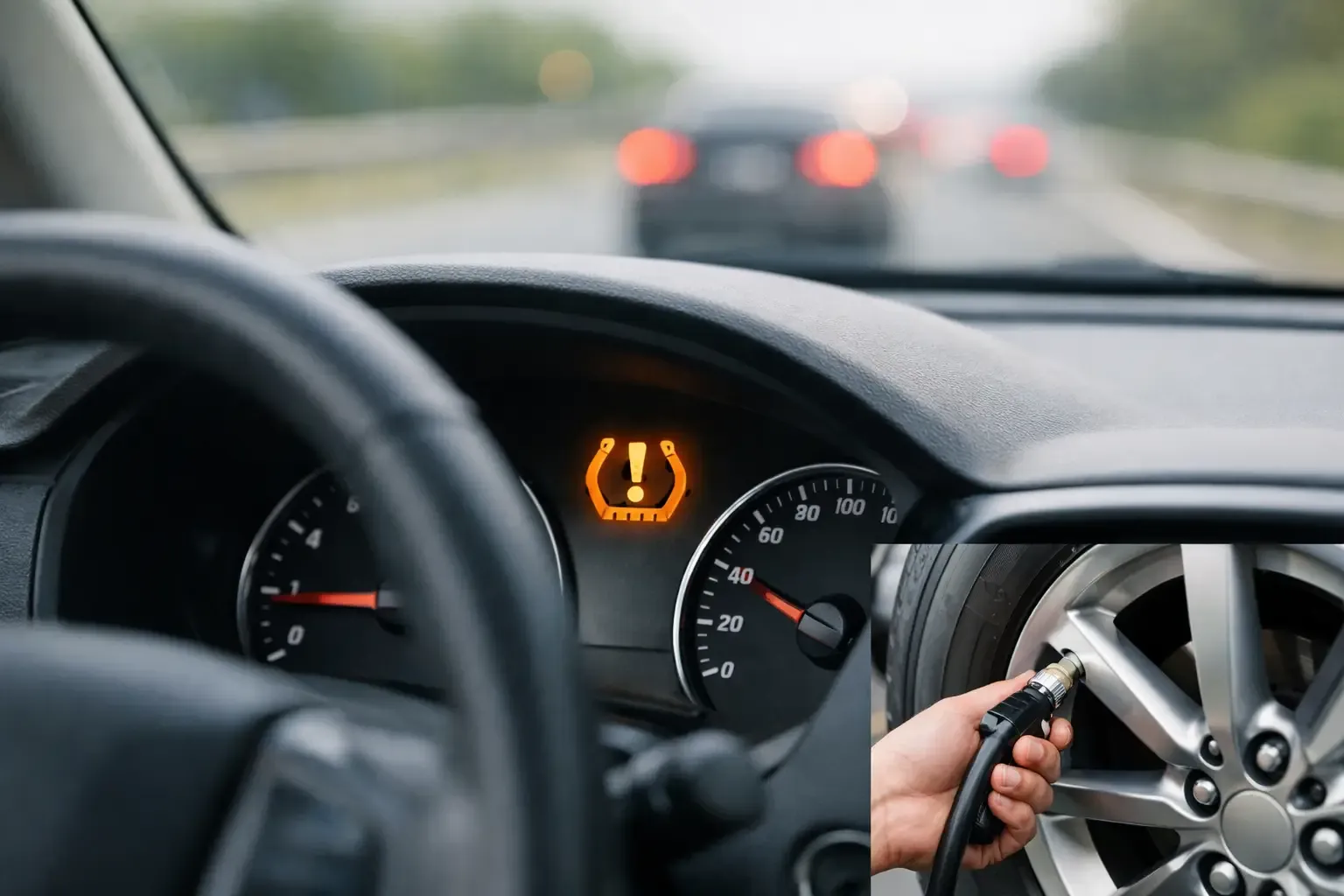
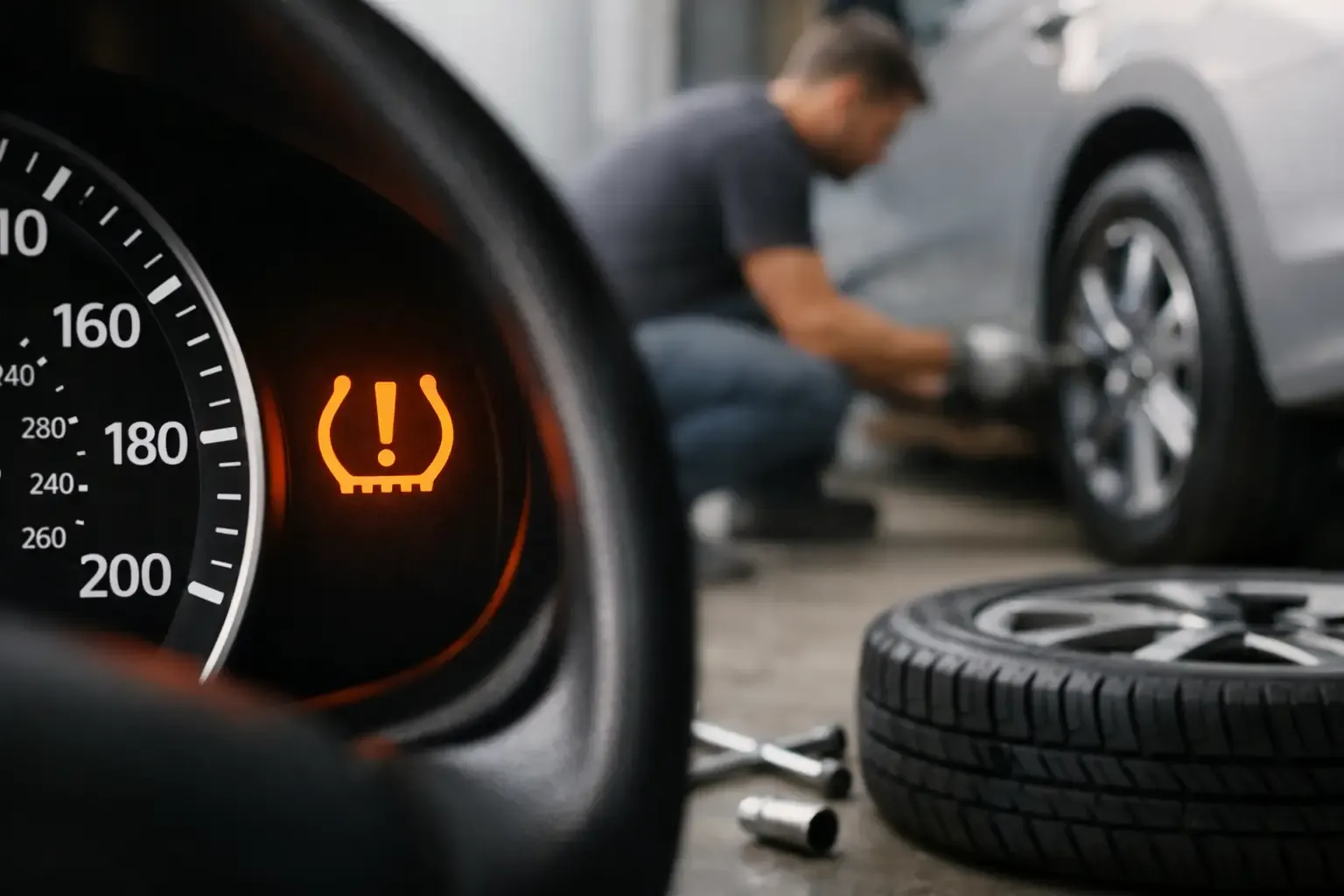
If your TPMS warning light comes on, check pressures promptly and inspect the tires for a possible puncture. Adding air may be the solution, but repeated pressure loss needs professional attention. Driving on a low tire can create internal damage that is not always visible from the outside.
Special Considerations for All-Wheel-Drive Vehicles
All-wheel-drive systems deserve extra attention because they often perform best when all four tires remain close in overall tread depth and rolling circumference. A significantly more worn tire can rotate at a slightly different speed than the others, placing additional stress on drivetrain components in some vehicles.
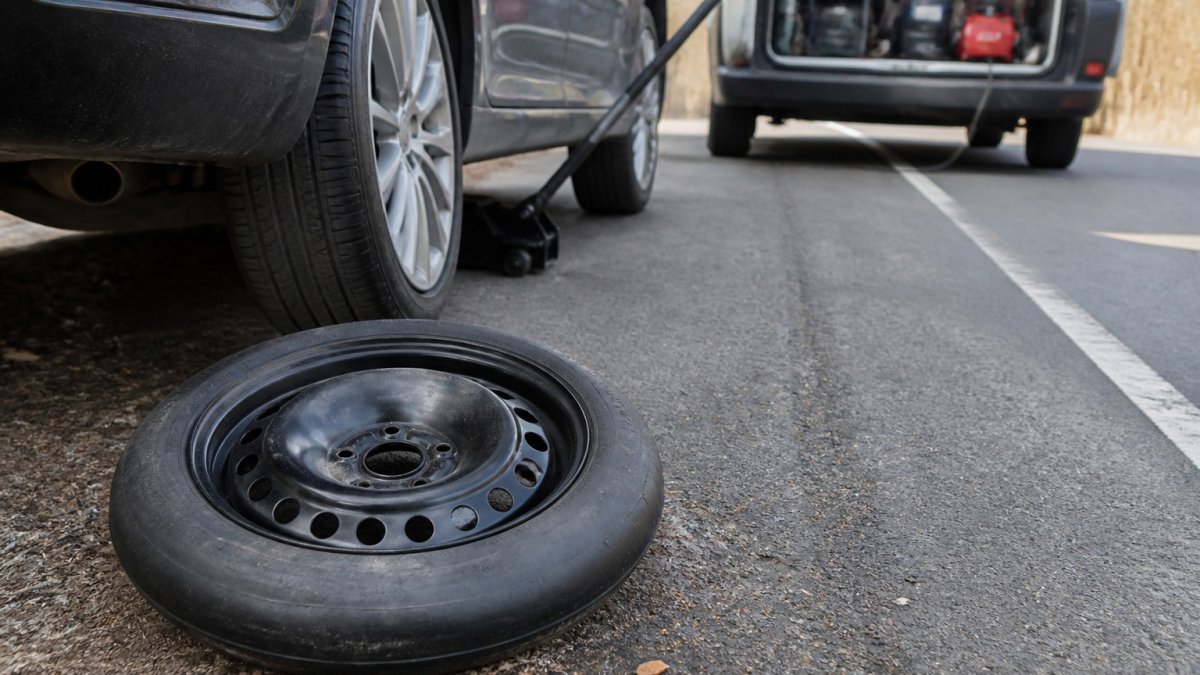
Consistent rotation helps keep the tires wearing evenly from the beginning. If one tire is damaged beyond repair, check the vehicle manufacturer's guidance before replacing only one tire. Depending on the vehicle and the tread remaining on the other tires, matching the replacement tire or replacing more than one may be necessary to protect the system.
This is not a reason to delay routine maintenance. It is a reason to be more disciplined about it. A regular rotation schedule is especially valuable for drivers who rely on all-wheel drive during wet weather and winter conditions.
Make Rotation Easy to Keep Up With
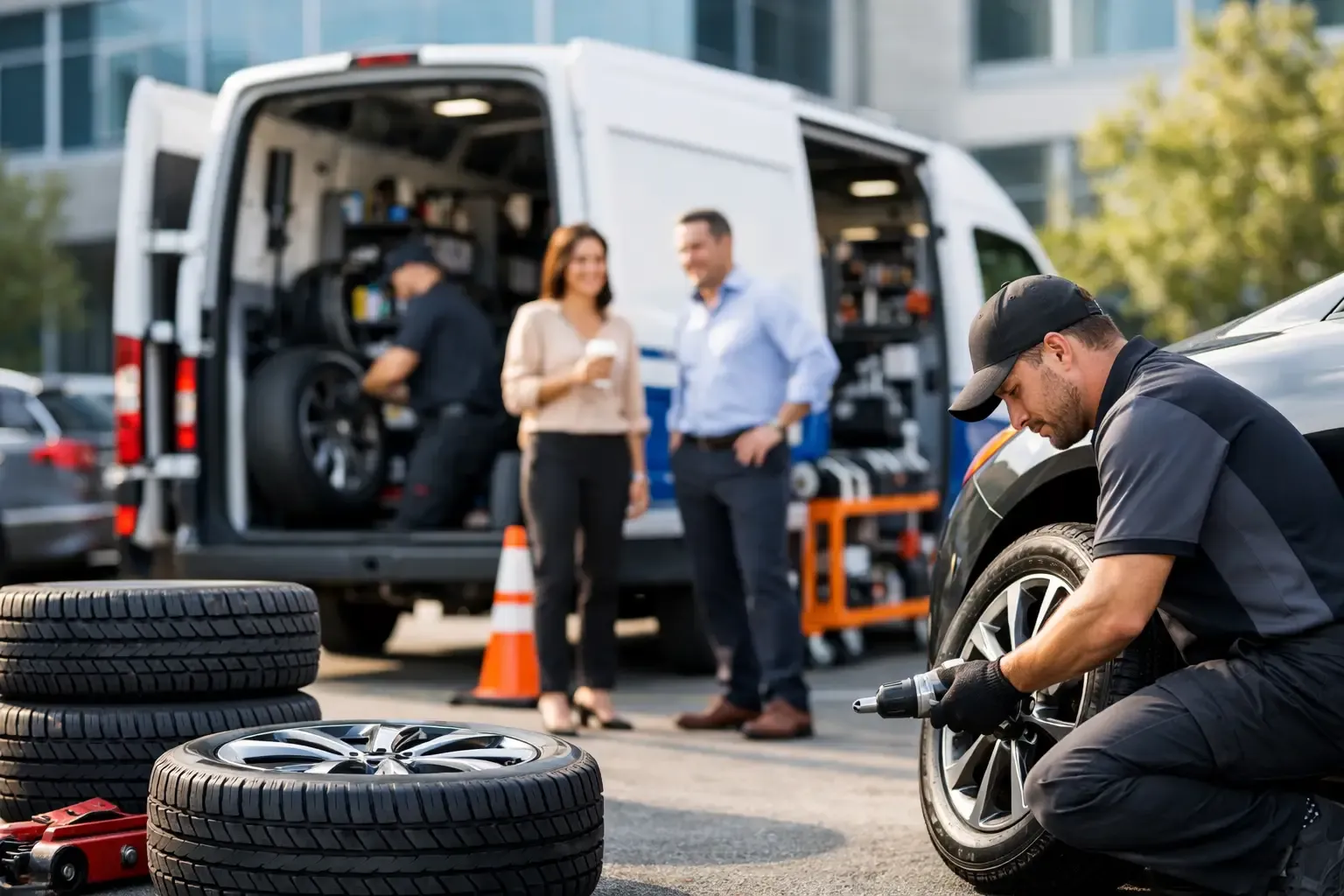
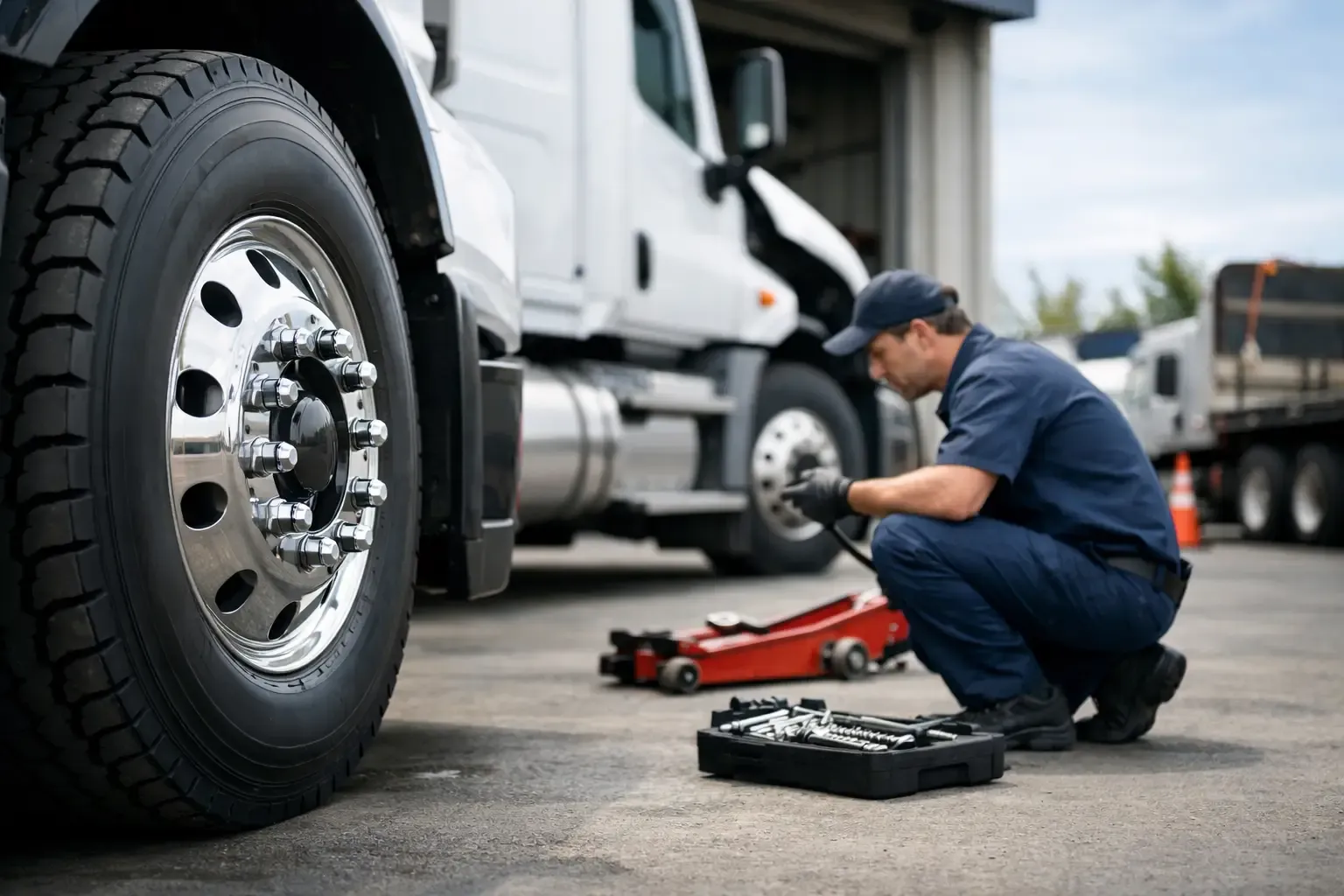
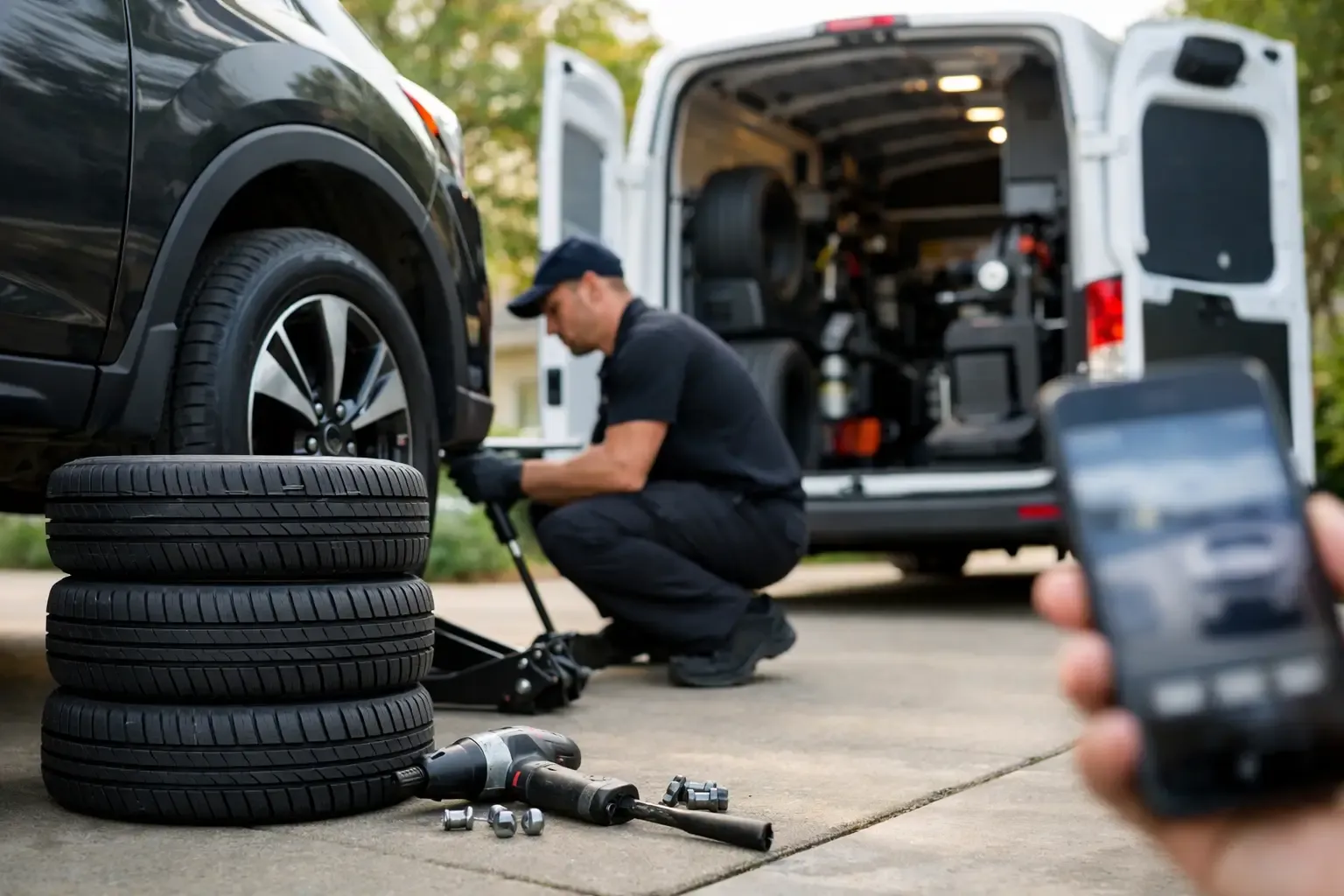
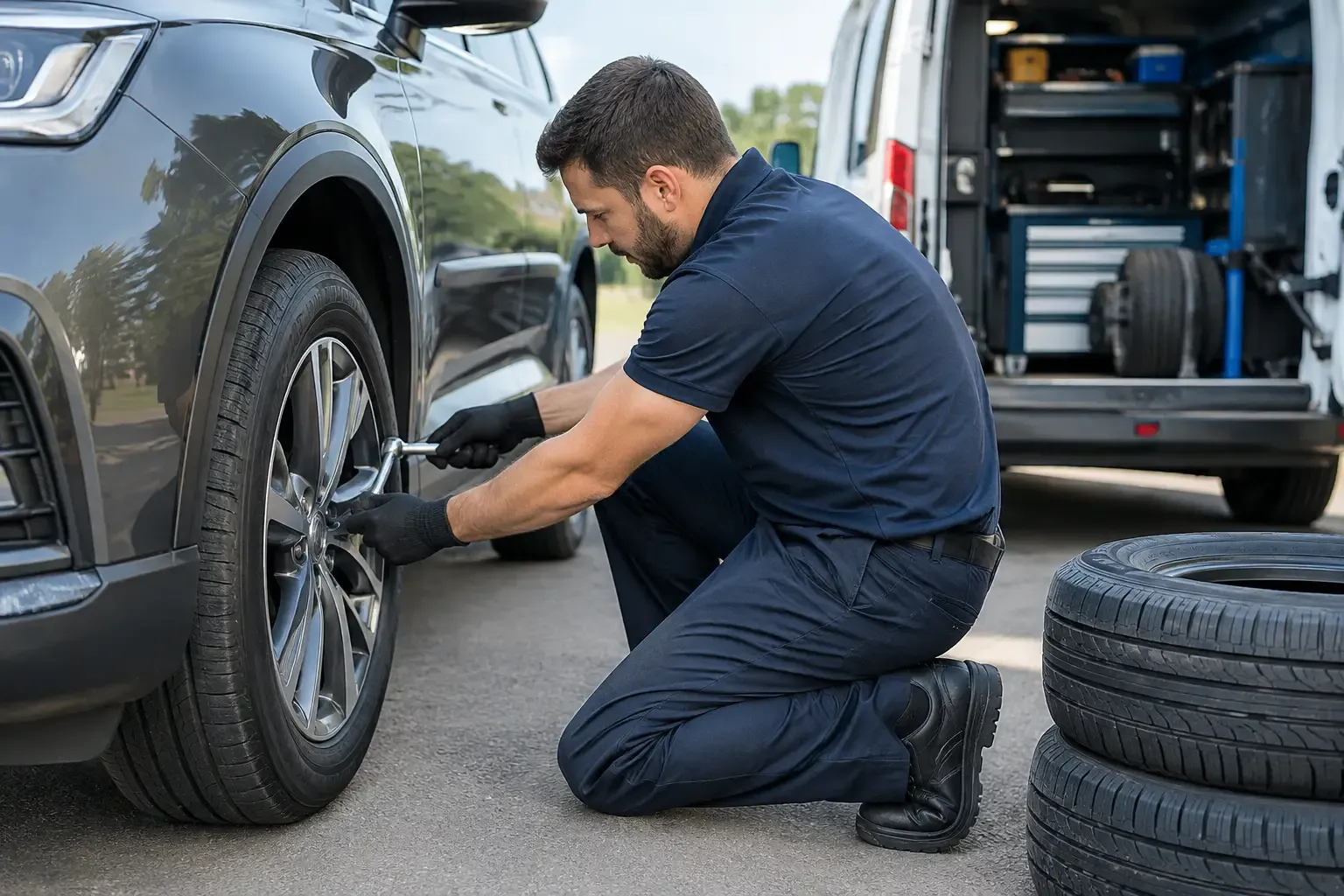
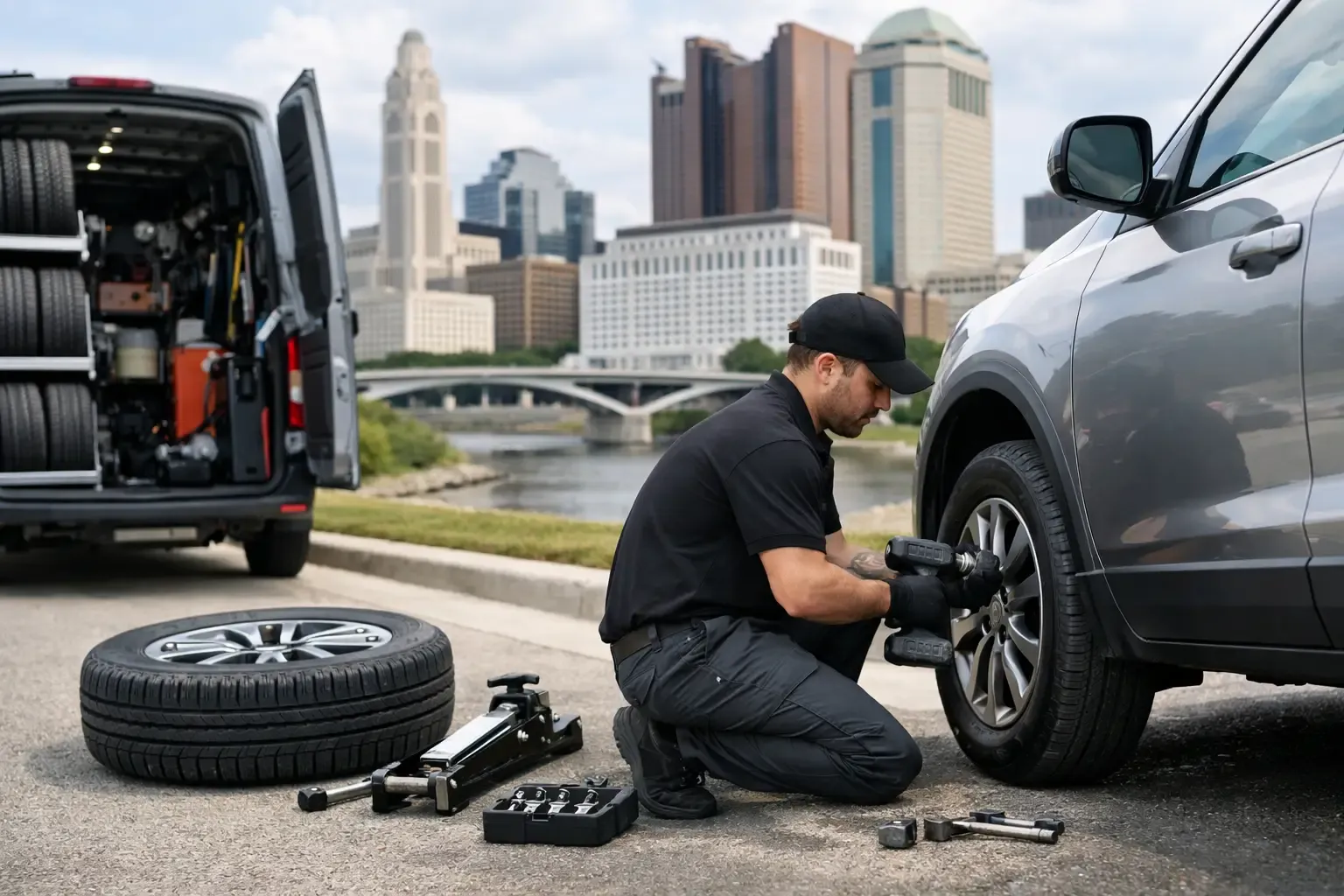
The biggest obstacle to tire maintenance is usually not the service itself. It is finding time to get it done. A mobile appointment can make routine rotation and tire inspection easier to schedule at home or work, without adding a waiting-room visit to an already full day.
Elite Mobile Tire serves drivers around Columbus 24/7 with on-site tire services designed to keep maintenance practical and straightforward. When scheduling service, have your vehicle year, make, model, tire size, and any concerns about vibration, pressure loss, or uneven wear ready to share. That gives the technician a clearer starting point and helps ensure the right service is performed.
A rotation takes little time compared with the inconvenience of premature tire replacement or a traction problem that could have been avoided. Check your mileage, look closely at your tread, and schedule service before uneven wear gets the chance to take over.
Ready for a new set? Elite Mobile Tire is open 24/7 and installs 2 or 4 new tires right in your driveway or parking lot anywhere around Columbus, Obetz, Groveport, Grove City, and Reynoldsburg. Financing is available through Afterpay and Acima with up to 24-month payment plans. Call 614-344-5010 or visit elitemobiletire.com to book.