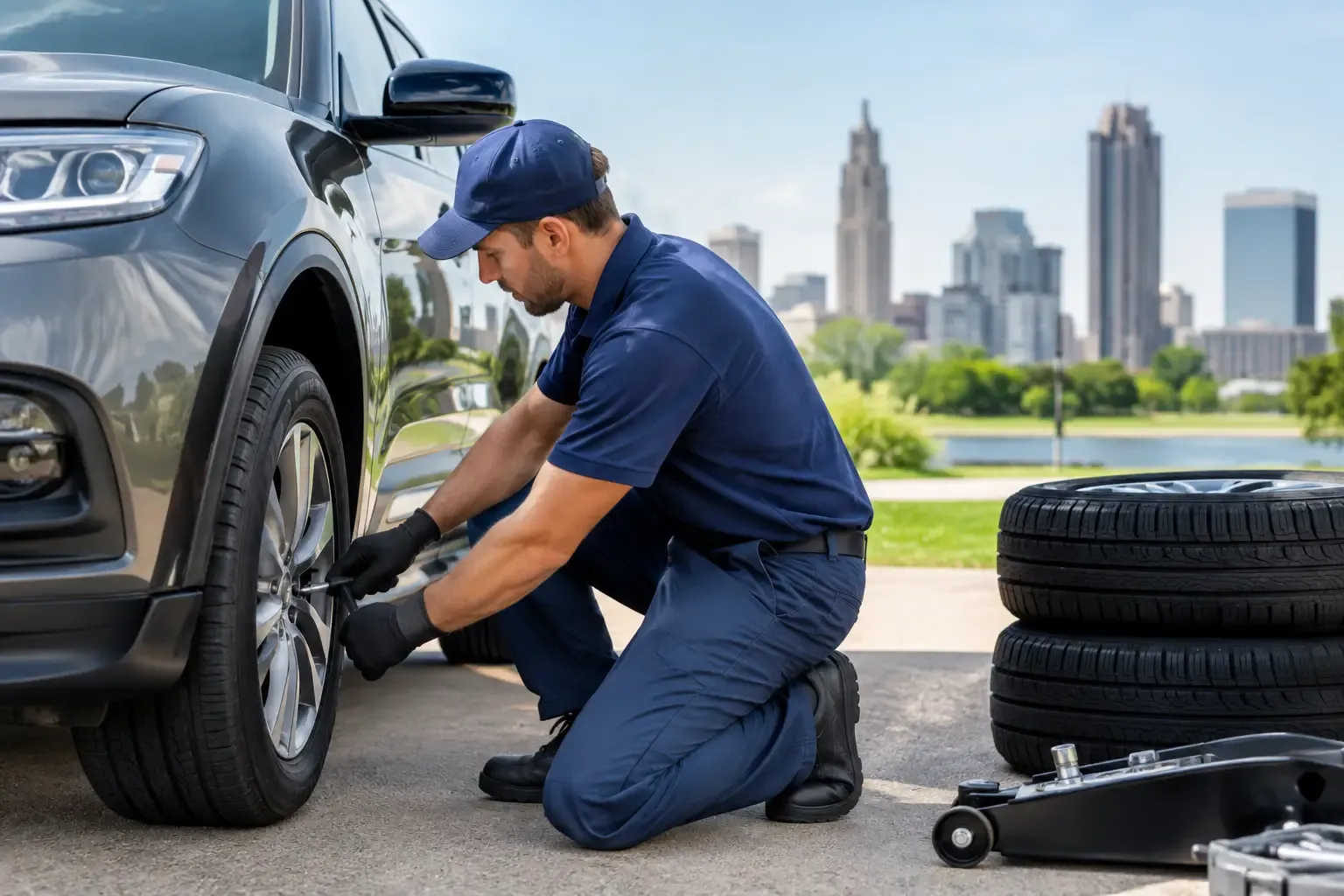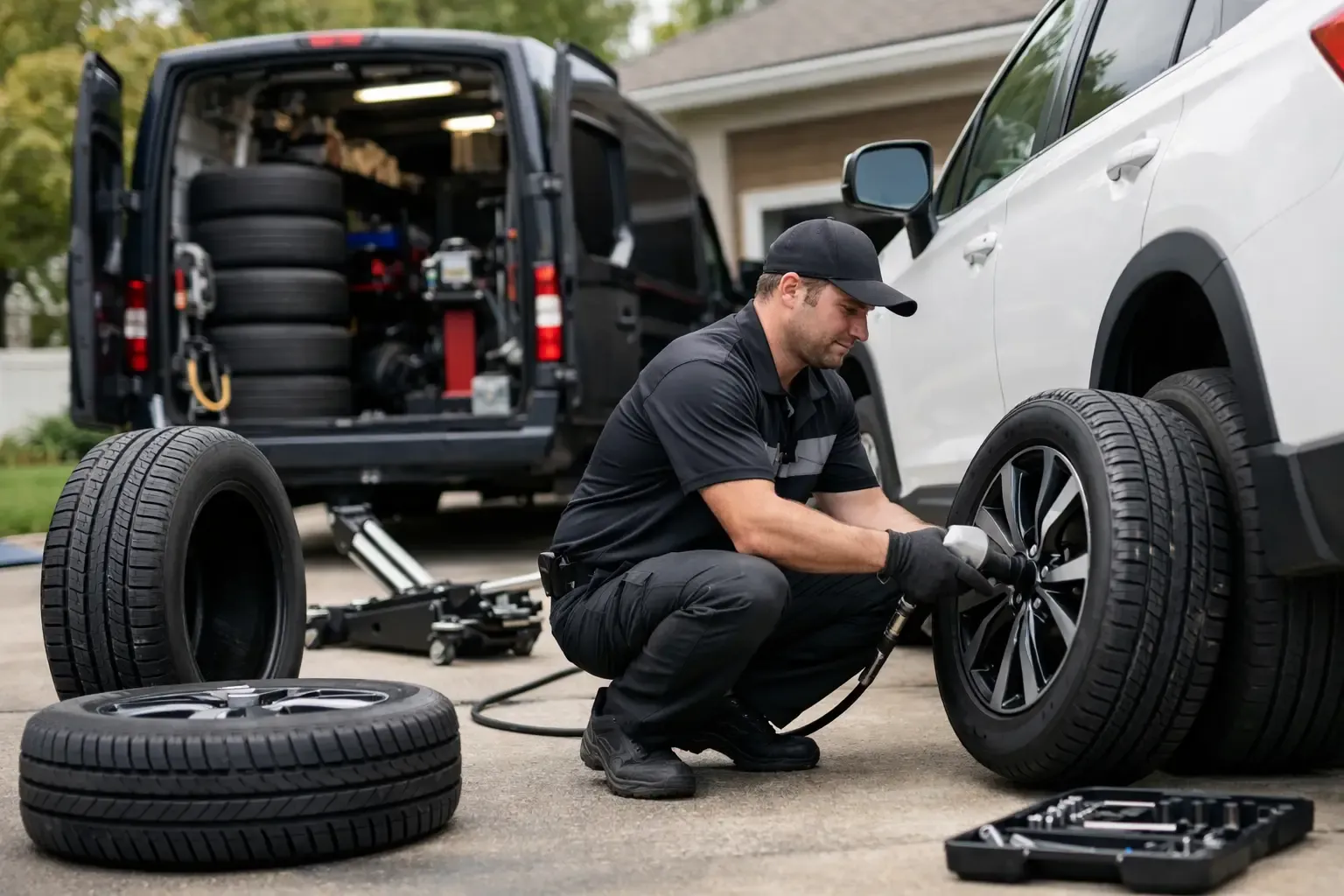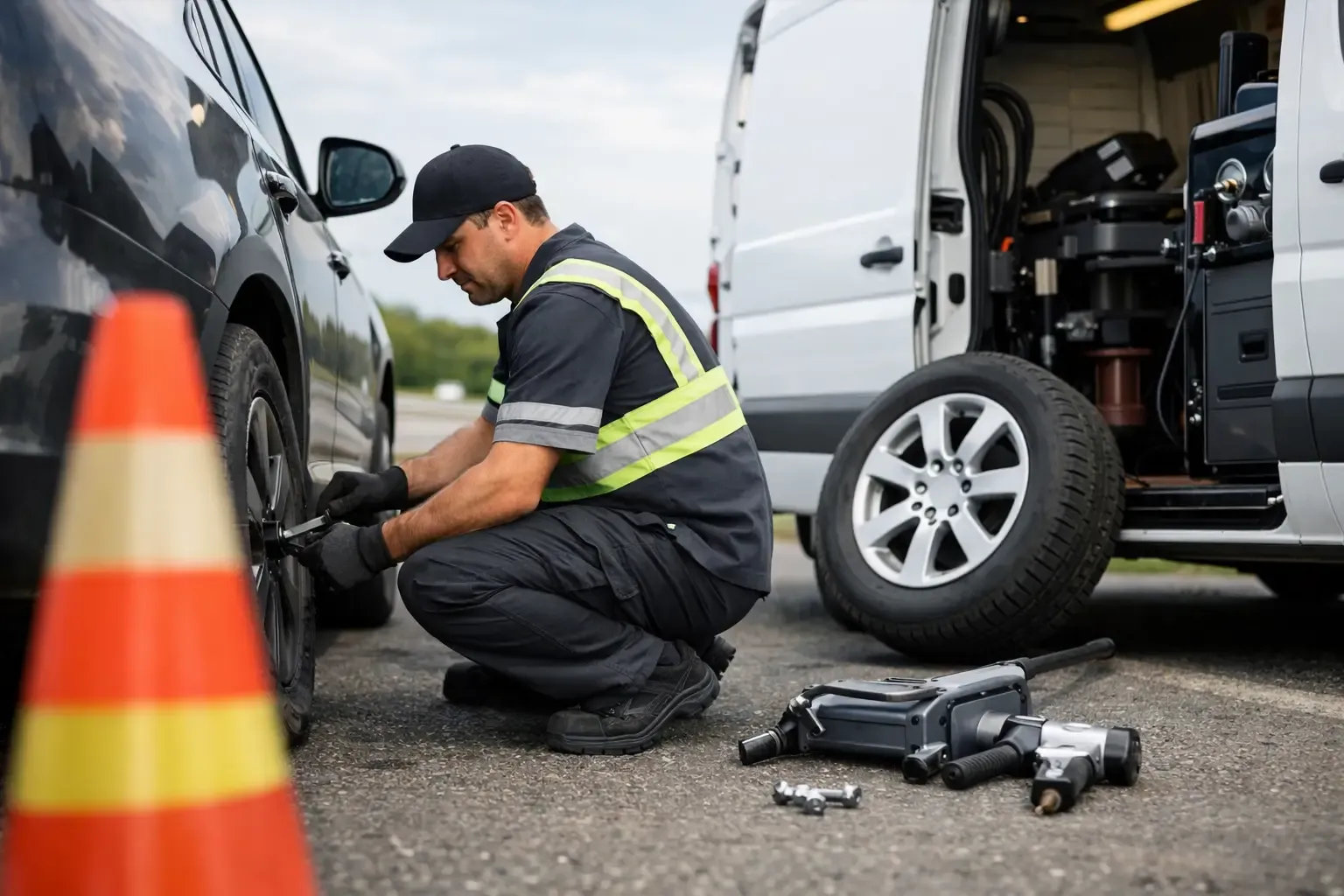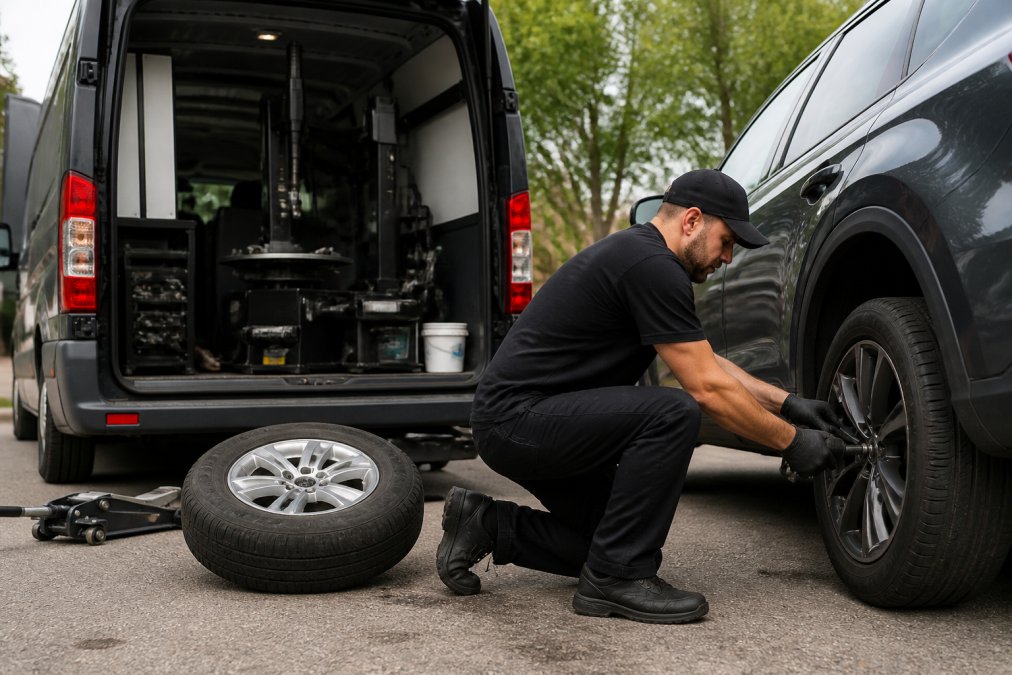
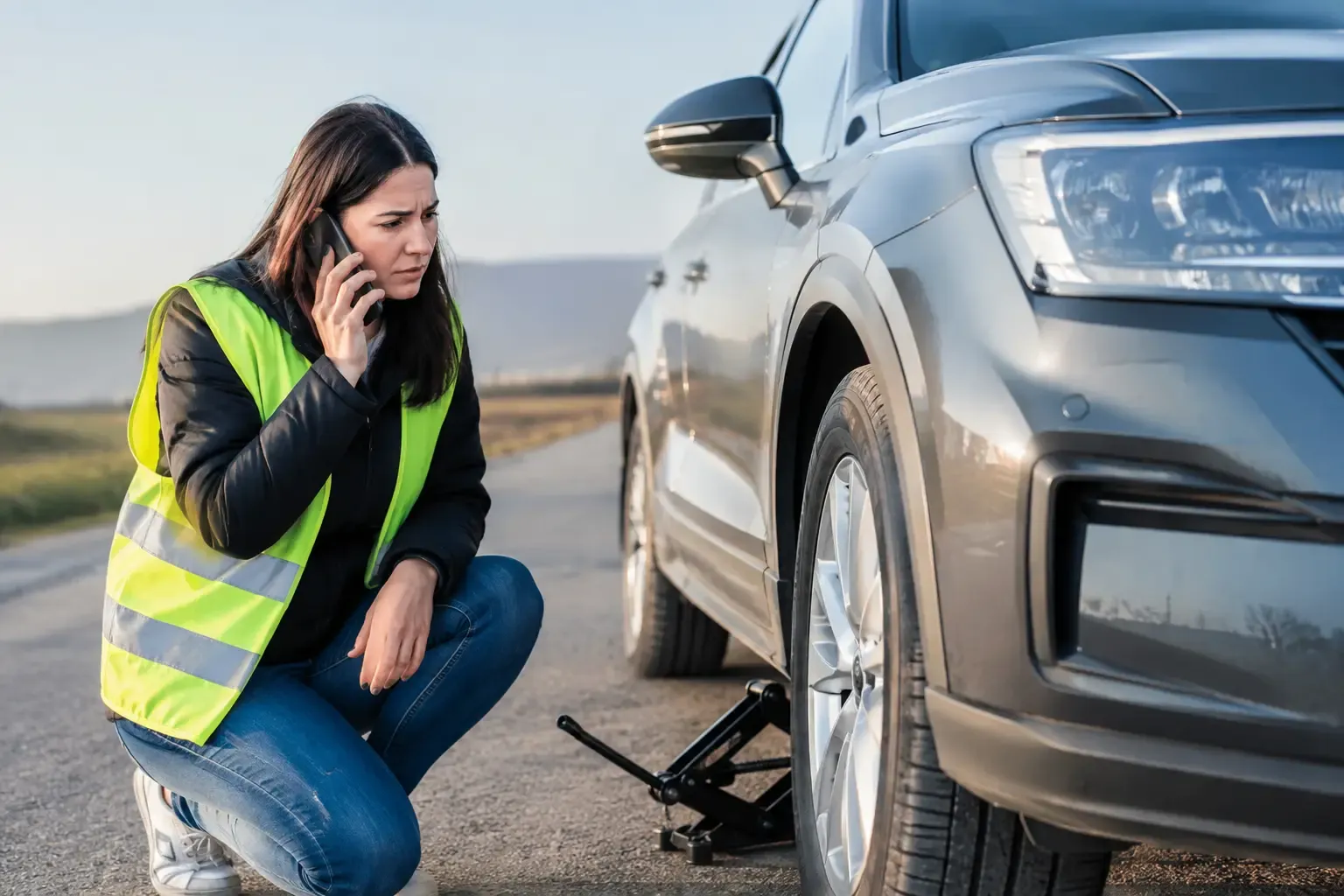
A flat tire in a work parking lot. A battery that will not start in your own driveway. A warning light and a vehicle that suddenly feels unsafe to drive. Roadside assistance is meant for these moments, when getting help where your vehicle sits is safer and more practical than trying to solve the problem alone.
The best response is not always the fastest-looking one. Driving on a flat tire, using an unreliable spare for too long, or accepting help from someone without the right equipment can turn a manageable issue into wheel, tire, or vehicle damage. A qualified mobile technician can assess the situation, explain the next step clearly, and help you get moving without adding a tow or a long tire-shop wait to your day.
What Roadside Assistance Can Handle
Roadside service covers the common problems that leave a vehicle temporarily unable to move. The right service depends on the vehicle, its location, and the condition of the tire or battery.
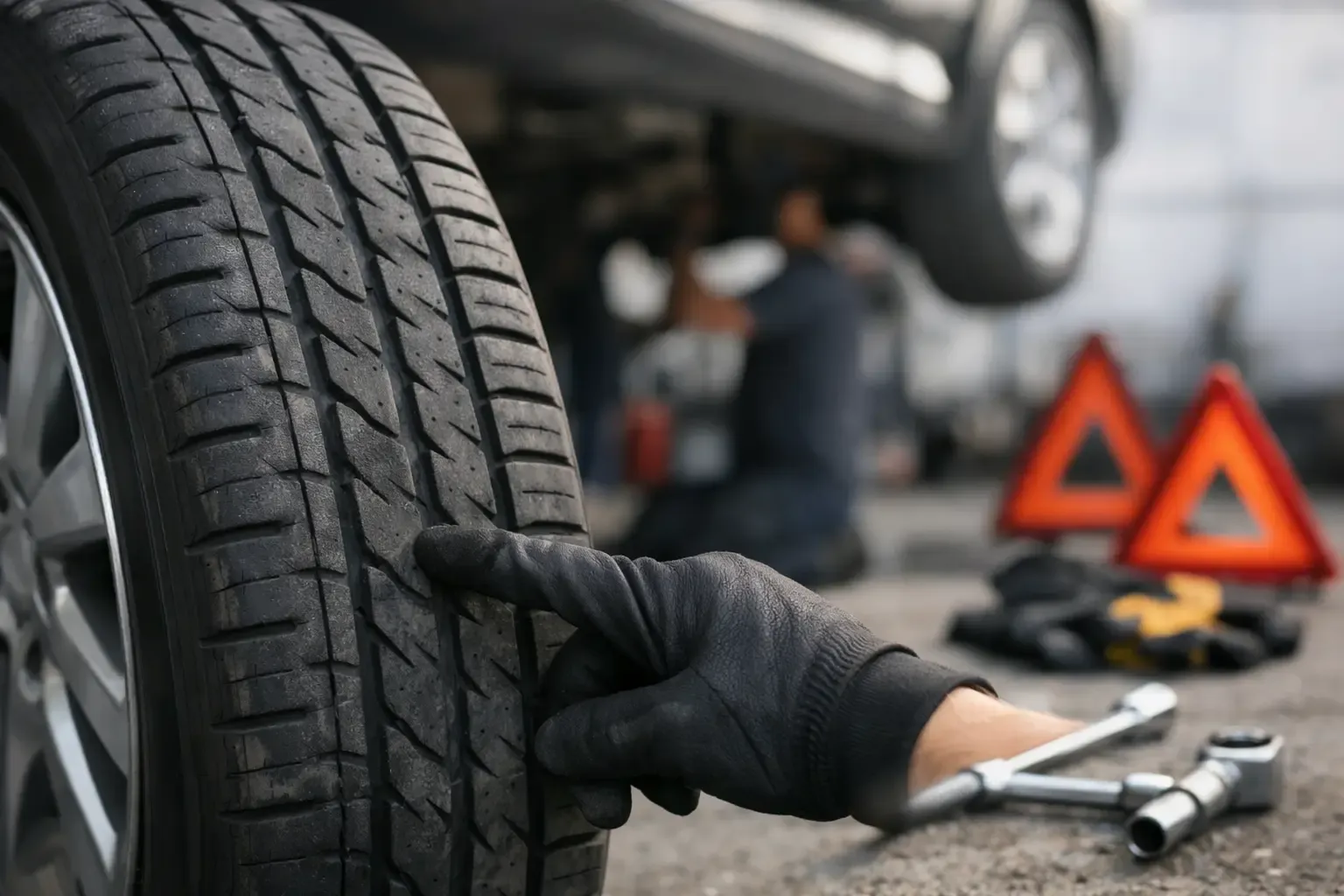
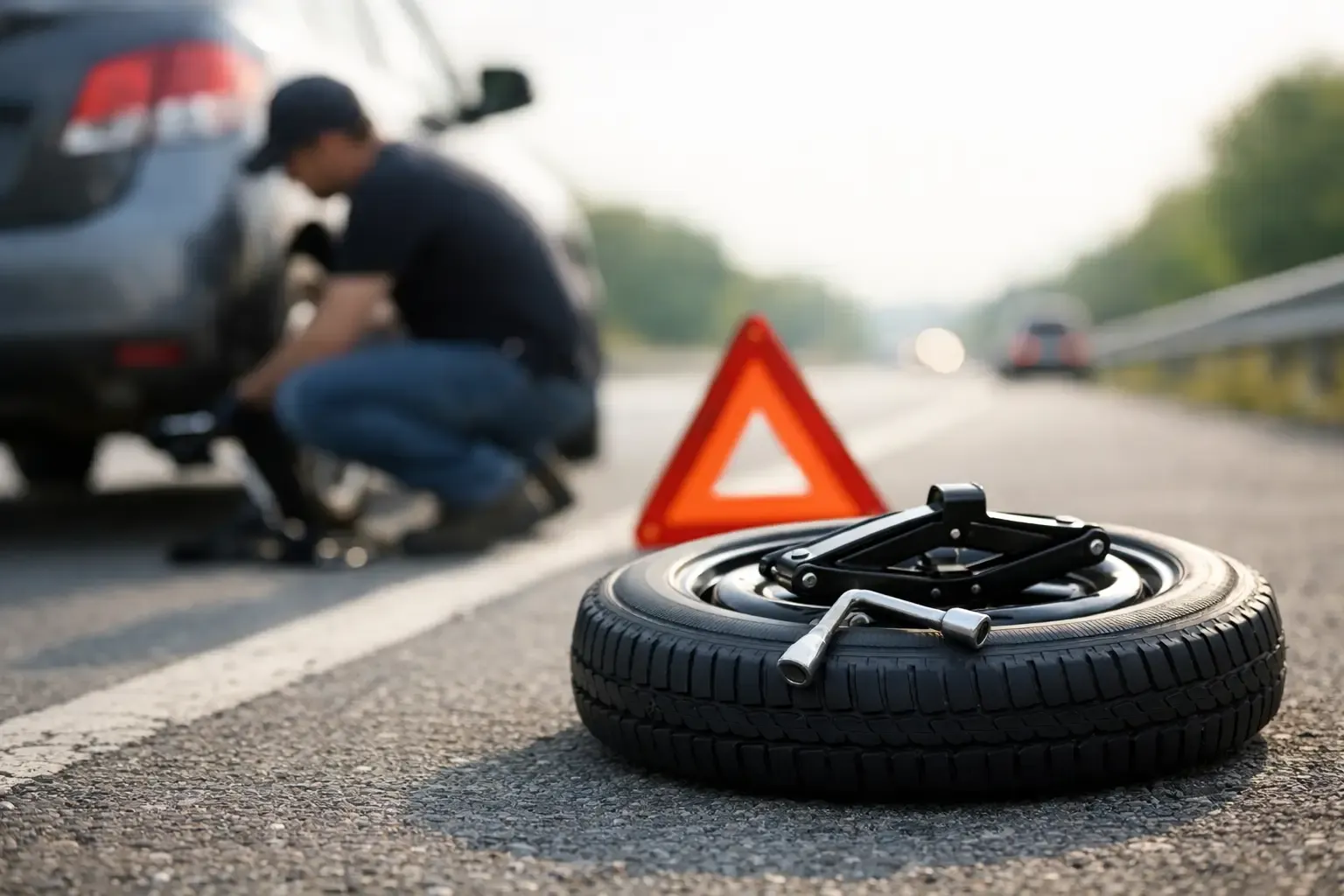
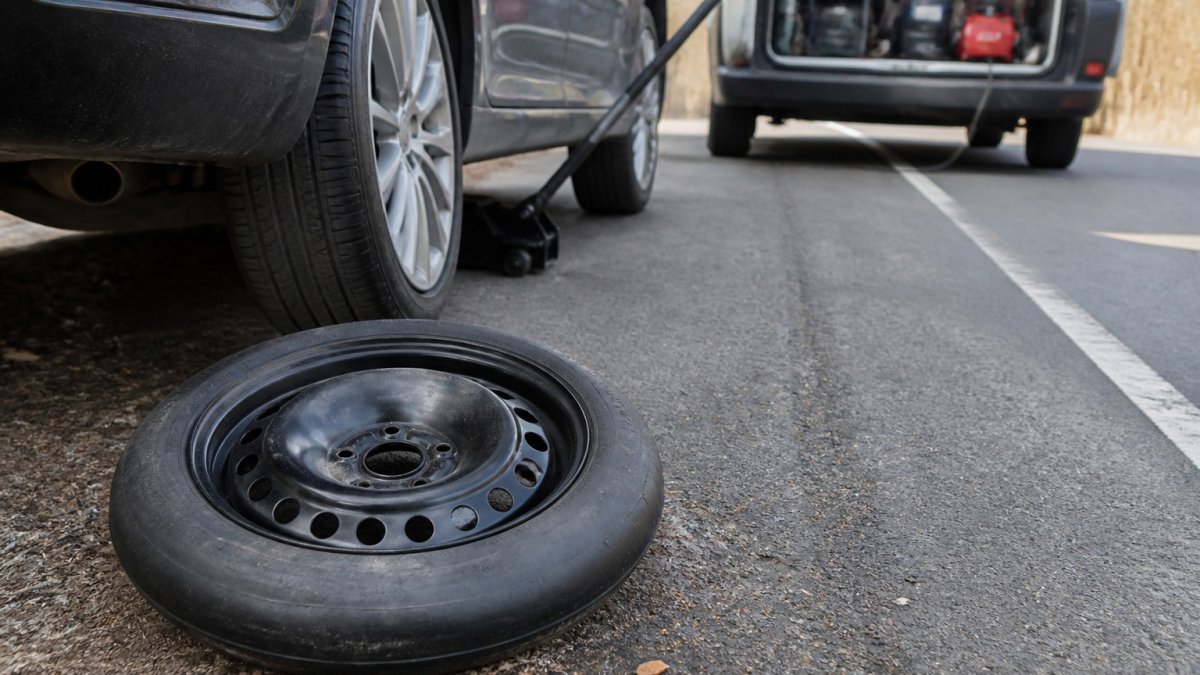
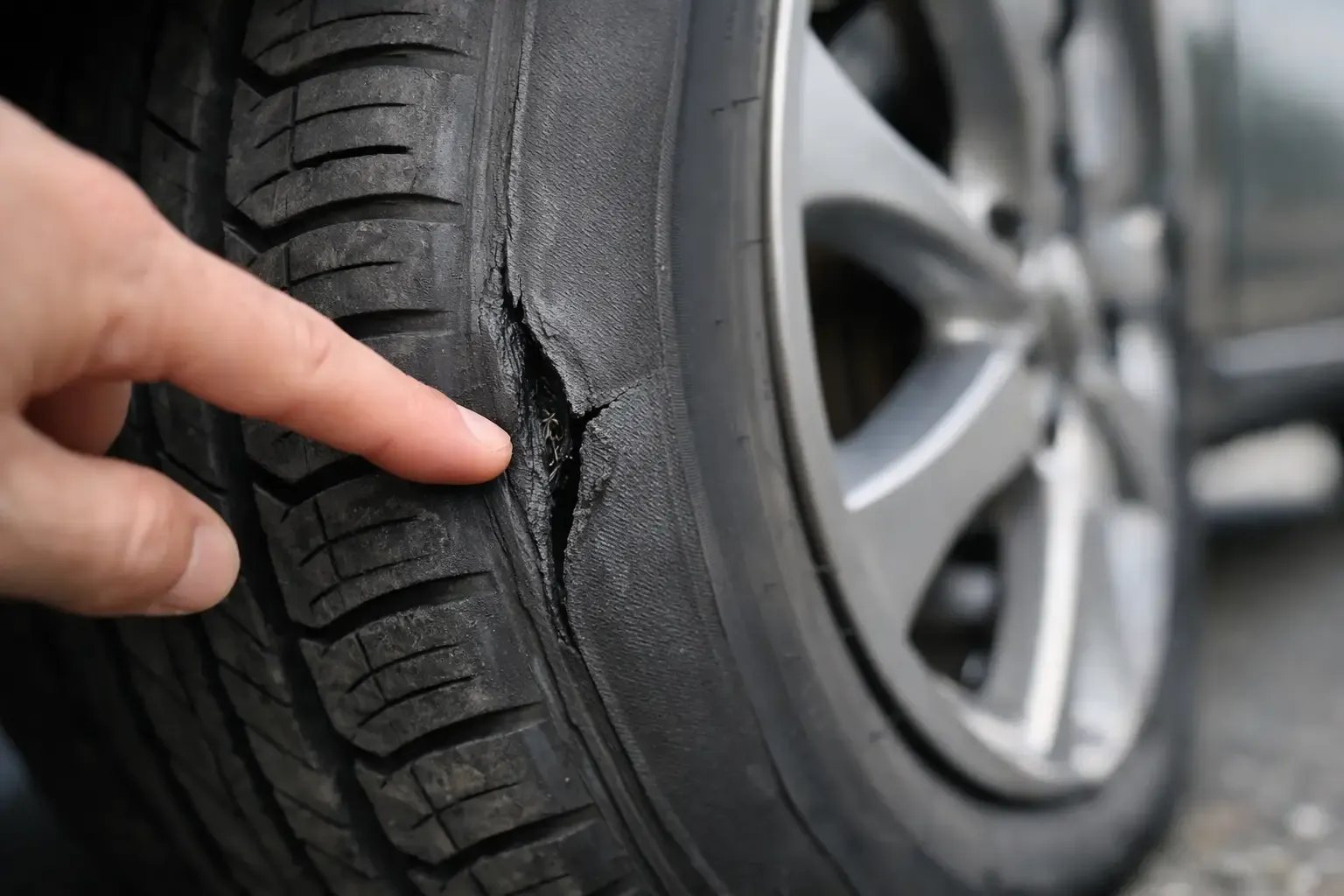
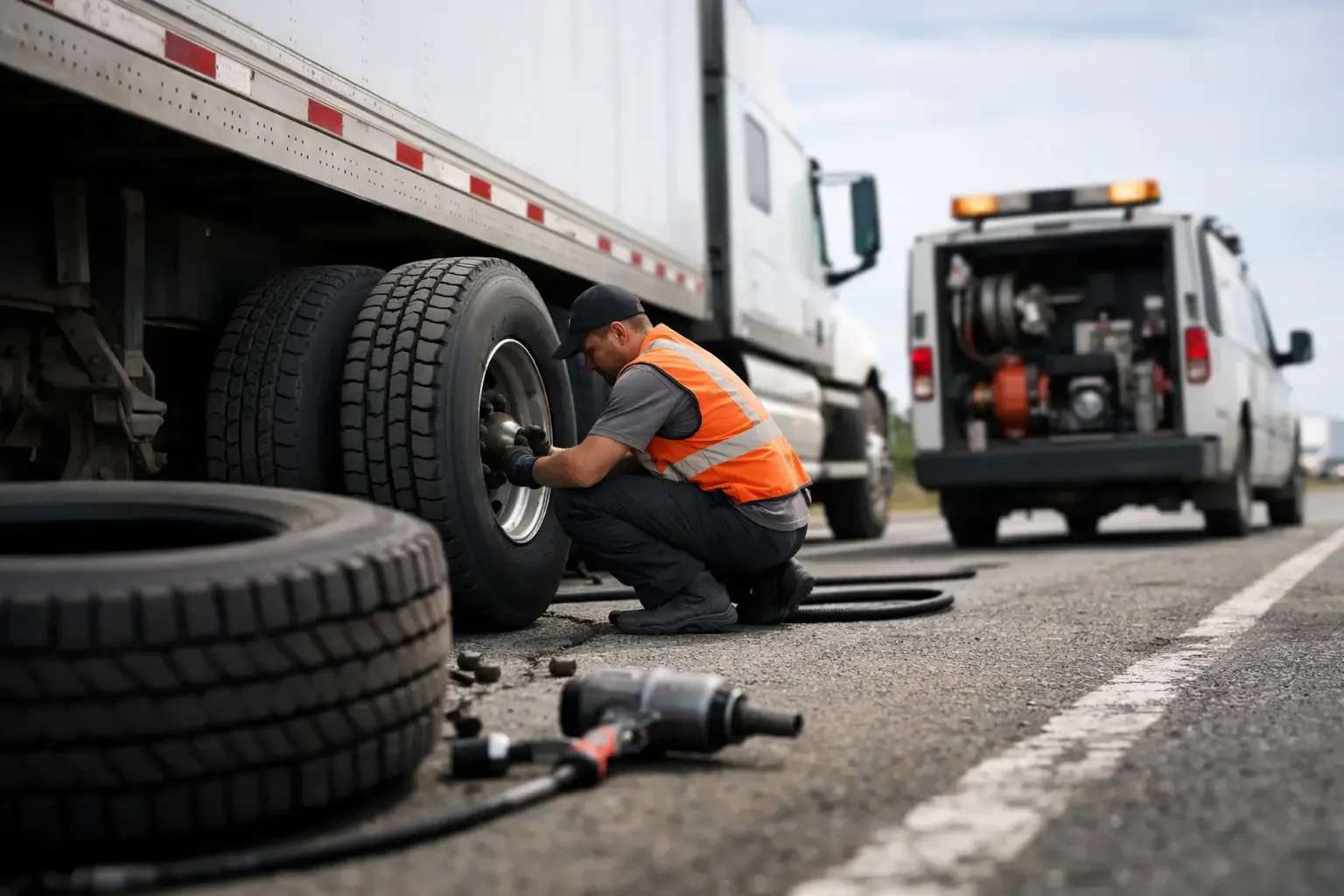
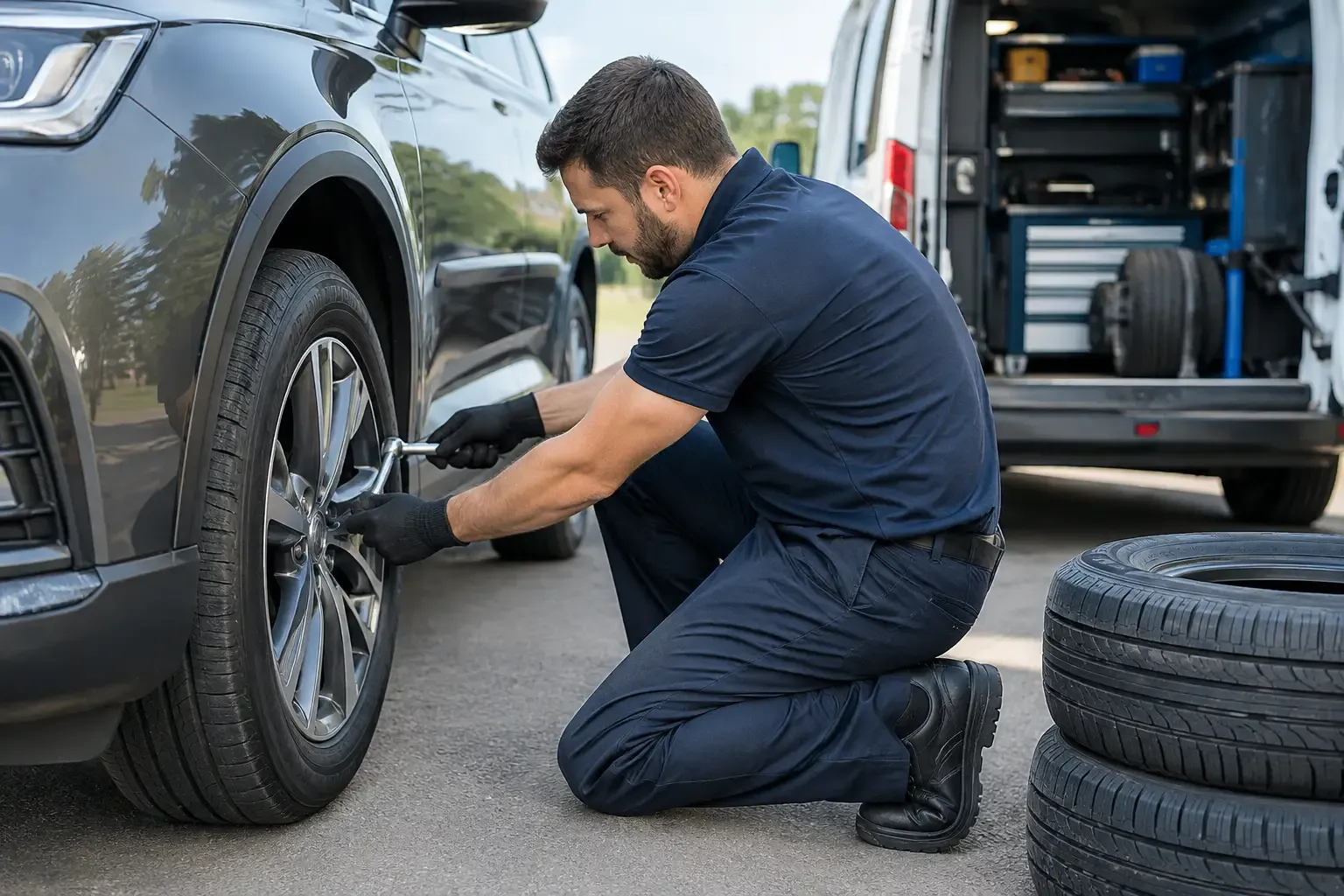
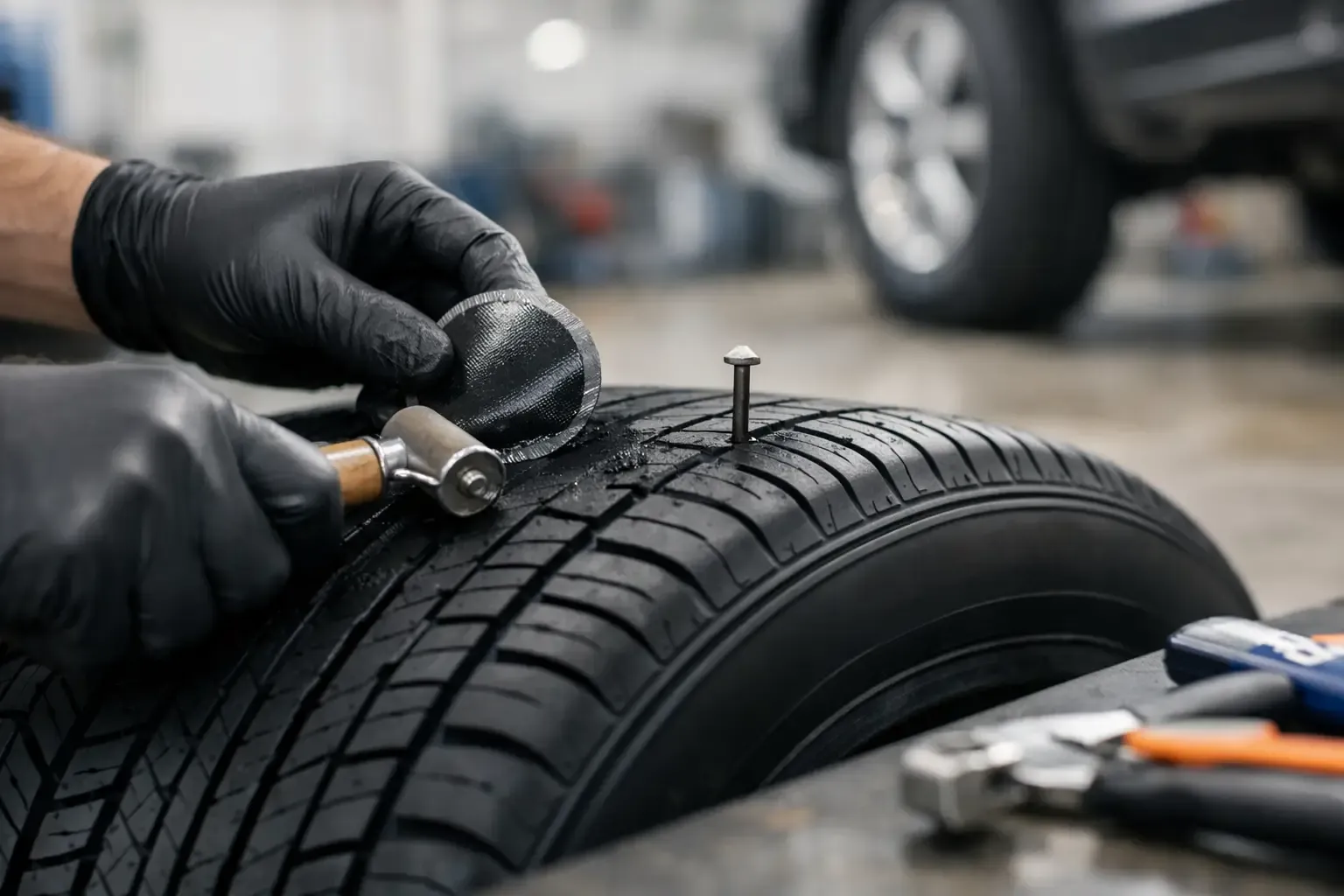
A flat tire is one of the most frequent calls. If a puncture is in the repairable area of the tread and has not caused internal damage, a technician may be able to repair it. If the tire is damaged beyond repair, a spare tire change or a replacement tire installation may be the safer solution. Damage to a sidewall, a large puncture, or a tire driven while flat often requires replacement rather than repair.
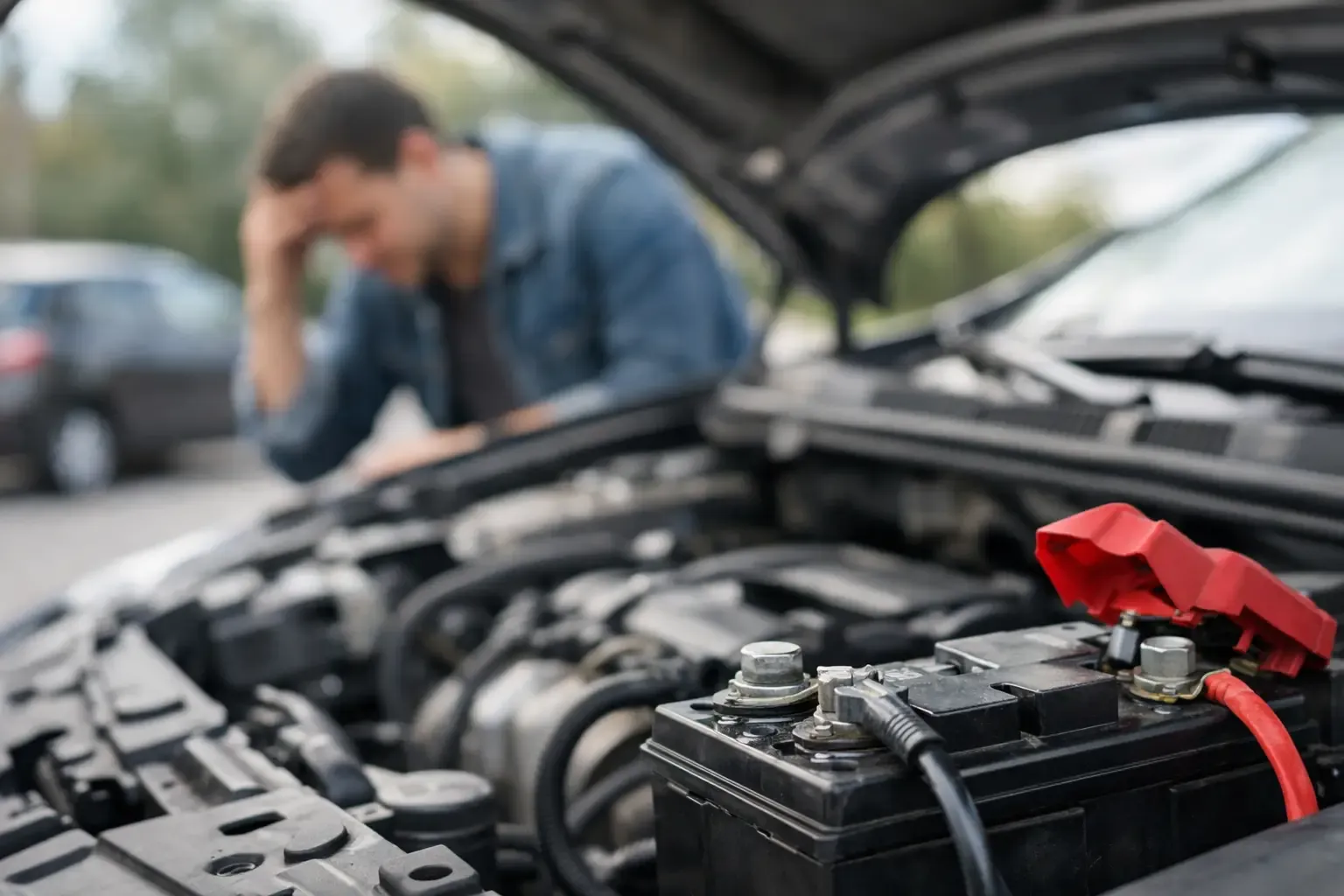
Dead batteries are another common reason drivers need help. A jumpstart can get many vehicles running again, but it does not always identify why the battery failed. An older battery, loose connection, charging-system issue, or interior light left on can all cause a no-start condition. If the vehicle starts after a jump but continues to struggle, arrange for further battery and charging-system testing soon.
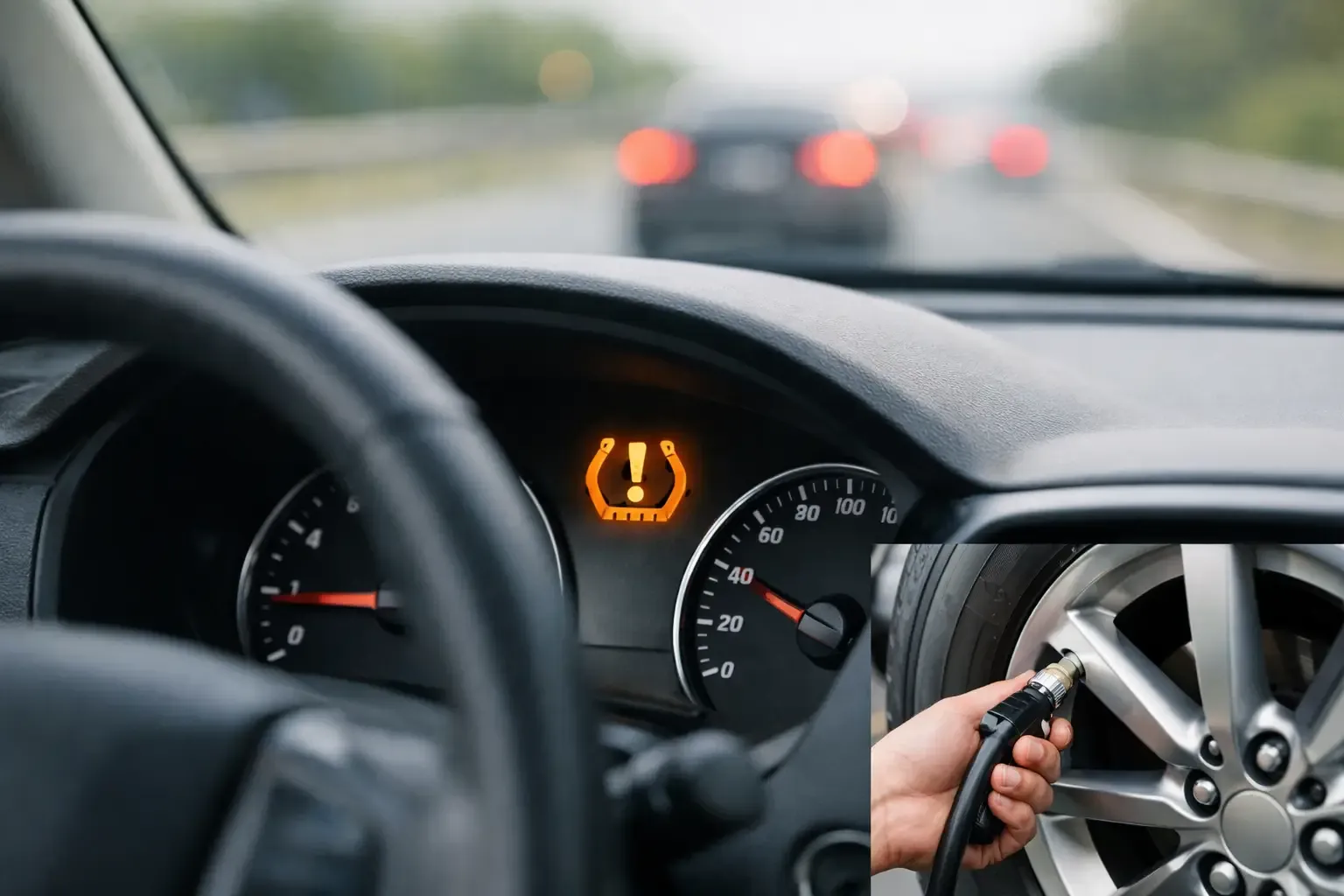
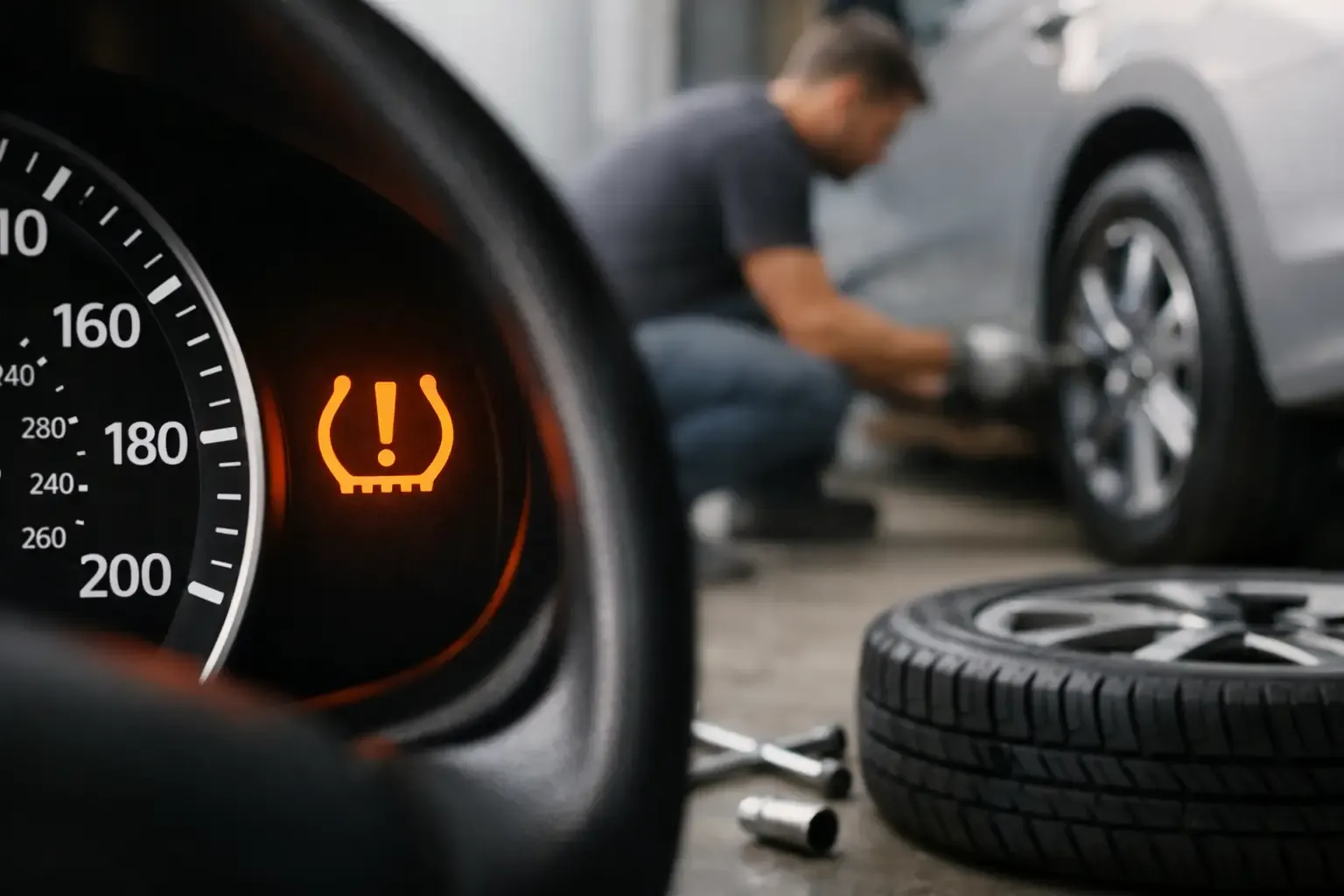
Mobile roadside support may also include tire balancing after installation and TPMS resets when appropriate. These details matter. A tire that is installed but not balanced can cause vibration, while an unaddressed tire-pressure monitoring alert can leave a driver unsure whether a warning reflects a real low-pressure issue.
What to Do Before Help Arrives
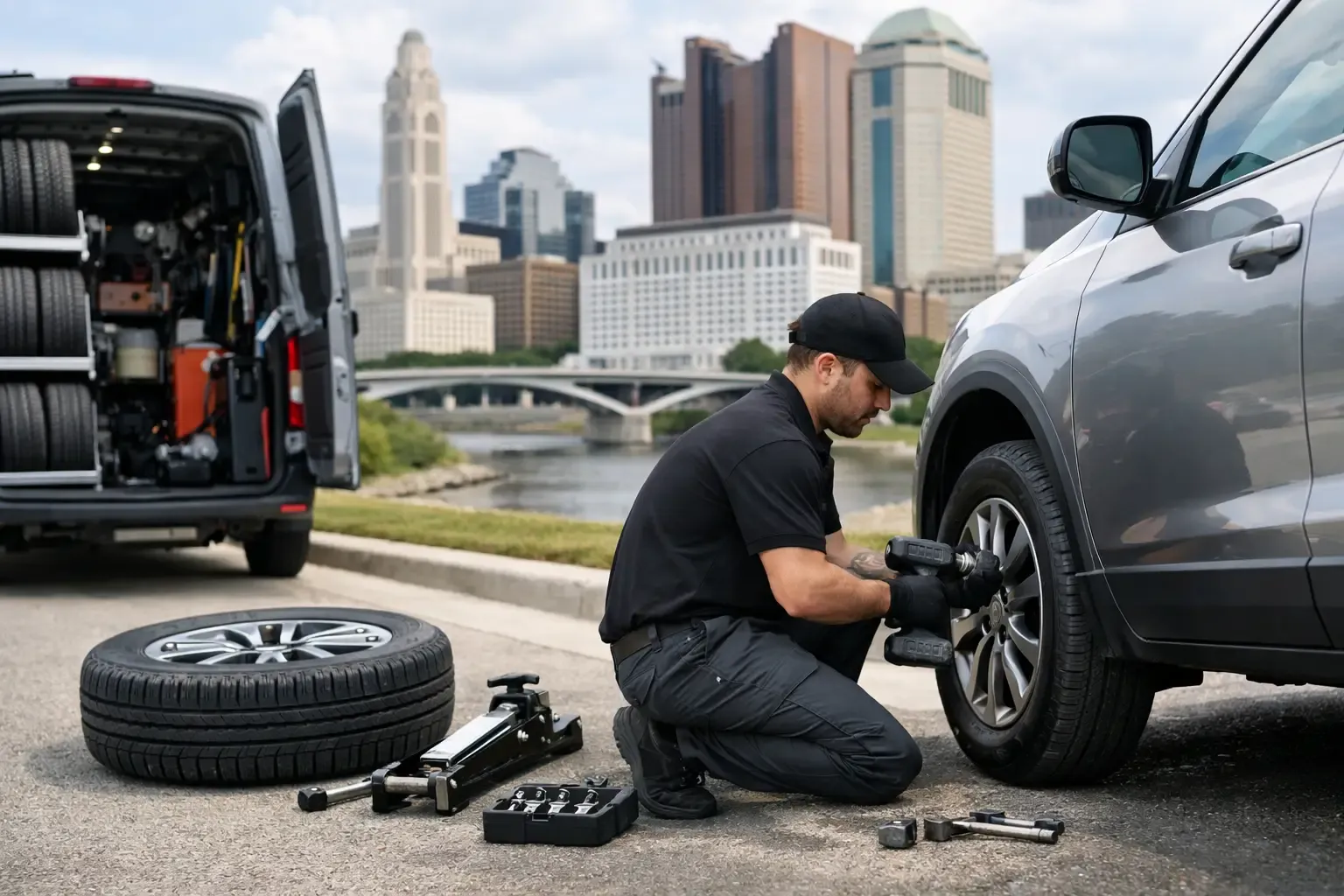
Your first priority is location safety. If you are on a busy Columbus-area roadway, move the vehicle to a safe location only if it can be done without driving on a severely flat tire or creating additional risk. Turn on your hazard lights, stay visible, and keep clear of traffic.
If you are stopped on a highway shoulder, near a blind curve, or in an area where you feel unsafe, move away from the vehicle when it is safe to do so. Call emergency services first if anyone is injured, the vehicle is creating a traffic hazard, or you believe there is an immediate danger. Roadside assistance is for vehicle support, not emergency response.
When requesting service, provide your exact location, vehicle year, make, and model, along with a clear description of the issue. Let the technician know whether you have a spare, whether the tire is completely flat, and whether your vehicle is in a garage, parking deck, workplace lot, or roadside location. This information helps ensure the technician arrives with the right tools and understands any access limitations.
It also helps to have your wheel-lock key available if your vehicle uses locking lug nuts. It is often stored in the glove box, center console, trunk, or near the spare-tire tools. Without it, removing a wheel may not be possible during the initial visit.
Roadside Assistance Is Not a Reason to Keep Driving
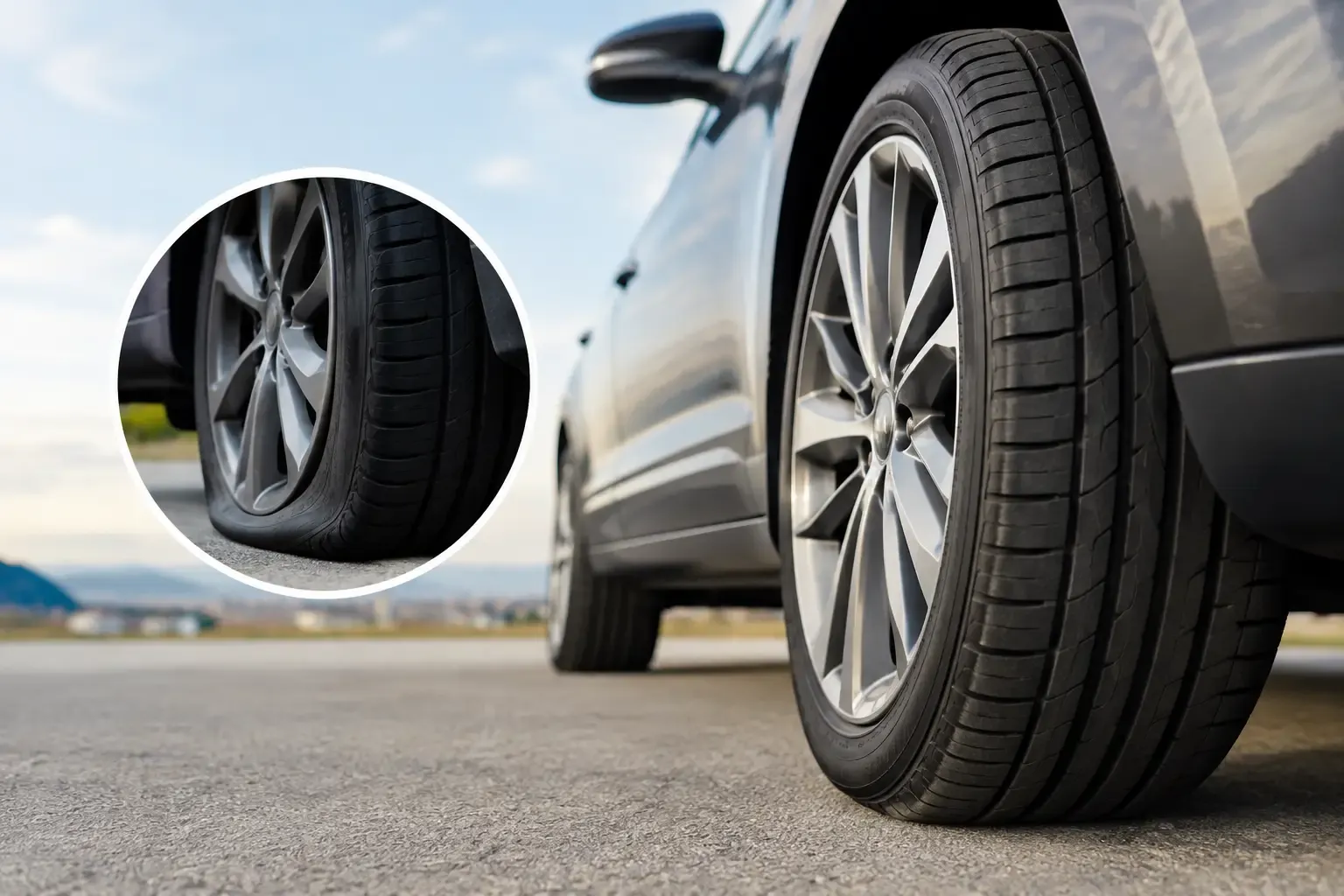
Some drivers try to reach a tire store on a low tire because the destination seems close. That choice can be costly. A tire can lose its structural integrity quickly when driven with little or no air, even for a short distance. The rim may also contact the pavement, creating a risk of wheel damage and a sudden loss of control.
The same applies to a temporary spare. A compact spare is designed to help you reach a repair or replacement service, not to become a long-term driving solution. It usually has speed and distance limitations, offers less traction than a standard tire, and may affect how the vehicle handles. Check the instructions on the spare or in your owner’s manual before driving.
There are times when a tow is the better answer. If the vehicle has collision damage, a bent wheel, multiple damaged tires, overheating, smoke, leaking fluids, steering problems, or an issue beyond a tire or battery concern, do not assume roadside service can safely resolve it. A dependable provider should be straightforward about those limits.
Choosing a Roadside Provider That Saves Time
The most useful roadside support is more than a quick arrival. Look for a provider that explains what services are available at your location, gives clear expectations, and treats the vehicle carefully. You should know whether the technician can repair the tire, install a replacement, change to your spare, or provide a jumpstart before work begins whenever the situation allows.
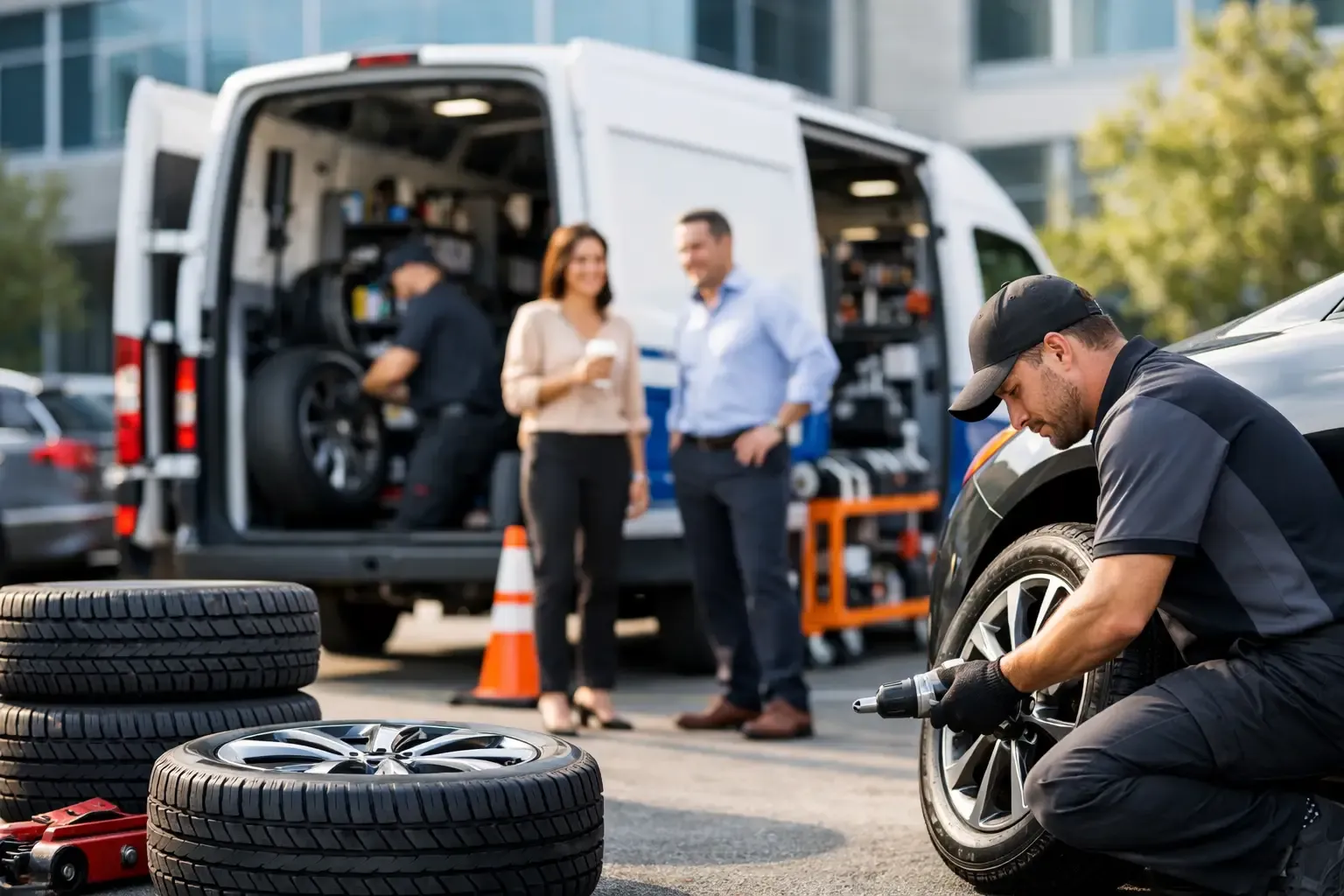
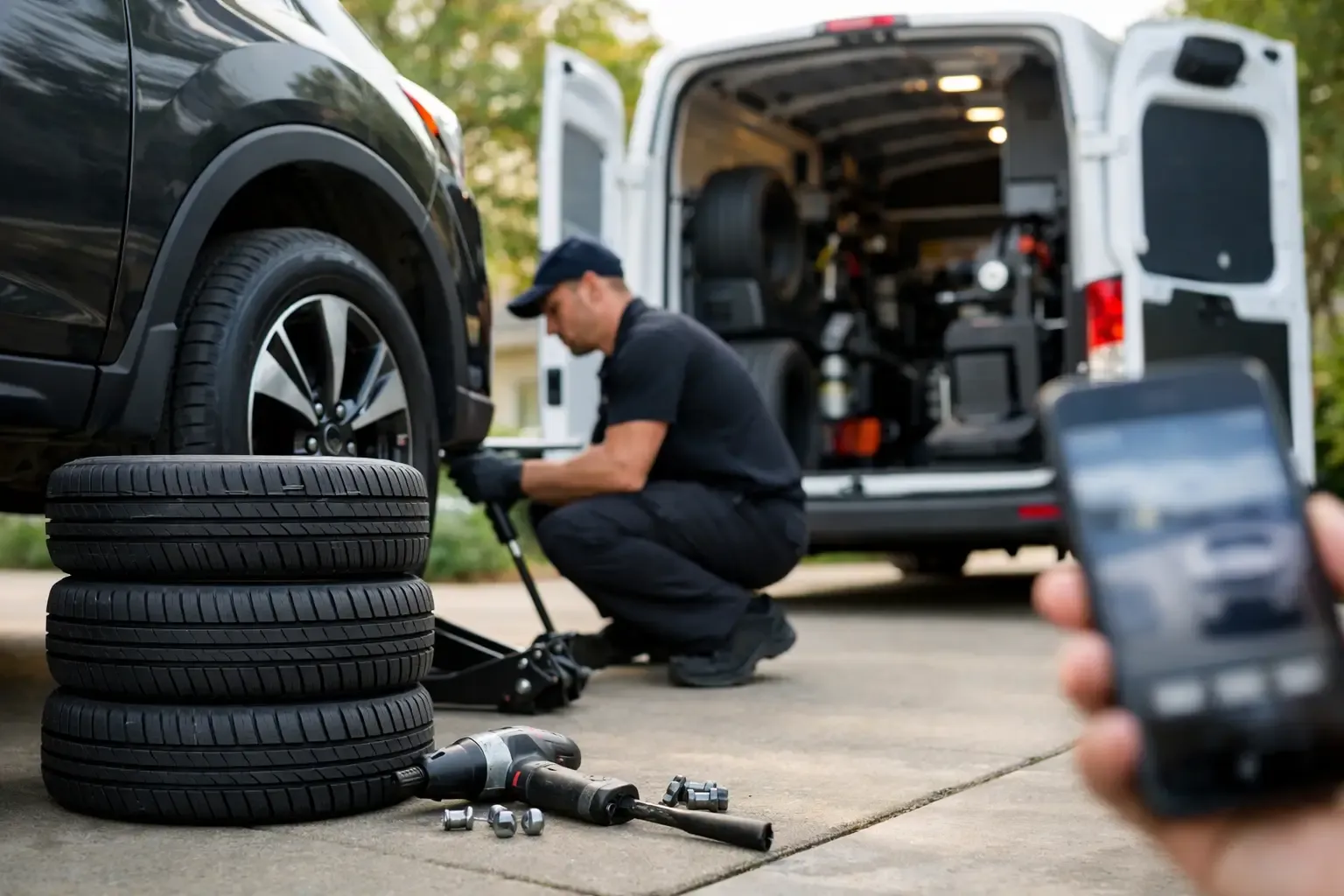
Mobile service is particularly helpful when the problem happens at home or work. Instead of arranging transportation, waiting in a lobby, or leaving a vehicle at a shop, you can have tire service completed where the car is already parked. For busy professionals, parents, commuters, and fleet managers, that convenience can protect hours of the day.
Response time can vary based on traffic, weather, demand, distance, and the type of service needed. A provider should not promise a specific outcome before inspecting the tire or battery. What they can provide is a clear process: confirm the location and vehicle, assess the problem on arrival, recommend the safest available option, and complete the work with the proper equipment.
For drivers in Columbus and nearby communities, Elite Mobile Tire provides mobile tire and roadside support 24/7, including weekends and overnight, at homes, offices, and roadside locations. The goal is simple: reduce the disruption while keeping the work focused on safety and proper tire care.
How to Reduce Your Odds of a Roadside Call
Roadside problems cannot always be prevented. Road debris, potholes, and unexpected battery failure happen. A few routine checks, however, can lower the chance that a small issue becomes a stranded-vehicle situation.
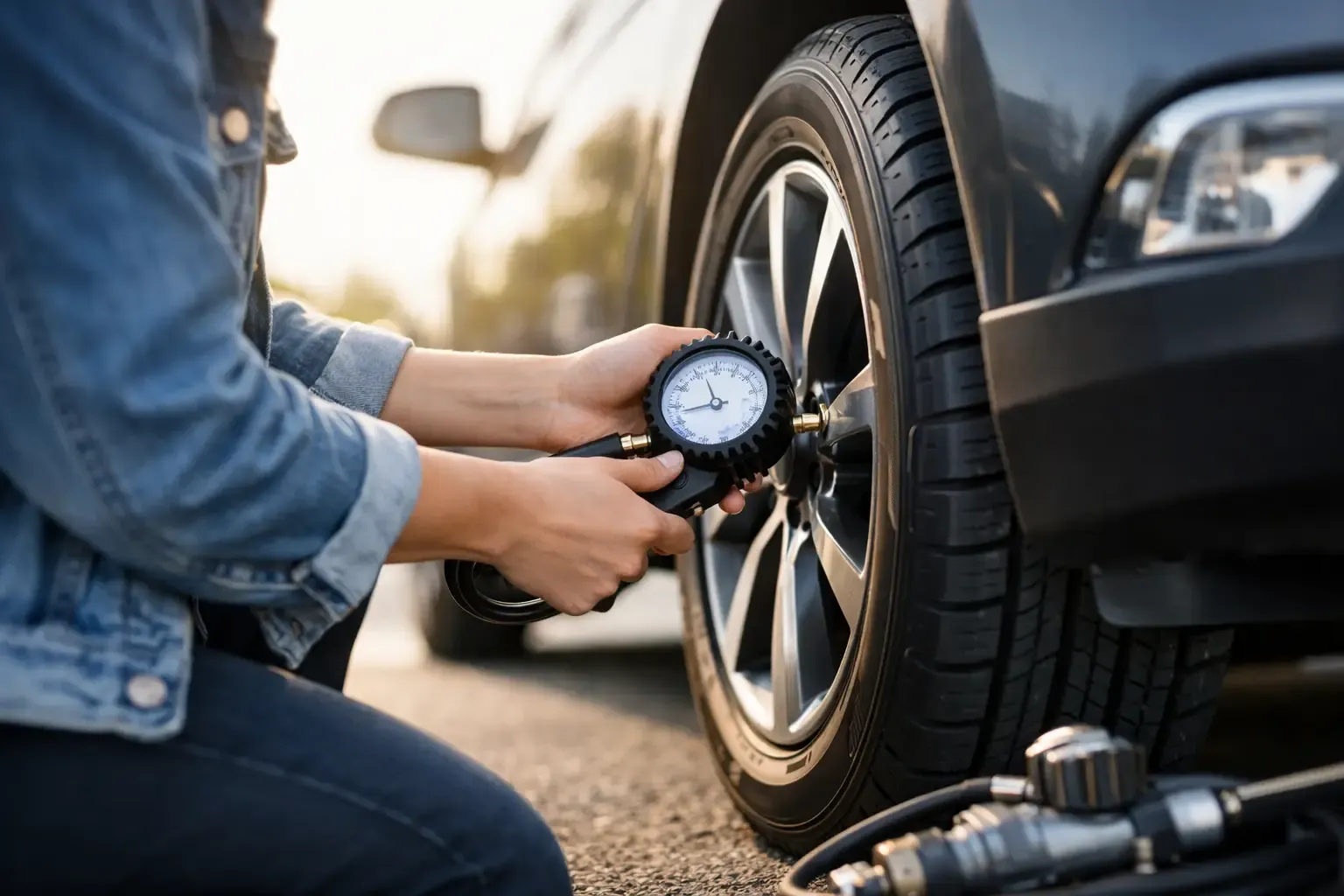
Check tire pressure at least once a month and before long drives, using the pressure listed on the driver’s door placard rather than the number on the tire sidewall. Inspect the tread for nails, cuts, uneven wear, and visible bulges. If one tire repeatedly loses pressure, have it checked instead of adding air every few days and hoping it holds.
Pay attention to changes in how your car feels. Steering-wheel vibration, pulling to one side, a persistent TPMS light, or a thumping sound may point to a tire or wheel concern that should be inspected before it becomes urgent. For the battery, slow cranking, dim lights, and repeated jumpstarts are signals to schedule testing.
Keep a few practical items in the vehicle: your registration and insurance information, a phone charger, a flashlight, the spare-tire tools, and the wheel-lock key if applicable. These items do not replace professional service, but they make it easier to communicate and respond calmly when something goes wrong.
Common Roadside Assistance Questions
Can a flat tire always be repaired?
No. Repairability depends on where the puncture is located, the size of the damage, and whether the tire was driven while underinflated. Punctures in the tread area may be repairable, while sidewall damage and serious internal damage generally require tire replacement.
Is a jumpstart a permanent fix for a dead battery?
Not necessarily. A jumpstart restores enough power to start the vehicle, but the underlying issue may be a weak battery, loose connection, or charging-system problem. If the battery dies again, have the system inspected.
Can roadside service come to an office or apartment complex?
Often, yes. Mobile tire service is designed for locations such as workplaces, driveways, apartment lots, and parking areas. Share any gate codes, parking instructions, low-clearance concerns, or vehicle-location details when scheduling.
When your vehicle will not move, do not let urgency push you into an unsafe decision. Get to a safe position, share accurate details, and choose help that can address the problem where you are. That is often the quickest route back to a normal day.
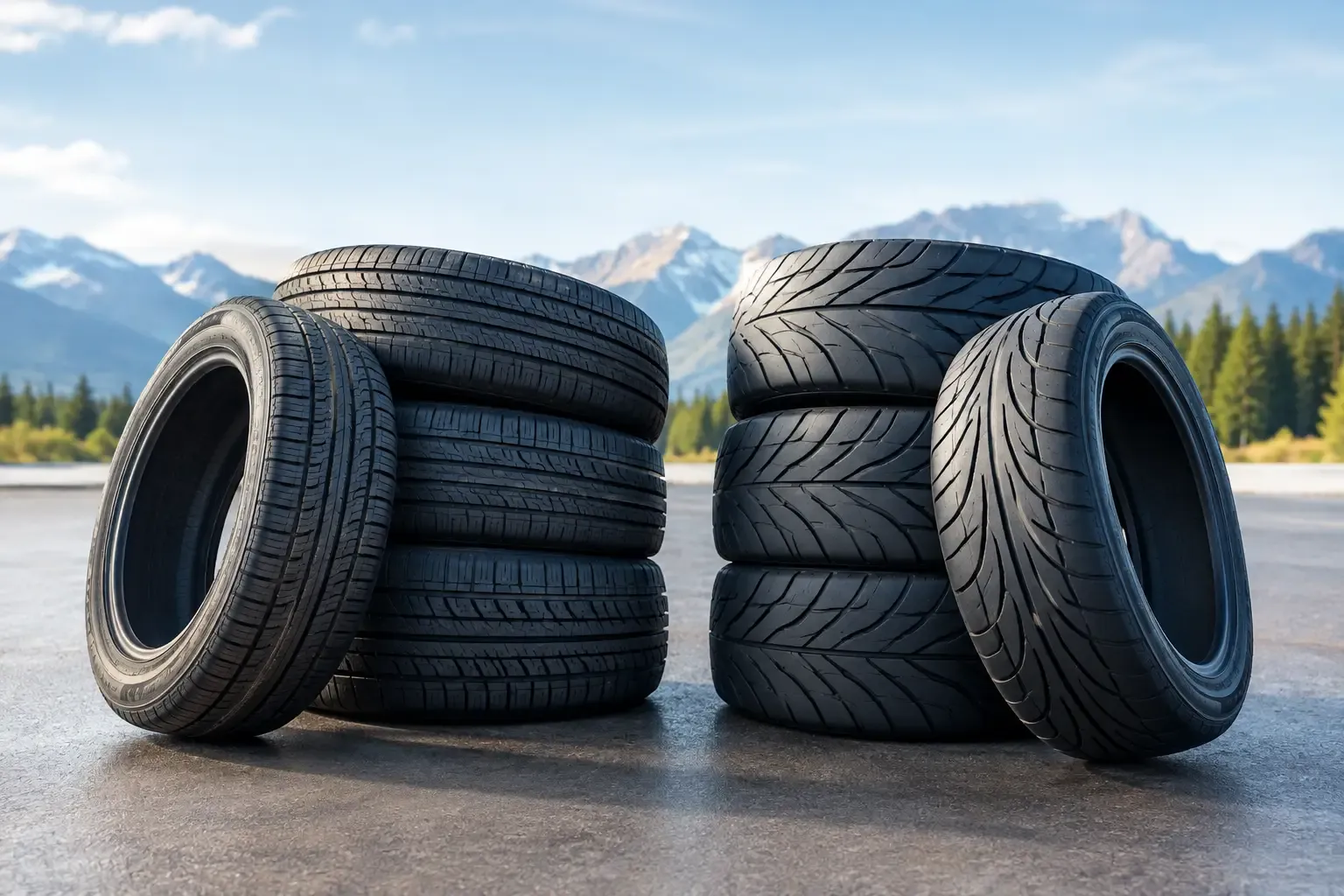
Ready for a new set? Elite Mobile Tire is open 24/7 and installs 2 or 4 new tires right in your driveway or parking lot anywhere around Columbus, Obetz, Groveport, Grove City, and Reynoldsburg. Financing is available through Afterpay and Acima with up to 24-month payment plans. Call 614-344-5010 or visit elitemobiletire.com to book.