
Quick Summary
Start with the gentlest method: wash the mark with warm water and a few drops of mild dish soap using a microfiber cloth. Work through the stages in order and stop once the tire marker is gone, rinsing with plain water after each step.
- Rinse loose dirt off the sidewall first so grit does not scratch the rubber while you scrub.
- Use a cleaner labeled for tires, with about 30 seconds of dwell time, if soap and water leave a shadow.
- Apply solvents like WD-40 or alcohol to a cloth, not directly to the tire, then rinse well.
- Patch test any product on an inner sidewall spot first to check for swelling or tackiness.
- Avoid acetone, brake cleaner, abrasive pads, and pressure washers near the sidewall lettering.
What Tire Marker Is and Which Surface You Are Cleaning
Tire marker is a paint pen or crayon used to write on tires, usually a white or yellow mark used for tire sizing, shop notes, or a racing or show finish. When it gets on the rubber sidewall or tread, it can be hard to remove. Before you start, check what you are actually cleaning. A mark on rubber needs a different approach than a mark on paint or concrete. Rubber can still swell or dry out if you use the wrong product.
Look at the surface first. If the mark is on the tire sidewall or tread, you are working on rubber. If it has spread onto the wheel, car body, or driveway, treat each surface separately. Using one strong cleaner across all of them is a common mistake.
Removing Tire Crayon From Rubber Tires Without Damage
Tire crayon removal works best when you go slowly. Harsh chemicals can dry rubber out or leave a sticky film, so start gently. Start with the mildest option and only move up if the mark does not come off.
Plan on several short cleaning sessions rather than one hard scrub. Dry rubber is more likely to crack or fade, so keep the surface wet with your cleaner while you work. Once the mark loosens, wipe it away and rinse the area with plain water.
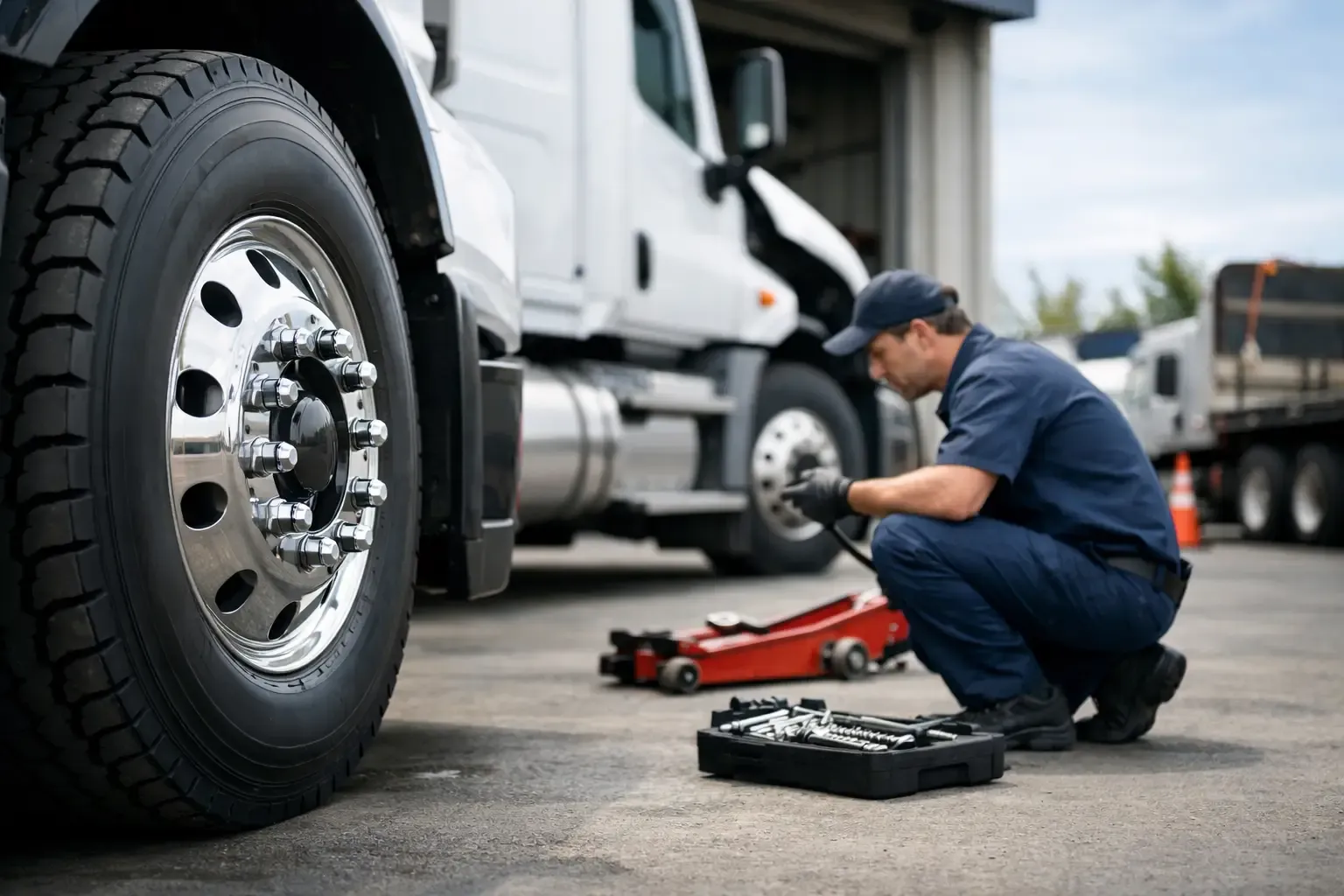
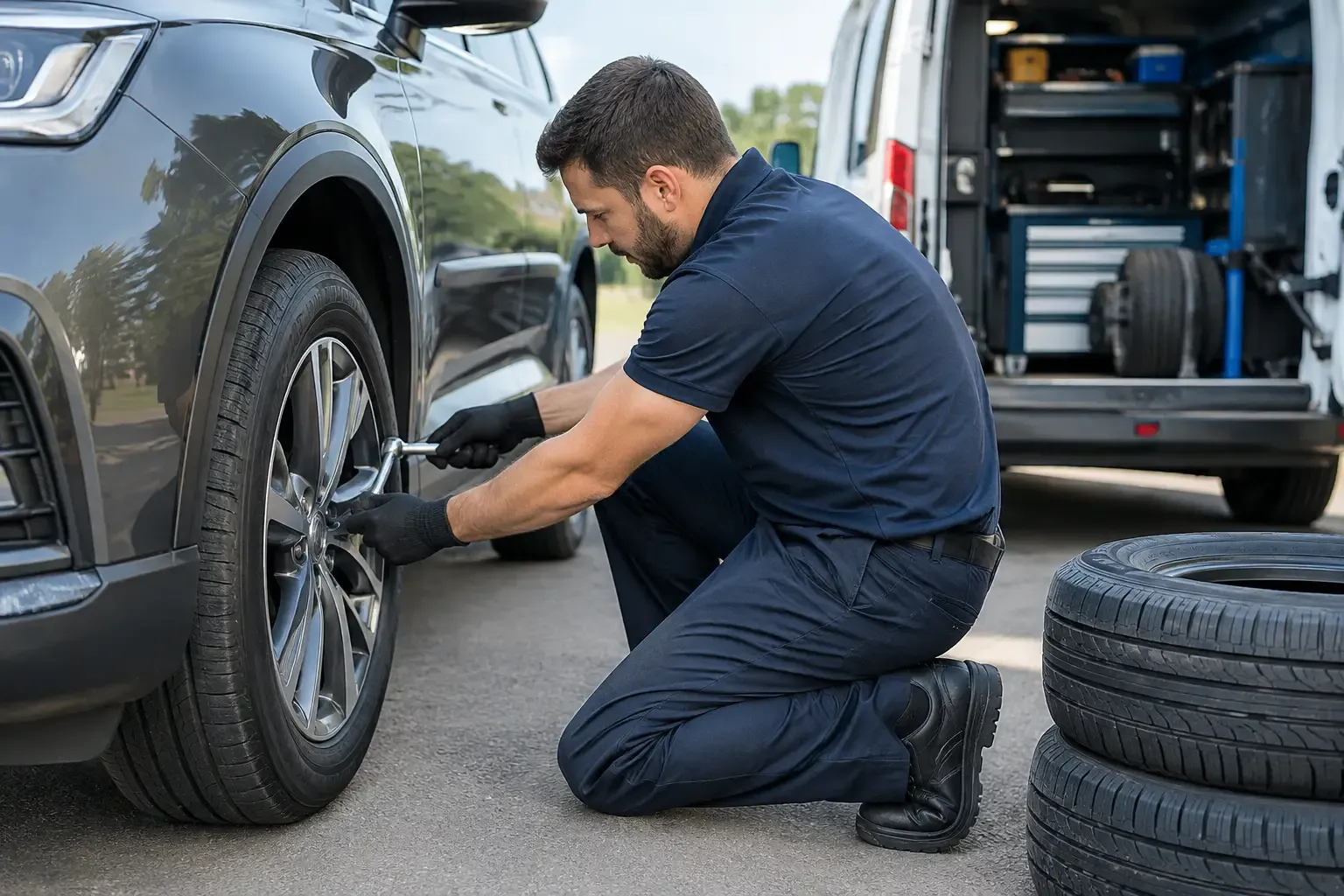
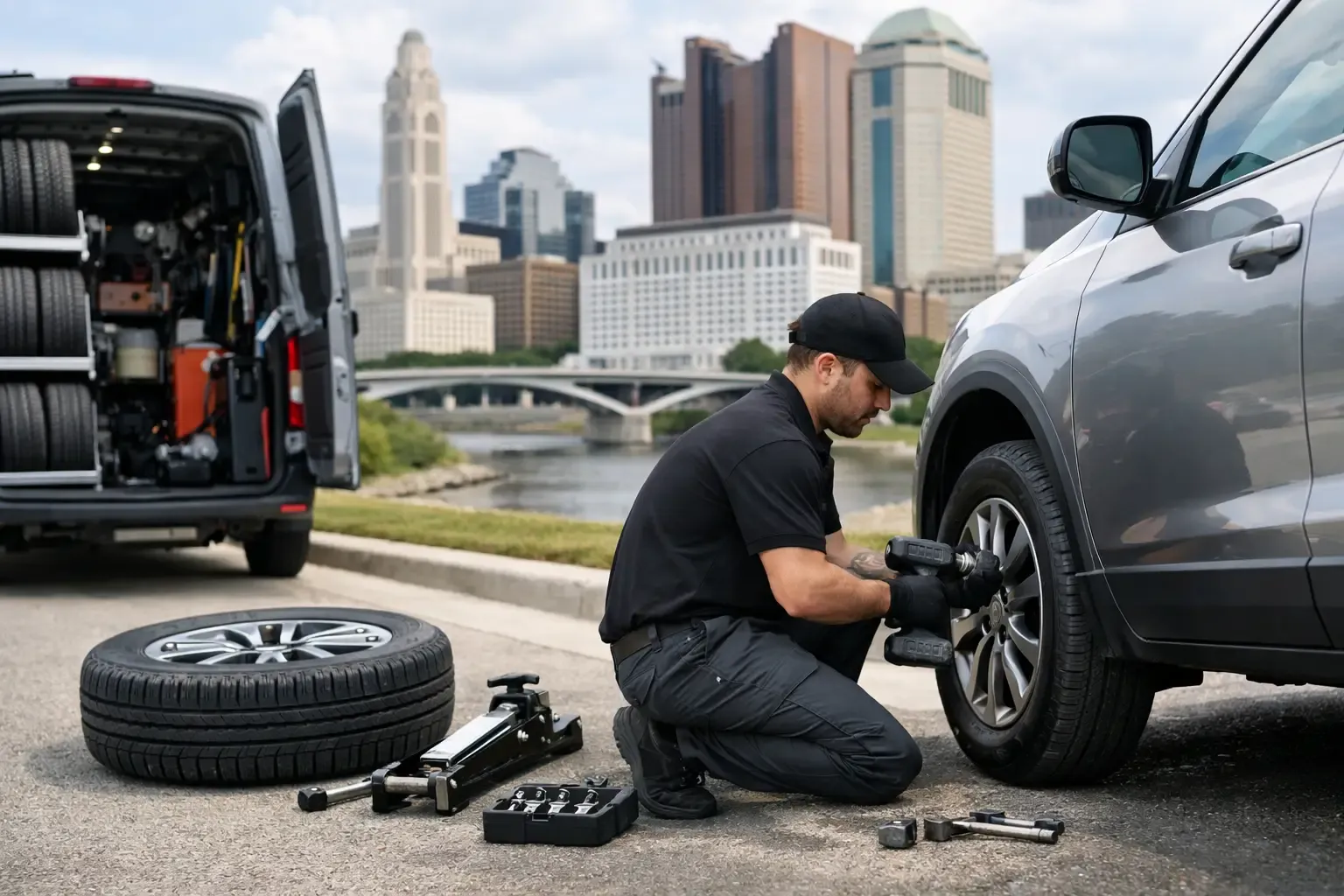
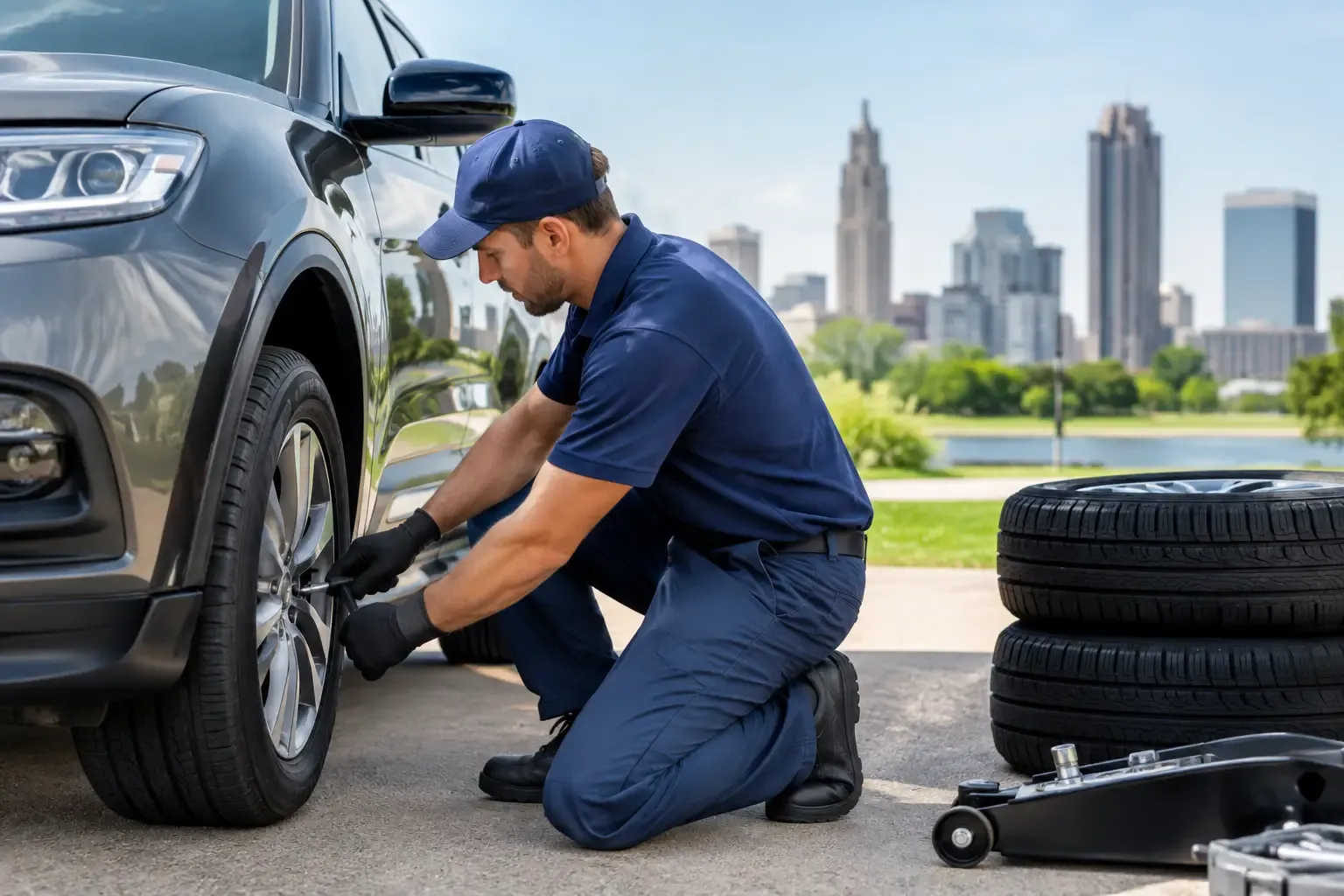
If you are unsure how the tire will handle a product, check your owner's manual or the tire maker's care guidance first. Many manufacturers recommend mild cleaners for tire surfaces. If you would rather have a pro handle the cleaning, you can buy new tires online and enjoy mobile installation with same-day service in Columbus.
Step-by-Step: How to Remove Tire Marker From Rubber Wheel Surfaces
This sequence runs from the least aggressive method to the most aggressive, with a stop condition at each stage.
Stage 1, Soap and water (safest). Add a few drops of mild dish soap to a bucket of warm water.
Stage 2, Rubber-safe tire cleaner. If soap and water leave a faint shadow, apply a cleaner labeled for tires to a cloth, not directly to the tire.
Stage 3, Rubbing alcohol. Put 70% isopropyl alcohol on a cloth and wipe the mark briefly. Do not soak the sidewall. Rinse with water right after.
Stage 4, WD-40 or a light petroleum solvent. Spray the cloth, not the tire, and wipe the mark. Keep the solvent on the mark and off the surrounding sidewall.
Stage 5, Tar or adhesive remover. Use a small amount on a cloth for dried or stubborn residue. Let it dwell only briefly, rub lightly, and rinse thoroughly.
Stop conditions. Stop and rinse with plain water if you see swelling, tackiness, a chalky haze, color change, or the rubber starting to feel soft.
Troubleshooting dried or weathered marks. Old marker that has baked into the sidewall can take more than one session.
Aftercare. Rinse the whole area with plain water, dry with a clean cloth, and let the tire air-dry before you drive.
Watch out: Do not use a pressure washer close to the sidewall or lettering to blast off marker. High pressure can lift lettering edges and force water into places it should not go.
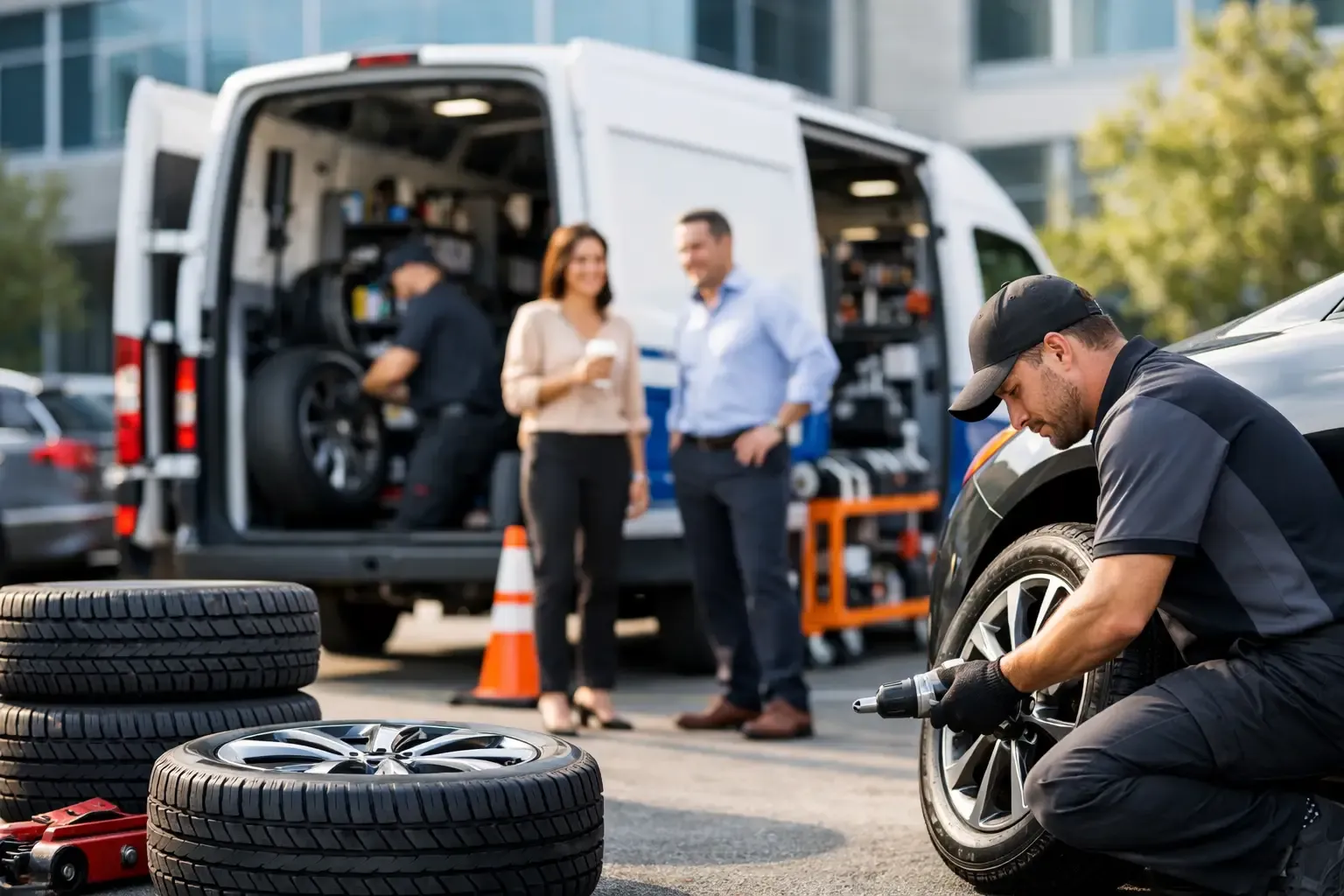
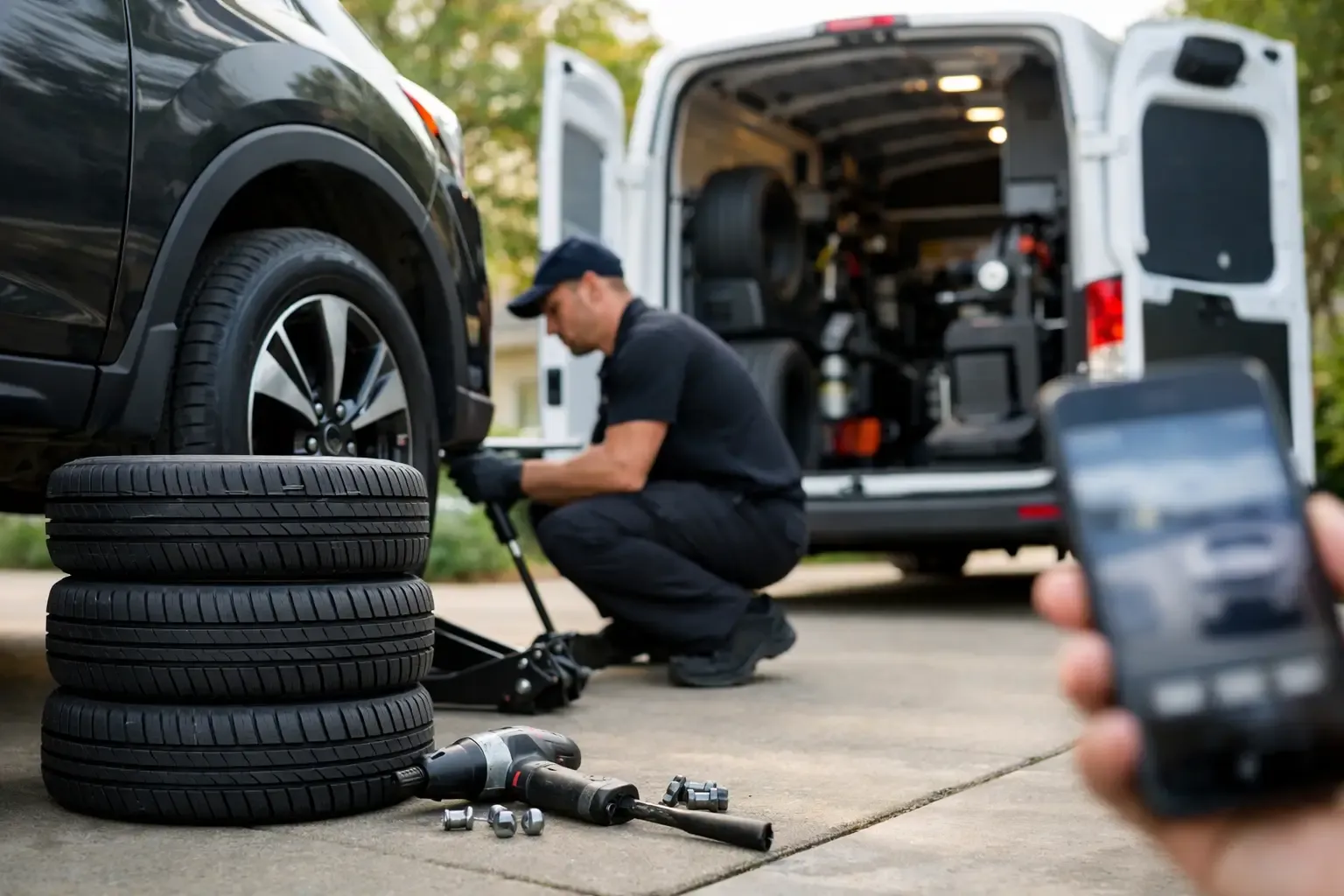
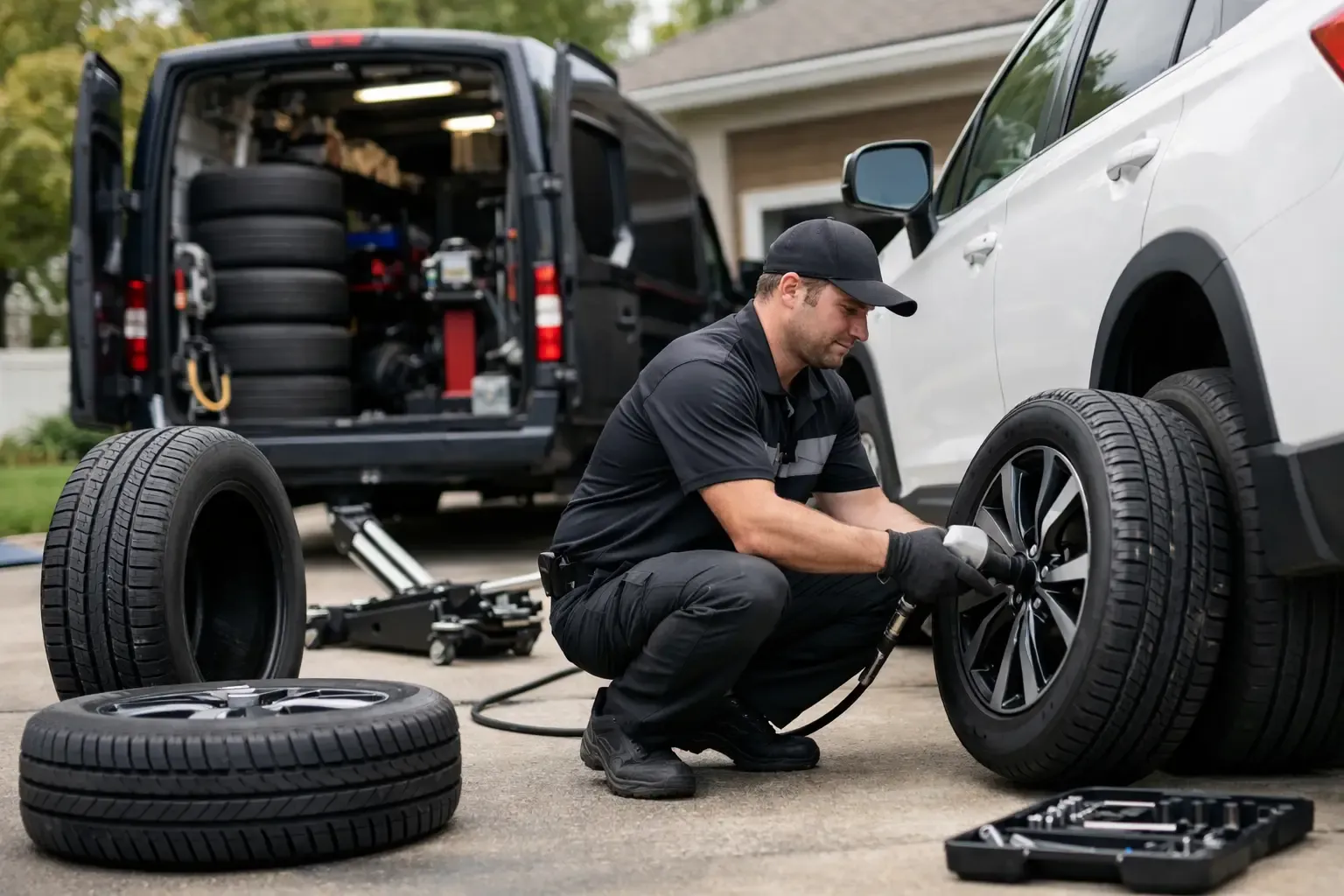
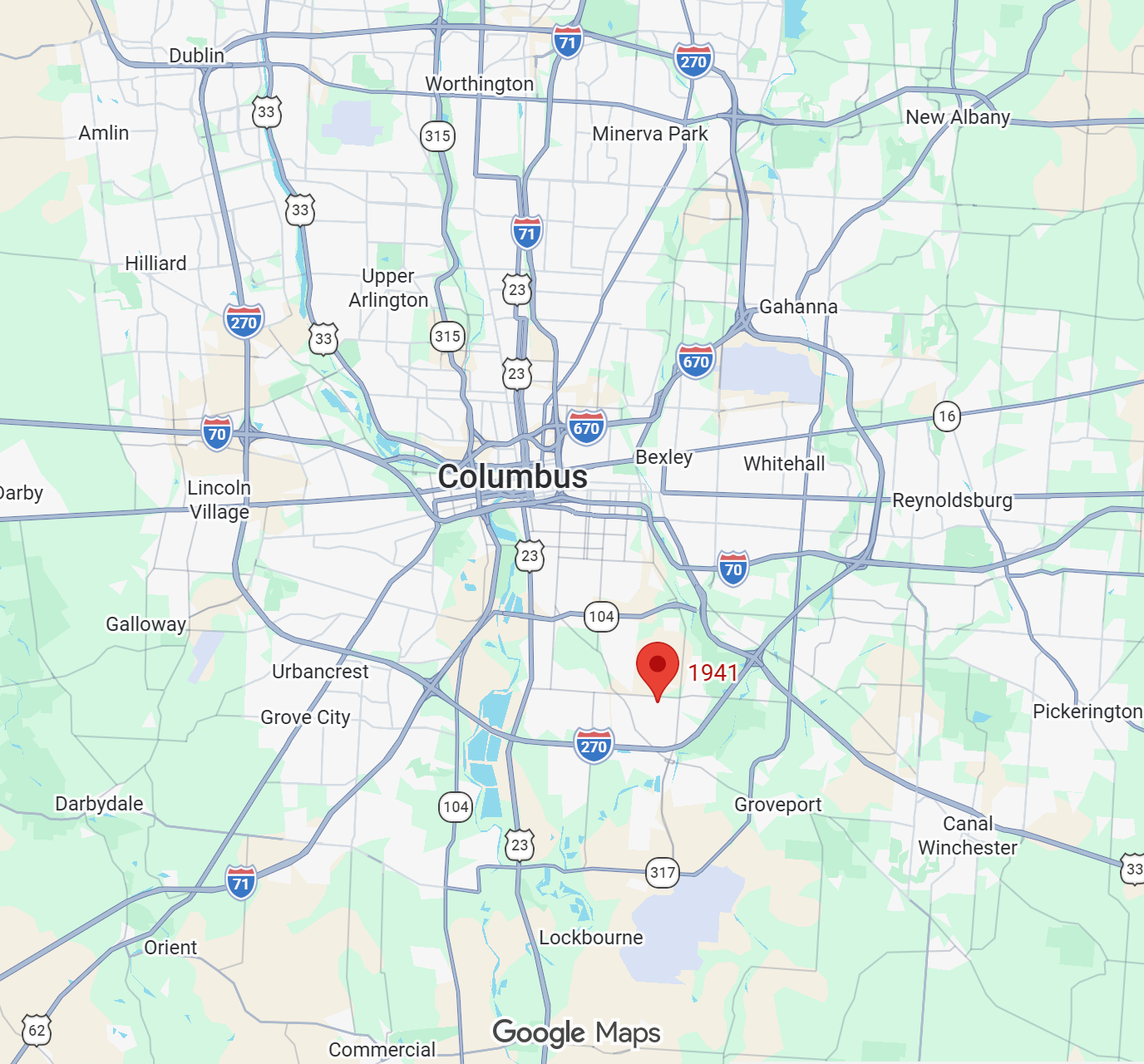
If you are working on a set and find sidewall cracking, uneven wear, or a mark that will not come out, that is a good moment to have all four tires checked. Elite Mobile Tire comes to you across Columbus, Obetz, Groveport, and Canal Winchester, and our technicians check all four tires on every job, not just the one you called about. Many manufacturers recommend replacing tires in pairs on the same axle, with new tires on the rear, and many AWD vehicles need all four tires matched in tread depth. Our On-Site Tire Installation service can handle two or four tires at your location, and if you are thinking about a full set, we offer financing through Afterpay and Acima with payment plans up to 24 months. Mobile tire balancing at Elite Mobile Tire is around $50 per tire.
Work through these stages from gentlest to most aggressive, and stop as soon as the mark is gone.
Stage | What to use | When to stop
1. Soap and water | Mild dish soap in warm water, microfiber cloth | Mark is gone
2. Rubber-safe tire cleaner | Cleaner labeled for tires, about 30 seconds dwell | Mark is gone
3. Rubbing alcohol | 70% isopropyl alcohol, brief wipe | Rinse with water right after
4. WD-40 or light solvent | Applied to cloth, not the tire | Mark is gone, then rinse well
5. Tar or adhesive remover | Small amount on cloth for stubborn residue | Rinse thoroughly, then reassess
6. Polish or compound | Light rubber-safe polish, very light pressure | Only if the rubber is sound
Stop condition | Swelling, tackiness, chalky haze, color change, softness | Rinse with plain water immediately
Which Products Are Safe to Use on Rubber and Which to Avoid
Tire marker sits on a rubber sidewall or tread, and rubber reacts differently to chemicals than paint, clearcoat, or concrete does. That is why a product that works on a driveway stain can dull a sidewall or pull the shine out of a raised white letter. Match the product to the surface before you touch the mark.
Generally safe on rubber tires:
- Warm water and a few drops of mild dish soap. This is the default first step for fresh crayon or paint-pen marks.
- Cleaners labeled for tires and rubber, applied with a soft microfiber cloth.
- Isopropyl rubbing alcohol (70%) on a cloth, used briefly and rinsed. It evaporates quickly and leaves little film when used briefly and rinsed.
- WD-40 or a similar light petroleum solvent, applied to the cloth rather than sprayed on the tire, then wiped and rinsed. It works on fresh marks but leaves an oily film that attracts dust if you skip the rinse.
- A dedicated tar or adhesive remover, used sparingly on stubborn spots and rinsed thoroughly afterward.
Use with caution or avoid on rubber:
- Acetone, lacquer thinner, MEK, and paint stripper. These are harsh on rubber and can strip lettering you want to keep.
- Brake cleaner and carb cleaner. They are aggressive on rubber and easy to over-apply.
- Bleach-based or high-alkaline degreasers left to dwell. Prolonged contact can fade black sidewalls and dry the surface.
- Abrasive pads, steel wool, and stiff wire brushes. They scratch and wear rubber and can scuff a wheel finish nearby.
- Any product left sitting on the tire for minutes at a time. Dwell time is for the mark, not the whole sidewall.
Patch test first. Pick a spot that will not show, such as the inner sidewall or a section below the tread shoulder, and apply a small amount of the product. Wait a minute, wipe it off, and look for swelling, tackiness, color change, or a chalky haze. If you see any of those, stop and rinse with plain water. A common pattern is that a solvent looks fine for the first 30 seconds and then softens the rubber, so give it a moment before you commit to the visible mark.
Safety basics. Work outdoors or in a ventilated garage, wear nitrile gloves, and keep solvents away from sparks and open flames. Keep the product off the wheel finish and brake components; if it drips, rinse immediately. Store solvent-soaked cloths in a metal container, not a pile on the floor.
Watch out: Never mix solvents or pour one product over another on the tire. Residue from a previous cleaner can react with the next one, and the result is harder to rinse off than the original mark.
If you are unsure how a product will behave on your specific tire, check the tire maker's care guidance or your owner's manual first. Many manufacturers recommend mild cleaners for tire surfaces and warn against petroleum-based products on some sidewall compounds.
How to Remove Rubber Tire Marks From Car Paint
Marks on car paint are a different problem. Paint can scratch or dull if you rub too hard or use the wrong solvent. Start with the same gentle method: soapy water and a soft cloth. If that does not work, use a small amount of WD-40 or a paint-safe adhesive remover on a cloth, and wipe gently.
Work in small sections and wash the area afterward so the solvent does not sit on the paint. Finish with a light coat of car wax to protect the paint.
What Removes Tire Marks From Paint and What Does Not
Mild soap, water, and a soft cloth remove most fresh rubber scuffs from paint. Adhesive removers and WD-40 can help with stubborn marks. Products that do not work well, and can harm paint, include abrasive cleaners, steel wool, strong degreasers used without care, and any solvent left to sit for a long time.
If a mark still does not lift, do not keep scrubbing. Repeated rubbing can leave a dull patch that is harder to fix than the original mark. A professional detailer may be able to help with marks that will not lift at home.
When Stubborn or Old Marks Mean It Is Time to Call Elite Mobile Tire
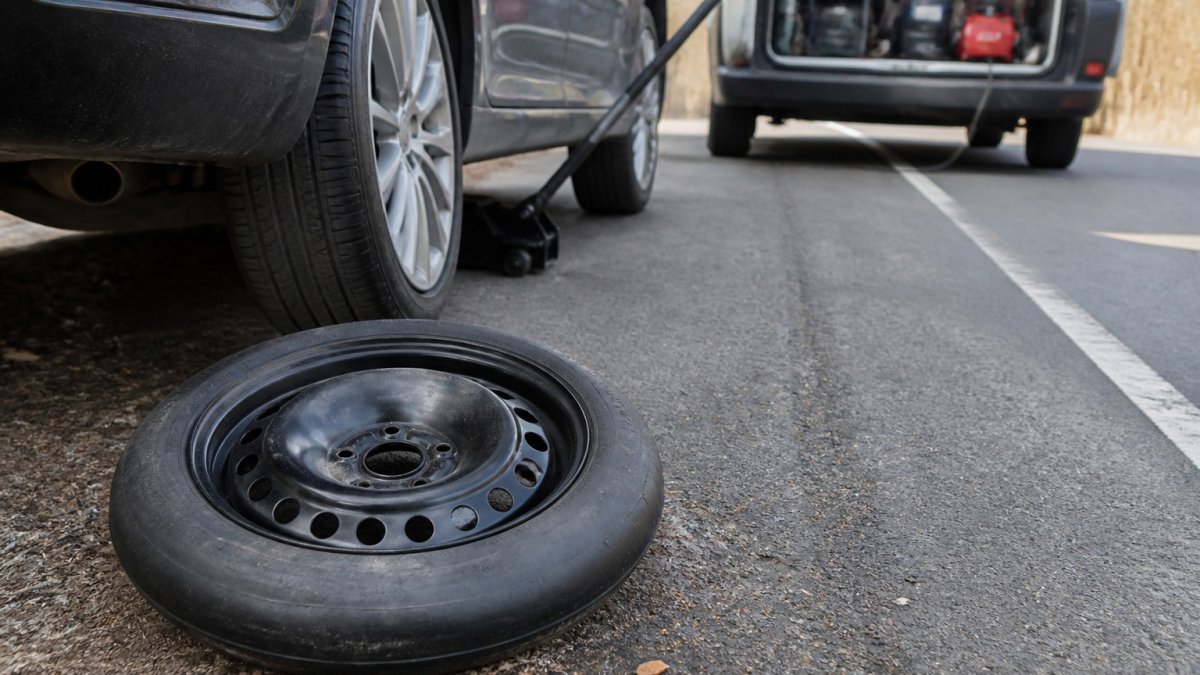
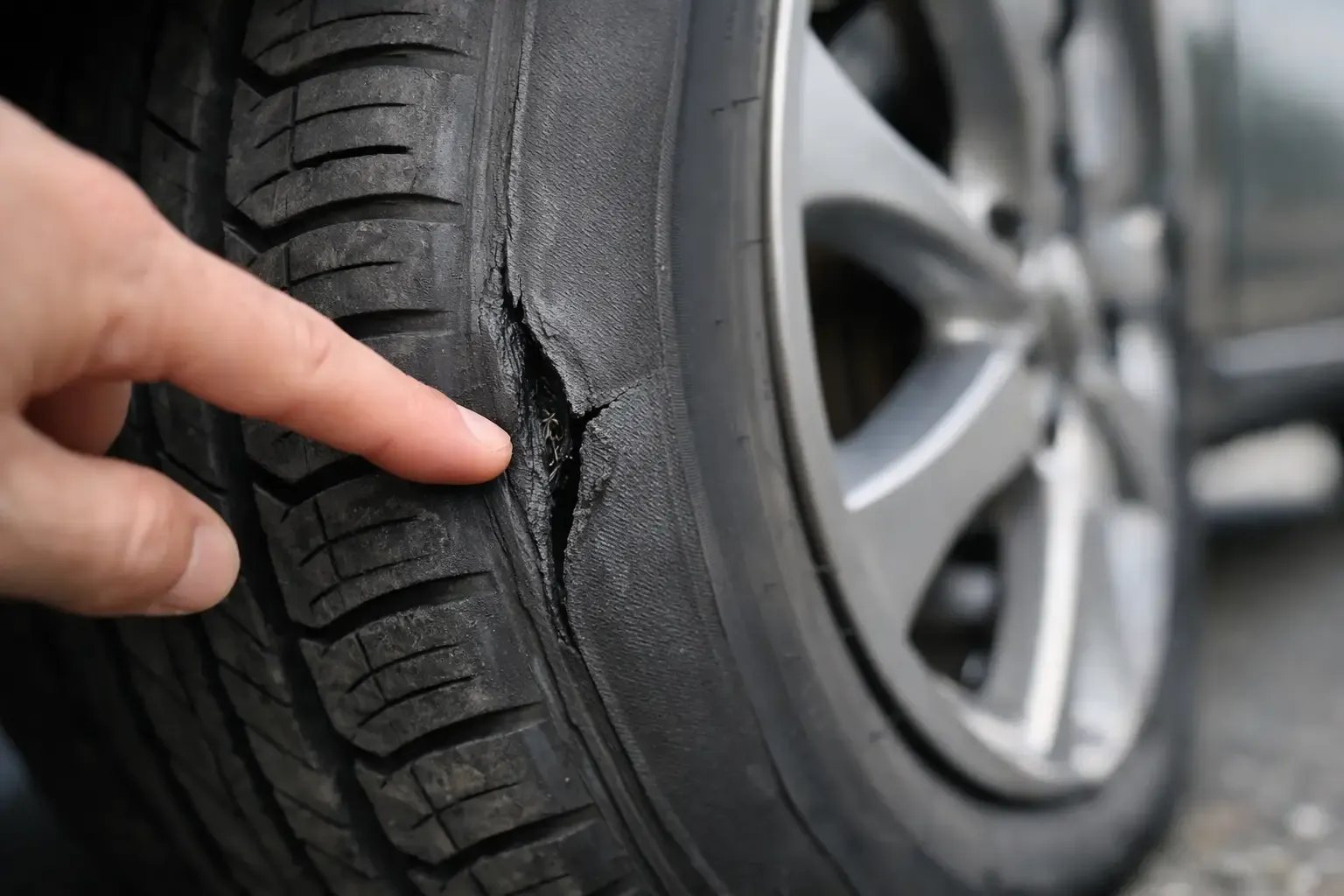
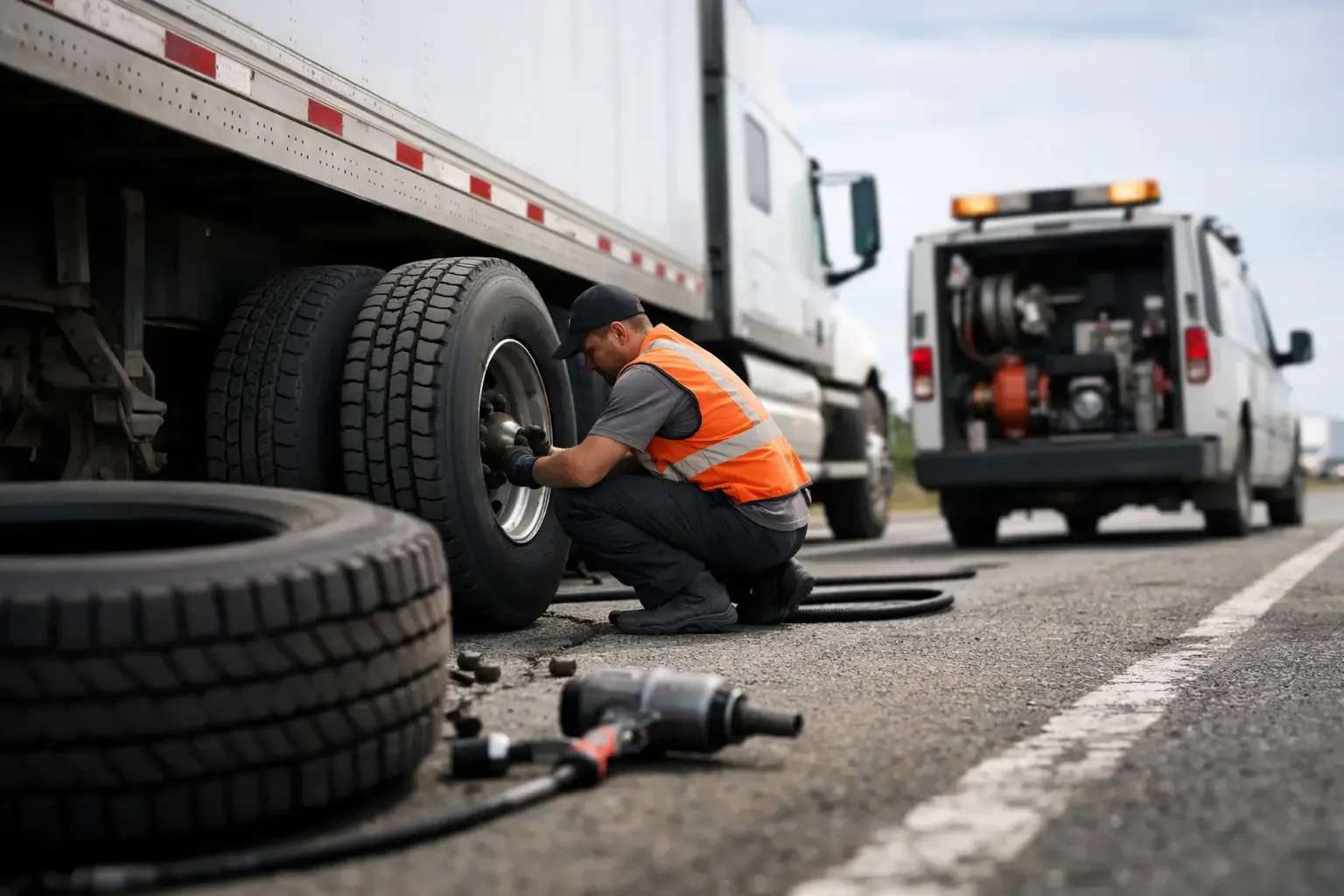
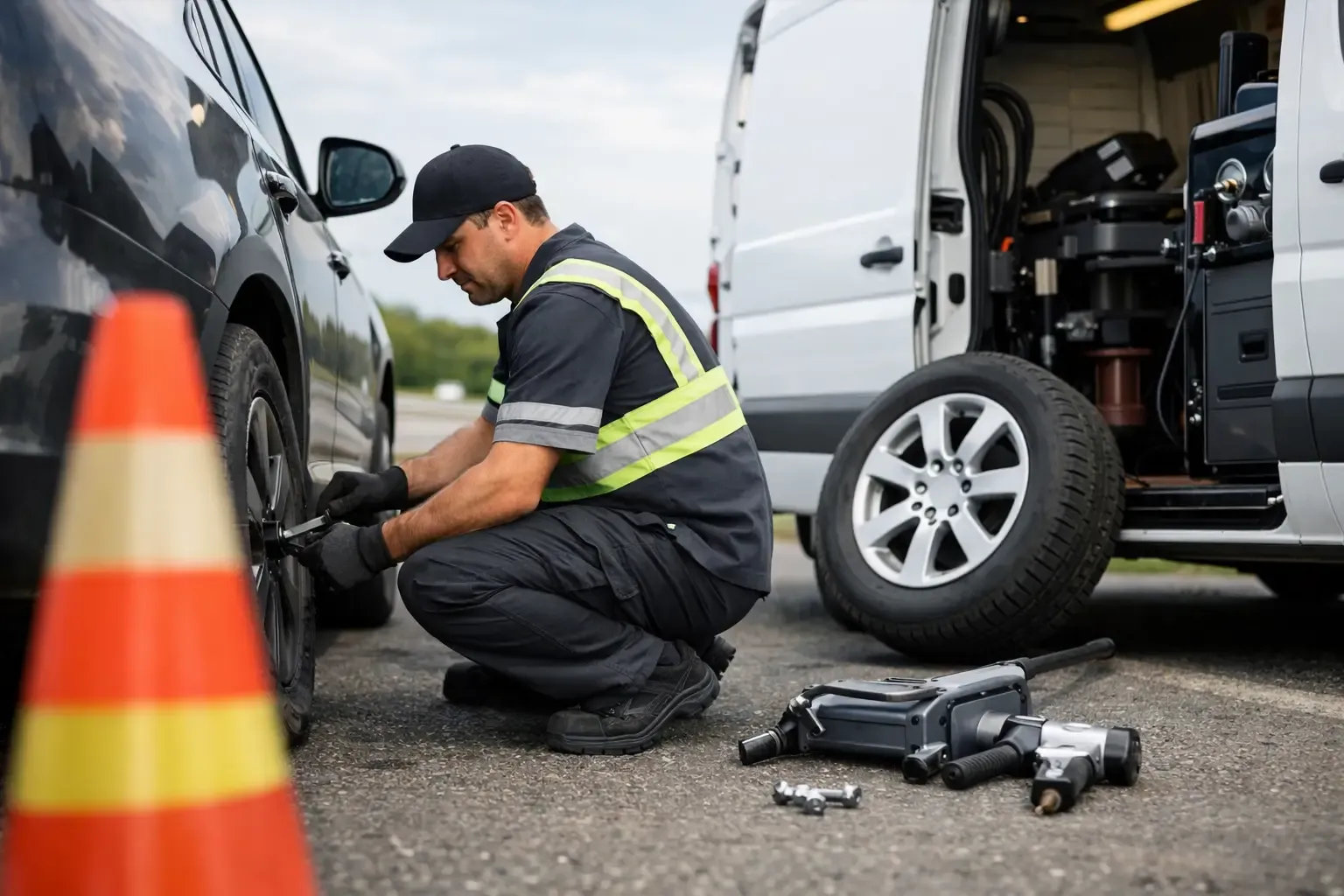
Old, baked-on marks can be hard to remove at home. If you have tried gentle methods and the mark remains, or if you see cracks, bulges, or sidewall damage, a tire check is a good idea. Our guide to roadside spare tire changes explains what a technician can check and when to call for help. Marks can sometimes hide wear or damage on the tire itself. If the tires need replacing, our Semi Truck & Commercial Tire Service and RV & Camper Tire Service cover larger vehicles as well.
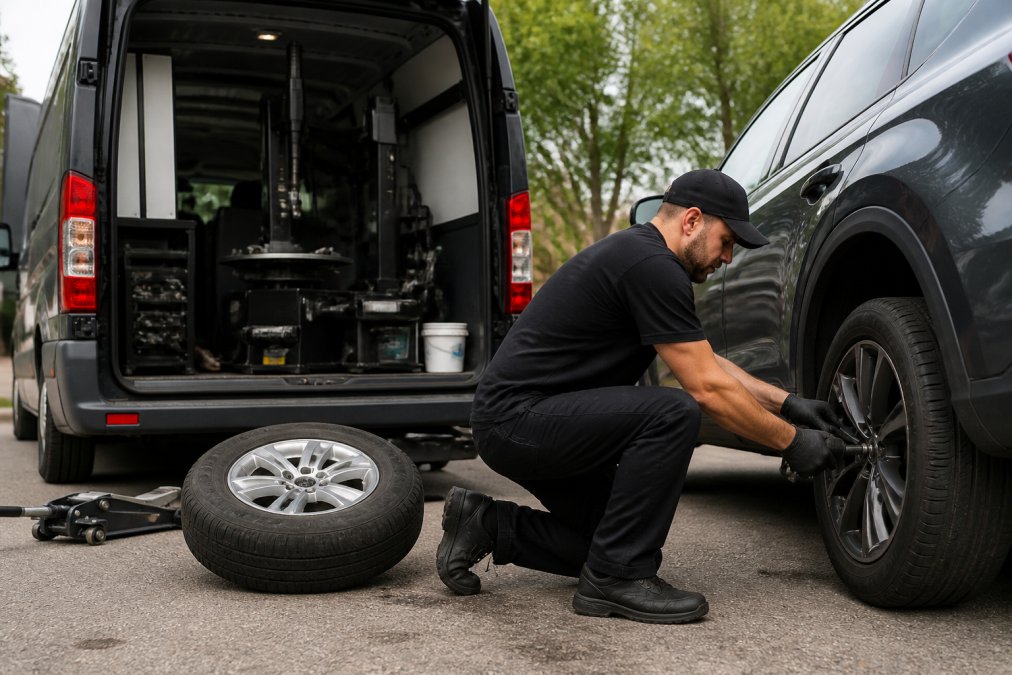
Elite Mobile Tire comes to you in Columbus, Obetz, Groveport, Canal Winchester, and nearby areas. Our technicians check all four tires on every job, not just the one you called about. Many manufacturers recommend replacing tires in pairs on the same axle, with new tires on the rear. If you are thinking about a full set, we offer financing through Afterpay and Acima, with payment plans up to 24 months.
Call 614-344-5010 or book online at elitemobiletire.com. We're open 24/7, including weekends and overnight, so pick whatever time works for you.
Frequently Asked Questions
Does WD-40 remove tire marks?
WD-40 can loosen many tire marks on rubber because it is a light solvent. Spray a small amount on a soft cloth rather than directly on the tire, let it sit for about 30 seconds, then wipe gently. Test it on a hidden spot first. Once the mark lifts, wash the area with mild soap and water to remove any oily film, since leftover residue can attract dirt.
Can tire marker damage rubber?
Tire marker itself usually sits on the surface and does not soak deep into rubber, so it rarely causes lasting damage. The risk comes from scrubbing hard or using harsh solvents, which can dry out or discolor the rubber. Use the gentlest method first, and stop if the rubber starts to look dull, tacky or cracked.
Will rubbing alcohol remove tire marker from a tire?
Isopropyl rubbing alcohol can lift some tire marker, especially fresh marks, but it can also dry out rubber over repeated use. Try it on a small hidden area first and wipe quickly with a clean cloth. Follow up with a tire dressing or mild soap wash so the rubber does not look chalky afterward.
What should you avoid when cleaning a tire sidewall?
Avoid harsh abrasive pads, wire brushes, and strong solvents such as acetone on the sidewall, since they can weaken the rubber. Skip products that are not labeled for tires. Also avoid scrubbing a sidewall that shows cuts, bulges or cracks, because those can point to damage that a cleaning job will not fix.
Ready for a new set? Elite Mobile Tire is open 24/7 and installs 2 or 4 new tires right in your driveway or parking lot anywhere around Columbus, Obetz, Groveport, Grove City, and Reynoldsburg. Financing is available through Afterpay and Acima with up to 24-month payment plans. Call 614-344-5010 or visit elitemobiletire.com to book.